

Deng Liang of China Healthcare Early-Stage Fund Spotlights GLP-1 Bet Ahead of the Curve: From ECC5004 Licensing Deal to Innovation Investment Philosophy

Eccogene
Small Molecule Drug Developer
Recently, news that Eccogene has licensed its core pipeline asset, the small-molecule GLP-1 receptor agonist ECC5004, to AstraZeneca for a potential total value of nearly $2 billion has ignited enthusiasm across the industry. Previously,Deng Liang, a partner at Huagai Healthcare's early-stage fund, participated in the early incubation of Eccogene.In 2020, Huagai Capital participated in Eccogene's Series A financing round.
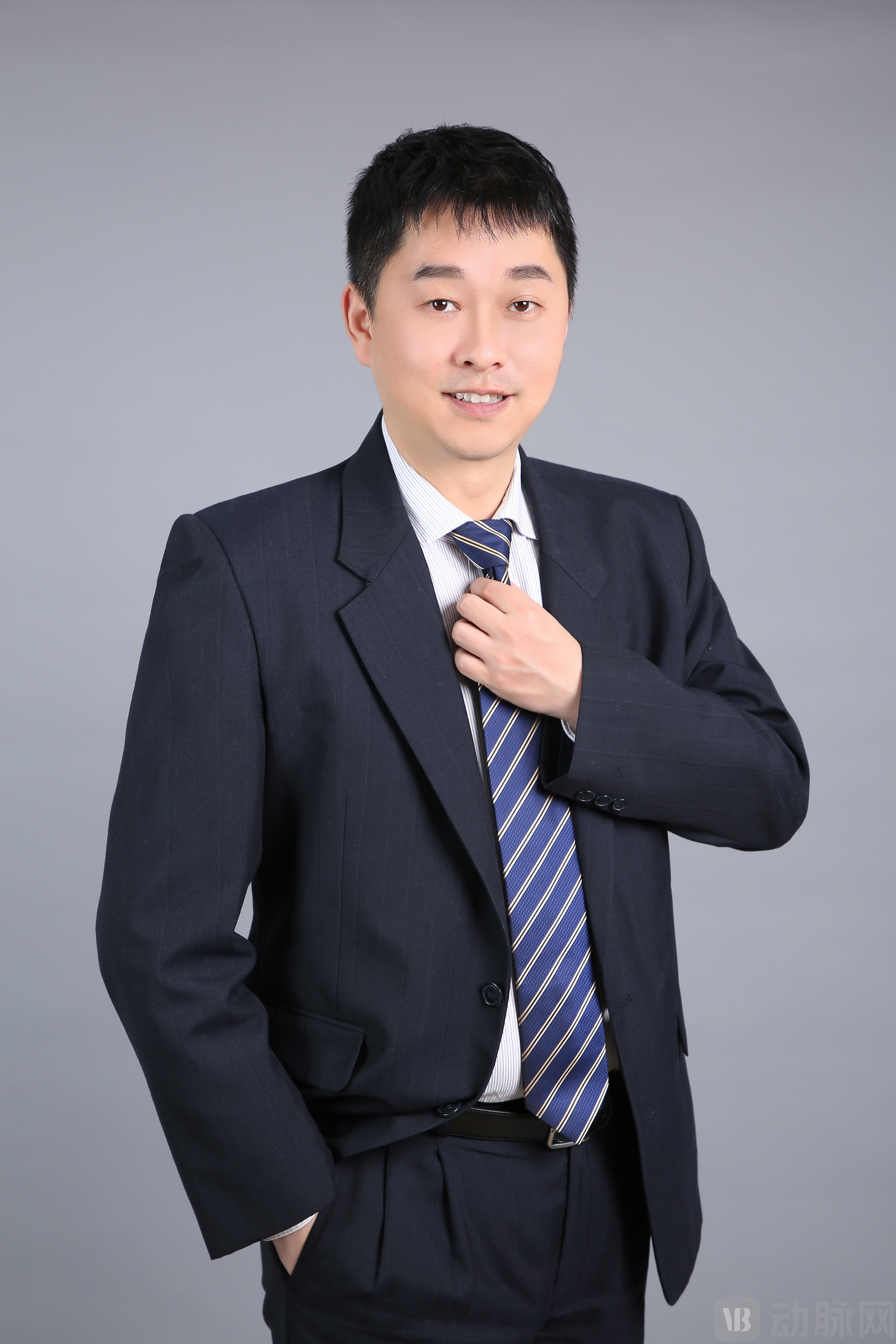
Deng Liang, Partner at Huagai Healthcare’s Early-Stage Fund. Image source: Provided by the interviewee
Over the past five years, Eccogene has been deeply committed to developing novel drugs for metabolic diseases and has completed multiple rounds of financing. Deng Liang shares a long-standing friendship with Dr. Zhou Jingye, founder of Eccogene, and Dr. Xu Jianfeng, co-founder. All three, veterans of the new drug industry, share a steadfast dedication to creating independently developed, original therapeutics. “The journey has been arduous, particularly as the external environment for innovative drugs continues to tighten. Although our products possess sufficient differentiation and competitiveness, the company must continuously adjust its strategies in response to changing external conditions.” Reflecting on Eccogene’s twists and turns and its growth, Deng Liang remarked with deep emotion, “But promising projects will always find their way through.”
In Deng Liang’s pharmaceutical investment career, Eccogene stands out as a classic case. He defines himself as an atypical investor; with a background in the pharmaceutical industry rather than systematic financial training, he evaluates projects and makes investments on a case-by-case basis.Differentiated, Market-Driven, and Globally Minded, which represents the ideal form of innovative drug projects as summarized by Deng Liang. In a sense, Eccogene’s practices have validated his investment logic.
Deng Liang’s connection with Eccogene dates back to before the company was founded. The vast number of patients with metabolic diseases, coupled with the limited efficacy of existing clinical solutions, makes innovative drug development in this area a blue-ocean market—a sector Deng Liang has long favored and in which he had been seeking a “high-potential” investment opportunity. In 2017, Eli Lilly’s China R&D Center initiated strategic adjustments, prompting Dr. Zhou Jingye and Dr. Xu Jianfeng to consider new directions. After extensive discussions, these three long-time friends decided to embark on an entrepreneurial journey, with Deng Liang participating as the lead investor in the seed round. At that time, serving as Managing Director at Sinopharm Capital, Deng Liang invested RMB 50 million in their newly established company.
After years of collaboration, Deng Liang remains highly complimentary of the management team’s business capabilities. “The management team is highly efficient, proactively undertaking substantial work across R&D, clinical development, financing, and business development (BD) to ensure smooth project advancement.” At the inception of Eccogene, many investment institutions were highly hesitant about backing young scientists and novel drugs for metabolic diseases. They showed a stronger preference for investing in oncology drug companies founded by experienced professional managers.
“Dr. Zhou’s prior experience as head of R&D has given him strong command over the project,” said Deng Liang.After earning his bachelor’s degree from the Department of Chemistry at Peking University and his graduate degree in medicinal chemistry from the State University of New York, Deng Liang worked at Novartis Pharmaceuticals and Bristol-Myers Squibb.Since 2018, Deng Liang has served as Executive Director at Starr Capital and as a Partner at Huagai Medical Early-Stage Fund. For an extended period, Deng Liang was an investor in Eccogene and played a key role in facilitating its access to capital. The funds under his management have increased their stakes in Eccogene on multiple occasions.
Returning to the project itself, given his background in the pharmaceutical industry, Deng Liang places particular emphasis on product differentiation and market potential when evaluating projects. Eccogene has positioned itself in the field of metabolic diseases, which affects a large patient population with significant unmet clinical needs. For instance, there is still no effective treatment for non-alcoholic steatohepatitis (NASH), and patients with diabetes require medications with longer duration of action and fewer side effects to improve the experience of long-term therapy. The market potential for such drugs is self-evident. In the metabolic disease sector, many popular targets have attracted a crowd of pharmaceutical companies developing similar products. Taking the recently surging GLP-1 drugs as an example, there are hundreds of related R&D pipelines both domestically and internationally, resulting in a high degree of homogenization. Furthermore, as a star product, semaglutide demonstrates extremely strong market competitiveness. To achieve differentiation in the GLP-1 drug class, developers have little choice but to focus on creating oral formulations with sufficiently high bioavailability.
Oral GLP-1 Therapeutics: Two Approaches—Peptide-Based and Small MoleculeAn oral peptide-based GLP-1 drug has already reached the market. In September 2019, Rybelsus, the oral formulation of semaglutide, was approved for glycemic control in specific patient populations with diabetes. However, compared with its injectable counterpart, Rybelsus exhibits extremely low bioavailability and imposes stringent administration requirements on patients, such as fasting prior to dosing, thereby limiting its clinical value. Consequently, attention has increasingly shifted toward small-molecule oral GLP-1 agents. Nevertheless, the development of such oral GLP-1 drugs is exceedingly challenging, with only a handful of teams worldwide having mastered this technology.
Specifically, GLP-1R belongs to the Class B G protein-coupled receptors (GPCRs). Its orthosteric site is highly conserved, making it difficult to achieve high selectivity. Moreover, the binding mode of the receptor with peptides and its activation mechanism are complex, posing significant challenges in screening suitable small-molecule ligands from vast compound libraries that can replace natural peptides, thus creating extremely high development barriers. “The small molecules targeting GLP-1 have relatively complex structures; developing just one used to take several months,” Deng Liang told VCBeat. “For a long time, it was believed that oral small-molecule drugs for GLP-1 could not be developed.”
Globally, Eli Lilly’s orforglipron and Pfizer’s danuglipron and lotiglipron are among the most advanced oral small-molecule GLP-1 candidates in development. In June 2023, Pfizer prematurely terminated a clinical trial of lotiglipron due to hepatotoxicity observed in participants, further raising industry concerns about oral small-molecule GLP-1 drugs. In fact, also in June 2023, AstraZeneca suffered a setback in this field by discontinuing the clinical development of its internally developed oral GLP-1 receptor agonist, AZD0186. This underscores the significant challenges involved in developing high-quality oral small-molecule GLP-1 therapeutics.
However, GLP-1 drugs have undoubtedly become a fiercely contested battleground for major pharmaceutical companies, which need to establish competitive advantages through differentiation. This aligns perfectly with Eccogene’s globalization strategy. Under the terms of the agreement between Eccogene and AstraZeneca, the latter will obtain exclusive global development rights for ECC5004. Eccogene will receive an upfront payment of $185 million, potential future clinical, regulatory, and commercial milestone payments totaling up to $1.825 billion, as well as tiered royalties on net sales of the product. This marks the highest-value licensing deal ever for a global small-molecule metabolic drug, and also the highest-value licensing transaction completed to date by a pre-commercial Chinese biotechnology company.
ECC5004, independently developed by Eccogene, is a clinical-stage small-molecule GLP-1 receptor agonist primarily intended for the potential treatment of obesity, type 2 diabetes, and other comorbidities. Currently, ECC5004 is undergoing Phase I clinical trials in the United States involving healthy volunteers and patients with type 2 diabetes, administered once daily at low doses. Preclinical studies have already demonstrated its favorable efficacy and safety profile. According to Deng Liang, the clinical trial is progressing smoothly, with expectations of obtaining desirable data.
“In my past investment experience, I have preferred projects led by R&D teams that pursue innovation from the ground up, as this allows for greater differentiation and originality,” said Deng Liang. “Designing novel molecules, identifying different indications, leveraging prior R&D expertise to develop more potent drug candidates, and ultimately creating our own new drugs—this is what makes innovative drug investment so appealing to me.”
As an investor in innovative pharmaceuticals, Deng Liang has always maintained a low profile, rarely discussing his investment thesis publicly. Nevertheless, over the years, numerous high-quality innovative healthcare projects have been identified and selected based on his investment logic. During his tenure at Sinopharm Capital, Deng led investments in Abbisko Therapeutics, InnoCare Pharma (Yifang Biotech), Aier Eye Hospital Group’s ophthalmic subsidiary Aibo Medical Technology, and Semma Therapeutics. At Starr Investments, he invested in Keymed Biosciences, InnoCare Pharma, and Akeso Biopharma. Through Huagai Capital, he backed Duality Biologics, Chuanxin Bio, PAQ Therapeutics, and Bowang Pharmaceutical, among others. These companies have subsequently emerged as standout players in their respective niche sectors.
Huagai Healthcare’s Early-Stage Fund I was established in late 2020, becoming a key component of Huagai Capital’s “full industry chain + full-stage” investment strategy in the healthcare sector. Led by Managing Partners Zhang Yi and Deng Liang, the team focuses on early-stage investments in biopharmaceuticals and innovative medical devices. To date, Huagai Healthcare Early-Stage Fund I has invested in 17 projects, including Eccogene, ImmuneOnco, ReliaBio, DualityBiologics, MoleculeX, MindRank AI, and Nkarta Therapeutics, delivering strong performance. The fundraising for its Early-Stage Fund II is currently underway.
“Since the beginning of this year, the investment and financing environment for biotech companies has indeed been less favorable than in the past, but this should not lead to the conclusion that innovative drug development in China is a false premise or unworthy of pursuit,” pointed out Deng Liang. “Without robust real-world clinical data to support their candidates, securing further financing has become increasingly difficult. However, once clinical trial results are sufficiently impressive, there are actually numerous opportunities for collaboration with both capital investors and large pharmaceutical companies.” In 2023, in addition to Eccogene, other portfolio companies invested by Huagai Capital, such as Duality Biologics and TranCure BioSciences, also delivered standout performances.
Among them, DualityBiologics has become a key resource pool for major pharmaceutical companies to lay out their ADC pipelines. On April 3, 2023, BioNTech announced a collaboration agreement with DualityBiologics to acquire the global rights (excluding Greater China) to two of its novel ADC drugs, DB-1303 and DB-1311. BioNTech paid a $170 million upfront fee, over $1.5 billion in milestone payments, and tiered sales royalties. Meanwhile, Chuanxin Biopharma, a two-year-old star mRNA enterprise, was acquired for a total consideration of RMB 850 million, thereby entering the commercial landscape of a listed company.
In Deng Liang’s view, there are several key milestones in the development of innovative drugs.First, at the outset of project initiation, pipeline selection is critical; it requires greater prudence and rigorous logic, with a focus on pursuing differentiated strategies and layouts that hold potential for international expansion.In this process, the R&D logic of the founding team is crucial, as it must accurately assess the development challenges and market value of potential pipelines. The role of investors lies in identifying capable founding teams, finding like-minded individuals, and jointly building the team.
“Whether developing or investing in innovative drugs, industrial accumulation is crucial,” said Deng Liang. “Companies we have invested in, such as Lanma Medical and PAQ Therapeutics, have attracted significant attention even during the capital winter.” In Deng’s view, while this interest is partly driven by the rising popularity of cell therapies and small-molecule degraders, it stems more from the founding teams’ extensive experience in their respective fields. These teams are well-versed in clinical needs and pharmaceutical challenges, enabling them to propose efficient solutions that optimize existing therapies. For instance, the founding team of Lanma Medical gained substantial expertise in cell production and expansion at Iovance Biotherapeutics, a leader in TIL therapy. Meanwhile, the founding team of PAQ Therapeutics brings deep project management experience from Kymera. These strengths undoubtedly hold immense clinical value.
Secondly, during the dose-escalation phase of clinical development, the founding team extensively engaged with various resources to support the research and development advancement of its core product.“It is essential to build up ample resources to allow for greater flexibility during the challenging period before the clinical data for core products become available,” emphasized Deng Liang.
In his view, over the past decade, a new generation of innovative drug entrepreneurs has emerged. They typically possess professional experience at multinational pharmaceutical companies and are well-versed in China’s innovative drug ecosystem, enabling them to accurately gauge the optimal timing and modes for engaging with capital and industry, thereby identifying suitable partnership models. “This, in turn, has provided greater options for innovative drug investment,” pointed out Deng Liang.
Third, during the critical period of commercialization, instead of pursuing development independently, leading innovative pharmaceutical companies should prioritize allocating their resources and efforts toward global collaborative development.In the past, Chinese innovative pharmaceutical companies typically regarded their transition from Biotech to Biopharma as a hallmark of commercial success. In reality, however, the truly promising market for innovative drugs is global.
“It is quite challenging for domestic companies to conduct R&D independently overseas. They should collaborate with large international partners at an early stage to improve R&D efficiency.” Deng Liang emphasized that, as an innovative drug company, the most critical priority is to accelerate the development of core pipelines to meet clinical needs. Against the backdrop of cooling external equity financing, companies can explore more diverse collaboration models to revitalize pipeline and clinical resources, such as M&A transactions based on pipeline rights. “Of course, the domestic M&A ecosystem is still in its infancy,” Deng Liang noted.
“I hope everyone will have more confidence and patience in China’s innovative drugs.” Throughout the interview, Deng Liang consistently sought to elucidate the value of investing in innovative drugs by reviewing his investment logic. In his view, developing and investing in innovative drugs holds substantial practical significance, with the key lying in adopting the right approach.