

BoPu Cloud: Accelerating Pharma Digital Transformation through Intelligent Knowledge Management
Digital transformation in biopharmaceutical enterprises is now imperative. Against the backdrop of healthcare reform, pharmaceutical companies face a surging demand for cost reduction and efficiency enhancement. Coupled with the rising tide of medical digitalization, these factors are propelling the digital transformation of the pharmaceutical industry into a period of significant growth dividends.
However, domestic pharmaceutical companies also face multiple challenges brought about by the digital transition. Whether in various stages such as drug research and development, production, and quality management, or in the refined and digitalized management of the daily work of R&D and production personnel, given the industry characteristics of strict regulation, long cycles, and high risk, it is a more arduous and long-term task for pharmaceutical enterprises to achieve digital transformation compared with other industries.
Biopharmaceutical enterprises face challenges such as resource shortages, technological deficiencies, inadequate management systems, and a lack of data standardization during their digital transformation. Furthermore, due to the unique nature of the biopharmaceutical industry, factors such as safety, stability, and reliability must be taken into account to ensure the smooth implementation of digital transformation.
Chengdu Bopu Yunda Technology Co., Ltd. (hereinafter referred to as “Bopu Yunda”) was established in 2016. Focusing on research and development as well as industrialization in the pharmaceutical industry, the company is committed to serving the upstream and midstream segments of the biopharmaceutical sector. It provides pharmaceutical enterprises with digital transformation solutions, including intelligent SaaS platforms, data middle offices, and industry-specific data services. Meanwhile, it offers knowledge-based community services to professionals, such as access to professional resources, industry news, regulatory queries, and training courses.
Recently, at the innovate 2023 Smart Regulation · Intelligent Manufacturing Future Annual Summit held by VBInsight,Huang Xiao, Founder and CEO of Bopu Yunda, delivered a keynote speech titled “Digital-Intelligent Knowledge Management Boosts Pharmaceutical Enterprise Development and Launch of Bopu Think Tank Enterprise Edition.”He stated that knowledge management, as a managerial practice, is increasingly being adopted by more enterprises, and effective knowledge management tools will continue to empower businesses to reduce costs and improve efficiency.Keeping pace with digitalization trends, BoPu Cloud has launched the enterprise edition of its BoPu Knowledge Base platform, providing pharmaceutical companies with solutions for knowledge accumulation and training management.
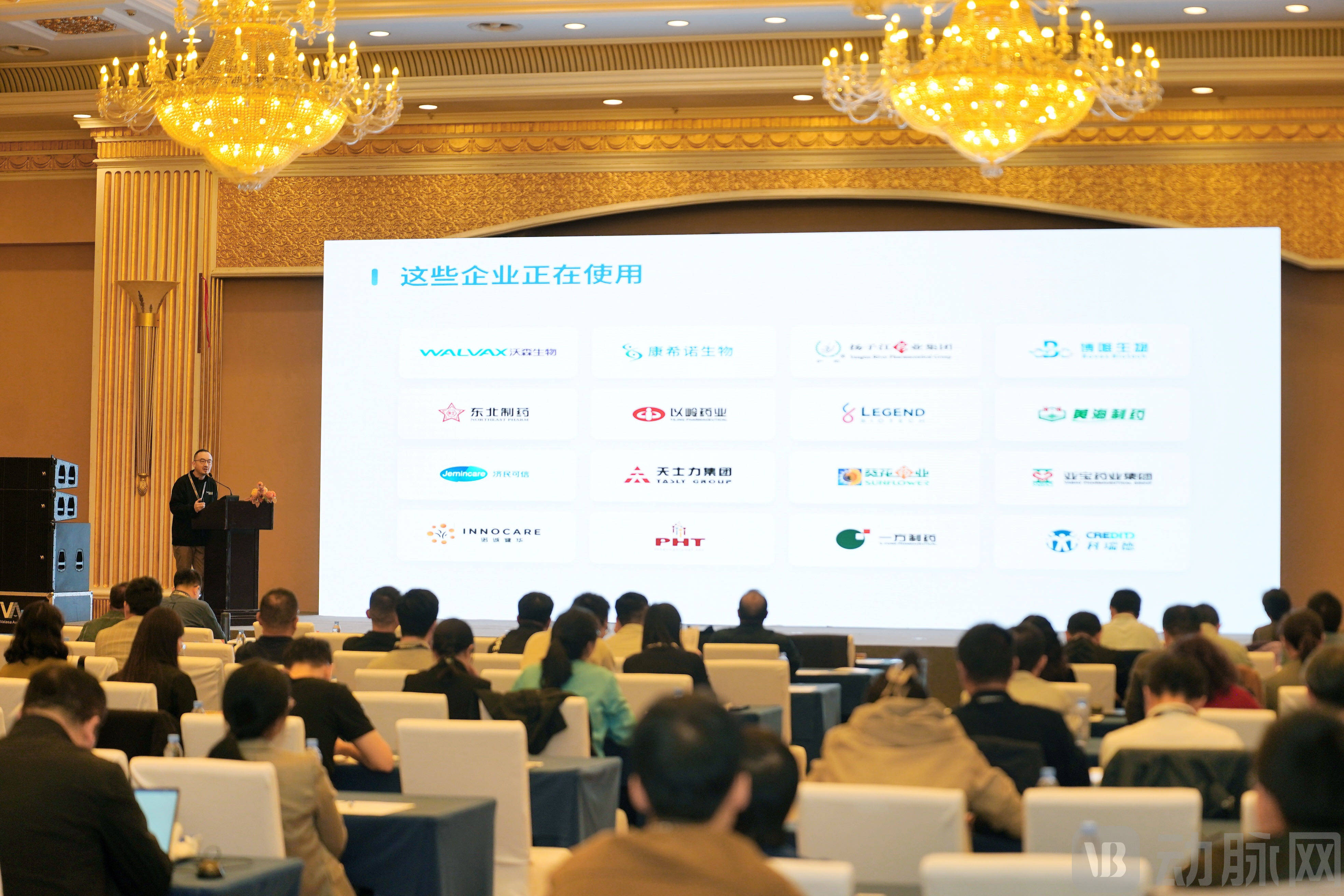
Forum Venue
Focusing on Three Core Businesses to Accelerate the Digital Transformation of Pharmaceutical Companies
Huang Xiao, Founder and CEO of Bopu Yunda, comes from a family with a long history in the pharmaceutical industry and also has a professional background as a data engineer. After rotating through various departments in pharmaceutical factories, Huang Xiao identified many pain points in traditional drug manufacturing processes. For instance, the biopharmaceutical industry is relatively conservative, relying more on empiricism and lacking a standardized knowledge system.
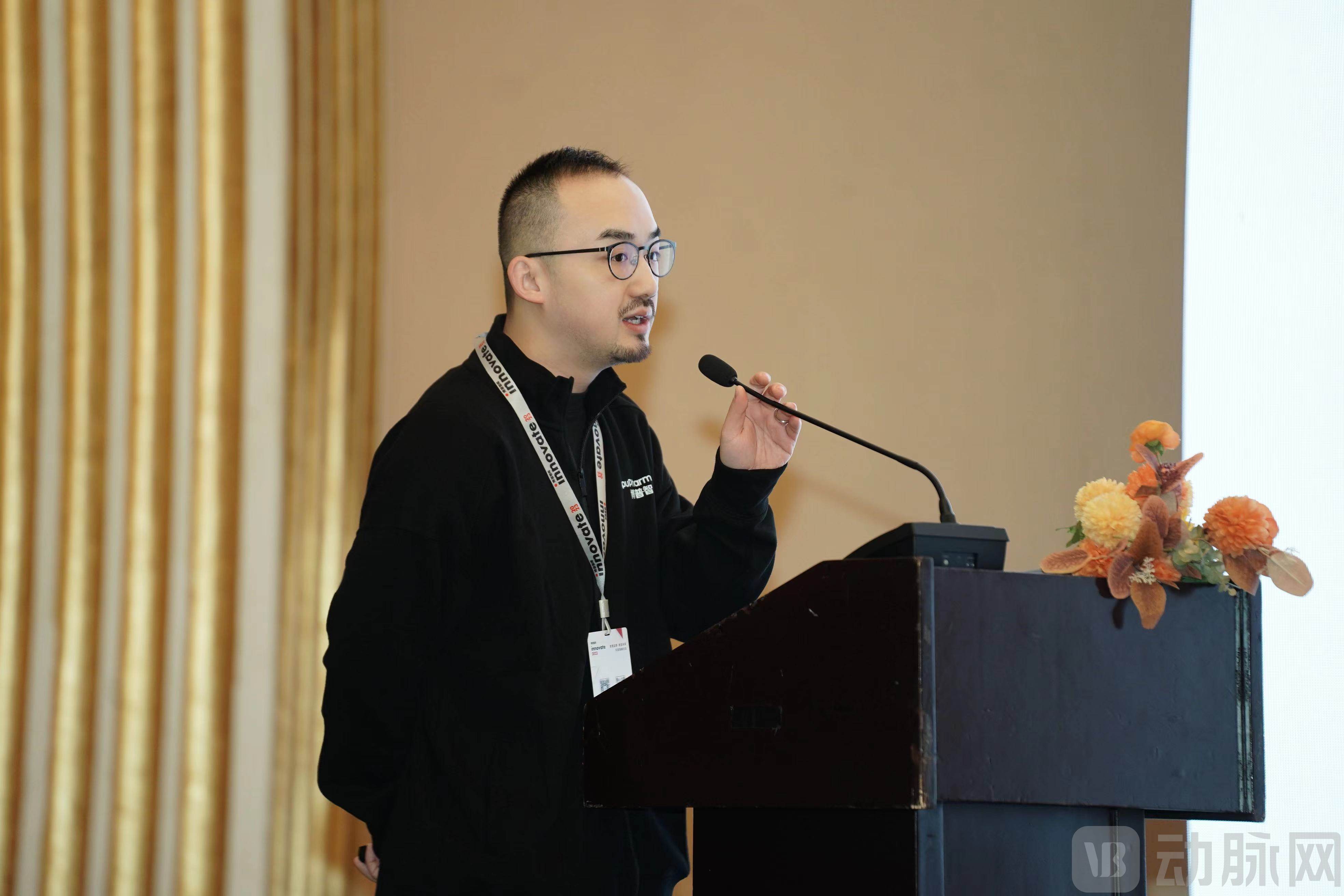
Huang Xiao, Founder and CEO of Bopu Yunda
Leveraging Internet thinking and tools to promote the standardization of the pharmaceutical industry, thereby empowering cost reduction and efficiency enhancement, was the original intention behind the establishment of VBInsight.
Examining China’s biopharmaceutical industry chain—from R&D, registration, and clinical trials to manufacturing, quality control, distribution, and sales—quality is the aspect most amenable to standardization. As quality is closely tied to data, it offers the greatest potential for unlocking data value. It is for this reason that quality has become the entry point for Bopu Yunda.
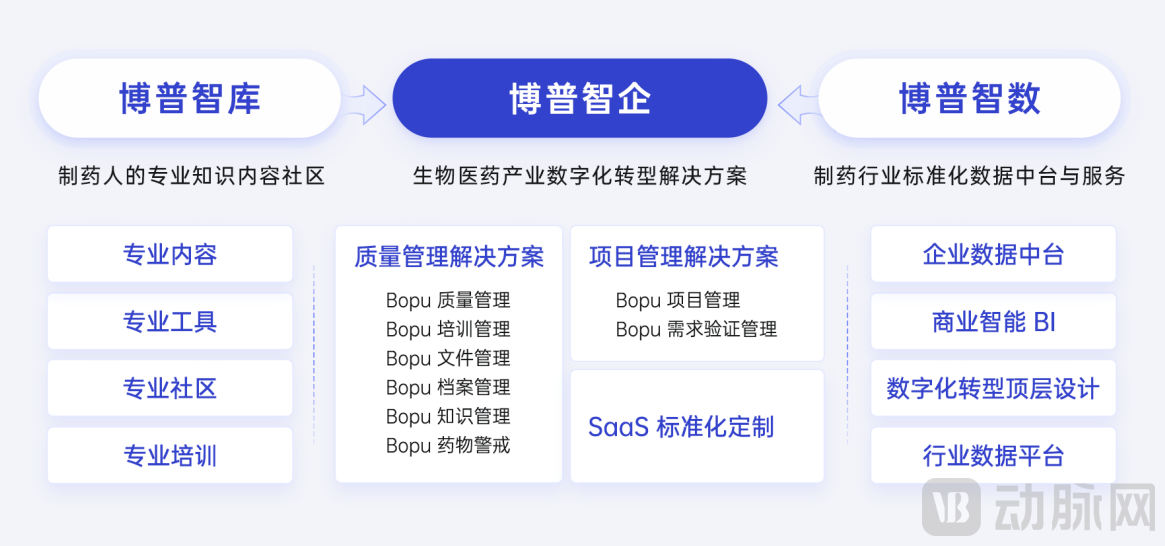
Bopu Yunda’s Three Major Business Segments
According to Huang Xiao, the company is currently focused on three main initiatives. First, addressing the lack of standardized content accumulation in the pharmaceutical industry, Bopu Yunda has built the “Bopu Think Tank” knowledge content platform. This platform aggregates professional expertise and talent, offering comprehensive, high-quality, in-depth, and multi-perspective knowledge sharing. Professionals in the pharmaceutical industry can access policy updates and practical, specialized insights.
VBInsight’s content is primarily sourced from three categories: first, expert-shared content that provides strategic guidance; second, curated and organized content compiled by our in-house professional team using specialized tools; and third, community-based exchanges and sharing.
Currently, VBInsight already possessesOver 600,000 industry users, 150,000 pieces of professional content, and more than 100 industry experts. The platform has established a tracking system and mechanism for domestic and international policies, regulations, professional information, and industry data, ensuring the most timely and comprehensive response to serious industry content, while structuring and standardizing industry information and data.
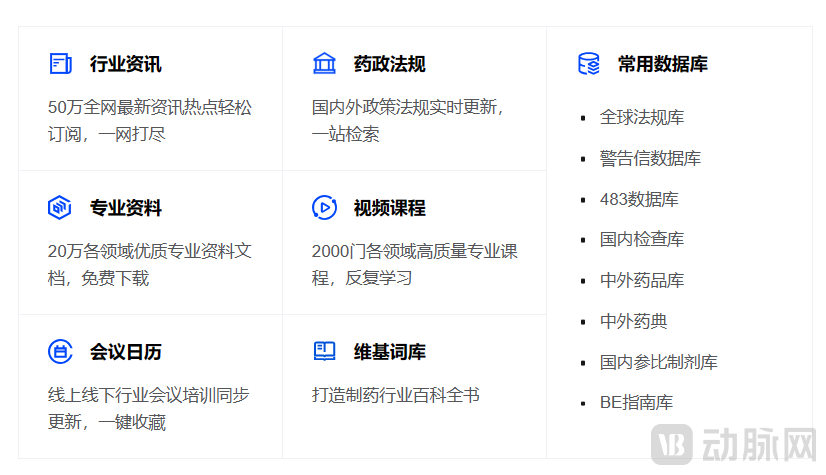
VBInsight Enterprise Edition provides businesses with high-quality industry knowledge accumulation.
Leveraging the specialized technical content accumulated on the VBInsight platform, the company has built Bopu Cloud Enterprise, which is the second initiative undertaken by Bopu Yunda.
As a SaaS platform, it provides digital transformation services to biopharmaceutical enterprises. Its product suite covers quality management, training management, document management, pharmacovigilance, and other key areas. The system complies with relevant regulations from domestic and international authorities, and is implemented and validated in accordance with GAMP 5 guidelines. It has obtained Level 3 Certification for Classified Protection of Cybersecurity (MLPS 2.0) from the Ministry of Public Security, as well as multiple ISO quality certifications. Built on a foundation of compliance and security, the platform enables rapid cloud deployment (completed within 4–8 weeks), truly delivering low cost, ease of use, enhanced security, and greater efficiency.
From system deployment and implementation validation to user training, upgrades, and maintenance, Bopu Cloud Enterprise’s expert team provides businesses with 24/7, end-to-end consultation and services.
The third area of focus for Bopu Yunda is the data assets of pharmaceutical companies. In this regard, Huang Xiao stated that pharmaceutical manufacturers face many common challenges in their digital transformation efforts, with the key priority—and greatest difficulty—being that digital systems are not truly integrated, preventing the realization of data value.
In response, the company has initially implemented end-to-end digital systems for its products across multiple enterprises. By monitoring each stage of the product lifecycle and the flow of data between systems, it can precisely identify and targetedly address compliance and efficiency issues at various nodes. The resulting extracted data value constitutes the enterprise’s data assets.
“We may only need to make minor optimizations and adjustments at a single node to see immediate results. This not only maximizes cost reduction and efficiency gains, improves labor productivity, and achieves energy conservation and emission reduction, but most importantly, enables better assurance of compliance and data integrity. This is what we believe to be the value of data that can be unlocked throughout the entire lifecycle of pharmaceutical manufacturing,” summarized Huang Xiao.
Promoting Digital and Intelligent Knowledge Management in Pharmaceutical Enterprises to Enhance Drug Quality and Operational Efficiency
Knowledge management is a key enabler of pharmaceutical quality systems and operational efficiency. ICH Q9 and ICH Q10 explicitly state that knowledge management and quality risk management will serve as two major drivers to help pharmaceutical companies implement ICH Q10 more successfully and efficiently, control product quality, and improve operational efficiency.
However, in the implementation of knowledge management, pharmaceutical companies also face a series of pain points, such as information overload, failure to consolidate experience, knowledge loss due to the departure of key personnel, and siloed departments that hinder collaboration.
Regarding how to effectively implement digital knowledge management, Huang Xiao outlined five key principles. First, it is essential to restructure the collaboration among personnel, organizations, computers, sensors, equipment, and systems, with compliance as the baseline, to better share, create, use, and reuse knowledge. Second, embrace new technologies to unlock data potential, enabling faster and more accurate continuous predictions and decision-making. Third, extract value from data by identifying trustworthy data and prioritizing data integrity. Fourth, people remain at the core; teams must cultivate a strong awareness of knowledge management. Fifth, ensure data security and data privacy.
The pharmaceutical industry is subject to stringent regulation, and knowledge management within this sector faces heightened professional challenges. In response, Huang Xiao outlined the company’s strategies for overseeing knowledge management across four dimensions.
First, the VBInsight platform has established a robust content management mechanism. Initially, automated tools are employed to filter out sensitive remarks, ensuring the safety and availability of content. Following this automated process, the company’s internal content review team conducts manual reviews to assess and categorize content quality, thereby guaranteeing its professionalism. Finally, after content is published and goes live, the platform’s feedback mechanism analyzes behavioral data such as evaluations, shares, and ratings, assigns tags accordingly, and implements tiered content quality classification through regular regression analysis.
Next is the relevance to professions and job roles. For instance, in knowledge management, a job role roadmap is initially designed as a template by an expert team and then deployed for use by frontline staff at pharmaceutical manufacturers. Through iterative feedback and revisions based on practical application, new nodes are continuously added to the roadmap in response to evolving business needs or regulatory changes, thereby gradually building out specialized content.
The third dimension is embracing the value of new technologies. Currently, Bopu Yunda is leveraging large models to assess and consolidate the value of data and content, building on its existing data assets.
Finally, Bopu Yunda continues to gain insights from its project experience and maintains ongoing communication with regulatory authorities, constantly updating and consolidating its knowledge through practice and feedback.
The digital transformation of the pharmaceutical industry has become an inevitable trend. Leveraging digital technologies such as cloud computing, big data, and artificial intelligence, Bopu Yunda is committed to driving pharmaceutical enterprises’ digital transformation through platform collaboration, professional content, standardized knowledge, and personalized services, thereby co-building a digital ecosystem for the pharmaceutical industry.