

"Healthy Teeth, Confident Smiles" Initiative in Action: How Duocai Foundation Supports Oral Health for Adolescents
Beyond the widely discussed topics of myopia prevention and control and mental health management, what other aspects of physical and mental well-being in children and adolescents deserve our attention?
A true story from Guangxi may offer us some inspiration—
Xiao Tan is a student at a middle school in Baise, Guangxi. Despite her beautiful singing voice, she chose to forgo the opportunity to showcase her talent during the Zhuang ethnic group’s grand “March 3rd” festival. Whenever classmates asked about her absence, she could only offer an excuse: “I have to stay home and take care of my younger brother.”
However, a classmate sitting nearby voiced Xiao Tan’s concern: “She is afraid that others will laugh at her for having unattractive teeth.”
When it comes to children’s dental development issues, most families in first- and second-tier cities are likely to take their children to hospitals for timely orthodontic treatment. However, for Xiao Tan, the orthodontic costs, which often run into tens of thousands of yuan, pose a significant financial burden on her family. Xiao Tan’s father requires hemodialysis every week, her younger brother has just started kindergarten, and her mother’s liangpi (cold skin noodle) stall is the family’s sole source of income.
In such family circumstances, the cost of orthodontic treatment, amounting to tens of thousands of yuan, appears particularly prohibitive. Yet there are many other children in third- and fourth-tier cities and even county towns who find themselves in situations similar to Xiao Tan’s. While they cannot afford the market price for orthodontic care, their oral health issues—and the psychological problems these may trigger—clearly cannot be ignored.
In response, the “Healthy Teeth, Bright Smiles Project,” a public welfare initiative launched nationwide in 2023 by the New Hope Special Fund of the China Population Welfare Foundation and the Care for New Life Program of the Chinese Children’s Charity Aid Foundation, was initiated to advance the “Healthy China” strategy and implement the “Healthy Oral Health” special campaign. The China Dental Health Foundation served as the technical support entity, while the Duocai Foundation acted as the implementing organization, ensuring the project’s effective execution.

Zhu Zeke, Chairman of the Board of Directors, Beijing Duocai Public Welfare Foundation
To date, the “Healthy Teeth, Bright Smiles” project has been implemented across 16 provinces and municipalities, covering more than 100 prefecture-level cities and over 200 districts and counties in China. It has provided free oral examinations to more than 200,000 students, established specialized dental health records for over 160,000 of them, and facilitated treatment for more than 6,000 patients with oral diseases.
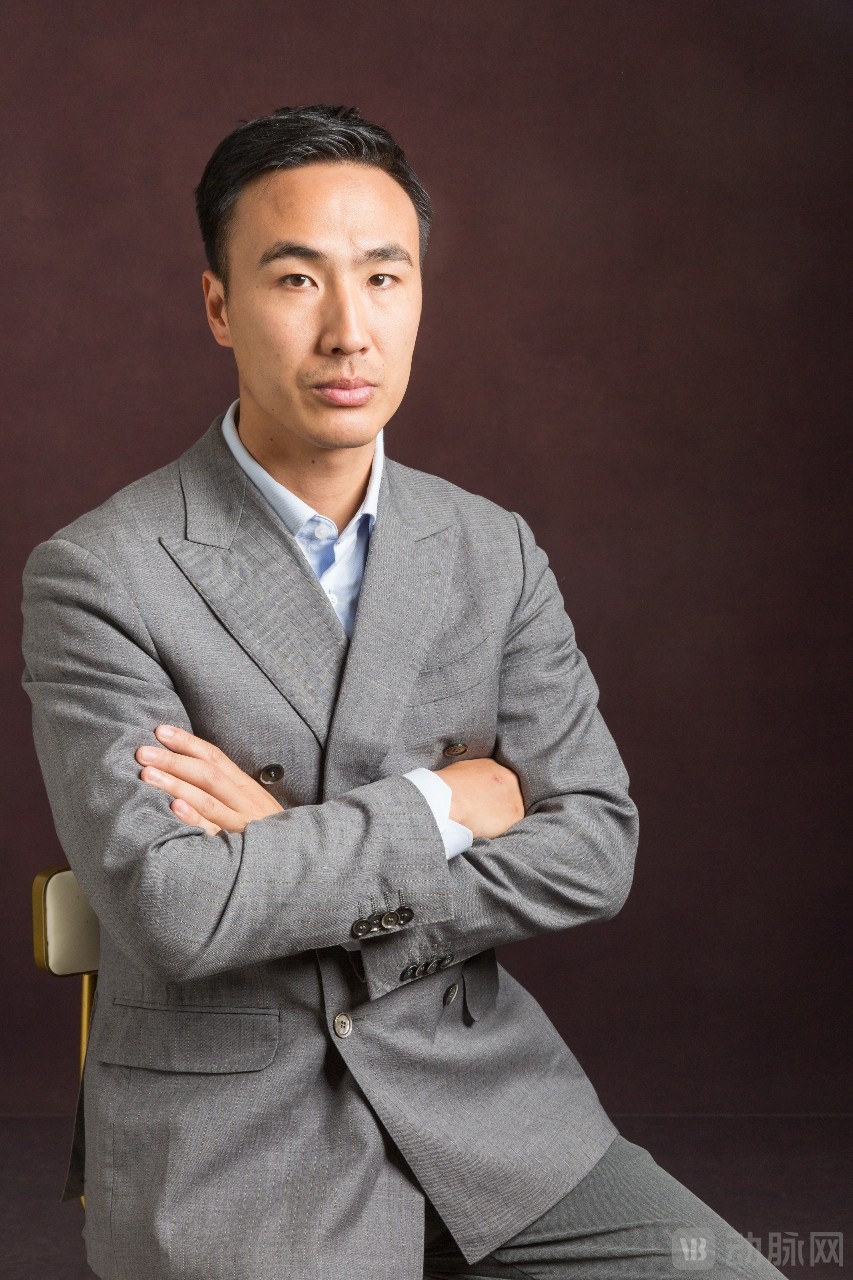
Qin Zhenwei, Project Lead of the “Healthy Teeth, Bright Smiles Initiative”
In October 2023, VCBeat interviewed Qin Zhenwei, the person in charge of the “Healthy Teeth and Smiles Project,” to explore its specific services and operational model. The interview also revealed how the project leverages public welfare subsidies to reduce the financial burden of clear aligner orthodontic treatment for the general public, lowering out-of-pocket costs from the market price of tens of thousands of yuan to just a few thousand yuan per individual.
The “Healthy Teeth, Bright Smiles Project” primarily serves adolescents in elementary, junior high, and senior high schools located in third- and fourth-tier cities, as well as more grassroots counties and districts.
Beyond purchasing power, the primary reason is that oral health issues among children and adolescents in China can no longer be ignored.
Taking dental caries as an example, according to the "Fourth National Oral Health Epidemiological Survey Report," the prevalence of dental caries among 12-year-old children and adolescents in China increased by 7.8% compared with the third national survey, reaching 34.5%. Furthermore, the same report indicates that 80%-90% of middle and high school students in China have varying degrees of oral health problems requiring intervention.
In the interview, Qin Zhenwei also revealed to VCBeat, “After conducting on-site visits, we found that due to a relative lack of awareness regarding oral health protection, adolescents in third- and fourth-tier cities and other grassroots districts and counties have a higher prevalence of dental malocclusion compared to those in first- and second-tier cities.”
Secondly, early detection and early intervention are advocated for oral health issues. “Whether considering financial or energy costs, adolescence is the optimal period for intervening in oral health problems,” Qin Zhenwei stated during the interview.
Finally, oral health in young children has garnered significant attention from multiple stakeholders. For instance, in the “Healthy Oral Health Action Plan (2019–2021)” issued by the National Health Commission, oral health management services for toddlers and children were designated as one of the five key initiatives to optimize oral health management. The plan specifies that newly allocated central government funds should be prioritized for oral health management services for children in impoverished areas, and it encourages local governments to incorporate comprehensive interventions for pediatric oral diseases into livelihood improvement projects, aiming to achieve full coverage for all eligible children in regions with the necessary conditions.
In contrast to the attention given to children’s oral health issues, the oral health of adolescents—particularly those in middle and high school—has remained in a “vacuum.” Therefore, the “Healthy Teeth, Bright Smiles Project” serves as a vital supplement to efforts aimed at safeguarding the oral health of children and adolescents during their middle and high school years.
So, what oral health services can the “Healthy Teeth and Smiles Project” provide to adolescents in junior and senior high schools?
In addressing this issue, the project team behind the “Healthy Teeth, Bright Smiles Initiative” engaged in extensive deliberation before ultimately deciding to tackle the core pain points in adolescent oral care: weak awareness of oral health prevention and the forced abandonment of necessary interventions due to limited purchasing power. The initiative aims to provide middle and high school students with oral health education, screening for dental issues, and highly cost-effective solutions for oral health problems.
Specifically, in collaboration with local public hospitals, the “Healthy Teeth and Smiles Project” will regularly visit local middle schools to provide oral health education and conduct oral health screenings. The former focuses on raising awareness and addressing root causes to prevent oral health problems as effectively as possible; the latter adheres to the principle of “early detection and early intervention,” aiming to identify oral health issues at an early stage, issue warnings, and provide support for subsequent interventions.
Furthermore, in the interview, Qin Zhenwei emphasized: “The screening we conduct differs from traditional oral examinations—whereas conventional exams primarily rely on physicians’ visual assessments using simple instruments, the oral examinations under the ‘Healthy Teeth, Bright Smiles Project’ leverage cutting-edge digital equipment, such as 3D intraoral scanners. This approach not only enhances diagnostic accuracy but also provides a visual representation of the actual oral conditions.”
For grassroots markets, where awareness of oral health prevention is relatively weak, visualized results can heighten the attention that children and their parents pay to pediatric oral health issues. When combined with the oral health education and science popularization initiatives carried out under the “Healthy Teeth, Bright Smiles Project,” this approach will significantly enhance oral health protection awareness among adolescents and their families in these communities.
Indeed, the purpose of conducting oral health screenings is not merely to raise awareness of preventive care, but also to enable timely intervention. For adolescents, apart from dental caries, issues related to tooth development are the most critical yet often overlooked, and they are further complicated by the high cost of orthodontic treatment.
In response, the organizing entities of the “Healthy Teeth, Bright Smiles” project, in collaboration with local public hospitals and major domestic orthodontic brands, provide orthodontic services and products to middle and high school adolescents in the local area who require orthodontic treatment.
Specifically, to ensure professionalism, the “Healthy Teeth and Smiles Project” collaborates exclusively with public tertiary hospitals. As one of the project’s organizing entities, the China Foundation for Dental Health will provide technical training to physicians at these participating public tertiary hospitals, thereby enhancing local oral diagnosis and treatment capabilities while also motivating local public hospitals to actively engage in the project.
Furthermore, it is worth noting that, in addition to considerations of medical professionalism, the “Healthy Teeth and Smiles Project” chose to collaborate with public hospitals also out of strategic reflection on the long-term development of dental departments within public hospitals in the region.
The cost of clear aligner therapy primarily consists of two components: the clinical service fees charged by hospitals, private medical institutions, or clinics, and the cost of the clear aligner products themselves. Compared with private medical institutions and clinics, public hospitals generally charge lower service fees.
Moreover, to further reduce orthodontic treatment costs, the “Healthy Teeth and Smiles Project” has established collaborations with numerous domestic orthodontic brands. “One of our core criteria in selecting orthodontic partners is that they must demonstrate a commitment to public welfare and a determined resolve to support the development of grassroots oral healthcare,” emphasized Qin Zhenwei. “However, this does not imply any compromise in the quality of the orthodontic products used by the ‘Healthy Teeth and Smiles Project.’ On the contrary, the products we utilize are not only assured in quality but also incorporate relatively cutting-edge technologies.”
In addition to carefully selecting partners, the “Healthy Teeth, Bright Smiles Project” has deployed a key strategy to further reduce orthodontic expenses for dental patients: raising funds from the general public to subsidize their orthodontic treatment costs. This initiative is primarily undertaken by the China Children’s Charity Foundation.
Therefore, with the strong support of the project organizing entity and its partners, the “Healthy Teeth, Bright Smiles Project” has managed to reduce the original orthodontic treatment costs, which ranged from RMB 15,000 to RMB 40,000, to between RMB 4,000 and RMB 6,000. In the future, these preferential prices and professional services will be extended to more regions.
“We plan to fully implement the ‘Healthy Teeth, Bright Smiles Project’ in thousands of districts and counties across China, providing free oral health screenings and intervention services to tens of millions of school students nationwide each year,” said Zhu Zeke, Chairman of the Beijing Duocai Public Welfare Foundation, in an interview.
For any endeavor, particularly public welfare initiatives, successful implementation requires the concerted efforts of all sectors of society. Therefore, the “Healthy Teeth, Bright Smiles Project” team hereby calls for action: “Oral health issues among adolescents in grassroots communities can no longer be overlooked. We welcome more like-minded individuals to join us in raising awareness of oral healthcare at the grassroots level, improving the standard of grassroots oral diagnosis and treatment, and safeguarding the oral health of adolescents in these underserved areas.”