

Global Innovations in Urology Diagnosis and Treatment: Non-invasive and High-precision Diagnostics Advance in Parallel, Minimally Invasive Surgery Dominates Therapeutic Innovation
Image source: Unsplash.com
Preface
As one of the most critical systems in the human body, the urinary system and its associated diseases are closely linked to the quality of life of patients worldwide.
Prostate cancer, kidney cancer, and bladder cancer are the three most prevalent cancers of the urinary system. Among these, prostate cancer has the highest incidence in regions such as Europe and the United States. In China, however, bladder cancer accounts for a higher proportion due to unique dietary habits and genetic characteristics. According to data released by the National Cancer Center of China in 2022, the incidence rate of bladder cancer reached 8.2 cases per 10,000 people, while those of prostate cancer and kidney cancer were 7.8 and 7.6 cases per 10,000 people, respectively, remaining persistently high over the years.
The three major cancer types have a significant adverse impact on patients’ quality of life and have shown a trend toward affecting younger populations in recent years. The future direction of diagnosis and treatment has become a shared concern for both patients and healthcare professionals. Which technologies have gradually become obsolete? Which diagnostic and therapeutic approaches offer better patient compliance? What are the key breakthroughs in future technological development?
To help doctors and patients clarify the aforementioned issues, VCBeat’s Orange Bureau has surveyed numerous cutting-edge industry technologies spanning from diagnosis to treatment, aiming to map out the frontier innovations in global urological diagnosis and therapy.
Key Takeaways
1、In terms of diagnosis, with the continuous breakthroughs and widespread adoption of related technologies, liquid biopsy, along with more precise imaging and invasive puncture procedures, has complemented traditional biopsy methods. The discovery of novel biomarkers will also provide more options for the broader adoption of liquid biopsy.
2、In terms of treatmentOn one hand, the development of new targets and novel drugs has enabled interventions for certain complex malignant tumors to go from “nonexistent to existent”; on the other hand, advancements in laser and robotic technologies have pushed the boundaries of minimally invasive surgery and precision. In the future, reductions in hardware costs and improved accessibility warrant close attention.
In the diagnosis of urological tumors, the main future development directions are non-invasive technologies represented by liquid biopsy and precise invasive techniques combined with imaging. The gradual improvement and widespread adoption of these technologies can provide patients with earlier, more comfortable, and more accurate screening and diagnostic services for urological tumors.
Over the past decade, some traditional invasive techniques for cancer diagnosis and monitoring have been gradually replaced by non-invasive methods such as liquid biopsy. According to Yahoo Finance data, the global market size of liquid biopsy was approximately $3.81 billion in 2022. This figure is projected to grow to $13.8 billion by 2030, with a compound annual growth rate (CAGR) of 20.20%.
The rapid growth is driven on one hand by the clinical demand for more advanced diagnostic technologies, and on the other by research applications in universities and scientific institutions in developing countries.
Liquid biopsy has demonstrated significant long-term potential in terms of the convenience of tumor sample collection, the reproducibility of continuous monitoring, the specificity of precision treatment regimens, and the screening for drug resistance.
Generally, the liquid biopsy process primarily involves isolating substances released from solid tumors into bodily fluids, such as circulating tumor cells (CTCs), circulating tumor DNA (ctDNA), and tumor-derived extracellular vesicles (EVs), followed by analysis of the genomic and proteomic data contained therein.
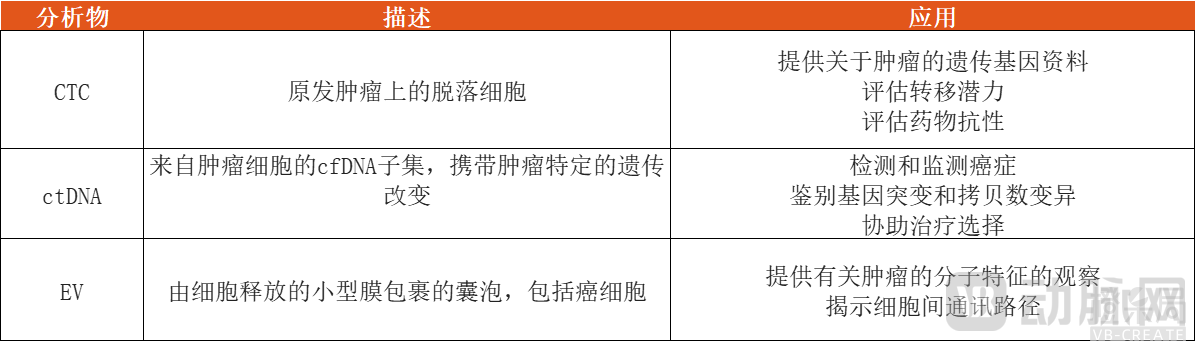
Liquid Biopsy Analytes and Applications
Compared with PET-CT and PSMA PET/MRI, liquid biopsy demonstrates significant advantages in detecting missed lymph node metastases. Furthermore, it provides a complementary diagnostic tool for clinical practice in hospitals, particularly when prostate-specific antigen (PSA) levels are low.
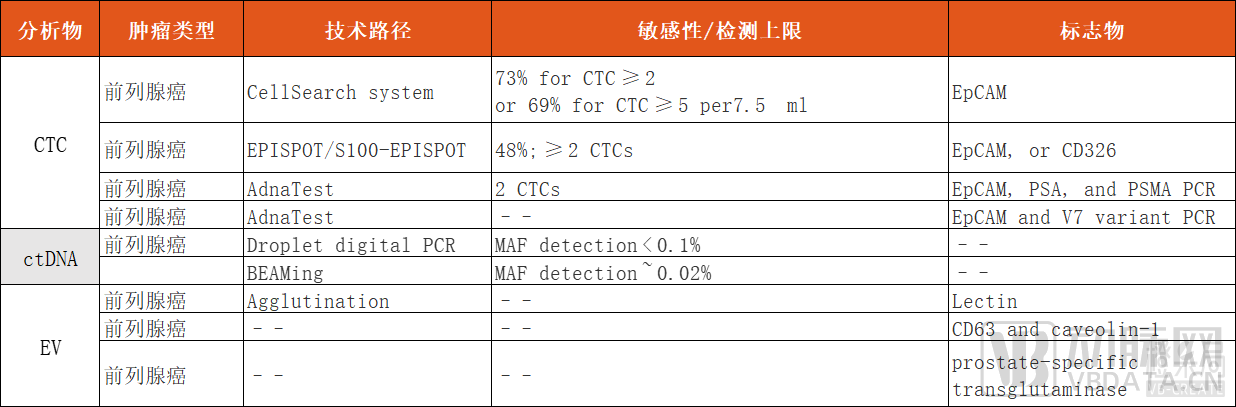
Liquid Biopsy Technologies and Biomarkers for Prostate Cancer
Separation and analysis methods for liquid biopsy have advanced rapidly in recent years, providing clinicians with more detailed insights into tumor characteristics—such as progression, staging, heterogeneity, genetic mutations, and clonal evolution—and opening new avenues for cancer detection and continuous monitoring, precision medicine–based therapies, and the identification of therapeutic resistance biomarkers.
Although liquid biopsy technology is still evolving, its non-invasive nature holds promise for ushering in a new era in clinical oncology.
The competitive landscape of the overseas market for companies specializing in liquid biopsy technology has taken shape. In addition to giants such as Roche and Illumina, there are also publicly listed companies like Guardant Health and Qiagen that possess proprietary technologies and products in niche segments.
Beyond the established companies that have already captured a significant market share, the liquid biopsy sector continues to see the emergence of innovative enterprises. In 2023, several liquid biopsy companies pursuing diverse technological approaches secured financing rounds exceeding tens of millions of US dollars, including Aqtual, Precede Biosciences, and AOA Dx. Notably, Harbinger Health, incubated by Flagship Pioneering, raised $140 million in its Series B funding round.
In the future, the primary directions for development will be to improve the sensitivity and specificity of detection and expand the technology to more types of cancer.
As a crucial component of the male reproductive system, the prostate is susceptible to cancer. Today, prostate cancer has become one of the most common cancers among men worldwide.
In clinical practice, when initial screening detects elevated prostate-specific antigen (PSA) levels and/or abnormal digital rectal examination findings, transrectal prostate biopsy is recommended to evaluate for prostate cancer. However, prostate biopsy is associated with significant discomfort, poor patient compliance, and a certain risk of infection.
In this context,Novel Transperineal Prostate Biopsy, leveraging its image-guided navigation technology, it is clinically utilized to enhance safety, accuracy, and patient comfort.
Transperineal biopsy procedures integrated with 3D MRI fusion technology enable physicians to obtain more representative tissue samples, reduce postoperative infection rates, and avoid traversing the rectum. Unlike traditional transrectal biopsy, which involves passing the biopsy needle through the rectal wall to access the prostate, transperineal biopsy bypasses the rectum entirely. The biopsy needle is inserted through the perineum (the skin area between the base of the scrotum and the rectum), effectively eliminating the risk of introducing fecal matter and bacteria into the prostate.
For patients undergoing transrectal biopsy, antibiotics are typically prescribed to reduce the risk of infection (with an incidence rate of approximately 0.1%–7.0%). In contrast, for transperineal prostate biopsy, prophylactic antibiotic use is either unnecessary or limited to a single low dose administered on the day of the procedure.
Furthermore, fusion technology for 3D magnetic resonance imaging (MRI) has also improved the precision of locating potential cancers within the prostate. Physicians can combine MRI results with ultrasound imaging to generate a three-dimensional view of the prostate. This enhanced imaging accuracy enables physicians to ensure they target suspicious areas, including those that are difficult to access via transrectal biopsy.
When appropriate, PSA testing, magnetic resonance imaging (MRI), and prostate biopsy can play a pivotal role in prostate cancer screening. The PSA test serves as the initial screening step. Fusion biopsy leverages advanced imaging techniques, while the transperineal approach can overcome limitations and offer enhanced safety. By understanding the unique advantages of each technique, individuals can make informed decisions regarding their prostate health.
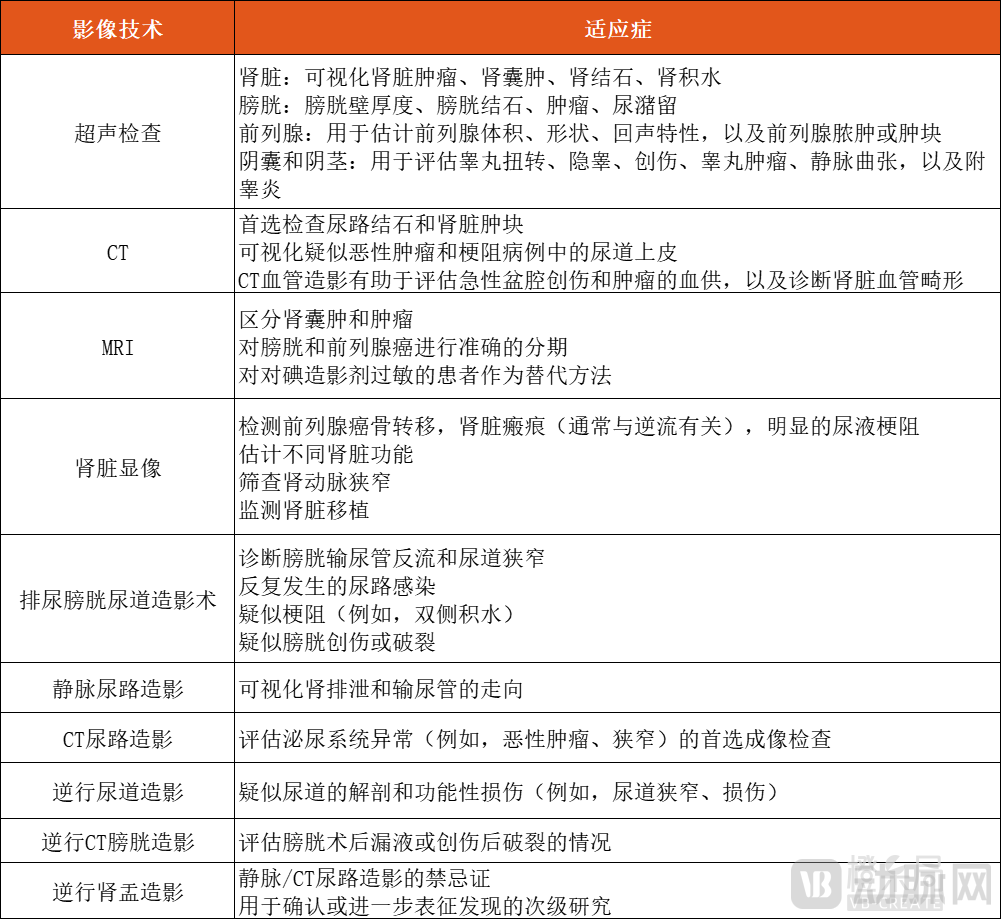
Patients with urinary system symptoms are diagnosed based on clinical features and routine diagnostic evaluations. Urodynamic testing helps assess functional and anatomical abnormalities of the lower urinary tract. The most common tests include cystometry, uroflowmetry, urethral pressure profilometry, and leak point pressure measurement. Imaging is often used in conjunction to diagnose underlying pathological lesions, typically to evaluate anatomical obstructions or abnormalities (e.g., urinary obstruction caused by kidney stones, renal masses, etc.).
Urological procedures include those involving the kidney (e.g., percutaneous nephrolithotomy), ureter (e.g., ureteral stent placement), bladder (e.g., transurethral resection of bladder tumor), prostate (e.g., transurethral resection of the prostate), penis (e.g., circumcision), scrotum (e.g., vasectomy), and infertility surgeries (e.g., testicular sperm extraction).
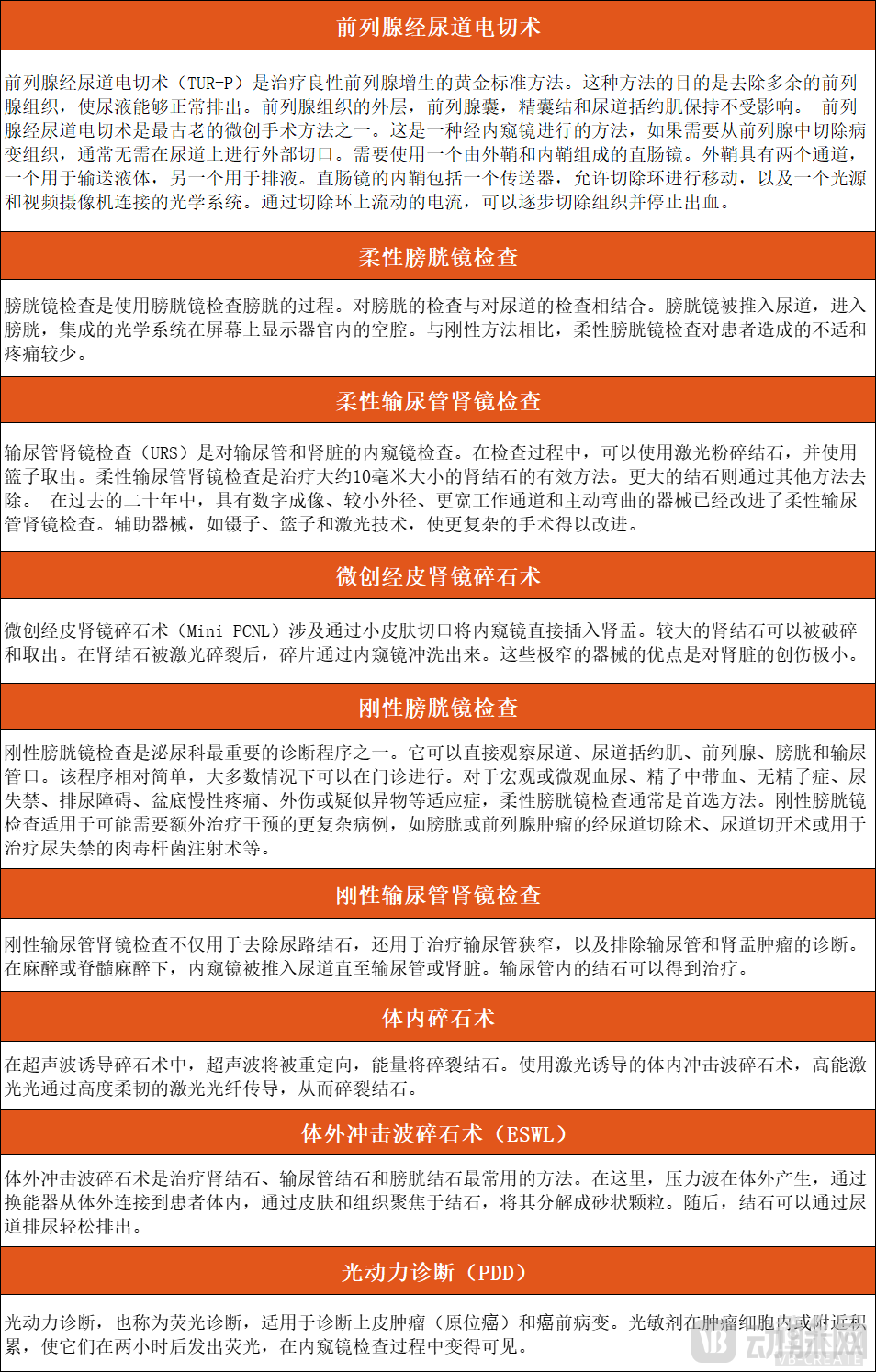
To enable clearer and more accurate visualization of the aforementioned organs during diagnosis and surgery, the following imaging techniques are commonly employed:
In terms of pharmacotherapy, research into the pathogenesis, metastasis, and drug resistance of urological tumors is ongoing, with numerous global multicenter clinical trials being conducted around novel targets and pathways.
As of now, according to information disclosed on the FDA’s official website, a total of five drugs or formulations for the treatment of urological diseases were approved in 2023:
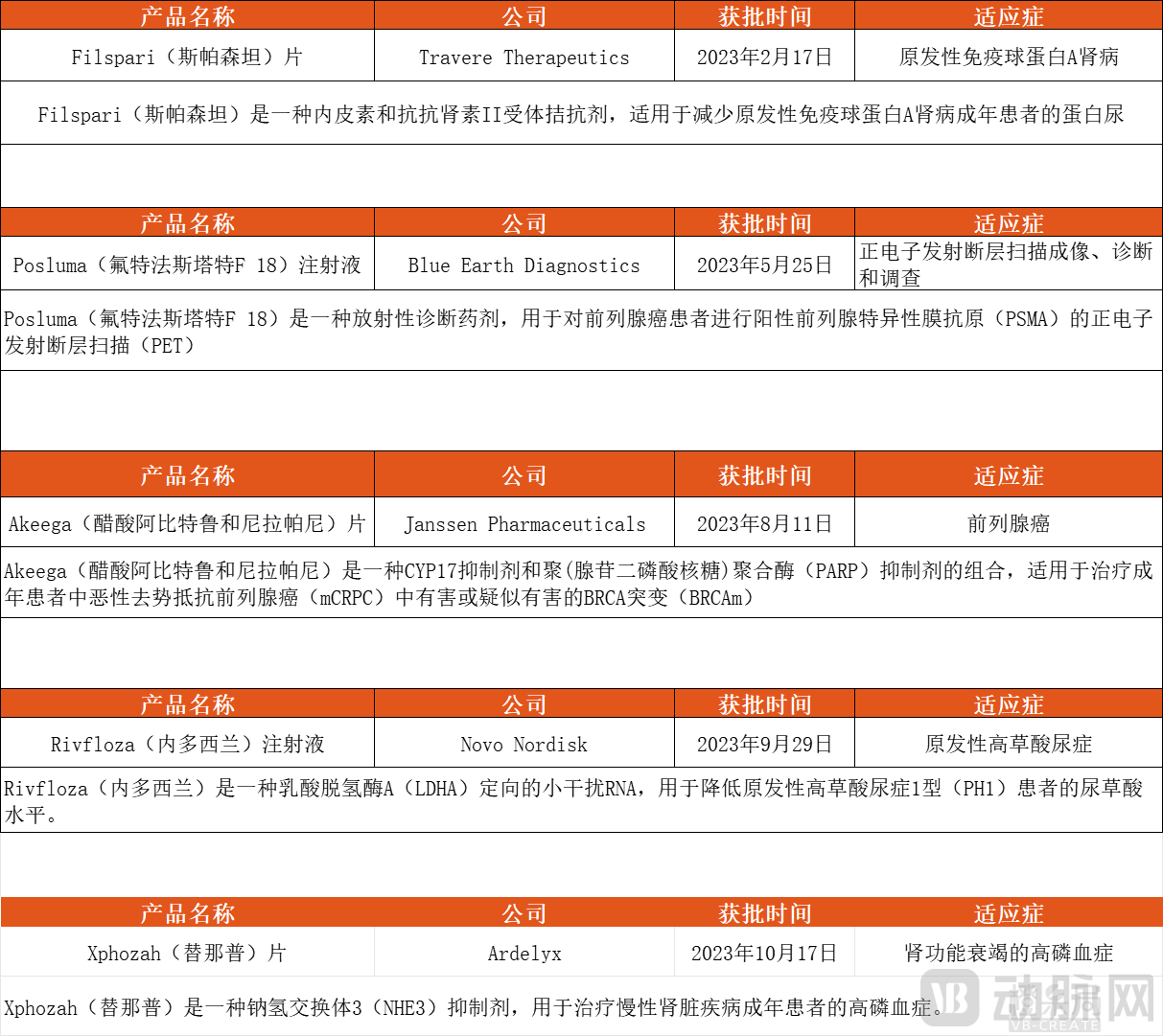
Furthermore, four new dosage regimens and combination therapies were approved this year:
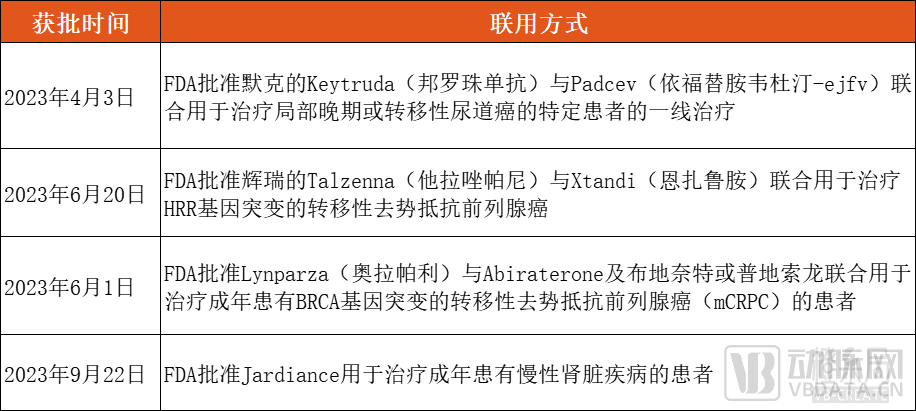
In the realm of Phase III clinical trials, Merck & Co. (MSD) has initiated two international, multicenter Phase III trials globally (including in China) for its novel anti-tumor drug, belzutifan tablets, targeting first-line treatment of advanced clear cell renal cell carcinoma (ccRCC) and adjuvant therapy for renal cell carcinoma (RCC), respectively. Meanwhile, for bladder cancer, UroGen Pharma announced this July that its investigational therapy UGN-102 (mitomycin) met the primary endpoints in two Phase III clinical trials, ATLAS and ENVISION, evaluating patients with low-grade, intermediate-risk non-muscle-invasive bladder cancer (LG-IR-NMIBC).
In surgical treatment, minimally invasive techniques remain the dominant approach. Among these, various laser technologies for the treatment of benign tumors have gradually matured and become mainstream, gaining widespread adoption due to their superior hemostatic capabilities and advantages in functional preservation. Additionally, with the refinement of surgical robot designs, the respective advantages and applicable scenarios of single-port and multi-port approaches in laparoscopic surgery have been clearly defined.
In addition to existing treatments for benign prostatic hyperplasia (BPH), endoscopic enucleation of the prostate (EEP) has shown an increasingly important trend in the field of endourology in recent years. In the current EAU guidelines, EEP is listed as the first-line treatment option for BPH patients with a prostate volume greater than 80 mL.
Bipolar transurethral enucleation of the prostate significantly improves symptoms and quality of life in patients with benign prostatic hyperplasia. Compared with monopolar transurethral resection of the prostate, bipolar enucleation carries a lower risk of bleeding-related complications while achieving comparable efficacy.
Holmium Laser Enucleation of the Prostate (HoLEP) is strongly recommended in guidelines from both the United States and Europe, and is considered an excellent minimally invasive treatment for benign prostatic hyperplasia (BPH). Studies have shown that HoLEP is equally or more effective than other methods, with fewer side effects.
HoLEP is suitable for most patients with benign prostatic hyperplasia (BPH), regardless of prostate volume. Compared with other methods, it has lower incidence rates of bleeding, urinary incontinence, and erectile dysfunction. The procedure itself takes longer, but this is offset by shorter durations of catheterization and hospital observation.
Thulium Laser Enucleation of the Prostate (ThuLEP) is also a minimally invasive transurethral procedure used to treat benign prostatic hyperplasia. The thulium laser enucleates the prostatic lobes individually, morcellates them within the bladder, and then removes them using a morcellator, thereby completely removing the inner portion of the prostate. Blood vessels are simultaneously sealed and welded by the laser, significantly reducing blood loss.
Green laser, with a power output of 80 to 180 watts and a wavelength of 532 nanometers, is particularly suitable for ablation and hemostasis in the treatment of benign prostatic hyperplasia. The laser energy is absorbed by hemoglobin, thereby generating high energy density within the tissue; as a result, the irradiated prostatic tissue rapidly reaches its vaporization point. The laser energy is delivered into the prostate via a side-firing optical fiber. To achieve this, technology developers employ a technique known as “en bloc” resection of the prostatic core.
Typically, to achieve complete resection, a power setting of 80 watts is used for cutting and 40 watts for coagulation, making it particularly suitable for patients who cannot discontinue anticoagulant therapy.
Potassium Titanyl Phosphate (KTP) laser technology is a medical laser system used in various urological surgical procedures. This laser system generates green light energy at a wavelength of 532 nanometers and is specifically designed for precise and controlled tissue vaporization. KTP lasers are solid-state lasers that utilize a combination of potassium, titanium, and phosphate crystals to produce the laser beam. In urological surgery, KTP laser technology is characterized by minimal damage to surrounding healthy tissue, reduced bleeding, shorter recovery times, and decreased postoperative discomfort for patients.
Solid-state lasers that generate laser beams via semiconductor diodes can be used for the laser vaporization or removal of excess prostatic tissue. This technology also offers advantages in reducing bleeding, shortening recovery time, and alleviating postoperative discomfort in patients.
REZUM utilizes high-temperature water vapor to remove excess prostate tissue. During the REZUM procedure, a specialized device is inserted into the urethra to access the enlarged prostate tissue, where high-temperature water vapor is then released into the prostate. The steam transfers its energy to the prostate cells, causing them to undergo apoptosis and be gradually reabsorbed by the body over time. The advantages of the REZUM procedure include its minimally invasive nature, the ability to perform it on an outpatient basis, and the fact that it typically does not require general anesthesia. It can effectively alleviate symptoms of benign prostatic hyperplasia (BPH), such as urinary frequency, urgency, weak urine stream, and incomplete bladder emptying. Patients usually recover quickly, returning to normal activities within a few days. Furthermore, studies have shown that, compared with some other BPH treatments, the REZUM procedure is more conducive to preserving sexual function.
The UroLift procedure involves placing small implants or clips within the prostate to secure the enlarged tissue compressing the urethra. This approach opens the urethra and alleviates obstructive symptoms associated with benign prostatic hyperplasia (BPH). Advantages of the UroLift procedure include its minimally invasive nature, which results in shorter recovery times, preservation of sexual function, and lower risks compared to more invasive surgical methods. It can relieve BPH symptoms, improve urine flow, and enhance patients' quality of life.
In addition, some relatively “traditional” minimally invasive techniques continue to be refined on the basis of existing technologies, serving patients with smaller incisions or even non-invasive approaches and improved comfort.
Single-Port Robotic Surgery is a modern, innovative minimally invasive surgical technique that utilizes a single incision to perform complex procedures. Compared with conventional laparoscopic surgery and multi-port robotic surgery, single-port robotic surgery is designed to provide patients with key improvements, including minimal invasiveness, enhanced cosmetic outcomes, and reduced tissue trauma.
With this goal in mind, industry leader Intuitive Surgical took the lead by launching its single-port robotic system and securing approval for multiple indications, while Medtronic and Vicarious Surgical have also made substantial investments to accelerate the development and commercialization of their own single-port robotic systems.
Despite its numerous innovations, this technology also faces certain challenges.
First, from the perspective of the sector as a whole, one of the greatest hurdles for all surgical robots is to demonstrate clear clinical benefits over other forms of minimally invasive surgery. When comparing single-port and multi-port systems, the distinction is relatively clear due to an objective gap in hardware capabilities that cannot be bridged in the short term:
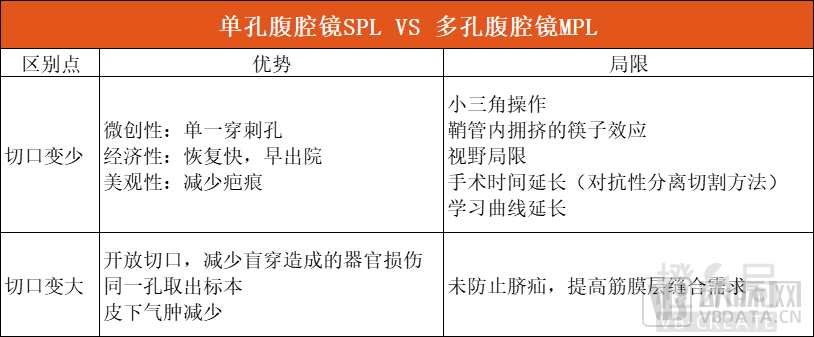
The extreme breakthrough in incision size achieved by single-port technology relies heavily on upstream improvements in sheath dimensions and mechanical mechanisms within the supply chain, which represent the focal point and key breakthrough for the future development of the entire surgical robotics industry.
Once single-port robots can reduce the incision size below the 10-mm threshold, they will unlock a vast market by expanding into more departments and indications requiring micro-incisions, thereby significantly broadening their clinical applications. However, shrinking the current minimum limit of 25–30 mm down to 10 mm requires fundamental advancements in underlying technologies.
In the future, whether liquid biopsy can completely replace traditional biopsies will depend on further breakthroughs in biomarker research, given that current detection throughput is already more than sufficient. In terms of pharmaceuticals, the discovery and study of new targets and pathways are equally critical to enabling the development of novel drugs for malignant tumors. Regarding medical devices, increasing accessibility through cost reduction requires upstream improvements in the price-to-performance ratio of hardware components.
All of the above points require technological breakthroughs outside the discipline to be realized. Within urology, however, improvements in clinical outcomes can be achieved internally through better preoperative planning, more optimized surgical techniques and timing, and more rational postoperative management, thereby maximizing benefits for patients.
References:
https://www.fda.gov/drugs/development-approval-process-drugs
https://my.clevelandclinic.org/health/treatments
https://uroweb.org/guidelines
https://www.niddk.nih.gov/research-funding/research-programs/urologic-disease-centers
https://finance.yahoo.com/news/key-developments-liquid-biopsy-strategic-122300131.html
https://www.mayoclinic.org/departments-centers/urology/sections/tests-procedures/orc-20336022