

Shukang Announces Breakthrough in Digital Therapeutics for ADHD with 35% Symptom Reduction
From October 23 to 28, 2023, the 70th Annual Meeting of the American Academy of Child and Adolescent Psychiatry (AACAP) was held in New York. More than 4,000 experts, scholars, and industry pioneers from the global fields of cognitive science and psychiatry attended the conference. Shukang was invited to participate and presented its latest research findings at the event.
This study implemented a combined cognitive and motor intervention using Shukang’s self-developed digital therapeutics (DTx) product in children diagnosed with ADHD, while comparing outcomes with a control group receiving standard care. The results demonstrated a 35% reduction in the incidence of ADHD-related symptoms (as measured by SNAP-IV questionnaire scores), along with significant improvements in emotional regulation and social interaction skills. The release of these findings garnered enthusiastic on-site response, filling a research gap in digital therapeutics that integrate cognitive and motor training. Notably, Shukang Youruisheng, the DTx product that played a pivotal role in this clinical trial, attracted substantial attention from attending professionals.
35% Reduction in Attention Deficit Symptoms
The World’s First Digital Therapeutic Product Combining Cognition and Exercise
Attention-Deficit/Hyperactivity Disorder (ADHD), commonly referred to as hyperactivity disorder, is a common neurodevelopmental disorder in childhood. Emotional instability and poor attention span are common symptoms of ADHD, which can lead to poor academic performance, social withdrawal, and lack of friends in affected children. The prevalence of ADHD is relatively high, with approximately 7.2% of children and adolescents worldwide affected by the condition.「1」, without timely intervention, there is a high probability that ADHD in children and adolescents will progress to adult ADHD.
According to relevant research analyses, exercise therapy can improve core symptoms and executive function (EF) in children and adolescents with ADHD.「2」~「4」. Exercise training has a significant impact on task transfer and attention enhancement「5」Cognitive training has been proven to reduce executive function deficits in children with ADHD by strengthening neural networks, while exercise can enhance cognitive abilities in these children by improving the function of brain regions associated with executive control. To this end, Chengdu Shangyi Information Technology Co., Ltd. (hereinafter referred to as “Shukang”) has exclusively developed “Shukang Youruisheng,” the world’s first digital therapeutic (DTx) integrating cognitive training and exercise. The company is also the developer and owner of the Shukang App, the first digital therapy approved by China’s National Medical Products Administration (NMPA).
In 2022, Shukang and Henan Children’s Hospital jointly conducted a clinical study titled “A Digital Cognitive-Motor Intervention for School-Aged Children with Attention-Deficit/Hyperactivity Disorder: A Randomized Controlled Trial.” The study recruited 199 children aged 6–12 years with confirmed ADHD diagnoses, of whom 125 met the inclusion criteria. The mean IQ of these participants was 98.7 (the Stanford-Binet Intelligence Scales commonly define the normal IQ range for children as 90–110). Over 65% of the ADHD participants ranked in the lower half of their class academically, and 90% were rated by caregivers as lacking social skills.
Of these, 90 participants were randomly assigned to an intervention group (n=44) and a control group (n=46). Following assessment, the intervention group completed twelve training sessions over four weeks using the “Shukang Youruisheng” system, while the control group received traditional sensory integration training. Results from scales used in ADHD diagnostic testing revealed that the total SNAP-IV score (which assesses symptoms such as inattention, hyperactivity, and oppositional behavior) decreased by 35% in the intervention group, whereas it remained virtually unchanged in the control group. Participants in the intervention group also demonstrated significant improvements in multiple executive function metrics, including initiation, working memory, and planning/organization.
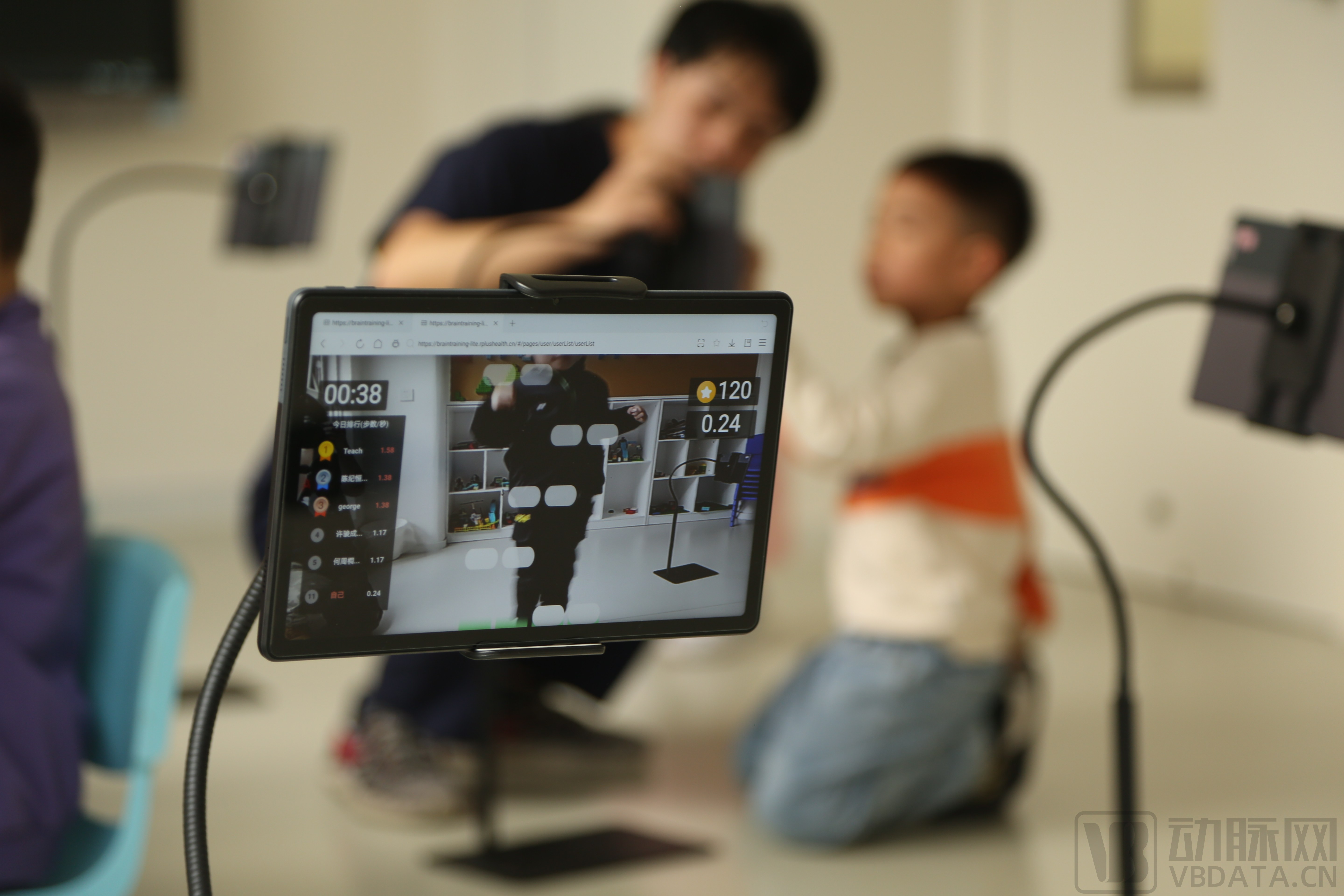
Proprietary Digital Therapy Combining Cognition and Movement
Becoming the Core Barrier of Shukang's ADHD Treatment
Currently, clinical treatments for ADHD are primarily categorized into pharmacological and non-pharmacological interventions. Pharmacological treatment involves the use of stimulant and inhibitory medications to modulate neuronal activity by either exciting or suppressing existing neurons. Non-pharmacological approaches mainly include psychotherapy and behavioral therapy. Psychotherapy focuses on long-term guidance, encouragement, and care provided by individuals in the child’s environment—such as hospitals, schools, and families—through environmental modifications. Behavioral therapy, on the other hand, employs specific training methods to enhance sensory and motor stimulation, selectively targeting or activating neurons in the brain to promote neurogenesis and improve cognitive function.
Sensory integration training is a form of non-pharmacological intervention that achieves therapeutic effects by stimulating the brain’s vestibular, proprioceptive, and tactile systems. Many non-medical institutions in the market operate under the banner of “sensory integration training,” but they merely mimic the appearance of such programs without being able to quantify training outcomes, let alone conduct further efficacy studies or in-depth exploration. In contrast, standard treatments provided by reputable hospitals for diagnosed children typically combine pharmacotherapy with behavioral training as prescribed by physicians. However, long-term medication use carries significant side effects, leading to considerable resistance from parents. Meanwhile, behavioral training often lacks quantitative monitoring and engaging elements, making it difficult for children to adhere to consistent training routines.
Extensive research on the treatment of attention-deficit/hyperactivity disorder (ADHD) has been conducted both domestically and internationally, leading to a proliferation of related digital therapeutics (DTx). In June 2020, EndeavorRx, a flagship product from the United States focused on improving ADHD outcomes, became the first video game-based digital therapeutic to receive FDA approval. It utilizes interactive video games to activate neural networks in the brain responsible for cognitive functions, thereby treating cognitive deficits and alleviating symptoms associated with neurological and psychiatric conditions. However, similar to traditional video games, EndeavorRx delivers all training in a relatively static manner. In contrast, “Shukang Youruisheng” employs an efficient, intelligent digital training approach that activates specific cognitive neural systems in different regions of the brain. By leveraging multiple interaction modalities—including touchscreens, smart peripherals, and augmented reality (AR) display enhancement—it provides users with a comprehensive and diverse training experience. Furthermore, by integrating aerobic exercise with cognitive training, it achieves holistic improvement in cardiovascular, cerebral, and physical health.
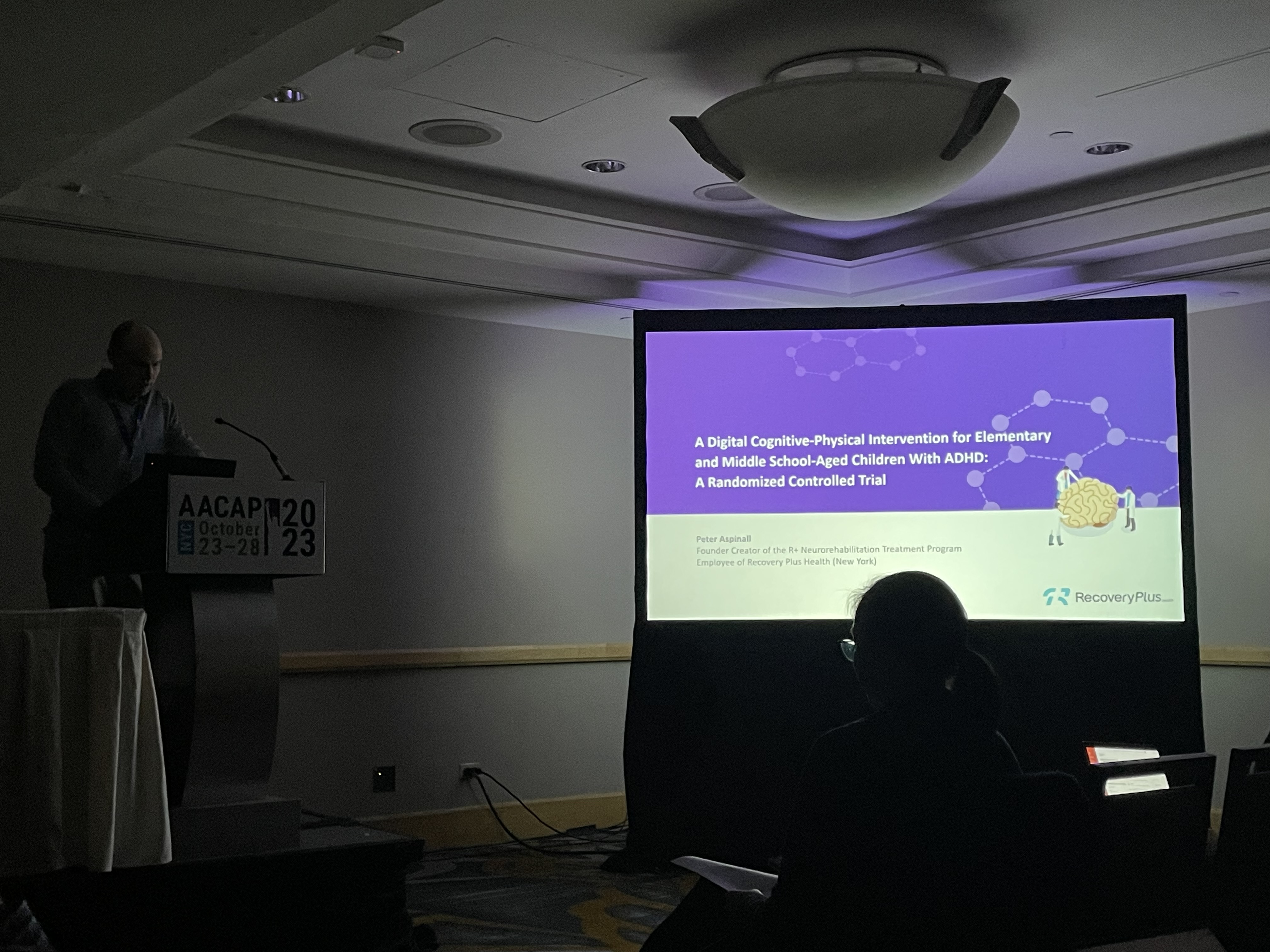
Project Lead Peter Aspinall is presenting research findings at the ACCAP conference.
ACCAP’s Debut Draws Significant Attention from Experts
AACAP is the premier global annual conference on child and adolescent psychiatry. It not only attracts experts and industry leaders from around the world but also receives warm welcomes from the Mayor of New York, the host city. The psychological and neurological topics discussed at the conference cover nearly all age groups.
“ADHD was one of the hottest topics at this conference. We are delighted that our digital clinical research findings on ADHD garnered significant attention, even among such a distinguished gathering of experts,” said Peter Aspinall, Head of Cognitive Training at Shukang, who presented the product results at the meeting.
“This is the first software (product) I have come across that integrates cardiopulmonary exercise with cognitive training; it represents a very interesting line of research,” remarked an expert attending the American Academy of Child and Adolescent Psychiatry (AACAP) conference during the discussion session on the presentation of Shukang Youruisheng’s research findings. “This approach makes accurate, quantified home-based training simple and feasible, thereby enhancing adherence for both parents and children.” In addition to its pioneering product design, the product’s significant clinical research results also drew the attention of experts and scholars present, who engaged in discussions with the Shukang team after the session.
Shukang is the first digital therapeutic approved by China’s National Medical Products Administration (NMPA). It is a software product that provides exercise prescriptions for the rehabilitation treatment of chronic diseases such as cardiovascular conditions. During research into the indications for exercise prescriptions, the cognitive science team and the clinical team jointly discovered that combining cognitive training with quantifiable exercise prescriptions can significantly enhance the efficacy of treating cognitive disorders, including ADHD. They pioneered the “Golden Triangle of Executive Function (EF) Stratification,” which categorizes brain functions into five hierarchical levels in a pyramid structure. Ranging from basic information-tracking abilities—such as visual, auditory, and linguistic processing—to higher-order emotional regulation capabilities at the apex, each level is equipped with corresponding training protocols. This approach enables the customization of personalized course plans for users, offering flexibility unconstrained by time or location, thereby improving user adherence.
Years of R&D and clinical experience have enabled “Shukang Youruisheng” to continuously explore the field of brain development. The company has established collaborations with various primary and secondary schools as well as training institutions to enhance cognitive abilities in children and adolescents, thereby improving learning efficiency. In the future, Shukang will continue to drive product innovation and technological upgrades to address a broader range of conditions related to cognitive training, ultimately enhancing human quality of life.
* References
[1] Thomas, R., Sanders, S., Doust, J., Beller, E. and Glasziou, P. (2015) Prevalence of Attention-Deficit/Hyperactivity Disorder: A Systematic Review and Meta-Analysis. Pediatrics, 135, e994-e1001. https://doi.org/10.1542/peds.2014-3482
[2] Jiang K, Xu Y, Li Y, Li L, Yang M, Xue P. How aerobic exercise improves executive function in ADHD children: A resting‐state fMRI study. Int J Dev Neurosci. 2022;82(4):295-302. doi:10.1002/jdn.10177
[3] Bustamante EE, Davis CL, Frazier SL, et al. Randomized Controlled Trial of Exercise for ADHD and Disruptive Behavior Disorders. Med Sci Sports Exerc. 2016;48(7):1397-1407. doi:10.1249/MSS.0000000000000891
[4] Chan YS, Jang JT, Ho CS. Effects of physical exercise on children with attention deficit hyperactivity disorder. Biomed J. 2022;45(2):265-270. doi:10.1016/j.bj.2021.11.011
[5] Choi JW, Han DH, Kang KD, Jung HY, Renshaw PF. Aerobic Exercise and Attention Deficit Hyperactivity Disorder: Brain Research. Med Sci Sports Exerc. 2015;47(1):33-39. doi:10.1249/MSS.0000000000000373