

Dr. Yu Chao of Longhua Hospital: Traditional Chinese Medicine Holds Great Promise in Urological and Andrological Treatments
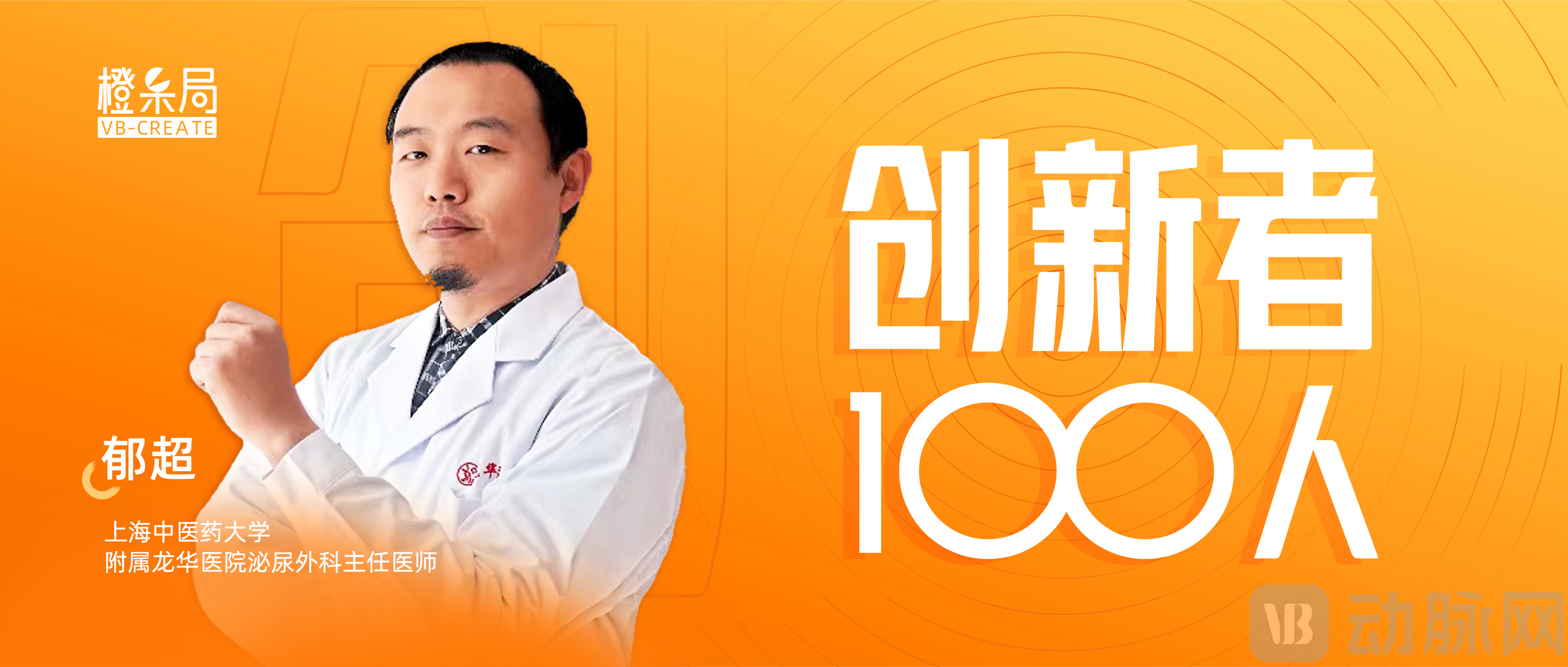
Turn on the camera,Yu Chao, Chief Physician of the Department of Urology, Longhua Hospital Affiliated to Shanghai University of Traditional Chinese MedicineStart recording a popular science video on TCM andrology immediately—explain andrological diseases in plain language and provide corresponding treatment recommendations for such patients.
In fact, in the fast-paced modern life, urological and andrological issues have already had a significant impact on men's physical health and daily lives: from sexual dysfunction, male infertility to male menopause, from prostate diseases to urinary stones and tumors, these problems are all troubling and helpless.
"In Yu Chao's view, urological and andrological issues can be effectively treated and alleviated by leveraging the unique theories and methods of Traditional Chinese Medicine."In many cases, Traditional Chinese Medicine (TCM) is the first choice for patients seeking treatment for sexual dysfunction and infertility. The general public often considers taking TCM remedies first to tonify the kidneys.”
Men's Health in the Spotlight
With the rapid development of the social economy, people are under increasing life stress. Bad habits such as irregular daily routines, unhealthy diets, and lack of exercise seriously threaten men's physical and mental health.
According to data from the Chinese Health Education Center, the incidence of andrological diseases is increasing at an annual rate of 3%. Meanwhile, the male health sector has emerged as a blue-ocean market with substantial profit potential: Frost & Sullivan predicts that the size of China’s male health and wellness market will reach RMB 99.6 billion by 2025.
Yu Chao told Chengguo Bureau that the major diseases in the field of andrology are roughly divided intoMale Infertility, Male Sexual Dysfunction, Prostatic Diseases, and Other Andrological Disorders。
Infertility affects 15% of married couples, with male factors accounting for 50% of the causes. “Male infertility has become a current hotspot and is expected to remain a consistent focus in the future.” Regarding male sexual dysfunction, which includes erectile dysfunction, ejaculatory disorders, libido disorders, and orgasmic disorders, the prevalence of erectile dysfunction among adult men in China is already considerably high. Among other andrological conditions, male menopause (late-onset hypogonadism) is often overlooked.
Yu Chao stated that while androgen levels in men do decline with age, the drop is not as precipitous as the hormonal decline seen in women. Consequently, male menopause (andropause) often presents with less severe symptoms, or significant symptoms are observed only in a subset of individuals. Based on extensive clinical observations, Director Yu Chao found that approximately one-third of men experience pronounced symptoms similar to those of female menopause.
Drawing on clinical practice, the Urology and Andrology Team at Longhua Hospital began developing related traditional Chinese medicine preparations at an early stage, among whichQizhen Nourishing Yin MixtureIt is a prime example. “This traditional Chinese medicine formulation can help alleviate yin deficiency symptoms associated with various male conditions, such as decreased male sexual function, male infertility, and hypogonadal sexual dysfunction.”
Traditional Chinese Medicine Holds Great Promise
Traditional Chinese medicine (TCM) treatment emphasizes holistic pattern differentiation, positing that andrological issues may be associated with functional abnormalities of the Zang-Fu organs, such as the Kidney, Liver, and Heart. By regulating the internal balance of Qi and Blood, patients can enhance their body’s self-healing capacity, thereby fundamentally improving urological and andrological conditions.
Summarizing over two decades of clinical experience, Yu Chao remarked, “Traditional Chinese Medicine holds great promise in the treatment of andrological diseases.”
First, becauseTCM Offers Personalized Treatment Plans。
In Traditional Chinese Medicine (TCM) theory, the human body is viewed as an ecosystem in which various parts and organs are interconnected and mutually influential. Therefore, the treatment of andrological diseases requires a holistic approach that comprehensively considers factors such as the patient’s constitution, age, sex, and lifestyle habits to formulate the most suitable treatment plan. Furthermore, TCM emphasizes syndrome-based modification of prescriptions and specialized treatment for specific diseases, allowing for timely adjustments to the therapeutic regimen in response to changes in the patient’s condition to achieve optimal therapeutic outcomes.
Second, becauseTCM treatments not only demonstrate significant clinical efficacy but are also characterized by their safety and minimal side effects.。
Most medicinal products used in Traditional Chinese Medicine (TCM) are derived from natural plant or animal sources. For instance, the Qizhen Yin-Nourishing Mixture is formulated using natural herbal ingredients such as prepared Rehmannia root (Shu Di Huang), Astragalus root (Huang Qi), Cornus fruit (Shan Zhu Yu), Goji berry (Gou Qi Zi), Privet fruit (Nu Zhen Zi), Dodder seed (Tu Si Zi), and Angelica sinensis (Dang Gui). Such TCM prescriptions, characterized by clearly defined components and a relatively mild mechanism of action, generally exhibit minimal toxic side effects on the human body.
Challenges Faced
To date, Japan has secured 210 patents for classical Chinese herbal formulas. Japanese Kampo medicines account for 90% of the global market share for traditional Chinese medicine (TCM), including well-known *Shanghan Lun* classic formulas such as Zhenwu Tang and Shaoyao Gancao Tang. This rich heritage has been leveraged by foreign entities to develop commercial products and capture market share, while"Chinese people's market share in traditional Chinese medicine lags significantly behind that of some countries influenced by Han culture."
“Sometimes, rigid thinking limits our ability to uncover golden opportunities..” Yu Chao candidly admitted, “Many treasures left behind by ancient Chinese ancestors, such as sexual arts and Daoyin exercises, have often been ignored by us.”
Beyond this, Traditional Chinese Medicine (TCM) differs fundamentally from Western medicine in its research philosophy and worldview. “Holistic concept, syndrome differentiation and treatment, and individualized treatment based on the three factors” constitute the cognitive framework through which TCM understands natural life phenomena and addresses clinical practice issues. In contrast, Western medicine is grounded in point-to-point linear logical thinking, pursuing precise interventions targeting single molecular targets.
“Applying the worldview and methodologies of modern medicine to research, evaluate, and regulate Traditional Chinese Medicine (TCM) without critical discernment can easily lead to certain misconceptions..” Yu Chao told VCBeat that developing traditional Chinese medicine, a field of comparative advantage, requires having an independent voice and a more optimized evaluation system.
The promotion of traditional Chinese medicine (TCM) products faces similar challenges. Although TCM boasts a long history and extensive empirical experience, the lack of modern experimental evidence constitutes a major obstacle to its product promotion. The modern medical system places greater emphasis on scientific evidence and data analysis, whereas TCM theories and practices often lack support in these areas.
When objectively addressing the development of modern technology and Western medicine, Yu Chao likewise stated,The integration of Traditional Chinese Medicine with modern technology is a major direction for the future.“Traditional Chinese Medicine (TCM) can leverage modern technologies to advance its own practices, or integrate with Western medical theories to develop TCM from the perspective of drug research and development systems.”