

2023 Greater Bay Area Brain Science Industry Innovation and Collaboration Conference: Nobel Laureates and Brain Health Experts Convene in Guangming Science City to Tackle Fundamental and Translational Challenges
VBEF
Government, Park, and Healthcare Industry Service Providers
Since “Brain Science and Brain-Inspired Research” was designated as one of the major scientific and technological innovation projects and initiatives in China’s 13th Five-Year Plan Outline in 2016, brain science has been poised for significant historical breakthroughs in both basic research and industrial applications. The official launch of China’s “Brain Health Initiative” in July 2022 has further fueled industry development, promoting the widespread adoption and high-quality advancement of technological innovations in brain health.
However, to fully unlock the “secrets” of the human brain, uphold the spirit of the Outline of the “Healthy China 2030” Plan, and implement the “Brain Health Initiative,” concerted efforts are required from multiple stakeholders, supported by policy backing, breakthroughs in public awareness, and deep integration among industry, academia, research, and capital.
It was at this critical juncture that the Shenzhen Society for Neuroscience, the Shenzhen Brain Science and Brain-Inspired Intelligence Industry Alliance, VCBeat, VB100, and Eggshell Research Institute joined forces to successfully hold the 4th Guangming Brain Science Conference—the Bay Area Brain Science Industry Innovation and Cooperation Conference 2023, the 2nd Annual Meeting of the Shenzhen Society for Neuroscience, and the Annual Meeting of the Neuroscientific Research Technology Branch of the Chinese Society for Neuroscience (hereinafter referred to as the “Conference”)—on November 16–17 at the Guangming Culture and Art Center in Shenzhen.“Brain Diseases: From Bench to Bedside”as the theme,Topics including research models for brain diseases and new drug development, brain and neuroimaging, prevention and treatment of cerebrovascular diseases, digital intelligent technologies for brain health, and neuroimmunology and endocrine metabolism, launched aInterdisciplinary Integration and Deep Synergy Among Academia, Clinical Practice, and Industry...of the brilliant dialogue.
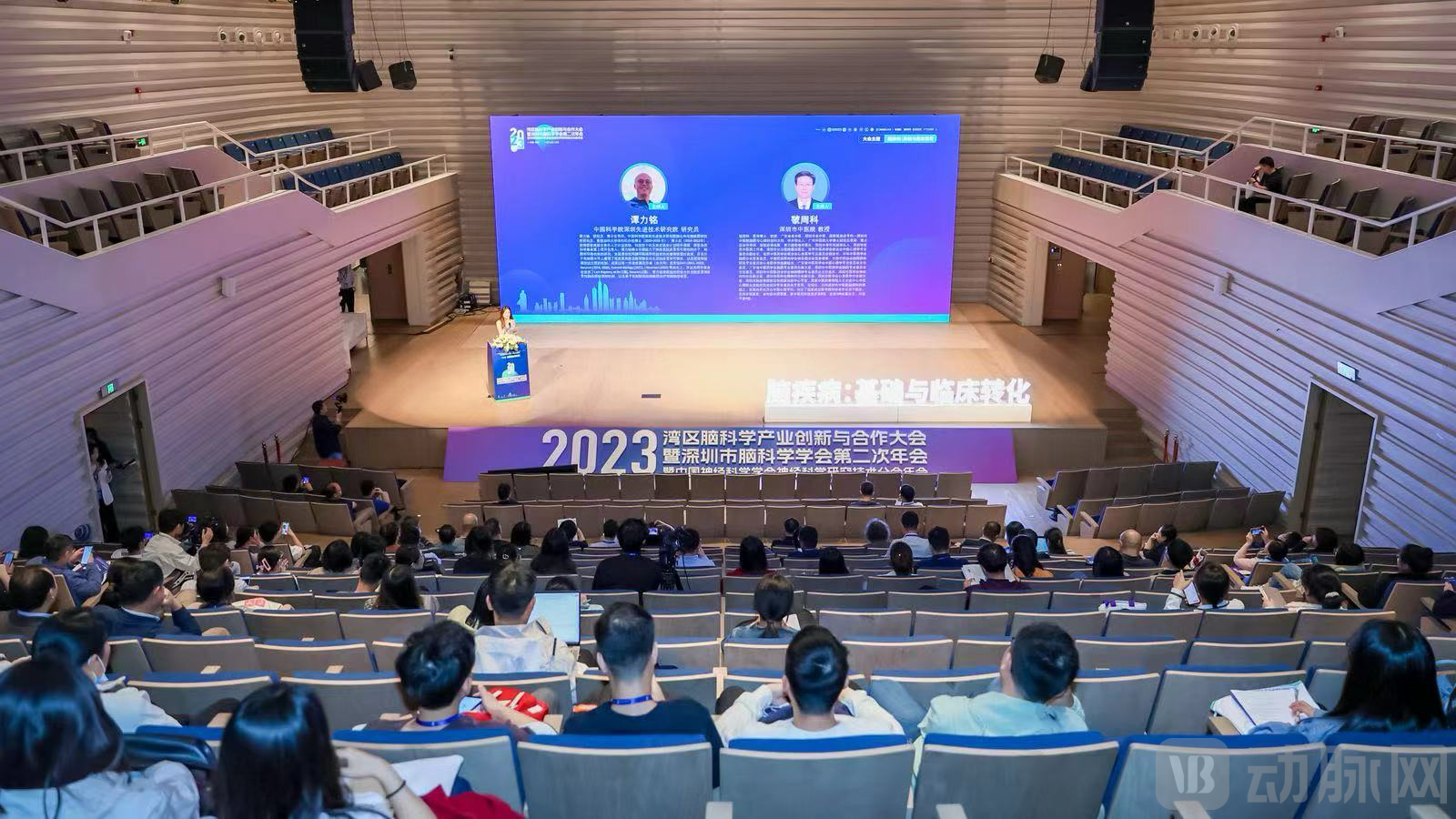
Spanning two days, the event featured one main forum opening ceremony, two academic annual conferences, and seven industry-specific sub-forums. The conference specially invited nearly 100 domestic and international experts in brain science and clinical medicine, including Mr. Erwin Neher, Director of the Neher Laboratory for Neuronal Plasticity at the Shenzhen Institute of Advanced Technology, Professor at the University of Göttingen in Germany, and the 1991 Nobel Laureate in Physiology or Medicine; Professor Wang Yongjun from Beijing Tiantan Hospital, Capital Medical University; and Professor Chen Xiaochun from Fujian Medical University. Gathering more than 500 leading representatives from academia, clinical practice, and industry, the event established a new platform for collaborative innovation among government, industry, academia, research, medical institutions, and capital. It facilitated in-depth discussions on building a new ecosystem for the brain health technology industry and exploring future development trends in brain science and brain health. In summary, this conference was not only rich in content but also of significant academic value and practical guidance.
With the joint attendance and opening remarks by leaders from the Shenzhen Municipal Government, Guangming District, the Shenzhen Institute of Advanced Technology, and the Shenzhen Society for Neuroscience, the forum was officially opened.
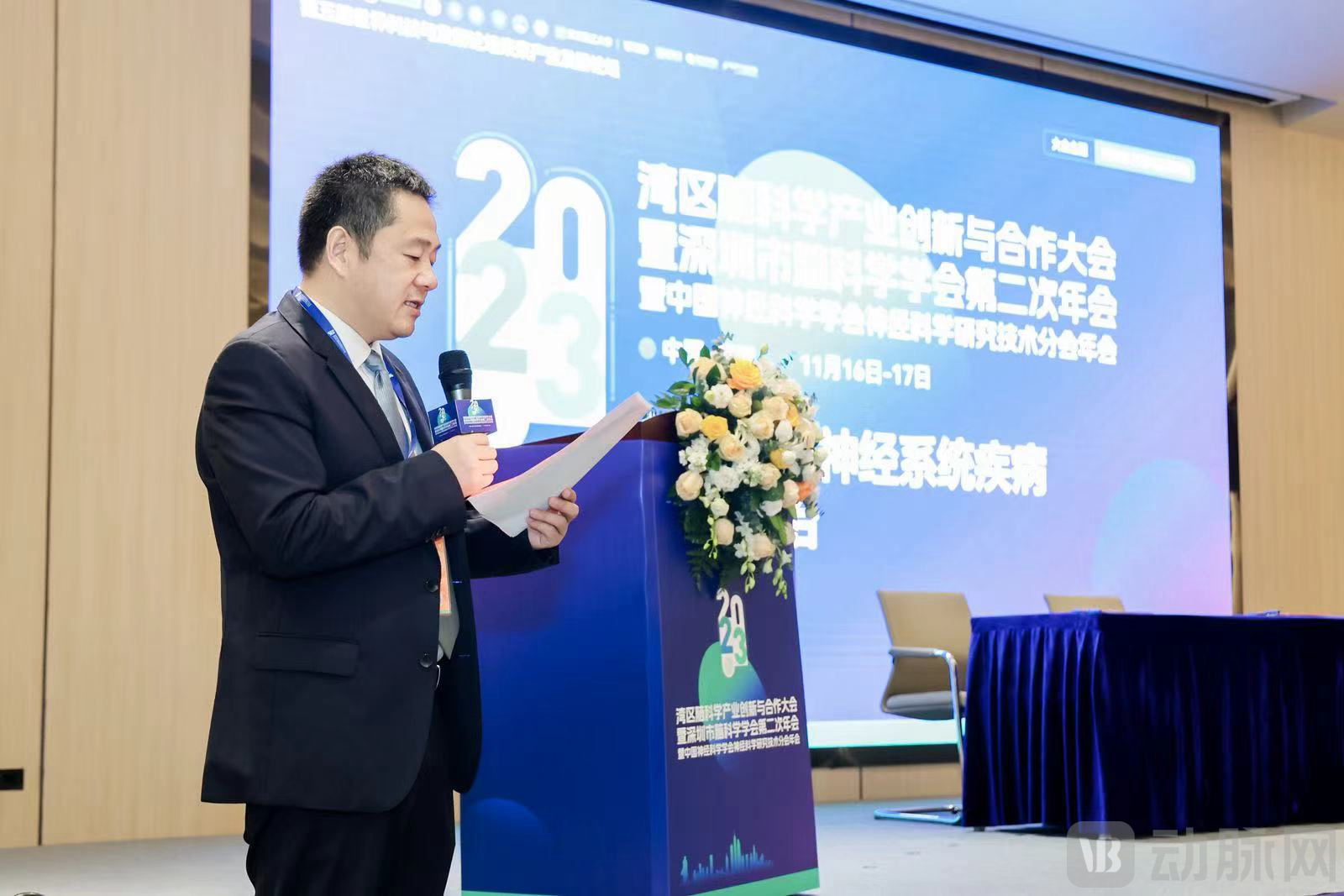
At the opening ceremony,Wang Liping, Director of the Institute of Brain Cognition and Brain Diseases at Shenzhen Institute of Advanced Technology, and Dean of the Shenzhen-Hong Kong Institute of Brain ScienceDelivering the welcome address, the speaker introduced the establishment and development of the Shenzhen-Hong Kong Institute of Brain Science Innovation, highlighted the critical role of brain science in national strategy and industrial innovation, and emphasized the importance of building a research system oriented toward addressing clinical pain points. The conference underscored the development of a “pain point-oriented” R&D system, asserting that “posing questions” is as important as “solving problems.” It encouraged clinicians to voice the difficulties and bottlenecks encountered in practice, fostering collaborative efforts with the scientific community to overcome challenges in the basic research and clinical translation of brain disorders. By forming new innovation consortia comprising leading enterprises, high-level academic and clinical research institutions, core technology-driven companies, and promising startups, and leveraging the Brain Innovation Center and brain science facilities as providers of common technologies, the initiative aims to integrate diverse innovation resources and strengthen scientific and technological infrastructure. Through cross-disciplinary and cross-regional exchanges and cooperation within the Guangdong-Hong Kong-Macao Greater Bay Area, it seeks to cultivate a technological innovation ecosystem characterized by “intellectual residency and seamless integration of industry and research,” with features of “nurturing innovation like gardening and empowering efficiency enhancement,” thereby accelerating the rapid development of China’s brain science and brain health industries. It is anticipated that, through collective efforts, this conference will propose new innovation mechanisms and opportunities, paving the way for broader and more extensive application and development of brain science in China and worldwide.
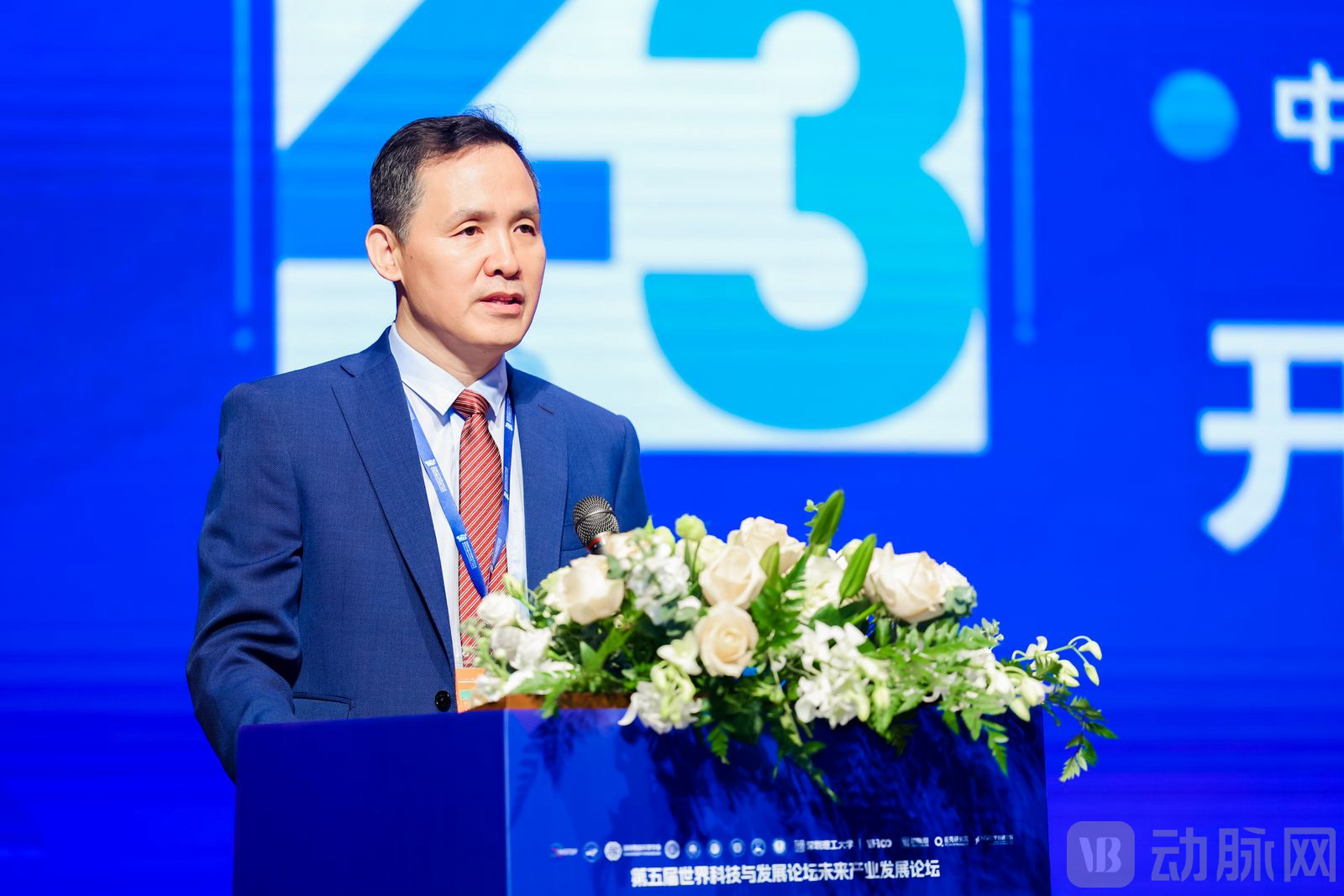
Wang Liping, Director of the Institute of Brain Cognition and Brain Diseases at Shenzhen Institute of Advanced Technology, and Dean of the Shenzhen-Hong Kong Institute of Brain Science
Qiu Haohang, Deputy Secretary of the Guangming District Committee and District MayorIn his address, he expressed gratitude to the attendees. He outlined the pivotal supporting role of Guangming District, as the pilot launch zone of the Greater Bay Area’s Comprehensive National Science Center, in scientific research, experimental development, and the promotion and application of brain science and brain-inspired intelligence. He pointed out that this conference is a scientifically rich event with a clear theme and substantial content, holding significant importance for advancing theoretical and clinical research in the fields of brain science and brain health, as well as for enhancing the industrial development level of the Greater Bay Area.
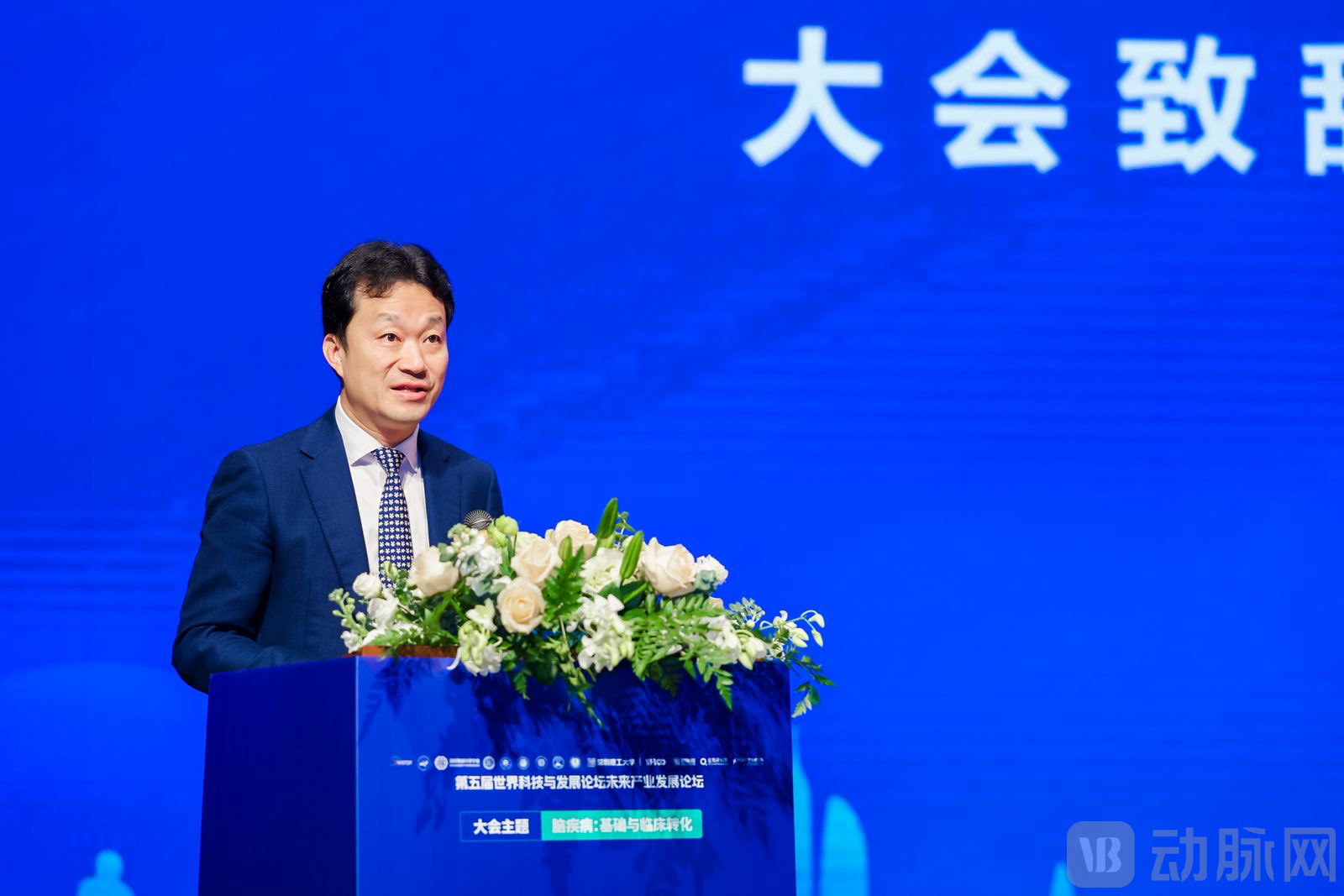
Qiu Haohang, Deputy Secretary of the Guangming District Committee and District Mayor
Wang Yongjun, Beijing Tiantan Hospital, Capital Medical UniversityDelivering the welcome address, it was noted that last May, the World Health Organization listed brain health as one of its key priorities, underscoring the critical importance of advancing brain science. This conference focuses on promoting the integration of clinical practice with technology, clinical practice with industry, and industry with future communities. It is hoped that such integration will leave a significant mark from Shenzhen and Guangming District on the future development of China’s brain health sector. Moreover, Guangming District boasts China’s most robust innovation ecosystem, featuring a supportive industrial environment, financial backing, extensive entrepreneurial infrastructure, and a strong culture of innovation. Through this conference, we aim to enrich the industrial landscape for brain health in China and pave the way for a brighter future in this field.
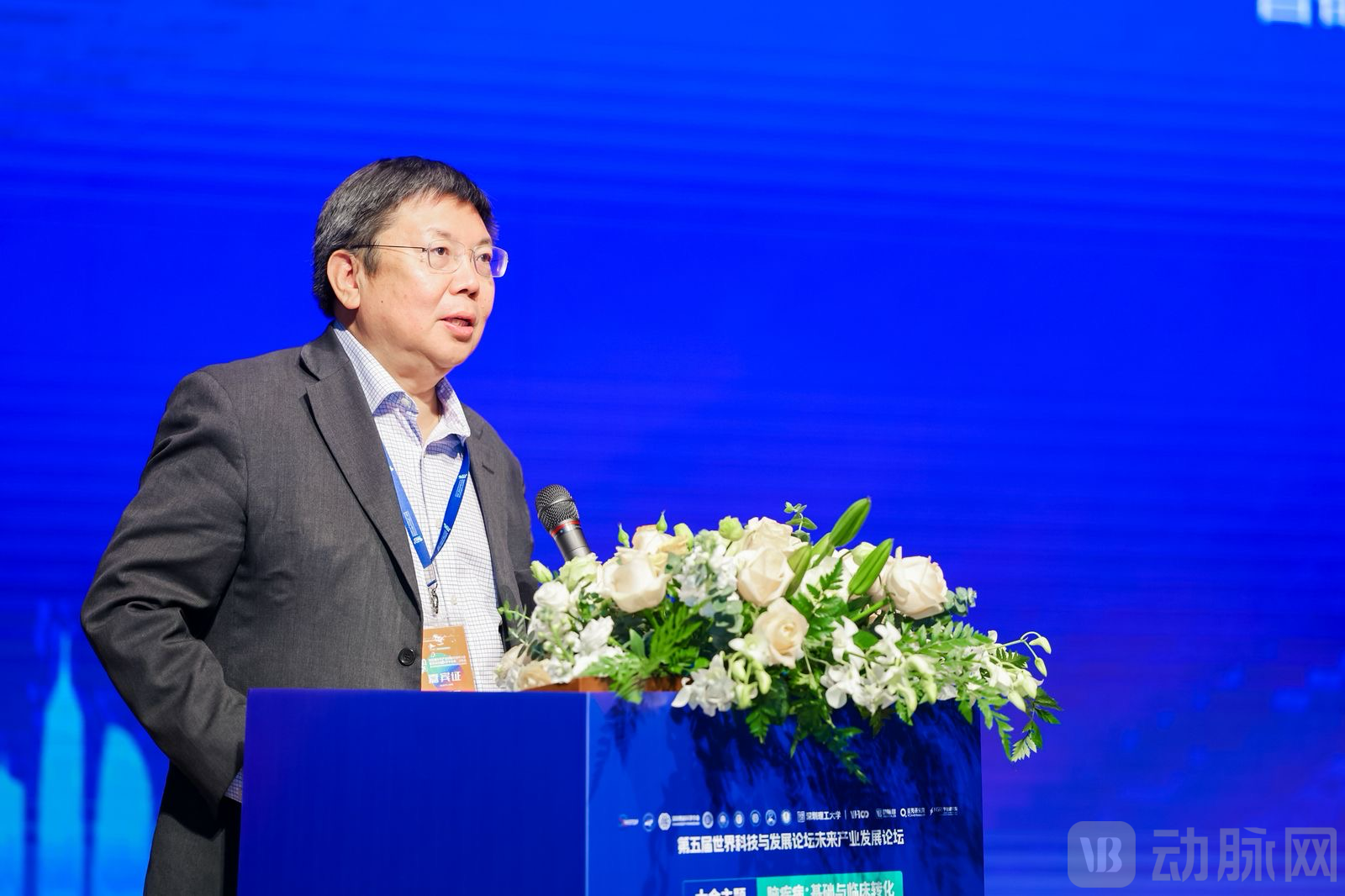
Wang Yongjun, Beijing Tiantan Hospital, Capital Medical University
Jiang Yuyang, Deputy Director of the Standing Committee of Shenzhen Municipal People's Congress and Chairman of Shenzhen Association for Science and TechnologyIn his on-site address, he emphasized that brain health is a critical issue of concern in contemporary society, and that science popularization is an effective means of enhancing public scientific literacy. Shenzhen has identified brain science and brain-inspired intelligence as key industries for future development. Since 2021, the Shenzhen-Hong Kong Institute of Brain Science and the Shenzhen Society for Neuroscience have consecutively hosted three Guangming Brain Science Conferences in Guangming Science City, supporting and promoting international cooperation and exchange in the fields of brain science and brain-inspired intelligence, thereby fostering rapid innovation and development in science and technology in Shenzhen and across China. It is anticipated that this conference will bring new insights and momentum to the development of brain science and brain-inspired intelligence, facilitate international cooperation and exchange, jointly promote industrial innovation and development, and work together to write a new chapter of innovation in the advancement of brain science and brain-inspired intelligence. Furthermore, it aims to enhance public understanding of research achievements and applications in brain science, while raising awareness about the importance of brain health.
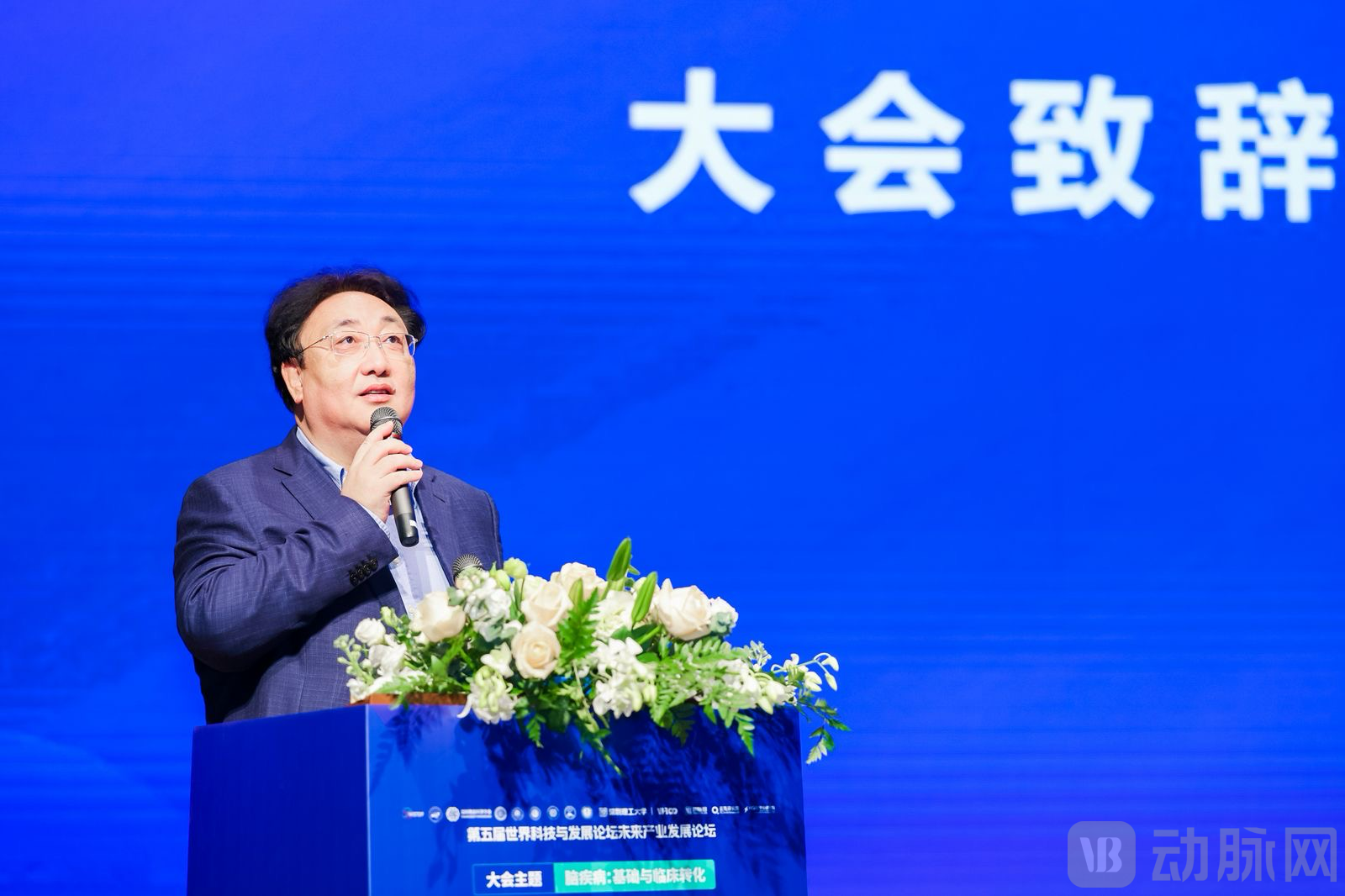
Jiang Yuyang, Deputy Director of the Standing Committee of the Shenzhen Municipal People's Congress and Chairman of the Shenzhen Association for Science and Technology
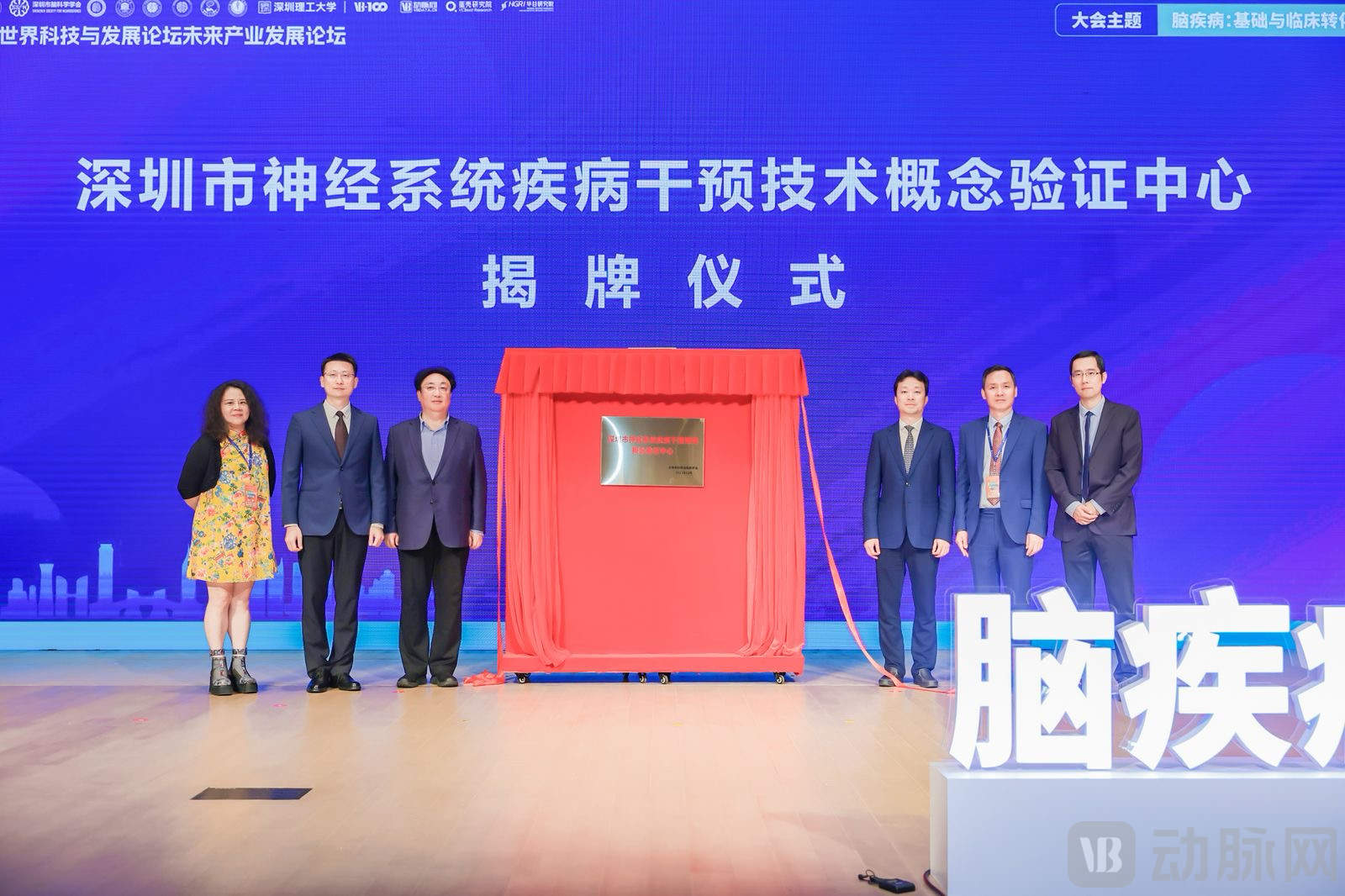
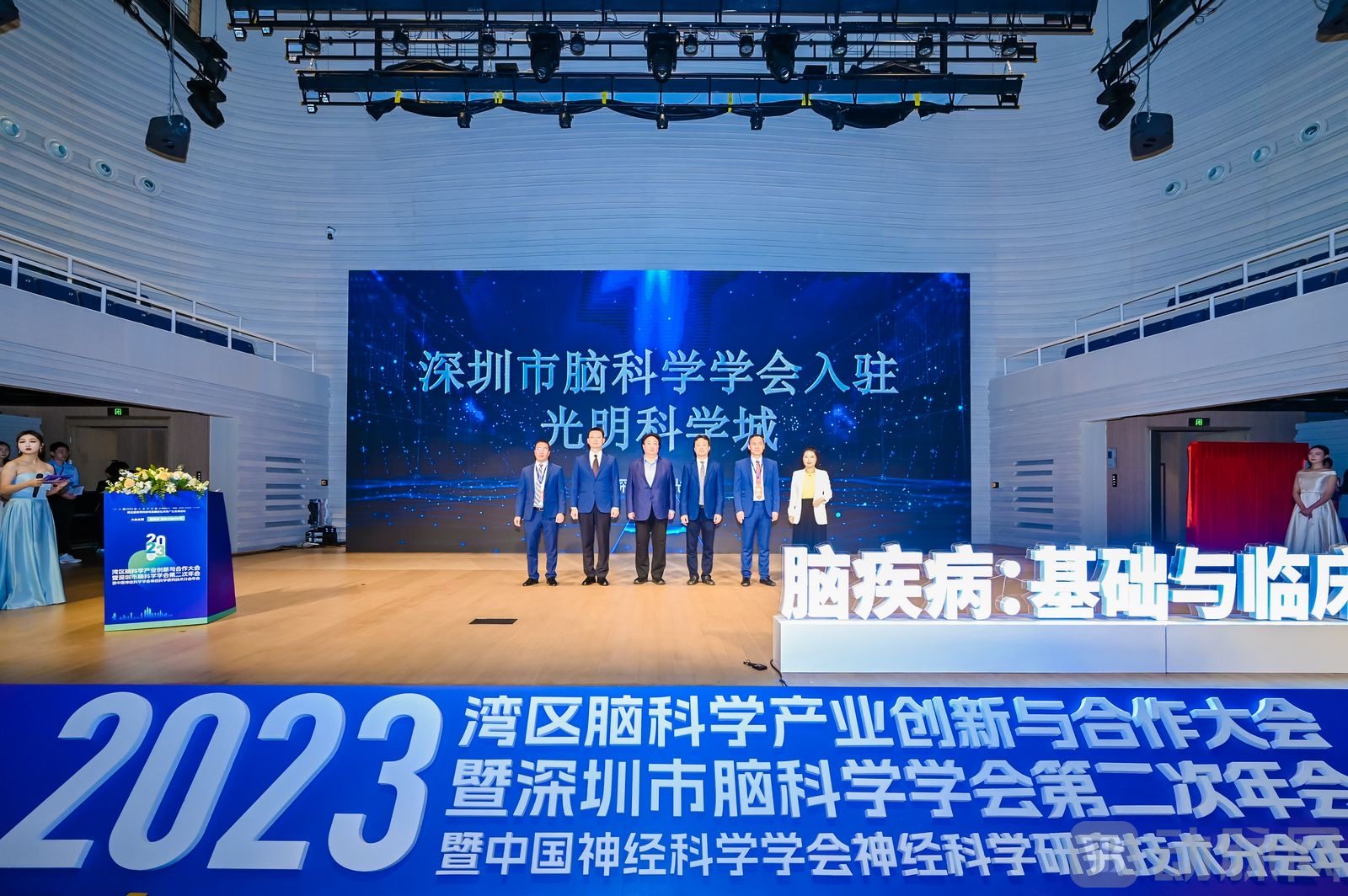
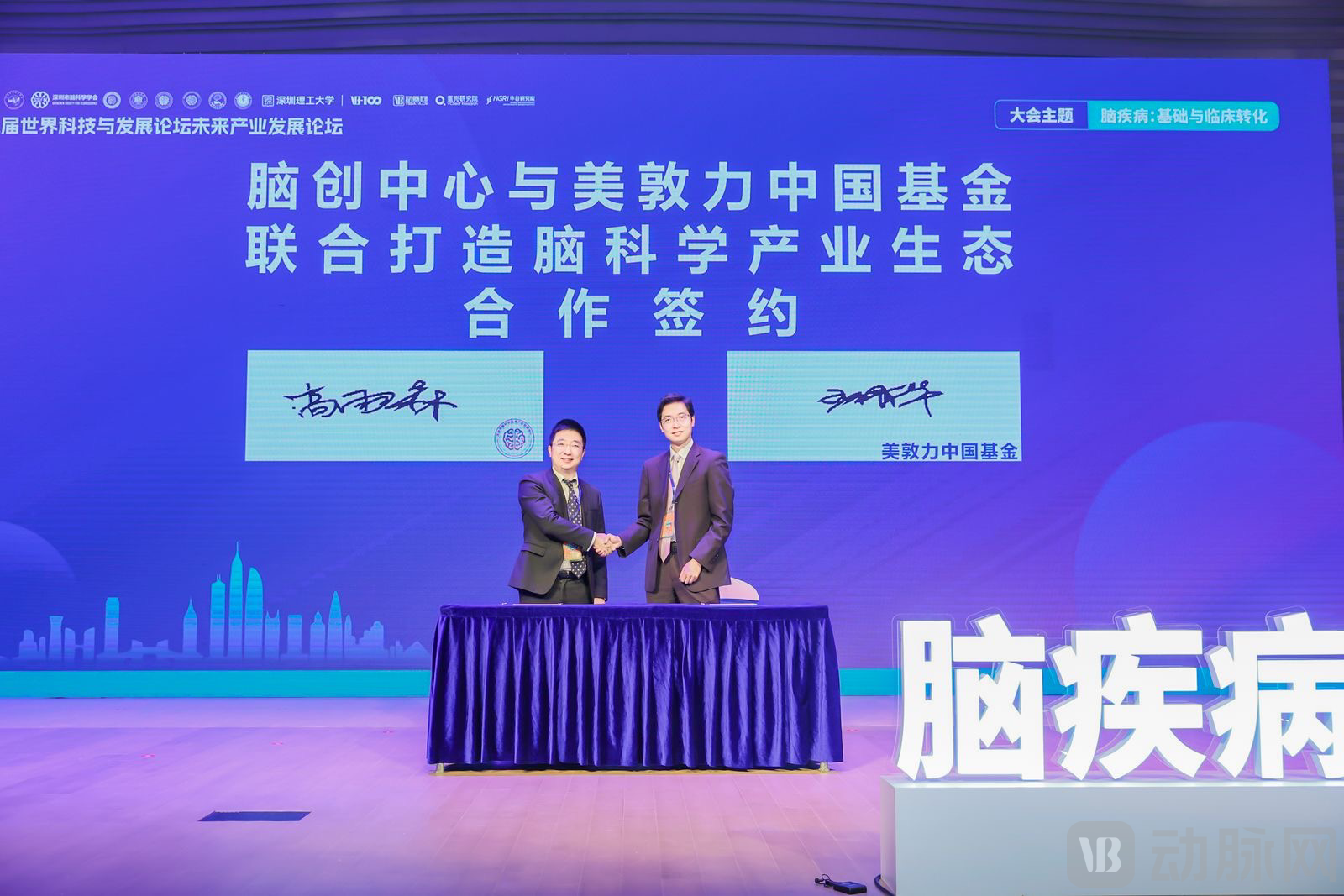
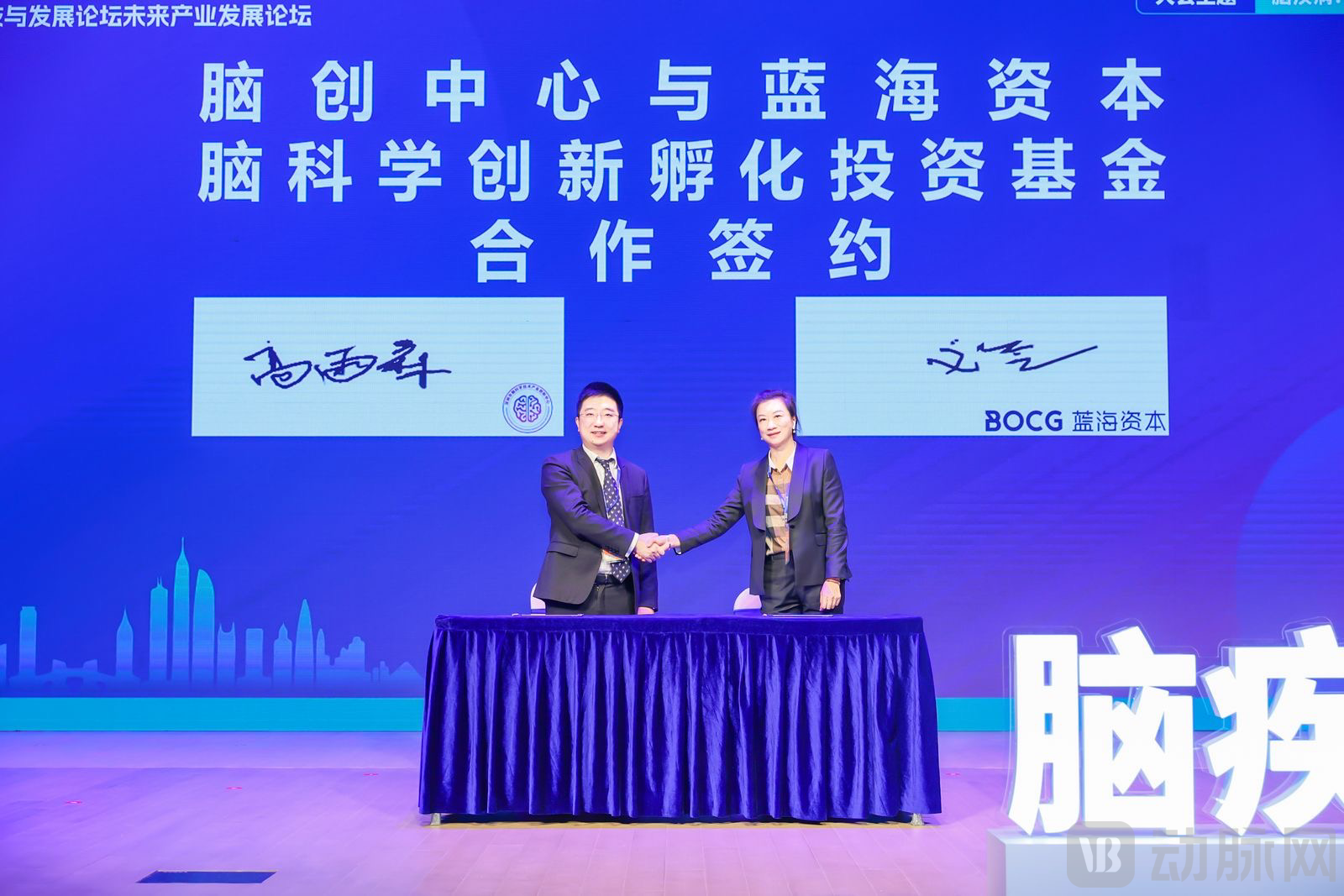
Subsequently, a series of significant ceremonial events, spearheaded and curated by the Shenzhen Society for Brain Science, were grandly launched at this conference. These included the release of the “2023 Top 30 Young Innovators in Brain Science and Brain-Inspired Intelligence” list, the establishment of the Shenzhen Society for Brain Science in Guangming Science City, the unveiling of the Shenzhen Concept Verification Center for Intervention Technologies in Neurological Diseases, and the signing of strategic cooperation agreements between the Shenzhen Brain Science Technology Industry Innovation Center and leading institutions. These initiatives provide robust support and safeguards for China’s brain science and brain health industry to serve as a pioneer and trial ground, spanning policy, innovation, industry, finance, talent, and service chains.
At the opening ceremony, Nobel laureate Mr. Erwin Neher, Professor Wang Yongjun from Beijing Tiantan Hospital, Capital Medical University, and Professor Chen Xiaochun from Fujian Medical University delivered invited keynote addresses on the themes of “Neuroplasticity and Brain Diseases,” “New Paradigms in Drug Development for Neurological Disorders,” and “Early Screening and Diagnosis of Alzheimer’s Disease,” respectively.
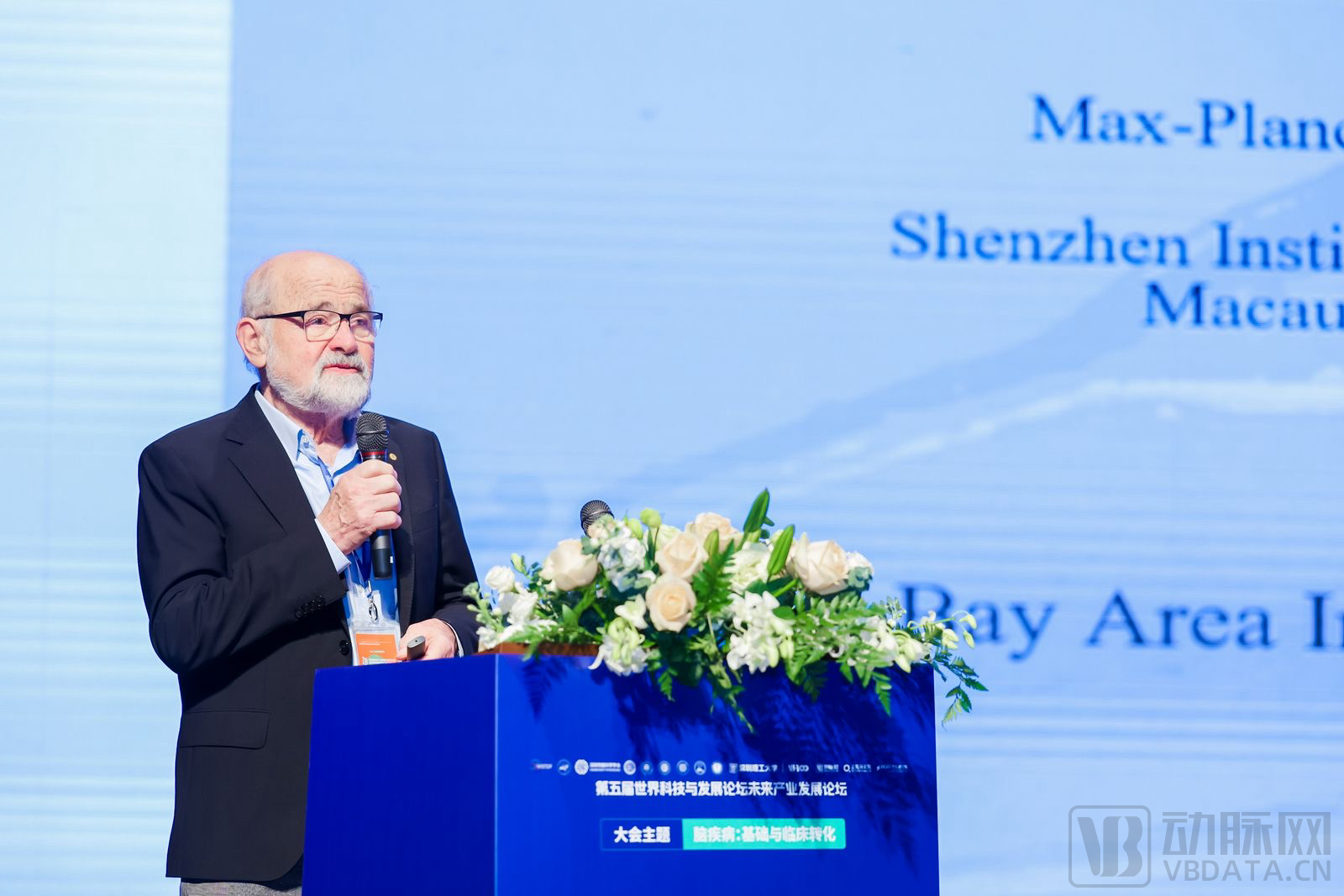
Mr. Erwin Neher, Winner of the 1991 Nobel Prize in Physiology or Medicine
To comprehensively showcase the innovative ecosystem of China’s brain science and brain health industry and foster in-depth exchanges among government, academia, research institutions, industry, healthcare providers, and investors, the forum features discussions across multiple dimensions—including technological trends, translation of scientific achievements, industrial innovation, clinical applications, and investment and financing trends. It provides a thorough analysis of the current status and future development trajectories of China’s brain science and brain health sector, offering valuable insights for research and investment in related fields.
The conference featured two academic annual meetings and seven industry-specific forums, covering cutting-edge topics rich in discussion and imagination, including “Brain Disease Research Models and New Drug Development: Challenges and Paradigm Innovation,” “Nuclear Medicine and Precision Diagnosis and Treatment of Neurological Disorders,” “Frontier Technologies and Clinical Needs in Brain Disease Research,” “Early Diagnosis and Non-Pharmacological Interventions for Brain Diseases: Opportunities and Challenges,” “Brain Health and Homeostasis: Frontiers in the Neuro-Immune-Endocrine-Metabolic Interaction Network and Clinical Expectations,” “Addressing Clinical Pain Points, Difficulties, and Bottlenecks in Brain Diseases through Cross-Disciplinary Innovation,” and the “Forum on New Advances in the Prevention and Treatment of Cerebrovascular Diseases.”
“Research Models for Brain Diseases and New Drug Development: Challenges and Paradigm Innovation“Focusing on the latest achievements, cutting-edge technologies, and innovative directions in the R&D of new drugs for brain diseases, this session explores recent breakthroughs in the field, analyzes new drug development and competitive barriers under the new landscape, and shares the latest findings, experiences, and technical details of drug R&D to empower pharmaceutical innovation. Distinguished attendees include Li Meizhen from The University of Hong Kong, Zhang Dai from Peking University Sixth Hospital, Luo Xiongjian from Southeast University, Liu Yan from Nanjing Medical University, Zhang Zhijun from Shenzhen University of Advanced Technology (in preparation), Ding Jiahong from BGI Genomics Co., Ltd., Zeng Jinsheng from The First Affiliated Hospital of Sun Yat-sen University, and Xu Hao from The First Affiliated Hospital of Jinan University.”
“Precision Diagnosis and Treatment of Neurological Diseases in Nuclear Medicine“It represents a crucial step in seizing the therapeutic window of opportunity and improving treatment survival rates. In clinical practice, it can complement and mutually validate CT, magnetic resonance imaging (MRI), and ultrasound technologies, thereby facilitating earlier disease detection and assessment. This forum centered on this theme. Distinguished attendees included Shan Baoci from the Institute of High Energy Physics, Chinese Academy of Sciences; Li Biao from Ruijin Hospital, Shanghai Jiao Tong University School of Medicine; Wu Zhifang from the First Hospital of Shanxi Medical University; Yan Sen from Jinan University; Wang Lu from the First Affiliated Hospital of Jinan University; Bing Zhitong from the Institute of Modern Physics, Chinese Academy of Sciences; Nie Binbin from the Institute of High Energy Physics, Chinese Academy of Sciences; and Dong Chengyan from Shanxi Medical University.”
“Frontier Technologies and Clinical Needs in Brain Disease Research"Focusing on cutting-edge technologies in brain function modulation and brain disease research, this session explores the latest technological breakthroughs and data sharing in the field of brain disease research, shares recent findings and experiences, and facilitates the precise alignment between disease mechanism studies and clinical diagnosis and treatment needs. Attendees include Wu Renrong from the Second Xiangya Hospital of Central South University, Liu Sheng from Sun Yat-sen University, Sun Aijun from Zhongshan Hospital Affiliated to Fudan University, Guo Yi from Shenzhen People's Hospital, Ren Chaoran from Jinan University, and Li Zixiao from Beijing Tiantan Hospital Affiliated to Capital Medical University."
“Early Diagnosis and Non-Pharmacological Treatment of Brain Disorders: Opportunities and Challenges“Discussions centered on new strategies for the diagnosis and treatment of neurological disorders, with a focus on the innovative application of digital intelligence technologies and psychosocial interventions in the early diagnosis of brain diseases. Attendees included Li Tao from the Affiliated Mental Health Center of Zhejiang University/Hangzhou Seventh People’s Hospital, Xu Qi from the Institute of Basic Medical Sciences at the Chinese Academy of Medical Sciences, Xu Feng from Haixinqing Health Industry Group, Wang Fei from Nanjing Medical University, Zhang Yan from the School of Life Sciences at Peking University, Zhao Min from the Shanghai Mental Health Center, and Wang Kai from the First Affiliated Hospital of Anhui Medical University.”
The bidirectional regulatory mechanisms between the brain and peripheral organs have long been a key frontier in brain science research, “Brain Health and Systemic Homeostasis: Frontier Advances in the Neuro-Immune-Endocrine-Metabolic Interaction Network and Clinical Expectations“Experts including Chang Junlei from the Shenzhen Institute of Advanced Technology, Xie Jingdun from Sun Yat-sen University Cancer Center, Jiang Yong from the First Affiliated Hospital of Zhengzhou University, and Zhou Tian from the Brain Center of Southern Medical University were invited to jointly discuss the molecular, cellular, and circuit mechanisms underlying the reciprocal regulation among the nervous, immune, endocrine, and metabolic systems. The aim is to explore their potential value in developing new strategies for early diagnosis and optimized treatment of chronic and complex clinical diseases, thereby contributing wisdom and strength to continuously开辟 new development tracks and shape new growth drivers in the field of brain and life health.”
Clinical neuroscience serves as a source of fundamental scientific questions and a base for validating and applying R&D outcomes. The future development of brain science will further leverage the advantages of clinical resources. In addition, the interdisciplinary nature, international frontier status, and technology-leading characteristics of brain science determine its cross-complementarity with other traditional industries and its catalytic role in fostering new business models.Clinical Pain Points, Challenges, Bottlenecks, and Cross-Disciplinary Innovation in Brain Diseases” centered on this topic, with forum attendees including Li Ming from the Kunming Institute of Zoology, Chinese Academy of Sciences; Liu Guozhen from The Chinese University of Hong Kong, Shenzhen; Liu Qiang from Tianjin Medical University; and Zhu Yingjie from the Shenzhen Institutes of Advanced Technology, Chinese Academy of Sciences.
“Forum on New Advances in the Prevention and Treatment of Cerebrovascular Diseases“An academic platform exploring the latest research, treatment, and prevention of cerebrovascular diseases, effectively promoting exchange and collaboration in the field of cardiovascular and cerebrovascular health, and improving the diagnosis, treatment, prevention, and control of cerebrovascular diseases. Distinguished attendees included Yang Qingwu from the Second Affiliated Hospital of Army Medical University, Xu Gelin from Shenzhen Second People’s Hospital, Zou Liangyu from Shenzhen People’s Hospital, He Xiongjun from Shenzhen Hospital of Southern Medical University, Shao Yinghui from Shenzhen Second People’s Hospital, Hu Yanjun from The University of Hong Kong-Shenzhen Hospital, Chai Wen from Shenzhen University General Hospital, Guo Fei from Union Shenzhen Hospital of Huazhong University of Science and Technology, and Xu Chunyan from Shenzhen Luohu People’s Hospital.”
Brain science and brain-inspired intelligence technologies represent a critical frontier in global scientific and technological advancement. They hold profound significance for human health, the development of next-generation artificial intelligence, and the growth of emerging information industries, making them a key strategic domain in international technological competition. However, the complexity of the human brain is akin to a vast ocean. Significant barriers in brain science research must be overcome before genuine breakthroughs can be realized.
In the face of the highly challenging field of brain science, it is crucial to tap into young talent in China’s brain science and brain-inspired intelligence industries, while stimulating the innovative vitality of young scientists, to advance the production of cutting-edge interdisciplinary and disruptive achievements.
On the occasion of this conference, the Shenzhen Society for Brain Science, the Shenzhen Brain Science and Brain-Inspired Intelligence Industry Alliance, VCBeat, VB100, and Eggshell Research Institute jointly launched the 2023 selection of “The New Brain 30”—30 Innovative Young Leaders in Brain Science and Brain-Inspired Intelligence—to identify and highlight innovative drivers within China’s brain science and brain-inspired intelligence technology and industry sectors. The selection process involves an in-depth assessment of advances and bottlenecks in frontier research on brain science and brain-inspired intelligence, clinical needs in brain health, and opportunities and challenges in industrial applications of brain science. It targets young scientists and young entrepreneurs in China working in the fields of brain science and brain-inspired intelligence.
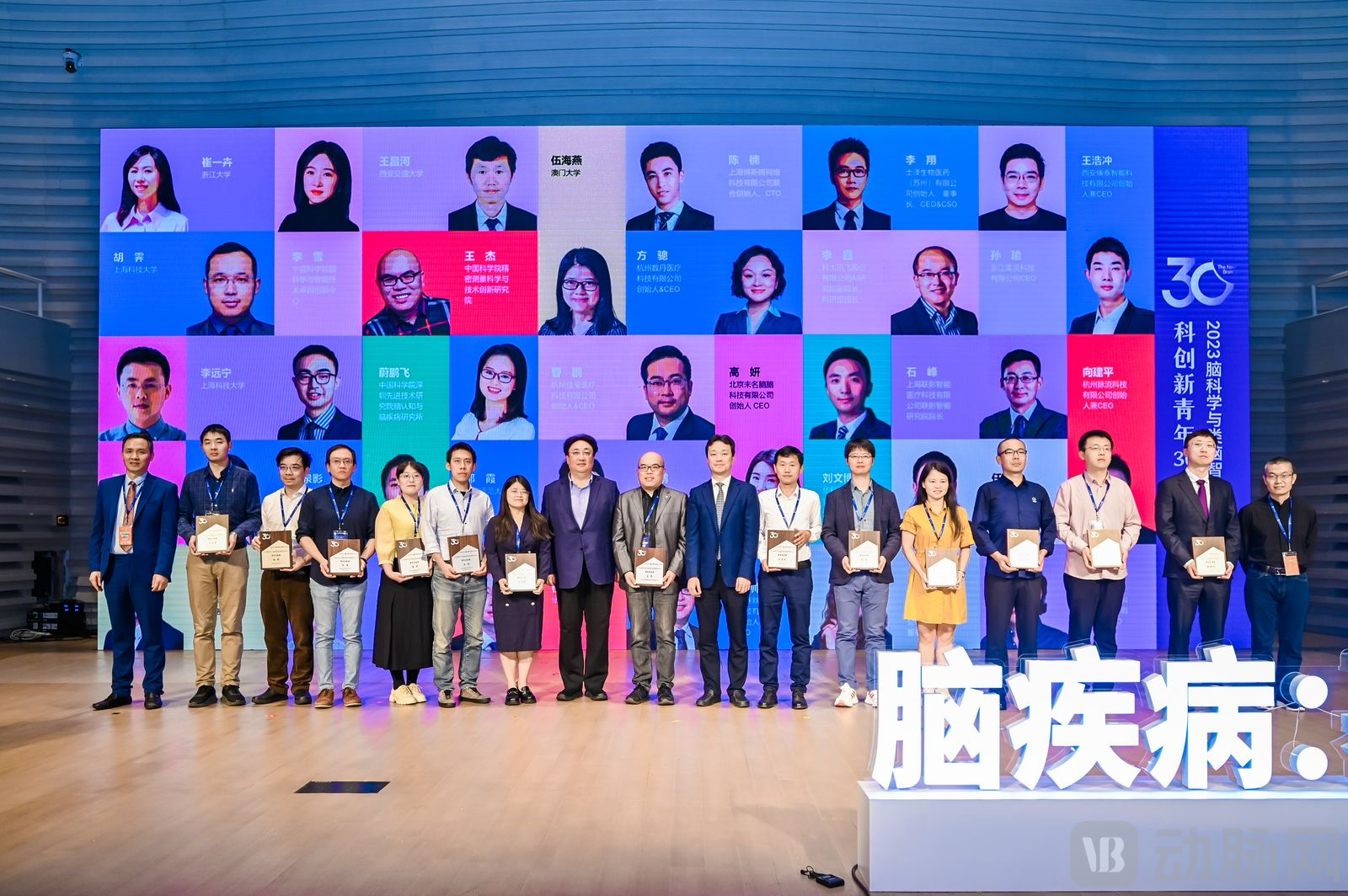
Leveraging the ecosystem of the “Brain Science Industry Innovation and Cooperation Conference,” we provide selected young innovators in science and technology with platforms and opportunities to share research findings, broaden scientific perspectives, and secure resource support, thereby accelerating the implementation of China’s “Brain Health Action Plan” and promoting the development of the brain science industry.
Furthermore, the conference concurrently hosted the “Brain Future” themed exhibition, showcasing innovative technological products such as consumer-grade brain-computer interfaces, robotic and surgical equipment, clinical EEG big data, cutting-edge research instruments, intelligent analysis of brain radiological imaging, and digital therapeutics. This exhibition served not only as a product “marketplace” but also as a secondary venue for scientific and technological exchange in brain science.
At the “Future of the Brain” thematic exhibition, exhibitors showcased their latest brain science research achievements and products. Among them, exhibits from several companies attracted widespread attention. These exhibits represent the most recent research breakthroughs and technological advancements in the field of brain science, offering the public a broader perspective and deeper understanding. The thematic exhibition not only highlighted the latest progress in brain science research to the industry and demonstrated the sector’s substantial potential for industrialization, but also provided a platform for exchange among researchers, entrepreneurs, investors, and other stakeholders. By bringing together multidisciplinary collaborative efforts, the event supports the strategic objectives of “Healthy China 2030” and marks an important step toward the goal of “brain health for all.”
China’s “Brain Health Initiative” sets forth the goal that, by 2025, public education on brain health will achieve significant results and related concepts will be widely disseminated; brain health screening, examinations, and monitoring for key populations will be advanced in an orderly manner; foundational knowledge in the discipline of brain health will be vigorously promoted, along with research and validation of brain health screening methods, biomarkers, digital therapeutics, and preventive and therapeutic drugs; diagnosis and treatment standards, clinical pathways, and quality control standards for brain health and related brain disorders tailored to China’s national conditions will be formulated; a multi-tiered brain health service network will be established; and the early diagnosis and treatment rates of brain disorders that pose significant threats to brain health will be substantially improved.
By 2030, the public will have established a correct perspective on brain health; the coverage rate of key populations for brain health screening, examinations, and monitoring will reach approximately 80%; basic research in brain health sciences and industrial translation will achieve extensive and in-depth development; and a national framework for building a Healthy China will be formed, emphasizing precision prevention, diagnosis, and treatment of whole-lifecycle brain health and related neurological disorders.
Individual and societal well-being both depend on a healthy brain. From the “2023 Top 30 Young Innovators in Brain Science and Brain-Inspired Intelligence” list to the “Future of Brain Exhibition,” it is evident that this conference has thoroughly implemented the objectives of China’s “Brain Health Initiative.” In addition to focusing on cutting-edge academic developments, accelerating the translation of research outcomes, and actively enhancing public awareness of brain health knowledge, the conference also seeks out innovative forces in brain science and brain-inspired intelligence. Furthermore, it has established platforms for showcasing product innovations and facilitating venture capital and industrial collaboration, precisely targeting the brain health medical community. By connecting innovative enterprises, industry leaders, supply chain partners, and investment institutions within the healthcare sector, the conference aims to drive the development of the brain science industry.
At the two-day conference, scientists, clinical experts, business leaders, and representatives from investment institutions also participated in four roundtable discussions. The 2023 Bay Area Brain Science Industry Innovation and Cooperation Conference not only provided a platform for exchange and collaboration among scientists, clinical experts, business leaders, and investment institution representatives, but also injected new momentum and vitality into the development of the brain science industry, further promoting the rapid development and innovation of China’s brain science sector. Although the event has concluded, it has left people with endless food for thought.
For the brain science industry, which is currently experiencing growing pains on the eve of industrialization, the holding of this conference undoubtedly holds significant value in addressing challenges related to technological innovation and the translation of research into industrial applications. Why is this the case?
“Brain Health Initiative” states that the launch of the “Brain Health Initiative” aims to accelerate the realization of the strategic goals of “Healthy China 2030” by establishing a multi-center collaborative mechanism, popularizing and disseminating knowledge on brain health, promoting effective early identification and intervention techniques, and advancing the standardized construction and high-quality development of brain health centers.
As seen at the 2023 Bay Area Brain Science Industry Innovation and Cooperation Conference, participants from government, industry, academia, research institutions, healthcare providers, and investment sectors gathered to establish a platform for exchange and collaboration in the field of brain science, promoting its development through diverse forum formats. The conference organizers, the Shenzhen Society for Brain Science and the Shenzhen Brain Science and Brain-Inspired Intelligence Industry Alliance, played a pivotal connecting role, facilitating the establishment of a multi-center collaborative mechanism.
It is reported that the Shenzhen Society for Brain Science (hereinafter referred to as the “Society”) is a local, academic, non-profit social organization initiated by the Shenzhen Institute of Advanced Technology, with brain science experts from Shenzhen People’s Hospital, Shenzhen Second People’s Hospital, Shenzhen University, Southern University of Science and Technology, Peking University Shenzhen Graduate School, Shenzhen University of Advanced Technology (in preparation), Shenzhen Bay Laboratory, and Shenzhen Institutes of Neuroscience serving as co-founders.
To accelerate the integration of basic research, applied basic research, clinical studies, and industrialization in brain science in Shenzhen, the Society has established a platform for academic-industry exchange. To further promote the application of brain science technological innovations in industrial development, the Society has also founded the Shenzhen Brain Science and Brain-Inspired Intelligence Industry Innovation Alliance (hereinafter referred to as the “Alliance”). The Alliance has brought together nearly 100 entities, including research institutes, hospitals, enterprises, and professional investment institutions, aiming to create a hub for the brain science and brain-inspired intelligence industry and facilitate the practical translation of scientific achievements in the field of brain science.
Undoubtedly, both the convening of this forum and the establishment of the society and alliance are key steps in promoting the sustainable development of the brain science industry and achieving the goals of the “Brain Health Initiative.” This epoch-making move will set off a wave in the healthcare sector, maximizing the release of the trillion-yuan market potential of the brain and health industries.