

Telomir Pharmaceuticals Files IPO to Raise $13.8 Million for Development of TELOMIR-1, a Novel Metalloenzyme Inhibitor Targeting Iron Overload and Telomere Protection

Telomir Pharmaceuticals
Small Molecule Drug Developer
Recently, biotechnology company Telomir Pharmaceuticals (“Telomir”) filed an IPO application with the U.S. Securities and Exchange Commission (SEC), aiming to raise $13,800,000 through its initial public offering. The company plans to list on the Nasdaq under the ticker symbol TELO. Kingswood Capital Markets serves as the sole book-running manager for this transaction, and no pricing terms have been disclosed at this time.
Telomir is a preclinical-stage pharmaceutical company focused on the development and commercialization of the small-molecule drug TELOMIR-1. TELOMIR-1 is a novel small molecule being developed as an agent to regulate telomere length and genomic stability.
Telomir was founded in 2021 and currently has six full-time employees. The company is headquartered in Baltimore, Maryland, a major hub for the biopharmaceutical industry and home to key U.S. regulatory and research institutions, including the U.S. Food and Drug Administration (FDA), the National Institutes of Health (NIH), the United States Pharmacopeia (USP), the Frederick National Laboratory for Cancer Research, and Walter Reed National Military Medical Center.
However, Telomir's operational performance has been poor.
Telomir disclosed its complete financial results for the first half of 2023 in its prospectus. The data show that the company currently has no revenue, with a net loss of $2.033 million and an accumulated deficit of $3 million as of June 30, 2023, marking three consecutive years of losses.
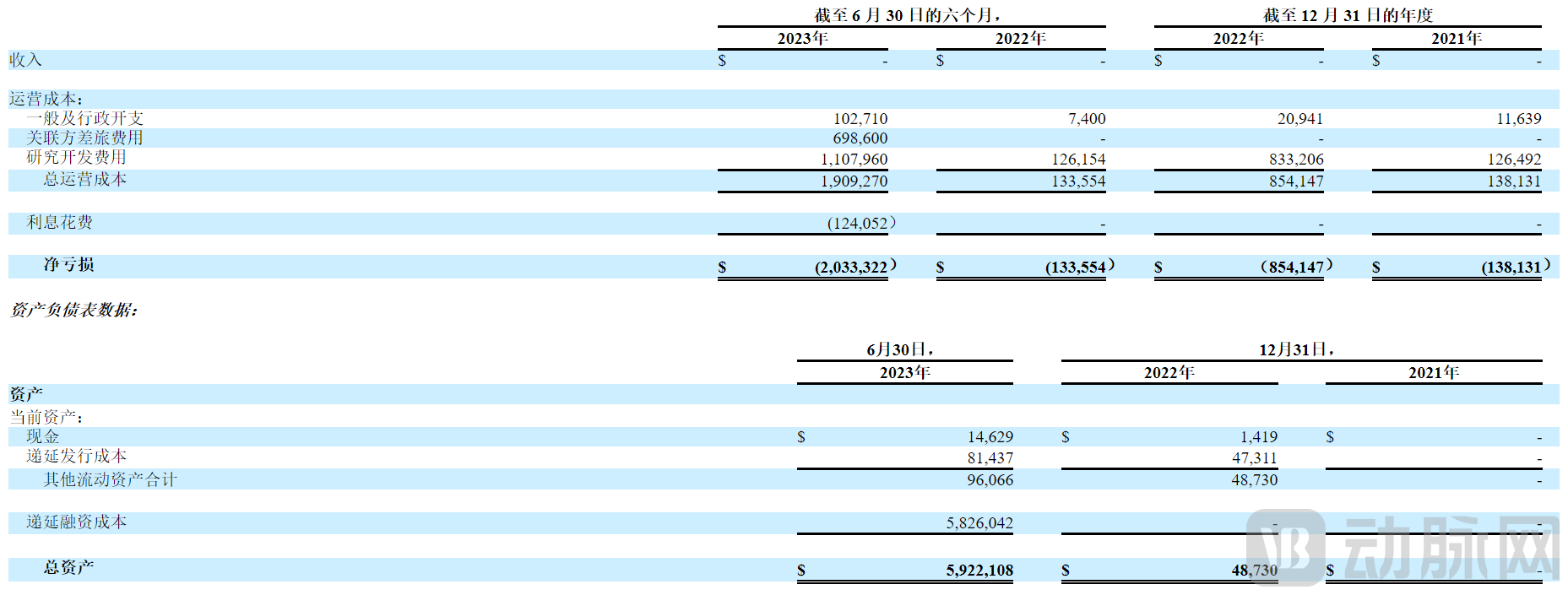
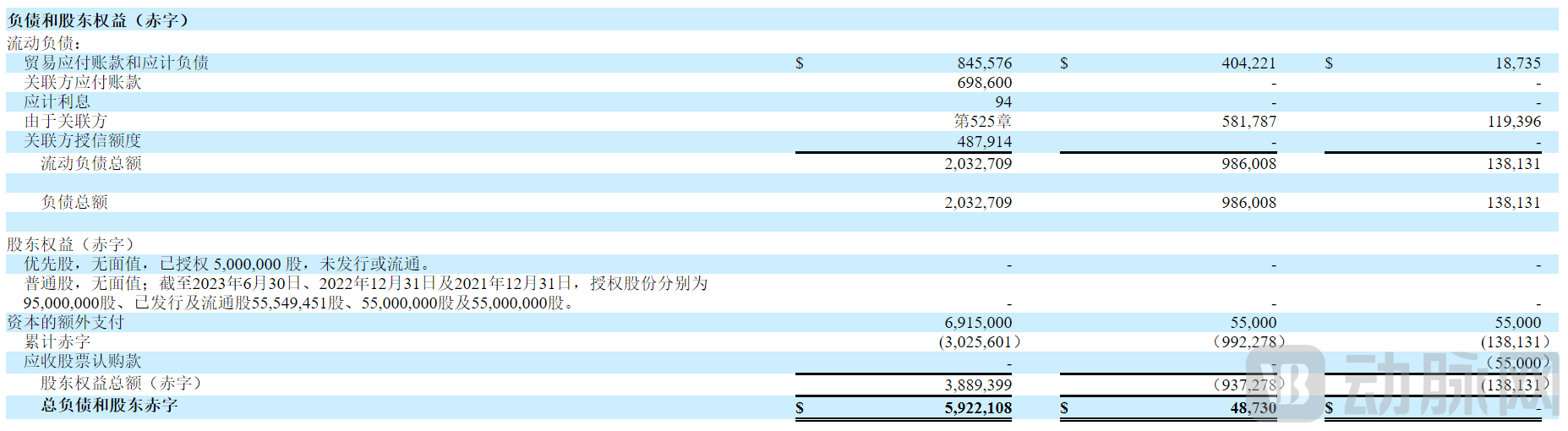
Telomir also stated that recurring operating losses, negative cash flow, and reliance on debt and other financing have raised substantial doubt among shareholders regarding the company’s ability to continue as a going concern, while also necessitating a reduction in the scale of its business operations.
TELOMIR-1 is a metalloenzyme inhibitor that selectively binds to critical metals to disrupt enzymatic function, thereby restoring cellular homeostasis of metals such as iron, copper, and zinc. By limiting the availability of these metals and metal-induced enzymatic activity, it ultimately reduces the risk of diseases such as cancer and inflammation.
Metallic elements such as iron, zinc, copper, and manganese play crucial roles in the generation of many enzymatic reactions and the regulation of key cellular pathways. However, every phenomenon has two sides. When the catalytic activity of these metal elements continues to rise or even becomes uncontrolled, enzyme activity can be excessively activated, leading to the formation of cancerous mutations and the development of diseases such as hemochromatosis.
Hemochromatosis is an iron overload disorder in which the body absorbs and stores excessive amounts of iron, leading to its accumulation in organs such as the liver, pancreas, and heart. Over time, elevated iron levels can damage tissues and organs, resulting in liver injury, liver cancer, heart disease, arthritis, diabetes, and other conditions associated with high iron levels.
Hemochromatosis tends to become symptomatic in men aged 30–50 years and in women over the age of 50. However, most patients exhibit no obvious symptoms in the early stages, and the disease is often diagnosed only after severe complications have developed.
Currently, the commonly used treatment for hemochromatosis is phlebotomy, which involves removing excess iron from the body through “bloodletting.” This method is relatively low-cost and widely applicable; however, it requires patients to undergo regular phlebotomy sessions, resulting in limited convenience and poor adherence.
Furthermore, some patients use iron chelators, which selectively bind excess iron and promote its excretion, thereby reducing the patient's iron burden. Although this approach reduces iron levels by binding iron in the body for elimination, patients taking these medications are prone to nephrotoxicity.
In 2015, Novartis’ iron chelator Jadenu was approved for market launch. Although it demonstrates significant efficacy in improving iron overload, the drug remains contraindicated in patients with severe renal or hepatic impairment, advanced-stage cancer, high-risk myelodysplastic syndromes (MDS), hypersensitivity, or low platelet counts.
Preclinical data released by Telomir demonstrate that TELOMIR-1 exhibits potent metal-chelating activity. Oral administration of TELOMIR-1 can inhibit the concentration and accumulation of metals such as zinc and copper in serum, suppress the activity of the pro-inflammatory cytokine interleukin-17 (IL-17), and thereby reduce serum iron levels, potentially leading to improved patient compliance and therapeutic outcomes.
Telomeres are repetitive DNA sequences at the ends of chromosomes that stabilize chromosomal terminal structures, prevent end-to-end fusions between chromosomes, and compensate for the gaps left at the ends of the lagging strand after RNA primer removal.
With each cell division, telomeres shorten. When telomeres reach a critical length, chromosomes become unstable, leading to cell cycle arrest and ultimately cellular senescence or apoptosis. Defects in genes involved in human telomere maintenance can cause degenerative disorders affecting both germ cells and somatic cells, such as dyskeratosis congenita, idiopathic pulmonary fibrosis, and ulcerative colitis.
To prevent chromosomes from being worn down or entangled, telomeres effectively protect chromosome ends by forming a “cap structure,” thereby ensuring that chromosomes are properly replicated during cell division.
Telomeres are a critical factor influencing the growth and proliferation of pluripotent stem cells. Given their unique regenerative capacity and limited abundance in the adult body, in situ therapy and protection of stem cells constitute an important mechanism for disease treatment. However, many conditions induced by pro-inflammatory cytokines can cause intracellular metal overload, which leads to telomere shortening in stem cells and ultimately impairs their ability to maintain self-renewal.
TELOMIR-1 has the potential to become a “guardian” of telomeres. Preclinical studies have shown that TELOMIR-1 elongates and stimulates telomeres by modulating metal overload, such as zinc and copper, induced by pro-inflammatory cytokines, thereby maintaining the self-renewal capacity of stem cells and ultimately achieving the goal of protecting stem cells.
Currently, Telomir is conducting further animal studies to evaluate the feasibility, safety, and efficacy of TELOMIR-1.
The field of iron overload disorders is no stranger to innovators.
Biopharmaceutical company Protagonist Therapeutics (hereinafter referred to as “Protagonist”) is one such example. Founded in 2001, Protagonist successfully completed its initial public offering (IPO) in 2016 and has three clinical-stage products in its pipeline. PTG-300, an investigational injectable hepcidin peptidomimetic for the treatment of polycythemia vera and hereditary hemochromatosis, is currently in Phase III clinical trials.
According to the Phase II clinical data previously released by Protagonist, PTG-300 demonstrated favorable safety and efficacy in the treatment of patients with polycythemia vera. After up to 28 weeks of treatment with individualized doses of PTG-300 (10 mg–80 mg), patients’ hematocrit levels were controlled, and six patients receiving this dosing regimen did not require phlebotomy.
In 2020, the FDA granted orphan drug designation to PTG-300 for the treatment of polycythemia vera.
By comparison, Telomir, still in its early stages, has made somewhat slow progress, and consecutive losses have placed it in an even more disadvantaged position.
Yet Telomir is “not to be underestimated.” Just two years after its founding, the company filed for an initial public offering (IPO) and launched its investigational pipeline candidate, TELOMIR-1, while maintaining high R&D expenditure. A successful IPO would enable Telomir to channel additional funds into its operations, thereby intensifying competition in the “iron overload disease market.”
Who will be the first to break through in this race and become the next approved iron overload therapy? Stay tuned!