

OrbiMed Co-Founder's New Biotech Terremoto Biosciences Raises $250M in Two Years, Files for IPO

Terremoto Biosciences
Covalent Drug Developer

EcoR1 Capital
Venture Capital Firms

Novo Holdings
Venture Capital and Asset Management Firms

Cormorant Capital
Venture Capital and Business Consulting Firm

OrbiMed
Healthcare Investment Institutions
Third Rock Ventures
Venture Capital Firms
On November 3, 2023, biotechnology company Terremoto Biosciences (“Terremoto”) announced the completion of a $175 million Series B financing round. This round attracted new investors, including EcoR1 Capital, Novo Holdings, and Cormorant Capital, and also received continued support from existing investors OrbiMed and Third Rock Ventures. This financing brings the company’s total funding to $250 million.
Prior to this, the company had completed a $75 million Series A financing round. The proceeds will be used to advance its lysine-targeted covalent platform, develop best-in-class therapies for known drug targets, and pioneer first-in-class drugs for diseases that have historically been difficult to treat.
Over the past two decades, global drug development has witnessed remarkable progress, including the creation of novel therapeutics targeting previously intractable drug targets. Covalent drugs are particularly noteworthy; they exert their effects by forming covalent bonds with cysteine (Cys) residues on protein surfaces. Due to the high energy and strong affinity of covalent bonds, these agents can induce prolonged inactivation of mutant proteins without causing toxicity, demonstrating superior inhibitory potency compared to conventional small-molecule drugs. Although this field was previously underexplored, covalent inhibitors with enhanced selectivity and potency have regained significant attention in recent years.
At present, this field has seen the emergence of numerous highly effective blockbuster drugs, such as Johnson & Johnson’s first BTK inhibitor ibrutinib, Amgen’s first KRAS G12C inhibitor sotorasib, AstraZeneca’s EGFR inhibitor osimertinib, and Novartis’ FGFR4 inhibitor roblitinib, which is currently in clinical development.
“AstraZeneca’s osimertinib for the treatment of non-small cell lung cancer, and Johnson & Johnson’s BTK inhibitor ibrutinib, have already demonstrated the value of covalent therapies. Lysine-targeted covalent approaches build on this foundation and are poised to expand opportunities for the application of covalent chemistry, ultimately holding promise to usher in a new era of small-molecule drug discovery,” said Dr. Reid Huber, a board member of Terremoto Biosciences and partner at Third Rock Ventures.
However, the efficacy of covalent drugs has always depended on their binding to the amino acid cysteine, which is relatively rare in proteins, thereby significantly limiting the number of targets amenable to covalent inhibition mechanisms. In contrast, lysine is ubiquitous in the proteome, present in nearly all relevant proteins. Consequently, Terremoto Biosciences is actively developing drugs capable of forming covalent bonds with lysine. Nevertheless, targeting lysine for covalent modification is highly challenging due to the inherently low reactivity of surface-exposed lysine residues, which correspondingly increases the risk and potential severity of off-target effects.
To address this issue, researchers at the company developed a salicylaldehyde-based chemical proteomics probe. This probe can reversibly and covalently bind to more than 200 protein kinases in cells and mice, thereby inhibiting kinase activity. Meanwhile, researchers can monitor the residence time of probe–kinase complexes within cells and identify candidate molecules and drug targets by screening for complexes with longer residence times.
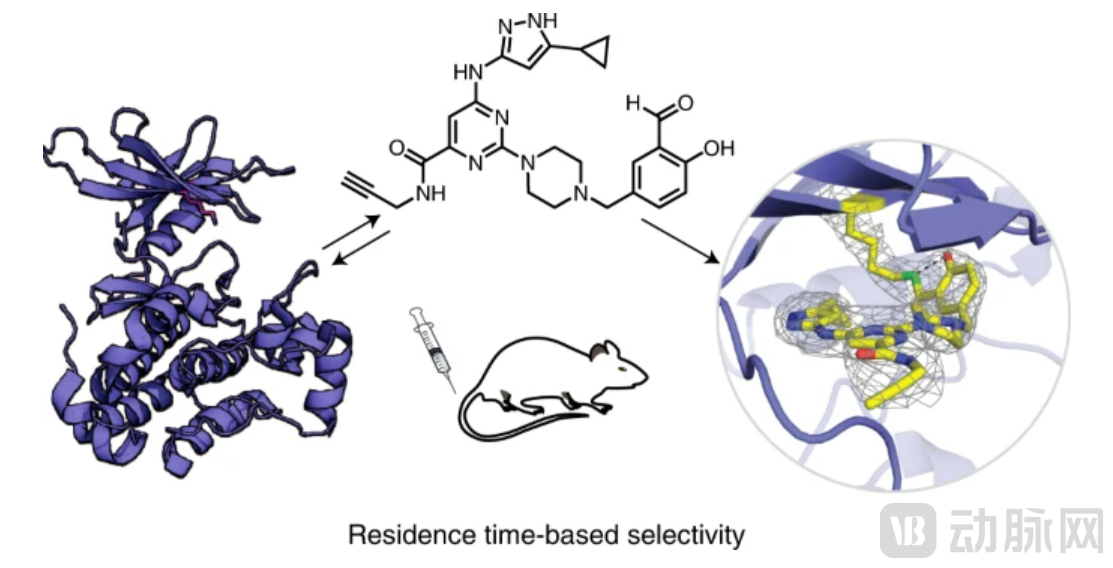
Screening Candidate Molecules and Targets Based on Residence Time (Image source: Nature Chemical Biology)
Currently, Terremoto has established a proprietary drug development platform that incorporates structure-based drug design, cryo-electron microscopy, X-ray crystallography, an electrophilic warhead library, and a computational discovery engine. Leveraging this platform, researchers can extensively explore protein targets and further optimize the structures of candidate molecules, thereby creating drugs with greater durability, efficacy, and tolerability.
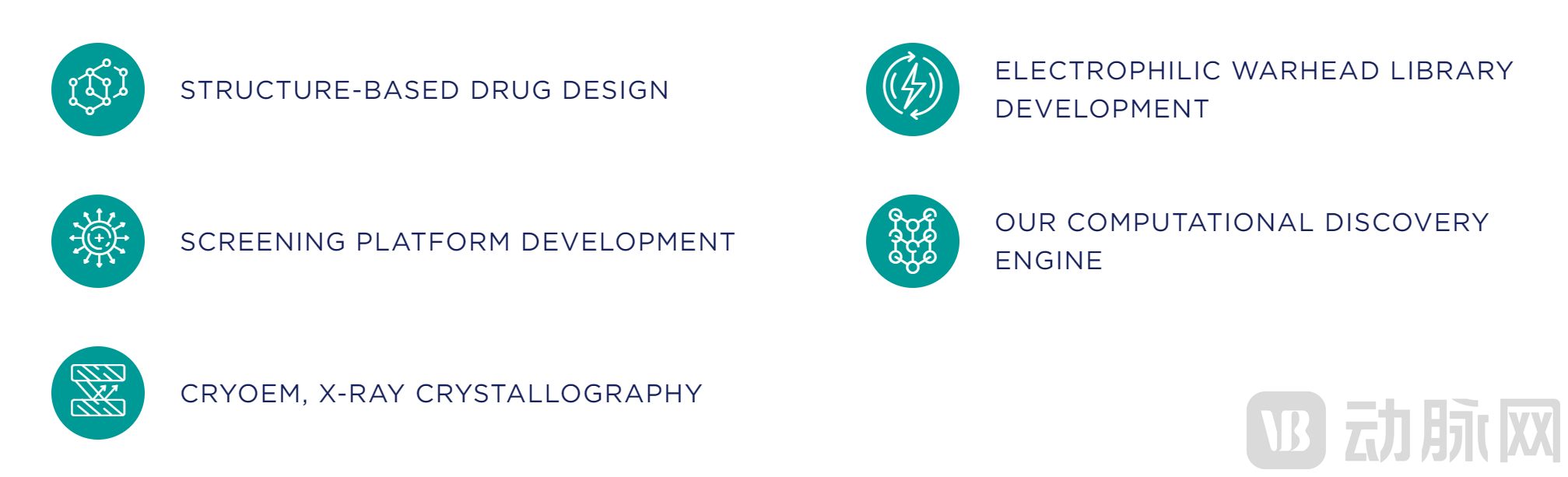
Terremoto’s Platform Technology (Image source: Terremoto official website)
Notably, many members of the Terremoto team are pioneers in the field of lysine-targeted covalent chemistry. The team is led by Dr. Peter Thompson, Co-founder and CEO, who is also a partner at OrbiMed and has played a key role in founding several biotechnology companies, including Trubion Pharmaceuticals, Corvus Pharmaceuticals, Silverback Therapeutics, and Edgewise Therapeutics.
Other co-founders include Dr. Matt Jacobson, Professor and Chair of the Department of Pharmaceutical Chemistry at the University of California, San Francisco, who is also a co-founder of Relay Therapeutics and Global Blood Therapeutics and has developed approved drugs that covalently bind to amines on hemoglobin molecules.
Dr. Jack Taunton is also one of the founders. He is a Professor of Cellular and Molecular Pharmacology at the University of California, San Francisco, and a co-founder of Principia Biopharma, Cedilla Therapeutics, Kezar Life Sciences, and Global Blood Therapeutics. Dr. Taunton stated, “With recent advances in chemoproteomics and computational chemistry, now is the ideal time to develop covalent drugs targeting nucleophilic amino acids other than cysteine.”

The Three Founders of Terremoto (Image Source: Terremoto Official Website)
Furthermore, Terremoto has a Scientific Advisory Board composed of globally renowned chemists and serial life sciences entrepreneurs, providing technical support and commercialization expertise for the company’s development of lysine-based covalent drugs.
The Scientific Advisory Board comprises the following scientists and professionals:
Dr. Reid Huber: Partner at Third Rock Ventures, founding member of the Incyte scientific team.
Dr. Kevin Koch: Founder of Array Biopharma and Edgewise Therapeutics, hailed as one of the industry’s top chemists.
Dr. John Link: A world-renowned chemist, former Vice President of Medicinal Chemistry at Gilead Sciences, co-inventor of multiple approved hepatitis therapies, and a researcher currently developing HIV capsid inhibitors in clinical trials.
To date, Terremoto has not publicly disclosed specific details regarding its product pipeline. However, clues can be gleaned from published literature. Two papers by Dr. Jack Taunton, published in the Journal of the American Chemical Society, proposed two candidate molecules targeting lysine residues, directed at Hsp90 and eukaryotic translation initiation factor 4E (eIF4E), respectively.
Hsp90 is a heat shock protein that plays a crucial role in maintaining cellular homeostasis. It is closely associated with the pathogenesis and progression of various human diseases, particularly tumors, making it one of the most promising targets in cancer therapy. Inhibiting Hsp90 expression can simultaneously affect multiple oncogenic pathways. When used in combination with histone deacetylase (HDAC) inhibitors, tubulin inhibitors, topoisomerase II (Topo II) inhibitors, and other agents, it demonstrates significant synergistic antitumor effects.
However, most Hsp90 inhibitors that have entered clinical trials to date have failed due to insufficient efficacy, toxicity, or resistance issues. For Terremoto Biosciences, these challenges present an opportunity to develop targeted Hsp90 therapeutics; where traditional mechanisms struggle to effectively engage this target, more specific covalent inhibition holds the potential to yield a best-in-class drug.
Another potential target for Terremoto is eukaryotic translation initiation factor 4E (eIF4E). As a cap-binding protein, eIF4E specifically recognizes the 5' cap structure of mRNA, thereby promoting the translation of proteins associated with cancer cell growth and metastasis. eIF4E has long been a challenging drug target, as most known inhibitors are negatively charged guanine analogs that are largely unable to penetrate cell membranes. To address this challenge, Dr. Taunton designed the first covalent eIF4E inhibitor with cellular activity. Currently, there is no publicly available information indicating ongoing research projects targeting eIF4E. Therefore, the covalent inhibition mechanism holds promise for pioneering drug development opportunities around this potential therapeutic target.
In the future, Terremoto is poised to further expand the target scope of covalent inhibitory drugs, injecting new vitality into the development of covalent therapeutics.