

China Lung Cancer Journal Publishes World's First Expert Consensus on Simultaneous DNA+RNA Co-testing for Non-Small Cell Lung Cancer
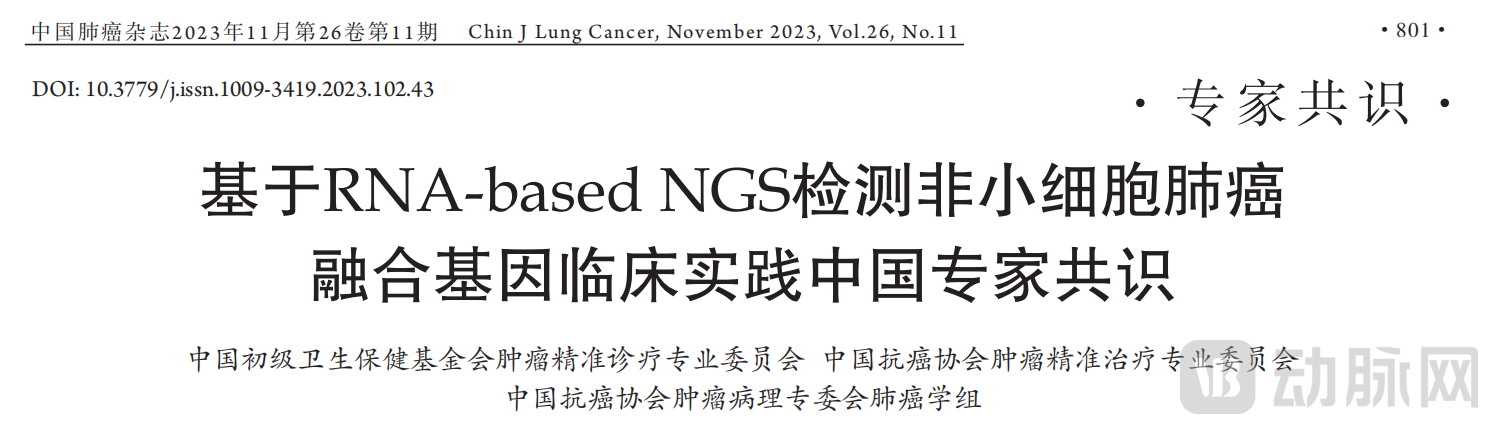
In November 2023, the Chinese Journal of Lung Cancer published the “Chinese Expert Consensus on Clinical Practice for RNA-Based NGS Detection of Fusion Genes in Non-Small Cell Lung Cancer.”
This is the world's first expert consensus on simultaneous DNA and RNA co-testing for non-small cell lung cancer.
Preface
In November 2023, the “Chinese Expert Consensus on Clinical Practice of RNA-based NGS Testing for Fusion Genes in Non-Small Cell Lung Cancer” (hereinafter referred to as the “Consensus”) was officially published in the Chinese Journal of Lung Cancer. The Consensus was initiated by academic societies including the Oncology Precision Diagnosis and Treatment Professional Committee of the China Primary Health Care Foundation.Shanghai Chest Hospital, Shanghai Jiao Tong UniversityProfessor Baohui Han, Peking University Cancer HospitalProf. Lin Dongmei, West China Hospital of Sichuan UniversityProf. Qinghua Zhou, Eastern Theater Command General HospitalProfessor Song Yong, Fudan University Shanghai Cancer CenterProf. Xiaoyan Zhouand the Cancer Hospital of Guangdong Provincial People's HospitalProf. Qing ZhouCo-serving as Editorial Advisory Experts, Shanghai Chest Hospital, Shanghai Jiao Tong University School of MedicineProf. Hua ZhongAuthored by over 60 clinical pathology experts from across China, who collectively discussed, revised, voted on, and finalized thisExpert Consensus: First Recommendation in Domestic and International Guidelines and Consensuses for Combined DNA and RNA Testing to Detect Driver Genes in Non-Small Cell Lung Cancer
In the past two to three years, numerous technologies and products combining DNA and RNA fusion detection have been implemented in clinical practice; however, due to these technologies and productsMost approaches involve independent, parallel DNA and RNA sequencing of tumor samples, resulting in higher testing costs and stringent sample requirements.,Consequently, its widespread adoption has not been achieved. Currently, technologies combining DNA-based NGS with RNA-based NGS for the simultaneous, one-step detection of gene mutations and fusions have been successfully developed and are beginning to be applied in clinical practice. However, China still lacks standardized guidelines and norms regarding the timing, application scenarios, and quality control for RNA-based NGS in fusion gene detection. As the world’s first expert consensus on synchronous DNA+RNA testing in non-small cell lung cancer (NSCLC), this consensus will further clarify the appropriate timing, application scenarios, and quality control measures for RNA-based NGS in fusion gene detection, provide guiding recommendations, and promoteApplication of Simultaneous DNA- and RNA-Based NGS Testing in the Clinical Diagnosis and Treatment of Non-Small Cell Lung Cancer, Enabling Patients to Maximize Benefits from Fusion Gene Detection
This issue features an in-depth interview with the five founding experts of the Consensus. The founders will address key topics, including the original intent behind initiating the Consensus, its distinctions from previously published similar consensuses, the technology enabling simultaneous single-test detection of DNA and RNA as outlined in the Consensus versus existing DNA+RNA testing methods currently available on the market, and other clinical or pathological issues mentioned in the Consensus.
Consensus Overview
Consensus 1: Compared with DNA-based NGS, RNA-based NGS is not affected by introns and can improve the detection rate of fusion genes. It is recommended that medical institutions with the necessary capabilities perform simultaneous RNA-based and DNA-based NGS testing for driver gene variations (fusions/mutations) on NSCLC samples in a single assay. [Strongly Recommended]
Consensus 2: RNA-based NGS can currently be used to detect driver gene fusions such as ALK, RET, ROS1, NTRK, NRG1, and MET. [Strongly Recommended]
Consensus 3: Fusion genes detected by RNA-based NGS can guide targeted therapy for NSCLC with fusion variants. [Strongly recommended]
Consensus 4: RNA-based NGS can be applied to all patients with NSCLC, while it is recommended to pay more attention to lung cancer patients who have a higher correlation with the frequency of fusion genes (such as adenocarcinoma, female, non-smokers, rapid tumor progression, etc.). [Strongly Recommended]
Consensus 5: FFPE samples that pass quality control assessment can be used for RNA-based NGS detection of fusion genes. [Strongly recommended]
Consensus 6: For RNA-based NGS detection of fusion genes, quality control metrics such as tumor cell content, RNA integrity, library yield, and purity should be thoroughly evaluated. The RNA-based NGS test report must be issued by a qualified medical institution. [Strongly Recommended]
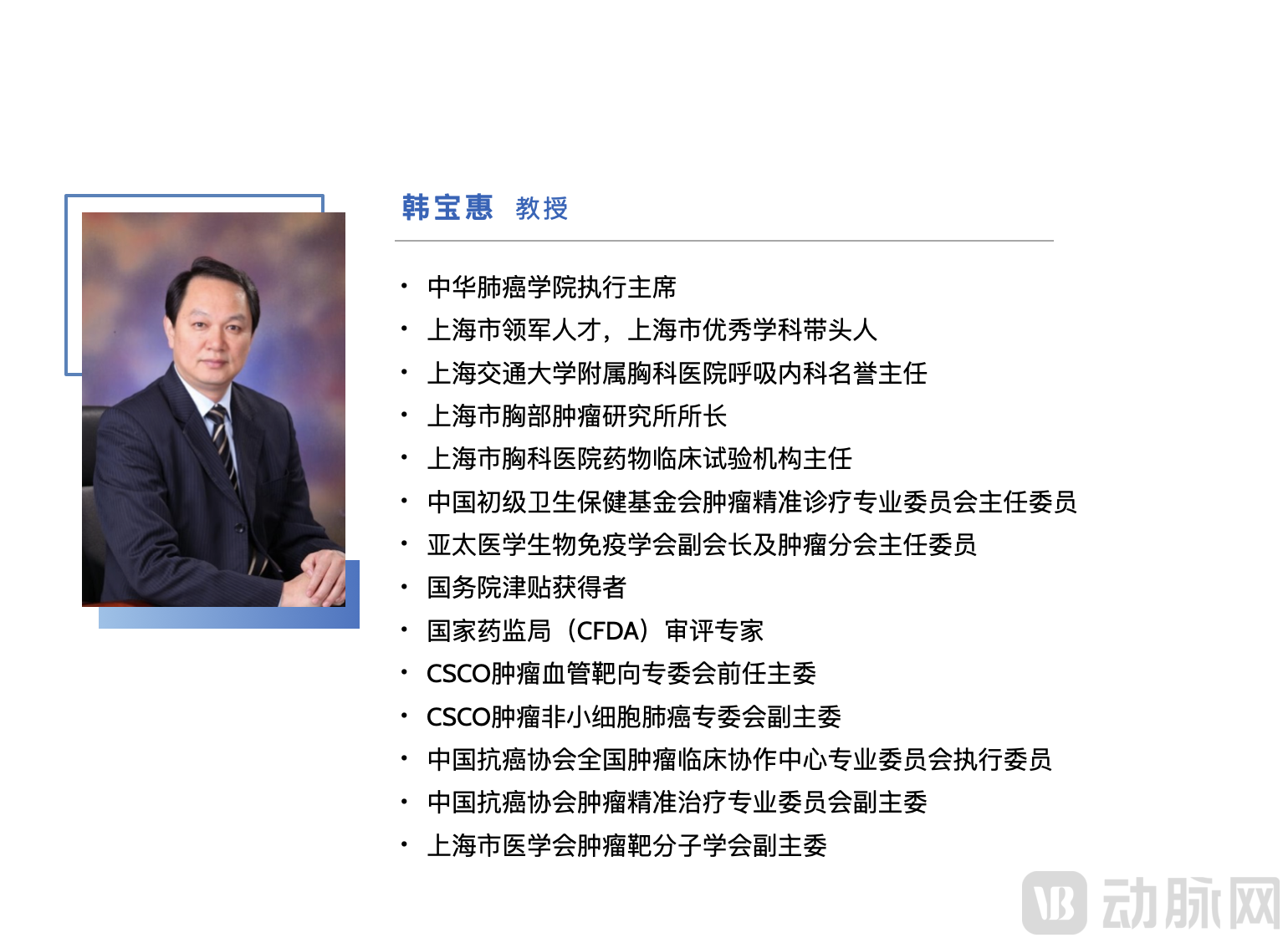
Q1: As the initiator of the world’s first consensus on combined DNA and RNA testing for non-small cell lung cancer, what was your original intention in launching this consensus?
Answer:With the rapid development of precision medicine, the discovery of numerous oncogenic driver genes in non-small cell lung cancer (NSCLC) has brought about transformative changes in the diagnosis and treatment of NSCLC patients. The types of genetic variations primarily targeted in NSCLC biomarker testing include point mutations, insertions/deletions (indels), and gene fusions. Consequently, it is common practice in clinical settings to employ DNA-based detection technologies for comprehensive, single-assay testing. However, given that the overall incidence of gene fusions is not negligible (approximately 10%–15%) and that corresponding targeted inhibitors have demonstrated superior efficacy with lower toxicity in tumor therapy, there is a strong demand for gene fusion testing. Nevertheless, due to the complex mechanisms and diverse forms of gene fusions, their detection and interpretation have long been recognized within the industry as particularly challenging. Therefore, precise detection and accurate interpretation of fusion variants, while minimizing false positives and false negatives during the testing process, have become critical steps in maximizing the benefits of targeted therapy for patients.
Currently, clinical methods for detecting fusion genes include FISH, IHC, PCR, and DNA-/RNA-based NGS, among which RNA-based NGS offers unique advantages. From a molecular mechanism perspective, the presence of non-coding DNA fusions and RNA alternative splicing events means that RNA-based detection more accurately reflects the production of fusion proteins. At the technical level, mature mRNA lacks introns; therefore, RNA-based NGS does not involve detection across intronic regions. This avoids interference from the complex structures and repetitive sequences of introns, making RNA-based NGS more precise and reliable for fusion gene detection. Furthermore, compared with other techniques such as IHC, RNA-based NGS leverages the significant high-throughput advantage of NGS, enabling the simultaneous screening of multiple fusion genes.
Currently, the technology for simultaneous detection using RNA-based NGS and DNA-based NGS within a single panel has been implemented and applied in clinical practice.Therefore, our primary motivation for developing this consensus is to leverage innovative domestic detection technologies to enable more accurate and timely detection of fusion gene variants in patients with non-small cell lung cancer (NSCLC), without increasing additional testing costs or sample requirements, thereby making high-performance testing affordable for the majority of lung cancer patients.
Q2: How does this Consensus differ from previously published consensus statements on fusion variant detection? Why is this Consensus considered the first expert consensus worldwide on simultaneous DNA and RNA co-testing for non-small cell lung cancer?
A:This consensus differs from previously published consensuses in three major aspects.First, this consensus focuses on RNA-based NGS detection of fusion genes in non-small cell lung cancer.In lung cancer, numerous guidelines and consensus statements have mentioned the use of RNA-based methods for detecting gene fusions; however, these discussions have been brief, and recommendations for RNA-based next-generation sequencing (NGS) testing have been limited due to factors such as testing costs and sample requirements. In contrast, this consensus statement, grounded in technological innovations and breakthroughs, systematically addresses various aspects of RNA-based NGS fusion detection. Following thorough discussion by more than 60 clinical pathology experts, it strongly recommends the clinical application of RNA-based fusion testing.Secondly, a major highlight of this consensus is the recommendation that medical institutions with the necessary capabilities should perform DNA-based NGS to detect point mutations or insertions/deletions (indels) and RNA-based NGS to detect gene fusion variants simultaneously from a single sample. This approach can be referred to as “simultaneous co-testing” or “dual testing from a single tube.”Previous expert consensus, including the NCCN Guidelines, has suggested that RNA-based next-generation sequencing (NGS) can serve as a complementary approach when DNA-level testing for fusion genes in non-small cell lung cancer (NSCLC) yields negative results. However, this strategy faces numerous challenges in real-world clinical practice. For instance, most patients who receive negative results from DNA-NGS are unwilling to wait an additional 7–10 days for supplemental RNA-NGS testing; instead, they opt directly for chemotherapy or chemo-immunotherapy regimens. Compared with targeted therapy, however, the survival benefit for patients with fusion-positive variants who receive non-targeted treatments is likely to be compromised. For example, while first-line progression-free survival (PFS) with PD-1/PD-L1 inhibitors typically reaches just over one year, many targeted therapies achieve first-line PFS of two years or longer. Additional factors requiring consideration include the adequacy of tissue samples and the financial burden on patients. Currently, technological barriers in China have been overcome, enabling simultaneous detection of both DNA and RNA in a single assay that has already been implemented in clinical practice. This “single-tube, dual-detection” technology does not increase sample volume requirements or testing costs.This Consensus advocates for the simultaneous detection of DNA and RNA in a single test, rather than using RNA testing merely as a supplement to DNA testing. This concept was first proposed by Chinese experts on a global scale; hence, it is recognized as the “World’s First Expert Consensus on Simultaneous DNA and RNA Co-detection in Non-Small Cell Lung Cancer.”Finally, this consensus emphasizes that RNA-based NGS detection of fusion genes can be achieved using FFPE samples, affirming the application value of FFPE samples for RNA-based NGS detection of fusion genes after passing quality control assessment. On December 17, we will hold a launch conference for this consensus; colleagues in the industry are welcome to attend and participate in discussions.
Q3: Consensus Statement 4 states that “RNA-based NGS can be applied to all patients with NSCLC, while recommending greater attention to lung cancer patients with a higher prevalence of gene fusions (e.g., those with adenocarcinoma, females, non-smokers, and individuals with rapid tumor progression).” What is your perspective on the specific patient populations mentioned in this recommendation?
Answer:Regarding the special populations mentioned in this consensus, there is a minor anecdote. In the initial version, Consensus Point 4 stated: “Patients with adenocarcinoma, females, and never-smokers are potential high-risk groups for fusion gene variants in NSCLC, and RNA-based NGS may help improve the detection rate of gene fusions in such patients.” However, after discussion among all participating experts, it was widely agreed that this phrasing might mislead readers into believing that only these specific subgroups require testing for fusion genes, while other patients do not need to be considered for such alterations. Clearly, this was not the intended meaning. Numerous clinical studies have demonstrated that, from a statistical perspective, fusion variants (including ALK, ROS1, RET, NTRK, NRG1, andMET 14(jumps, etc.) are relatively more enriched, and the incidence rate may be higher, although the specific mechanisms and causal relationships remain unclear. Therefore, to avoid misunderstanding, we have finalized this consensus statement as follows: “RNA-based NGS can be applied to all NSCLC populations, while it is recommended to pay greater attention to lung cancer patients with a higher correlation to the frequency of gene fusions (such as those with adenocarcinoma, females, non-smokers, and rapid tumor progression).”
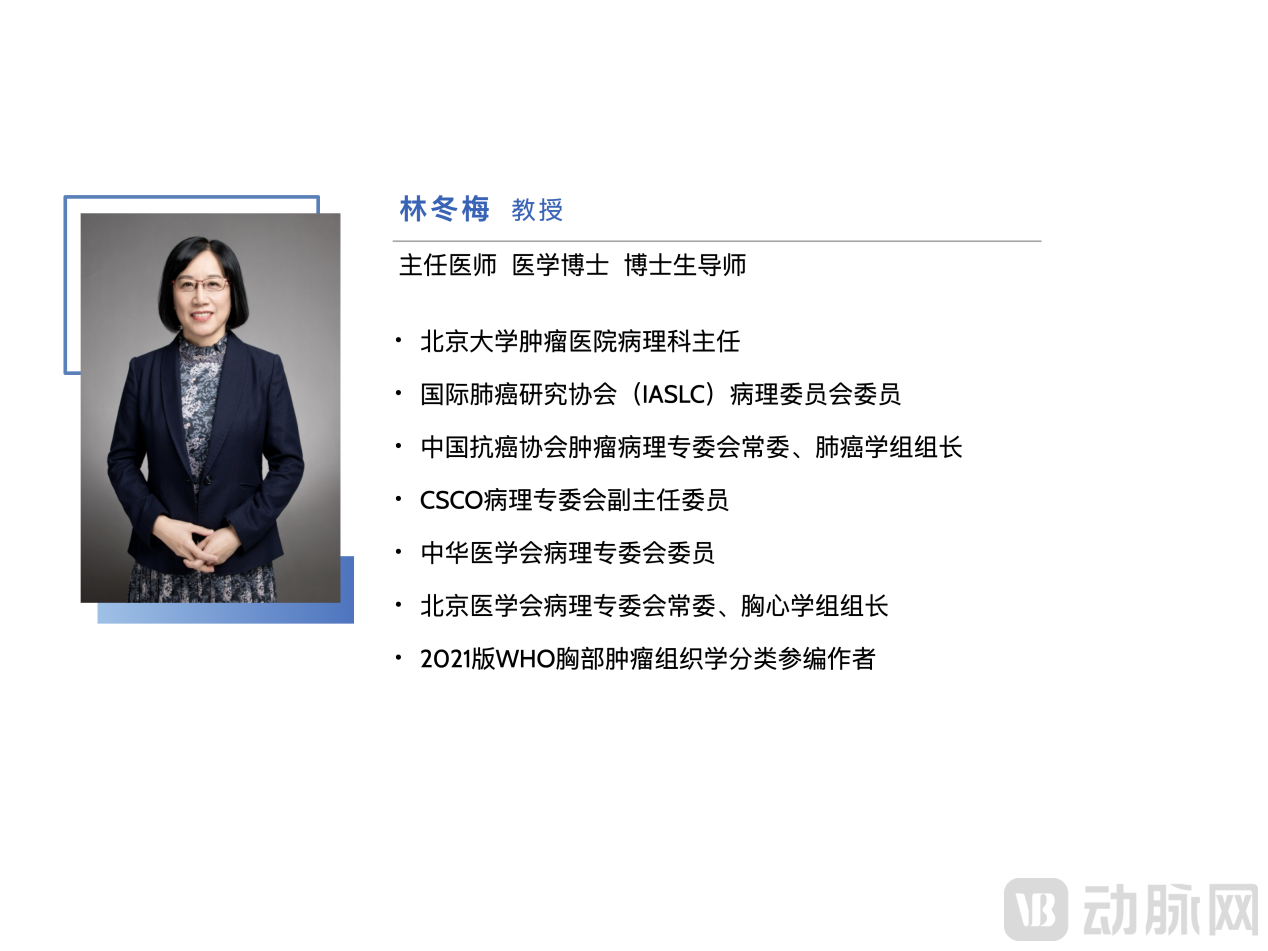
Q4: The simultaneous detection of DNA and RNA from tumor tissue samples in a single assay is undoubtedly a significant technological breakthrough. What impact do you think this innovative technology will have on the molecular diagnosis of non-small cell lung cancer?
Answer:Over the past year or more, both clinicians and pathologists have consistently discussed the inherent advantages of RNA-based NGS over DNA-based NGS in detecting fusion genes. However, due to technical barriers, RNA-based NGS has not been widely adopted in our patient population. For instance, DNA and RNA represent different types of specimens, and conventional technologies require separate, independent testing platforms for each, leading to a substantial increase in the required sample volume, time costs, and economic costs, thereby hindering widespread clinical implementation. Furthermore, RNA is less stable than DNA; in particular, RNA is prone to significant degradation during the preparation and storage of FFPE samples, which reduces the success rate of sequencing.The latest “single-tube dual-assay” technology enables simultaneous detection of DNA and RNA from tumor tissue samples in a single run, without increasing sample volume, time, or economic costs, even with low RNA input. This undoubtedly provides patients in China with a more powerful and cost-effective testing solution, thereby further advancing the development of precision oncology diagnosis and treatment.For instance, in non-small cell lung cancer (NSCLC), it is essential to focus on nine major driver genes, including EGFR, ALK, and MET. The mutations associated with these driver genes encompass point mutations, insertions and deletions (indels), and gene rearrangements. By simultaneously detecting both DNA and RNA in a single assay, appropriate detection methods can be applied to each type of mutation, thereby enhancing the sensitivity and specificity of testing. This approach improves the detection rate of driver gene alterations, providing a more reliable basis for personalized treatment decisions. It enables clinicians to formulate or adjust therapeutic strategies at an earlier stage, ultimately improving patient survival rates and quality of life. Furthermore, simultaneous DNA and RNA detection provides more comprehensive data for NSCLC research and drug development. Researchers can leverage these data to identify novel therapeutic targets and predict treatment responses, thereby advancing the field of precision medicine.In my opinion, combined DNA and RNA testing in a single tube will become the major trend and direction for genetic sequencing in newly diagnosed patients with advanced non-small cell lung cancer.
Q5: Consensus Statement 5 indicates that FFPE samples can be used for RNA extraction to detect fusion variants. However, many clinicians believe that RNA in FFPE samples is severely degraded and that only fresh samples are suitable for RNA-based testing. Do you consider this viewpoint to be contradictory?
A:Indeed, objective factors such as the preparation process and storage duration of FFPE samples inevitably lead to RNA loss. Furthermore, the abundant presence of ribonucleases (RNases) and the relative instability of the single-stranded structure of RNA make it prone to degradation. Therefore, traditionally, when clinicians or pathologists perform RNA-related testing on fresh samples, they must employ methods such as RNA stabilization reagents or rapid freezing in liquid nitrogen to prevent RNA degradation. However, it is important to note that previous experiments involving RNA detection were typically quantitative assays conducted for clinical research purposes, such as analyzing differential gene expression between cancerous and adjacent non-cancerous tissues. Performing quantitative research-based assays on FFPE samples is extremely challenging; thus, fresh tissue remains the preferred choice for quantitative analysis. Nevertheless, the RNA detection of fusion genes in non-small cell lung cancer (NSCLC) mentioned in this consensus is a qualitative assay. As long as true fusion variants can be detected, it can guide targeted therapy; therefore, partial RNA degradation in FFPE samples does not affect the diagnosis of fusion genes. This is analogous to liquid biopsy: although circulating tumor DNA (ctDNA) released into the bloodstream is significantly degraded compared to DNA within tumor tissues, it can still be captured and sequenced using highly sensitive technologies and has been widely applied in clinical practice. With advances in next-generation sequencing (NGS) technology, the requirements for nucleic acid sample input are gradually decreasing.A substantial body of literature, both domestic and international, has confirmed that FFPE samples meeting quality control standards can successfully yield sufficient RNA for sequencing. Therefore, we aim to leverage this consensus to further disseminate this perspective among clinicians, thereby enhancing awareness in China of the advantages of RNA-based NGS in detecting fusion variants and identifying a broader population of patients who may benefit from such testing.
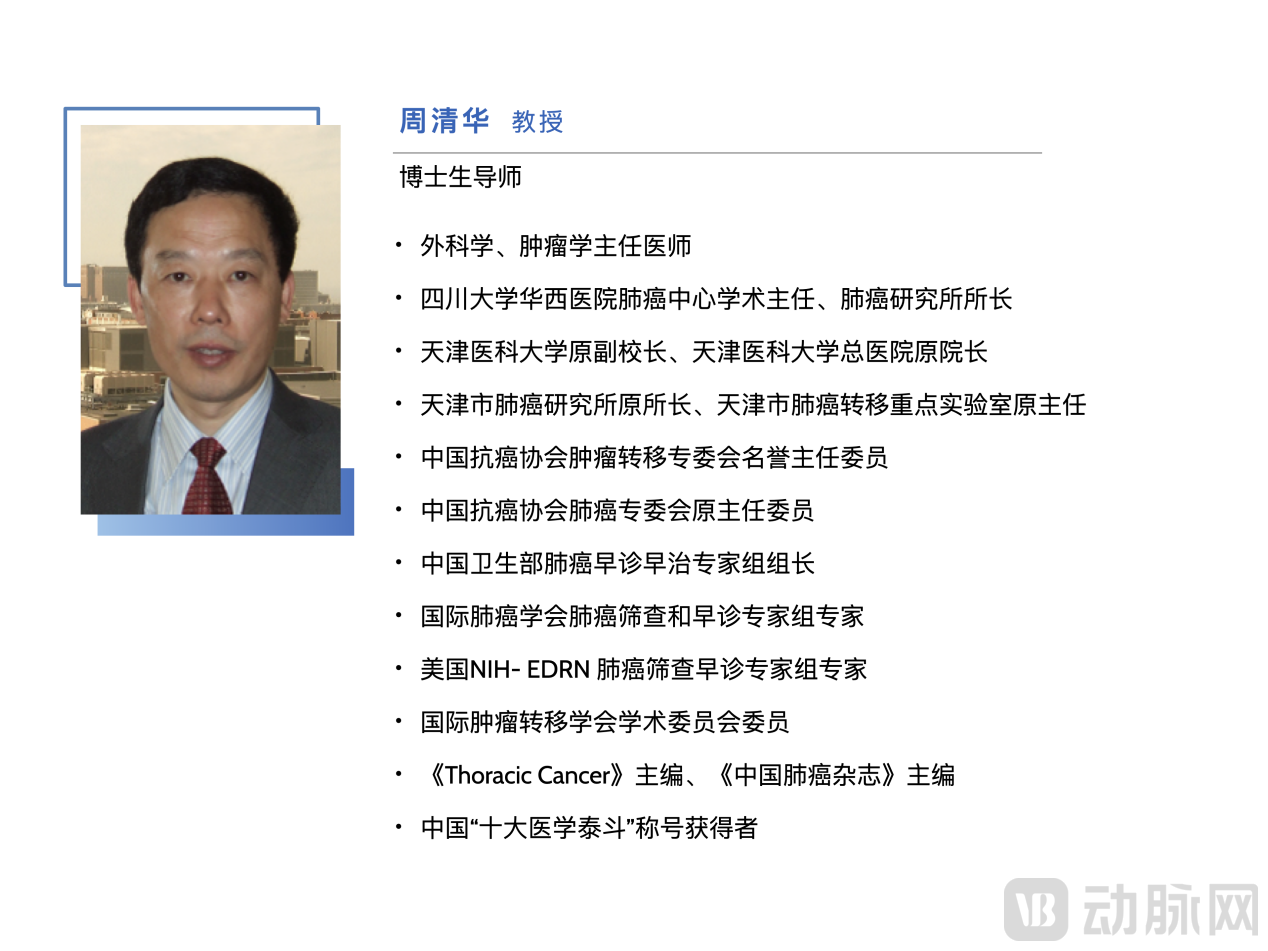
Q6: How does the consensus-recommended technique for simultaneous one-time detection of DNA and RNA differ from the existing DNA+RNA testing methods currently available in China?
Answer:Most clinicians in China have been aware of combined DNA and RNA testing for driver gene mutations in non-small cell lung cancer (NSCLC) over the past two to three years, so it is not a novel concept. However, such technologies and products have not yet been widely adopted in clinical practice, for several reasons. Currently, DNA+RNA testing strategies can be categorized into three types.: One category, which can be referred to as the “combined approach,” involves extracting DNA and RNA separately from patient tumor tissue for library preparation and sequencing. These two analyses are conducted in parallel and independently, with final results reported concurrently for both DNA and RNA. However, this testing strategy entails high costs and stringent sample requirements. Currently, only high-priced large-panel tests offer this capability, making it unaffordable for most patients.The second category is the “sequential method,” a testing strategy recommended by multiple previous guidelines and consensus statements. This approach involves performing DNA-NGS testing first, followed by supplemental RNA-NGS testing if the initial result is negative. This strategy is significantly superior to the “combined method,” as it filters out patients whose driver genes can be detected by DNA-NGS alone, thereby reducing the financial burden for the majority of patients. However, it essentially remains separate DNA and RNA testing and does not represent a genuine technological breakthrough. The third category is the “simultaneous method,” namelyFollowing DNA and RNA extraction, library preparation, sequencing, and data analysis are performed within a single reaction system. This testing strategy is predicated on technological breakthroughs and innovations. It offers the advantage of not increasing cost or sample requirements, enables combined DNA and RNA detection even with small gene panels, and is affordable for the majority of patients.Therefore, it holds significant potential for widespread clinical application. The simultaneous detection of DNA and RNA advocated in this consensus refers to testing technologies capable of achieving the third category, the “synchronous method,” which will undoubtedly become the future trend in diagnostic testing.
Q7: Currently, regardingMET 14With the successive approvals of domestically developed targeted therapies, such as glumetinib and bozitinib, for first-line treatment of exon skipping mutations, please discuss the current clinical diagnostic and therapeutic pathways and models for this target. Furthermore, RNA-NGS testing technology can effectively detect this rare target; what is your assessment of the clinical application value of RNA-NGS testing?
A:AlthoughMET 14The incidence of MET exon 14 skipping mutations in non-small cell lung cancer (NSCLC) is only about 3%. However, given China’s large population base, the clinical diagnosis and treatment needs of patients harboring this biomarker cannot be overlooked. TargetingMET 14For NSCLC with MET exon 14 skipping mutations, traditional chemotherapy or immunotherapy shows suboptimal efficacy, whereas highly selective MET-TKIs offer greater efficacy and safety. Therefore, forMET 14For NSCLC patients with MET exon 14 skipping mutations, the 2023 NCCN Guidelines (Version 4) prioritize tepotinib and capmatinib as first-line treatments, with crizotinib considered in certain scenarios. Similarly, in this year’s CSCO Guidelines, tepotinib and capmatinib are listed as Grade III recommendations for first-line therapy, while savolitinib, tepotinib, and capmatinib are recommended for later-line treatment. Furthermore, “MET 14The third consensus in the “Expert Consensus on Targeted Therapy for NSCLC with Exon Skipping Mutations” also states, “It is recommended to prioritize savolitinib, tepotinib, capmatinib, bozitinib, and glumetinib.” In March and November of this year, the first-line indications for the domestically produced glumetinib and bozitinib were successively approved by the China National Medical Products Administration. Thus, it is evident that, regardingMET 14An increasing number of targeted therapies for exon 20 insertion mutations are becoming available, offering new treatment options for patients with non-small cell lung cancer (NSCLC).OccurrenceMET 14Exon-skipping mutations occur in complex and diverse regions, including the 3’ splice acceptor site of intron 13, the 5’ splice donor site of intron 14, and the branch point site. Commonly used detection methods, such as DNA-based next-generation sequencing (DNA-NGS) and reverse transcription polymerase chain reaction (RT-PCR), each have their own limitations. DNA-NGS may yield false-negative results due to the complexity of the regions where exon-skipping mutations occur and the possibility that these mutations manifest only at the level of RNA splicing; reportedly, this rate of missed detection can be as high as 18%. In addition toMET 14False-negative results have been reported in the detection of hotspot mutations, and clinical practice has also confirmed the existence of false-positive results in DNA-NGS testing.MET 14Exon skipping mutations exhibit considerable diversity at the DNA level; however, not all mutation types occurring within intron 13, exon 14, and intron 14 regions can induce skipping. It remains a challenge to accurately identify mutations that truly cause MET exon 14 skipping solely through functional prediction and interpretation at the DNA level. In contrast, RT-PCR detects alterations at the mRNA level, targetingMET 14Although RT-PCR demonstrates high accuracy in detecting exon-skipping mutations, it is limited to single-gene analysis and may miss rare mutation types. Consequently, it fails to meet the requirements of clinical diagnosis and treatment, and there is a lack of quality control standards for its clinical application. Therefore, current guidelines do not recommend RT-PCR testing.MET 14For exon mutations, NGS testing remains the first choice. And based on DNA-NGS testingMET 14Detecting RNA directly, rather than DNA, can prevent missed diagnoses of splicing defects caused by intron sequencing.With the widespread adoption of RNA-based NGS testing technologies, combined DNA and RNA NGS testing can further enhanceMET 14Detection Rate and Accuracy of Exon Skipping Mutations,By expanding the patient population eligible for medication, the clinical value of this technology will also gain greater recognition.
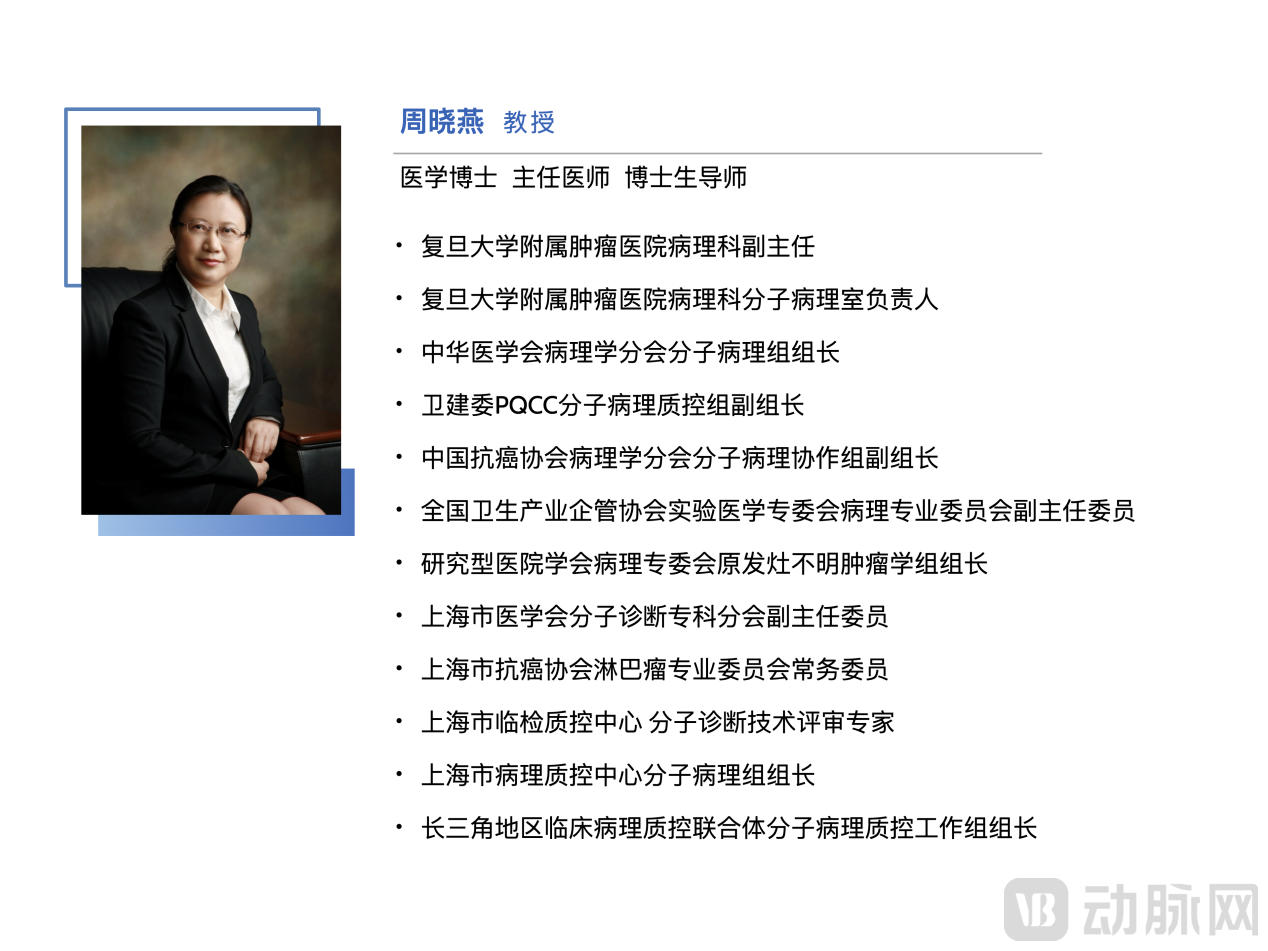
Q8: Multiple clinical studies have shown that RNA-based testing can detect 10–15% more fusion variants than DNA-based testing in NSCLC. Please discuss why RNA-based NGS offers advantages over DNA-based NGS detection.
A:To address this question, it is necessary to start with the differences between DNA and RNA at the molecular level. DNA strands contain both introns and exons. Most introns are long in sequence length and exhibit high base repetitiveness. Breakpoints of fusion variants are typically located within intronic regions, and their positions may be dispersed rather than clustered (e.g., in NTRK1/2/3). Therefore, detecting gene fusions at the DNA level inevitably involves certain limitations and challenges, such as: 1) Some introns exceed 10,000 bp in length. To accurately identify fusion breakpoints, DNA probes must comprehensively cover the intronic regions, which significantly increases data volume and is generally unsuitable for panel-based testing; 2) Many gene introns contain multiple repetitive sequences (e.g., introns 31–32 of the ROS1 gene contain abundant repetitive sequences), which can easily lead to probe misalignment. This results in inaccurate mapping during bioinformatic analysis, thereby compromising the accuracy of test results; 3) The processes of DNA transcription and post-transcriptional splicing are highly complex, and DNA-level test results may not necessarily reflect the final transcribed products. During the transcription of DNA into mRNA, introns are spliced out, leaving only exonic regions. Direct detection of mRNA avoids the aforementioned complications associated with introns. Probes used for RNA-based NGS testing need only cover exons, making probe design less challenging than for DNA-based NGS. This approach enables more accurate identification of fusion variants, thereby increasing the detection rate of such alterations.
Q9: What quality control parameters need to be considered for RNA-based fusion detection? How can the accuracy of the test be ensured?
A:RNA integrity and purity are critical parameters for RNA quality control. The RNA Integrity Number (RIN) is a metric derived from the electrophoretic profile of 18S and 28S rRNA, reflecting the degree of RNA degradation. It ranges from 0 to 10, with higher values indicating better RNA integrity. Another parameter reflecting RNA integrity is DV200, defined as the percentage of RNA fragments larger than 200 nucleotides, with a typical threshold of 30%. RNA purity can be assessed by measuring the absorbance ratios A260/A280 and A260/A230 using UV spectrophotometry. For pure RNA, the theoretical A260/A280 ratio is 2.0. An A260/A280 ratio below 1.7 suggests protein contamination, while a ratio above 2.0 indicates contamination with guanidinium isothiocyanate. The A260/A230 ratio typically falls between 2.0 and 2.2; a value below 2.0 suggests contamination with phenolate, thiocyanate, or other organic compounds.Quality control is essential to ensure the accuracy of RNA-based next-generation sequencing (NGS) results. Quality control checkpoints should be established not only for RNA quality but also throughout all stages, including library quality, sequencing depth, raw data quality, data analysis, and fusion gene interpretation. Therefore, it is recommended to perform RNA-based fusion detection in laboratories that have a comprehensive molecular pathology quality management system and possess NGS testing and analytical capabilities, thereby ensuring the accuracy of test results and clinical reports.
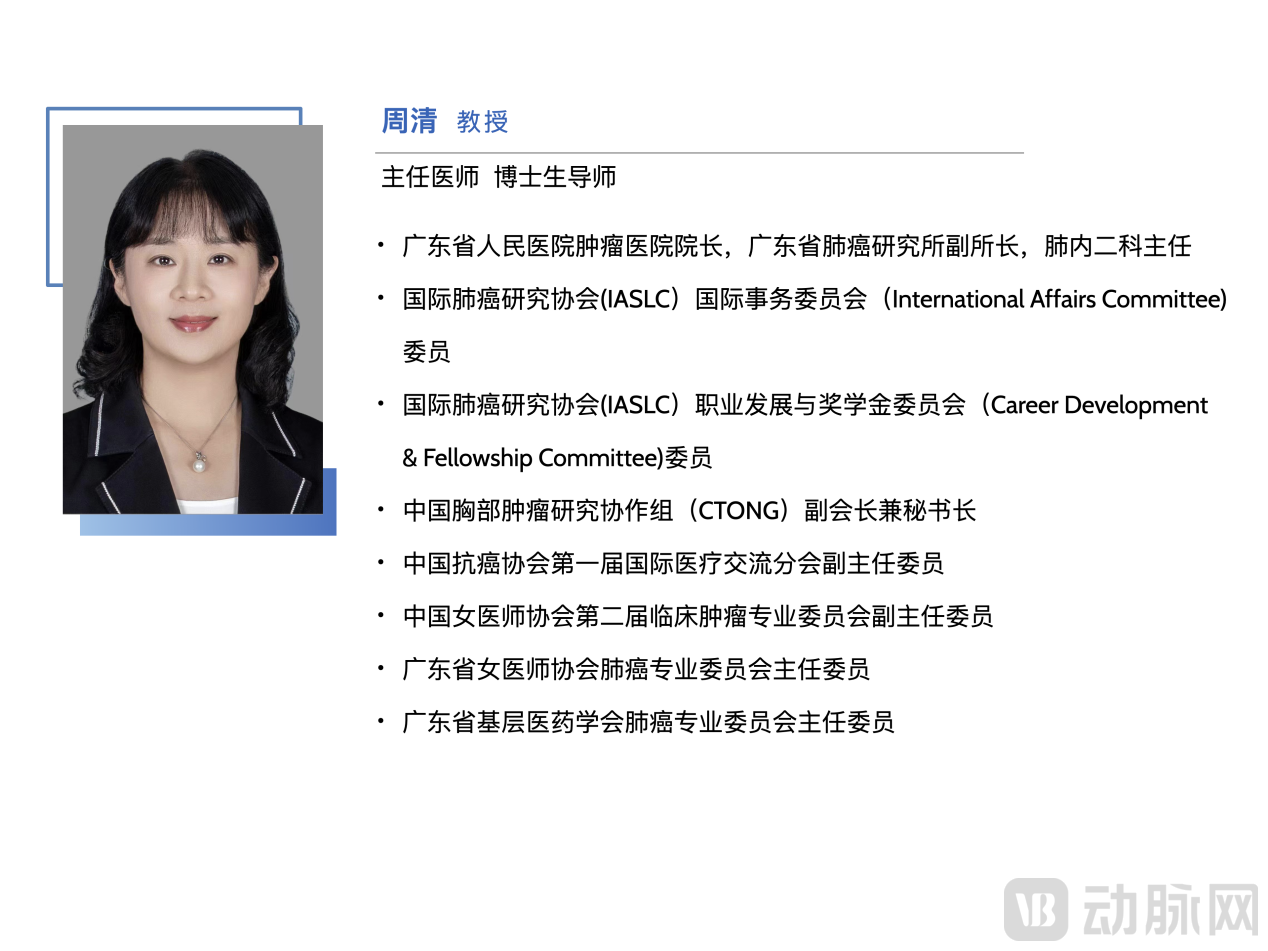
Q10: In your clinical practice, have you encountered cases where DNA-NGS testing yielded negative results, yet the patients exhibited characteristics typical of populations with a high prevalence of gene fusions, prompting consideration for further RNA-NGS testing?
Answer:In actual clinical practice, such cases are indeed encountered. For instance, this past September, I saw a patient in my outpatient clinic who had been diagnosed with advanced non-small cell lung cancer (NSCLC). At the time of presentation, the patient had already undergone large-panel next-generation sequencing (NGS) testing, which yielded negative results for all driver genes. However, I noted that the patient exhibited characteristics associated with a high prevalence of fusion variants as reported in previous literature—namely, being young, female, and a non-smoker—and experienced rapid disease progression within a short period. Since patients with gene fusion variants who receive corresponding targeted therapies as first-line treatment have significantly longer survival outcomes compared to those receiving non-targeted therapies, I strongly recommended re-testing using a more reliable method to avoid missing the optimal therapeutic window. Having just self-paid for the initial large-panel NGS test, the patient faced a considerable financial burden in undergoing another NGS test. Despite significant pressure and considerable effort, I successfully persuaded the patient to perform RNA-NGS testing on the remaining sample. Fortunately, a RET fusion was detected, thereby identifying a rare opportunity for targeted therapy.This case has made me acutely aware that DNA-NGS-based fusion variant diagnosis is indeed prone to false negatives, and using RNA-NGS as a supplementary test following negative DNA-NGS results presents significant challenges. With the advent of simultaneous DNA and RNA sequencing technology, such occurrences can be effectively prevented in clinical practice.
Q11: Regarding Consensus 3, “Fusion genes detected by RNA-based NGS can be used to guide variant-specific targeted therapy,” how do you view cases in clinical practice where fusion variants are detected by DNA-NGS, but patients experience rapid disease progression after treatment with tyrosine kinase inhibitors (TKIs)? For such previously encountered cases, would you consider the possibility that the lack of therapeutic response was due to negative fusion variants at the RNA level, resulting in no corresponding protein expression?
Answer:For patients with non-small cell lung cancer (NSCLC) who test negative for driver genes via DNA-based next-generation sequencing (NGS), supplementary RNA-NGS testing may identify previously undetected fusion events, potentially increasing the detection rate of actionable fusion targets by approximately 10%–15%. It has become a consensus among clinical experts that RNA-NGS can improve the detection rate of fusion targets. However, another clinical scenario exists: patients who test positive for fusion targets via DNA-NGS but negative via RNA-NGS. Reported incidence of this discrepancy is approximately 5%. Such patients often experience rapid disease progression following targeted therapy, with a progression-free survival (PFS) of less than three months. This phenomenon occurs because fusions detected by DNA-NGS may not be transcribed and translated into functional fusion proteins, resulting in poor efficacy of targeted therapies. Historically, due to technical limitations and economic considerations, RNA-NGS validation was rarely performed for patients who tested positive for fusion targets via DNA-NGS but showed no response to tyrosine kinase inhibitors (TKIs). Furthermore, tissue samples from patients with advanced-stage cancer are precious, and there may not be sufficient material for additional RNA or protein-level validation. Simultaneous assessment of driver gene status at both the DNA and RNA levels at initial diagnosis would undoubtedly provide more comprehensive and precise guidance for patient treatment. Additionally, given the high cost of NGS testing, technologies capable of dual DNA and RNA analysis from a single sample tube can avoid additional testing costs, which is more beneficial for patients.Currently, DNA+RNA technologies in China vary widely in quality. The more common approach involves separate DNA-NGS and RNA-NGS testing. In contrast, the “single-tube dual-testing” DNA+RNA technology not only improves testing efficiency but also reduces diagnostic costs, thereby delivering greater benefits to patients.
Consensus Link:
http://www.lungca.org/index.php?journal=01&page=issue&op=view&path%5B%5D=233
[Experts Participating in the Consensus Discussion] (in alphabetical order by surname):
Chen Rui, Sun Yat-sen Memorial Hospital of Sun Yat-sen University
Chu Tianqing, Shanghai Chest Hospital, Shanghai Jiao Tong University School of Medicine
Dong Hui, Third Affiliated Hospital of Naval Medical University, Chinese People's Liberation Army
Dong Xiaorong, Union Hospital, Tongji Medical College, Huazhong University of Science and Technology
Fan Songqing, The Second Xiangya Hospital of Central South University
Guo Lingchuan, The First Affiliated Hospital of Soochow University
Guo Renhua, Jiangsu Province People's Hospital
Han Chengbo, Shengjing Hospital of China Medical University
Han Yuchen, Shanghai Chest Hospital Affiliated to Shanghai Jiao Tong University
He Yong, Army Medical Center
Hu Xiaotong, Sir Run Run Shaw Hospital, Zhejiang University School of Medicine
Huang Weizhe, The Second Affiliated Hospital of Shantou University Medical College
Jiang Lili, West China Hospital of Sichuan University
Jiang Richeng, Tianjin Medical University Cancer Institute and Hospital
Kong Lingfei, Henan Provincial People's Hospital
Li Jianmin, The First Affiliated Hospital of Wenzhou Medical University
Li Lin, Beijing Hospital
Li Qing, The First People's Hospital of Changzhou
Li Weifeng, General Hospital of the Southern Theater Command of the Chinese People's Liberation Army
Li Xiaoyan, Beijing Tiantan Hospital, Capital Medical University
Li Yong, The First Affiliated Hospital of Nanchang Medical College
Li Yuan, Fudan University Shanghai Cancer Center
Liang Xiaohua, Huashan Hospital Affiliated to Fudan University
Lin Lizhu, The First Affiliated Hospital of Guangzhou University of Chinese Medicine
Liu Guolong, Guangzhou First People's Hospital
Liu Jun, Affiliated Hospital of Nantong University
Liu Zebing, Renji Hospital, Shanghai Jiao Tong University School of Medicine
Lu Linming, The First Affiliated Hospital of Wannan Medical College
Lv Dongqing, Taizhou Hospital Affiliated to Wenzhou Medical University
Lü Tangfeng, Eastern Theater Command General Hospital
Ma Haitao, The First Affiliated Hospital of Soochow University
Ma Zheng, Chongqing People's Hospital
Peng Hao, The First People's Hospital of Yunnan Province
Shengxiang Ren, Shanghai Pulmonary Hospital, Tongji University
Shi Yi, Fujian Medical University Cancer Hospital
Shi Yunfei, The First Affiliated Hospital of Kunming Medical University
Wang Fang, Sun Yat-sen University Cancer Center
Wang Haofei, Nanfang Hospital, Southern Medical University
Wang Jialei, Fudan University Shanghai Cancer Center
Wang Jun, Jiangsu Province People's Hospital
Wang Kun, The First People's Hospital of Anning City Affiliated to Kunming University of Science and Technology
Wang Qi, The Second Affiliated Hospital of Dalian Medical University
Wang Wenxiang, Hunan Cancer Hospital
Wang Zhehai, Cancer Hospital Affiliated to Shandong First Medical University
Wen Yongqin, Dongguan People's Hospital
Yan Feng Xi, Shanxi Provincial Cancer Hospital
Xia Guohao, Jiangsu Cancer Hospital
Xiao Haiping, The First Affiliated Hospital of Guangdong Pharmaceutical University
Xie Tong, The Affiliated Tumor Hospital of Guangxi Medical University
Xu Chuan, Guizhou Provincial People's Hospital
Xu Xinhua, Yichang Central People's Hospital
Yang Yinghong, Union Hospital, Fujian Medical University
Yang Zhe, The First Affiliated Hospital of Kunming Medical University
You Changxuan, Nanfang Hospital, Southern Medical University
Yuan Jingping, Renmin Hospital of Wuhan University
Yue Dongsheng, Tianjin Medical University Cancer Institute and Hospital
Yue Junqiu, Hubei Cancer Hospital
Zang Yuansheng, Shanghai Changzheng Hospital
Zhang Chengsheng, The First Affiliated Hospital of Nanchang University
Zhao Jun, Peking University Cancer Hospital
Acknowledgments
Acknowledgments to 3D Medicines (Shanghai) Co., Ltd. for their assistance in data and material collection