

Beyond 2D Spatial Omics: Kunyu Bio Advances 3D Spatial Profiling with 19 Medical Device Certifications | Brain Innovation Center
The adoption of high-resolution, multi-dimensional, and highly operable imaging technologies holds significant value for advancing the field of life sciences. In biology, most seemingly intricate biological processes occur in three-dimensional space. For this reason, spatial omics is widely regarded as a revolutionary innovative technology with these characteristics within the field of gene sequencing.
This technology has not only been consecutively recognized as a disruptive/innovative technology in 2022 and 2023 by the prestigious international academic journal Nature and the World Economic Forum’s “Top 10 Emerging Technologies of 2023” report, but it has also garnered widespread optimism from the industry regarding its development prospects. In the sector, global giants such as Roche Diagnostics and Danaher, along with leading single-cell sequencing company 10x Genomics, are all strategically positioning themselves in spatial omics. Moreover, the total value of acquisitions and financing in the spatial omics industry over the past two years has exceeded $1 billion.
However, current mainstream spatial omics technologies are prohibitively expensive and suffer from several critical limitations, including low spatial resolution, low capture rates (significantly inferior to those of gene/protein imaging), and the inability to achieve true single-cell resolution. The majority of available products offer only 2D mosaic-based spatial omics data, lacking comprehensive in situ 3D spatial information for thick tissues. Furthermore, these technologies face significant challenges related to batch effects and reproducibility across samples, lack temporal resolution, and struggle to enable multi-omic detection of DNA, RNA, and proteins. These urgent issues remain to be addressed, and the underlying core technologies still require further breakthroughs by scientists and entrepreneurs.
As a key enterprise incubated by the Shenzhen Brain Innovation Center, Kunyu Biotechnology Co., Ltd. (hereinafter referred to as “Kunyu Bio”) is one of the few R&D-focused companies engaged in in situ gene detection and spatial omics. Since 2013, the company has been deeply committed to the research, development, and application of next-generation in situ hybridization technologies and spatial omics. Focusing on both scientific research and clinical markets, Kunyu Bio continuously innovates in response to the practical needs of basic research and clinical development. Building upon its earlier offerings of rapid DNA FISH kits, RNA FISH kits, and in situ spatial sequencing technical services, the company has launched a series of spatial omics products. Recently, it introduced a new product lineup that includes 3D thick-tissue spatial omics, multiplex immunoprotein spatial omics, ultra-high-resolution spatial omics detection for long-term stored FFPE samples, multi-dimensional co-detection of proteins and RNA, and microbial-host spatial omics. Meanwhile, the company has obtained 19 medical device registrations, filed 14 patent applications, and developed two sets of automated hybridization instruments and wide-field imaging systems, as well as one prototype of an in situ sequencer.
In the field of biology, spatial information is crucial.
As an innovative technology in the life sciences, spatial omics can establish correlations between molecular mechanisms and their tissue contexts, reveal the spatial heterogeneity of omics data, facilitate the elucidation of cell–cell interactions, and help researchers gain a deeper understanding of the tissue microenvironment and mechanisms of tissue growth. The data generated by spatial omics are of significant value to tumor research, immunology, developmental biology, neuroscience, and pathology.
For this reason, numerous scientists have previously employed various techniques and instruments to perform spatial profiling of biomolecules. Unfortunately, most spatial omics products currently available on the market are limited to 2D spatial analysis based on a single tissue section. Given the practical constraints of low resolution, low capture efficiency, and poor reproducibility, their clinical and research value remains limited.
To meet the growing demand for 3D spatial omics detection, Kunyu Biology has implemented two 3D spatial omics detection solutions. The first solution involves performing continuous or semi-continuous sectioning of samples such as tissue blocks and organs, conducting 2D spatial omics detection on each slice, and then aligning the 2D imaging data from all slices to achieve 3D reconstruction, thereby completing 3D spatial omics detection. The second solution combines direct clearing with spatial omics detection for thick tissues, organs, or whole organisms. By employing 3D scanning imaging, it acquires spatial information of gene expression profiles at single-cell resolution along the X, Y, and Z axes, enabling true three-dimensional spatial omics detection.
It is reported that Professor Cao Gang, co-founder of Kunyu Biotechnology, and his team have long been engaged in the development of new technologies for spatial genomics, spatial proteomics, spatial connectomics, and interactomics, as well as their applications in systems biology and precision diagnostics.
In the field of spatial genomics, a series of papers were published in *Nature Genetics* (2018), *Science Advances* (2021), *Nature Communications* (2022), and *Genome Biology* (2023). These studies leveraged such technologies to elucidate the single-cell spatial microenvironments and interactomes of neuroimmunity, infection immunity, and tumor immunity, while also implementing these techniques for precision diagnosis. This suite of novel technologies has significantly advanced the development of three-dimensional genomics, gene transcriptional regulation, genome assembly, and detection of genomic structural variations. Furthermore, it enables cost-effective and comprehensive detection of genetic variants—including inversions, translocations, SNPs, INDELs, and CNVs—associated with rare genetic disorders such as psychiatric diseases and infertility.
In the development and application of single-cell omics technologies, spatial transcriptomics, spatial in situ FISH detection, and other multi-dimensional omics (spatial connectomics, interactomics), a series of papers were published in journals including Nucleic Acids Research (2018), Molecular Neurodegeneration (2019), Nature Communications (2021), Science Bulletin (2021), Neuron (2022), Genomics, Proteomics & Bioinformatics (2022), and Nature Communications (2023). A suite of spatial omics, next-generation FISH, and other multi-dimensional omics (spatial connectomics, interactomics) technologies was developed. This research has garnered extensive attention and coverage from the international scientific community, with featured highlights and commentaries published in top-tier journals such as Nature Genetics, Nature Reviews Neuroscience, Neuron, and JACC. It has also received broad recognition and reporting from platforms like the International Center for Scientific and Technological Innovation and ScienceNet, and was listed as a Hot Research Topic of the Year by Science & Technology Review.
According to market reports from DeciBio and JPMorgan, the global spatial omics market is projected to reach $15 billion in 2022. As one of the most highly regarded sectors among innovative omics tools, spatial omics not only boasts substantial market potential and rapid global growth but also features high technical barriers. The launch of Kunyu Bio’s product will undoubtedly provide more precise and comprehensive data support for biomedical research and testing, while also facilitating breakthroughs in original technologies within China’s domestically produced gene sequencing sector and creating new growth drivers for the company.
The gene sequencing industry is technology-intensive, characterized by high barriers to core technologies, complex manufacturing processes, significant challenges in mastering and innovating technologies, and stringent quality control requirements. Companies must invest substantial resources in research and development, making it difficult for new entrants to master the requisite technologies and establish competitiveness in the short term. In this industry, competition among products ultimately hinges on the comprehensive scientific research capabilities of their teams.
Kunyu Bio’s team is led by a national-level leading talent in technological innovation. Core team members have conducted research in related fields at top-tier domestic and international biological laboratories, including Cold Spring Harbor Laboratory, the Max Planck Institutes, the Salk Institute for Biological Studies, and the Institute of Neuroscience of the Chinese Academy of Sciences, and possess core technologies and intellectual property rights in this specialized sector. Furthermore, 67% of the company’s employees hold master’s or doctoral degrees, with some team members simultaneously serving as professors or researchers at institutions such as Shanghai Jiao Tong University, Sun Yat-sen University, and the Shenzhen Institutes of Advanced Technology, Chinese Academy of Sciences.
To date, Kunyu Bio has developed a diverse portfolio of in situ detection products for DNA, RNA, and proteins, along with high-throughput automated FISH processing and imaging platforms, and in situ sequencing instruments. The company holds multiple independent core intellectual property rights related to gene in situ detection technologies, breaking the foreign monopoly on next-generation single-cell omics technologies. Its core business activities encompass gene in situ detection technical services, spatial in situ multi-omics technical services, DNA FISH detection kits, RNA FISH detection kits, next-generation molecular pathology and prenatal testing, fully automated in situ hybridization instruments, and widefield multi-channel rapid scanners.
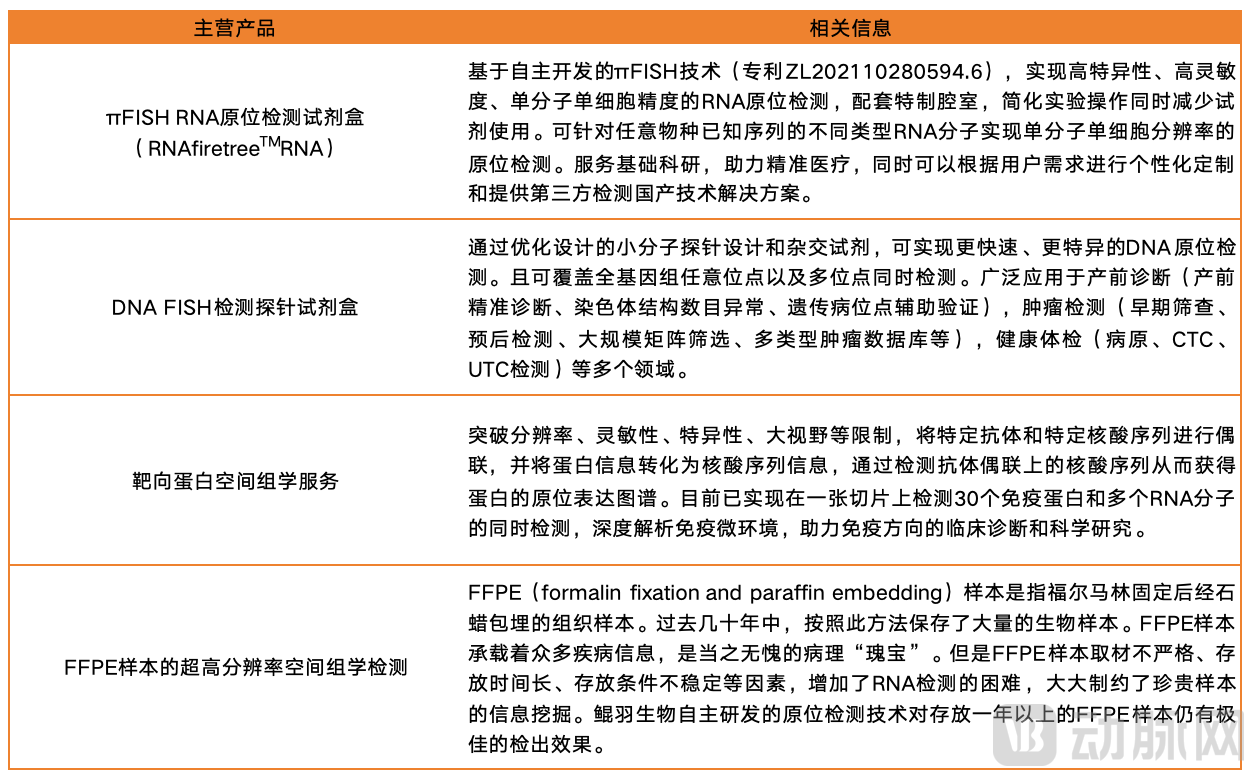
Kunyu Bio's Main Business (Partial)
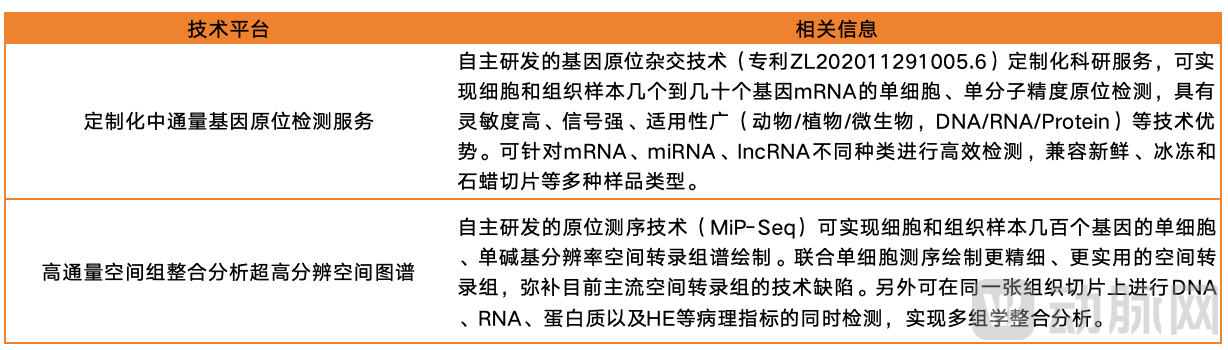
Kunyu Biotechnology Platform (Partial)
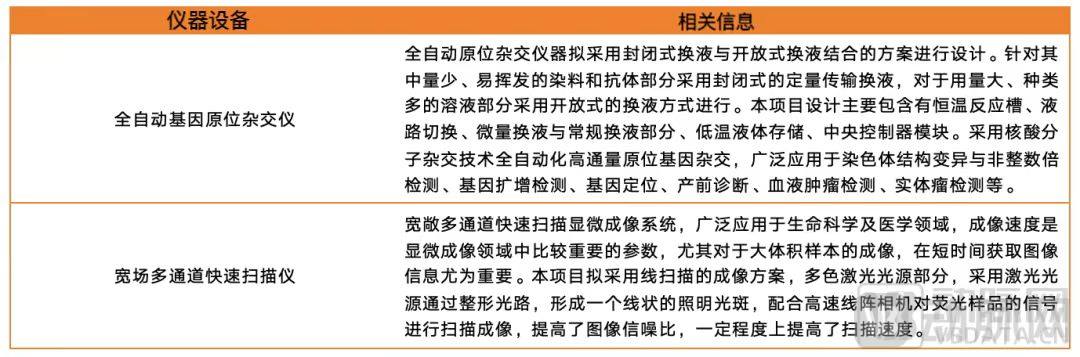
Kunyu Biological Instrument Platform (Partial)
Having established its core business and technology platforms, the company has widely applied in situ gene detection and in situ sequencing technologies to basic scientific research and clinical medical testing. Its R&D team has formed strategic collaborations with numerous renowned domestic and international enterprises and Grade A tertiary hospitals, facilitating clients in publishing articles in prestigious academic journals such as Cell, Nature Plants, Nature Communications, and Developmental Cell.
It is reported that Kunyu Biotech is currently recruiting a Chief Executive Officer with entrepreneurial experience in pathology and the industrial sector, a thorough understanding of industry developments both domestically and internationally, extensive domestic and international networks, and substantial management expertise.
Kunyu Team aims to leverage a collaborative model between scientists and entrepreneurs, building on in-depth research into spatial omics and in situ gene detection technologies. The team is dedicated to advancing next-generation spatial omics-based in situ gene sequencing and in situ gene detection technologies for applications in basic scientific research, early tumor screening, and precision diagnostics. By achieving full-chain independent domestic production and internationalization of these technologies, Kunyu Team ultimately seeks to provide more comprehensive and high-quality spatial omics and in situ gene detection solutions to global research institutions and clinical markets.
Shenzhen Brain Science and Technology Industry Innovation Center (hereinafter referred to as the “Brain Innovation Center”) is a specialized incubation platform established with strong support from the Shenzhen Municipal Government and the Guangming District Government, with technical support and operational management provided by the Shenzhen-Hong Kong Institute of Brain Science. The Brain Innovation Center is committed to building China’s first “plug-and-play” specialized incubation and empowerment platform, striving to become a demonstration hub for innovation in the brain science and technology industry that serves China and radiates globally. Since commencing trial operations in October 2022, the Center has developed over 220,000 square meters of phased incubation and industrial space, attracting nearly 50 enterprises to its incubator and industrial park. Notably, both the incubator and the China Merchants Group Brain and Brain-like Intelligence Industrial Park are fully leased. The cumulative historical financing of resident enterprises exceeds RMB 1 billion, with valuations surpassing RMB 10 billion. The Center has facilitated additional financing of over RMB 200 million for resident enterprises and established China’s first venture capital fund in the field of brain science and brain-like intelligence entirely funded by social capital, with a scale of RMB 100 million, focusing on investing in high-quality early-stage projects at the Brain Innovation Center.
Reference Article:
“Hailed by the Scientific Community as a Disruptive Innovation, How Much Market Growth Can This Technology Actually Deliver?”