

Bioxodes Secures €12M Series A Financing to Advance Ir-CPI, a Novel Bleeding-Free Anticoagulant for Stroke Patients

Bioxodes
Innovative Drug Developer
On November 21, 2023, Belgian biopharmaceutical company Bioxodes announced the completion of a €12 million Series A financing round. The funds will primarily be used to develop Ir-CPI, an anticoagulant drug with no risk of bleeding for patients with intracerebral hemorrhage.
According to the Bioxodes website, the company’s total funding has reached €39 million, including the recently secured €27 million. Previous financing was primarily used to complete preclinical studies demonstrating the efficacy and safety of its lead compound, Ir-CPI, as well as to conduct Phase I clinical trials to establish Ir-CPI’s safety in humans and provide initial evidence of its therapeutic efficacy in patients.
This round of financing will be used to initiate new preclinical R&D efforts investigating the effects of Ir-CPI on neutrophils involved in neuroinflammatory processes. The company will also continue its clinical studies on thrombosis and neuroinflammation in patients with intracerebral hemorrhage, with the first patient enrollment for the Phase IIa clinical trial expected by the end of Q4 2023. A Phase IIb clinical trial is planned for 2025, in preparation for a Series B financing round in Q2 2024.

Investors (Image source: Bioxodes official website)
Bioxodes’ core product pipeline is Ir-CPI, which prevents thrombosis and neuroinflammation in patients with intracerebral hemorrhage. Since its establishment in 2013, Bioxodes has developed its flagship project around the Ir-CPI molecule and holds patented and patent-pending rights related to Ir-CPI.
Dr. Edmond Godfroid is the co-founder of Bioxodes. He served for many years at the Université Libre de Bruxelles (ULB), where, drawing on his extensive expertise in molecular biology, he discovered pharmacologically active proteins in the saliva of the tick (Ixodes ricinus). The Ir-CPI product is derived from tick saliva. Dr. Godfroid also has extensive experience collaborating with academic communities and pharmaceutical companies, and the work conducted with his former team laid the foundation for the establishment of Bioxodes.
Marc Dechamps, the company’s Founder and Chief Executive Officer, has over 35 years of experience in the pharmaceutical industry. He currently serves as Co-Academic Director for the newly launched Advanced Master’s program in Biotechnology and Medtech Entrepreneurship at the Solvay Brussels School of Economics & Management. In addition, he chairs the boards of the Council of European Bioregions (CEBR) and the investment group Investsud Tech.

Edmond Godfroid (Image source: Bioxodes official website)

Marc Dechamps (Image source: Bioxodes official website)
Bioxodes’ board of directors comprises experts from diverse fields. For instance, Thérèse Croughs brings extensive experience in clinical development and regulatory affairs within biotechnology, having advanced numerous early-stage compounds from preclinical research into clinical trials. Pierre Detrixhe has over a decade of experience in venture capital, supporting multiple companies through their startup phases. François Fontaine holds a law degree from the Université libre de Bruxelles and is an expert in taxation, among other qualifications.
Prior to joining Bioxodes, Dr. Hans Warrinnier held several senior leadership positions at Roche in Belgium, including Medical Director, where he developed and supported global clinical studies across various therapeutic areas. In addition to earning his medical degree from KU Leuven in Belgium, Dr. Warrinnier completed executive education programs at London Business School and Harvard Business School.
The latest global stroke statistics report published by the World Stroke Organization in its journal, the International Journal of Stroke, shows that there are more than 3.4 million new cases of intracerebral hemorrhage worldwide each year, nearly 21 million people have experienced intracerebral hemorrhage, and approximately 3 million people die from intracerebral hemorrhage annually.
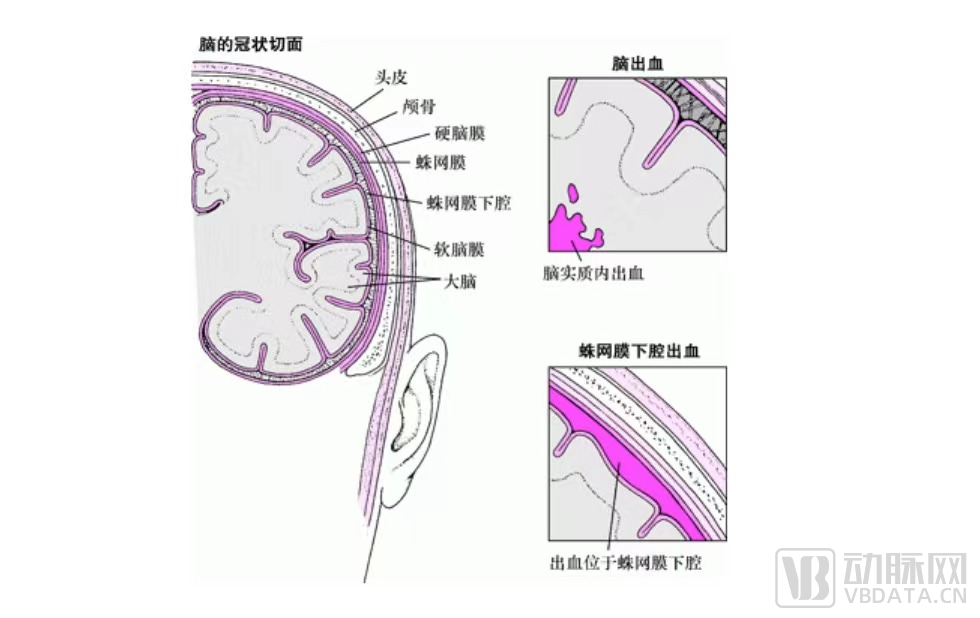
Schematic Diagram of Intracerebral Hemorrhage (Image source: Merck Manual website)
Following damage to the vascular endothelium, blood coagulation is initiated. While this process reduces blood loss from injured vessels, it also predisposes to intravascular thrombosis. This underlies the rationale for administering both hemostatic and anticoagulant agents in the pharmacological management of cerebral hemorrhage. The efficacy of anticoagulants in treating and preventing thrombotic disorders is well established; however, while they reduce the risk of thrombotic events, they concurrently increase the likelihood of hemorrhagic complications.
Common anticoagulants include heparin and warfarin. Heparin can prevent catheter thrombosis during percutaneous coronary intervention, as well as coagulation in cardiopulmonary bypass (CPB) and extracorporeal membrane oxygenation (ECMO) circuits, while warfarin can inhibit coagulation associated with mechanical heart valves (MHV).
Although heparin and warfarin are effective, they require coagulation monitoring and dose adjustments, which is highly inconvenient., and protamine sulfate, used to reverse heparin after cardiopulmonary bypass (CPB) surgery, may cause fatal allergic reactions. In addition, high-dose heparin, used to prevent coagulation during extracorporeal circulation, can lead to bleeding, similar to warfarin. Therefore, there is a need for moreSafer and More Convenientanticoagulant.
Ir-CPI is the first candidate drug for patients with thromboinflammation. It prevents the formation of unnecessary blood clots without increasing the risk of bleeding.(Targeting Factors FXIa and FXIIa). According to estimates from the Bioxodes website, the market value of this molecular injectable, primarily used in hospitals, will exceed $1 billion annually.
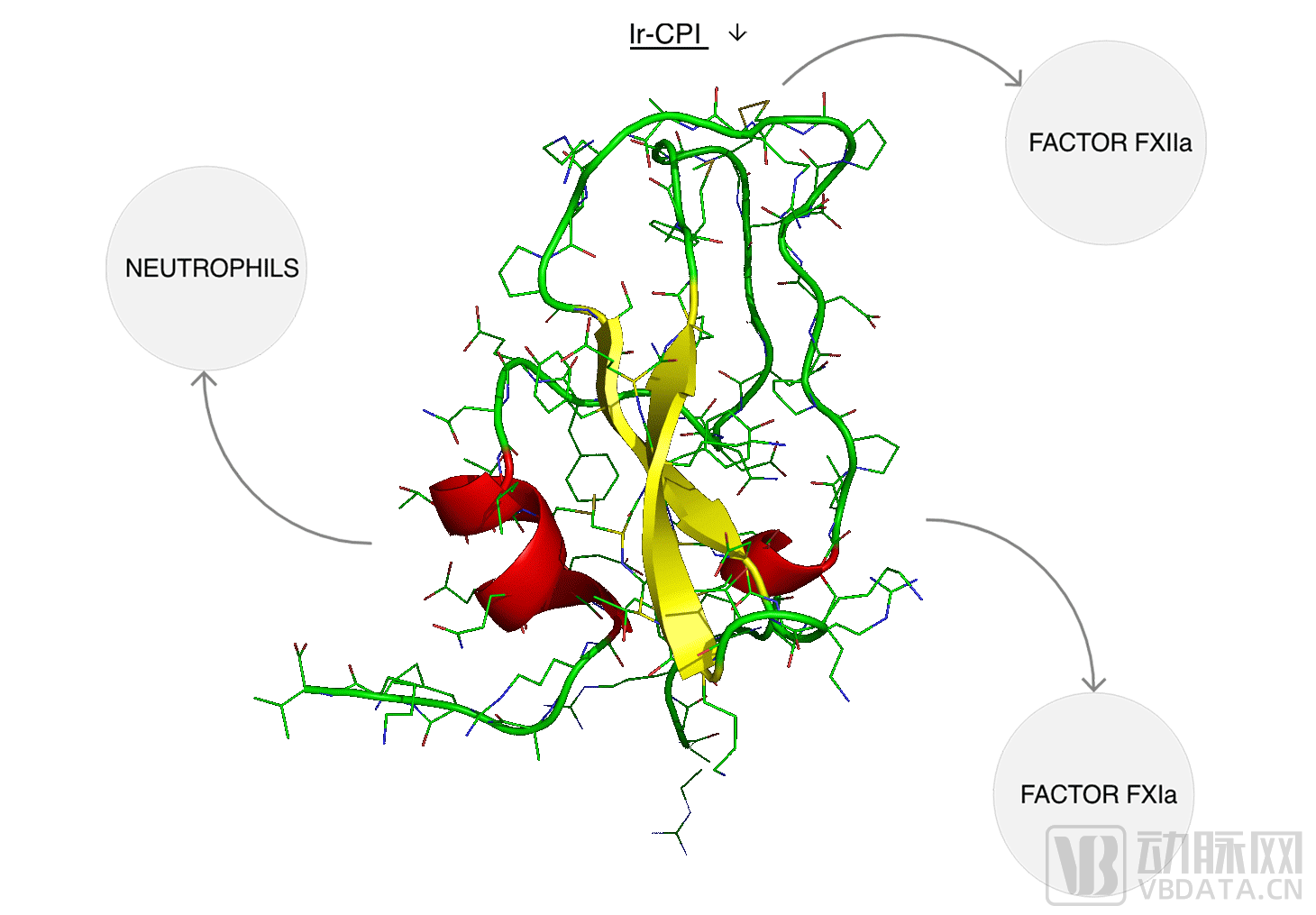
Mechanism of Action of Ir-CPI (Image source: Bioxodes official website)
Ir-CPI exhibits antithrombotic activity by specifically inhibiting factors that lead to thrombotic diseases through interaction with upstream coagulation factors (FXIa/FXIIa) of the intrinsic pathway. Furthermore, Ir-CPI can reduce neutrophil activation and the release of neutrophil extracellular traps (NETs). Neutrophils and NETs (extracellular fibrous networks composed primarily of DNA) are key components in the processes of neuroinflammation and thrombosis in patients with intracerebral hemorrhage (ICH).
Ir-CPI exerts a dual mechanism of action on coagulation factors and neutrophils; it not only prevents the formation of thrombosis and inflammation but also compensates for deficiencies in factors FXII and FXI, thereby inhibiting thrombus formation without causing spontaneous bleeding, making it an ideal alternative to current anticoagulants.
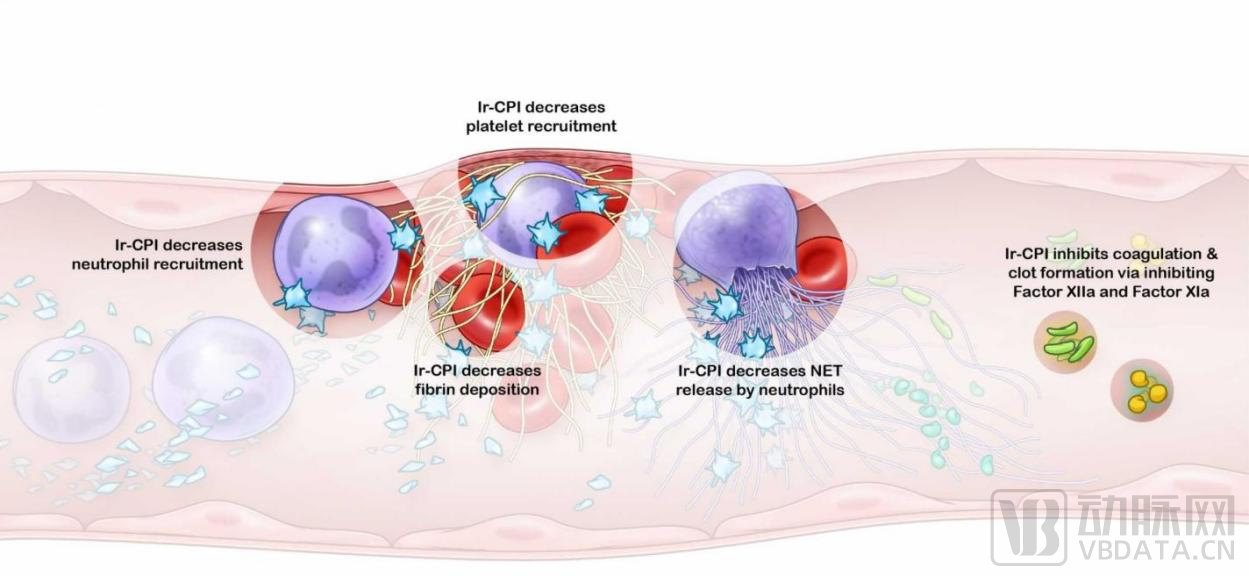
Mechanism of Action of Ir-CPI (Image source: Bioxodes official website)
Bioxodes has two product pipelines.
One is Ir-CPI, which is used to prevent thrombosis and neuroinflammation in patients with intracerebral hemorrhage; it may become the first injectable antithrombotic drug applicable to patients within 72 hours of intracerebral hemorrhage.
One is a candidate drug for the treatment of chronic thromboinflammation and inflammatory diseases, which works by leveraging the activity of Ir-CPI to counteract neutrophil activation and the formation of neutrophil extracellular traps (NETs).
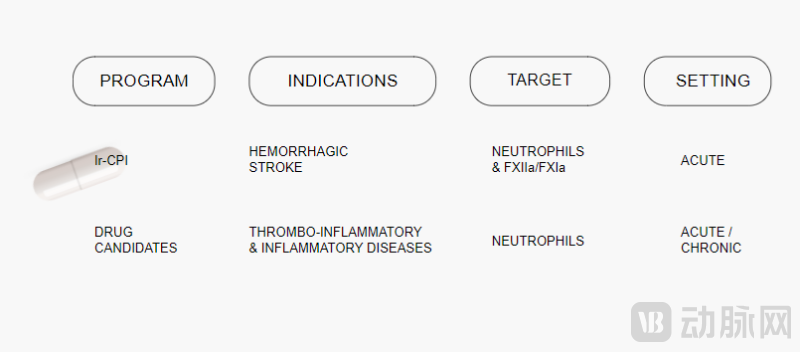
Dual Product Pipeline (Image source: Bioxodes official website)
New drug development primarily encompasses the stages of drug discovery, preclinical research, clinical trials (Phase I, Phase II, and Phase III), and market approval. According to the report “Clinical Development Success Rates and Contributing Factors 2011-2020,” jointly published by BIO and QLS Advisors, the average success rate for drug development projects from Phase I clinical trials to obtaining U.S. FDA marketing approval is 7.9%, with an average timeline of 10.5 years.
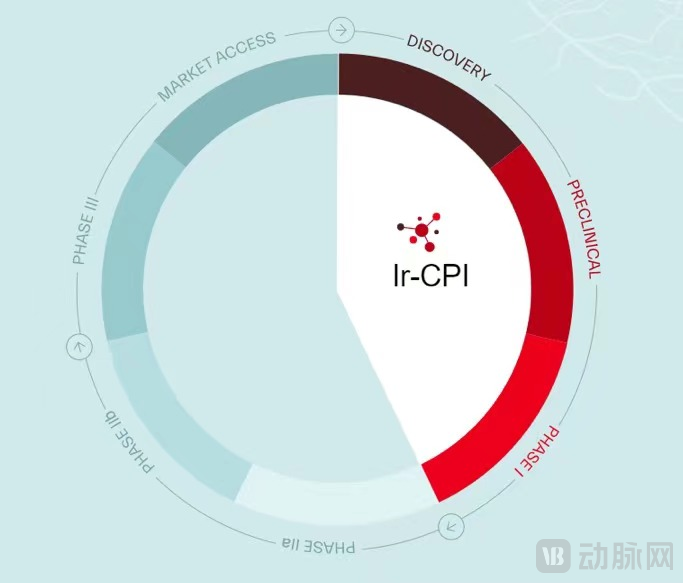
Development Stage of Ir-CPI (Image source: Bioxodes official website)
Phase I Clinical Trial: Bioxodes has successfully completed the active-phase study of the first-in-human trial of Ir-CPI in healthy adult male volunteers. This first-in-human trial was a double-blind, placebo-controlled, single-ascending-dose study. The trial commenced in 2019 and concluded in 2023.
Thirty-two healthy adult male volunteers participated in this trial, with a ratio of six active drug assignments to two placebo assignments at each dose level. Four dose levels of Ir-CPI were tested: 1.5 mg/kg, 3 mg/kg, [missing value] mg/kg, and 9 mg/kg, administered via intravenous infusion over 6 hours.
The primary objective of the trial is to evaluate the safety and tolerability of Ir-CPI. Secondary study objectives include assessing the pharmacokinetics (PK) and pharmacodynamics (PD) of Ir-CPI, specifically its effect on prolonging the activated partial thromboplastin time (aPTT) and its inhibitory effects on Factor XI (FXI) and Factor XII (FXII) activity.
The results indicated that Ir-CPI was well tolerated, with no dose-limiting toxicities observed. There were no safety concerns, no related serious adverse events, and no adverse events of special interest, specifically those related to bleeding.
Phase II Clinical Trial: This Phase IIa study aims to evaluate the safety, tolerability, and efficacy of Ir-CPI in adult patients with spontaneous intracerebral hemorrhage (the BIRCH trial). The trial commenced in July this year and is currently ongoing, with an expected completion date in 2025.
To identify novel agents that avoid bleeding complications while maintaining efficacy at least comparable to existing drugs, molecules targeting nearly every step of the coagulation cascade have been developed. Among these, inhibitors of factor XII (FXII) or factor XI (FXI) represent promising alternatives, as epidemiological and preclinical data indicate that deficiency in these factors prevents thrombosis without causing spontaneous bleeding.
"Clinical practice has shown that providing an anticoagulant therapy without the risk of bleeding is a critical unmet need in the medical field of thrombosis prevention."