

Orbital Therapeutics, Co-Founded by Nobel Laureate Drew Weissman, Files for IPO Following $270M Series A to Advance Next-Gen RNA Therapeutics

ARCH Venture Partners
Venture Capital Firms

Newpath Partners
Biotechnology Investment Firm

a16z Bio+Health
Healthcare Investment Firm

Orbital
RNA Drug Developer
October 2, 2023,Nobel Prize in Physiology or MedicineAwarded to the two pioneers of mRNA technology—Katalin Karikó and Drew Weissman—in recognition of their discovery of nucleoside base modifications, which enabled the development of effective mRNA vaccines against COVID-19.
Their groundbreaking discovery fundamentally transformed the understanding of how mRNA interacts with the immune system, particularly accelerating vaccine development during the COVID-19 pandemic that erupted in early 2020.
Last year, Drew Weissman and Yuanhao Zhang, among others, founded a biotechnology company named Orbital Therapeutics (“Orbital”). In April 2023, the company announced that it had completed up to$270 Million Series A Financing, for the development of RNA tools and next-generation RNA therapeutics. Meanwhile, Orbital also announced an expansion of its leadership team, appointing Niru Subramanian as Chief Operating Officer and Jonathan Piazza as Chief Financial Officer.
Notably, this $270 million Series A financing round was also the largest in the biotechnology sector during the first half of this year, led by the renowned venture capital firm ARCH Venture Partners, with participation from a16z Bio+Health and Newpath Partners.
The company’s founding and leadership teams comprise industry-recognized scientific pioneers, drug development experts, and biopharmaceutical executives. The founding team includes the following four distinguished individuals:
Professor Howard Chang: Stanford University Innovator in Novel Circular RNA Technology
Dr. Ravi Majeti: Chair of the Department of Hematology, Stanford University
Professor Drew Weissman: A pioneer in the field of mRNA vaccines, Professor at the Perelman School of Medicine, University of Pennsylvania
Dr. Gene Yeo: Professor of Cellular and Molecular Medicine, University of California, San Diego
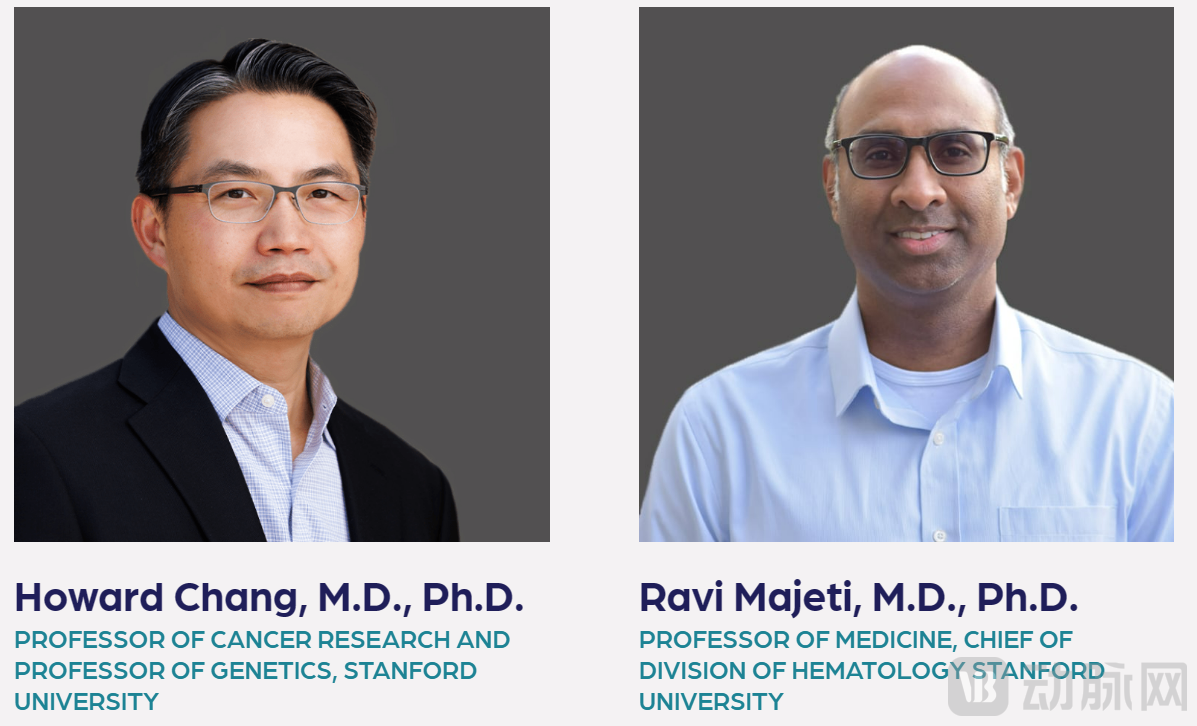
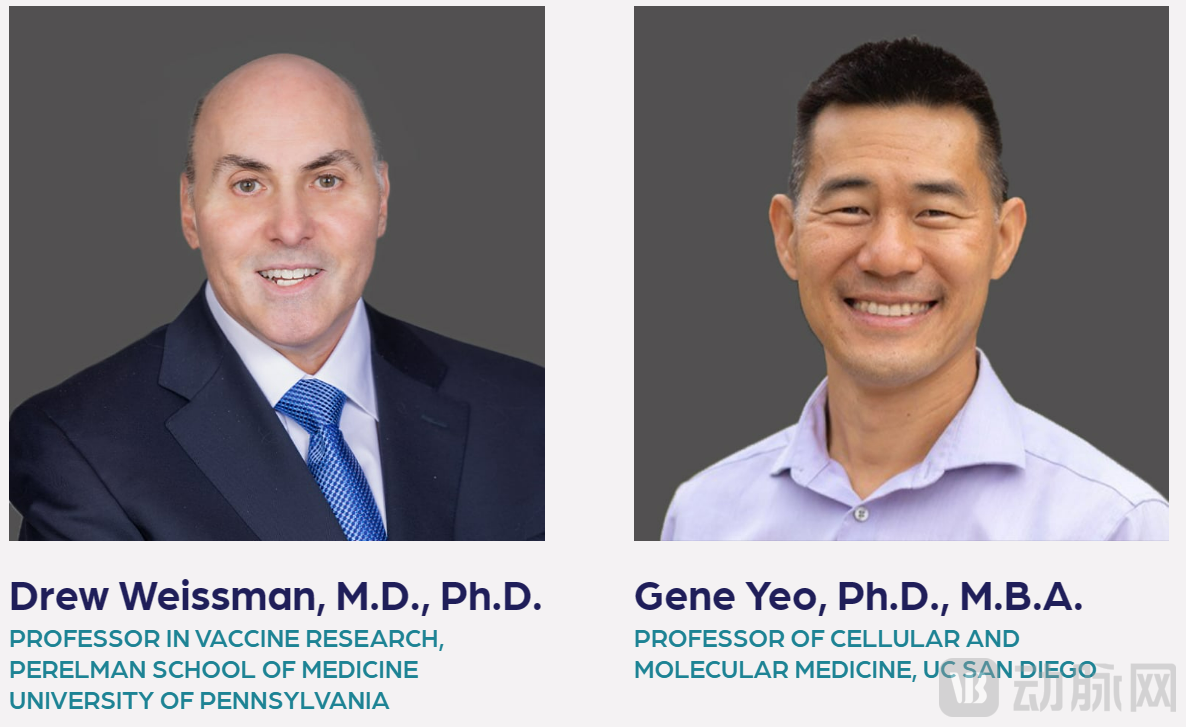
Orbital Co-founder (Image source: Orbital official website)
Dr. Giuseppe Ciaramella serves as the CEO of Orbital. Additionally, he is the current President of Beam Therapeutics, a base editing company. With over 25 years of experience in drug development and management, he has focused his career on antiviral drugs, immunology, and biotherapeutics. He has held key positions at pharmaceutical giants such as Pfizer, Boehringer Ingelheim, and AstraZeneca. He also served as Chief Scientific Officer of the Infectious Diseases division at Moderna, an mRNA drug development company, where he led the initial construction of the mRNA vaccine pipeline and successfully submitted the first Investigational New Drug (IND) application.
Orbital has also appointed Dr. Gilles Besin as Chief Scientific Officer. He brings over 15 years of specialized expertise in immunology and infectious disease vaccines, oncology, and metabolic disorders. Prior to joining Orbital, Dr. Besin served as Vice President and Head of Research & Development at Affinivax, where he led all of the company’s research efforts. Previously, Dr. Besin held several senior positions at Moderna Therapeutics, leading the Platform Immunology group to leverage mRNA lipid nanoparticles for modulating T-cell responses in cancer and autoimmune diseases. Earlier in his career, Dr. Besin led a research team at In-Cell-Art.
Over the past decade, RNA-based drug development technologies have matured significantly. Currently, mainstream research directions in this field include RNA interference (RNAi), antisense oligonucleotide (ASO) therapeutics, and small-molecule therapies targeting RNA. The mRNA delivery technology–based COVID-19 vaccines demonstrated their potential for high efficacy and rapid development and manufacturing during the pandemic, garnering widespread global attention.
As early as 2018, Alnylam demonstrated the potential of developing novel drugs at the RNA level with its unique RNAi therapeutics. However, as research has advanced, challenges in expanding the scope of RNA-based therapies persist. For instance, RNAi and antisense oligonucleotide (ASO) drugs remain largely limited to hepatic delivery. Addressing the challenge of delivering RNA therapeutics to tissues beyond the liver remains a significant hurdle.
In light of this, Orbital’s mission is to integrate established and emerging RNA technologies, delivery methods, and automation technologies to build a unique RNA technology platform. This platform aims to extend the durability and half-life of RNA therapies and expand delivery technologies capable of targeting diverse cell and tissue types, thereby enabling the development of more efficient and precise RNA therapeutics. Leveraging this platform, the company’s R&D pipeline will encompass vaccines, immunomodulatory drugs, protein replacement therapies, and regenerative medicine.
Giuseppe Ciaramella stated that Orbital possesses the most comprehensive and robust toolkit for developing RNA therapies, includingLNP, Virus-Like Particles(virus-like particle, VLP) technology andNovel Circular RNA. The novel circular RNA technology is licensed from Stanford University, where Professor Yuanhao Zhang is based.
Previous RNA technologies suffered from a critical flaw: RNA typically exists in a linear form, and linear RNA has a short half-life, being degraded by intracellular nucleases within just a few hours. However, the short lifespan of linear RNA is not an obstacle for vaccine development, as it can encode proteins rapidly enough to trigger an immune response.
However, for most therapeutic applications, prolonging the half-life of RNA is undoubtedly ideal. This is where novel circular RNA (circRNA) holds a distinct advantage: its covalently closed loop structure protects it from degradation by nucleases, thereby conferring greater stability and a longer lifespan. Theoretically, novel circRNAs possess therapeutic potential even at low doses.
In July 2022, a paper published by Professor Zhang Yuanhao’s team in Nature reported that, through multi-faceted optimization design, the team successfully increased the yield of proteins translated from novel circular RNAs by hundreds of fold, enabling effective and sustained protein production in vivo.
Professor Zhang Yuanhao believes that,Only one injection required, sufficient sustained protein expression can be achieved.
When Orbital made its debut in September 2022, it announced a partnership withBeam TherapeuticsThe Company Has Entered into an R&D Collaboration Agreement. Orbital and Beam Have Granted Each Other Cross-Licenses for Their Respective RNA Technologies and Non-Viral Delivery Technologies. Orbital May Utilize the Latter’s Non-Viral Delivery Technology to Administer Vaccines and Certain Therapeutic Proteins, While Beam May Participate in the Former’s Research on Cell Transplantation and Gene Editing.
Beam Therapeutics was founded in 2017 by CRISPR gene-editing experts Feng Zhang and David Liu, with the aim of developing gene therapies for serious diseases through single-gene editing. The company’s modular base editors enable the customization of treatments for specific diseases. By modifying guide RNAs or engineering CRISPR proteins, Beam can achieve precise targeting of its base editors and control the editing substrates, thereby creating novel therapies. Furthermore, Beam has achieved multiple breakthroughs in lipid nanoparticle (LNP)-based RNA delivery technologies, identifying LNP formulations capable of effectively delivering mRNA into T cells and natural killer (NK) cells.
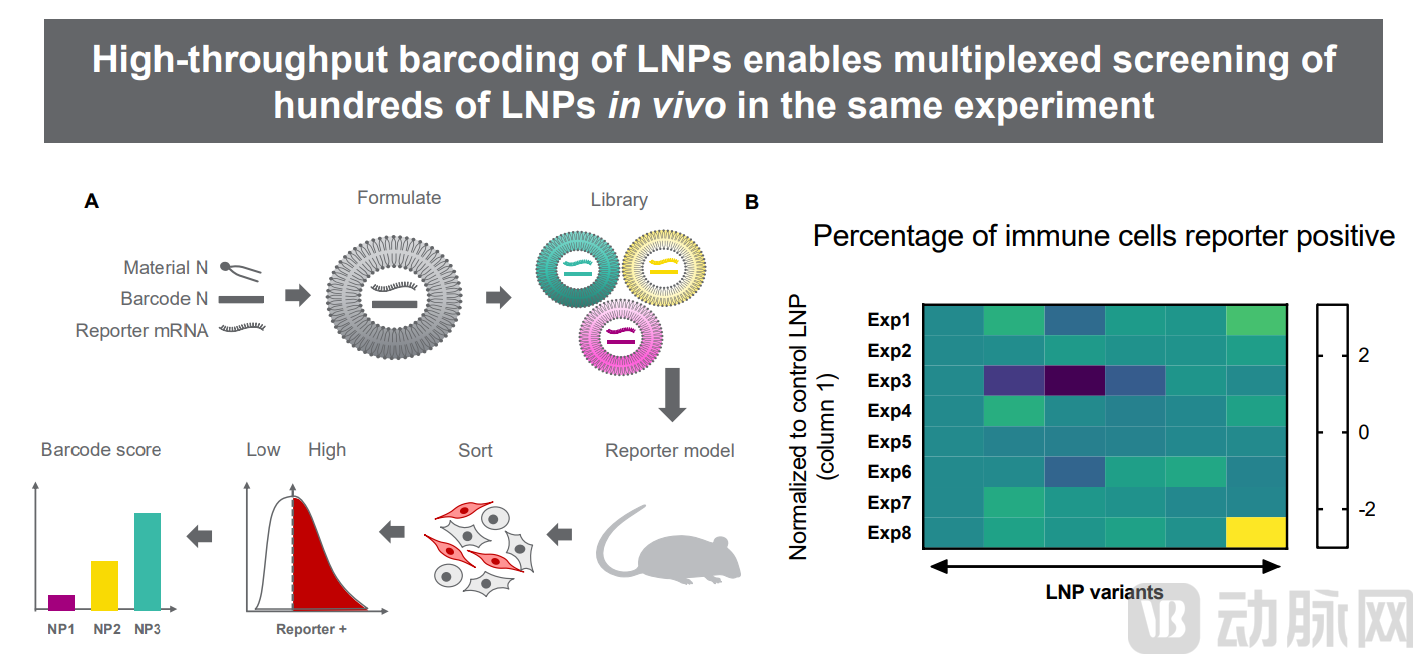
Schematic Diagram of LNP Platform Operation (Image Source: Beam Official Website)
Orbital claims that its proprietary RNA delivery technology can be applied across multiple fields. Current strategic priorities focus on developing “next-generation” RNA vaccines for cancer and infectious diseases, as well as protein replacement therapies and immunomodulators for autoimmune diseases and cancer, with the potential future inclusion of autologous CAR-T products.
However, Orbital also stated that its candidate pipeline does not include RNAi therapies. This is primarily because Alnylam has already achieved several key milestones in this field, with five RNAi drugs currently on the market, making it clearly disadvantageous to compete directly with Alnylam. Therefore, Orbital has decided to avoid this therapeutic area by pursuing a differentiation strategy.
Currently, Orbital has not disclosed specific details of its R&D pipeline. However, Ciaramella revealed that Orbital will submit its first clinical trial application within the next 2–4 years.