

Tongling Bionic Achieves China's First Successful pVAD Implantation in Cardiogenic Shock Patient, Paving the Way for Market Breakthrough
Recently, the clinical trial of the TeleHeart P50 percutaneous ventricular assist device (pVAD), jointly developed by Anhui Tongling Bionics Technology Co., Ltd. (hereinafter referred to as “Tongling Bionics”) and Professor Chen Liangwan’s team from Union Hospital affiliated with Fujian Medical University (hereinafter referred to as “Fujian Union Hospital”), was officially launched, successfully saving a patient with cardiogenic shock.
During the procedure, the surgical team effectively improved hemodynamics in a 72-year-old patient with cardiogenic shock using a percutaneous ventricular assist device (pVAD).After nearly 30 hours of in vivo operation of the pVAD catheter pump, the patient’s cardiac function gradually improved, with the ejection fraction (EF) increasing from 17% to 42%.. This was the first pVAD-assisted surgery for a patient with cardiogenic shock in China, achieving a clinical "zero" breakthrough.
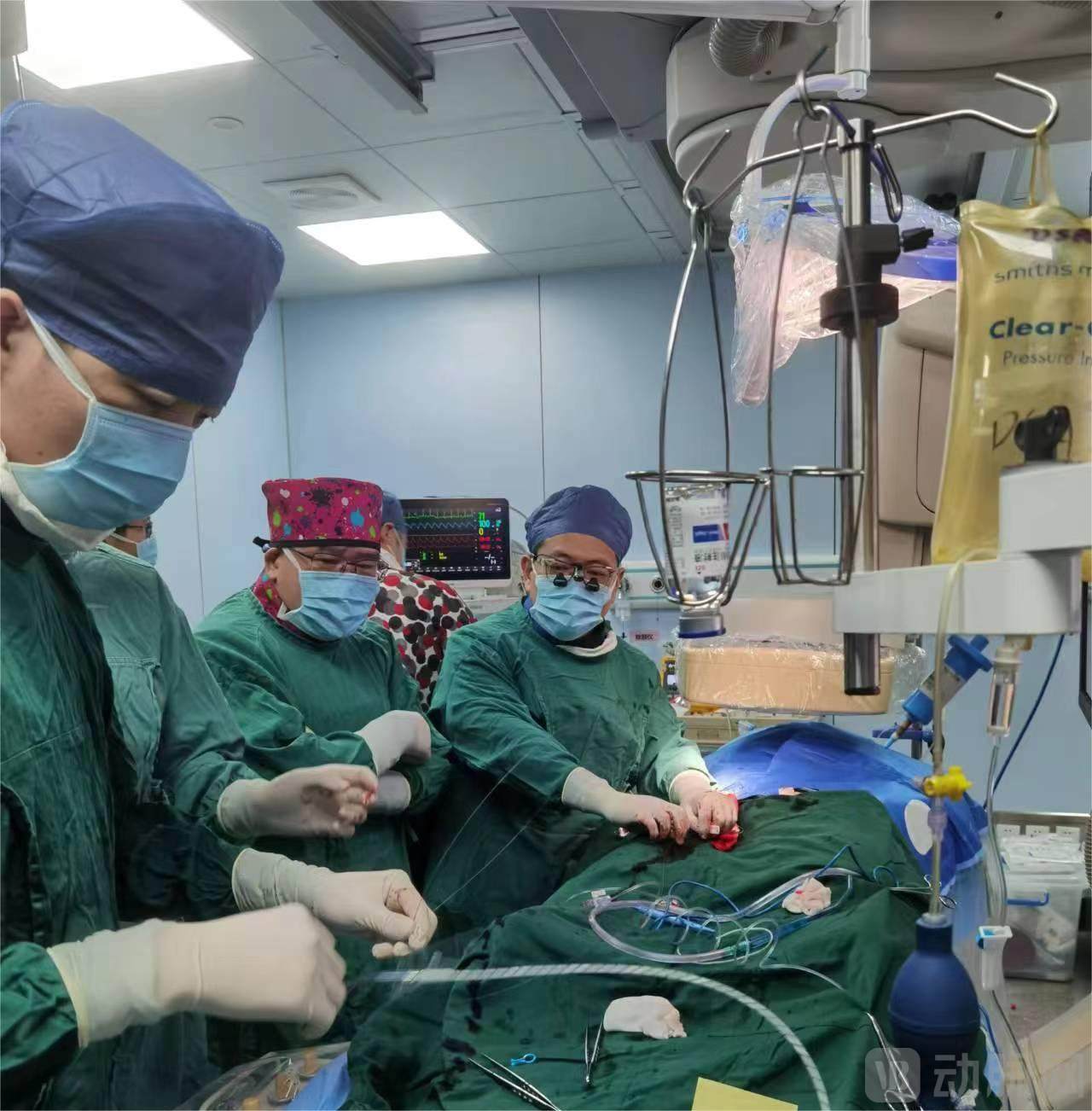 Surgical Scene Photo
The clinical study of TeleHeart P50, with Professor Chen Liangwan from the Department of Cardiac Surgery at Fujian Medical University Union Hospital serving as the Principal Investigator (PI), aims to evaluate the safety and efficacy of its use in providing short-term ventricular support for patients with cardiogenic shock.
As a new generation of pVAD,The TeleHeart P50 features optimized designs for core components such as the miniature motor and impeller, offering advantages including a low hemolysis rate, ease of operation, suitability for prolonged operation, and no risk of in-body fracture.. Tongling Bionics pioneered the research and development of percutaneous ventricular assist device (pVAD) products in China and completed multiple animal experiments, securing a first-mover advantage. The successful completion of this clinical surgery marks another leading achievement for Tongling Bionics, which is poised to fill the gap in China’s pVAD market and provide safer and more efficient treatment options for millions of heart failure patients.
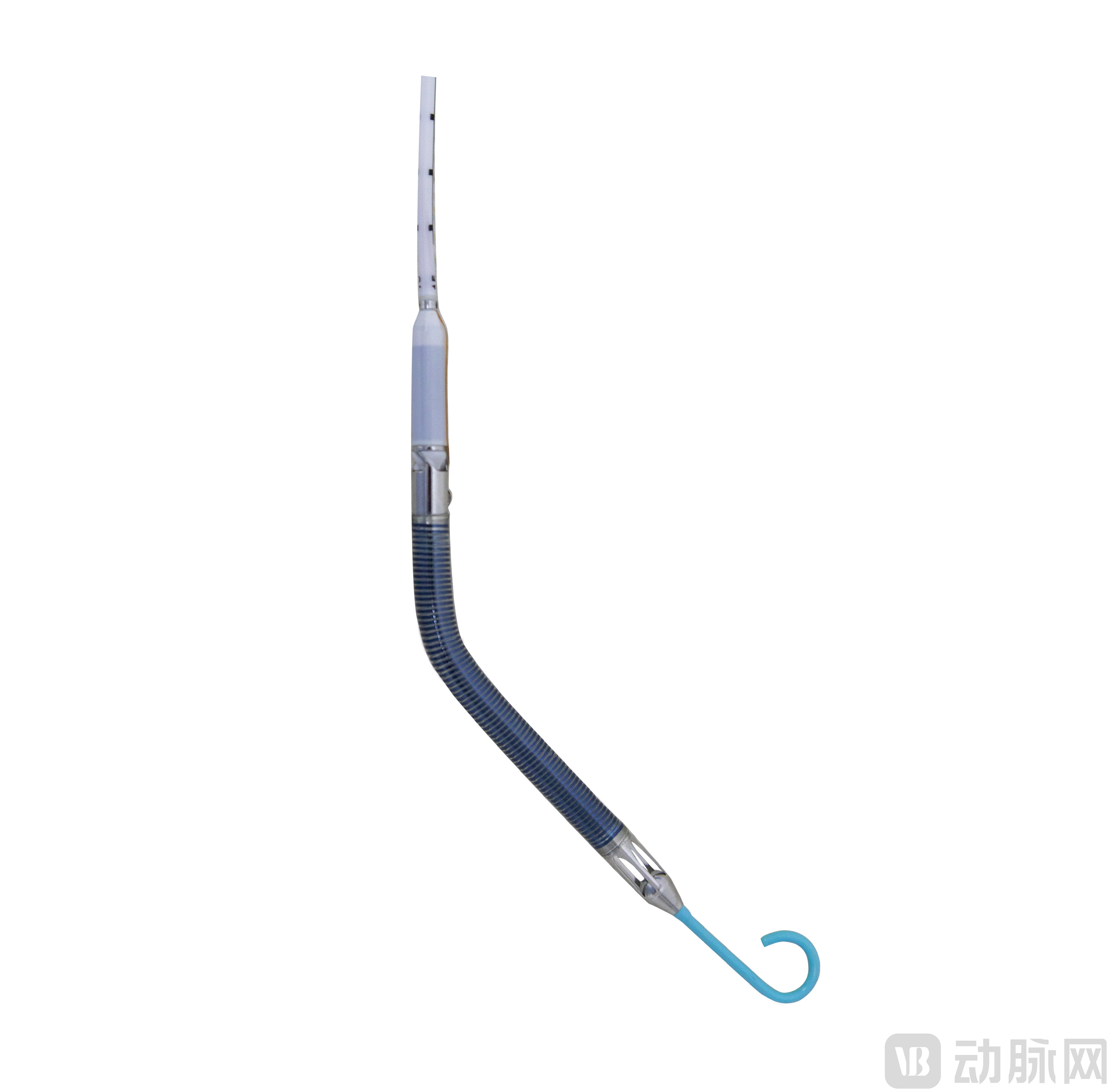 TeleHeart P50
It is reported that the patient undergoing this surgery had a preoperative diagnosis of acute myocardial infarction complicated by acute heart failure and cardiogenic shock, coronary artery disease with left main stem plus three-vessel involvement, New York Heart Association (NYHA) functional class IV, and an ejection fraction (EF) of 17%. Professor Chen Liangwan’s team assessed: “The patient exhibited chronic total occlusion-like changes in multiple vessels, severely impaired cardiac function, and hemodynamic instability, making coronary artery bypass grafting extremely challenging. Even minimally invasive revascularization procedures could pose risks such as cardiac arrest.”
Following a multidisciplinary consultation by experts at Fujian Medical University Union Hospital, it was ultimately decided to first utilize a percutaneous ventricular assist device (pVAD) to correct cardiogenic shock, with vascular recanalization surgery to be performed once the patient’s condition stabilized. During the procedure, experts including Professor Chen Liangwan and Associate Chief Physician Li Qianzhen accessed the femoral artery to insert the pVAD catheter pump into the patient’s left ventricle, resulting in gradual stabilization of hemodynamics. Subsequently, the vascular recanalization surgery was successfully carried out. Postoperatively, the patient’s vital signs remained stable, and cardiac function gradually improved. After two weeks of treatment and observation, the patient met the criteria for discharge and has remained stable during outpatient follow-up.
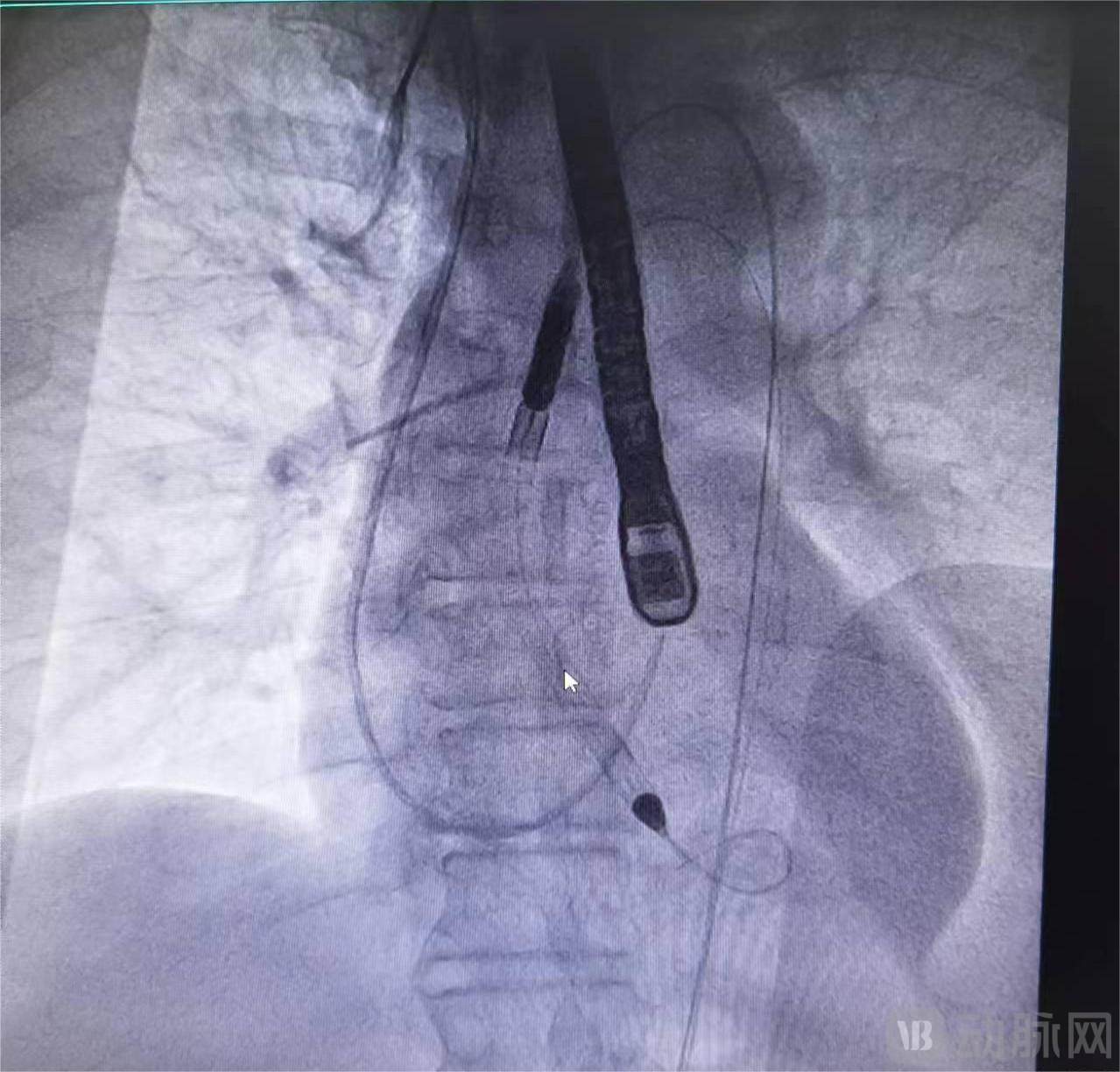 pVAD Catheter Pump Implanted into the Patient's Left Ventricle
Professor Chen Liangwan introduced: “Cardiogenic shock carries an extremely high mortality rate. Conventional pharmacological therapy and mechanical circulatory support devices, such as intra-aortic balloon pump (IABP) and extracorporeal membrane oxygenation (ECMO), fail to effectively unload left ventricular pressure, with success rates remaining below 50%., and pVAD can maintain hemodynamic stability by sustaining mean arterial pressure in a short period of time, thereby saving critically ill cardiac patients.”
Regarding the pVAD product used in this procedure, the surgical team commented: “The percutaneous left ventricular assist device features a clear interface, ease of operation, and good stability, with timely alarm indicators. The overall operation is simple and easy to learn. The disposable left ventricular catheter pump demonstrates good stability and is simple and easy to operate.”
Cardiogenic shock carries high rates of mortality and disability. The TeleHeart P50, a biomimetic artificial heart developed by Tongling Bionics, offers patients a novel therapeutic option. This product has been selected for multiple research initiatives, including the National Key R&D Program under China’s 14th Five-Year Plan titled “Research on Miniaturized Interventional Artificial Heart Technology and Prototype Development.” It has also been included in the first batch of priority products for pre-market review by the National Medical Products Administration (NMPA) and has entered the NMPA’s Special Review Procedure for Innovative Medical Devices. Clinical studies on cardiogenic shock are currently underway at multiple hospitals across China.
Due to its advantages, including minimal invasiveness, ease of operation, and low complication rates, percutaneous ventricular assist devices (pVADs) have been widely adopted overseas, while the domestic market in China remains untapped. Abiomed’s Impella is the world’s only FDA-approved percutaneous heart pump technology for patients with severe cardiac conditions, such as cardiogenic shock or those undergoing high-risk percutaneous coronary intervention (PCI). To date, more than 300,000 patients worldwide have been treated with Impella, supported by robust clinical evidence.
Addressing a global population of over 60 million heart failure patients, the pVAD market boasts substantial potential and stands as one of the fastest-growing segments within the heart failure device sector. It can be said that,pVAD Single Product Drove Abiomed’s Strong Revenue Growth and $16.6 Billion Acquisition Price. Meanwhile, pVAD is also a high-barrier sector that involves multiple disciplines such as engineering, clinical medicine, and fluid dynamics. It presents significant development challenges, and the pioneer Abiomed has already established a robust patent barrier.
Specifically, clinical practice often has three requirements for pVAD—Longer clinical support duration, superior hemodynamics, and simpler insertion method. Balancing these three key elements is often challenging, making breakthroughs in core components such as motors and impellers, along with optimization of the overall system flow field design, critically important.
Telepathic BionicsThe TeleHeart P50 adopts a clinically well-validated, safe, and reliable built-in motor pathway.. According to Xie Qilian, the company’s founder, “After extensive theoretical calculations, modeling and simulation, and experimental research, we have successfully developedNovel cardiac catheter pumps have achieved a series of breakthroughs in key technologies such as hemodynamics, optimization of blood damage configurations, and liquid sealing, as well as in the design and manufacturing of core components including miniature motors, low-hemolysis impellers, and novel anticoagulation cooling systems.The company’s pVAD product possesses fully independent intellectual property rights and demonstrates superior performance in terms of hemodynamics and duration of clinical support.
With over 20 years of clinical experience in cardiovascular and critical care, Dr. Xie Qilian possesses profound clinical insights and leads her team in continuously refining the design of the pVAD product based on clinical feedback. The pVAD product currently entering clinical trials has undergone extensive refinement through multiple rounds of animal studies. Currently,No pVAD products have been approved in China, and Tongling Bionics’ products have taken the lead in entering clinical trials, positioning them to rapidly capture market share.
In addition to pVAD, Tongling Bionics has also strategically developed a series of innovative products for the diagnosis and treatment of heart failure, including intra-aortic balloon pump (IABP) systems, external counterpulsation therapy systems, non-invasive cardiac output monitors, and extracorporeal membrane oxygenation (ECMO) devices, providing heart failure patients with full-lifecycle solutions spanning detection, treatment, and rehabilitation. To date,The non-invasive cardiac output monitor has obtained a medical device registration certificate, while both IABP and ECMO are in the pre-clinical stage.。
Regarding future plans, Xie Qilian stated, “The company will subsequently accelerate the R&D and clinical application of the aforementioned products, strengthen its product portfolio in the heart failure sector, and continue to maintain its first-mover advantage in this niche market. We strive to become a well-known domestic provider of integrated diagnostic and therapeutic solutions for heart failure at an early date.”
Reference Article: “Chinese Expert Consensus on the Clinical Application and Management of Percutaneous Mechanical Circulatory Support”
“Johnson & Johnson’s $16.6 Billion Acquisition Shakes Up the Artificial Heart Market: How the Landscape Is Being Reshaped”