

Innovations in Geriatric Cognitive Disorder Treatment and Care: New Trends Revealed at the First National Conference on Prevention and Clinical Management of Cognitive Impairment
The prevention and treatment of cognitive impairment in the elderly is urgently needed.
In response to the severe trend of an increasing number of elderly individuals with cognitive impairment and the growing incidence among younger populations, the “1st Conference on Prevention and Clinical Medicine of Cognitive Impairment in the Elderly” was recently held.
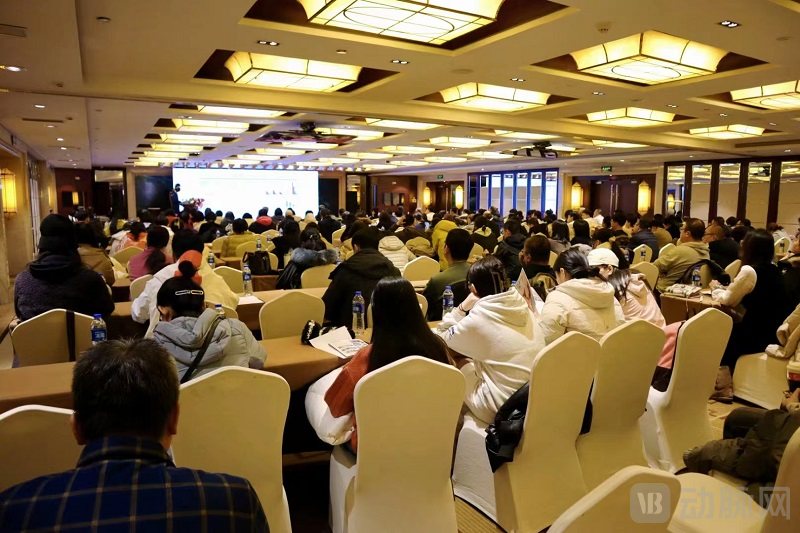
Centered on the theme “Now or Never” and aligned with World Alzheimer’s Day’s slogan “Never too Early, Never too Late” (Prevent and treat promptly, regardless of timing), the conference convened renowned domestic and international experts and scholars in the fields of neurology and mental health. It synthesized cutting-edge international research findings and their applications to enhance attendees’ understanding of the diagnosis and treatment of cognitive impairment disorders. Through in-depth discussions, participants jointly validated development strategies for technological and model innovations in current medical institutions.
“As public awareness of dementia has increased, some patients are being identified when they first exhibit early changes in memory or behavior, allowing them to receive a confirmed diagnosis at an earlier stage,” stated Professor Jin Hua from the Department of Psychiatry at the University of California, San Diego School of Medicine, during the conference. “The development of dementia results from a combination of multiple factors. High-risk genetic factors, brain injury, level of education, and age are all closely associated with dementia. In addition to strengthening cognitive training and participating in social activities, early identification, diagnosis, and treatment of dementia can help slow disease progression.”
 Professor Jin Hua, Department of Psychiatry, University of California, San Diego School of Medicine
How to more effectively identify potential patients and maximize assistance to patients and their families in controlling disease progression through treatment is undoubtedly a challenge that the current healthcare industry must confront.
Currently, as the aging society accelerates, constrained by the inadequate establishment of supporting social service systems and shortages in medical service resources, the “9073 model” is adopted in elderly care: 90% of seniors age at home, 7% receive community-based care, and 3% reside in institutional facilities. This model has resulted in a broader population of older adults—including those with disabilities, partial disabilities, or cognitive impairments—remaining within family and community settings. Social isolation and insufficient caregiving capacity among adult children further contribute to the progression of moderate-to-severe cognitive dysfunction in the elderly, leading to missed opportunities for early diagnosis and treatment.
Dr. Li Xia, Chief Physician at the Shanghai Mental Health Center affiliated with Shanghai Jiao Tong University School of Medicine, noted that, unlike in-hospital settings, disease education and early screening efforts in community settings face greater resistance and are often met with distrust among the elderly. Furthermore, traditional paper-based assessment scales have many limitations. However, she also proposed that providing screened elderly individuals in the community with improvement guidance based on their screening results can better mitigate disease progression among potential patients within the community.
Community-based disease education and early screening are undoubtedly time- and labor-intensive, yet their value is evident. Amidst current shortages of medical resources, Kaixin Medical’s Shenyang Jing’an Hospital has aligned itself with cutting-edge international medical technologies and management models to contribute its share. Reportedly, it has established 200 internet clinics in the Liaoning region, reaching an audience of up to 5 million. Leveraging capabilities such as AI-assisted diagnosis, the hospital has standardized services and reduced costs, thereby further benefiting patients by enabling early detection and treatment.
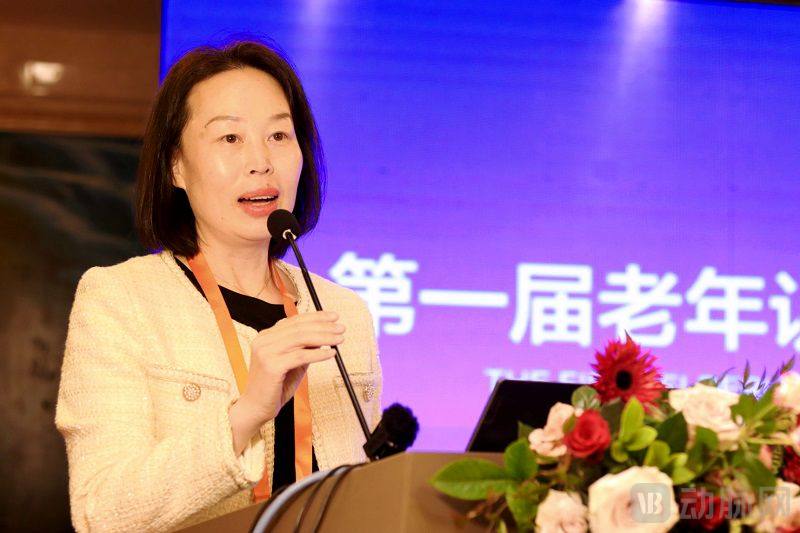 Kaixin Medical CEO Cao Li
“We have established a comprehensive system to provide psychological counseling and support services for patients and their families. Meanwhile, through the HSH model, we actively collaborate with communities and other institutions to offer patients greater access to social resources and support,” pointed out Cao Li, CEO of Kaixin Medical. The advantages of applying innovative technologies to the HSH model (Hospital-Society-Home, a model that effectively links hospitals, communities, and homes) are undoubtedly significant.
From a community perspective, leveraging the extensive accumulation of clinical data in hospitals, continuous in-depth analysis and mining of this data through machine learning and big data analytics enable better diagnostic identification of patients with potential cognitive impairment, facilitating earlier intervention for the disease.
From the perspectives of different nodes, such as households at the front end and hospitals at the back end, community-based diagnostic identification can better empower other links—
Extending forward to the home setting, AI-driven collection of patients’ daily lifestyle data (such as gut microbiota) and disease-related information enables precise medication management and lifestyle adjustments, thereby providing better guidance for home-based elderly care. Extending backward to the hospital setting, leveraging high-quality in-hospital equipment and services—such as the adoption of innovative biologics and precision medicine—can better help patients receive active and effective treatment and enjoy a dignified later life.
Clearly, effective diagnosis and treatment of patients’ conditions are essential for their successful reintegration into the community and family. Mastery of the most advanced diagnostic and therapeutic approaches undoubtedly helps patients better control disease progression. At the First Conference on Prevention and Clinical Medicine of Cognitive Impairment in the Elderly, professors and scholars from both China and abroad shared the latest academic and scientific research achievements in the field of cognitive impairment in the elderly—
From a diagnostic perspective, cognitive impairment disorders such as Alzheimer’s disease (AD) still exhibit high rates of missed diagnosis in China. To improve diagnostic accuracy, diagnostic criteria have undergone repeated evolution worldwide. Li Xudong, Chief Physician of the Department of Cognitive Disorders at Beijing Tiantan Hospital, Capital Medical University, and Liu Huayan, Deputy Director of the Department of Neurology at the First Hospital of China Medical University, among others, pointed out that the National Institute on Aging–Alzheimer’s Association (NIA-AA) proposed the AT(N) research framework for AD diagnosis in 2018, defining AD biologically. At that time, validated biomarkers were primarily based on cerebrospinal fluid (CSF) analysis or positron emission tomography (PET) imaging. However, CSF examination requires invasive procedures, while PET imaging is costly and limited by equipment availability. In recent years, the value of plasma-based biomarkers in AD diagnosis has been further explored. Although testing still poses certain challenges, these biomarkers hold promise for broader application to reduce the cost of AD diagnosis.
From a therapeutic perspective, using Western medicine as an example, Professor Jin Hua highlighted current Aβ-targeted therapies for Alzheimer’s disease (AD), including aducanumab (accelerated approval by the FDA in 2021), lecanemab (approved in 2023), and donanemab (pending approval). He noted that donanemab currently demonstrates the greatest efficacy in reducing brain amyloid-beta plaque levels in AD patients, thereby maximally slowing disease progression. On the traditional Chinese medicine (TCM) front, Professor Zhang Zhangjin from the School of Chinese Medicine at The University of Hong Kong emphasized the benefits of various active ingredients in TCM, their potential mechanisms of action, and acupoint stimulation therapies for AD patients.
How to apply the most advanced diagnostic and therapeutic approaches to the clinical management of dementia is undoubtedly a challenge that healthcare institutions currently need to address. Taking Shenyang Jing’an Hospital of Kaixin Medical as an example, it has innovatively adopted an integrated care model to provide high-quality medical services to patients. This approach has transformed the previous situation in geriatric wards, where elderly patients often felt helpless and hopeless, merely awaiting death. Through active treatment and other services, the hospital continuously helps older adults regain vitality.
On one hand, in terms of diagnostic and therapeutic approaches, the hospital leverages the aforementioned cutting-edge methods by integrating innovative practices from both Western and Traditional Chinese Medicine (TCM), thereby providing patients with services that cover the entire lifecycle of disease management. This capability is bolstered by a team of experts with extensive clinical experience in cognitive impairment, recruited from both domestic and international institutions. Furthermore, the hospital is collaborating with experts from the Chinese Academy of Sciences to explore gut microbiota-related initiatives, developing probiotic products designed to improve gastrointestinal health and enhance immunity, thus better supporting the physiological functions of elderly patients.
On the other hand, in terms of therapeutic care investment, hospitals previously often relied on individual physicians working in isolation within single departments. Currently, the Multidisciplinary Team (MDT) consultation model is demonstrating its unique value by addressing the limitations inherent in single-specialty perspectives on disease management. By leveraging MDT-based collaborative treatment and care, hospitals integrate operational, medical, nursing, and support teams to provide comprehensive, patient-centered services.
Furthermore, a strong emphasis on rehabilitation is another distinguishing feature, with the hospital currently actively implementing out-of-bed care protocols. Vice President Li Jie emphasized, “Prolonged bed rest can cause significant harm to multiple organs, potentially leading to thrombosis and various complications. It also further reduces patients’ social interaction, which may adversely affect disease progression. Early rehabilitation and timely intervention, through comprehensive rehabilitative care measures such as out-of-bed care, can provide substantial benefits to patients.”
The current situation is undoubtedly severe.
In 2021, data from the Seventh National Population Census showed that the population aged 60 and above was 264.02 million, accounting for 18.70% of the total population. Based on an estimated elderly population aged 60 and above of 260 million and a prevalence rate of cognitive impairment of 5%–8%, the current total number of older adults with cognitive impairment in China is estimated to be between 13.2 million and 21.12 million. This undoubtedly represents a market with massive demand and enormous scale.
However, beyond disease diagnosis and treatment, it is crucial to recognize that the needs of elderly patients with cognitive impairment extend beyond clinical care; they also require greater humanistic support. Yet, in home and community settings outside the hospital, family members often provide limited support. Meanwhile, within hospitals, patients frequently face challenges such as insufficient caregiving staff. This shortage of personnel makes it difficult to attend to patients’ needs around the clock.
Evidently, digital technologies hold promise for addressing this issue. At the conference, Shenyang Jing’an Hospital of Kaixin Medical also announced the launch of its smart wards within the Geriatric Rehabilitation Center. By incorporating features such as “Smart Elderly Support” (providing assistance to the elderly through technological support), “Smart Filial Care” (facilitating emotional connections between children and their elderly parents), and “Smart Utilization of Elderly Talent” (enabling the elderly to fully leverage their experience, skills, and knowledge), the hospital aims to comprehensively meet the needs of both patients and their families—
Overall, by integrating intelligent hardware and software, hospitals can provide comprehensive medical and elderly care services. On one hand, leveraging the smart health cloud service platform and deploying devices such as sensors and smart bracelets, hospitals can conduct health monitoring for the elderly, enabling real-time dynamic supervision and immediate alerts. On the other hand, special needs of the elderly and their children can be submitted through the platform and smart management system, with dedicated personnel in smart wards providing tailored services. Furthermore, by introducing intelligent robots, hospitals can further enhance patient education and support rehabilitation.
The application of “smart” technology ensures the timely delivery of services to the greatest extent. To enhance the sense of humanistic care for elderly patients with cognitive impairment, hospitals must strengthen their interaction with patients. On one hand, through communication, medical staff can promptly understand patients’ preferences and emotional changes, thereby better accommodating their daily living habits. On the other hand, based on individualized needs, hospitals should provide diverse integrated medical and elderly care services, such as daily life assistance, rehabilitation nursing, and healthcare. Furthermore, considering the specific characteristics of elderly patients, it is essential to establish dedicated care rooms to offer hospice care services.
Currently, there remains much to explore in providing full-lifecycle services for patients with cognitive impairment. Initiatives such as those undertaken by Kaixin Medical’s Shenyang Jing’an Hospital have illuminated the potential for a high quality of life in old age. Central to these efforts is the application of cutting-edge technological innovations, which are gradually shaping and transforming human destiny. We look forward to the broader adoption of advanced diagnostic and therapeutic techniques, as well as innovative technologies, to help millions of individuals with cognitive disorders regain a “new lease on life.”