

Lingben Robotics Files IPO Prospectus: AI-Powered Mental Health Monitoring and Early Warning Platform Serving Over 10,000 Schools and 10 Million Students

LEADING Ai
Developer of Psychological Counseling and Family Education Robots
The risk of depression is showing a trend toward affecting younger age groups.
The "2022 Blue Book on National Depression," jointly authored by People's Daily and other organizations, shows thatAdolescents under the age of 18 account for 30% of all individuals with depression; 50% of patients with depression are students. Furthermore, data from China’s mental health sector indicate that there are currently 95 million people suffering from depression in China, with approximately 280,000 suicides occurring annually, 40% of which involve individuals with depression.
Behind these shocking figures lies a reality that causes profound distress to millions of families and society as a whole. It is imperative to shift perspectives and address adolescent mental health issues without delay.
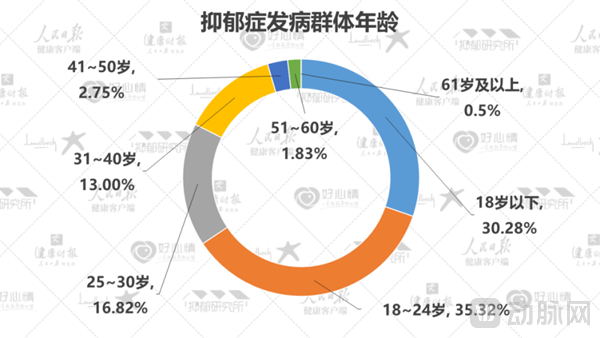
Image source: "2022 Blue Book on National Depression"
In mid-2023, the “Special Action Plan for Comprehensively Strengthening and Improving Student Mental Health Work in the New Era (2023–2025),” jointly issued by the Ministry of Education and 16 other departments, proposed toComprehensively implement mental health education, standardize mental health monitoring, and improve measures such as psychological early warning and intervention.
In this context, Shanghai Lingben Robot Technology Co., Ltd. (hereinafter referred to as “Lingben Robot”), a leading company in China’s psychological counseling and family education robotics sector, has applied AI technology to the fields of psychological counseling and family education. Leveraging a big data repository of 10 million Chinese adolescents, experiential data from over 10,000 renowned scholars and experts nationwide, and 10 million knowledge points on family education and psychological development, the company has developed a range of AI-powered psychological service robots tailored to various scenarios.
In addition to typical depressive symptoms such as low mood, adolescents with depressive disorders often exhibit somatic and behavioral manifestations, including headaches, nausea, abdominal distension, decreased appetite, and sleep disturbances. These atypical presentations make it difficult for parents and schools to associate them with depression. Furthermore, adolescents often lack cooperation in completing self-rated depression scales during clinical visits, frequently leading to missed or misdiagnoses.
Therefore, in the face of tens of millions of adolescents suffering from depression, it is crucial to administer targeted interventions, facilitate active prevention, and ensure effective and timely diagnosis of depression and other mental disorders, as this bears directly on the nation’s future.
In August 2023, on the occasion of its fourth anniversary, Lingben Robot, with the corporate mission and values of “safeguarding 300 million adolescents through AI,” officially launched EmoGPT, a mental health monitoring and early warning platform for adolescents. This platform is also a key component of the company’s “1+2+3+4 Student Psychological Service System.”
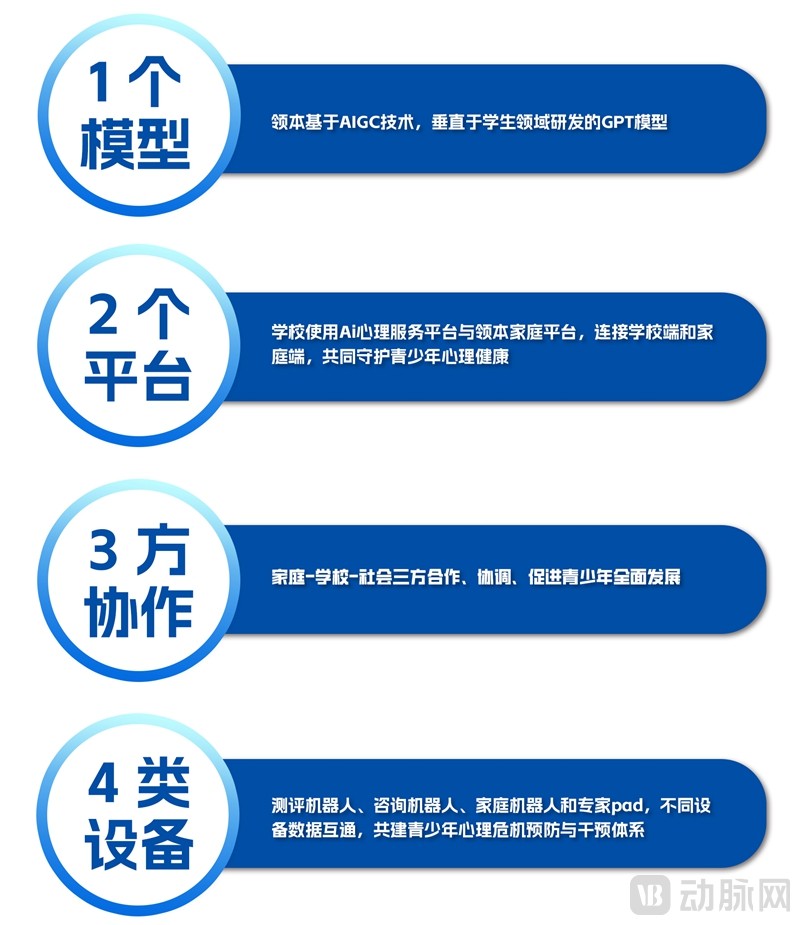
Image provided by the interviewee
The “1” in the student psychological service system refers to EmoGPT. Specifically, EmoGPT is a GPT model based on Artificial Intelligence Generated Content (AIGC) technology, specialized for the adolescent sector, capable of providing closed-loop psychological services to teenagers.
First, EmoGPT can assist users in achieving more accurate diagnoses and assessments. Leveraging Lingben Robot’s proprietary multimodal human behavior analysis technology, EmoGPT precisely analyzes data such as users’ micro-expressions, micro-movements, voice, text, behavioral data, and physiological indicators. This approach mitigates the impact on measurement authenticity and validity caused by factors such as adolescents’ lack of active cooperation during examinations or responses based on subjective preferences.
Following the acquisition of accurate behavioral data, the precise analysis of adolescents' psychological states and issues is crucial for mental health monitoring and early warning. Lingben Robot's AI-based psychological early warning model processes and analyzes the characteristics of abnormal data in adolescents. Subsequently, referencing a self-constructed psychological map built on tens of millions of big data points, it generates customized psychological profiles for each student.
Meanwhile, Lingben Robot, grounded in Classical Test Theory, determines measurement outcomes by fully accounting for true scores and theoretical errors. It further evaluates and iterates these results through advanced expert models, therapist feedback, and data validation to accurately assess users’ psychological states and issues. Ultimately, it generates comprehensive assessment reports and provides personalized counseling recommendations.
Professional mental health assessments, as commonly understood, are typically conducted in medical settings such as psychiatric departments or specialized hospitals. However, factors such as the large adolescent population and heavy academic burdens make widespread screening challenging in practice. As early as 2021, China’s Ministry of Education explicitly incorporated depression screening into student health examinations, established mental health records for students, assessed their psychological well-being, and provided focused attention to those with abnormal assessment results.
However, most schools in China currently lack tiered intervention strategies when delivering mental health services, suffering from insufficient professional expertise and limited resources, let alone the capacity for assessment and early warning within family settings. Yet these two domains are precisely the indispensable core forces in the development of adolescent mental health.
In response, Lingben Robot leverages its self-developed EmoGPT and comprehensive database to connect schools and families in real time through two major platforms: the AI Psychological Health Counseling and Assessment Platform for schools, and the AI Family Education Platform for households. By fostering tripartite collaboration and coordination among “family–school–society,” it jointly safeguards students’ mental health and promotes their holistic physical and psychological development.
Building on this foundation, Lingben Robot goes beyond merely providing one or more psychological scales to safeguard the mental health of adolescents; instead, it leverages AI-powered interactive robots to deliver more accurate and tailored psychological services to young people.
Specifically, Lingben Robot has developed four devices tailored to the needs of different scenarios: the Campus AI Assessment Robot, the Campus AI Consultation Robot, the AI Family Education Robot, and the Expert AI Tool.
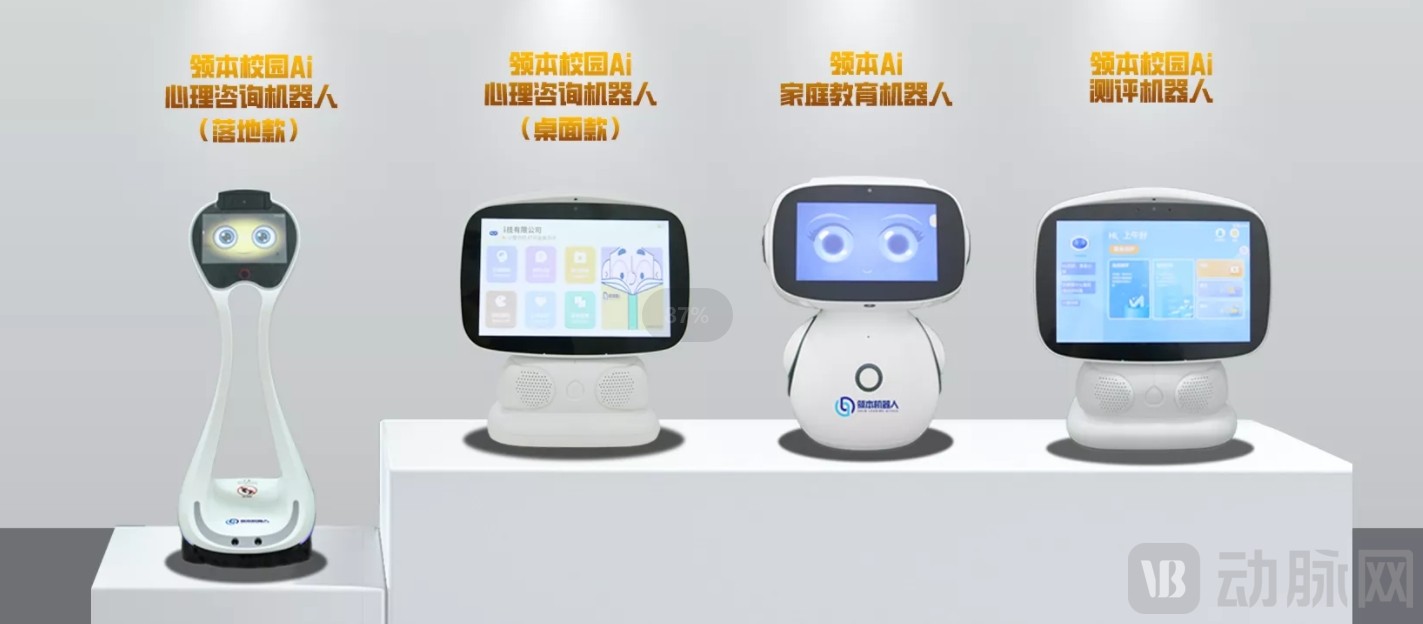
Adolescent Mental Health Solutions
Photo provided by the interviewee
The campus AI assessment robot and the campus AI consultation robot can be customized to meet school-specific needs, featuring offerings such as AI-driven adolescent psychological assessments with various standardized questionnaires, diagnostic and treatment systems for mental disorders like depression and autism, and AI-enabled smart classrooms.Meanwhile, Lingben robots can also help schools establish unmanned psychological counseling rooms and digital psychological archives, facilitating subsequent tracking of mental health status, building a risk early warning system, and issuing alerts for students who may have severe psychological issues.
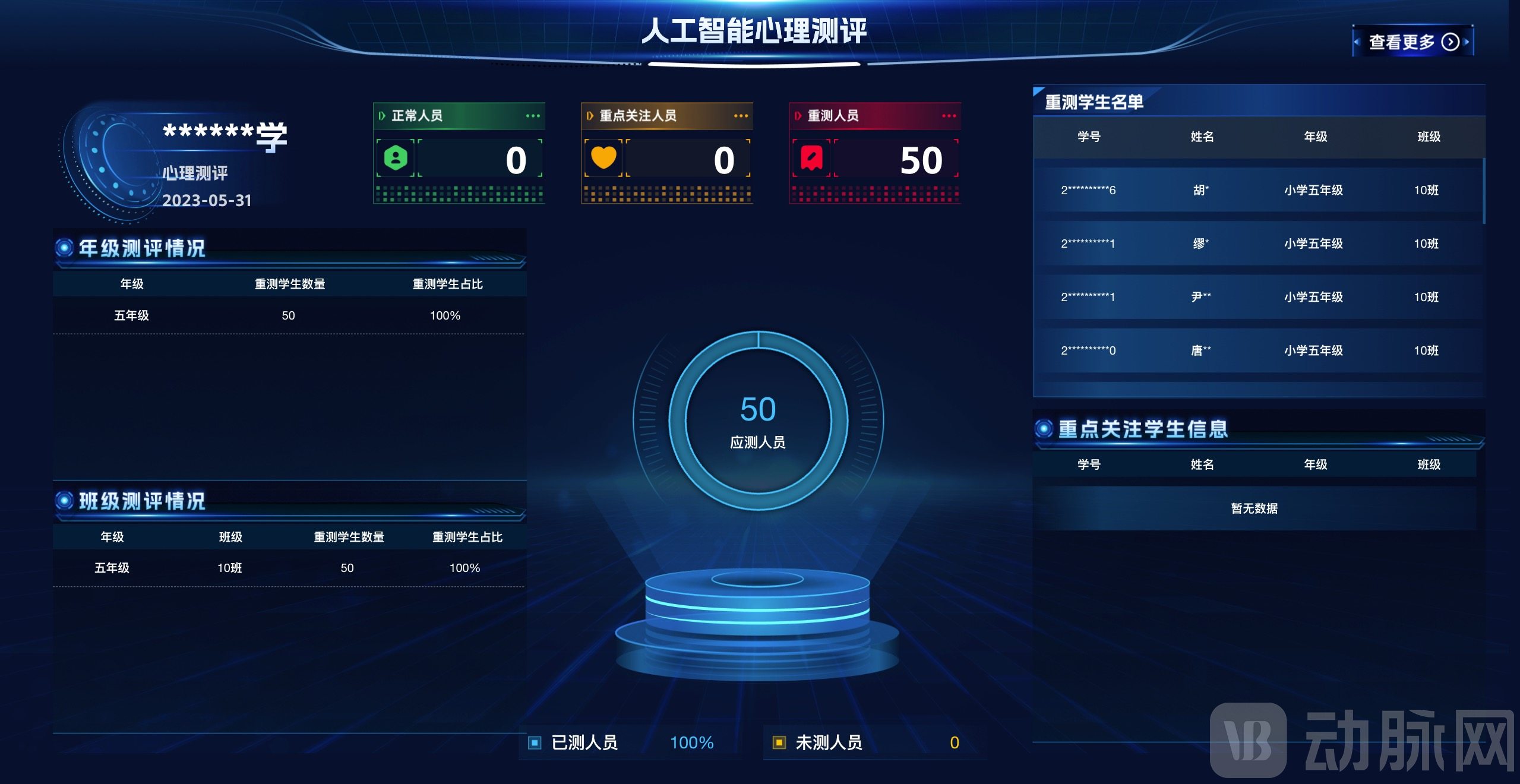
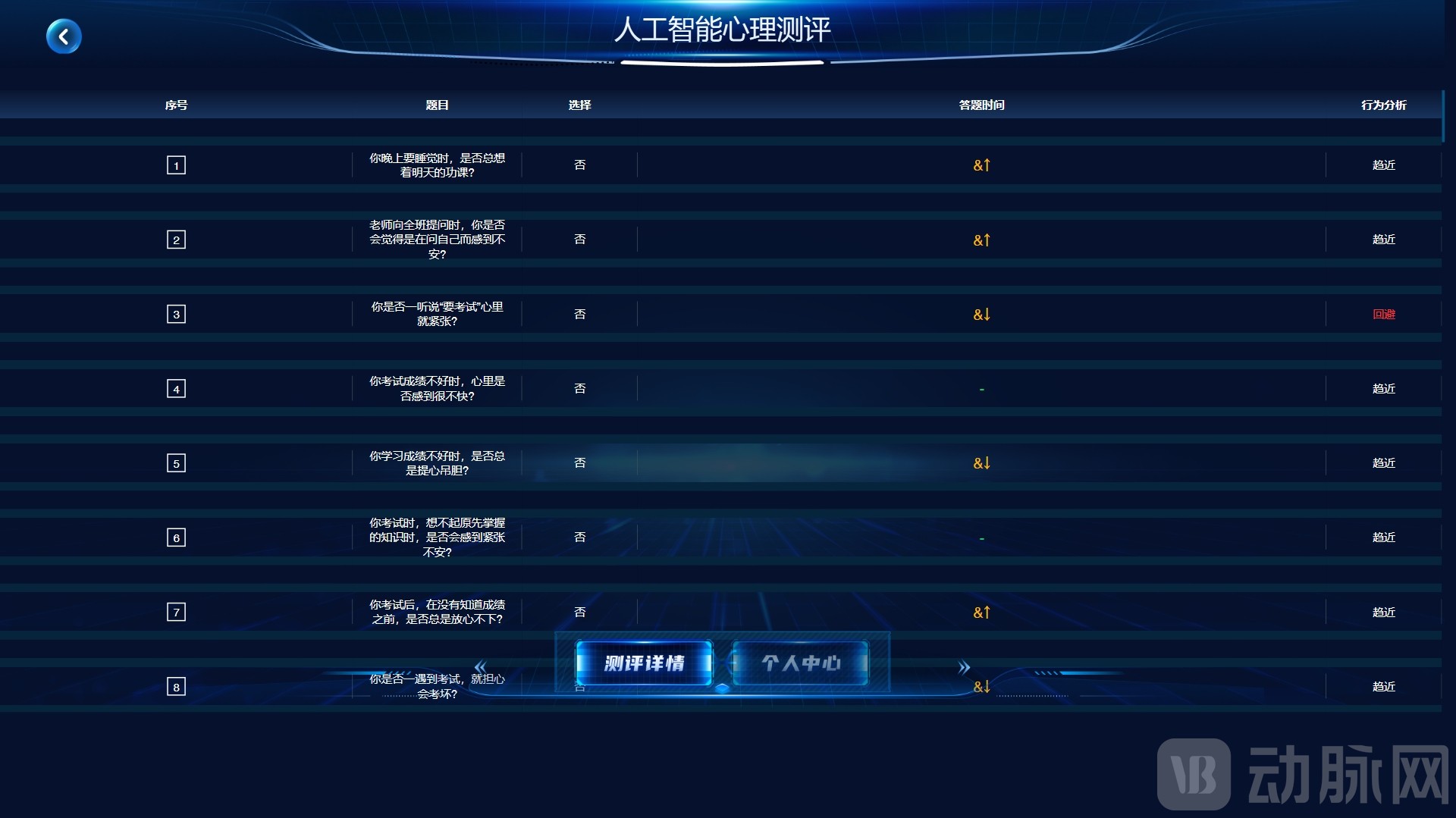
School-Side Digital Mental Health Dashboard
Photo provided by the interviewee
AI-powered home education robots can help establish a positive communication environment between parents and children, provide healthy outlets for students’ emotional release, and offer scientifically grounded, professional guidance for family education. The system is equipped with various assessment scales, including recommendations for the High School Entrance Examination and College Entrance Examination, household assessments, daily adolescent assessments, comprehensive psychological assessments, and career assessments, thereby meeting the routine evaluation needs of parents and students. Upon completion of an assessment, reports are generated instantly for family reference.
All devices developed by Lingben Robot are designed to safeguard the healthy psychological development of adolescents and ensure their mental well-being. By enabling data interoperability across different devices and information sharing across diverse usage scenarios, we have established an open and inclusive system for the prevention and intervention of adolescent psychological crises, thereby comprehensively improving the mental health of young people.
Dr. Wang Jun, founder of Lingben Robot, introduced to VCBeat that,“Currently, Lingben Robot’s services have reached more than 10,000 schools across 23 provinces in China, with over 10 million student users and more than 30,000 daily consultations. The company is also expanding its product coverage, continuously enriching and expanding its database backed by real-world data to provide more accurate and professional mental health services for Chinese adolescents.”
According to Dr. Wang Jun, as a high-tech enterprise specializing in artificial intelligence (AI), Lingben Robot’s core team members possess over 20 years of experience in AI algorithms and mental health research, with R&D personnel accounting for more than 60% of the workforce. The company has undertaken multiple national-level projects, accumulated nearly 100 intellectual property rights, had its core technologies honored with the Shanghai Science and Technology Award, and established an Academician and Expert Workstation in collaboration with Shanghai Jiao Tong University. Its products have successively obtained Double Software Certification, ISO 9001 certification, and passed testing and inspection by Shanghai authorities.

Photo provided by the interviewee
The Report on the Development of National Mental Health in China (2021–2022), released by the Institute of Psychology, Chinese Academy of Sciences, in early 2023, pointed out that 14.8% of adolescents are at varying degrees of risk for depression, a rate higher than that of adults. Among them, 10.8% of adolescents are at mild risk of depression and require effective intervention and timely adjustment to prevent further aggravation and the emergence of more severe symptoms.
Psychotherapy is often referred to as “the longest journey,” sometimes requiring long-term treatment spanning hundreds or even thousands of sessions. Throughout this process, fostering adolescent mental health demands comprehensive understanding and attention from families, schools, and society at large. It also necessitates the adoption of new technologies and innovative approaches to help families, schools, and societal institutions enhance the effectiveness and efficiency of mental health services.
In this regard, Dr. Wang Jun stated at the end of the interview:“Compared with foreign countries, China has fewer mental health professionals but a greater actual demand. Moreover, psychotherapy is a long-term process that requires sustained companionship and counseling, resulting in a significant financial burden for treatment. In this context, mental health monitoring and early-warning platforms based on artificial intelligence, big data, and cloud computing can effectively address and actively alleviate the current challenges in adolescent psychological diagnosis and treatment.”
VCBeat learned in an interview that Lingben Robot is currently raising funds, aiming to leverage cutting-edge technologies such as AI to make multi-dimensional, multi-scenario psychological education, counseling, and training more targeted, thereby promoting the development of China’s adolescent mental health service industry toward higher-level standardization, efficiency, and intelligence.