Nine Organizations Join Forces to Launch the First Stop of CGT Industry Upgrade Park Tour

Yeasen
Tool Enzyme Raw Materials and Diagnostic Product R&D, Manufacturer

Saifu Pharmaceutical
Preclinical CRO Service Provider
“One person can run fast, but a group can go further.”
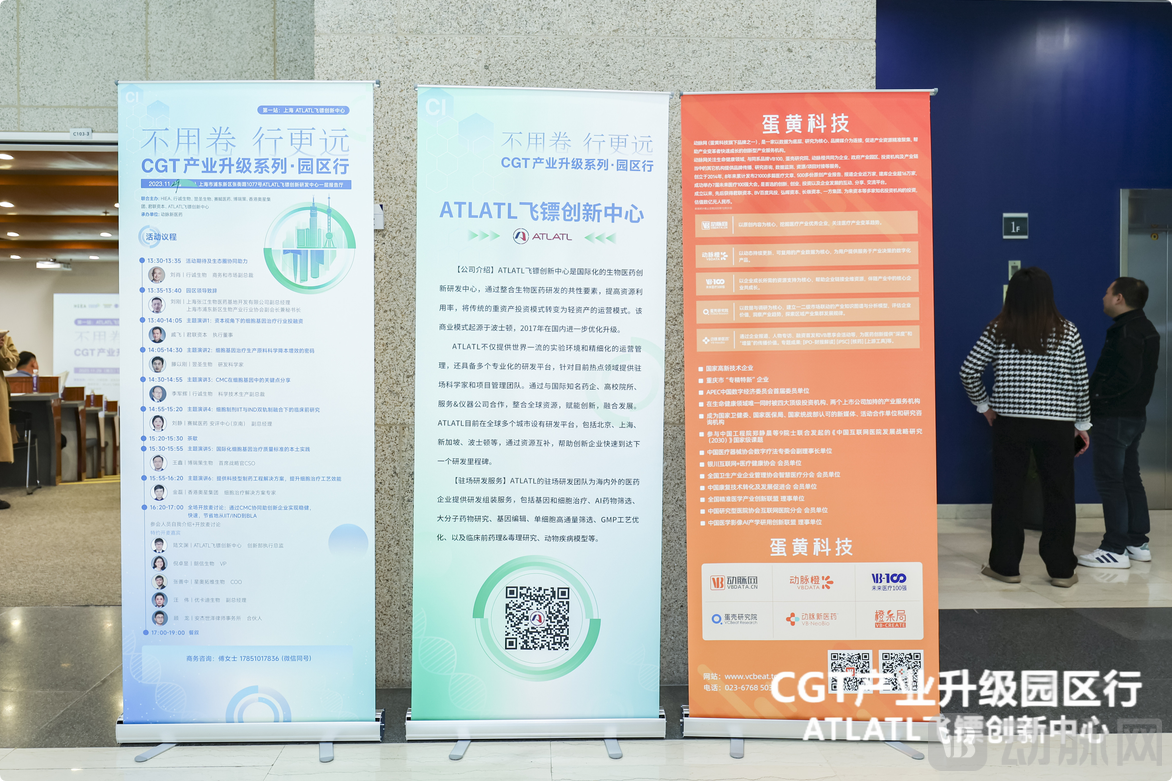
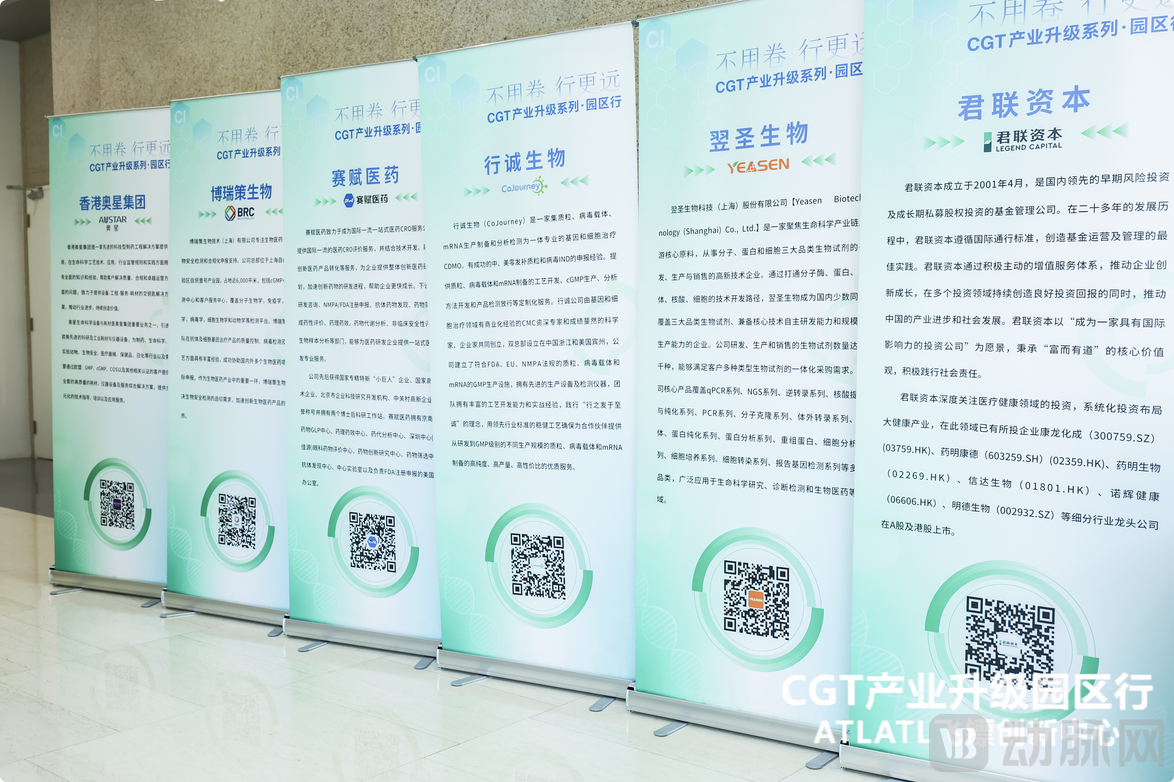
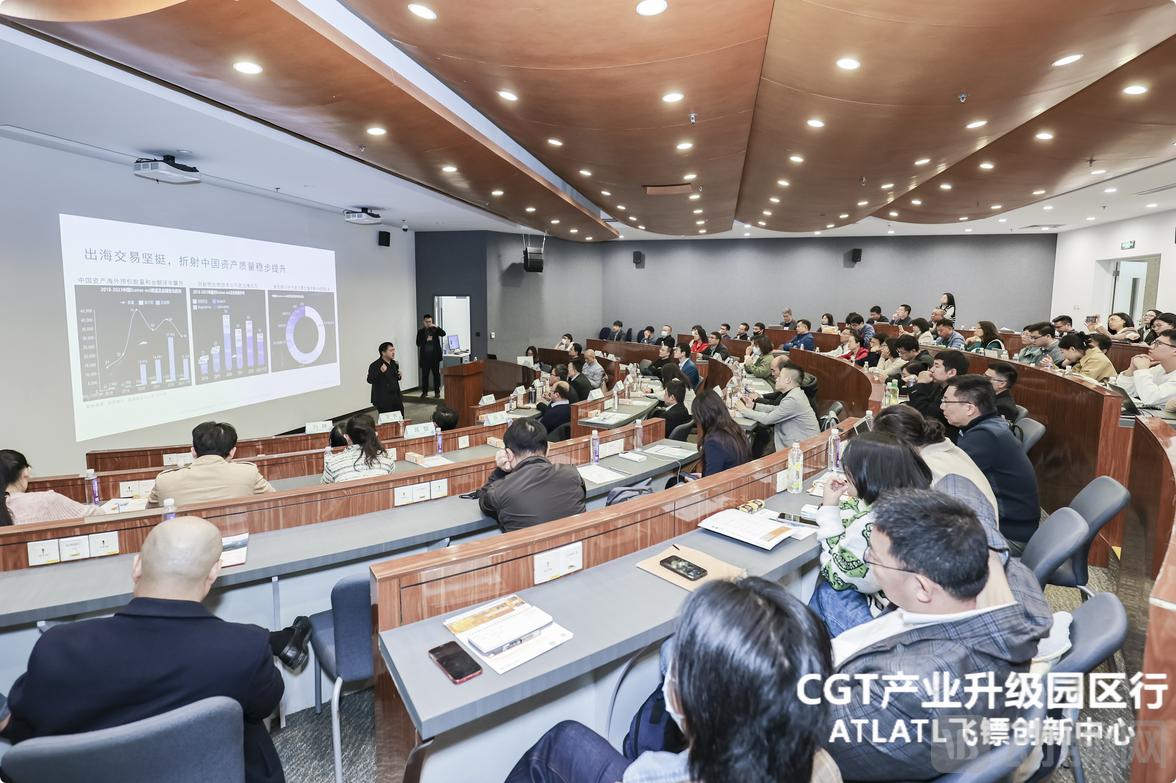
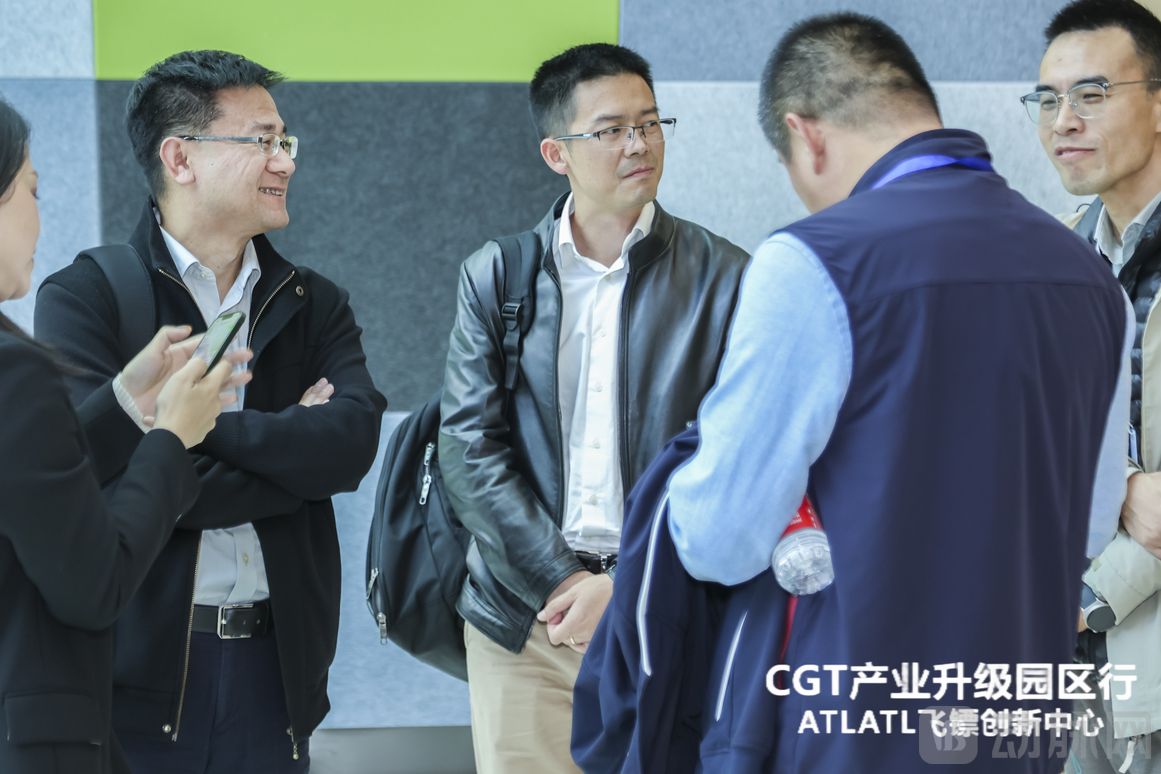
On the afternoon of November 29, byHIEA, Hangzhou Xingcheng Biotechnology, Yeasen, Saifu Pharmaceutical, Boruice, Austar Group, Legend Capital, ATLATL Innovation CenterCo-hosted by,VCBeat New MedicineThe first stop of the “No Need to Compete Fiercely, Go Further” CGT Industry Upgrade Series – Park Tour event was held at ATLATL Dart Innovation Center in Shanghai.
The initiative was jointly launched by service providers across the CGT industry chain, leveraging their respective strengths in equipment, raw materials, consumables, process design, and advanced analytical methods to support CGT innovators in developing high-quality therapeutics and driving industrial upgrading.
Dr. Liu Xiao, Vice President of Business and Marketing at Hangzhou Xingcheng Biotechnology Co., Ltd., and Deputy Director of the MAH Special Committee of the China Pharmaceutical Enterprise Management AssociationServing as the moderator, I invited innovative enterprises in the CGT industry, investors, and clinical experts to engage in discussions from multiple perspectives, including industry investment and financing trends, preclinical research, CMC, and industrialization. Additionally, an open-mic discussion session was arranged to ensure the event was not limited to one-way presentations but remained dynamic and interactive throughout, fostering a lively atmosphere with active participation from all attendees.
▲ Liu Xiao | Vice President of Business and Marketing, Xingcheng Biotechnology
Vice Chairman of the MAH Special Committee, China Pharmaceutical Enterprise Management Association
Mr. Liu Gang, Deputy General Manager of Shanghai Zhangjiang Biopharmaceutical Base Development Co., Ltd., and Vice President and Secretary-General of the Shanghai Pudong New Area Bio-industry AssociationHe delivered the opening remarks for the event. He shared insights into the current state of the biopharmaceutical industry, expressed optimism and support for its future development, provided a brief introduction to the park, and welcomed more enterprises to settle in Zhangjiang Park.
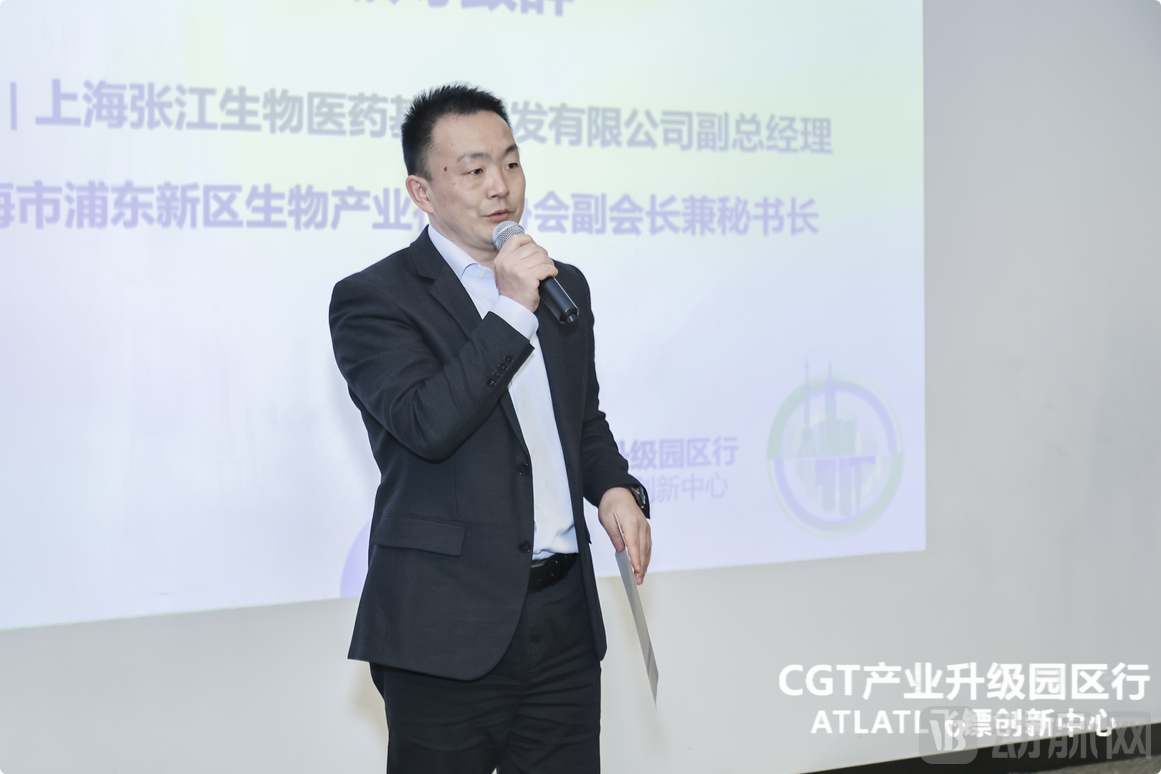
▲ Liu Gang | Deputy General Manager, Shanghai Zhangjiang Bio-Medicine Base Development Co., Ltd.; Vice President and Secretary-General, Shanghai Pudong New Area Bio-Industry Association
Liu Dong, Editor-in-Chief of VCBeatDelivering remarks on behalf of the organizer, Liu Dong, a media professional with over a decade of experience in the biopharmaceutical industry, affirmed the value of this event and expressed his earnest hope that enterprises would leverage this platform to articulate their needs and intentions, ultimately achieving meaningful connections.
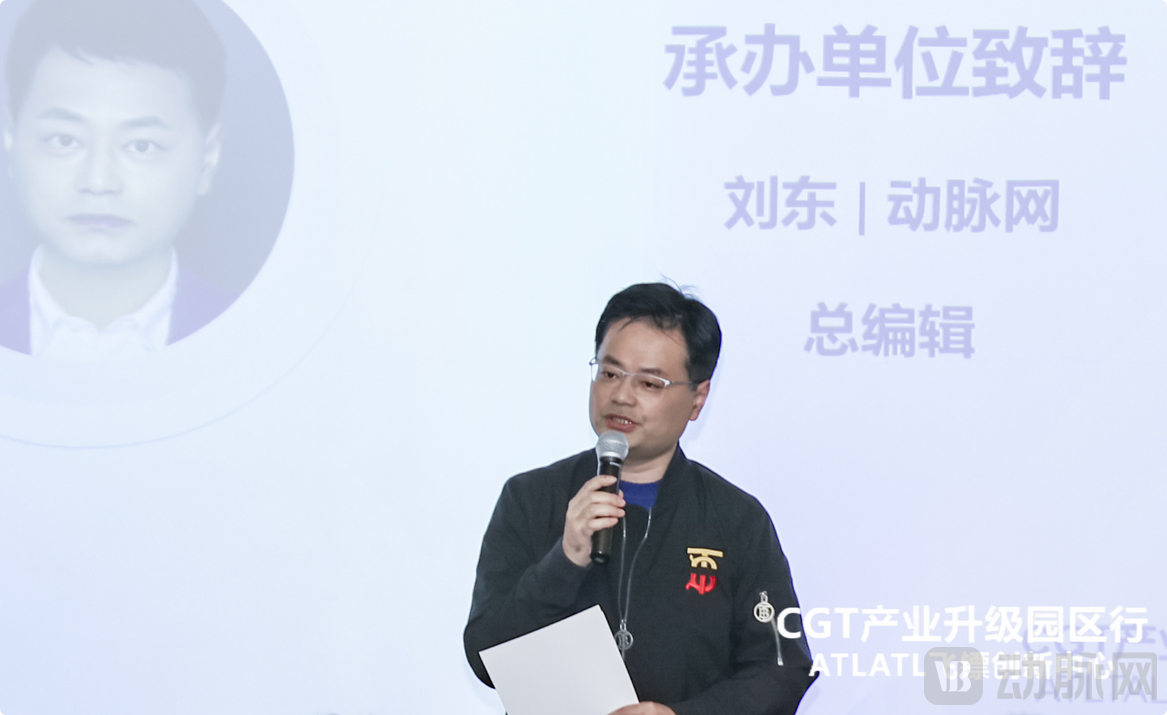
▲ Liu Dong | Editor-in-Chief, VCBeat
Investment and Financing in the Cell and Gene Therapy Industry from a Capital Perspective
Qi Fei, Executive Director, Legend Capital
Cell and Gene Therapy,CMC is the bottleneck; innovation is the key.
Key Takeaways: As capital cools, primary market investment in the broader healthcare sector is undergoing adjustment, while the secondary market has experienced significant drawdowns. However, from an industry perspective, this marks the completion of the first cycle for China’s medical innovation and investment landscape. Chinese innovative pharmaceuticals have firmly integrated into the global pharmaceutical supply chain, with new drug development volumes ranking among the top tier globally. Cross-border licensing deals remain robust, securing a foothold in international markets. Industry bubbles and cyclical fluctuations, along with redundant pipeline and manufacturing capacity, will take time to digest. Fundraising difficulties are unlikely to improve in the short term. Companies must adjust their strategies and mindsets, preparing for a protracted struggle to navigate through this cycle. For innovative technologies such as cell and gene therapy (CGT), Chemistry, Manufacturing, and Controls (CMC) often represent a bottleneck. Over the past five years, CMC infrastructure has been initially established. Innovation presents the greatest opportunity for the future of China’s CGT sector. When initiating new projects today, stakeholders should adopt a global perspective, avoid me-too approaches, focus on true innovation, and carefully consider partner selection. By leveraging China’s advantages in clinical trials and CMC capabilities, companies can pursue innovation at lower costs.
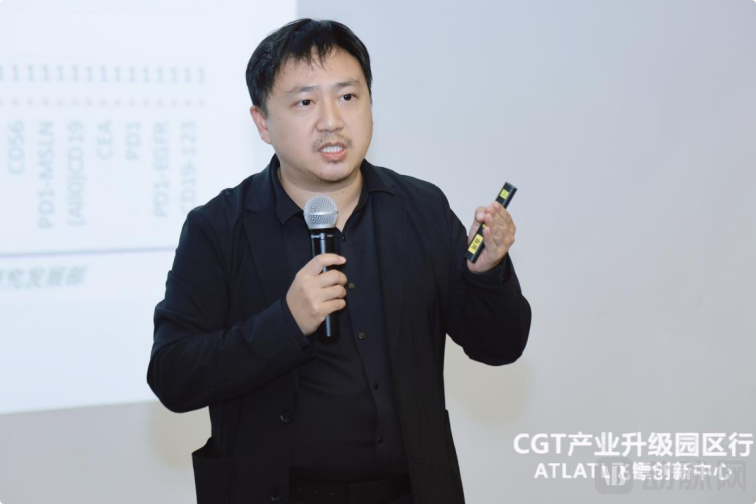
▲ Qi Fei | Executive Director, Legend Capital
The Key to Scientifically Reducing Costs and Increasing Efficiency in Raw Materials for Cell and Gene Therapy Production
Yeasen R&D Scientist Teng Yigang
From a financing perspective, the field of AAV delivery vectors has garnered increased attention.
Key Takeaways: As a promising approach for the potential cure of diseases, gene therapy remains in an exploratory stage, with its accessibility and commercialization models yet to be clearly defined. Due to high technical complexity and production costs, pricing has always been a major challenge for gene therapies, and the ultimate economic accessibility of these drugs significantly impacts their level of commercialization. Yeasen’s upstream product, PEI transfection reagent, is available in both R&D and GMP grades, meeting usage requirements from research and development and process development to large-scale production. It has obtained FDA DMF filing, and its GMP-grade products comply with the ISO 13485 quality management system. Magfute Biotech, a wholly-owned subsidiary of Yeasen, operates six major technology platforms: bidirectional enzyme rational design and directed evolution platform, multi-host high-efficiency expression platform, fermentation process development platform, purification process development platform, ultra-clean production platform, and analytical and quality control platform, capable of meeting the needs of related enterprises.
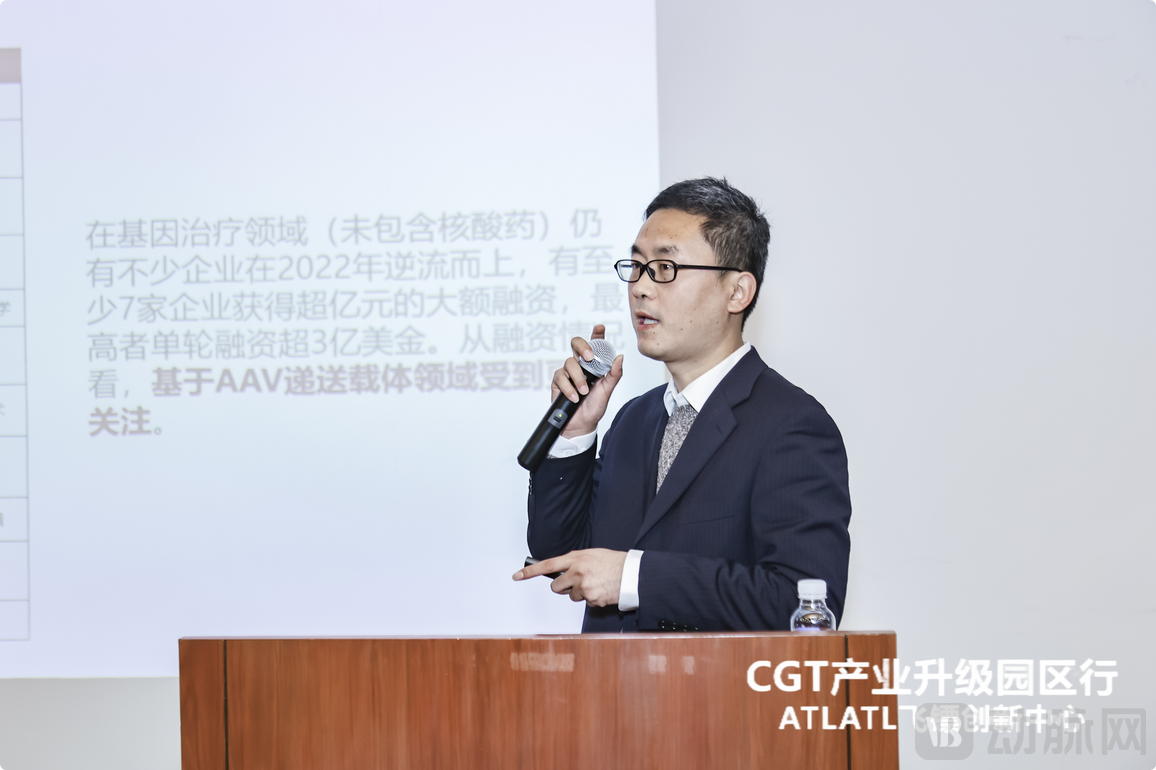
▲Teng Yigang | R&D Scientist, Yeasen
Key CMC Considerations in Gene Therapy Drug Development
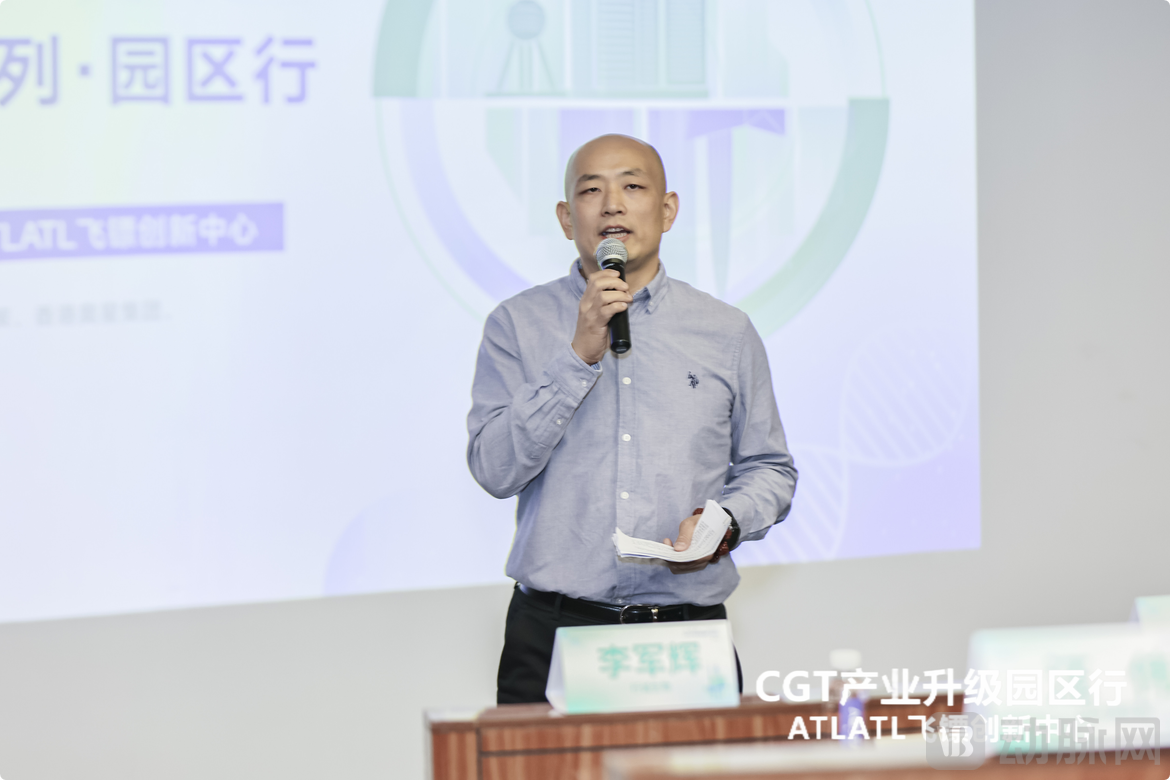
Li Junhui, Vice President of Science and Technology Production at Hangzhou Xingcheng Biotechnology Co., Ltd.
Plasmid preparation, chromatography-free.
Key Takeaways: There are two major systems for AAV manufacturing: the Sf9 suspension system with co-infection of two baculoviruses, and the HEK293 suspension system with triple transfection. Currently, both systems are comparably competitive in commercial-stage production. However, in recent years, as titers in the HEK293 system have continuously increased—approaching 1×10¹² vg/mL—the advantages of the 293 system have become more pronounced. Furthermore, from the perspective of viral GMP manufacturing, the selection of the 293 cell line is critical; a well-characterized and compliant cell line should be chosen during the early development stage. Additionally, implementing an effective subculturing strategy during cell expansion and bioreactor culture may help reduce costs. Hangzhou Xingcheng Biotechnology Co., Ltd. holds significant advantages in viral packaging, currently capable of operating at a 2,000-liter scale, with over ten GMP batches already completed for AAV products at the 500-liter scale. Plasmids, which serve as key starting materials for recombinant virus packaging, present numerous challenges in upstream process development beyond common metrics such as high yield and high supercoiled purity. Ensuring the integrity of critical sequence structures is particularly challenging. Through the development of upstream plasmid processes and the platform’s proprietary high-throughput detection and screening methods, the stability of critical DNA sequence structures in bacterial strains and during fermentation can be guaranteed.
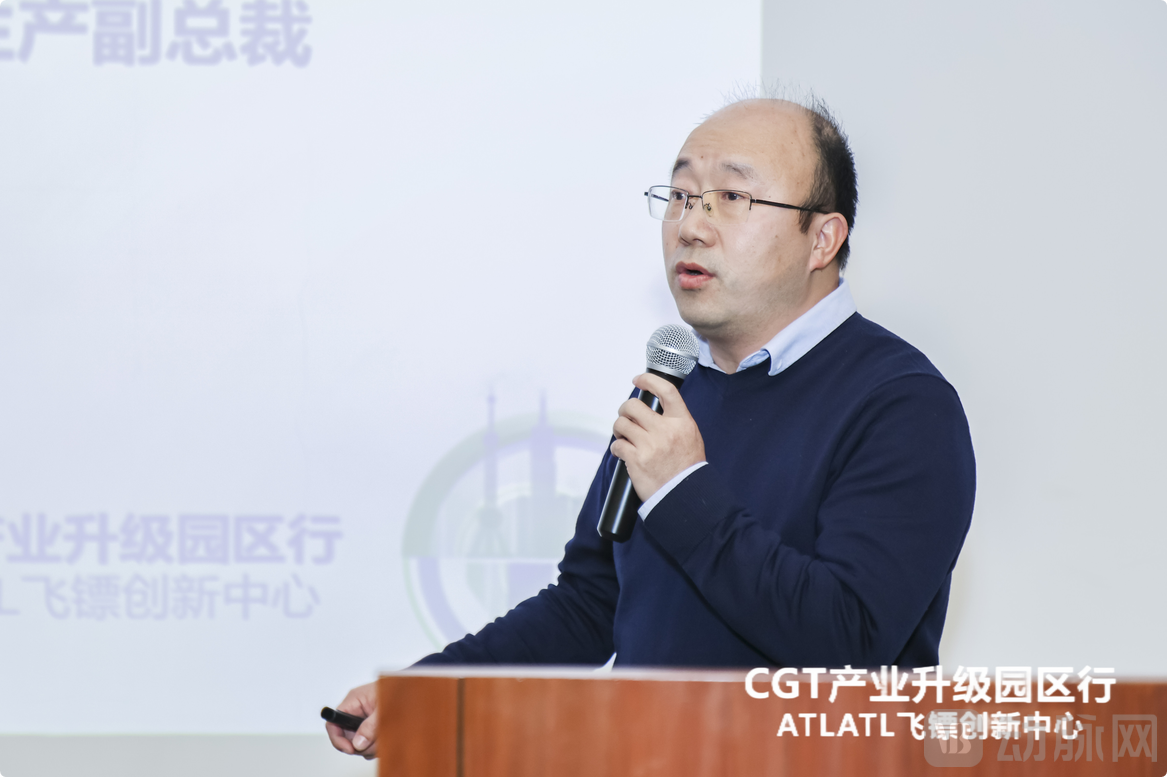
▲ Li Junhui | Vice President of Science, Technology and Production, Xingcheng Biotechnology
Preclinical Research under the Dual-Track Integration of IIT and IND for Cell-Based Products
Abnormal immune responses to CGT products, with a focus on immunogenicity and immunotoxicity.
Key Points: This presentation provides a detailed introduction to the concept of Investigator-Initiated Trials (IITs), reviews the current research and regulatory landscapes in various countries, and outlines the distinctions between IITs and Investigational New Drug (IND) applications. The design of preclinical studies for cell-based products generally requires case-by-case customization based on clinical evaluation experience and specific cell characteristics; universal principles are discussed from the perspectives of both stem cells and immune cells. Three preclinical study cases of cell-based products conducted in collaboration with Saifu Pharmaceutical are presented, covering design protocols for unmodified autologous immune cell products, CAR-T cells (IND), and dendritic cells (DC). Saifu Pharmaceutical offers new drug screening, independent non-clinical efficacy and pharmacokinetic evaluations, regulatory consulting, and one-stop clinical services for innovative pharmaceutical companies. Additionally, the company has obtained full Good Laboratory Practice (GLP) certification from the National Medical Products Administration (NMPA).
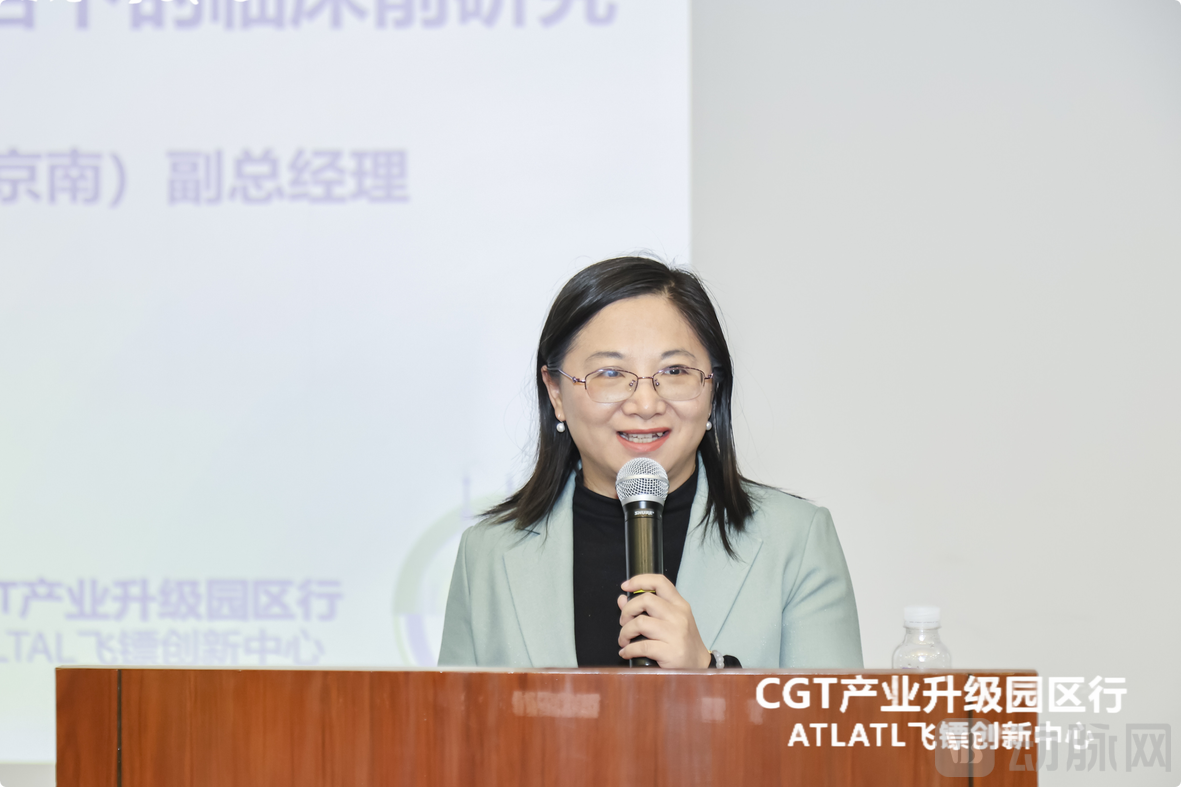
▲ Liu Jing | Deputy General Manager, Safety Assessment Center (Jingnan), Saifu Pharmaceutical
Local Practices in Implementing International Quality Standards for Cell and Gene Therapies
Audit first, then pay.
Key Highlights: This session provides an analysis and outlook on the market size and pipeline landscape of the cell and gene therapy (CGT) industry in the Asia-Pacific region. It predicts that as drug modalities continue to evolve, the demand for testing services within the pharmaceutical market will grow significantly, with testing costs estimated to account for approximately 20% of the base costs in the overall CGT market. The importance of biosafety testing in biopharmaceutical manufacturing is illustrated through examples, accompanied by a detailed elaboration on biosafety control strategies and quality requirements. Borui Ce Bio adheres to the highest global quality standards and is committed to providing comprehensive quality control solutions for biologics, including antibody drugs, cell and gene therapies, nucleic acid-based drugs, and vaccines. Regarding the services and value Borui Ce Bio offers for biologics testing, clients are welcome to “audit first, pay later.”
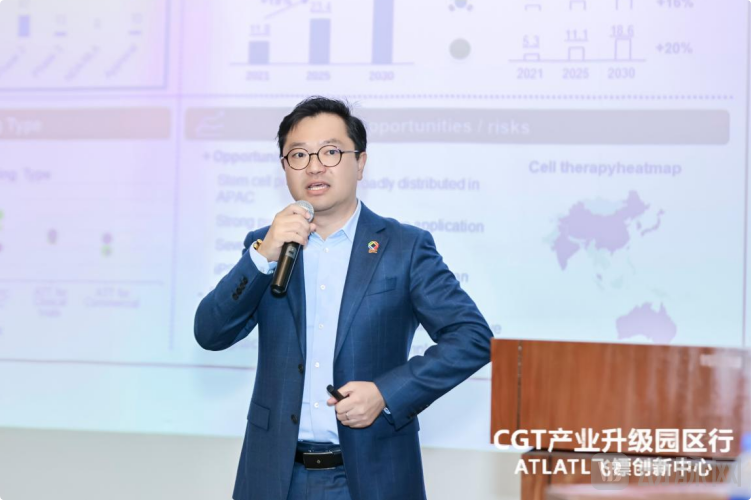
▲ Wang Xin | Chief Strategy Officer (CSO), Borui Ce Biotechnology
Providing technology-driven pharmaceutical engineering solutions,
Enhancing the Efficiency of Cell Therapy Manufacturing Processes
Advancing ‘c’ GMP with the Cell Therapy Industry, Evolving with the Times。
Key Takeaways: Four Major Challenges in the Commercial Manufacturing Phase of Cell TherapyFirst, regulatory convergence between China and international markets imposes higher, stricter, and more globally aligned standards for product development on researchers and manufacturers. Second, significant efforts are still required to transition from open and manual operations to the automated and closed processing necessary for commercial production. Third, there is a need to shift from adherent cell culture to suspension cell culture to maximize scalability. Finally, there is a shortage of professionals and expertise in contamination control; it is crucial to establish robust contamination control strategies to address contamination and cross-contamination issues during manufacturing.Throughout the cell preparation process, the risks of microbial contamination and product cross-contamination in laboratory environments persist, necessitating stringent controls. Closed systems can effectively enhance sterility assurance levels and reduce contamination risks. The adoption of isolators is an essential pathway for improving process and quality control. It is imperative to establish a comprehensive quality system and strengthen the supervision and management of contract manufacturing by Marketing Authorization Holders (MAHs). By leveraging digitalization and informatization to improve the efficiency of cell therapy manufacturing processes, the industry can achieve commercial GMP production capabilities that meet both current and future demands.
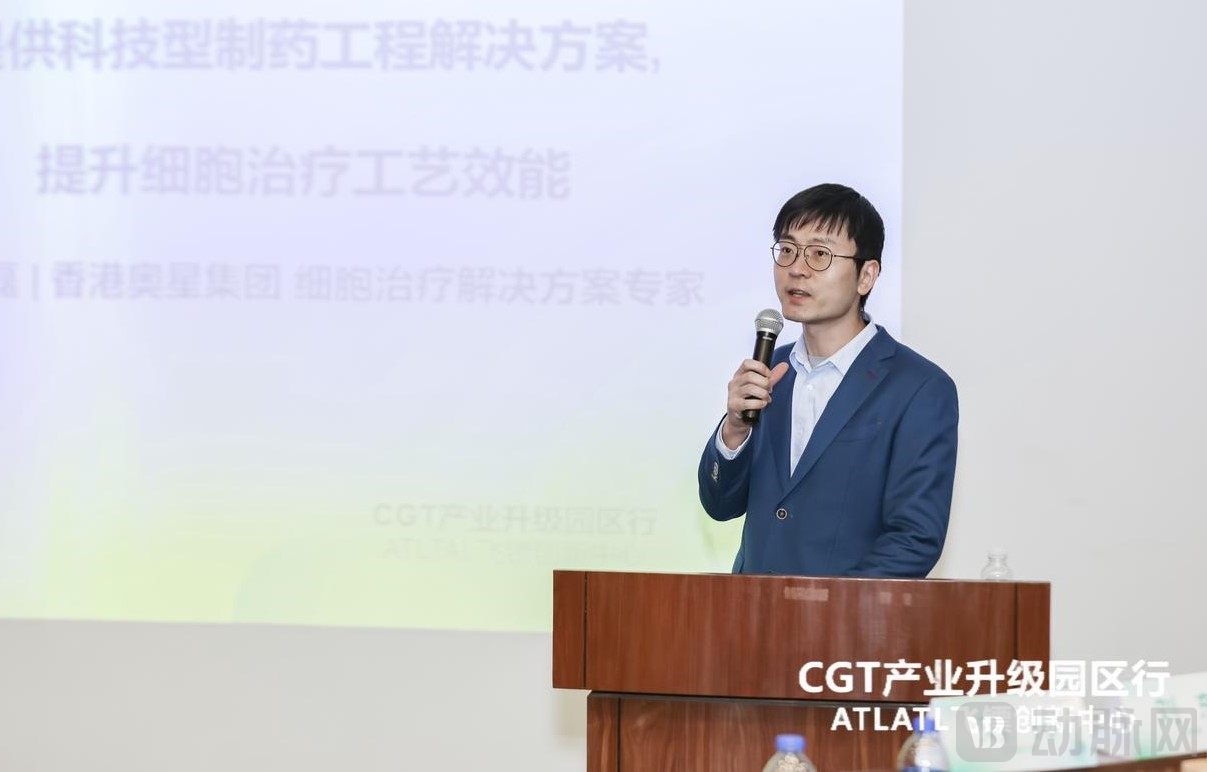
▲ Jin Lei | Cell Therapy Solutions Expert, Austar Group (Hong Kong)
[Panel] Empowering Innovative Enterprises to Achieve Robust Growth Through CMC Collaboration,
Fast and Cost-Effective Path from IIT/IND to BLA
During the final open-mic discussion session,Lu Wenyuan, Executive Director of the Innovation Department at the ATLATL Dart Innovation Center; Ni Zhuoyu, Vice President of R&D at Longxin Biologics; Wang Wei, Vice President at U-CAR-T Bio; Gu Long, Partner at AnJie Broad Law Firm; and the moderatorDr. Liu Xiao, Vice President of Business and Marketing at Hangzhou Xingcheng Biotechnology Co., Ltd., and Deputy Director of the MAH Special Committee of the China Pharmaceutical Enterprise Management AssociationSharing on the topic of “Leveraging CMC Synergy to Help Innovative Enterprises Achieve a Robust, Rapid, and Cost-Effective Transition from IIT/IND to BLA”
"Regarding 'the past, present, and future, which is more important: stability, speed, or cost-efficiency?'"Darts Mr. Lu WenyuanIt is believed that, given limited options—particularly for early-stage projects seen in incubators—the tendency is to strive for optimal robustness on an accelerated timeline, as the entire biopharmaceutical industry remains in a race against time.Mr. Ni Zhuoyu, General Manager of LangxinHe stated that both stability and speed are crucial. Of course, the focus may vary at different stages; during the early R&D phase when striving for an Investigational New Drug (IND) application, it may be necessary to “quickly” attract attention from the financing market. However, in the long run, whether transitioning solidly from IND to clinical trials or moving into the subsequent commercialization phase, it is more important to carry out innovation work in a steady and robust manner.
In addition, as the moderatorMr. Liu Xiao, Hangzhou Xingcheng Biotechnology Co., Ltd.During this session, he also actively elaborated that when considering the proportion of process change costs during the commercialization phase, he believes the cost of CAR-T products has already dropped below one million yuan. There is a significant opportunity for future costs to fall within 500,000 yuan, and potentially even below 300,000 yuan. Recalling the anxiety previously created by foreign supply chains with statements such as “Do not use domestic alternatives; quality will decline after substitution and fail to meet GMP standards,” he stated that technology knows no borders, nor does CMC. We need to give domestic suppliers more time and support, which is the cornerstone for the healthy development of the cell and gene therapy industry.
Mr. Wang Wei, YoukadiRegarding collaboration with CDMOs, he stated that a high-quality supplier can help avoid many potential pitfalls and leverage advantages in capital utilization and accumulated drug development expertise, thereby accelerating patient access to new products. This approach holds significant reference value for both parties. Meanwhile,AnJie Broad & ZeLong Law Firm, Attorney Gu LongA Brief Legal Perspective on Industry Trends: In the CGT sector, business development (BD) collaborations represent an effective growth model. For instance, when a core gene sequence or genome requires innovative matching vectors and systems, companies can engage in joint R&D with CDMOs and CROs to share costs and risks. By leveraging their respective strengths across different technology platforms, such partnerships facilitate the upgrading and development of the CGT industry.
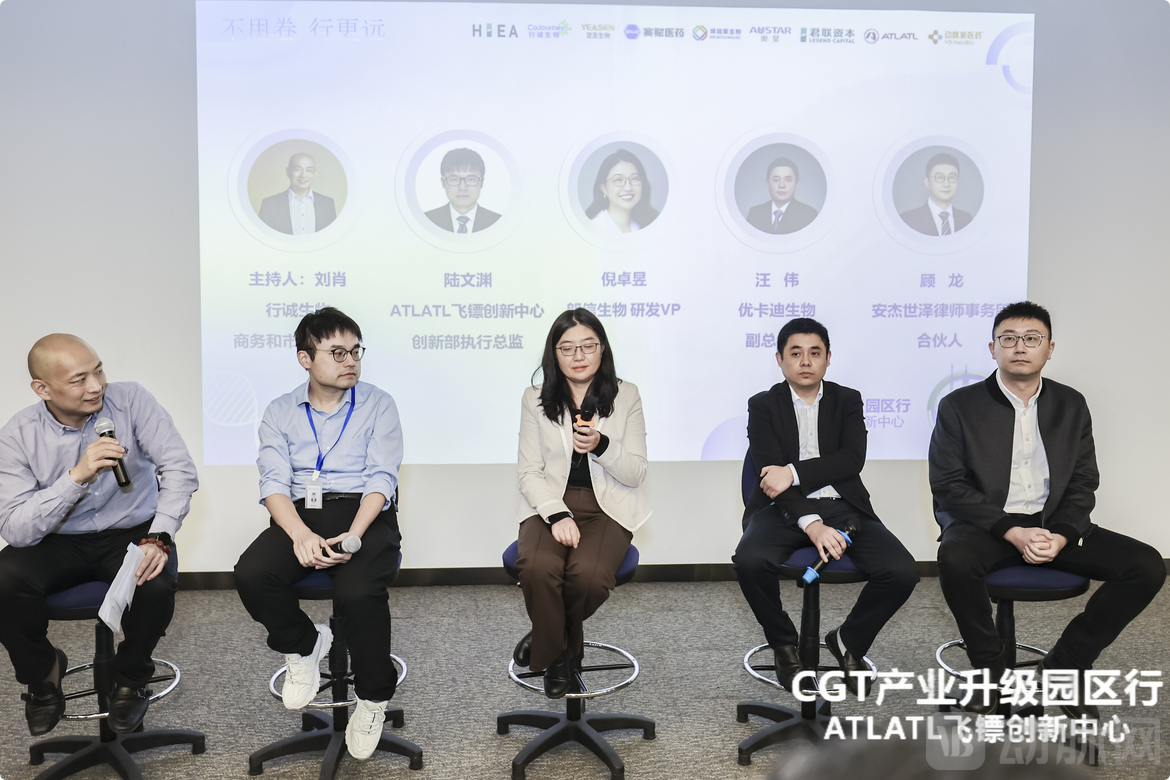
▲ Panel Session (from right to left: Liu Xiao, Lu Wenyuan, Ni Zhuoyu, Wang Wei, Gu Long)
With this, the first stop of the “【No Need to Rat Race, Go Further】 CGT Industry Upgrade Series · Industrial Park Tour” has come to a successful conclusion! As the inaugural event, it facilitated greater connectivity, resource sharing, and in-depth collaboration among enterprises. VCBeat New Medicine will continue to join forces with industry chain partners to host a series of events. Please stay tuned, and we look forward to seeing you again at future events as we work together to go further!
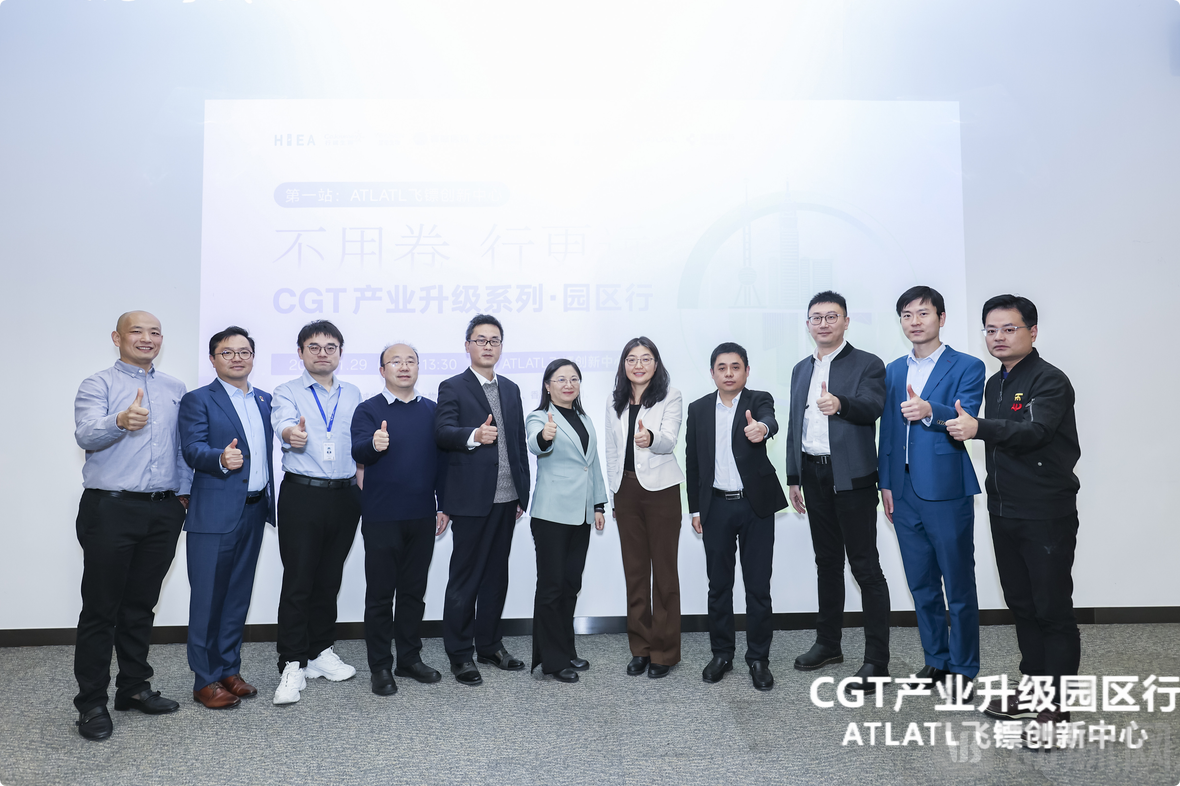
▲Group Photo of Guests
# More Exciting Moments