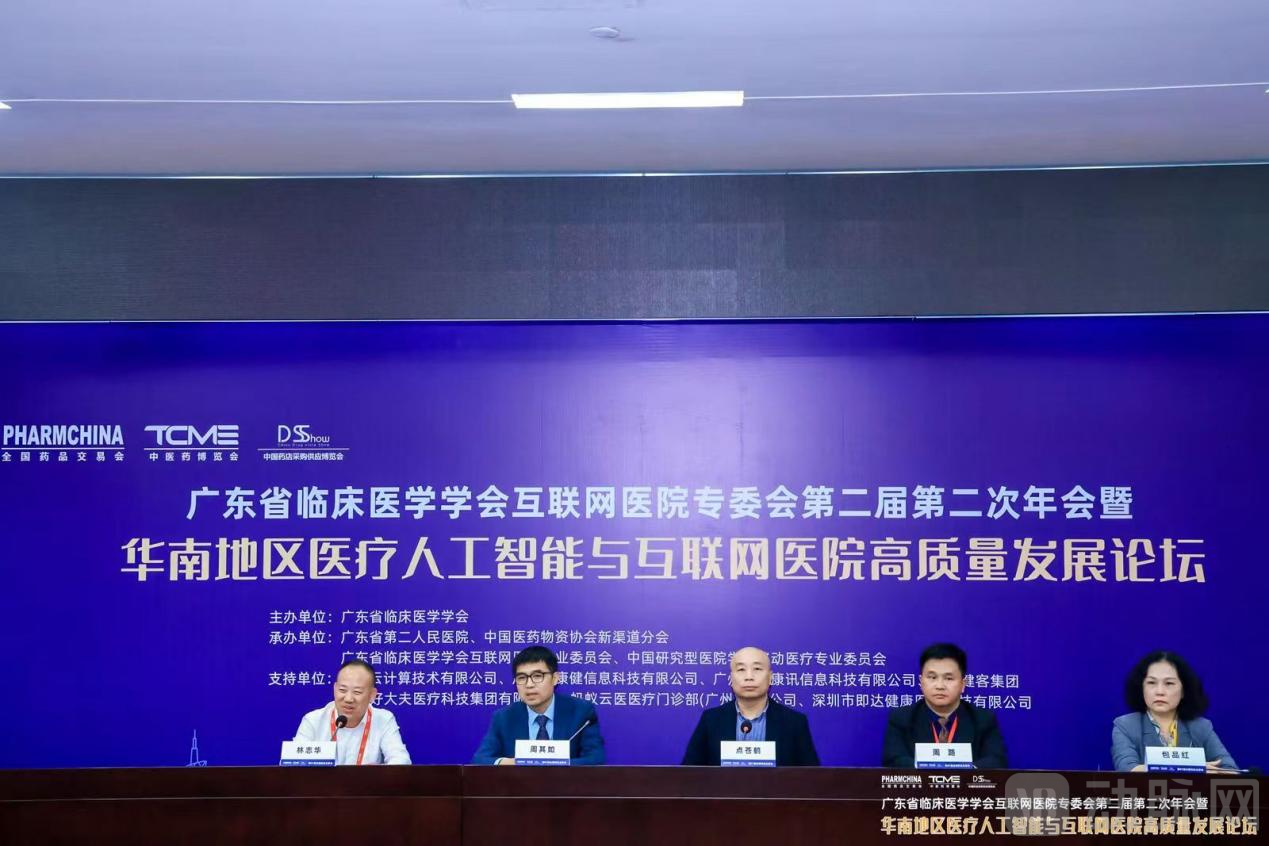
High-Quality Development Forum on Medical AI and Internet Hospitals in South China Concludes Successfully, Focusing on Innovation Integration of AI and Internet Healthcare Platforms
On December 6, the Second Annual Meeting of the Second Session of the Internet Hospital Professional Committee of the Guangdong Clinical Medical Association, together with the Forum on High-Quality Development of Medical Artificial Intelligence and Internet Hospitals in South China, was held at the Pazhou Exhibition Center. The event was hosted by the Guangdong Clinical Medical Association, co-organized by the Guangdong Second Provincial General Hospital, the New Channel Branch of the China Pharmaceutical Material Association, the Internet Hospital Professional Committee of the Guangdong Clinical Medical Association, and the Mobile Healthcare Professional Committee of the Chinese Research Hospital Association, with support from Guangzhou Yuankangjian Information Technology Co., Ltd. and Huawei Cloud Computing Technologies Co., Ltd. This forum served as a sub-forum of the 87th National Pharmaceutical Trade Fair.
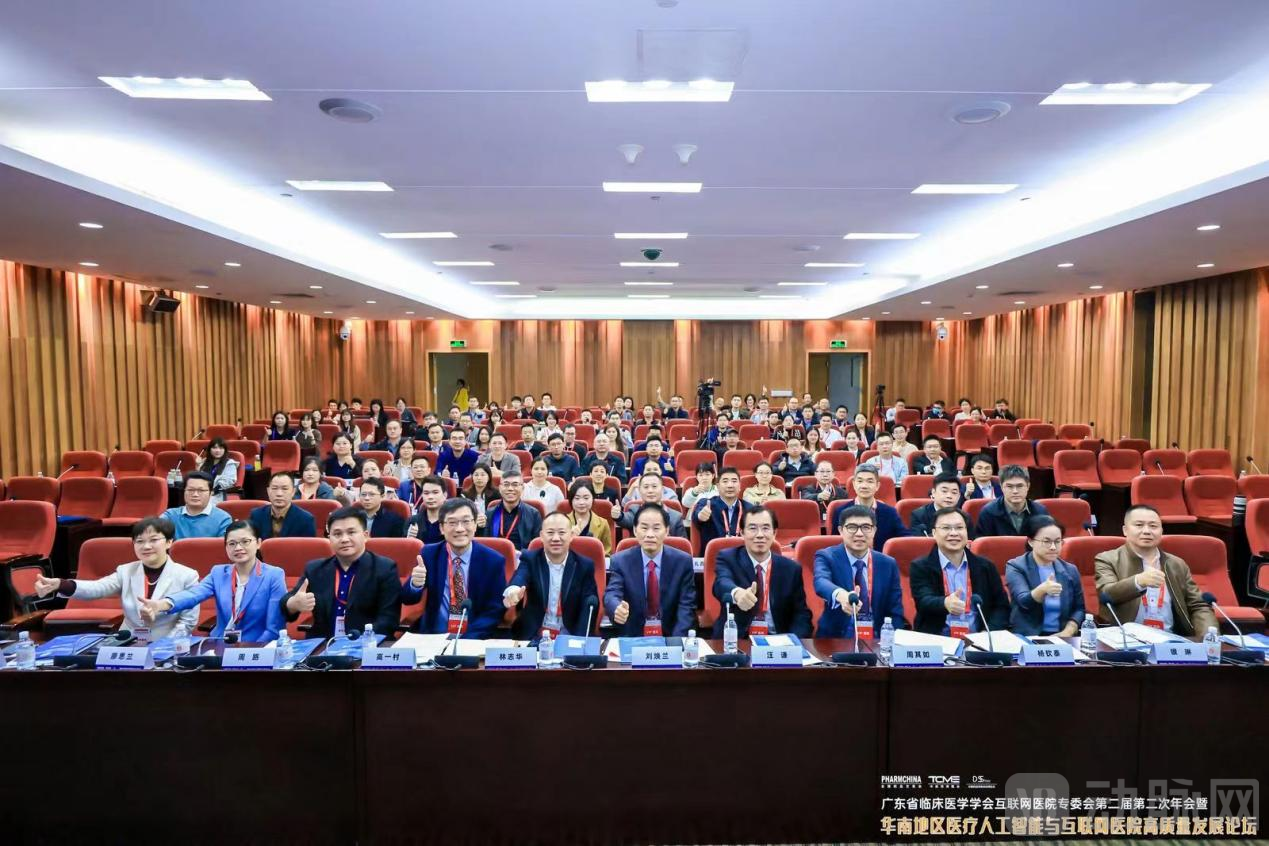
Themed “High-Quality Development of Medical AI and Internet Hospitals,” the conference featured two parallel sub-forums on medical artificial intelligence and the high-quality development of internet hospitals. It focused on discussions of key topics, including the application of AI in clinical diagnosis and treatment, the integrated innovation of internet healthcare platforms with AI, and the use of preventive health management and AI-enabled devices in clinical practice.
Academician Liu Huanlan of the United Nations International Academy of Ecology and Life Sciences; Wang Qian, President of the Guangdong Clinical Medicine Association; Zhou Qiru, Chairman of the Internet Hospital Professional Committee under the Guangdong Clinical Medicine Association; Lin Zhihua, Deputy Secretary-General of the China Medical Pharmaceutical Materials Association and President of its New Channel Branch; Wan Yaohua, Vice Chairman of the Guangdong Clinical Medicine Association and Chairman of Guangzhou Yuankangjian Information Technology Co., Ltd.; as well as heads of internet hospitals in South China and experts and corporate representatives from the fields of hospital management, information technology, big data, and artificial intelligence attended the conference.
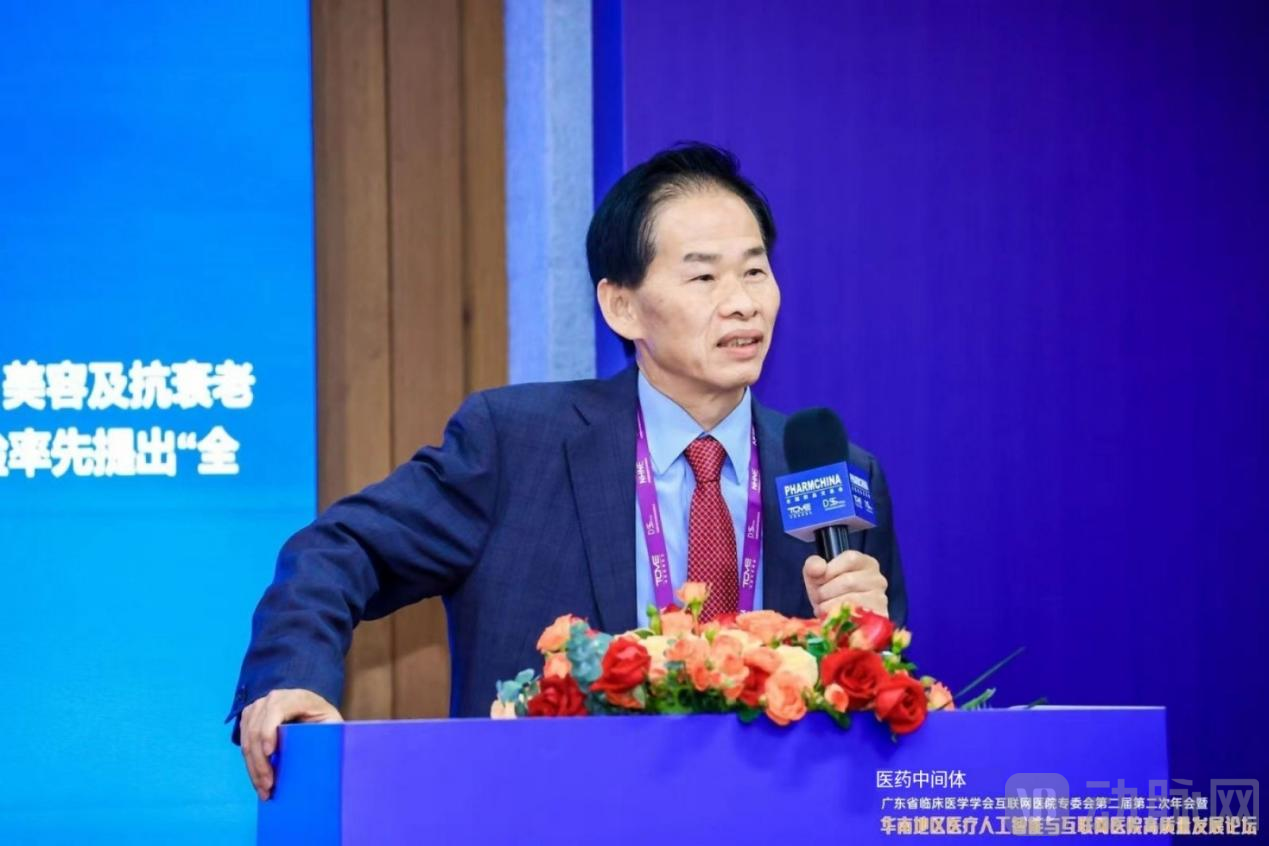
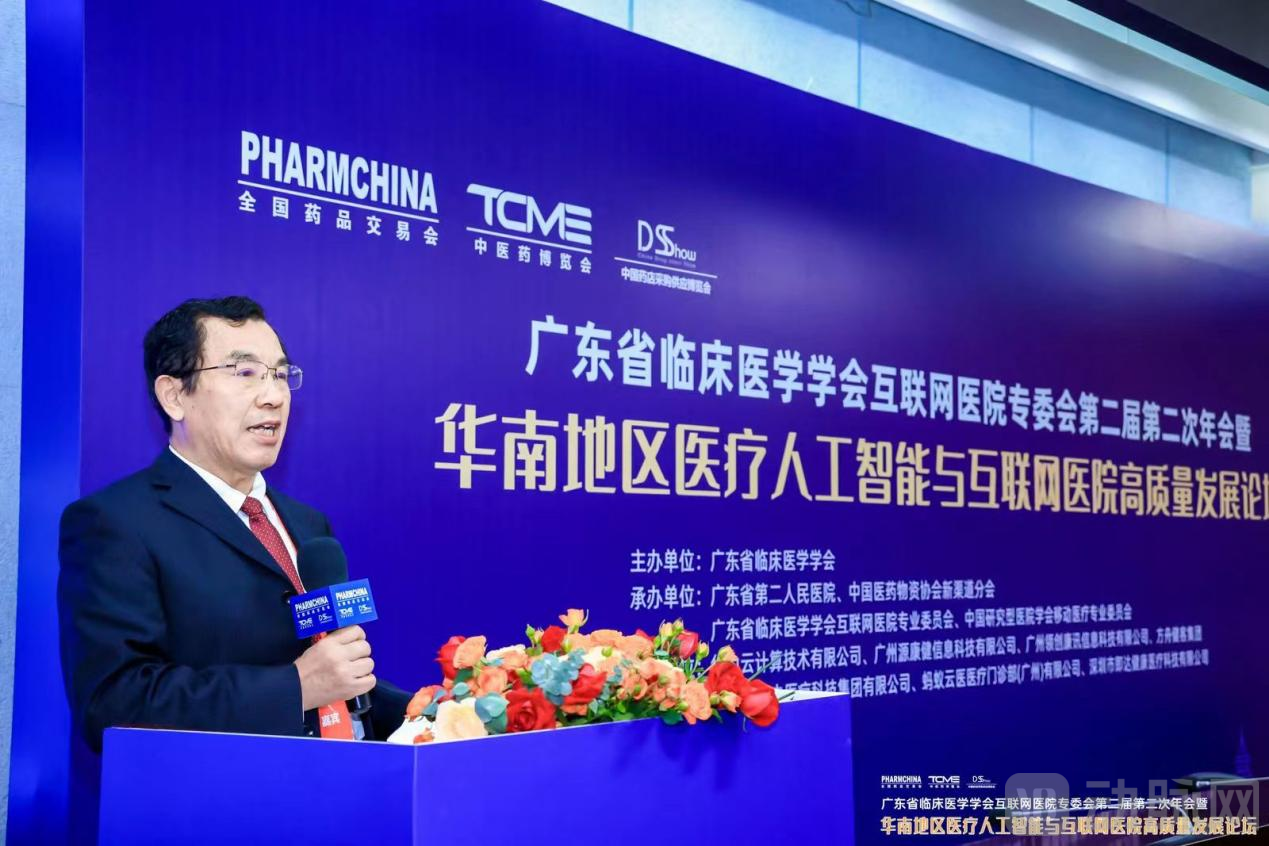
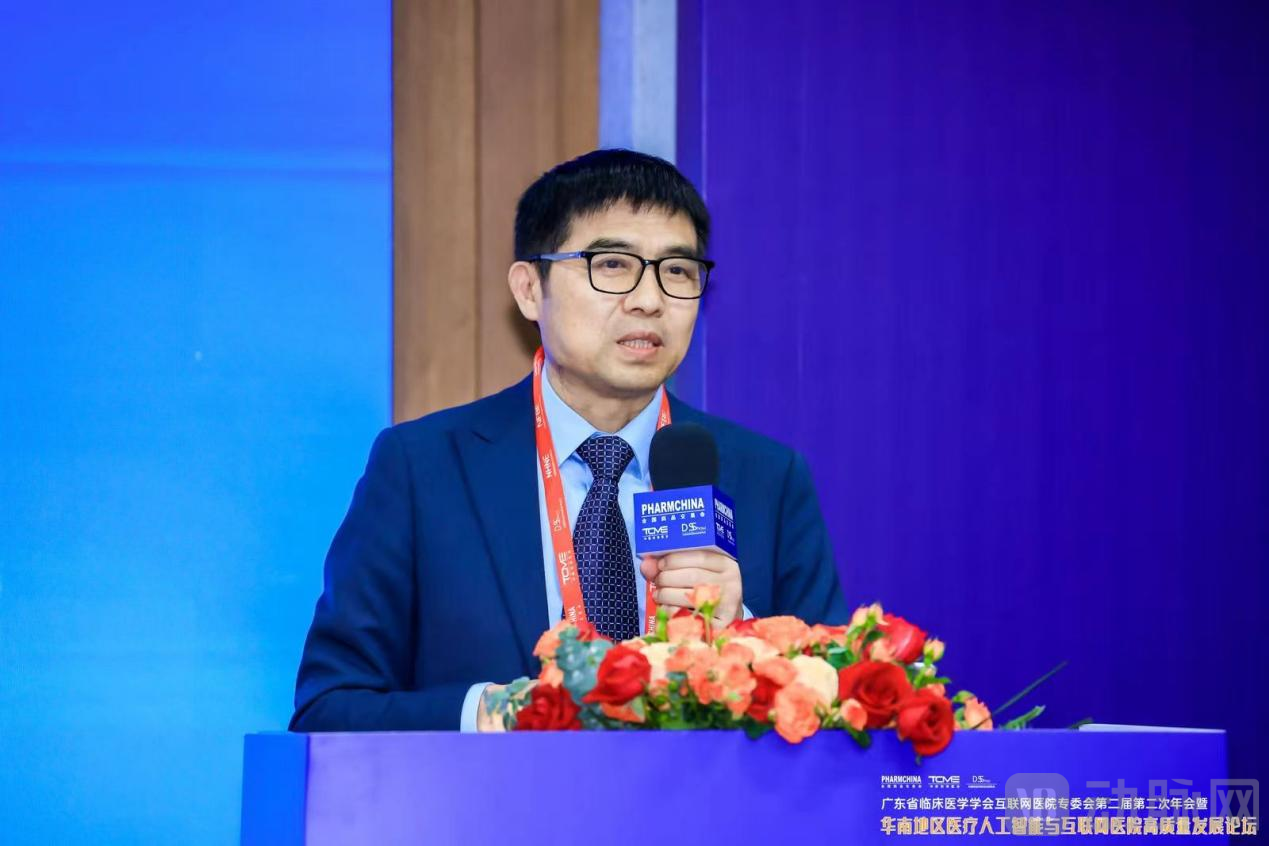
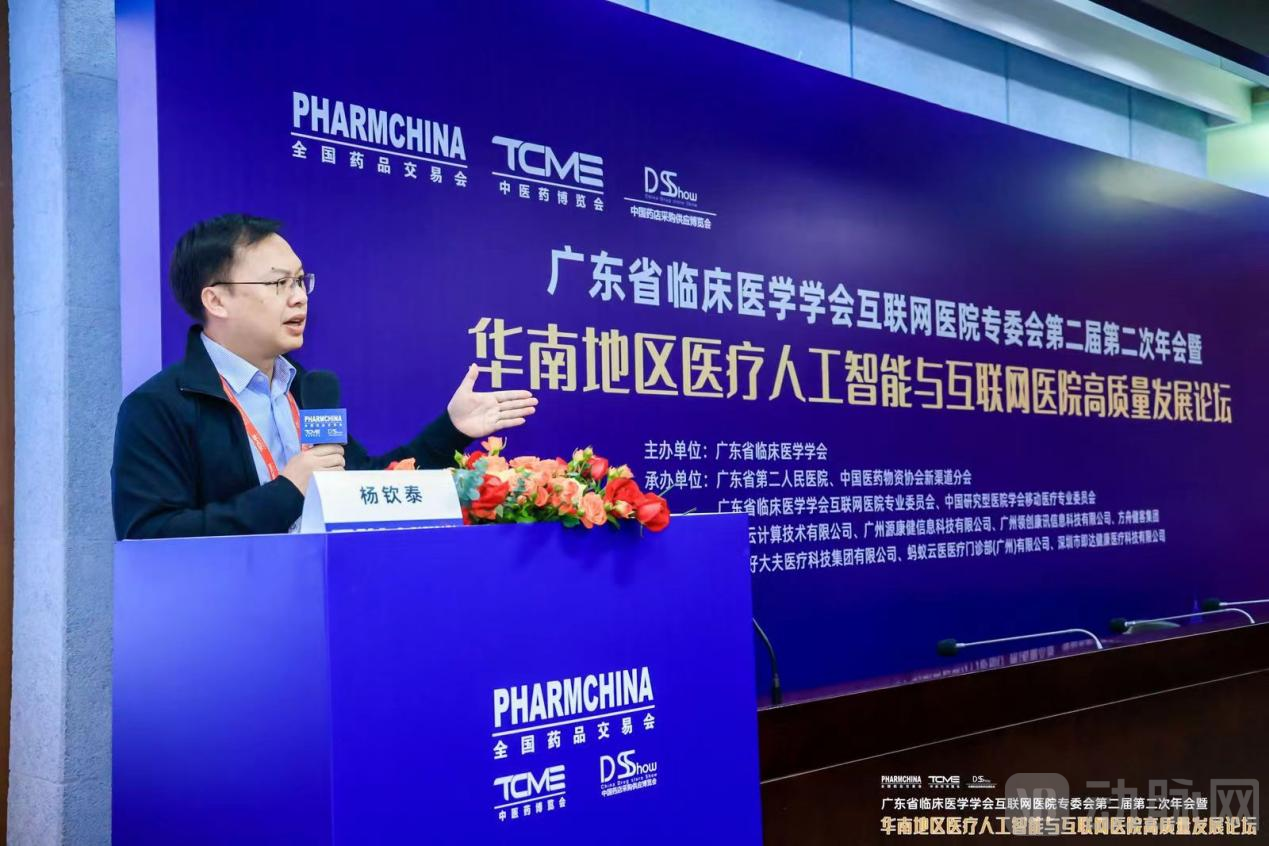
Yang Qintai, Vice President of the Third Affiliated Hospital of Sun Yat-sen University, shared an AI-powered pathological diagnosis system for chronic rhinosinusitis. This artificial intelligence system can fully automatically diagnose chronic rhinosinusitis in patients within one minute, facilitating precise subtyping of the condition, guiding individualized clinical diagnosis and treatment, reducing recurrence rates among patients, and saving socioeconomic costs. Built upon the foundation of internet hospitals, the application of this intelligent system can significantly improve patient experience, enable remote support from physicians to grassroots-level healthcare providers, enhance diagnostic and therapeutic efficiency, and promote high-quality development of regional medical services.
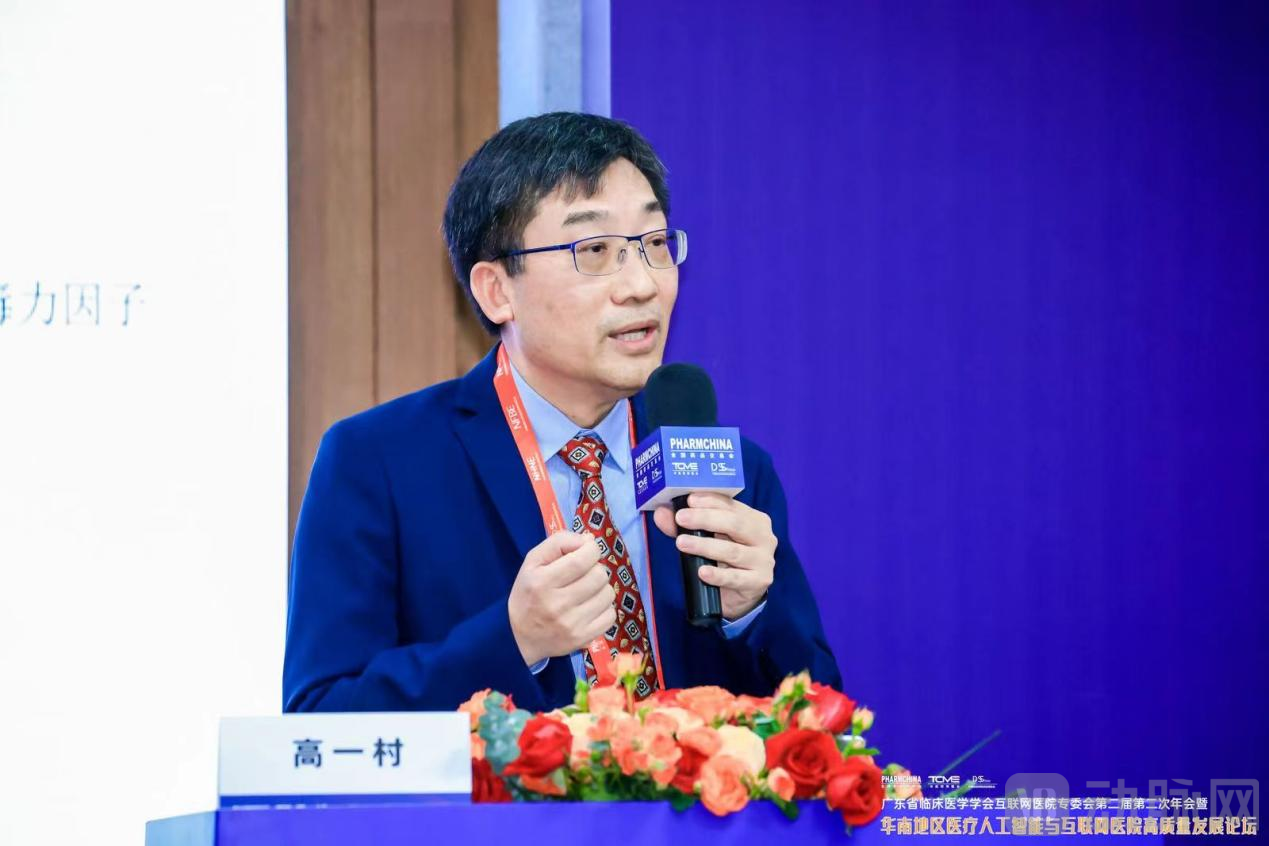
Dr. Gao Yicun from the Department of Microbiology, Li Ka Shing Faculty of Medicine, The University of Hong Kong, shared insights on addressing the global challenge of antibiotic resistance through high-throughput technologies, big data, and innovative thinking. Big data facilitates the identification of virulence expression inhibitors by enabling efficient compound screening via high-throughput methods. High-throughput technologies are increasingly widely applied in basic research and drug development. Furthermore, leveraging artificial intelligence can significantly reduce the number of compounds requiring experimental screening, thereby substantially improving screening efficiency.
Liang Huiying, Director of the Information Management Department at Guangdong Provincial People’s Hospital and Director of the Medical Big Data Center at Guangdong Academy of Medical Sciences, shared insights on multimodal medical data analysis. With extensive expertise in leveraging multimodal medical data to support clinical practice, Mr. Liang pointed out that the intelligent application of multimodal medical big data can enable precise diagnosis, assessment, and prediction of clinical issues and treatment outcomes.
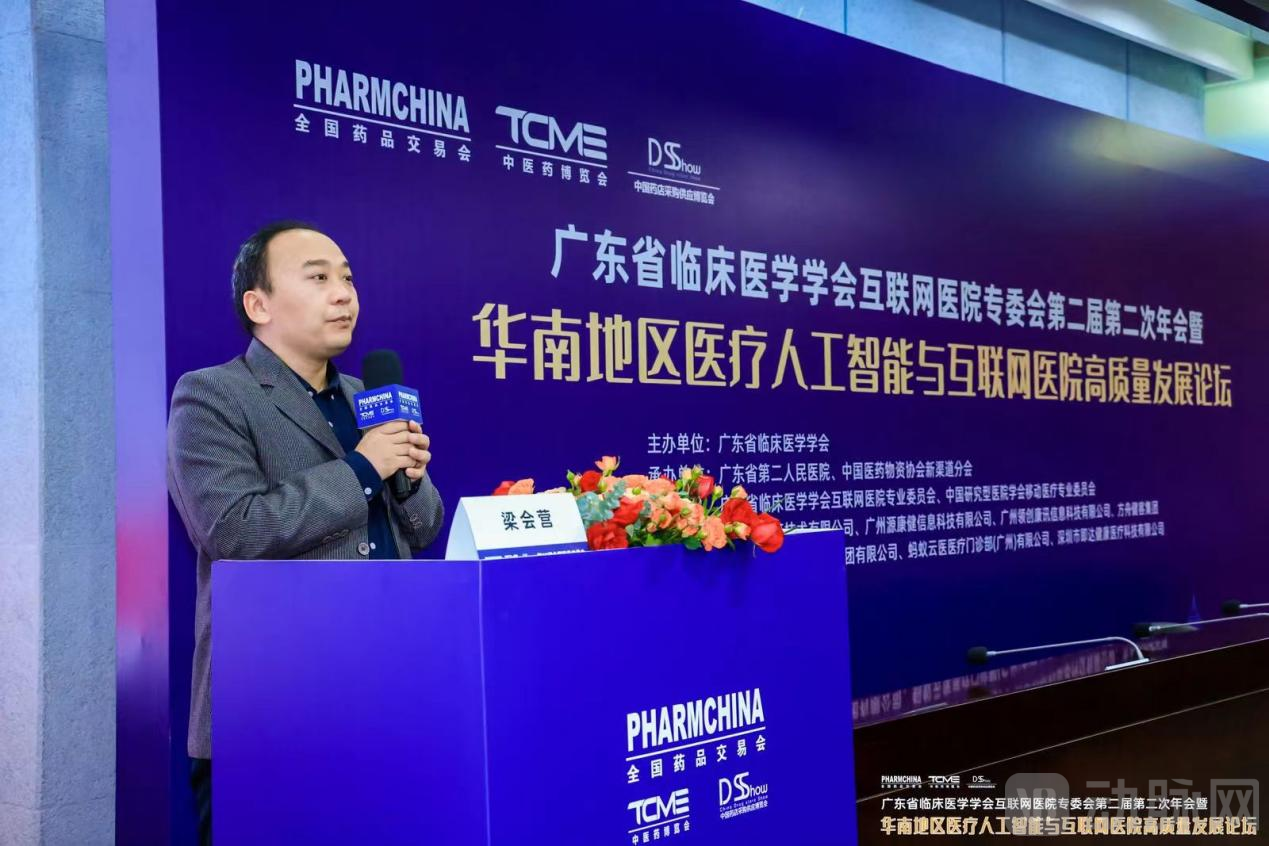
Mo Hongqiang, a Ph.D. in Control Theory and Control Engineering from South China University of Technology, presented “Adaptive Noise Reduction Algorithms and Their Application in the Centralized Procurement of Physiological Signal Data.” In the context of telemedicine increasingly entering households, research on adaptive noise reduction holds practical significance, as it enables real-time ambient noise cancellation during auscultation by physicians, thereby revolutionizing application technologies for wearable medical devices.
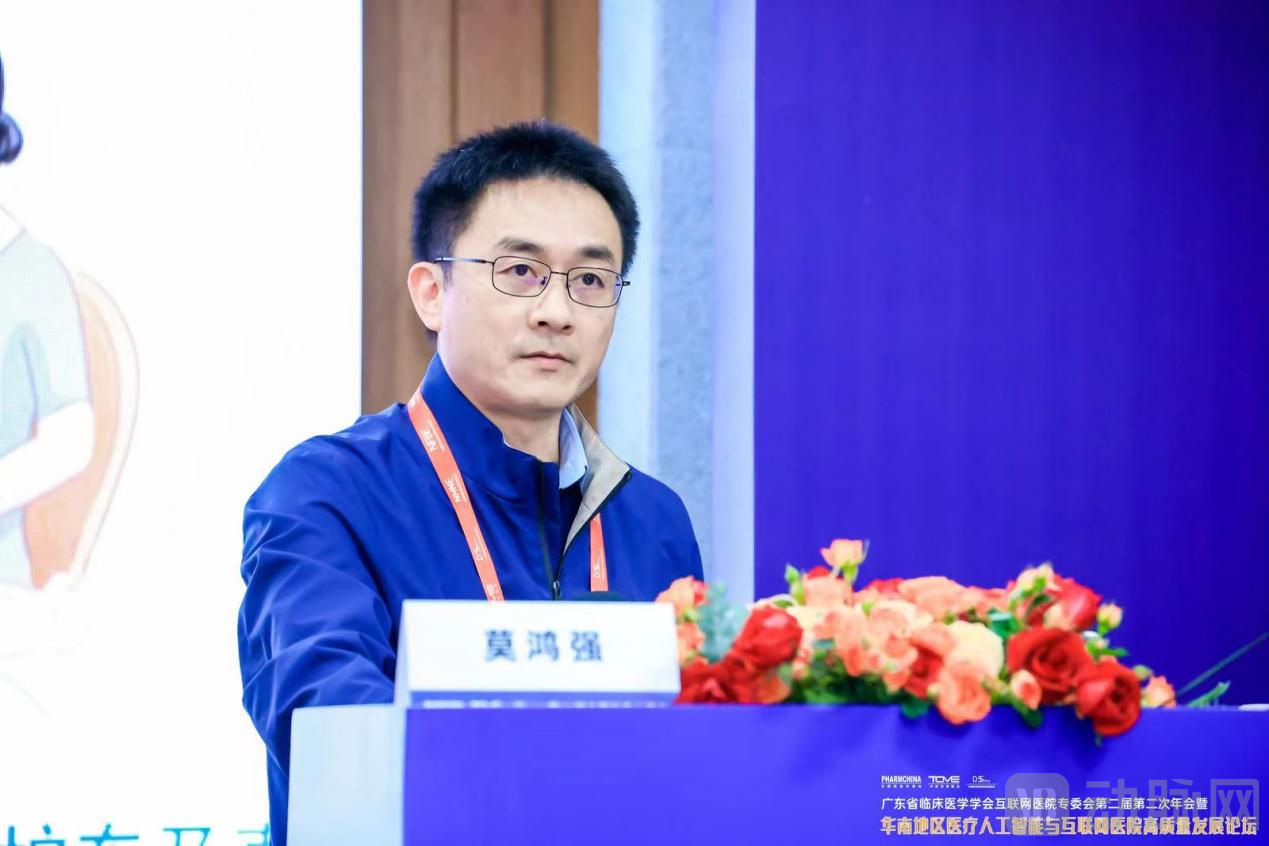
At the conference, discussions on the application of large models in healthcare emerged as a highlight of the Medical Artificial Intelligence Special Forum.
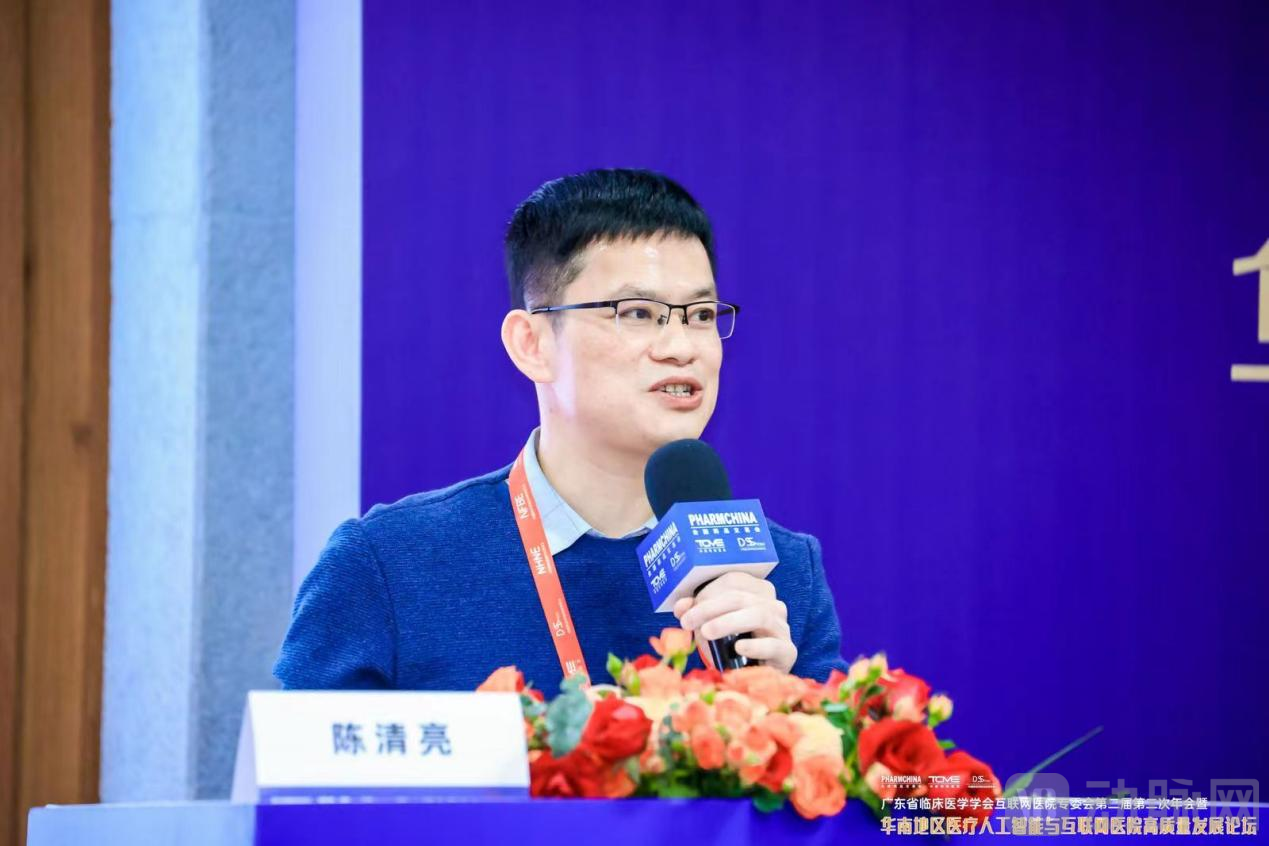
Chen Qingliang, a postdoctoral fellow at Peking University and Professor in the Department of Computer Science at Jinan University, shared insights on the exploration and application of large models in the healthcare sector. He pointed out that ChatGPT has undergone evolution through various technical pathways, gradually maturing and improving. Currently, large models are primarily large language models (LLMs), which leverage extensive training data and computational resources to learn and model through text, thereby achieving natural language understanding and generation. These models are capable of handling more complex linguistic structures and semantic relationships. Large models can be applied to healthcare informatics scenarios, such as generating electronic health records to enhance physician productivity and providing diagnostic decision-support alternatives for clinicians.
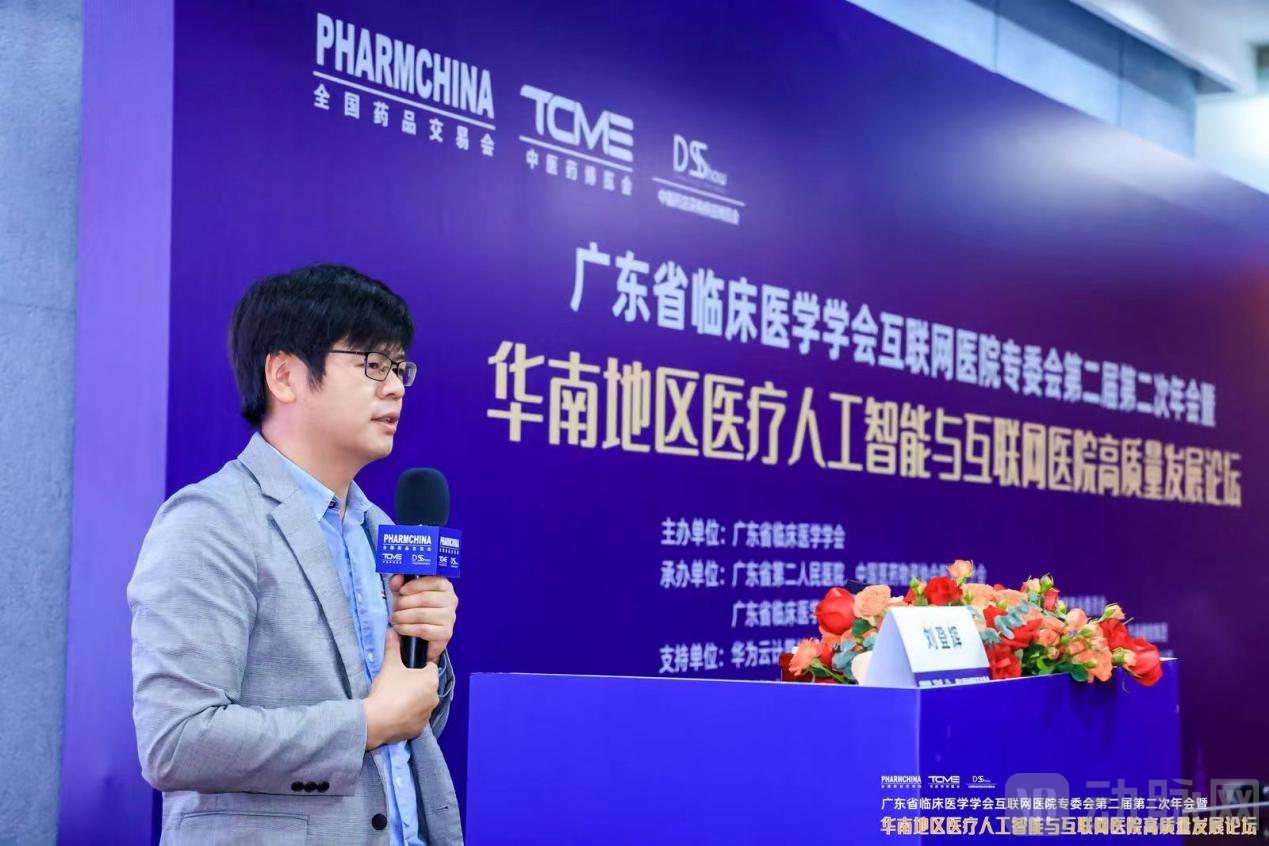
Liu Denghui, General Manager of Huawei Cloud’s Biopharmaceutical Products, shared insights into the exploration and application of Huawei’s Pangu Large Model in the biopharmaceutical sector. The Pangu Drug Molecule Large Model is the largest drug-focused large model in the industry in terms of both data volume and parameter count. The one-stop drug R&D platform built on the Pangu Drug Large Model can improve drug research and development efficiency by more than 60%.
At the conference, Tian Junzhang, Party Secretary of Guangdong Provincial Second People’s Hospital, delivered a keynote presentation titled “Current Status and Future of Internet Hospital Development.” Mr. Tian stated that following the pandemic in 2023, the development of internet hospitals has undergone new changes. Guangdong Provincial Second People’s Hospital is committed to building smart home wards and virtual medical centers, thereby innovating health management models. The smart home ward extends the “Internet Hospital” and “5G”-enabled rehabilitation and diagnosis/treatment concepts from the hospital into patients’ homes, integrating online medical care, nursing, and rehabilitation services.
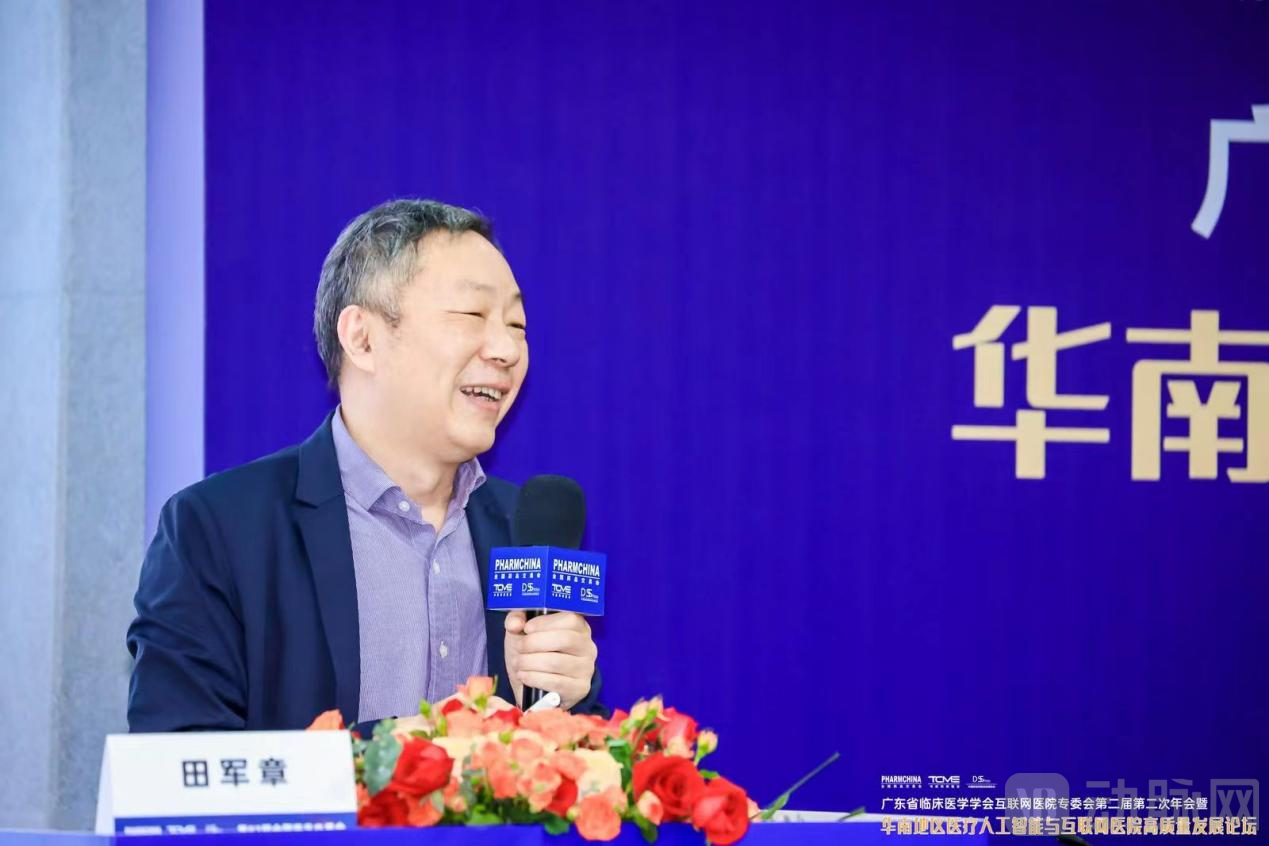
Wan Yaohua, Chairman of Guangzhou Yuankangjian Smart Hospital/Internet Hospital Co., Ltd. and Guangzhou Yuankangjian Information Technology Co., Ltd., shared insights on the theme “Digital and Intelligent Transformation Solutions for Pharmaceutical R&D and Manufacturing Enterprises.” He stated that Yuankangjian has established an integrated digital and intelligent foundation grounded in healthcare logic, offering a comprehensive suite of solutions to meet pharmaceutical companies’ needs in R&D, production, quality control, and digital and AI adoption. This approach effectively leverages digital and intelligent capabilities to enhance the architecture and logic of traditional pharmaceutical R&D and manufacturing, thereby driving technological advancement and industrial upgrading.
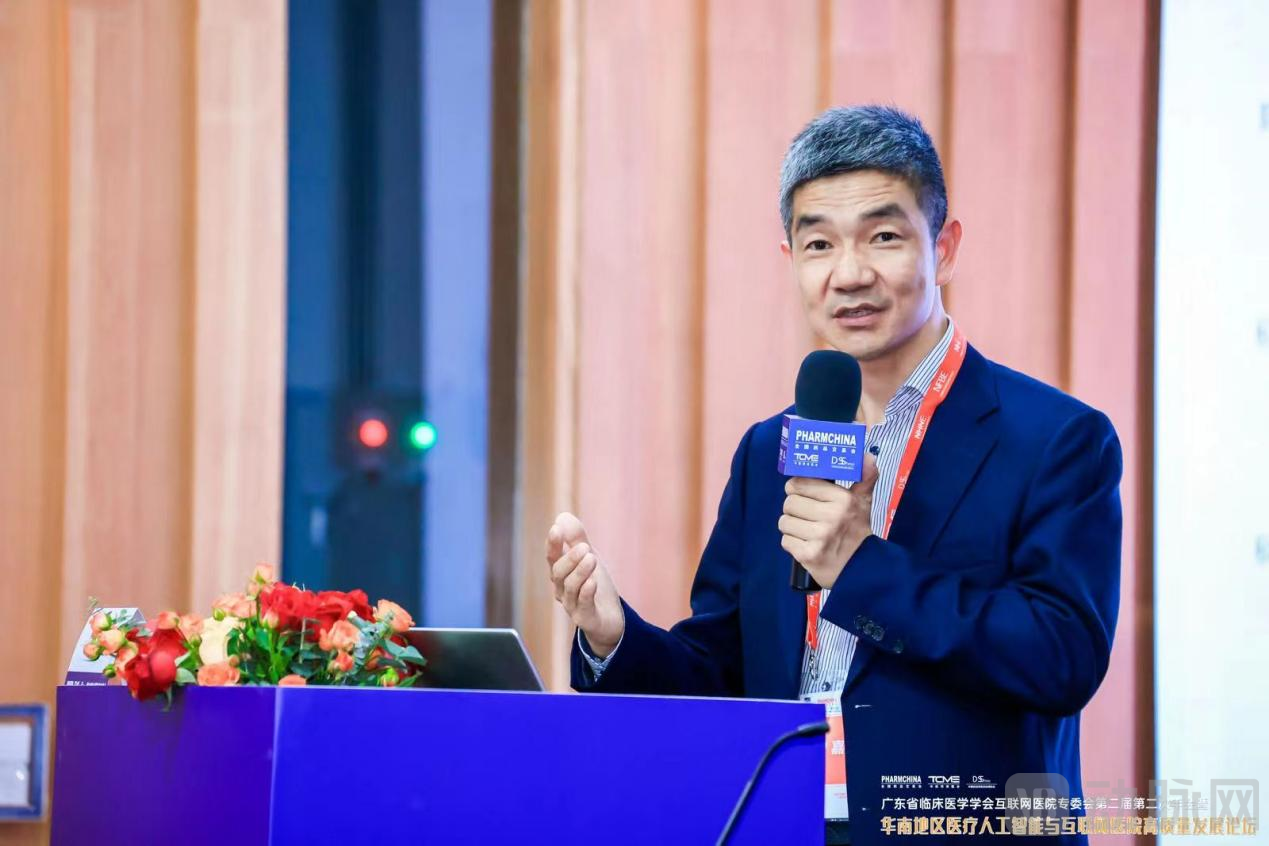
Dian Canghe, founder of the Pharmaceutical Cloud Studio and an expert in pharmaceutical policy and market access, shares new insights on internet hospitals within the context of national discussions and outpatient pooling policies. As outpatient pooling policies are gradually implemented across various regions, patient flows, payment mechanisms, and market growth will undergo restructuring. The “Internet+” model will integrate healthcare providers, pharmaceuticals, patients, insurance, and regulatory oversight to form a comprehensive ecosystem.
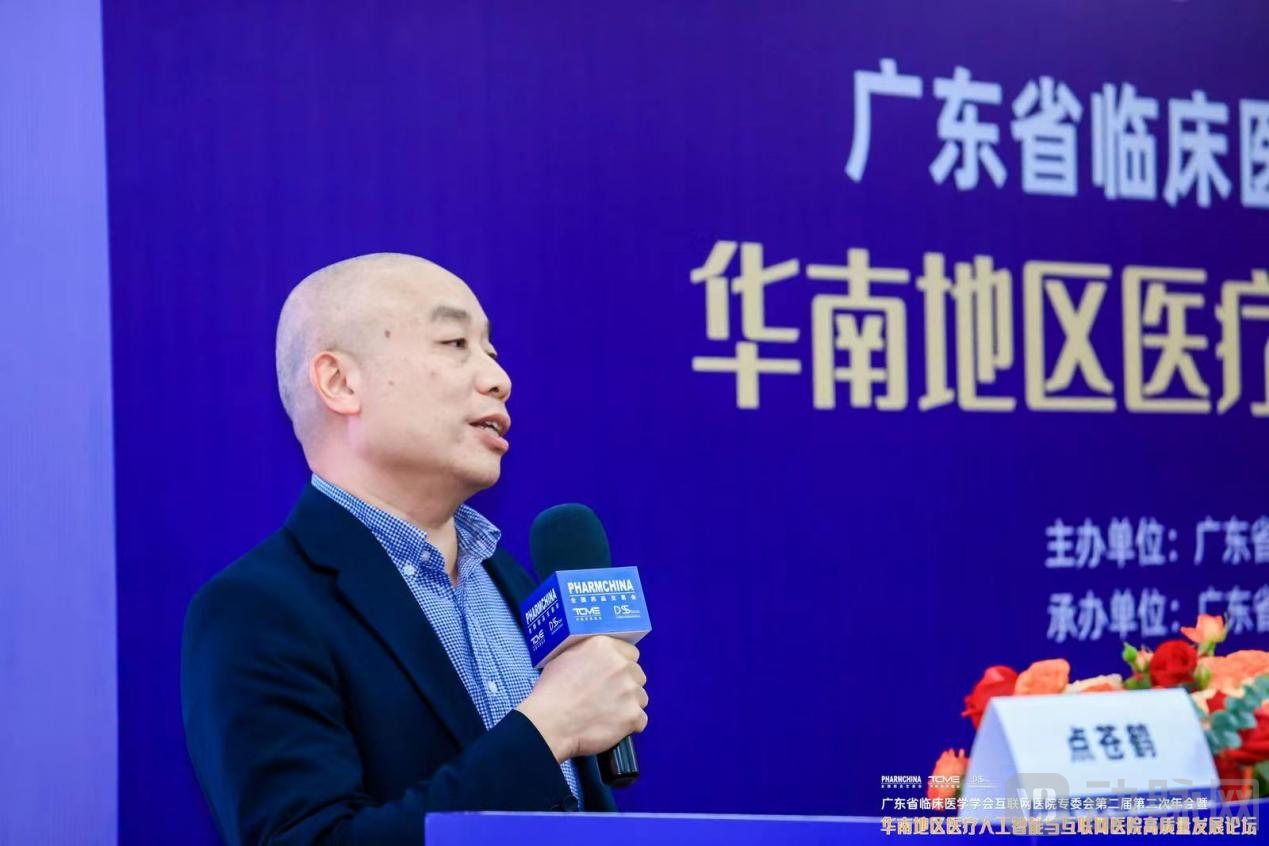
In addition, Guangzhou Haodaifu Medical Technology Group, Shenzhen Wenzhi Traditional Chinese Medicine Health Technology Co., Ltd., Guangzhou Tencent Technology Co., Ltd., and the Internet Hospital of Luohu District People’s Hospital in Shenzhen each shared their perspectives on the high-quality development of internet-based healthcare. These stakeholders are committed to integrating various value-added services under the “Internet + Healthcare” model, aligning with the needs and standards of both healthcare providers and patients, to deliver safe, stable, and reliable solutions that enhance the service capabilities of internet hospitals.
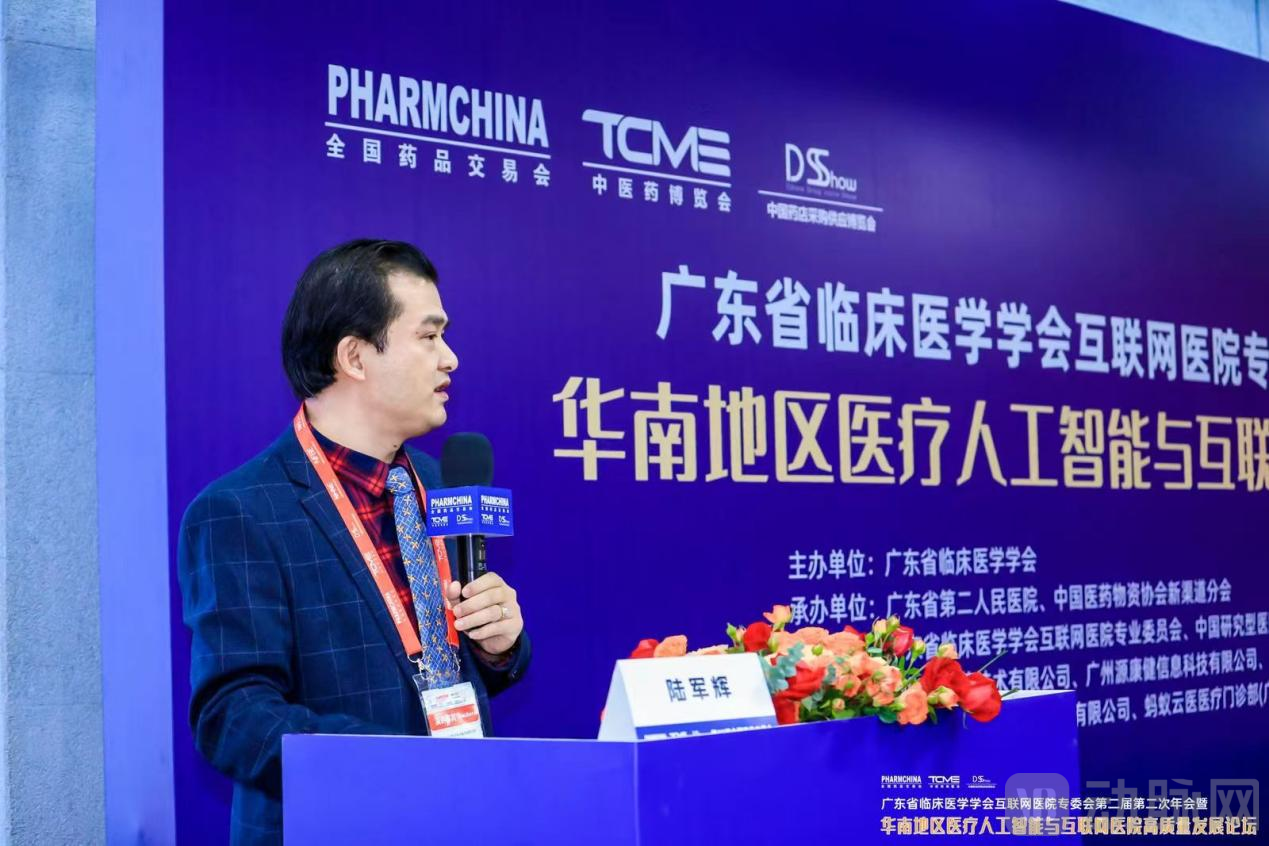
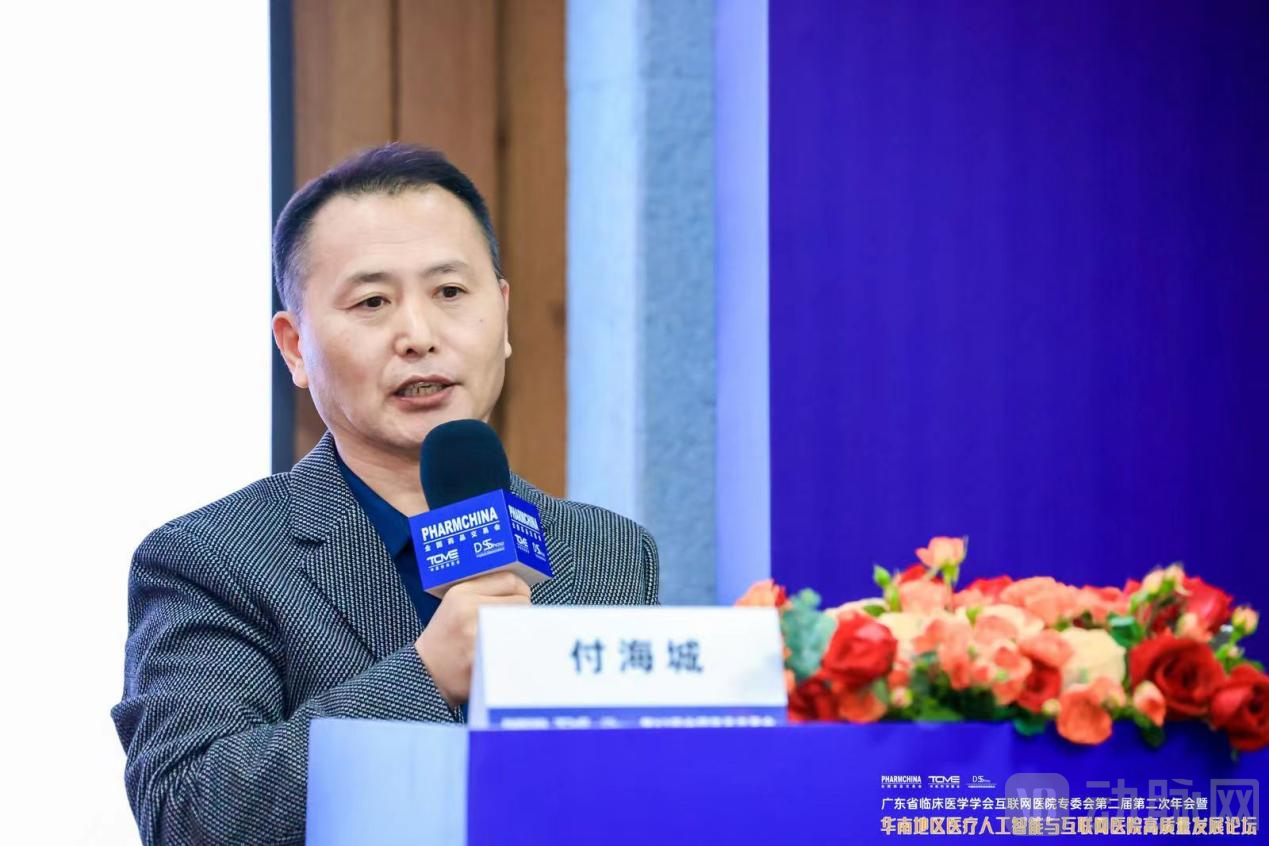
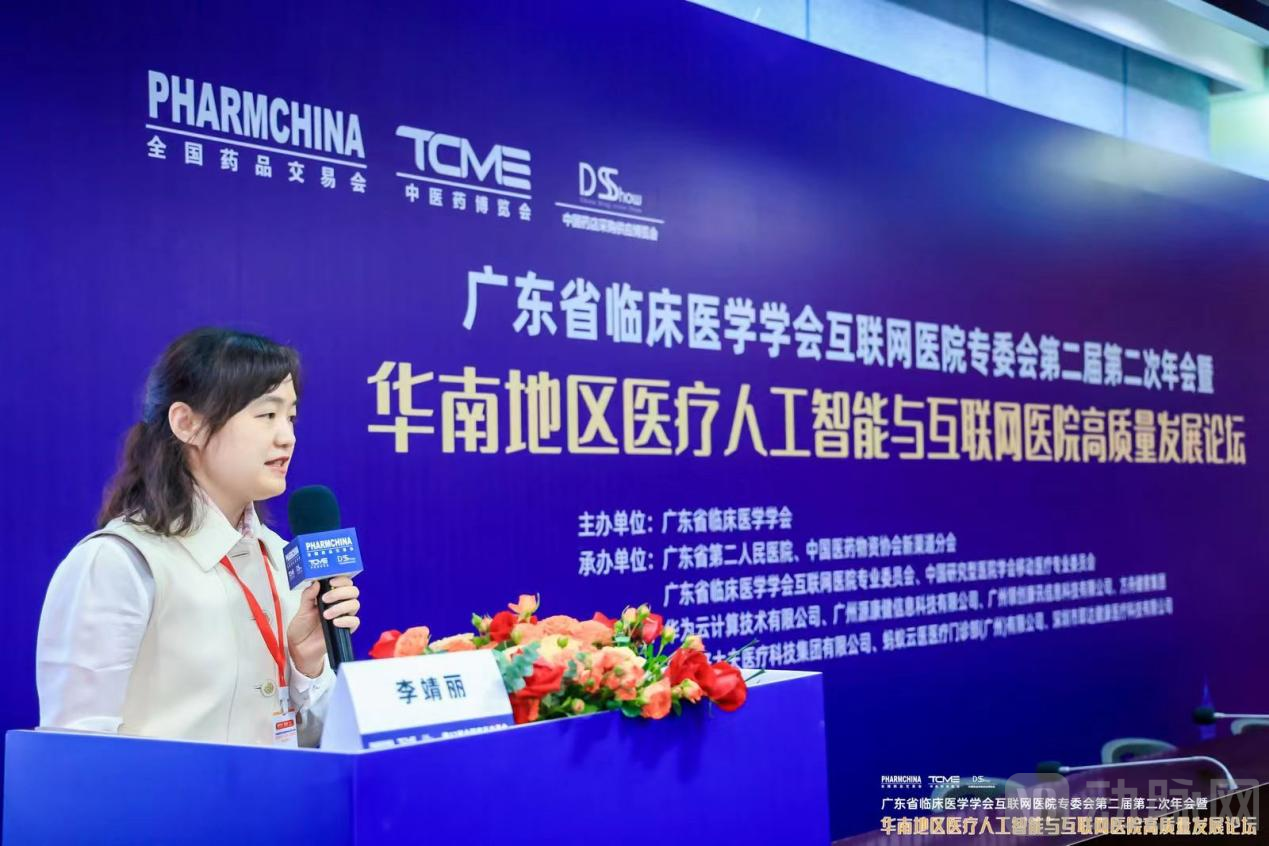
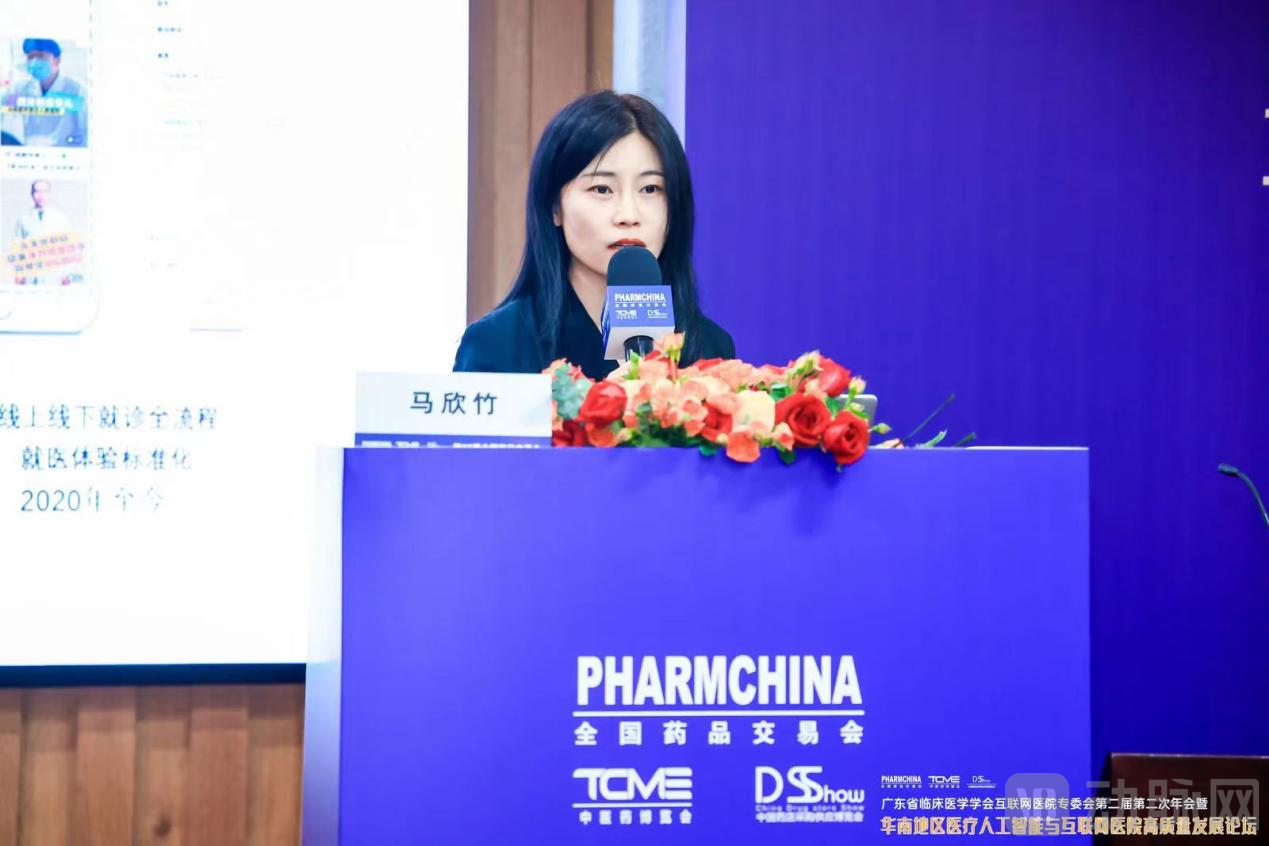
Pharmaceutical services constitute a critical component in the development of internet hospitals. During the session, Zhou Qiru, Director of the Internet Medical Center at Guangdong Second Provincial General Hospital; Dian Canghe, Founder of Medicine Cloud Studio; Zhou Lu, Dean of the Internet Hospital at Zhaoqing No. 1 People’s Hospital; and Guo Yiwen, Chief of the Medical Affairs Department at Guangzhou Integrated Traditional Chinese and Western Medicine Hospital, engaged in a roundtable discussion. The four experts shared insights on the importance, feasibility, and operability of standardizing pharmaceutical services in internet hospitals, offering valuable perspectives on management and regulatory standards spanning from physicians’ prescribing practices to medication delivery logistics.