Ten Leading Organizations Unite to Advance CGT Industry Upgrade Tour – Shanghai Stop

Yeasen
Tool Enzyme Raw Materials and Diagnostic Product R&D, Manufacturer

Saifu Pharmaceutical
Preclinical CRO Service Provider

Legend Capital
Early-stage venture capital and growth-stage private equity investment institutions
“One person can run fast, but a group can go further.”
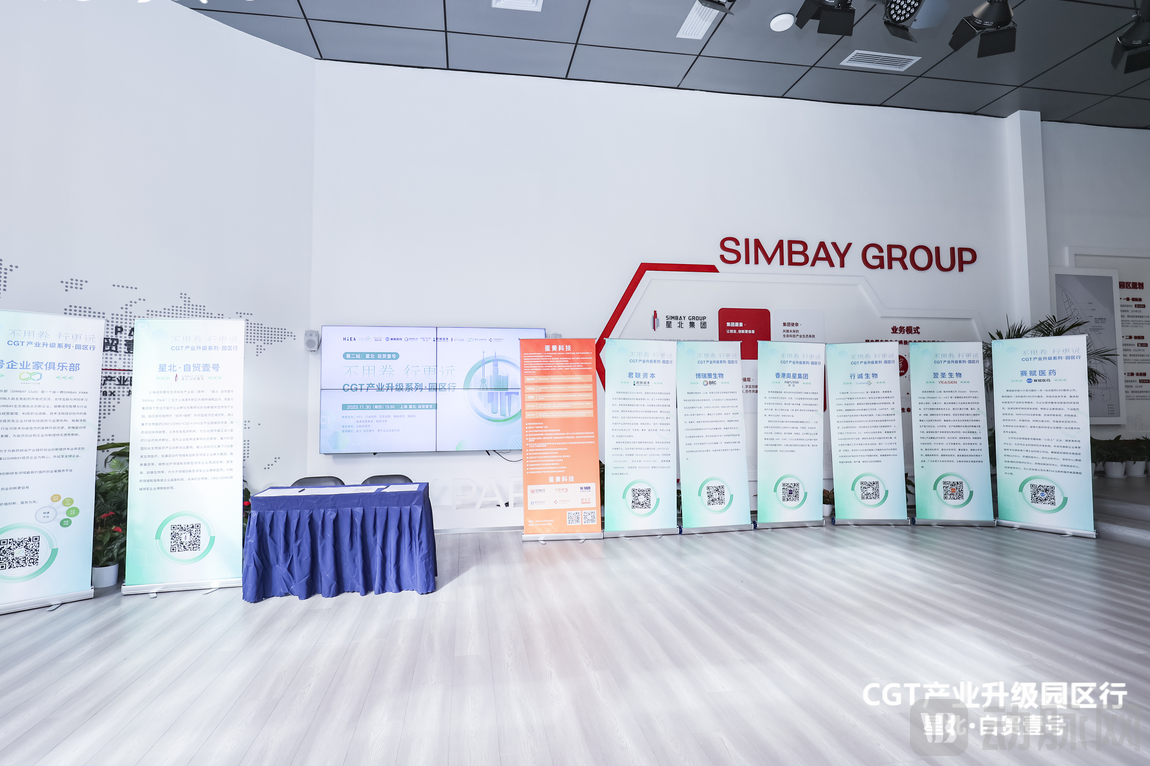
On the afternoon of November 30, byJointly organized by HIEA, Xingcheng Biotech, Yeasen, Saifu Pharmaceutical, Boruice, Austar Group, and Legend Capital,Arterial New MedicineChengOffice,Supported by Xingbei · Free Trade No.1 and No.1 Entrepreneurs Clubof【No Rat Race, Go Further】 CGT Industry Upgrade Series · Park Tour Event (Stop 2), held at Shanghai Xingbei · Free Trade Zone No. 1.
The initiative was jointly launched by service providers across the CGT industry chain, leveraging their respective strengths in equipment, raw materials, consumables, process design, and advanced analytical methods to support CGT innovators in developing high-quality therapies and driving industrial upgrading.
Dr. Liu Xiao, Vice President of Business and Marketing at Hangzhou Xingcheng Biotechnology Co., Ltd., and Deputy Director of the MAH Special Committee of the China Pharmaceutical Enterprise Management AssociationServing as the moderator, I invited innovative enterprises in the CGT industry, investors, and clinical experts to engage in discussions from multiple perspectives, including industry investment and financing trends, preclinical research, CMC, and industrialization. Additionally, an open-mic discussion session was arranged to ensure the event was not limited to one-way presentations but remained dynamic and interactive throughout, fostering a lively atmosphere with active participation from all attendees.
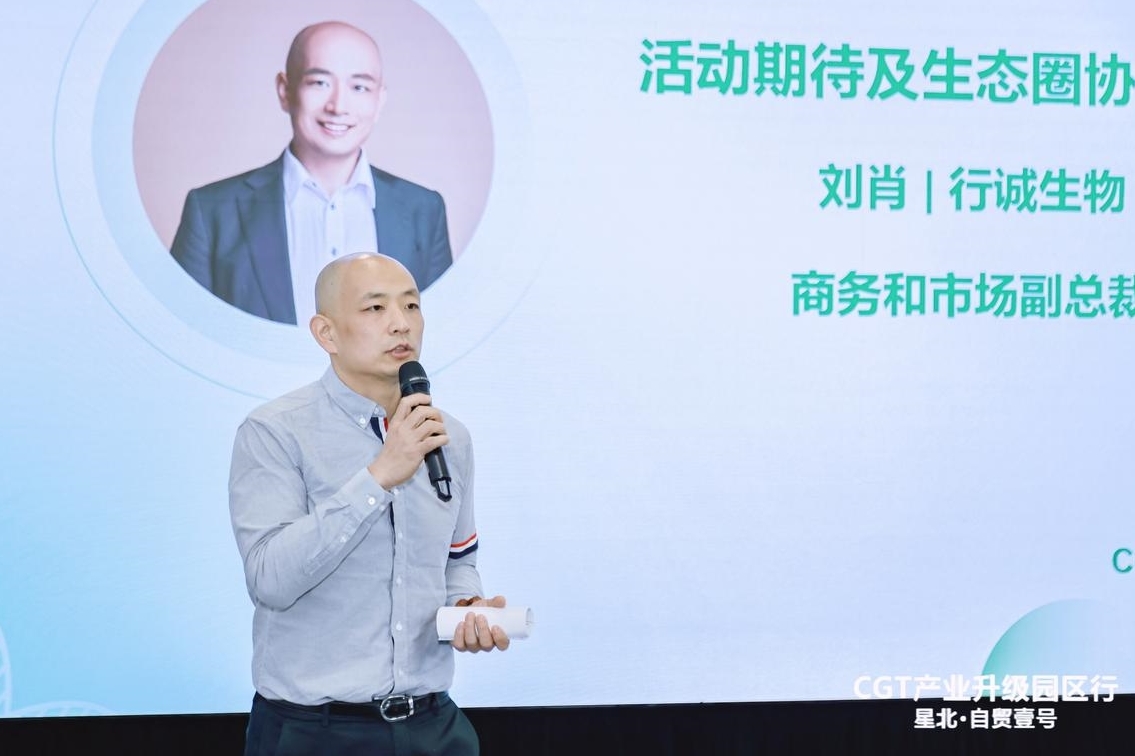
▲ Liu Xiao | Vice President of Business and Marketing, Xingcheng Biotechnology
Deputy Director of the MAH Special Committee, China Pharmaceutical Enterprise Management Association
Mr. Wu Bo, Co-CEO and Chief Strategy Officer of Xingbei GroupDelivering the opening remarks for the event, Mr. Wu reviewed the development of the biopharmaceutical industry in recent years. He noted that the advancement of the cell and gene therapy (CGT) sector has brought new hope to patients suffering from various major diseases, and he expressed his earnest expectation that the industry will achieve substantial growth through the concerted efforts of all elites present. Meanwhile, as the operator of the Life Science Park, Xingbei·Free Trade Zone No. 1 is committed to creating a high-quality R&D and operational environment for researchers and doing its utmost to contribute to industrial upgrading in the life sciences field.
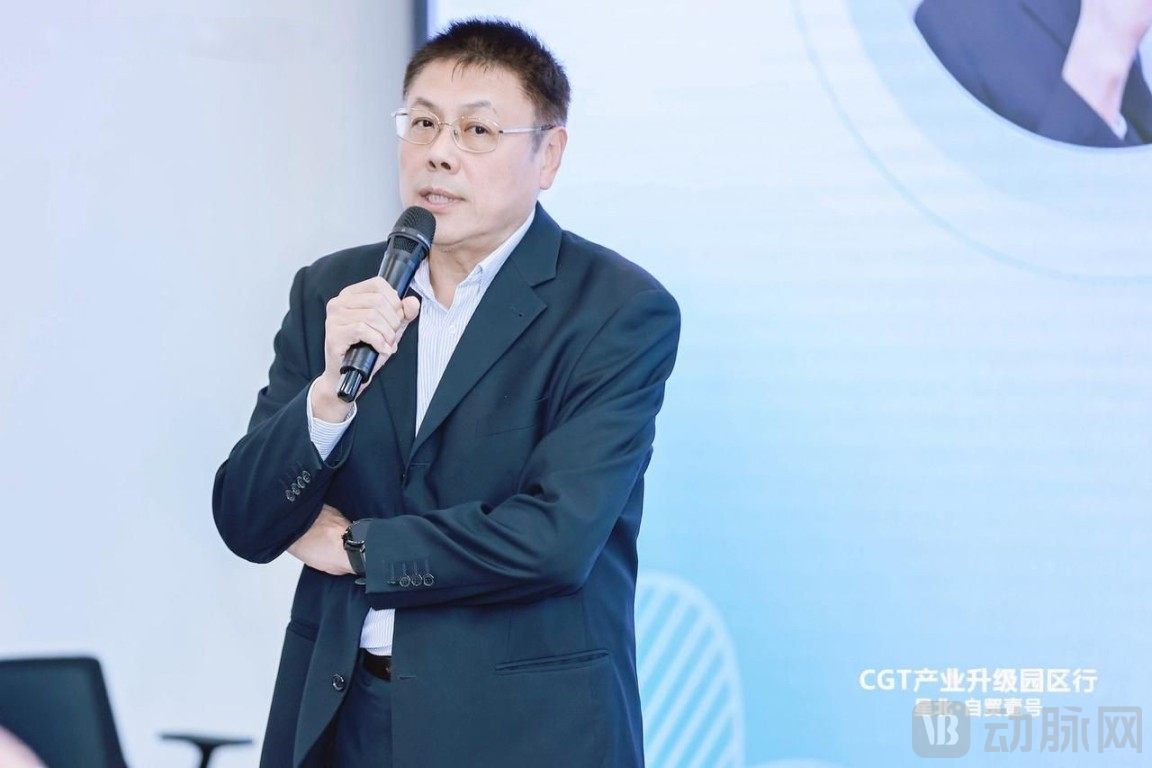
▲ Wu Bo | Co-CEO and Chief Strategy Officer of Xingbei Group
Liu Dong, Editor-in-Chief of VCBeatDelivering remarks on behalf of the organizer, Liu Dong, a media professional with over a decade of experience in the biopharmaceutical industry, affirmed the value of this event. He stated that VCBeat will continue to aim at building a similar ecosystem, striving to help outstanding companies gain access to valuable resources. Meanwhile, he expressed his hope that companies would utilize this platform to articulate their needs and convey their intentions, ultimately facilitating connections and fostering in-depth collaboration.
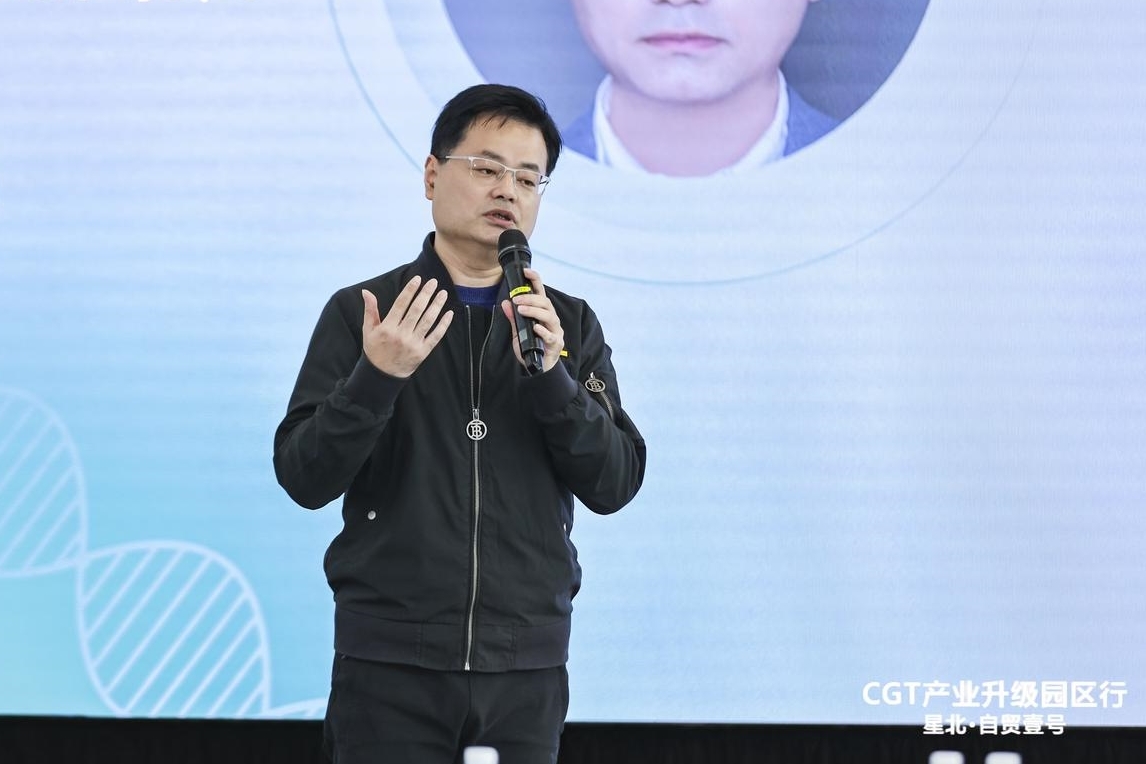
▲ Liu Dong | Editor-in-Chief, VCBeat
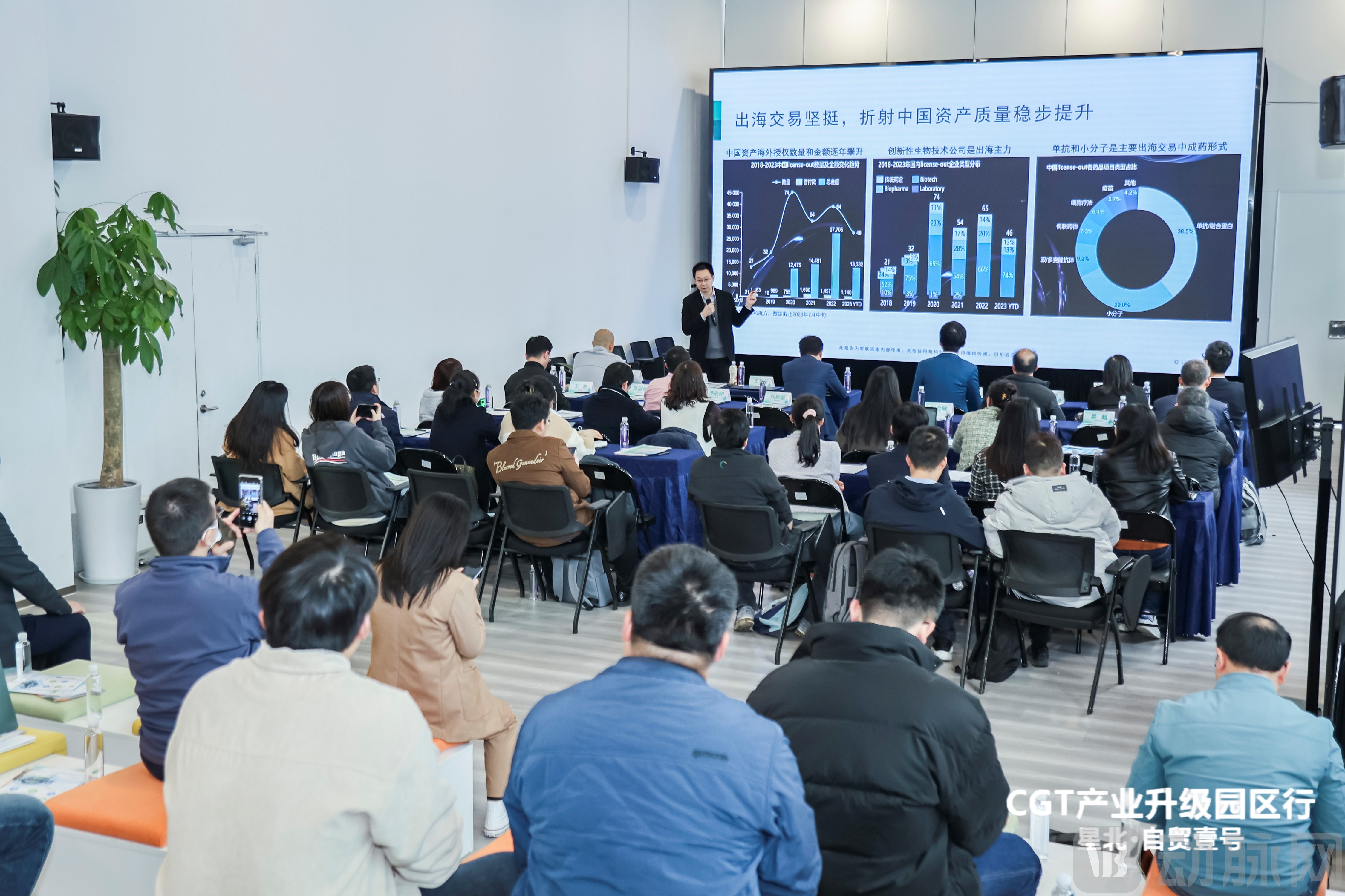
Investment and Financing in the Cell and Gene Therapy Industry from a Capital Perspective
Legend CapitalVice President of Investment, Wang Haotian
"
From Platforms to Products: Commercialization Shifts from Virtual to Real, with Companies Banding Together for Survival.
Key Takeaways: The pharmaceutical industry has entered the era of molecular biology. China is experiencing robust growth in the field of cell and gene therapy (CGT), with a relatively small gap compared to overseas markets in terms of clinical pipelines. Currently, China holds a comparative advantage in the overall cost of drug development. With increasingly mature infrastructure and technology platforms, as well as a growing concentration of talent, innovative biomedical products in China are poised to compete on par with those in other developed countries at the New Drug Application (NDA) stage. After a prolonged period of exploration and accumulation, domestic innovative drugs are transitioning from a "follow-on" strategy to genuine innovation. Continuous advancements in CGT manufacturing processes, gradual improvements in regulatory frameworks, and the increasing volume of business development (BD) transactions—with Chinese deals gaining prominence—all signal a promising future.
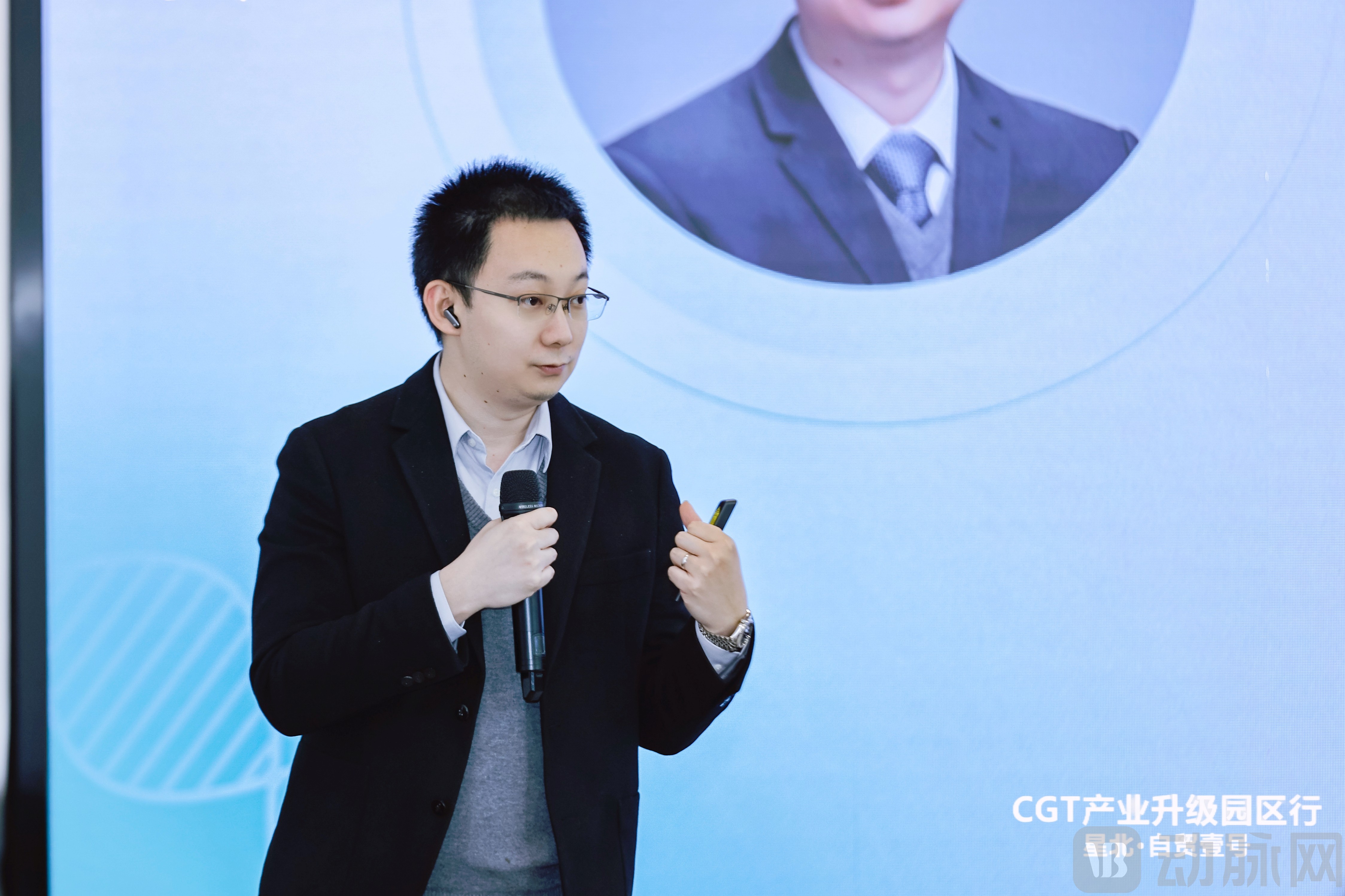
▲ Wang Haotian | Vice President of Investment, Legend Capital
Localization Practices for International Quality Standards in Cell and Gene Therapy
Wang Xin, Chief Strategy Officer (CSO) of Borui Ce Biotechnology
"
Prioritize the system, compete on quality.
Key Takeaways: Biosafety is a critical quality consideration that permeates the entire production process of biopharmaceuticals. Since biopharmaceutical manufacturing often involves exposure to biological source materials and living host systems, there is an inherent risk of exposure to pathogenic contaminants (such as microorganisms and viruses). Despite stringent GMP implementation and efforts to minimize the use of animal-derived materials, humans (operators), as the largest source of contamination in the production environment, remain the greatest challenge for process contamination control. This risk is particularly pronounced in cell and gene therapies (CGT), which are typically manufactured using human-derived cells. Currently, while China’s regulatory framework for biosafety is still being refined, detailed control measures can draw upon the relatively mature experiences of Europe and the United States. Therefore, Borui Ce Biotechnology actively focuses on comprehensive compliance implementation in the field of cell and gene therapy. It has taken the lead in obtaining certifications such as the EU GMP Qualified Person (QP) declaration, ISO 9001:2015, BSL-2, and CMA, thereby meeting international quality system certification standards at the systemic level. Furthermore, through the development and validation of hundreds of compliant methodologies, Borui Ce Biotechnology supports biosafety compliance testing for multiple innovative cell and gene therapy products both domestically and internationally. Leveraging years of international service experience, the core team at Borui Ce Biotechnology has localized international compliance and technical standards, supporting clients in their IND/BLA submissions to regulatory authorities including China’s NMPA, the European EMA, and the US FDA.
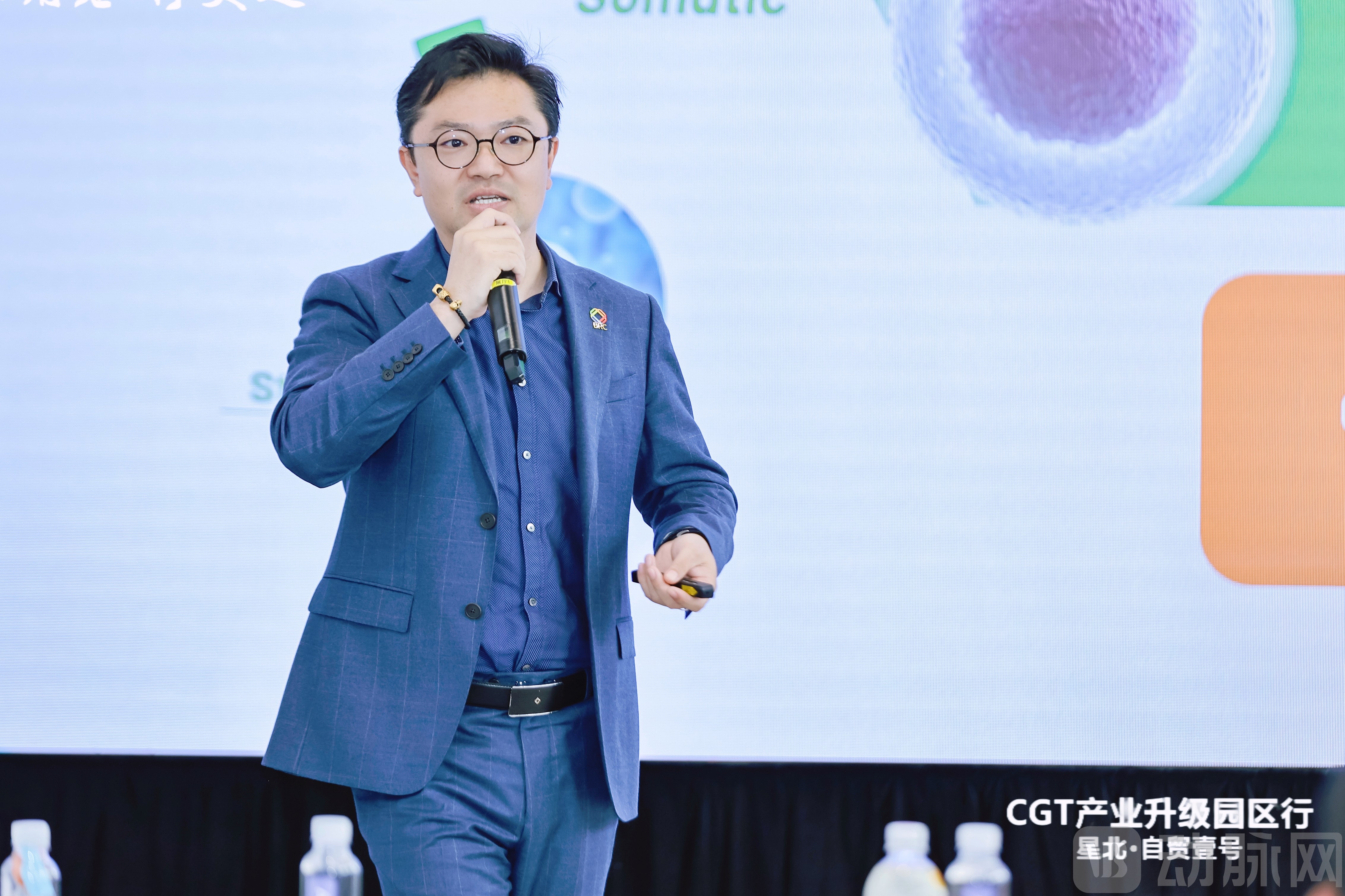
▲ Wang Xin | Chief Strategy Officer (CSO), BioRayce
Providing technology-driven pharmaceutical engineering solutions,
Enhancing the Efficacy of Cell Therapy Manufacturing Processes
Austar Group: Jin Lei, Expert in Cell Therapy Solutions
"
“There are differences in the timing of acquiring knowledge, and each field has its own specialties.” Domestic substitution is developing rapidly, with the potential to overtake imported equipment through innovative leapfrogging. Although there are differences between the development of the domestic market and those of Europe and the United States, they will ultimately converge toward the same outcome.。
Key Takeaways: In the consideration of risk factors for the production of cell therapy products, Advanced Therapy Medicinal Products (ATMPs) are considered to have a high level of risk, based on the fact that most involve typical aseptic processing. The complexity of ATMPs arises from varying risk levels due to the nature and characteristics of starting materials and the complexity of manufacturing processes, which further complicates risk management. Furthermore, maintaining chain of identity is crucial for ensuring patient traceability and preventing mix-ups of materials from different patients.
Closed Processing Technologies and Strategies: Use closed equipment, containers, or bags to contain cells, in-process products, culture media, or buffers whenever possible; utilize gravity, pressure, or small pumps to add or remove liquids through single-use tubing; employ manifolds connected to sampling containers for sampling; apply various aseptic connection and disconnection methods throughout the process. When a process step cannot be fully closed, environmental isolation devices (such as isolators or Rapid Access Barrier Systems) can be used to isolate the product from personnel interaction and the external environment. This strategy reduces the area requiring higher classification levels and lowers the risk of introducing external contamination. Austar Life Sciences Technology Co., Ltd. helps biopharmaceutical companies establish comprehensive quality systems and provides services such as engineering consulting, equipment validation consulting, compliance gap analysis, and mock audits.

▲ Jin Lei | Cell Therapy Solutions Expert, Austar Group
Key Points of CMC in Cell and Gene Therapy
Li Junhui, Vice President of Science and Technology Production at Xingcheng Biotechnology
"
Upstream Process: Cell Line Selection Is Critical.
Key Takeaways: Strategies for Developing Virus Packaging Media: First, establish a model medium; then implement a customized medium replacement strategy; subsequently adjust the customized medium formulation (via Design of Experiments [DOE] optimization, based on metabolism, AAV packaging titer, and empty capsid rate); and finally confirm the medium formulation. Key Considerations for Developing Import-Substitute Media: Supplier’s large-scale production capacity, regulatory compliance of manufacturing, batch-to-batch consistency, and availability of alternative suppliers. In plasmid production, lysis is the most critical step. A robust lysis process offers significant advantages, including markedly improved yield, substantially reduced generation of process-related impurities, and significantly lowered product-related impurities. Hangzhou Xingcheng Biotechnology Co., Ltd. provides fully customizable end-to-end process development and GMP manufacturing services, offering comprehensive solutions for the production of plasmids, mRNA, adeno-associated viruses (AAV), and lentiviruses, along with analytical method development and testing, quality systems, and management frameworks for intellectual property and trade secrets.

▲ Li Junhui | Vice President of Science, Technology and Production, Xingcheng Biotechnology
Preclinical Research under the Dual-Track Integration of IIT and IND for Cell Therapy Products
Liu Jing, Deputy General Manager of the Safety Assessment Center (Southern Beijing), Saifu Pharmaceutical
"
Abnormal Immune Responses to CGT Products: Focus on Immunogenicity and Immunotoxicity.
Key Points: Investigator-Initiated Trials (IITs) are clinical studies or series of studies initiated by investigators and conducted within healthcare institutions. Focusing on individuals or populations (including health and medical data), IITs aim to investigate disease diagnosis, treatment, rehabilitation, prognosis, etiology, prevention, and health maintenance, rather than product registration for drugs, medical devices (including in vitro diagnostic reagents), etc. The responsible parties and entities are the investigators or academic institutions. The key differences from industry-sponsored clinical trials lie in the leading role and sponsor responsibilities. IITs often cover areas not addressed by Industry-Sponsored Trials (ISTs), such as rare diseases, comparisons of diagnostic or therapeutic approaches, and new indications for marketed drugs. With improved regulatory frameworks and enhanced capabilities in clinical research among scholars, the number of clinical trials registered by China on ClinicalTrials.gov increased annually from 2012 to 2021. Over this decade, IITs rose from 520 to 1,673, accounting for a fluctuating proportion of 59.1%–75.3%. Saifu Pharmaceutical provides innovative pharmaceutical companies with services including new drug screening, independent non-clinical efficacy and safety evaluations, regulatory consulting, and one-stop clinical trial solutions, while holding full GLP certification from the National Medical Products Administration (NMPA).

▲ Liu Jing | Deputy General Manager, Safety Assessment Center (Southern Beijing), Saifu Pharmaceutical
The Code for Scientifically Reducing Costs and Increasing Efficiency in Raw Material Production for Cell and Gene Therapy
Yeasen R&D Scientist Teng Yigang
"
Perfection is the first day after tomorrow.。
Key Takeaways: Currently, most cell and gene therapy (CGT) treatments are in early stages, with over 70% of CGT pipelines in the preclinical phase, and fewer projects having entered late-stage clinical trials or regulatory filing stages. The CGT field as a whole is still in its nascent stage, but future pipeline momentum is strong. From a financing perspective, areas based on AAV delivery vectors have received more attention. The four commonly used viral vectors each have their own advantages and disadvantages, making them suitable for different scenarios. AAV and LV are new-generation vectors for gene and cell therapy, respectively, offering weaker immunogenicity and the ability to penetrate the nuclear membrane compared to previous generations such as ADV and RV. LV has stronger tropism, can infect non-dividing cells, and is safer than RV; AAV has an extremely broad host range, enables long-term gene expression with durable therapeutic effects, and exhibits very low immunogenicity and hepatotoxicity, although it has limited packaging capacity and a longer time from infection to expression. Yeasen possesses both independent core technology R&D capabilities and large-scale production capacity, with thousands of core products covering multiple series including molecular cloning, qPCR, NGS, in vitro transcription, antibodies, protein purification and analysis, cell culture, transfection and analysis, and reporter gene detection, which are widely applied in life science research, diagnostic testing, biopharmaceuticals, and other fields.
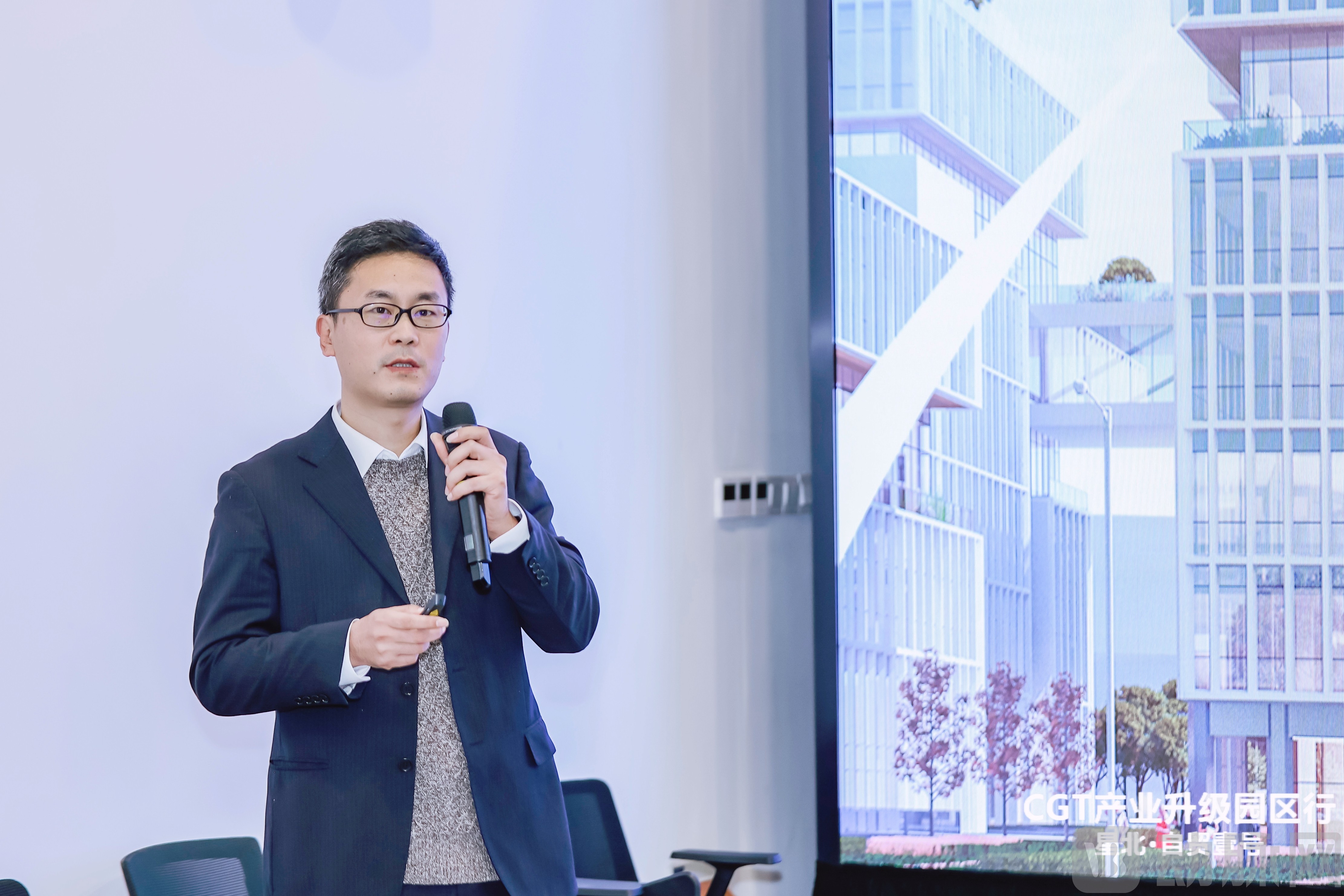
▲Teng Yigang | R&D Scientist, Yeasen
[Panel] Empowering Innovative Enterprises to Achieve Robust Growth Through CMC Collaboration,
Fast, Cost-Effective Path from IIT/IND to BLA
During the final open-mic discussion session,Liu Xinxing, CEO of Dingxin Gene; Tang Chenxiang, COO of Huanma Bio; Chen Lijuan, COO of Yuesai Bio; Gu Long, Partner at Anjie Shize Law Firm; and the moderator, Dr. Liu Xiao, Vice President of Business and Marketing and Deputy Director of the MAH Special Committee of the China Pharmaceutical Enterprise Management AssociationSharing on the topic of “Leveraging CMC Synergy to Help Innovative Enterprises Achieve a Robust, Rapid, and Cost-Effective Transition from IIT/IND to BLA”
Regarding CMC-related issues,Mr. Liu Xinxing, Dingxin Gene“It is believed that CMC considerations should be initiated as early as possible. The development of CDMOs over the past 3–5 years, including lessons learned from pitfalls encountered, are all advantageous factors that help address CMC challenges. The exploration of any new project and new collaboration must center on ultimate value; based on this premise, core product requirements should be considered to seek further cooperation.”Mr. Tang Chenxiang, General Manager of Huanma BiotechHe stated, “For circular RNA, the CDMO sector is still in its early stages, with few companies capable of providing such services. This is a common challenge shared by any emerging industry. From our own perspective, the most distinctive feature of Huanma Bio is its circularization capability, with manufacturing processes serving as our core competitiveness. Our intrinsic drive to excel in Chemistry, Manufacturing, and Controls (CMC) during our self-built facility development has motivated us, and we will continue to optimize our processes and platform technologies.”
Regarding recommendations for the development of domestic suppliers,Ms. Chen Lijuan, General Manager of Yuesai BiotechIt was stated that supply chain enterprises could consider moving beyond the existing business model of “lending demos for short-term cost recovery,” as this approach hinders the long-term and rapid process development efforts of R&D-focused companies, particularly for novel therapies such as induced pluripotent stem (iPS) cell-based treatments. It is hoped that domestic alternative suppliers will jointly develop R&D-grade essential materials and processes, innovate collaboration models, accelerate the adoption of domestically produced alternatives to reduce costs, and achieve a win-win outcome. Meanwhile,AnJie & Broad, Lawyer Gu LongFrom a legal perspective, the following recommendations are proposed for the long-term development of biotech enterprises. First, the expectations for license-out deals among domestic biotech companies are not fully aligned with existing overseas valuation models, necessitating more extensive value alignment in the early stages. Second, companies may adopt commissioned R&D or collaborative R&D models based on technology platforms to share risks and costs. Finally, for two enterprises to establish a successful partnership, both parties must possess strong and complementary technical or resource advantages; furthermore, it is crucial to build trust grounded in a comprehensive legal framework.
In addition, as the moderator ofDr. Xiao Liu, Hangzhou Xingcheng Biotechnology Co., Ltd.When discussing collaborations in drug delivery, it is proposed to evaluate from a goal-oriented perspective. The enterprise’s objective is to develop a marketable drug, which requires resolving delivery challenges. Priority must be given to ensuring safety; next, efficacy should be considered, as it constitutes the essence of a pharmaceutical product. Accessibility should be addressed only after safety and efficacy are guaranteed. Here, accessibility refers not only to affordability but also to technological feasibility. Regarding preferences for collaborating with domestic and international suppliers, it is advisable to adopt an end-to-end approach. Supply chain security and stability are critical to ensuring the safety and viability of pharmaceutical products. It is essential to avoid situations where product supply is interrupted midway through production, particularly during the regulatory submission period. This poses a significant challenge for companies providing domestic alternatives.
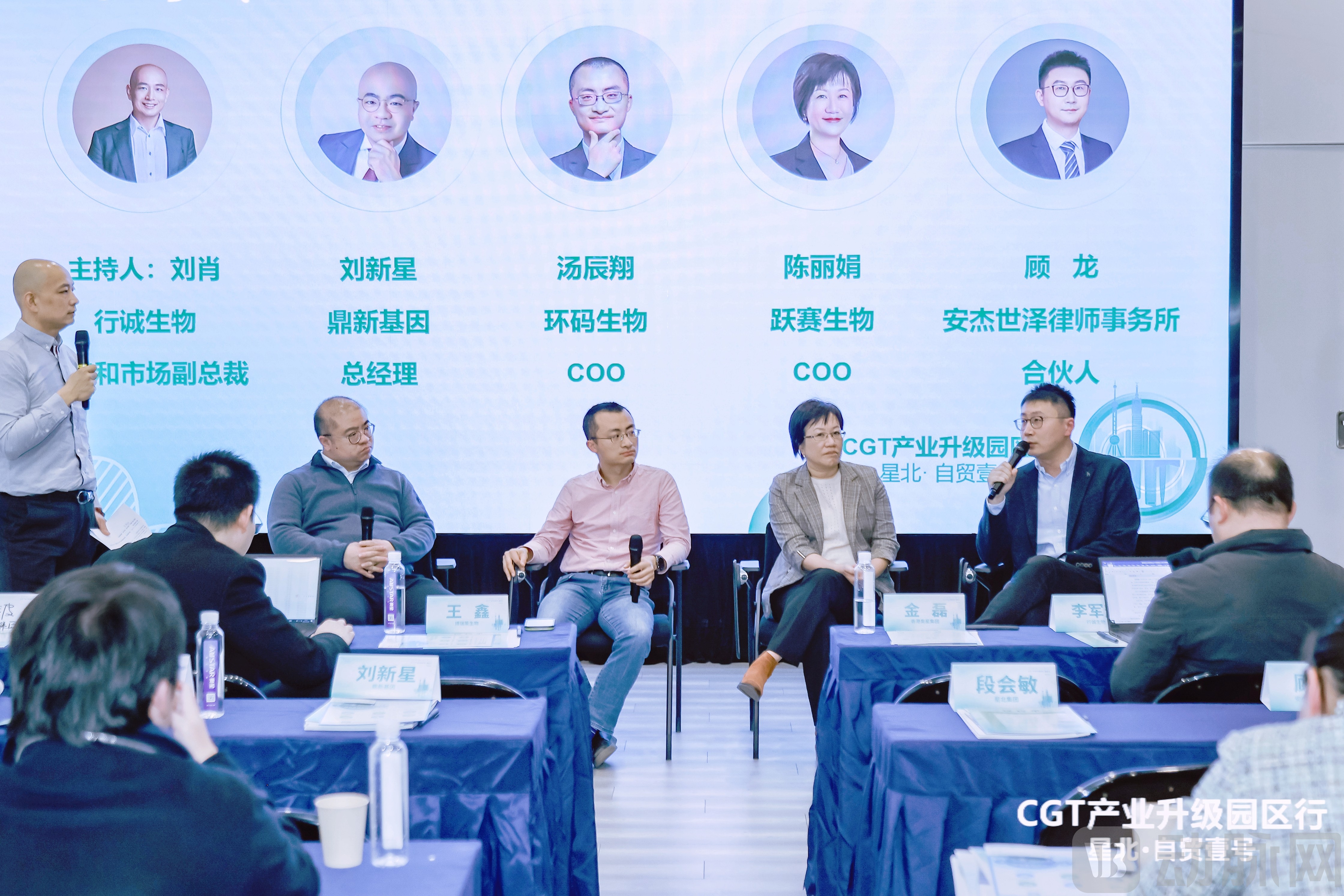
▲ Panel Session (from right to left): Liu Xiao, Liu Xinxing, Tang Chenxiang, Chen Lijuan, Gu Long
With this, the second stop of the “【No Need to Rat Race, Go Further】 CGT Industry Upgrade Series · Industrial Park Tour” has come to a successful conclusion! The event facilitated greater inter-company connectivity, resource sharing, and in-depth collaboration. VCBeat New Medicine will continue to join forces with industry chain partners to host a series of events. Please stay tuned, and we look forward to seeing you again at future events as we work together to go further!
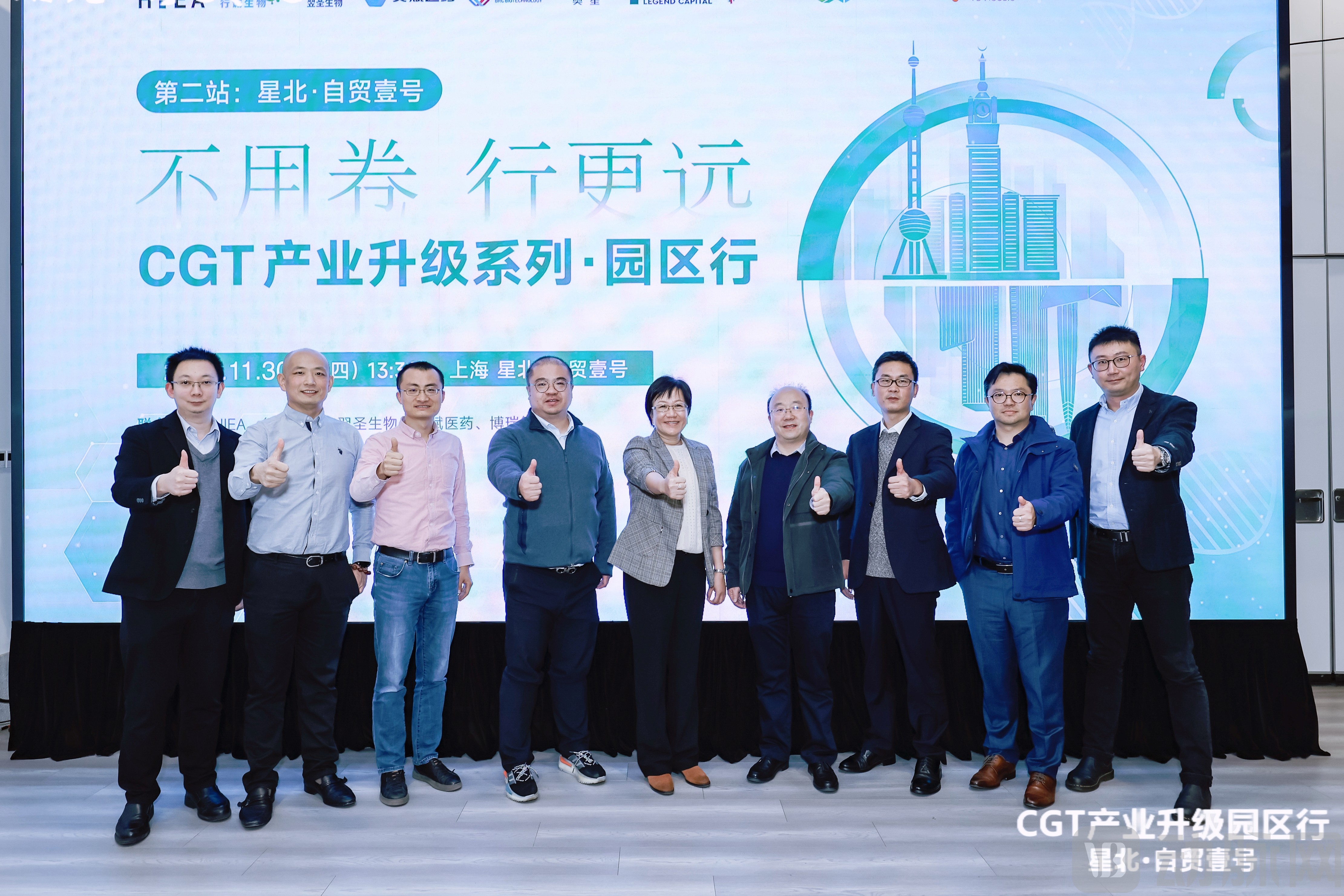
▲ Group Photo of Guests
More Exciting Moments