

Professor Liang Chaochao of the First Affiliated Hospital of Anhui Medical University: Medical Innovation Requires Technological Advancement and Active Physician Involvement
At 7:25 p.m., five minutes before the interview was scheduled to begin, Professor Liang Chaochao suddenly became unreachable.
While on the phone, the assistant explained, “Professor Liang is extremely busy. He’s either in the operating room or in the laboratory; he’s rarely seen in his office.” Five minutes later, Professor Liang hurried to his office, took off his white coat, and appeared before the camera as scheduled, marking the official start of the interview.
7:30 p.m. is a subtle time; most people are either on their way home or having dinner with their families. But for Professor Liang, this is a rare window of free time—his days are filled with university administrative duties, supervising graduate students’ research projects, conducting patient consultations and surgeries, and later, performing experiments in the laboratory.
If one word were to describe Professor Liang’s daily life, it would be “busy.” Yet he has maintained this “busy” state for over three decades.
With over 30 years of professional experience,He proposed a holistic solution for chronic prostatitis and independently developed intelligent wireless endoscopes with 5G/4K capabilities, among other innovations.. With numerous innovative achievements,Professor Liang ranked among the top ten in both the 2023 National Academic Influence Ranking and the High-Productivity Scholars List for Urology Experts in China.。
I. Persisting in Research for 30 Years to “Rename” Chronic Prostatitis
Chronic prostatitis is one of the common conditions in urology and andrology, with a high prevalence among young and middle-aged men. Professor Liang Chaochao’s team once conducted a large-sample epidemiological survey, which revealed that patients with chronic prostatitis accounted for 8.4% of the total male population aged 18 to 60 in China. This disease not only has a high prevalence but also tends to recur, often leaving patients physically and mentally exhausted after repeated episodes.
As the etiology of chronic prostatitis remains unclear, the definitive diagnostic criterion for chronic prostatitis in textbooks is determined by the white blood cell count in prostatic fluid, namelyA white blood cell count exceeding 10 units confirms the diagnosis of chronic prostatitis.。
During a follow-up visit, a patient told Professor Liang, “The medication works wonders; after just two days of treatment, my symptoms of urinary frequency and urgency disappeared.” Seeing the patient’s condition improve, Professor Liang was greatly relieved. According to standard medical protocols, treatment could be discontinued once the white blood cell count in the patient’s prostatic fluid dropped to within the normal range. Surprisingly, however, despite the complete resolution of symptoms, the white blood cell count remained above the normal threshold—a finding that caught his attention.
Subsequently, Professor Liang discussed this case with several experts in the field and found that their colleagues had encountered similar cases: some patients exhibited clinical symptoms such as urinary frequency and urgency despite having white blood cell counts in prostatic fluid within the normal range; conversely, other patients showed elevated white blood cell counts but remained asymptomatic.
Is There an Absolute Correlation Between the White Blood Cell Count in Prostatic Fluid and Chronic Prostatitis? Professor Liang Believes There May Be Another Explanation.
In the early 1990s, Professor Liang conducted initial small-scale validation studies, with his students serving as the first cohort of subjects. Following this preliminary phase, he confirmed the existence of cases characterized by asymptomatic presentations yet elevated white blood cell counts exceeding standard reference ranges. Recognizing that limited data were insufficient to challenge established medical paradigms, Professor Liang expanded his research population to include hospital physicians and patient caregivers.
Medical students possess a certain level of understanding of diseases, resulting in naturally higher levels of cooperation; however, progress among patients was less smooth. Professor Liang had to visit each ward individually to educate patients’ caregivers on how to collect prostatic fluid and explain its subsequent applications. Amid the constant flow of people in the hospital, the team finally collected sufficient sample data with the support of volunteers, ultimately proving that the original diagnostic criteria indeed contained errors.
Subsequently, the team collaborated with multiple medical research centers in China to conduct a follow-up study spanning more than three decades, ultimately confirming that there is no absolute correlation between white blood cell count and chronic prostatitis. Thanks to this discovery,Type III Prostatitis Has Also Been Renamed “Prostatic Pelvic Syndrome”, this finding was published in the Chinese Journal of Urology in 2020.
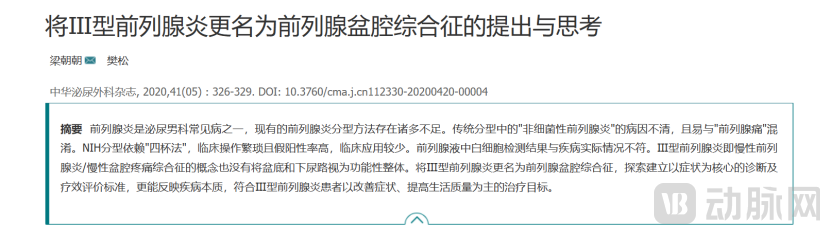 Screenshot of a paper from the Chinese Journal of Urology (Image source: Chinese Journal of Urology)
Currently, there is a broad consensus among experts across China to rename type III prostatitis as chronic prostatitis/chronic pelvic pain syndrome (CP/CPPS). Following refinement through large-scale studies, this terminology is expected to be incorporated into professional textbooks and established as the Chinese standard for the diagnosis and treatment of prostatitis, thereby facilitating its further promotion and application across Asia and globally.
At this point, Professor Liang was somewhat emotional:“This is not merely a simple name change; it will impact the diagnosis and treatment of this common urological condition.”
Following the name change, physicians are no longer constrained by the concept of “inflammation” when prescribing treatment regimens. Rather than relying on white blood cell counts, they can determine whether to continue therapy or select a specific treatment approach based on the patient’s clinical presentation. Furthermore, the term “Chronic Pelvic Pain Syndrome” effectively mitigates the stigma and fear associated with chronic prostatitis, thereby encouraging patients to seek medical care proactively.
II. 20 cm: Slimming Down the Endoscopic System
If the evolution of surgical procedures reflects the trends in medical development, then surgeons are undoubtedly the group most attuned to the changes brought about by medical innovation.
In 2013, Professor Liang performed the second radical prostatectomy under 3D laparoscopy in China and the first in East China. Transitioning from open surgery to minimally invasive laparoscopic procedures, he, as a urologist, has deeply appreciated the allure of innovations in surgical instruments: “Surgeries can be conducted through just a few small incisions in the abdomen, resulting in less trauma and significantly shorter operation times.”
Over time, a host of new products have emerged in the field of minimally invasive surgical instruments, including the da Vinci Surgical System. Professor Liang has continued to keep pace with these advancements; as early as 2014, he was among the first in China to perform da Vinci robot-assisted laparoscopic radical prostatectomy and nephron-sparing surgery for renal cell carcinoma, setting an example for many younger physicians.
Nowadays, laparoscopic surgery has become a common procedure in urology. As the novelty of “new instruments” wears off, many issues have come to light. Professor Liang joked, “Traditional laparoscopic surgical instruments offer minimal invasiveness to patients but inflict ‘major trauma’ on surgeons.”
Traditional laparoscopic surgical instruments require connections to various cables. Aside from the potential electrical hazards posed by the complex and tangled wiring, additional time must be allocated before surgery for cable sterilization and layout arrangement, thereby increasing both the economic and time costs of the procedure.
Moreover, surgeons are surrounded by cables on all sides, making it difficult to change positions. This not only restricts the surgical approach but also confines the surgeon’s movements. During lengthy major surgeries lasting several hours, surgeons remain trapped at a small operating console—leading many to develop occupational diseases such as cervical spondylosis and lumbar spine disorders.
Moreover, the bulky size and high energy consumption of traditional laparoscopic instruments restrict their use to operating rooms. In special environments such as battlefields or disaster sites, the transportation, sterilization, and deployment of large equipment are constrained, making traditional laparoscopic instruments more of a burden than an asset.
Gradually, Professor Liang conceived the idea of designing aThe Concept of Simple, Wireless Laparoscopic InstrumentsAs soon as the idea emerged, he began inquiring widely and reached out to a group of experts in engineering and information technology to explore its feasibility. Unfortunately, however, the technology available at that time (2014) ruled out this approach: how could the camera be controlled without wires, and how could adequate illumination of the lesion site be ensured?
Although the proposal was rejected for technical reasons, Professor Liang did not abandon the idea. In his view, technology is advancing and will eventually resolve these issues; for now, the focus should be on refining the concept to maturity.
Professor Liang and his team have been working on two fronts: identifying areas for improvement in laparoscopic surgical instruments from a clinician’s perspective, while also exploring innovative technologies in the engineering field and seeking ways to integrate them with laparoscopic surgery. Subsequently, he collaborated with numerous engineering-oriented institutions, including the University of Science and Technology of China, the Hefei Branch of the Chinese Academy of Sciences, Hefei University of Technology, Anhui University, and Hefei Deming Electronics Co., Ltd.
Later, benefiting from the maturation of 5G technology, the team successively overcame key technical challenges, including the design of sensing-storage-computing integrated chips, specialized intelligent image vascular enhancement algorithms for endoscopes, high-speed, low-latency, lossless transmission of laparoscopic video, low-power adaptive laparoscopic illumination, and intelligent perception and computing. In 2020, the concept finally became a reality—Professor Liang’s team independently developed a wireless laparoscopic surgical instrument measuring only 20 cm in size, which they named“5G 4K Wireless Intelligent Laparoscopic System”(hereinafter referred to as: Wireless Intelligent Endoscopy System).
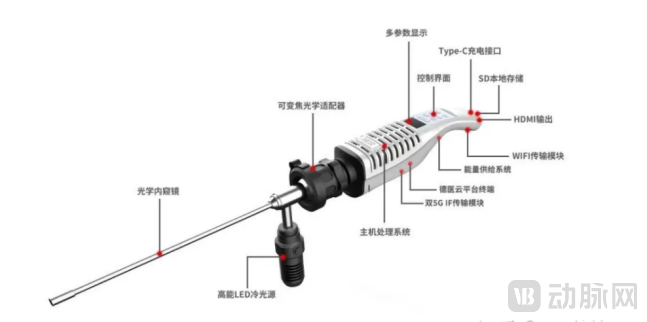 Wireless Intelligent Laparoscope System (Image Source: Deming Electronics)
Professor Liang told VCBeat, “This pocket-sized laparoscopic surgical instrument not only consolidates all the functions of traditional devices, including illumination and imaging, but also incorporates features characteristic of the 5G era.”
The maturity of 5G technology has reduced transmission latency to a negligible level. By leveraging 5G for the real-time transmission of intraoperative images and data, wireless intelligent laparoscopic systems enable interactive exchange and intelligent management of diagnostic and therapeutic information. Furthermore, specialists at tertiary hospitals can provide real-time remote guidance to primary care facilities during surgeries via mobile applications, helping to address medical challenges that were previously difficult to resolve in remote areas with limited healthcare resources.
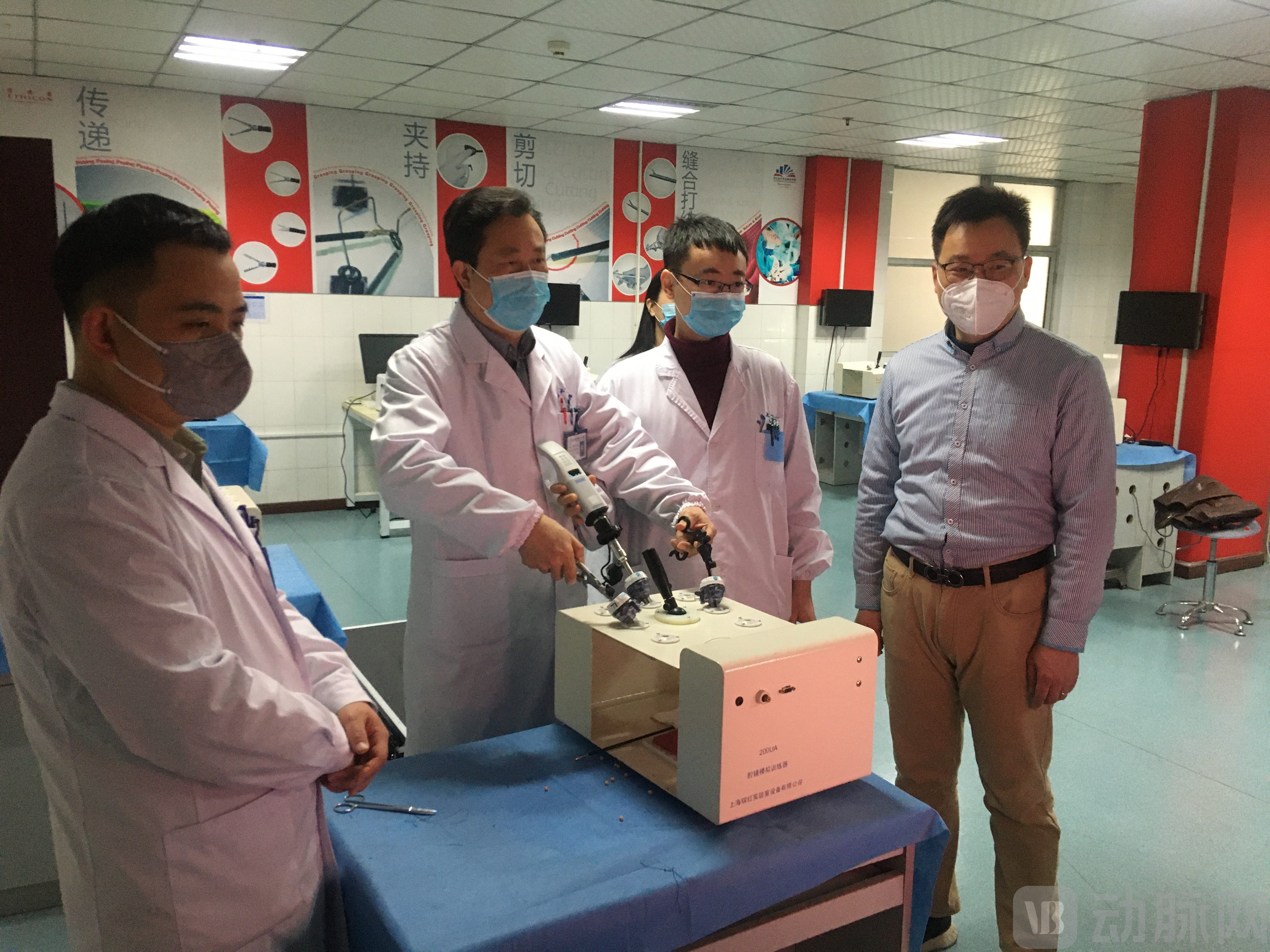 Professor Liang Chaochao Develops Wireless Intelligent Laparoscopic System (Image source: Provided by the interviewee)
Although Professor Liang was inspired by urological surgery to develop this laparoscopic system, its applications are by no means limited to urology. Currently,The wireless intelligent laparoscopic system has been applied in over 100 hospitals at all levels across 31 provinces and municipalities in China, including Peking Union Medical College Hospital, Shanghai Changzheng Hospital, Shandong Qilu Hospital, Sichuan West China Hospital, and Hunan Xiangya Hospital, as well as in multiple medical institutions abroad., including surgeons in gynecology, orthopedics, and otolaryngology, have given positive reviews.
III. Medical Innovation Also Depends on Advances in Other Industries
The breakthroughs in endoscopic systems—from wired to wireless, from bulky to compact, and from limited to advanced intelligence—reflect technological advancements across various fields. Reflecting on his years of research into wireless intelligent laparoscopic systems, Professor Liang’s greatest insight is: “As the sector of utmost societal concern, healthcare innovation is inextricably linked to progress in other industries.”
“But more critically, it hinges on the physicians themselves.”He continued to add.
Physicians are among those who best understand diseases, clinical practice, and patient needs, and they are also the most likely to identify directions for medical innovation. Professor Liang draws on his practical experience to advise young physicians engaged in innovative efforts: do not confine yourselves to the traditional boundaries of technology; any technology that minimizes the harm caused by disease and maximizes therapeutic efficacy is a valuable asset to the healthcare industry.
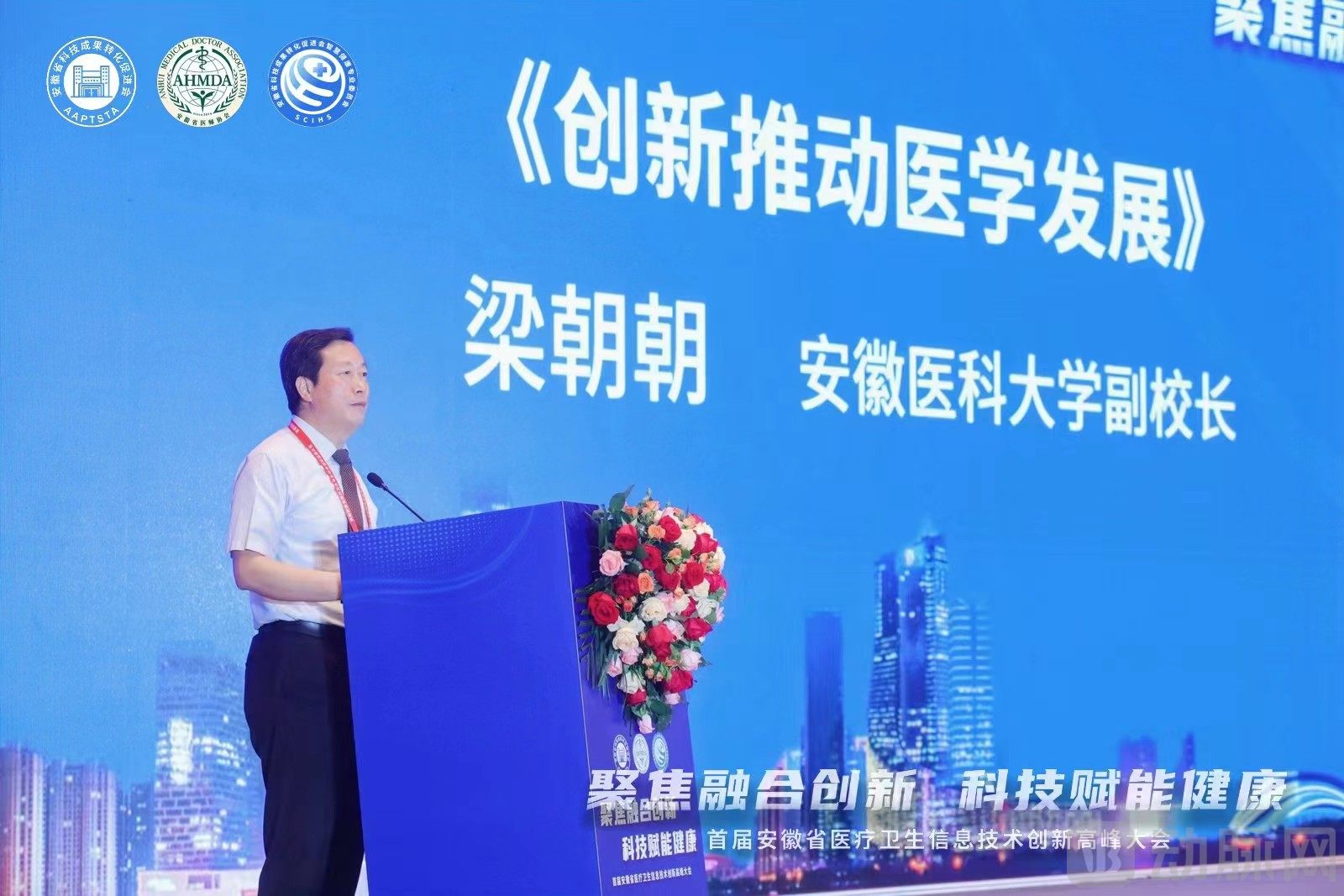
Professor Liang Chaochao (Image source: provided by the interviewee)
Today, Professor Liang continues his relentless pursuit of scientific research, turning his attention once again to the “scalpel,” a tool most familiar to surgeons. In traditional surgical procedures, surgeons must use a scalpel to incise the patient’s skin in order to access and operate on the lesion. But in the future, could this established practice be transformed through physical energies such as light or electricity? The answer remains unknown. Yet Professor Liang is clear about one thing: over the past three decades, what has driven him most is the desire to break through the boundaries of the unknown.