

Neurodegenerative Disease Diagnostics on the Rise: Huikang Medical Unveils Innovative Domestic Testing Solutions
Recently, the neurodegenerative disease sector has gained significant traction.
Since the FDA announced the accelerated approval of Biogen’s monoclonal antibody drug aducanumab in 2021, the market for neurodegenerative disease treatments has reached a turning point. Despite the extremely high failure rate of clinical trials in this sector (including late-stage trials), many companies are still eager to capitalize on the momentum and secure a share of the market.According to Mordor Intelligence, the market size of the neurodegenerative disease sector is estimated to reach $72.63 billion by 2028.
Treatment discussions are inextricably linked to prior diagnosis. However, according to an assessment by Alzheimer’s Disease International (ADI), 75% of dementia patients worldwide remain undiagnosed, with this figure believed to reach as high as 90% in some low- and middle-income countries—merely a microcosm of the diagnostic challenges facing neurodegenerative diseases. This phenomenon stems from unmet clinical needs in diagnosis and treatment, such as the need for improved accuracy and simplified methodologies.
To enable more patients to receive precise diagnoses, in 2017,Postdoctoral Fellow in Neuroscience and Senior Researcher at Johns Hopkins University, USADr. Jiang HaisongJointly established with multiple industry experts,Shanghai Huihao Medical Technology Co., Ltd.(hereinafter referred to as “Huihao Medical”), dedicated to advancing precision medicine for neurodegenerative diseases.

Dr. Jiang Haisong (Image source: Huihao Medical)
I. Convenient, Rapid, and Cost-Effective Screening Methods Become the Breakthrough Point
The surging heat of the neurodegenerative disease market is not without precedent.
Since 2021, China has officially entered an “aged society.” It is projected that by 2030, the proportion of the population aged 65 and above will exceed 20%, marking the transition to a “super-aged society.” Neurodegenerative diseases are highly prevalent among the elderly population, and the rapid pace of aging has naturally accelerated the expansion of this market segment.
In addition to the broader market environment, policy measures have further fueled the neurodegenerative disease market. In October 2016, the China Food and Drug Administration (CFDA) issued the “Priority Review Procedures for Medical Devices,” which explicitly included medical devices for diagnosing or treating diseases that are specific to or prevalent among the elderly in the priority review pathway. This indicates that the state is guiding researchers and enterprises to focus on research into neurodegenerative diseases.
In addition to objective conditions, the gradual improvement in health awareness among the elderly and their rising purchasing power are also important factors driving the development of the neurodegenerative disease sector.
Faced with a vast blue ocean, Dr. Jiang Haisong’s more than ten years of scientific research experience in the field of neurology have given Shanghai Huihao Medical Technology Co., Ltd. the confidence to enter the market. When asked why he chose to focus on the diagnostics sector, Dr. Jiang Haisong stated: “This is because there are still pain points in the clinical diagnostics field.。”
Most neurodegenerative diseases are characterized by poorly understood pathogenesis, which has become a significant barrier to the advancement of diagnostic methods for these conditions. Currently, in the vast majority of regions, particularly at the primary care level, the diagnosis of diseases such as Alzheimer's disease and amyotrophic lateral sclerosis (ALS) still relies on scale-based assessments. The accuracy of this approach is heavily influenced by subjective factors. Furthermore, due to varying levels of education among patients, specialized medical personnel must accompany them during the completion of these scales, resulting in an inefficient use of healthcare resources.
Although more accurate diagnostic methods have emerged in recent years, such as the use of structural MRI and cerebrospinal fluid (CSF) analysis to aid in the diagnosis of Alzheimer’s disease, most of these approaches are not only costly but also require sophisticated medical equipment, making them ill-suited for primary care settings. Furthermore, invasive procedures like CSF testing demand high technical expertise from clinicians and cause patient discomfort, resulting in low patient acceptance.
For various reasons,Convenient, Rapid, and Cost-Effective Non-Invasive ScreeningAs a new breakthrough point in the detection of neurodegenerative diseases in recent years, Huihao Medical is also making efforts in this area.
II. Three Major Platforms: Responding to Change with Constancy
While different neurodegenerative diseases vary in their clinical manifestations and pathogenic mechanisms, Huihao Medical adopts a consistent approach to address these diverse challenges.
Huihao Medical has established three core technological platforms: an exosome detection platform, a real-time quantitative PCR (qPCR) platform, and a high-throughput sequencing platform. Leveraging these platforms, the company is developing diagnostic solutions tailored to various neurodegenerative diseases.
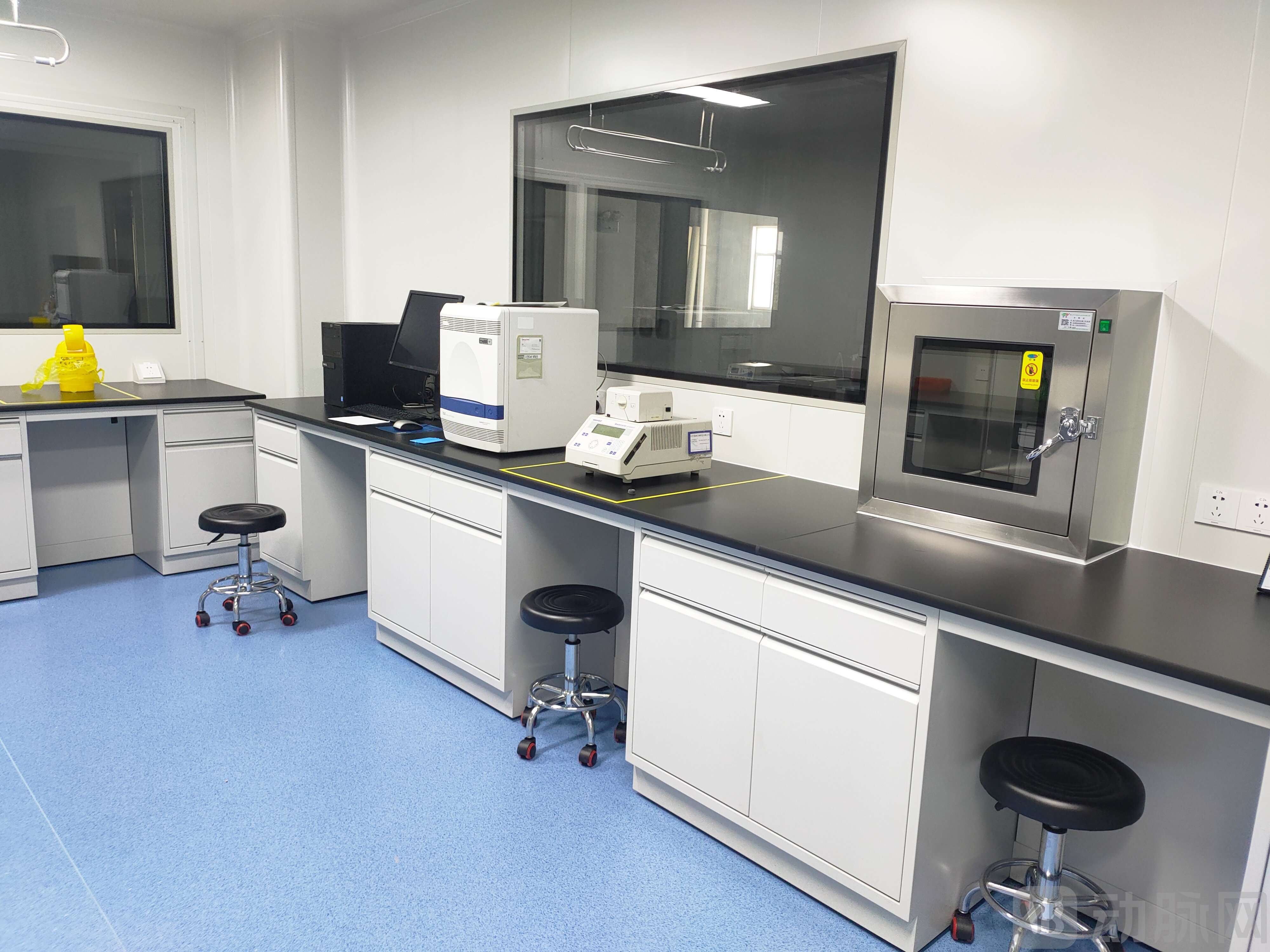
Anyang, Henan NGS Laboratory (Image source: Huihao Medical)
Firstly,Exosome Detection PlatformThis platform primarily utilizes self-developed patented technologies and reagents for the efficient isolation of serum and plasma exosomes, enabling disease diagnosis by detecting their contents in patient blood.
In previous testing, blood was not commonly used as a source of biomarkers; however, with advancements in medical research, there have been new breakthroughs in the study of neurodegenerative diseases. Taking Alzheimer’s disease (AD) as an example, the application of blood-based biomarkers for AD diagnosis was proposed at the 2023 Alzheimer’s Association International Conference held in Amsterdam, the Netherlands. This undoubtedly provides effective endorsement for Huihao Medical’s exosome detection platform.
Secondly,Real-Time Quantitative PCR Platform, this platform primarily conducts diagnostics through genetic analysis. The 2021 special issue of Science on neurodegenerative diseases noted that studies have already identified genetic factors and biochemical processes associated with neurodegenerative diseases (NDDs), suggesting that NDDs may be genetically linked.
Building on this foundation, Huihao Medical employs a unique primer design technology that effectively prevents non-specific amplification, enabling assays such as gene expression analysis, non-coding RNA analysis, gene SNP analysis, and copy number variation analysis, thereby further enhancing the accuracy of early screening for neurodegenerative diseases.
Furthermore, high-precision testing equipment significantly reduces the required sample volume, enabling accurate detection with only a small number of oral epithelial cells. This not only facilitates sample collection by primary healthcare workers but also lowers the costs associated with sample storage and transportation.
Finally, there isHigh-Throughput Sequencing Platform. Leveraging its proprietary NGS library preparation reagents, this platform enables the rapid construction of DNA-seq and RNA-seq libraries while minimizing GC bias, thereby achieving shorter library preparation times and higher success rates.
Furthermore, a systematic bioinformatics analysis pipeline can effectively reduce biases in genomic interpretation and improve detection accuracy.
Supported by its three major technology platforms, Huihao Medical has developed several diagnostic products for Parkinson’s disease (PD), Alzheimer’s disease (AD), and other common neurodegenerative disorders in the elderly. Multiple products have completed preclinical studies for in vitro diagnostics (IVD) and are poised to enter clinical trials.
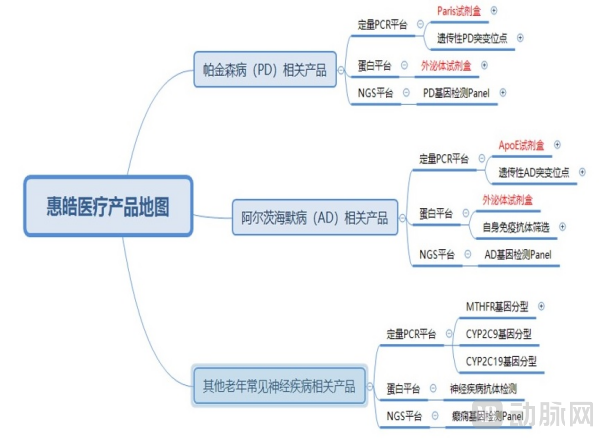
Huihao Medical Product Map (Image source: Huihao Medical)
Currently, Huihao Medical has established offices in Shanghai, Jiangsu, and Henan, with each location serving a distinct function: the Shanghai entity serves as the R&D and marketing center, the Nantong (Jiangsu) facility operates as the production center, and the Anyang (Henan) site functions as the testing center. Dr. Jiang Haisong told VCBeat, “In the future, Huihao Medical will continue to enhance its testing technologies, striving to meet the diagnostic and early screening needs for a broader range of neurodegenerative diseases and common cerebrovascular disorders.”

Honors Received by Huihao Medical (Image source: Huihao Medical)
III. Without Accumulating Small Steps, One Cannot Reach a Thousand Miles
The benefits of medical innovation are bidirectional: on the one hand, Huihao Medical’s products serve patients by enabling more accurate diagnostic services; on the other hand, the extensive patient data collected by these products will further drive the iterative advancement of treatment strategies for neurodegenerative diseases.
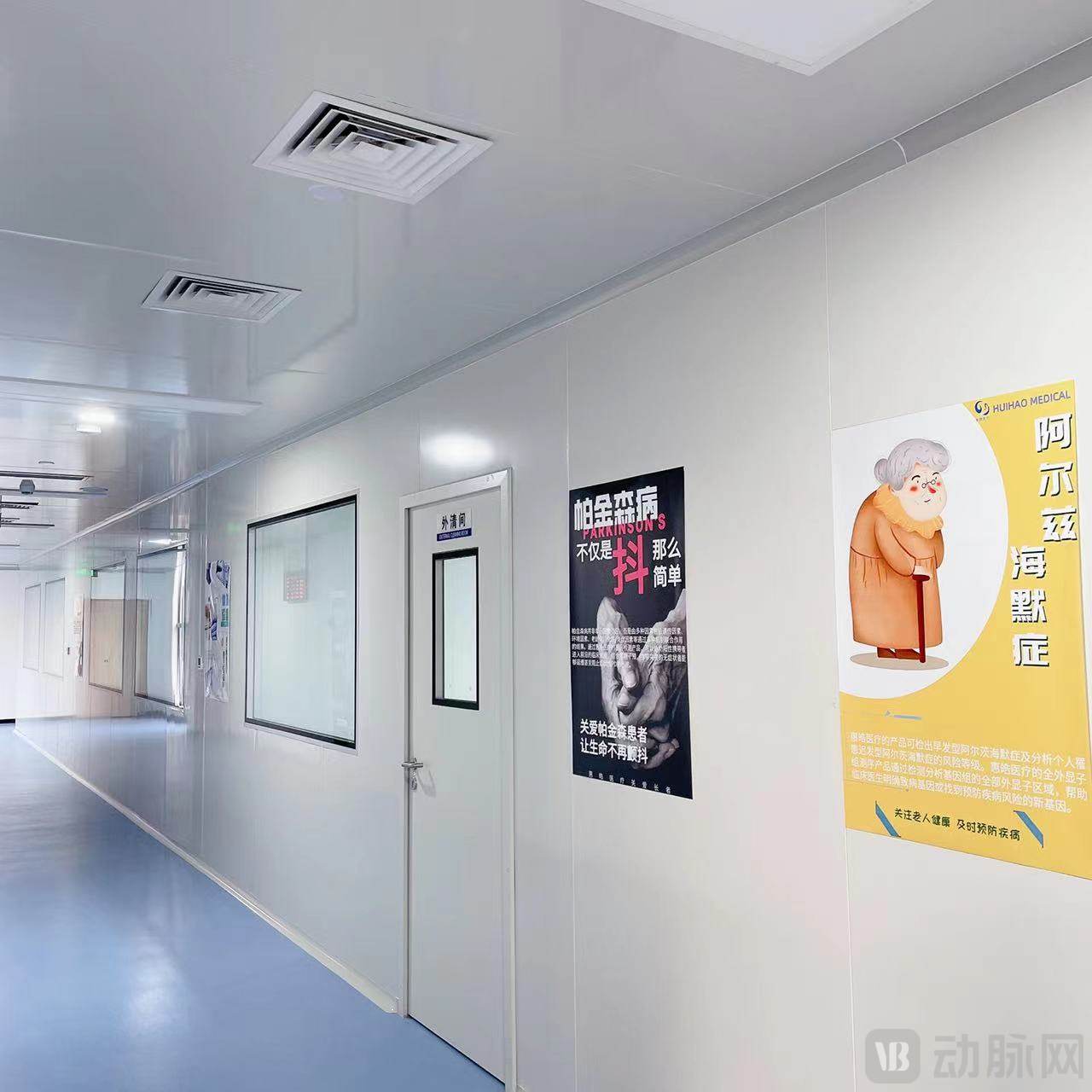
GMP Facility in Nantong, Jiangsu (Image source: Huihao Medical)

Huihao Medical (Image source: Huihao Medical)
In collaboration with several renowned medical institutions, including Huashan Hospital, Renji Hospital, and Sichuan Provincial People’s Hospital, Huihao Medical has completed data collection from over 50,000 cases. As Dr. Jiang Haisong stated, “A journey of a thousand miles begins with a single step;Currently, Huihao Medical is establishing its own database with the aim of providing more treatment options for neurodegenerative diseases.”
However, Huihao Medical remains committed to its original mission of serving primary care. In the future, the company will continue to promote the adoption of its products in primary healthcare settings, including nursing homes, long-term care facilities, health examination centers, and community health service centers, enabling more people at the grassroots level to benefit from precise and convenient medical services.