

Asia-Pacific DSO Management Summit Successfully Concludes: Industry Leaders Chart Future Growth Strategies

JD Health
Internet Medical and Health Service Platform Provider

Yoshidome Dental Clinic
Dental Clinic Service Provider

ARRAI
Oral Healthcare Service Provider
MEI WEI DENTAL GROUP
Oral Health Service Provider

WORLD ENT
Dental Clinic
Since entering 2023, the dental industry has not seen the anticipated high growth. From the price declines triggered by the implementation of centralized procurement for dental implants at the beginning of the year, to the palpable consumer weakness felt by institutions mid-year, and finally to the sudden disappearance of numerous dental clinics and intensified industry competition by year-end, all these factors reveal the growing pains and challenges experienced by the dental sector this year.
These changes indicate that the organizational and management models in the oral health industry urgently need transformation and innovation to achieve new growth in an era marked by intense competition and slim profit margins.
How to optimize the organization and management of outpatient clinics? What strategies should be adopted to address pain points such as sluggish growth and clinic transformation? And what core trends must be grasped for future development? To address these questions, the IDSO Dental Alliance and JD Health jointly hosted the “Asia-Pacific DSO Organizational Management Summit” on December 6–7, 2023. Under the theme “Management · Empowerment · Growth,” the summit invited founders and managers from diverse countries, regions, and types of clinics to share their successful experiences, innovative thinking, and insights into the future.
A successful summit must feature a substantial number of industry luminaries.
At this point, as the year-end flagship event of the oral health industry,Asia-Pacific DSO Organization Management Summit Invites Heavyweight Guests from China, Japan, South Korea, and Other Countries to Gather On-Site, featuring authoritative experts, senior scholars, and representatives from leading chain clinics across the Asia-Pacific region, to discuss in depth the industry’s hot topics, pain points in outpatient clinic development, challenges in technological innovation, and key aspects of operational management, thereby helping outpatient clinics break through management bottlenecks and achieve upward growth.
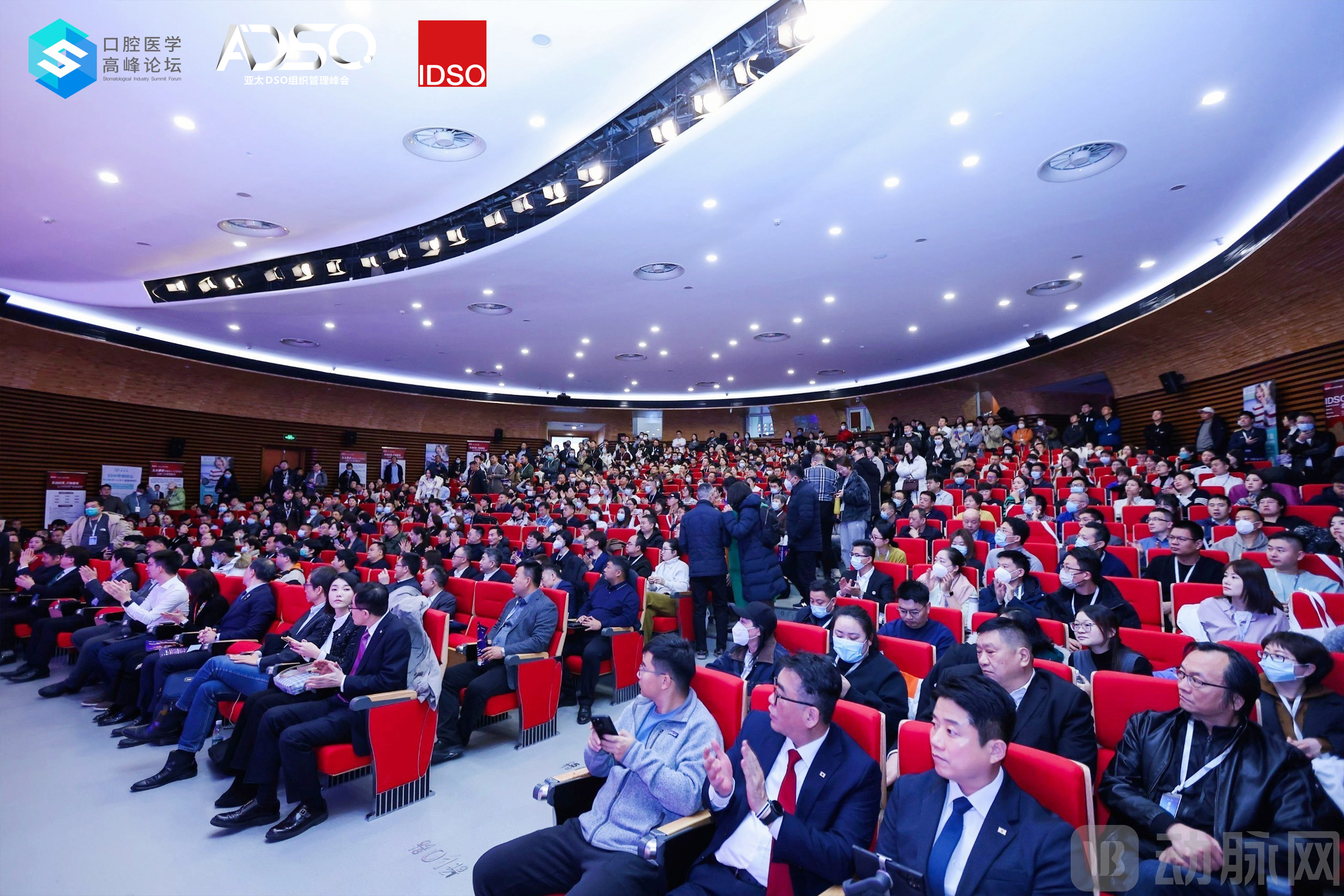 ▲ Opening Ceremony of the Summit
It is worth mentioning that this summit was titled by JD Health, and received strong support from Invisalign, Angelalign, Straumann, Geistlich, SDM Technology, Ulan Zhihui, Dentium, Osstem Implant, Zhuomei Medical Union, Romu, Sinopharm, LargeV, MegaGen, Bi'an Dental, Komet Dental, W&H Medical, and EMS.
To gain diverse insights,The summit featured two main venues: the “Academic Track” and the “Management Track.”, integrating technology with application and innovation with practice, while focusing on specific issues, phenomena, and trends emerging in the practical aspects of the oral health industry.
Specifically, the management forum adopts a “Main Forum + Sub-Forums” format, inviting leading chain operators, industry benchmarks, and dental pioneers to deliver speeches on various topics, sharing their innovative thinking as well as their strategies and perspectives for responding to industry changes.
The academic session explores the academic development and technological innovation in oral and facial management from a professional perspective, while also examining “full-lifecycle” management of oral and facial health through multidisciplinary integration and digital innovation.
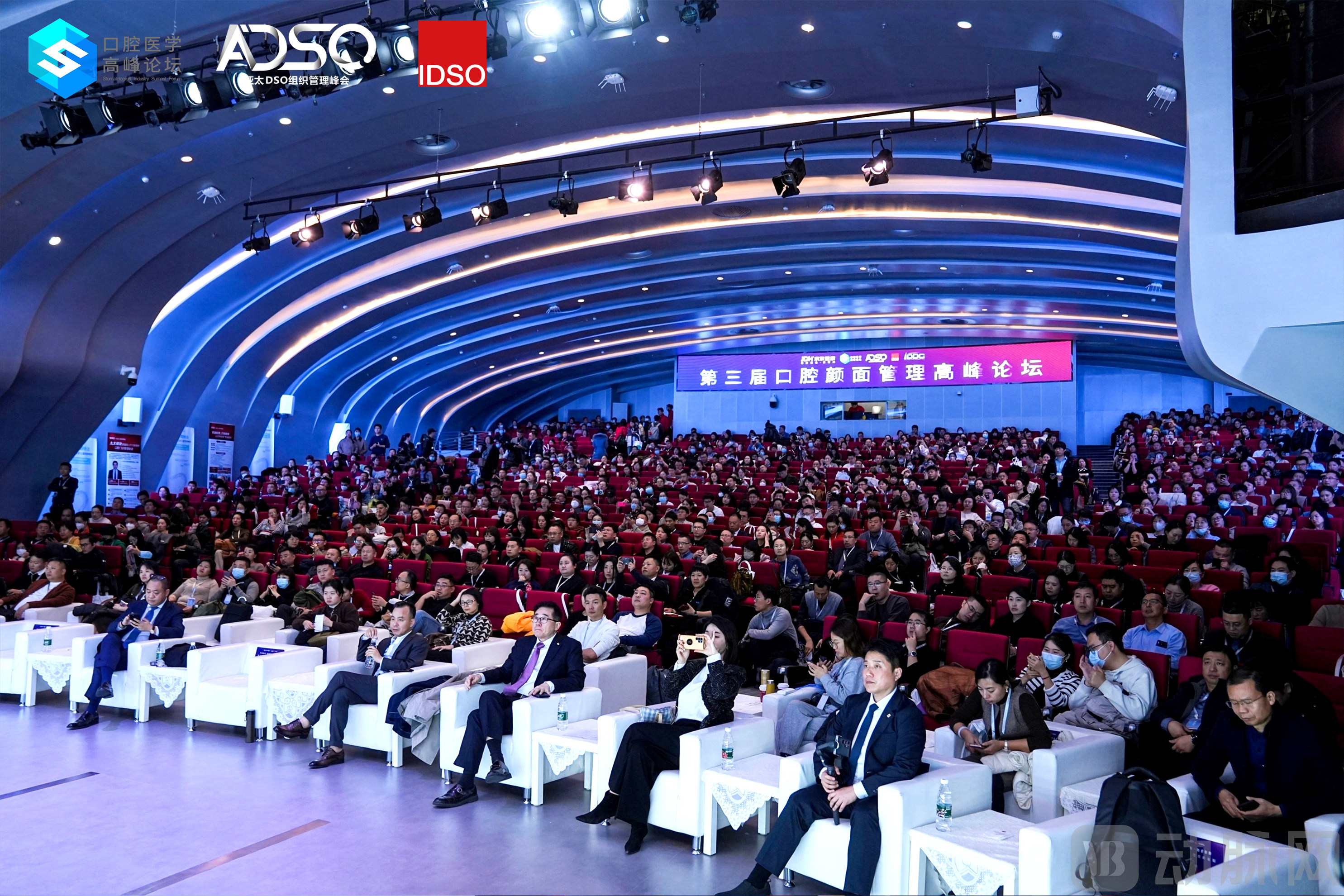
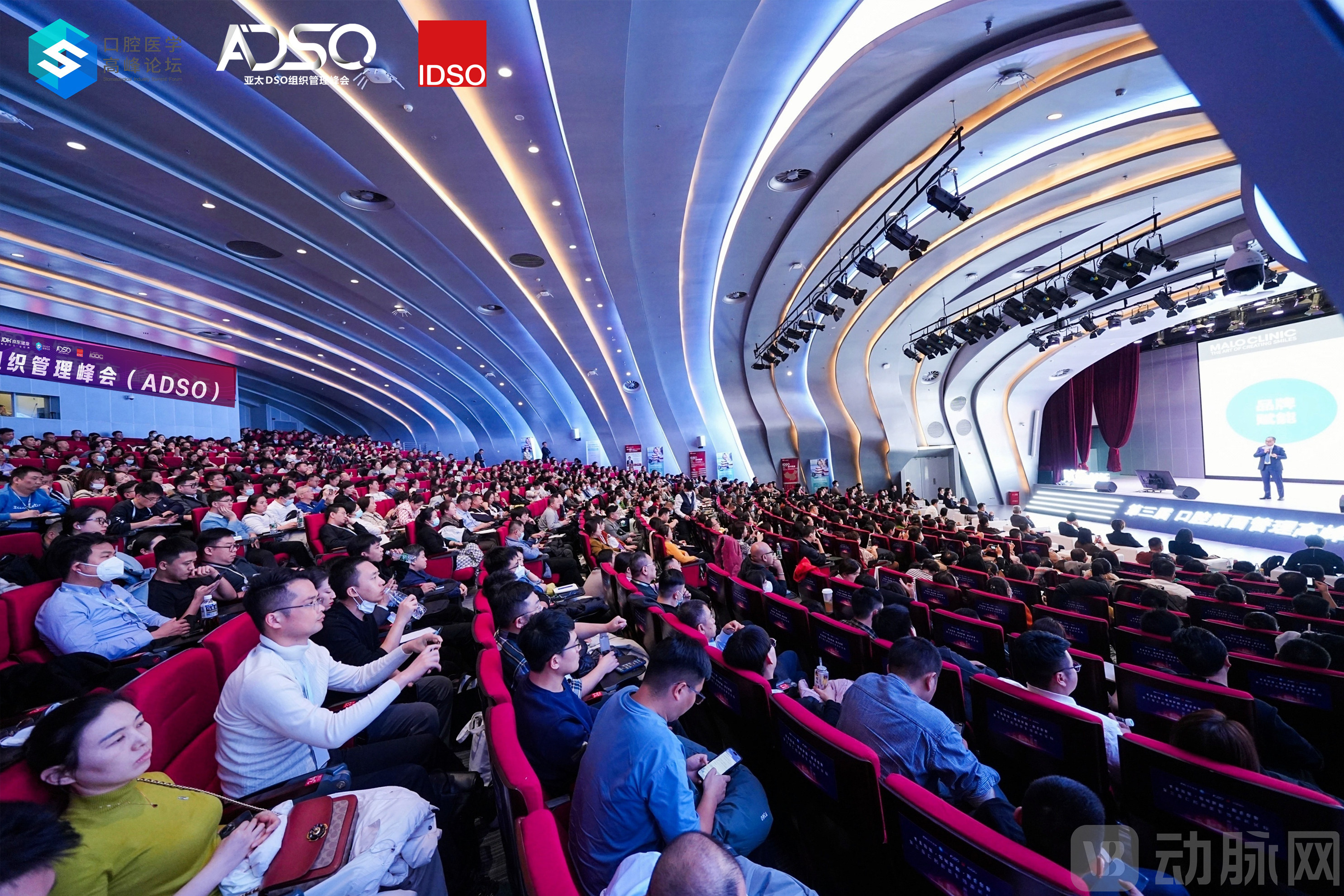 ▲ Summit Venue
Moreover,The agenda setting also takes a variety of forms.In addition to traditional guest presentations, each venue also featured roundtable forums where industry leaders shared their insights and perspectives on industry development trends through forward-looking dialogues. Interactive networking zones were set up outside the venues to provide attendees with a space for in-depth understanding, communication, and exchange.
Over the course of two days of insightful content sharing, the summit featured specially curated sessions, including the LinkCare Special Session, the Yiya DSO Special Session, the IDSO Special Session, the IDSO Next-Gen Dentists Special Session, and the Young Professionals Forum. These diverse and multi-dimensional segments showcased frontline industry practices and cutting-edge insights.
During the summit, dental clinic managers joined IDSO for a study visit to JD.com’s headquarters, where they explored digital intelligence application cases and experienced high-tech products. This initiative broadened their professional horizons and strengthened their innovation awareness as well as operational management capabilities.
A glimpse of the summit’s popularity can be seen from the data. According to statistics,The summit brought together nearly 100 renowned speakers from China and abroad, attracting over 2,000 dental professionals to attend in person, covering more than 180 dental healthcare channels, and achieving media exposure reaching over 500,000 viewers.
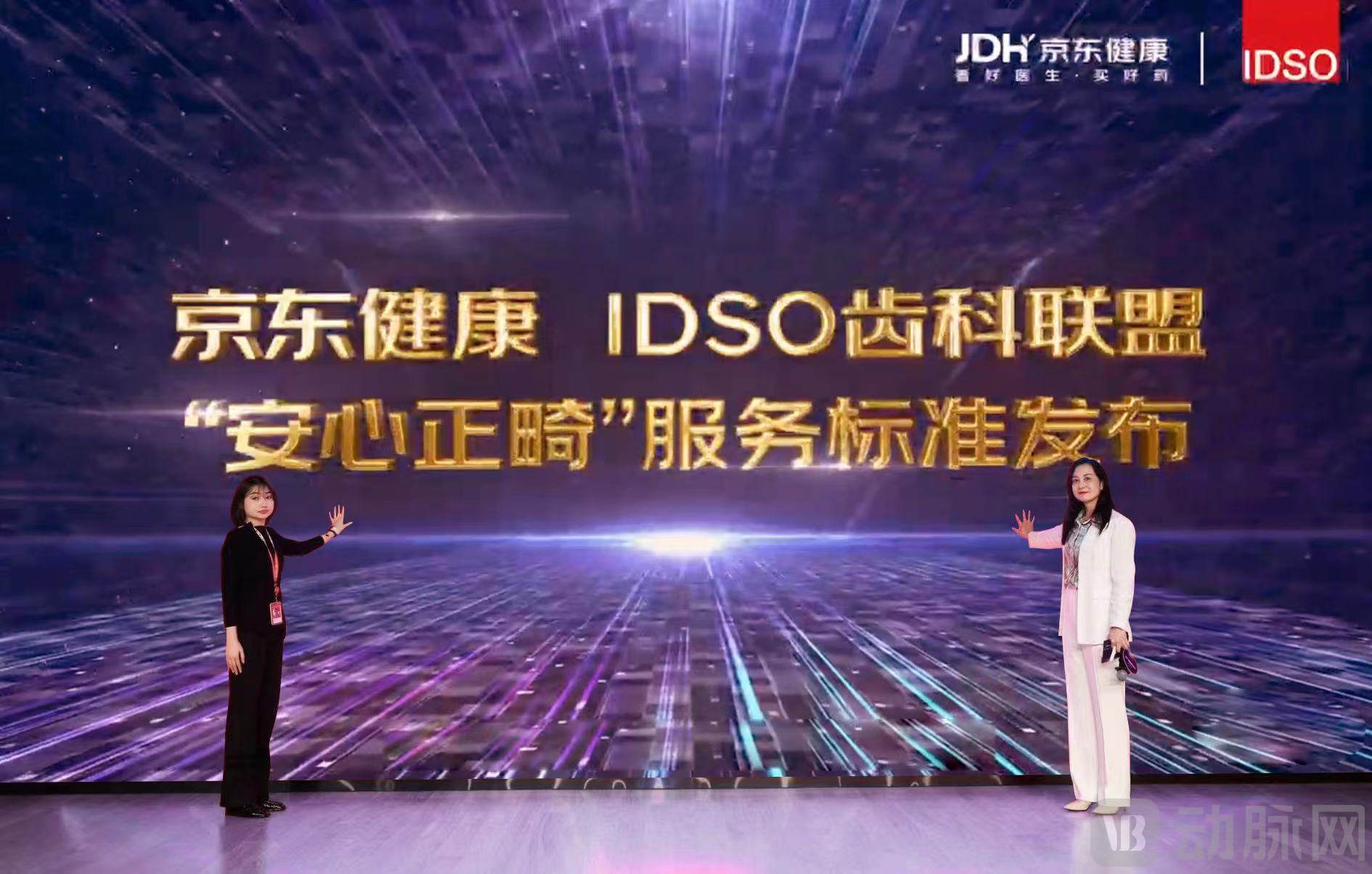
The summit also yielded significant outcomes. During the management session, the “Peace of Mind Orthodontics” service standard was released. Ms. Dong Ya, Vice President of Happy Dental Medical Group, and the head of the dental business at JD Health’s Consumer Healthcare Division jointly witnessed this important moment. This collaboration will precisely address key pain points for dental consumers, including difficulties in selecting clinics, doctors, and brands, as well as opaque pricing.
Furthermore, IDSO and Micro Connect held a strategic cooperation agreement signing ceremony at the Asia-Pacific DSO Organization Management Summit. Wang Ying, CFO of Enjoy Dental Care Group, and Ji Huijie, Assistant Vice President of Micro Connect’s Northern Region, attended and witnessed the signing. Following this strategic partnership, Micro Connect will continue to expand its collaboration with IDSO, empowering the healthcare sector through “capital + technology” to facilitate the rapid and healthy development of the dental chain industry and serve more patients.

Amidst the Hype: What Insights and Reflections Did the Asia-Pacific DSO Management Summit Actually Deliver?
In the face of current industry transformation, for every participant in the dental sector, the key lies in confronting challenges head-on and identifying effective solutions.
In response, moderated by Liu Ran, Vice President of the IDSO Dental Alliance, industry leaders at the summit shared their insights from various perspectives on the core topic: “How Can Dental Outpatient Clinics Achieve Sustained Breakthroughs?”
 ▲Liu Ran, Vice President of IDSO Dental Alliance (right)
At the event, Wang Xing, Honorary President of the Chinese Stomatological Association, stated that it is normal for dental professionals to feel anxiety and uncertainty about the current development of the oral health industry, but they should believe that these temporary challenges will surely change. With national economic growth, advances in stomatology, and improvements in public health, the oral health industry is certain to have a brighter future.
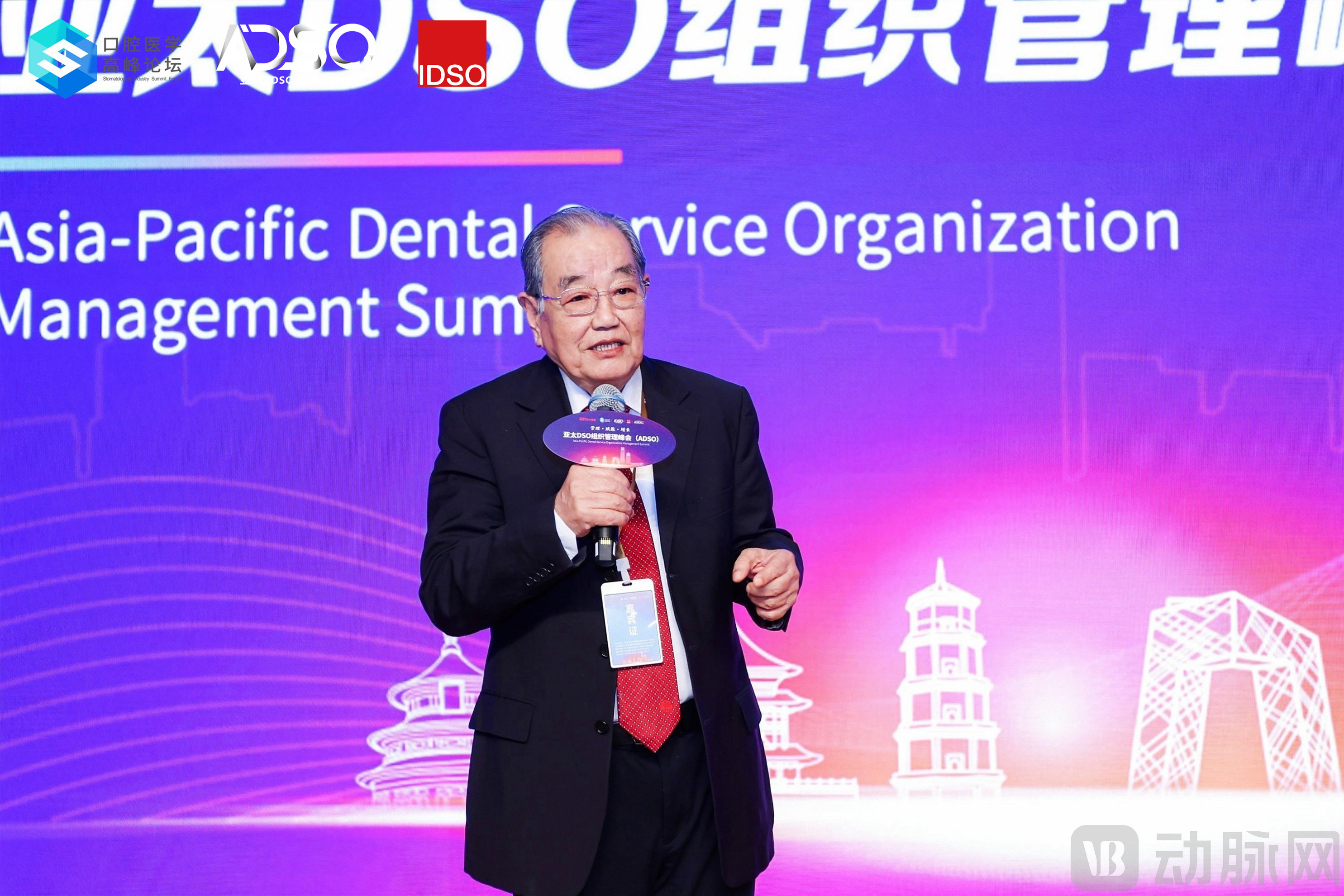 ▲ Wang Xing, Honorary President of the Chinese Stomatological Association
Dr. Sun Yan, founder of the IDSO Dental Alliance, delivered the opening remarks. He stated that amidst the current less-than-ideal market conditions, it is essential to brainstorm with dental peers across China and the Asia-Pacific region to identify innovative management strategies for clinics and share successful experiences in adapting to the market environment. Furthermore, he shared data from nearly 100 IDSO member clinics, revealing growth in both monthly new patient visits and monthly clinic revenue this year, indicating that the dental industry remains relatively robust.
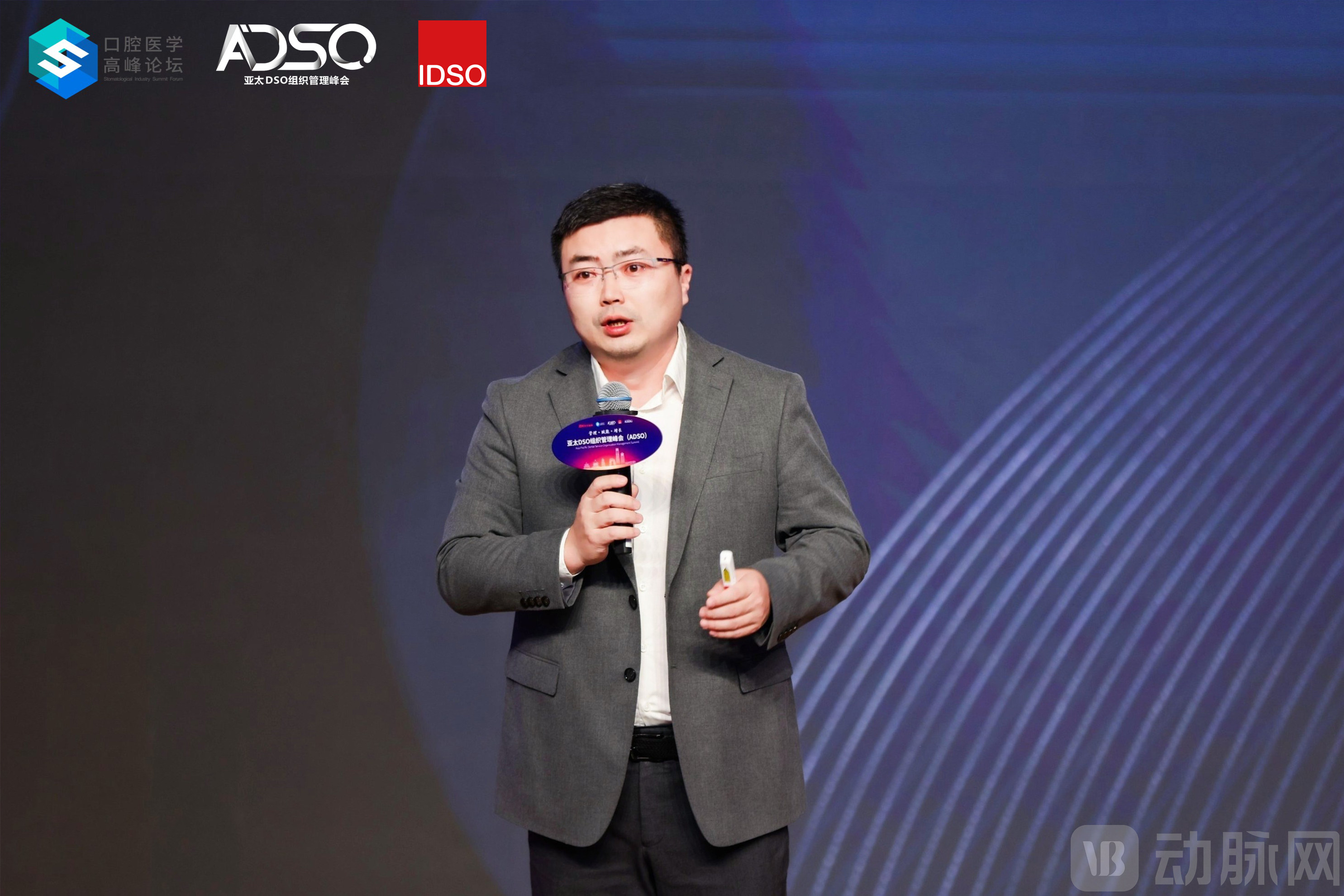 ▲Sun Yan, Founder of the IDSO Dental Alliance
Addressing the long-term development and growth of the dental industry, the head of JD Health’s Consumer Healthcare Division stated in his keynote speech, “Digitalization-Driven Health Management Across the User’s Entire Lifecycle and All Scenarios,” that JD Health, as the primary online entry point for health consumption, meets users’ growing health needs by integrating health products with medical and healthcare services. With numerous changes occurring in the dental industry this year, JD Health aims to leverage its advantages in pharmaceutical and healthcare supply chains and medical service resources to efficiently link doctors, institutions, and online channels, thereby providing higher-quality services to users.
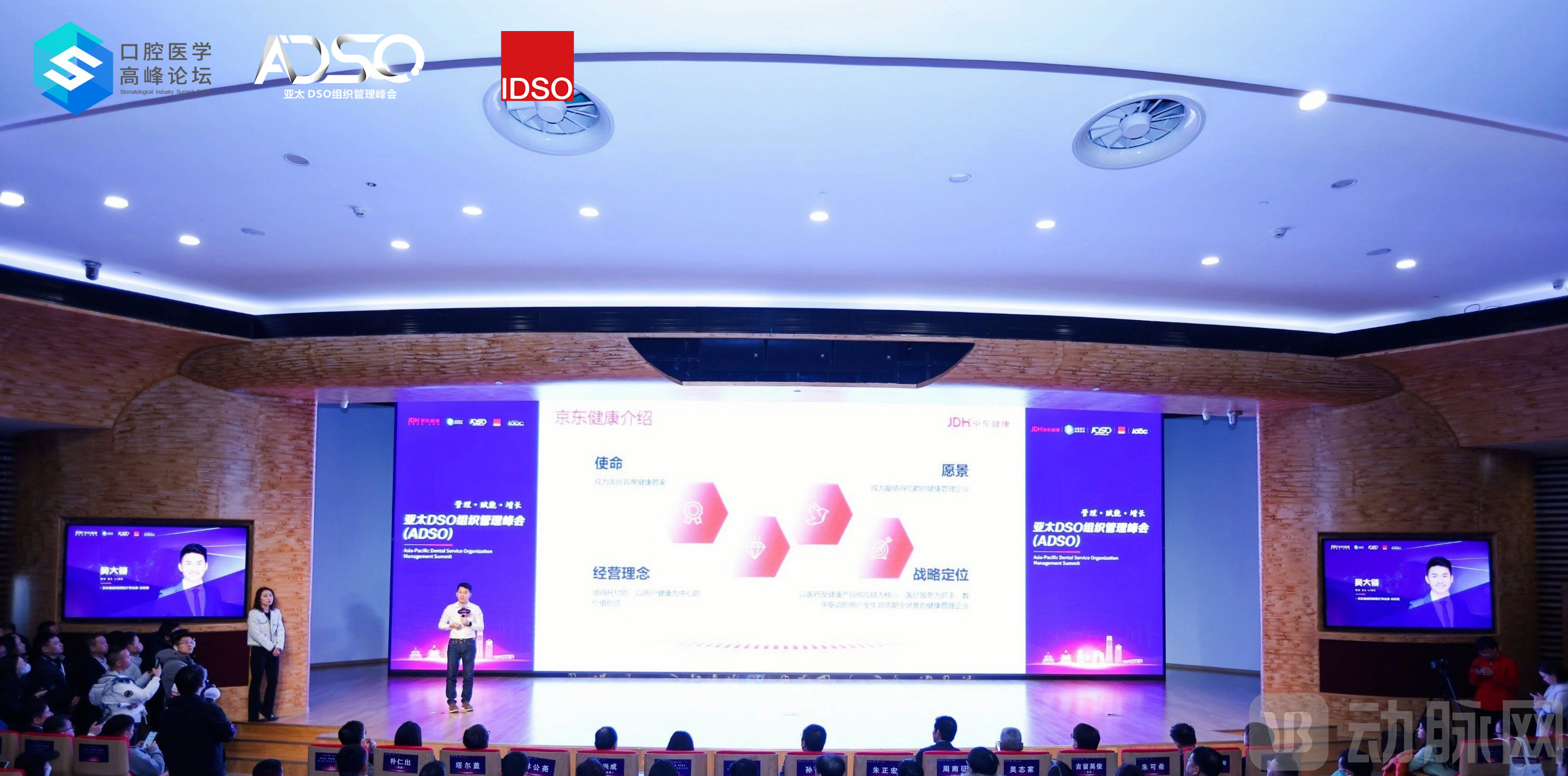 ▲ Head of the Consumer Healthcare Division, JD Health
In his presentation titled “Creating Demand in an Era of Mature Consumption,” Zhou Nanzheng, Chief Operating Consultant at S.T.M. Xianglan and founder of the Three-Dimensional Life-Oriented Management System, noted that the so-called upgrading or downgrading of consumption is merely a superficial phenomenon; its essence lies in the increasing maturity of national consumer awareness. Therefore, for outpatient clinics to sustain growth in this consumption-driven era, they must elevate their cognitive frameworks, adapt to environmental changes, shift their focus from “traffic volume” to “customer retention,” fully uncover latent demands, transition from addressing single oral diseases to managing all intraoral conditions, and integrate products with high-quality services while building core technical competencies.
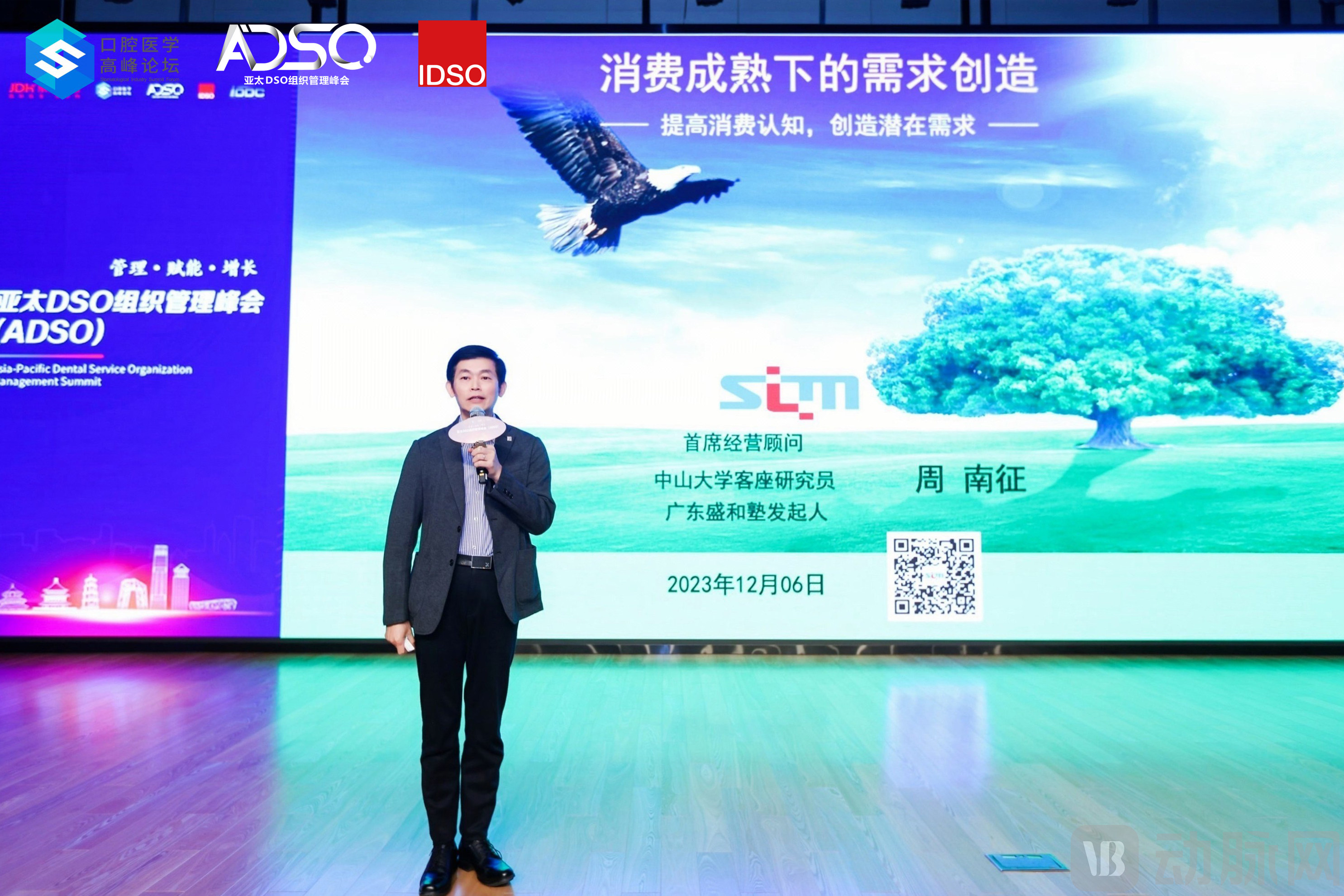 ▲Zhou Nanzheng, Chief Operating Advisor at S.T.M. Xianglan and Founder of the Three-Dimensional Life-Oriented Management System
Subsequently, Zhu Kexi, founder of Yiya Medical Management, stated in his speech titled “The Second Half of China’s Dental Industry: Building an Intra-oral Operational System” that mature dental healthcare service models have now emerged in all cities across China. Therefore, every dental clinic needs to establish its own operational management system, as well as team and talent development frameworks, to achieve cost reduction and efficiency improvement. In the second half of the dental industry’s downturn, clinics must first enhance patients’ awareness of oral health and increase long-term patient retention rates, which serve as the cornerstone for sustainable future growth.
 ▲Zhu Kexi, Founder of Yiyai Medical Management
While focusing on the domestic market, it is also essential to look abroad to seek valuable best practices. To this end, Hidetoshi Yoshidome, Chairman of the Yoshidome Dental Group (Shoyukai), shared insights from his presentation, “Practice of the WAHAHA High-End Pediatric and Adult Oral Care Business Model.” In Japan, pediatric dentistry and orthodontics are projected to become the primary revenue drivers. Specifically, pediatric dentistry is positioned as educational and regularly managed preventive dental care, with the core objective of enhancing health management awareness among children and their parents. He stated that the essence of oral healthcare lies in restoring patients’ physical health. Only by integrating this philosophy into both clinical practice and management will patients be willing to undergo more comprehensive treatments at the clinic.
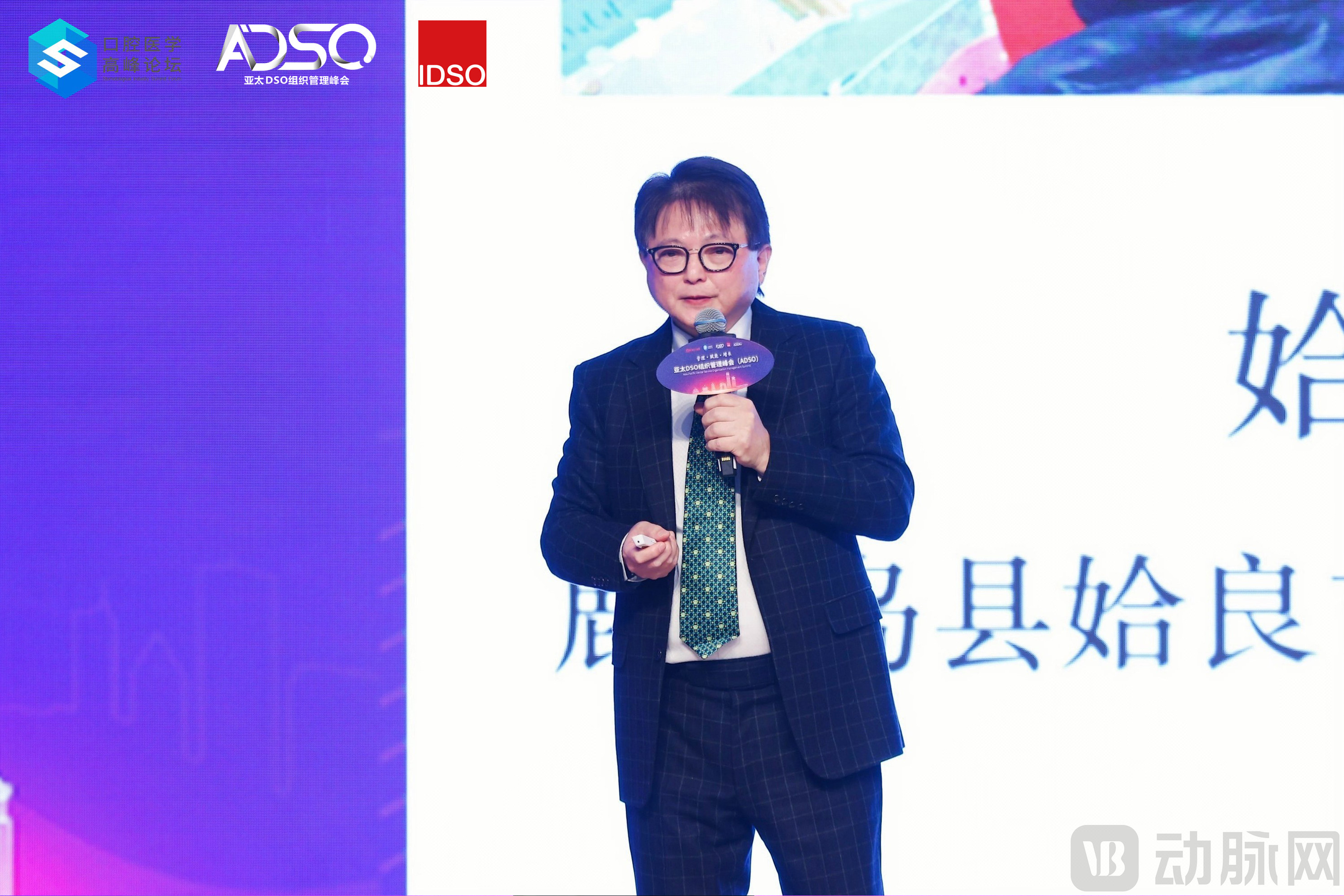 ▲ Hidetoshi Yoshidome, Chairman of the Japan Yoshidome Dental Group (Shoyukai)
The head of the dental business unit within JD Health’s Consumer Healthcare Division noted during a presentation that online consumer data from JD Health reveals significant pain points in the dental care sector: consumers struggle with selecting clinics, dentists, and brands, and face a lack of price transparency. Leveraging its robust big data analytics capabilities and mature operational expertise, JD Health can analyze potential users of dental services to help dental healthcare institutions drive traffic and enhance conversion rates. Additionally, it optimizes the user purchase journey to continually improve user experience. Through various channels such as procurement-led live streaming, merchant live streaming, the “Ten Billion Subsidy” program, and the JD Dental Official Flagship Store, JD Health customizes product selection, pricing, and promotional strategies for dental healthcare institutions, thereby helping them better meet consumer needs.
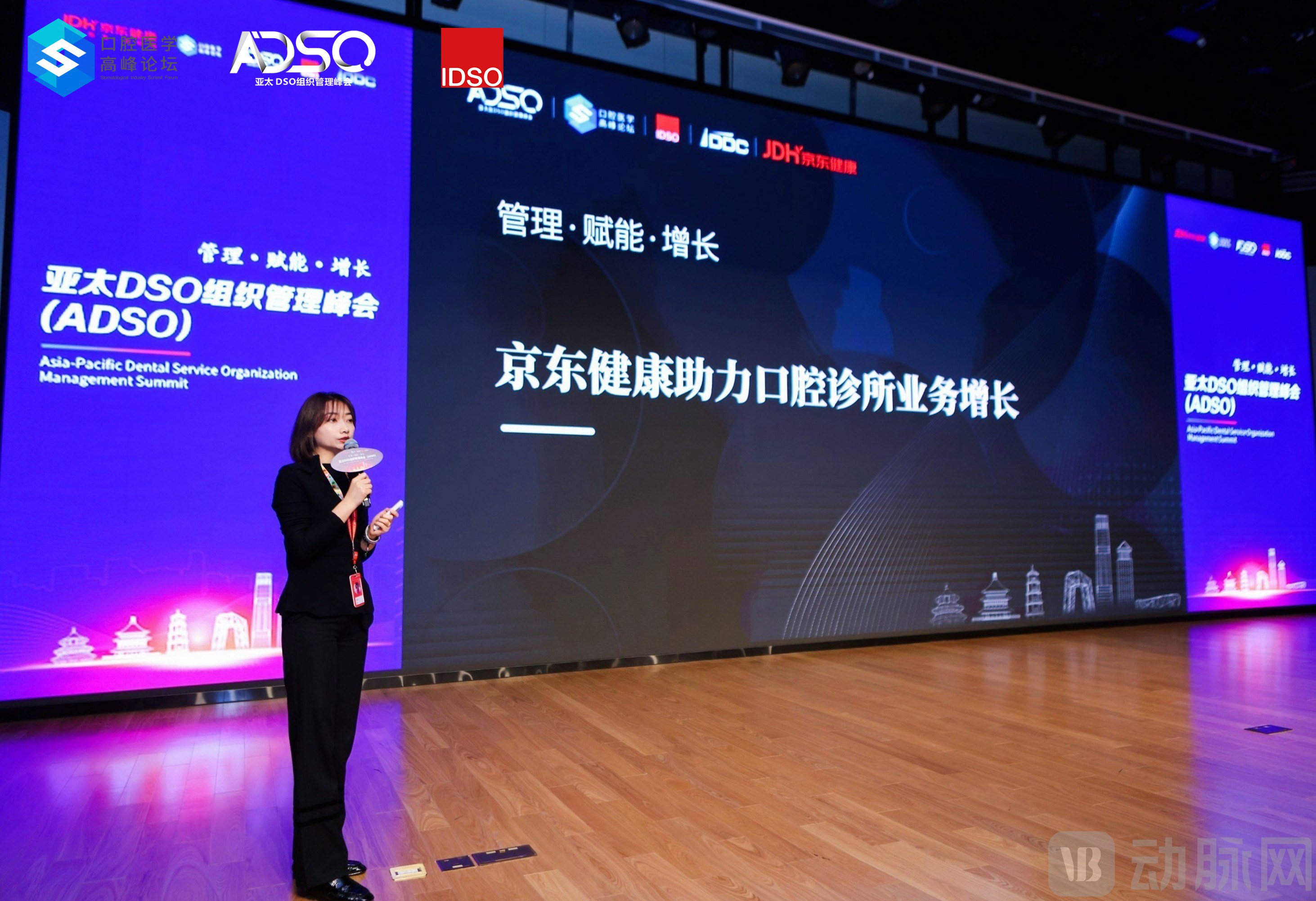 ▲ Head of Dental Business, Consumer Healthcare Division, JD Health
On the afternoon of Day 1, Zhu Zhenghong, Vice President of ARRAI and General Manager of Arrail Dental, delivered the keynote address. In his speech titled “Internal Operations and Clinic Efficiency,” he stated that the core to breaking the prisoner’s dilemma of involution lies in earning patient trust. To enhance market efficiency, clinics must embrace change when faced with constraints, recognizing that promotional activities can address a wide range of challenges, and should maximize the impact of online campaigns. Furthermore, future internal clinic operations should place greater emphasis on spatial efficiency by rationally allocating functional zones, including simulated treatment rooms, waiting areas, and demonstration classrooms.
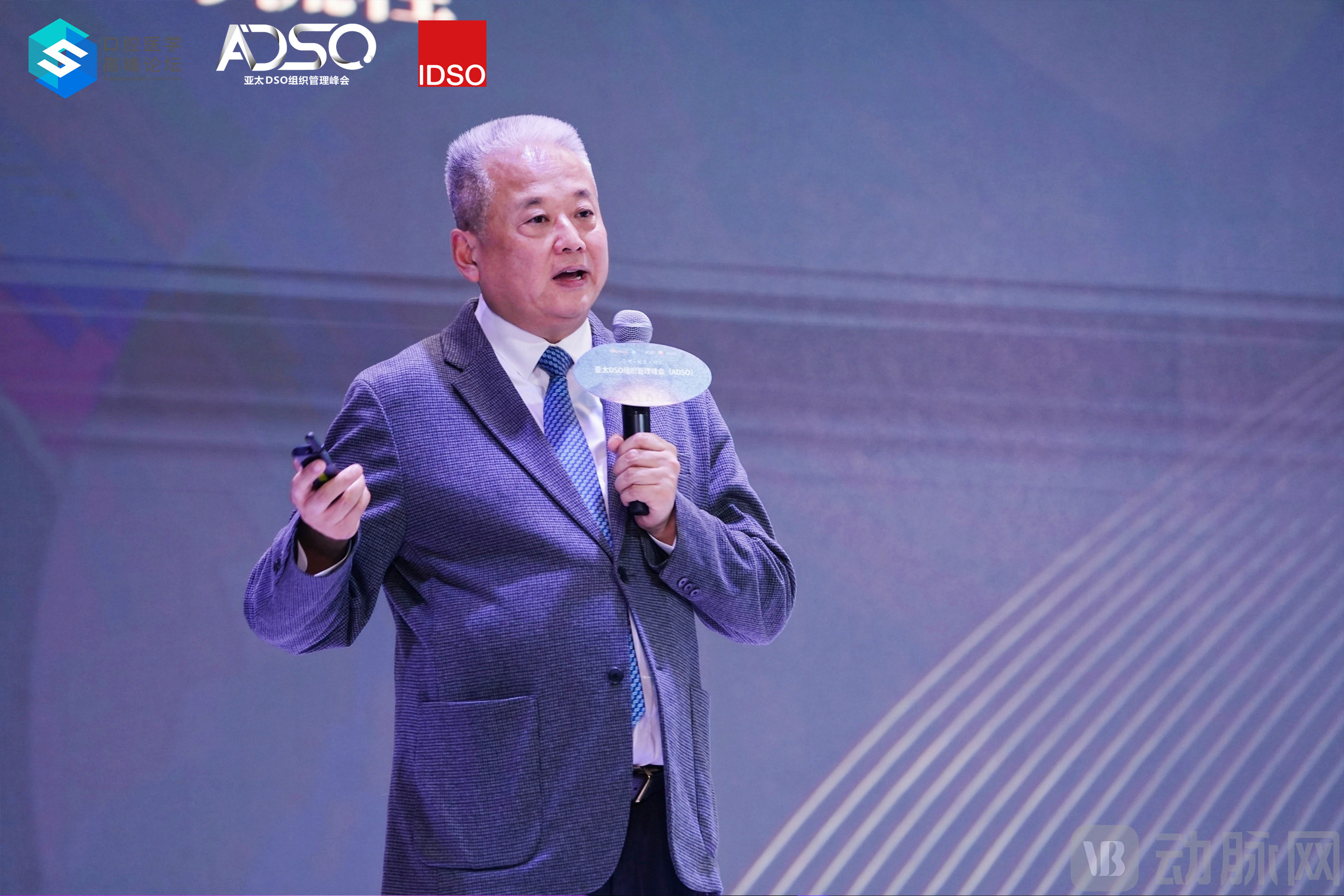 ▲ Zhu Zhenghong, Vice President of ARRAI and General Manager of Ritai Dental
Subsequently, Shao Zongzong, Founder and Chairman of Malo Clinic (China), delivered a speech titled “Malo Clinic Dentist Partner Alliance.” He stated that clinic establishment, required industry resources, core medical services, and operational management systems are common challenges faced by outpatient clinics. Taking the operational management system as an example, issues include the lack of standardized processes, traditional and singular operational methods, and an inability to support sustainable growth. Furthermore, the most significant change in clinic management is the transition from an employment-based model to a partnership model. The employment-based model is more suitable for large institutions with highly concentrated resources, whereas the partnership model is better suited for small and medium-sized institutions. Therefore, the partner affiliation model is an essential path for small and medium-sized institutions to break through into chain-operated brands, as it can better help managers address issues across various aspects, including clinic operations, commercial resources, core medical services, and operational management systems.
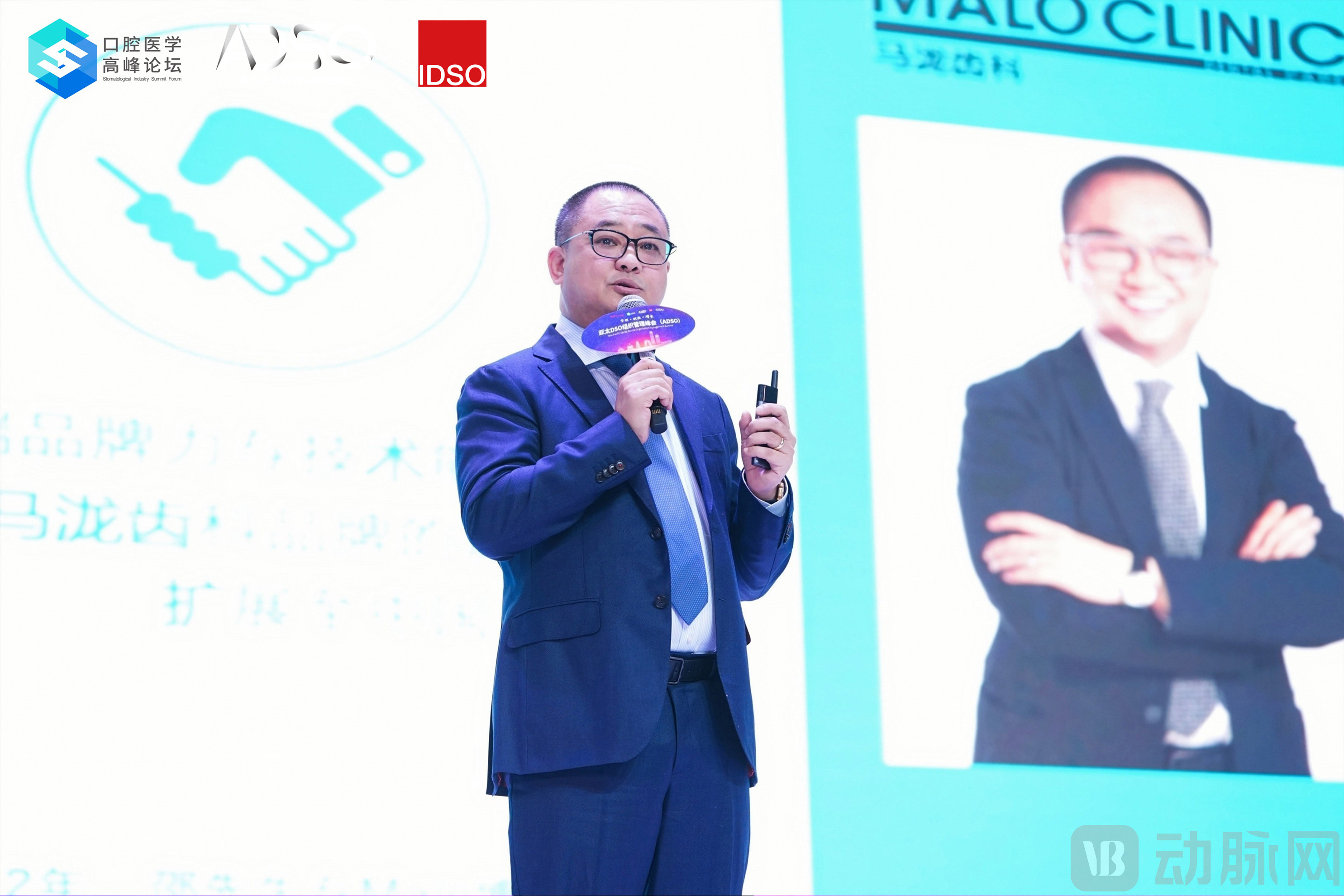 ▲Shao Zongzong, Founder and Chairman of Malo Dental (China)
In the face of fierce industry competition, Zhu Liya, Founding Partner and CEO of MEI WEI DENTAL GROUP, shared insights on general practice thinking and management wisdom in her speech titled “Enhancing Healthcare Management.” Currently, most dentists in China are deeply focused on medical technology while overlooking aspects such as clinic management, cost control, and patient management. In the future, general practitioners will play a crucial role; only through refined management of clinics and patients can comprehensive general dental services be effectively established.
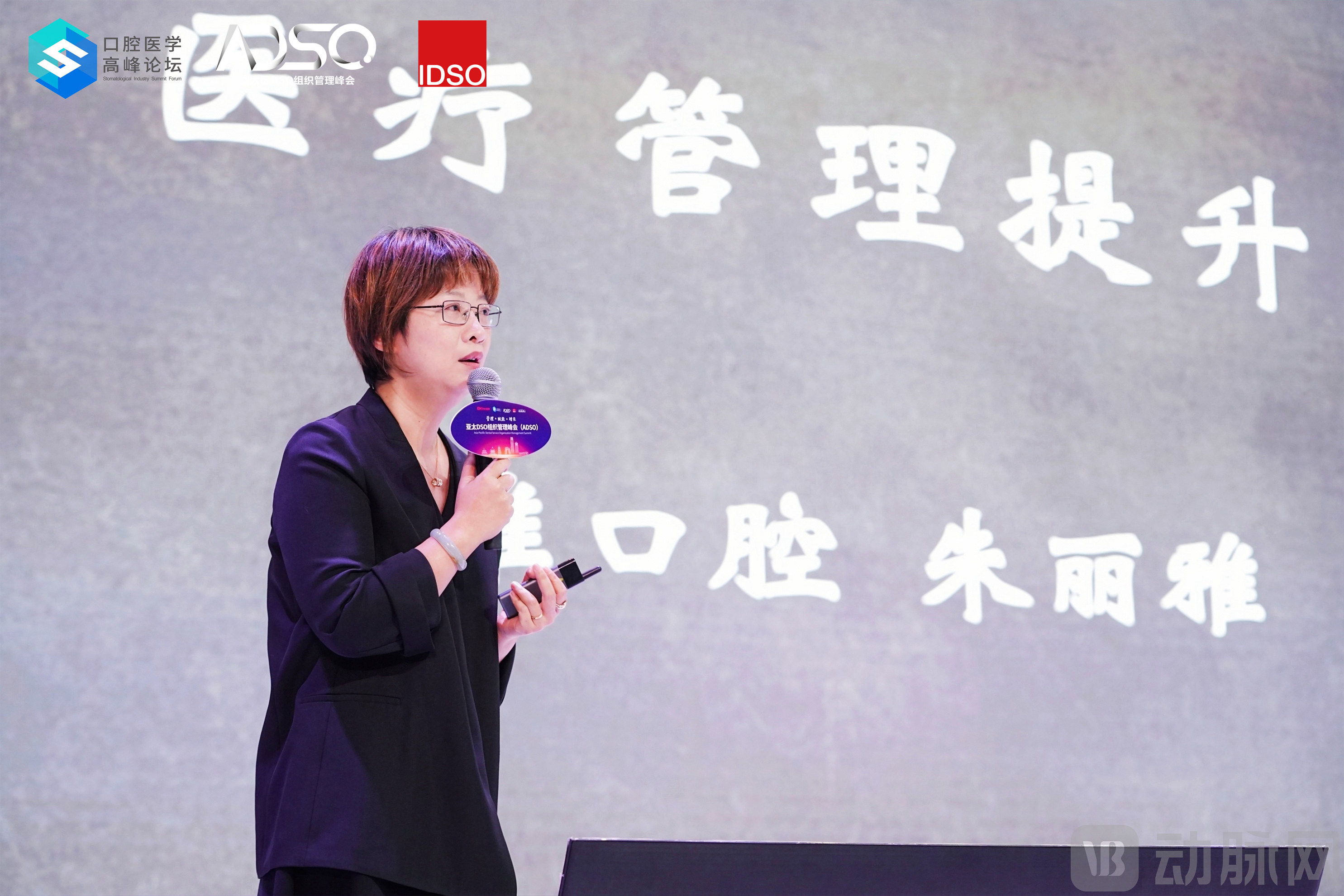 ▲Zhu Liya, Founding Partner and CEO of MEI WEI DENTAL GROUP
Volume-based procurement (VBP) is currently the hottest topic. In light of this, Guo Feng, Head of Straumann’s DSO Business in China, delivered a presentation titled “Industry Insights and Future Outlook Following Volume-Based Procurement for Dental Implants.” He stated that VBP will lead to a reshaping of the entire oral care industry chain, spur new service models, and drive development in both upstream and downstream sectors of the oral health industry. Meanwhile, VBP will also change patients’ perceptions of dental implant medical services. Taking dental institutions as an example, the patient market has been reshaped in the post-VBP era, with varying degrees of benefit from the incremental patient growth across different institutions. Public hospitals and private institutions that have already established trust are absorbing the increased patient volume, while some institutions have even experienced a decline in patient numbers.
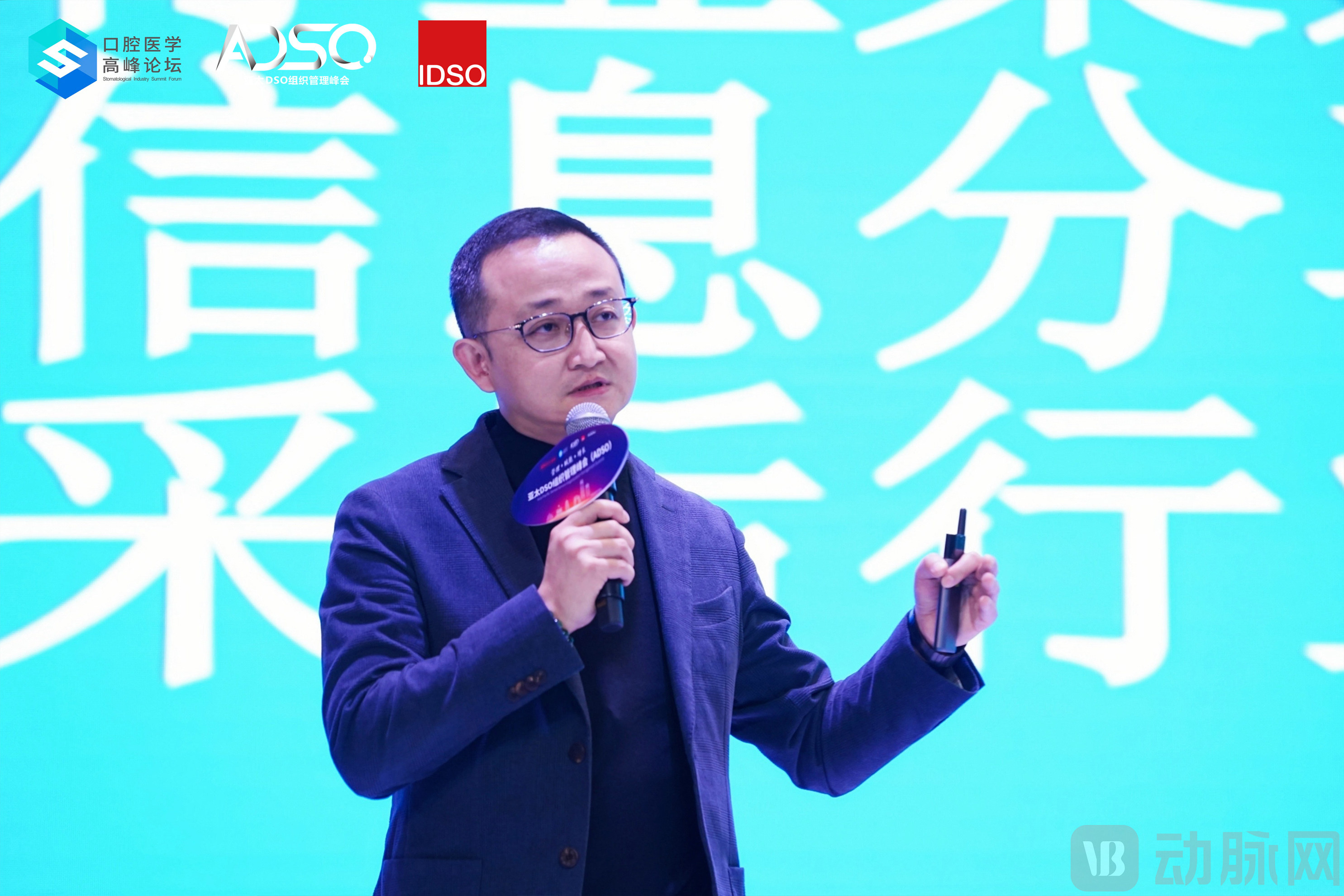 ▲ Guo Feng, Head of Straumann DSO Business in China
Furthermore, talent development is a top priority for dental institutions. Wang Hongying, founder and chairman of the Xi’an Little White Rabbit brand, stated in his speech, “Building Talent Pipelines for Dental Chains,” that the foundational structure of a talent pipeline comprises four career tracks: external sales, internal sales, dentists, and medical assistants. Among these, the internal sales track is responsible for providing each dentist with at least eight converted patients. Moreover, talent development must align with organizational development to support sustained performance growth.
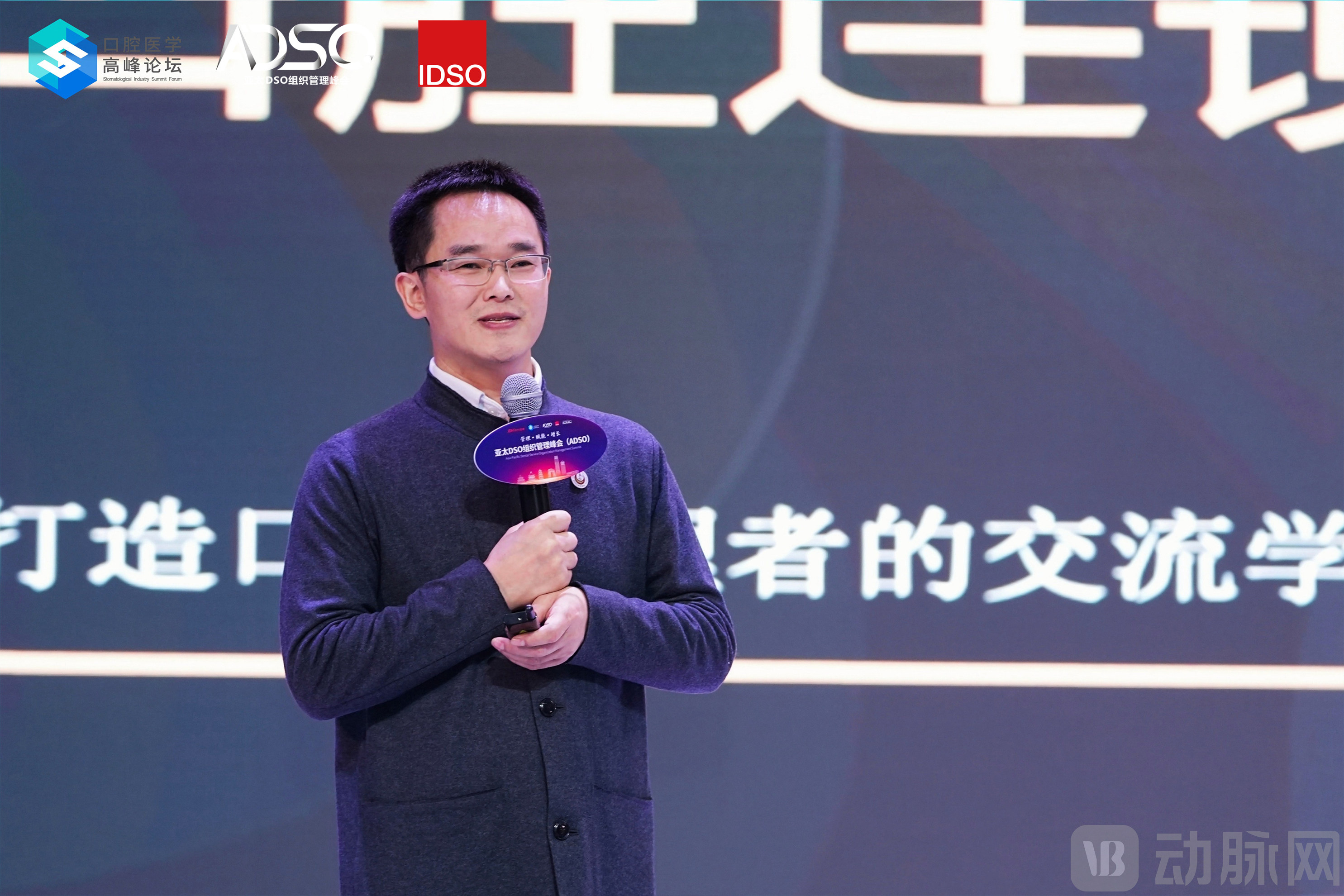 ▲ Wang Hongying, Founder and Chairman of Xi'an Little White Rabbit Brand
Regarding trends in the dental industry, Li Qiang, Chairman and President of Shanghai Dingzhi Group, stated in his presentation titled “Capturing the ‘Old and Young’ Demographics to Secure the Future of Dental Growth” that fostering long-term trust with patients—embodied by the concept of “one family, one set of teeth, a lifetime”—is essential for the sustained survival and development of dental clinics.
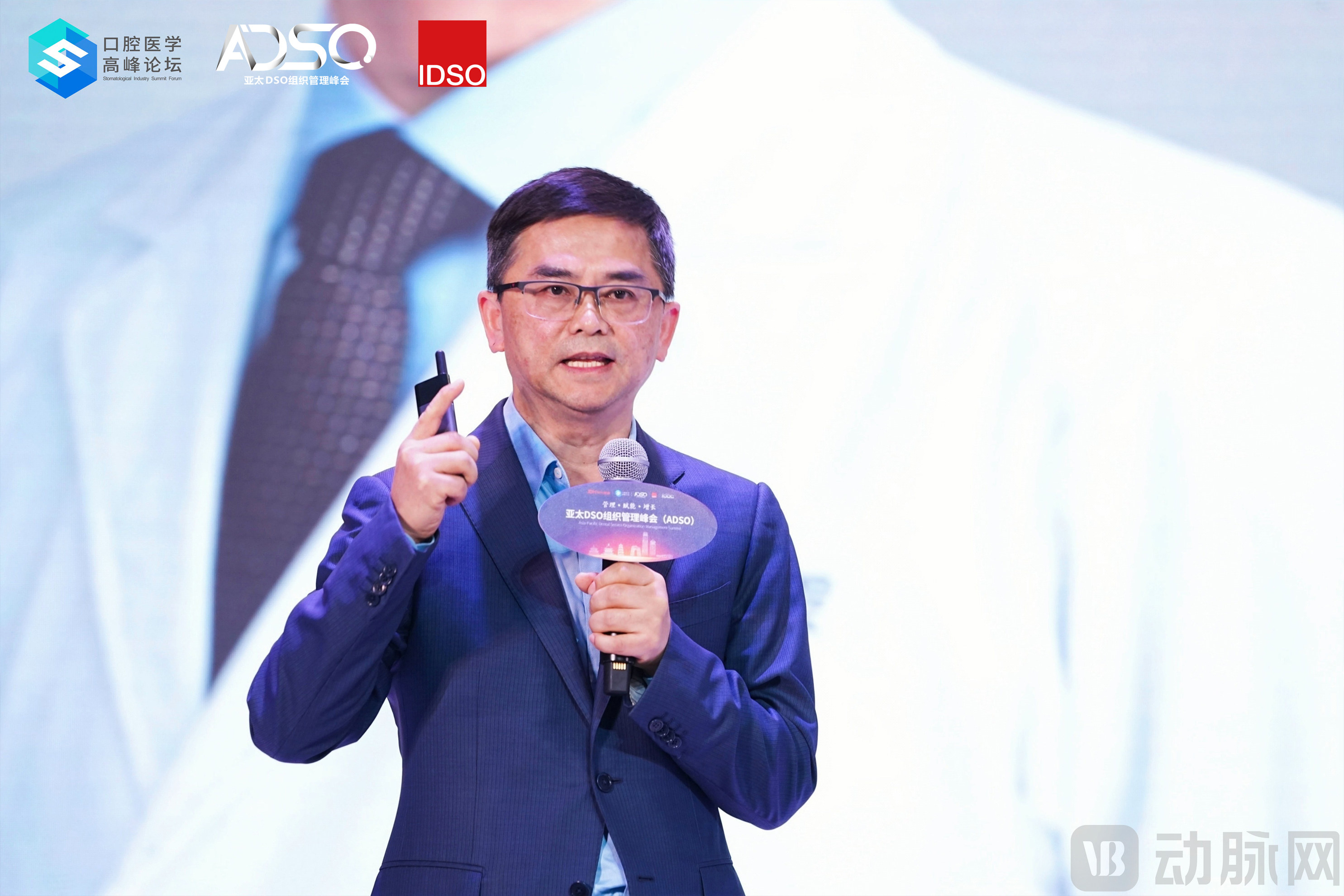 ▲ Li Qiang, Chairman and President of Shanghai Dingzhi Group
Park In-chul, Representative Director of Yi Dental Clinic from South Korea, also shared his latest insights in “The New Golden Market for Dentistry.” He believes that only dentists can expand the narrow nasal airway, such as through BGA (Brain Growth Appliance) technology. It is predicted that China’s BGA market could reach RMB 720 billion, becoming a new blue-ocean market for future dental clinics, following dental implants and orthodontics.
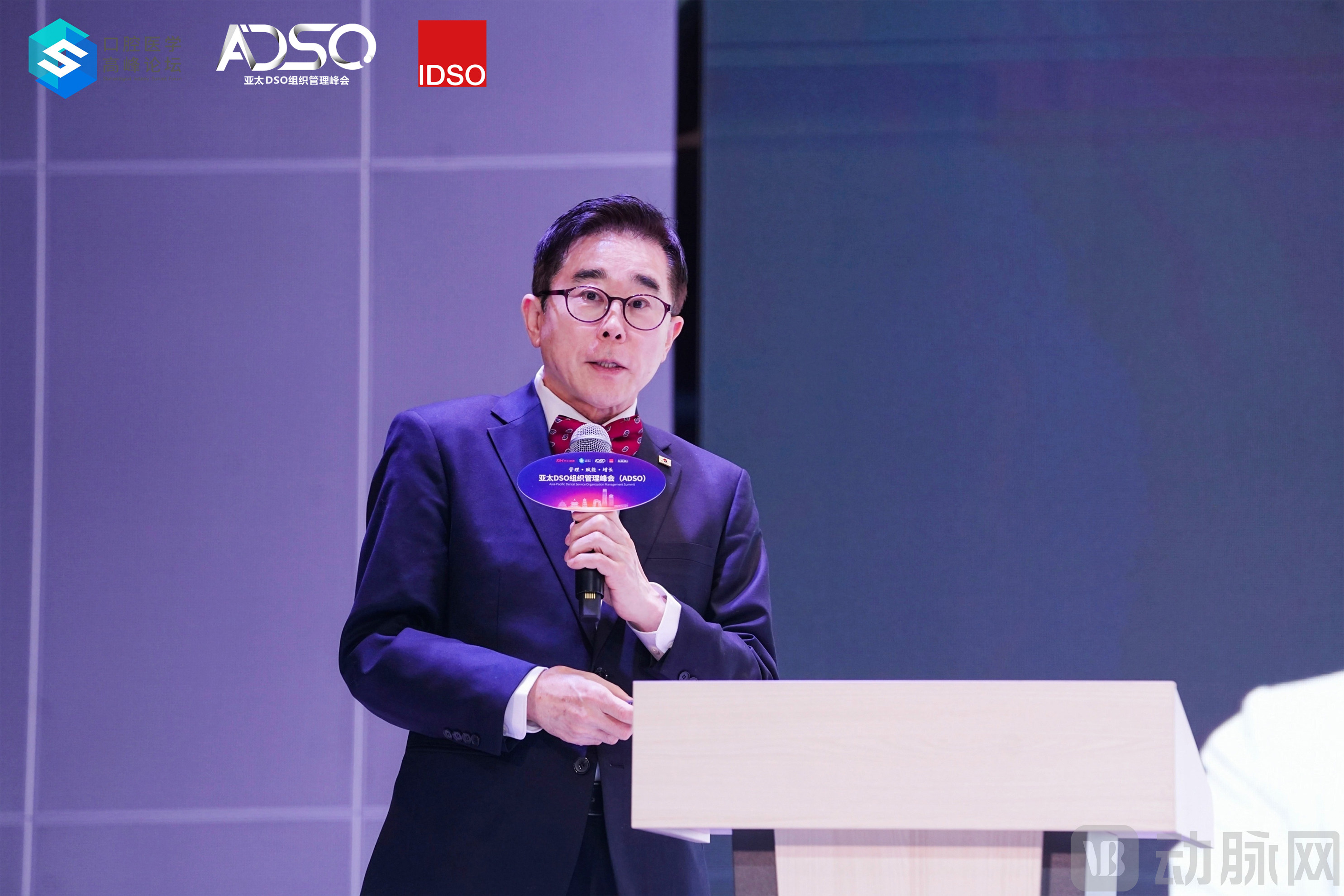 ▲ Park In-chul, Representative Director of Yi Stomatological Hospital
During the roundtable session, Ma Chunmin, Chairman of Enjoy Dental Group; Zhu Zhenghong, Vice President of ARRAI and General Manager of Arrail Dental; Shao Zongzong, Founder and Chairman of Malo Clinic (China); Zhu Liya, Founding Partner and CEO of MEI WEI DENTAL GROUP; Wang Hongying, Founder and Chairman of Xi’an Little Rabbit; and Taer Gai, Founder and CEO of Jicheng Pediatric Dentistry, engaged in a discussion on the topic “Facing Economic Downturn: Self-Reform of Large Dental Chains and New ‘Ways to Thrive’ for Clinics.”
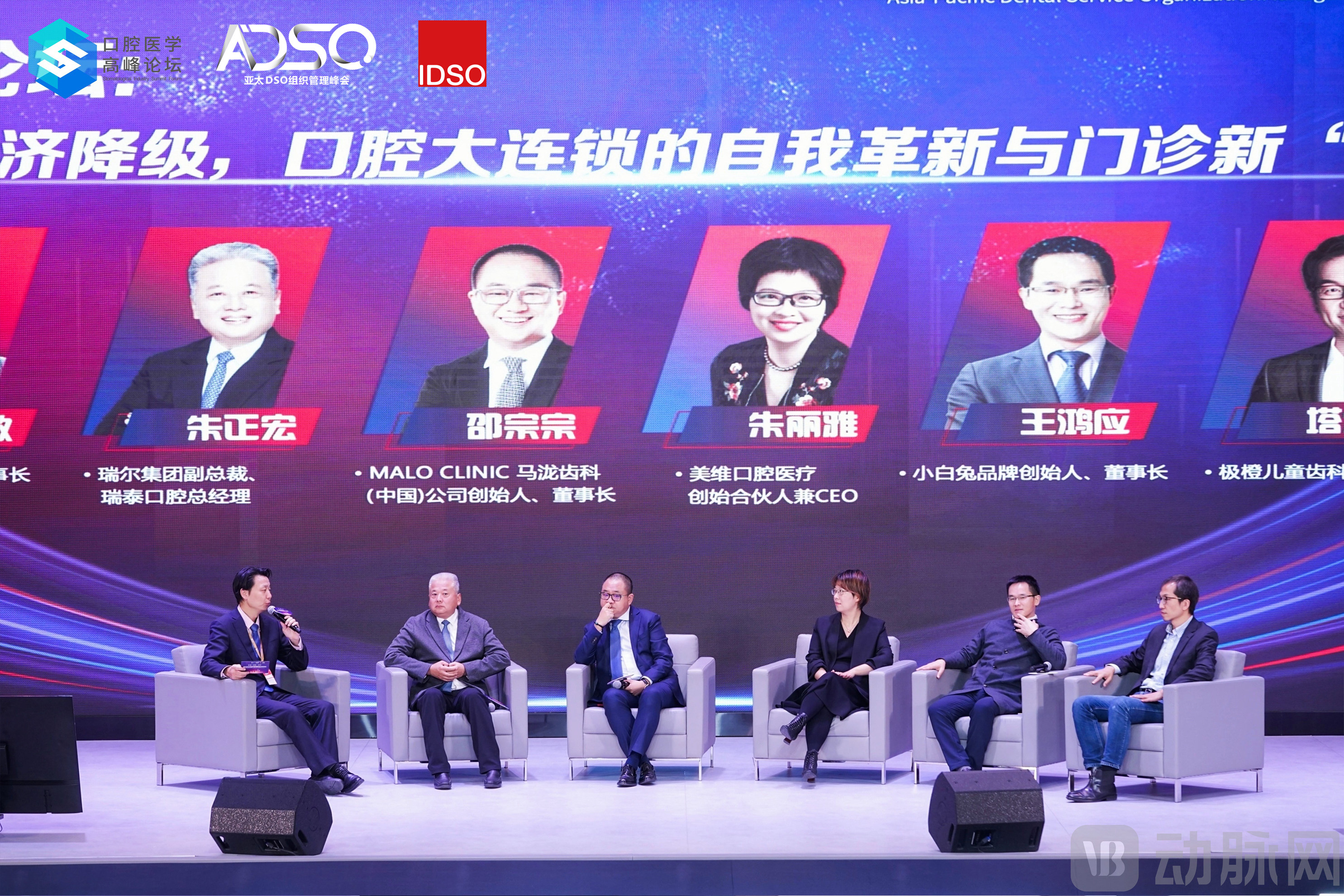 ▲Roundtable Discussion on the Theme: “Amid Economic Downturn, Self-Reinvention of Large Dental Chains and New ‘Survival Strategies’ for Clinics”
On the second day of the conference, Ma Chunmin, Chairman of Enjoy Dental Group, stated in his presentation titled “Identifying New Industry Trends and Exploring the Second Growth Curve for Oral Care” that under the dual pressures of centralized procurement policies and market competition, an operations-led management model will inevitably become the key to breaking through for private oral care clinics in China. To seek new growth opportunities amid slow growth in initial patient visits and shrinking profits from traditional services such as dental implants, clinics must comprehensively consider four dimensions: low-cost customer acquisition, medical standardization, digital SDM products, and clinic managed services.
Centered on these four dimensions, IDSO’s medical standardization system has been deeply cultivated to effectively address pain points in outpatient operational management. Its intelligent and precise marketing capabilities can assist clinics in digitizing full-mouth treatment plans, thereby generating a substantial volume of orders pending conversion. Furthermore, the standardization of patient workflow management and medical services helps clinics achieve cost reduction and efficiency improvement.
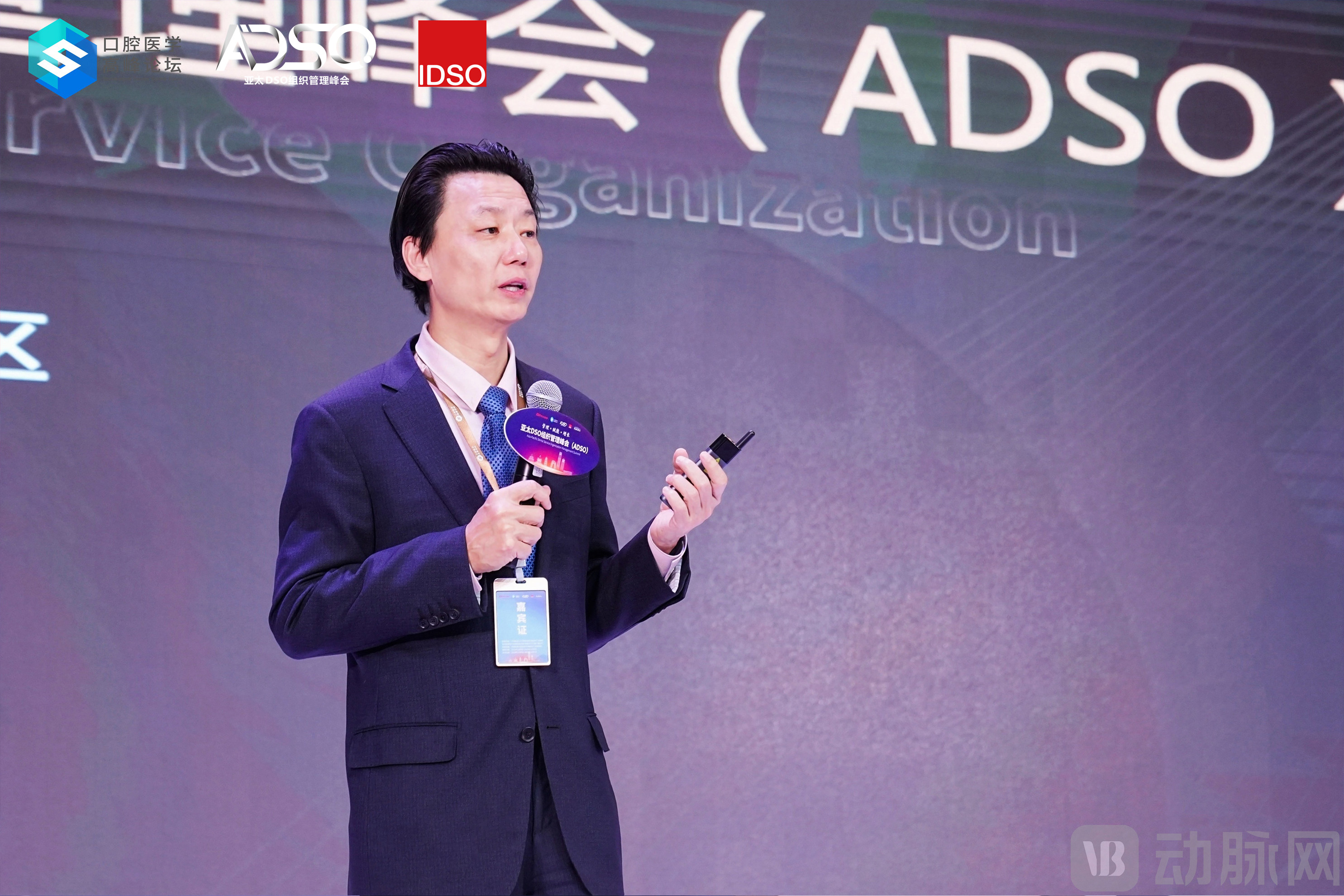 ▲ Ma Chunmin, Chairman of Happy Dental Medical Group
In his presentation titled “How to Create Clinic Differentiation Through Digital Processes,” Lin Gongyao, General Manager of Align Technology’s Invisalign China region, stated that service homogenization is currently the biggest challenge facing dental clinics. The significance of digital transformation lies in helping clinics build differentiated advantages through advanced technology and a comfortable patient experience. He noted that the most mature model of clinic digitalization should not be limited to the treatment phase but should extend the digital experience to encompass the entire patient journey management.
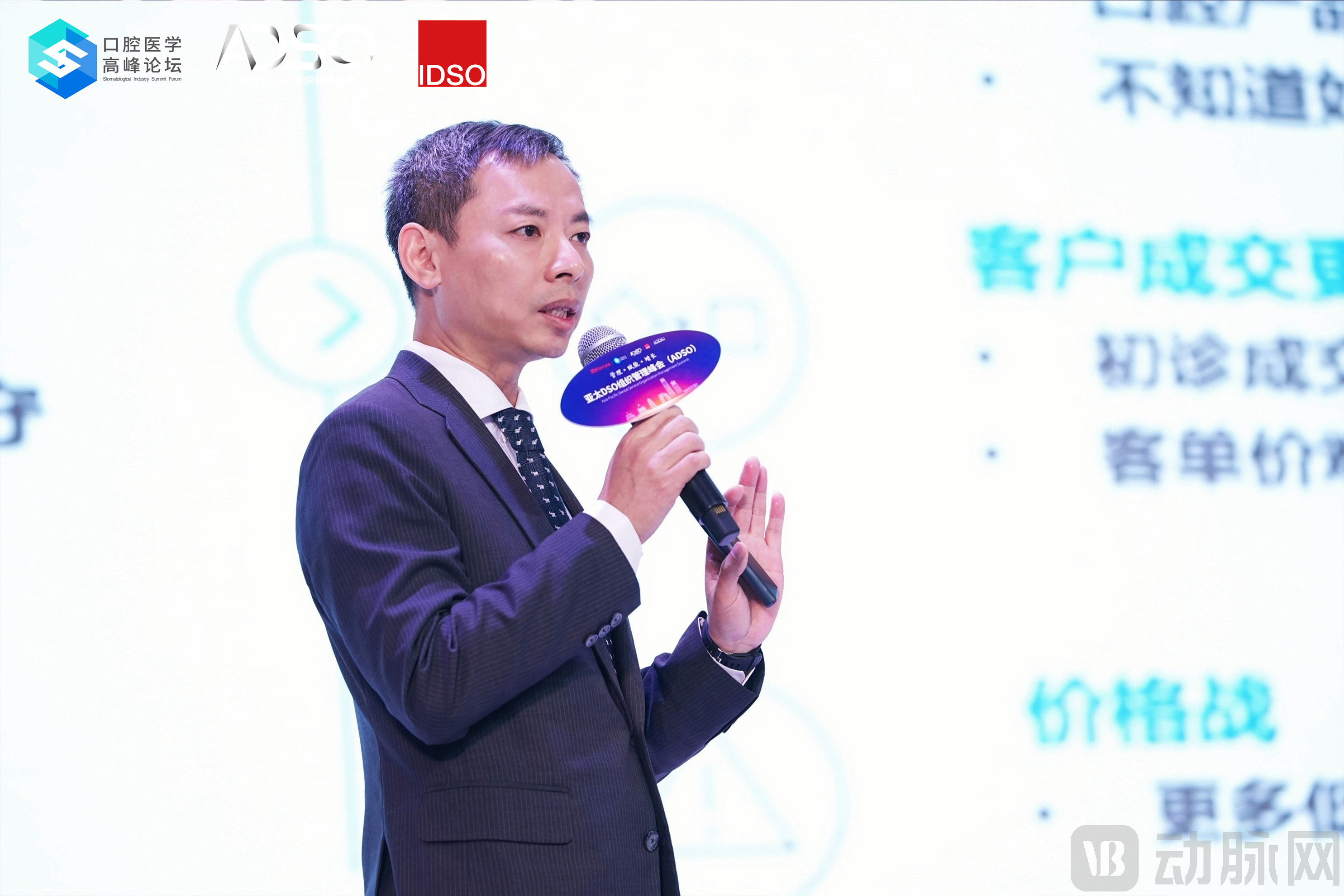 ▲ Lin Gongyao, General Manager of Align Technology Invisalign China Region
Also focusing on digitalization, Wu Zhijia, Founder and CEO of Linkcare & Yuejian, stated in his speech titled “How to Seek Certain Growth in an Uncertain Environment” that the dental industry follows a business logic of compound growth, with its commercial essence making repeat purchase rates critically important. Therefore, in the current uncertain market environment, high-quality, reliable, and competitive products or services are the most crucial factors in attracting patients to establish long-term connections with clinics and to return for future visits.
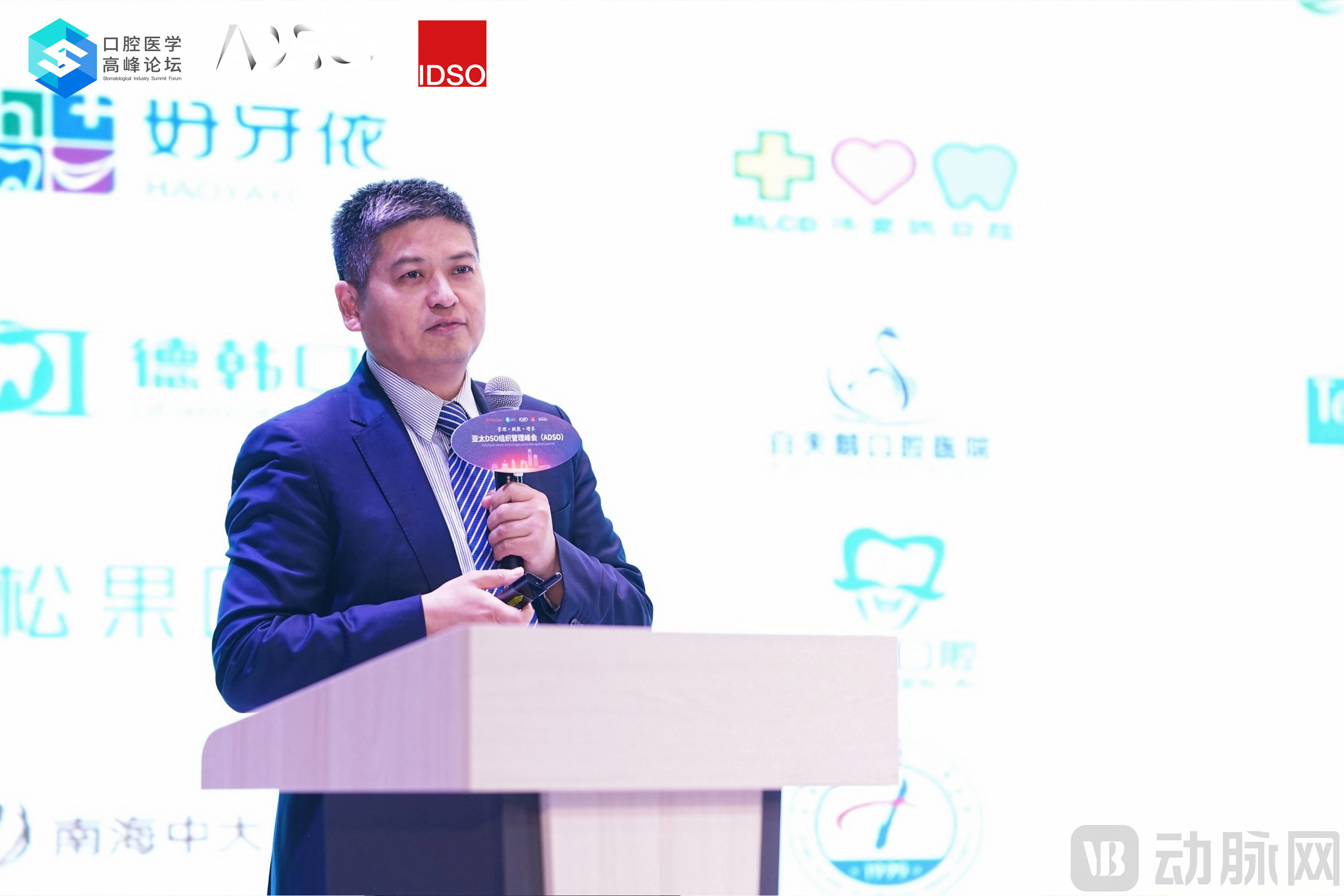 ▲ Wu Zhijia, Founder and CEO of LinkCare & Yuejian
In fact, intense competition is not limited to China; the dental sector abroad also faces significant competitive pressure. Tomotaro Takada, Chairman of WORLD ENT Group, stated in his presentation on “Current Status and Future of the Japanese Dental Healthcare Market” that the market environment for dental clinics in Japan is far from optimistic. Amid intensifying competition, the number of patients is expected to decline in the future, making it a critical challenge for clinics to attract more patients. In the coming years, many Japanese dental healthcare professionals are anticipated to seek employment opportunities overseas.
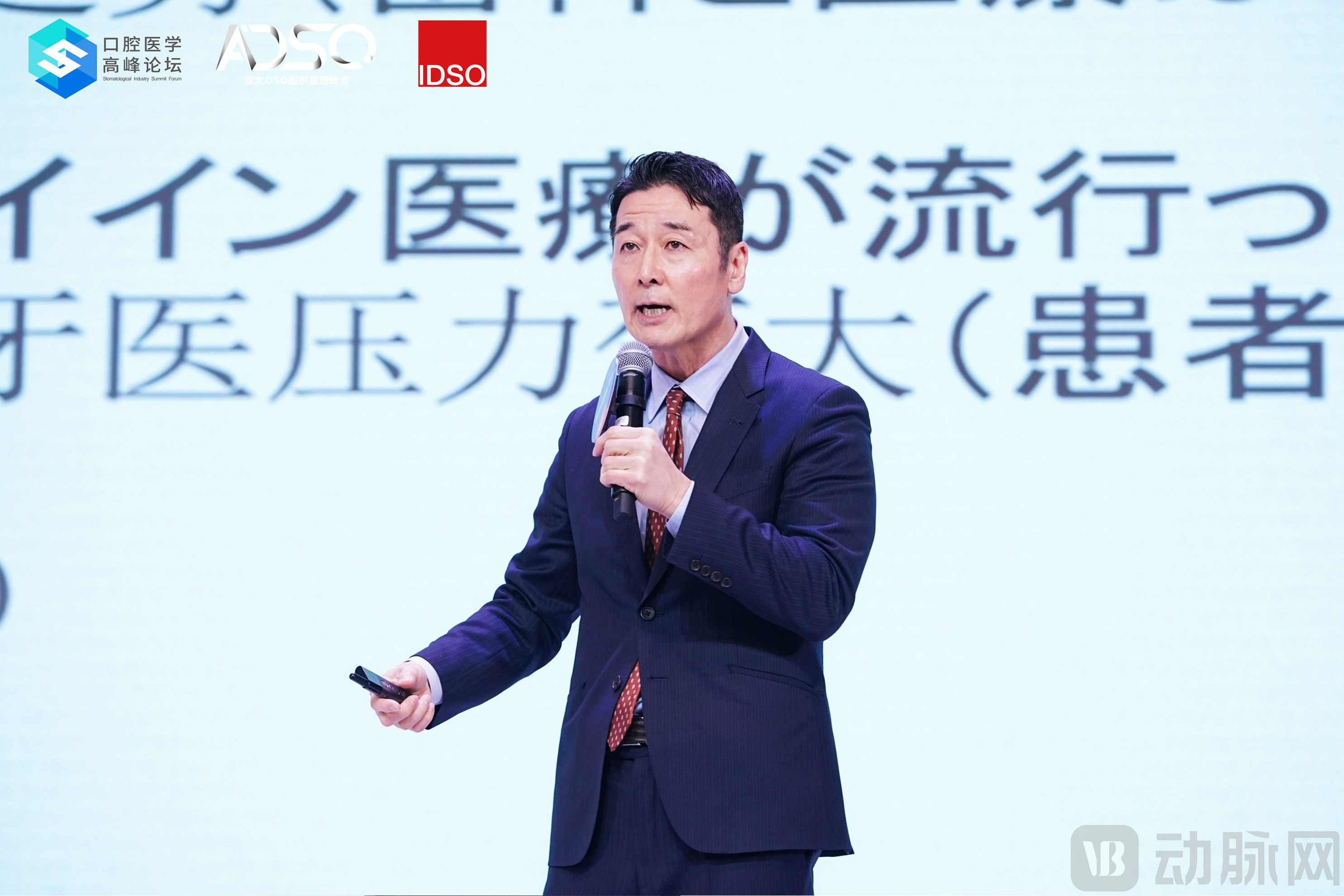 ▲ Tomotaro Takada, Chairman of Japan's WORLD ENT Group
“In the post-pandemic era, the sharp decline in initial visits means that traditional customer acquisition methods will no longer effectively drive traffic to dental clinics,” stated Taer Gai, Founder and CEO of Jicheng Pediatric Dentistry, in his presentation titled “Viewing ‘Customer Acquisition Cost’ Through the Lens of ‘User Lifetime Value.’” He emphasized that clinics should shift their operational focus from acquiring transient traffic to retaining loyal patients, extending service engagement throughout each patient’s entire lifecycle. This approach aims to enhance patient retention and rebuild long-term reputational value for the clinic.
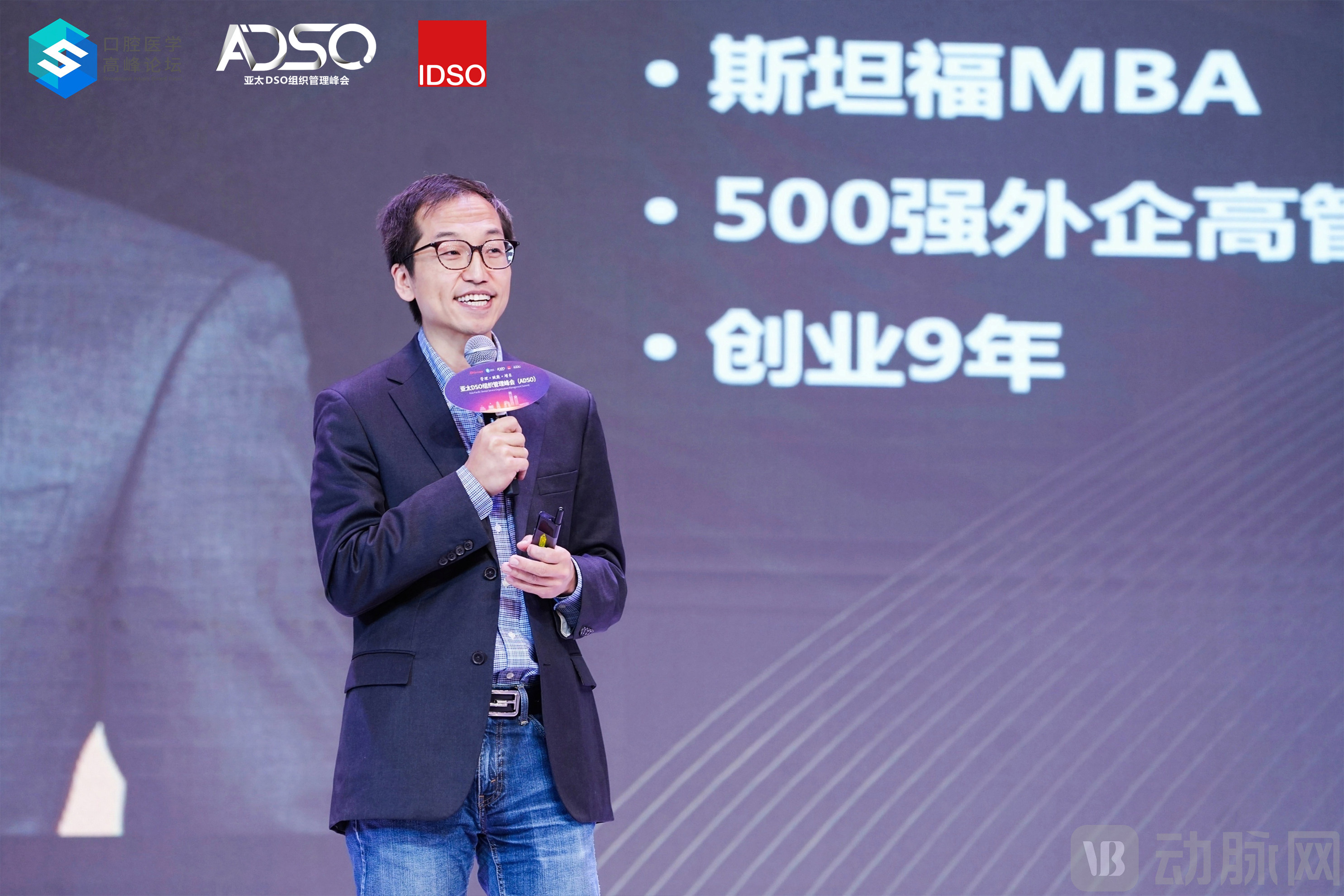 ▲Targe, Founder and CEO of Jicheng Children's Dentistry
To achieve cost reduction and efficiency improvement through digitalization, the key lies in effective implementation. In his presentation titled “High-Quality Implementation of a Digital Dental Operations System,” Zhang Pei, Vice President of Enjoy Oral Care Group, stated that Enjoy Oral Care has precisely segmented patients according to their lifecycle, with corresponding patient management services and marketing actions for each stage from P1 to P8. The digital operations system provided by IDSO primarily helps clinics address issues such as precise marketing outreach, clinical staff service workflows, automated and intelligent patient management, and the safety of medical services.
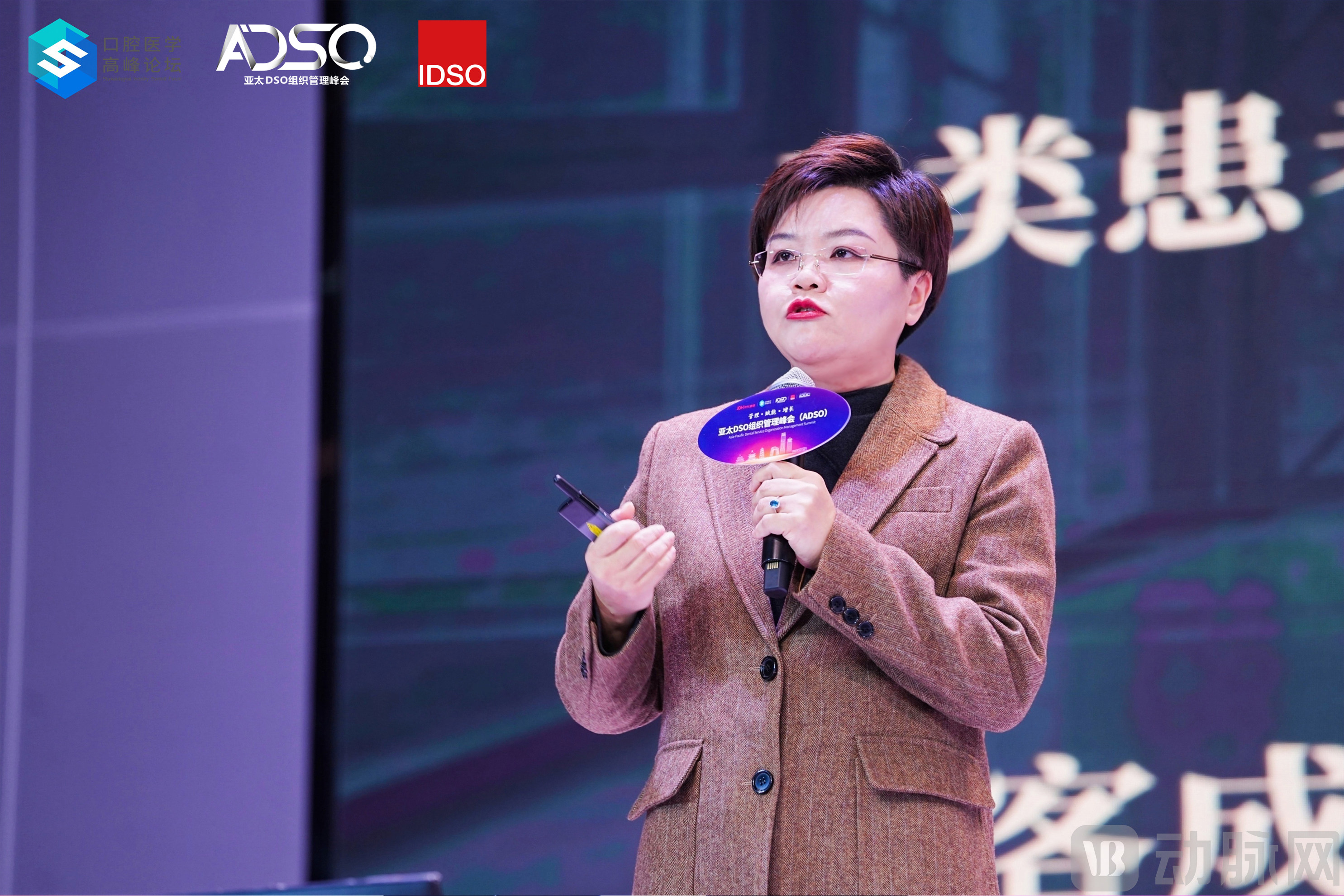 ▲ Zhang Pei, Vice President of Joyous Oral Medical Group
Liu Xingcheng, CEO of the Wei Cheng Dental Medical System from Taiwan, China, stated in his speech titled “The ‘Way Forward’ for Specialty Implant Clinics Under Centralized Procurement” that there are 14 foundational elements for innovation and entrepreneurship in dental clinics under the implant centralized procurement policy. These include innovation in profit models, networks, structures, processes, commission schemes, pricing, space, markets, personnel, product systems, services, distribution channels, brands, and customer engagement.
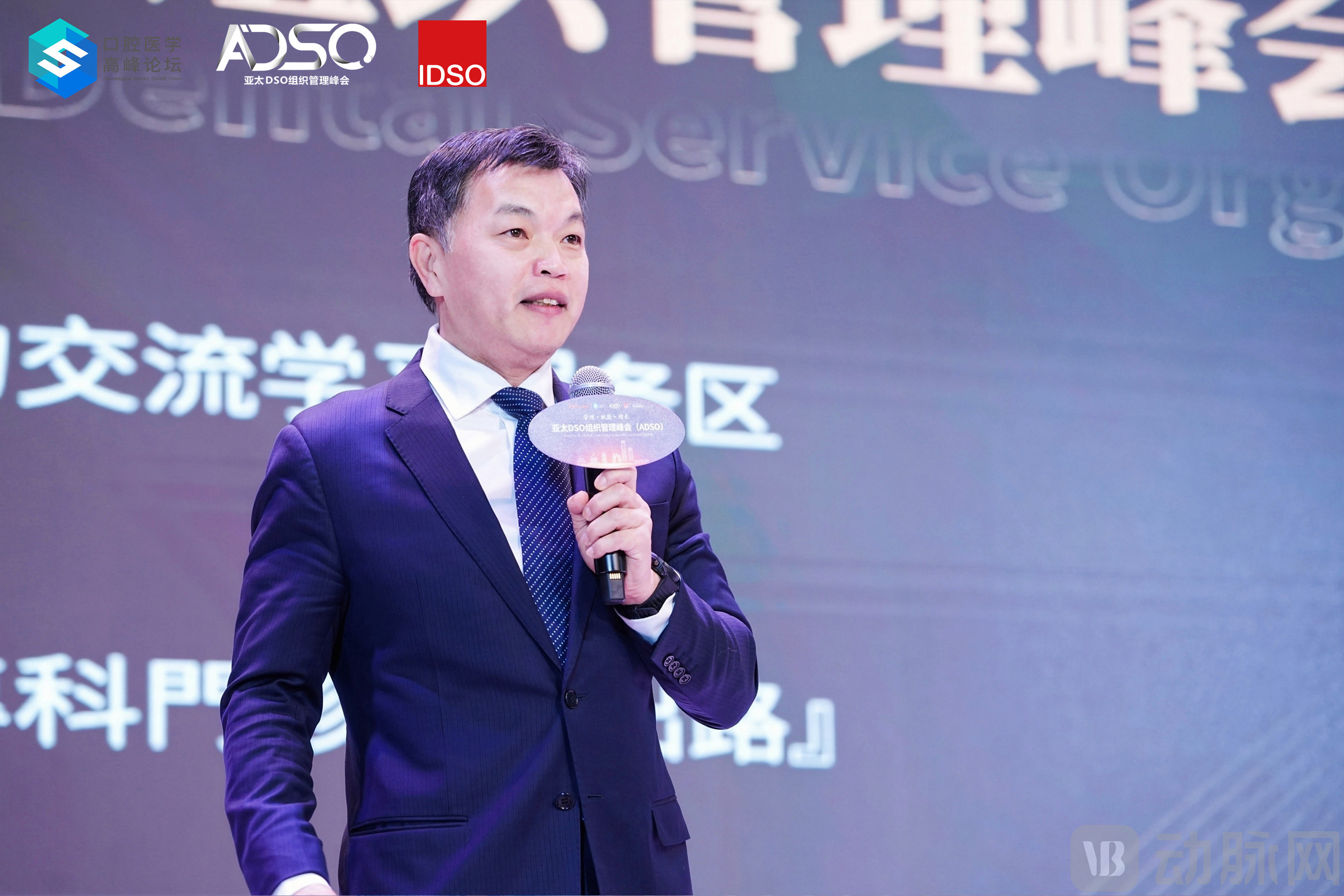 ▲ Liu Xingcheng, CEO of Weicheng Dental Medical System
Subsequently, in her presentation titled “How to Leverage Single-Product Teeth Whitening to Acquire Customers, Enhance Retention, Upsell, and Drive Volume Growth,” Wang Jiaying, founder of the OKIRE brand, stated that teeth whitening should pursue ultimate cost-effectiveness and be results-oriented. She highlighted that the key difference between Oukeilang Yao and traditional whitening methods is the ability to achieve multiple whitening sessions within a single day. Wang believes that there is no shortage of customers for teeth whitening; rather, dental clinics have failed to capture this demographic. Only by offering superior cost-effectiveness can clinics ensure a steady stream of customers.
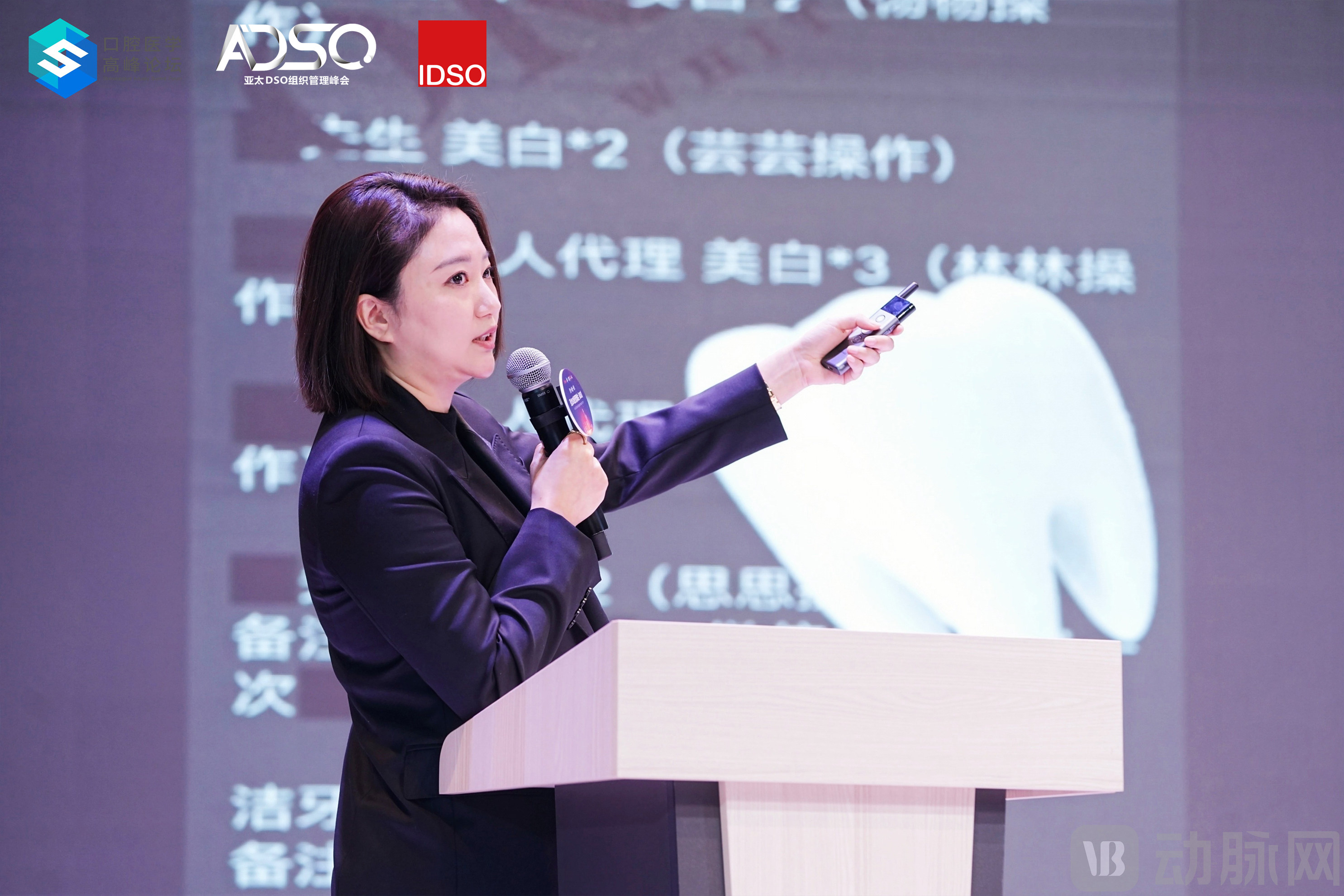 ▲ Wang Jiaying, Founder of the OKIRE Brand
In addition to the aforementioned factors such as digitalization and branding, word-of-mouth effects play a crucial role in clinic management. In his presentation titled “Unleashing Brand Power: Radiating the Charm of Word-of-Mouth,” Liu Bing, Partner and Group CEO of Fujian Jingtelmeikopu Medical Management Group Co., Ltd., stated that dental clinics must consistently focus on medical technology or service quality to create a superior user experience. Only in this way can consumers become loyal brand advocates and facilitate the dissemination of positive word-of-mouth for the institution. Furthermore, clinics need to gain an in-depth understanding of their target audience’s needs and preferences, providing products and services that meet these expectations, thereby earning consumer trust and fostering word-of-mouth promotion.
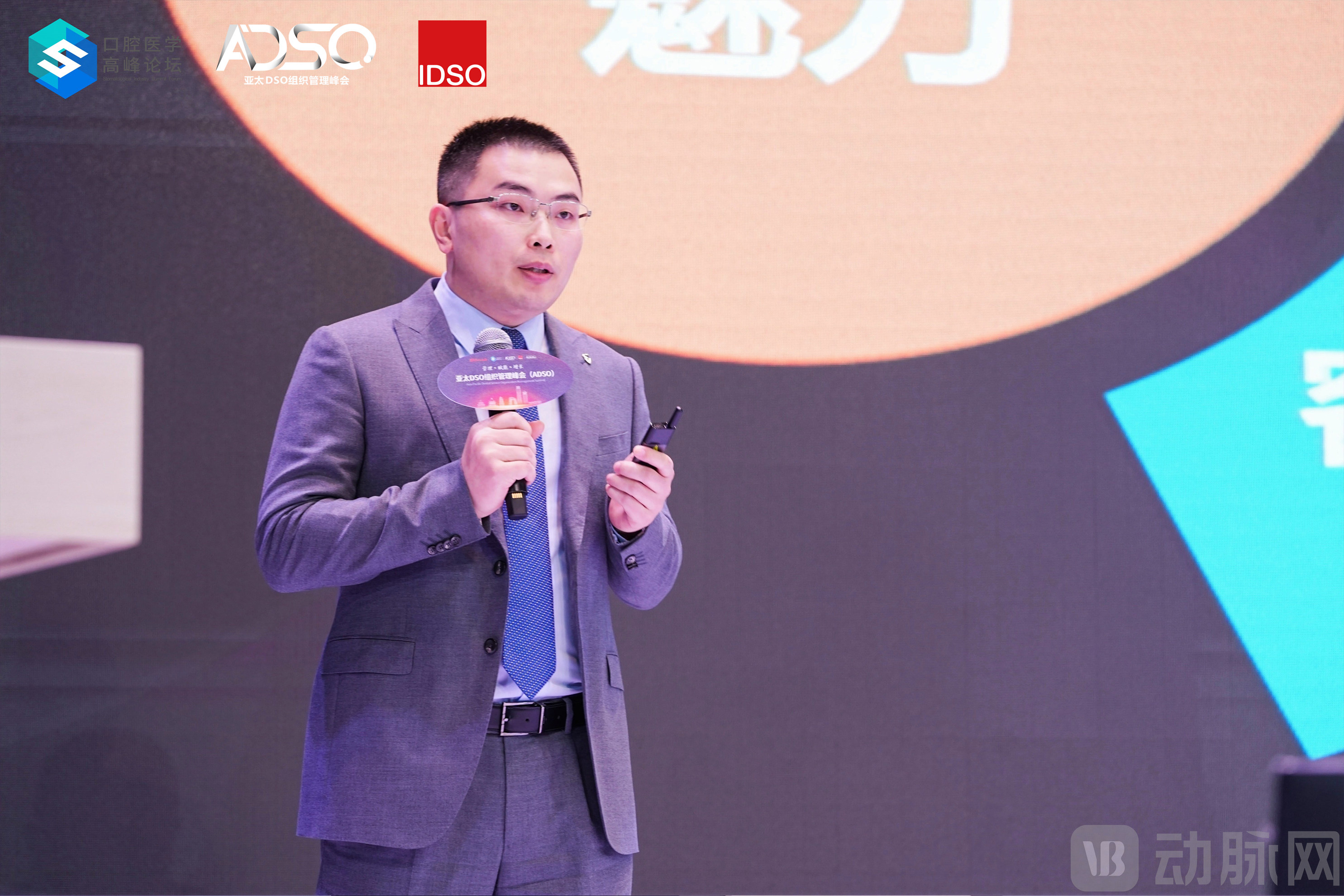 ▲ Liu Bing, Partner and Group CEO of Fujian Jingtelmeikopu Dental Medical Group
Certainly, the dental industry needs to adhere more strongly to long-termism. In his presentation titled "Long-Term Management Practices Under the 'Three-Comprehensive Diagnosis and Treatment Service Model' in Dental Clinics," Chai Liguo, Dean of Cixi Stomatological Hospital Affiliated to Wenzhou Medical University and Founder of Cixi Huayang Stomatological Hospital Group, stated that the dental healthcare industry is essentially a "slow industry" and a "benevolent industry," as medical expertise, service experience, and patient trust all require time to accumulate. The essence of a benevolent industry lies in returning to the core of healthcare, avoiding overtreatment, and embracing altruism and sustainable development. Upholding the fundamental principles of healthcare and pursuing business for social good are standards that all institutions should follow and aspire to, aligning with the philosophy of long-term management and the laws of survival and development.
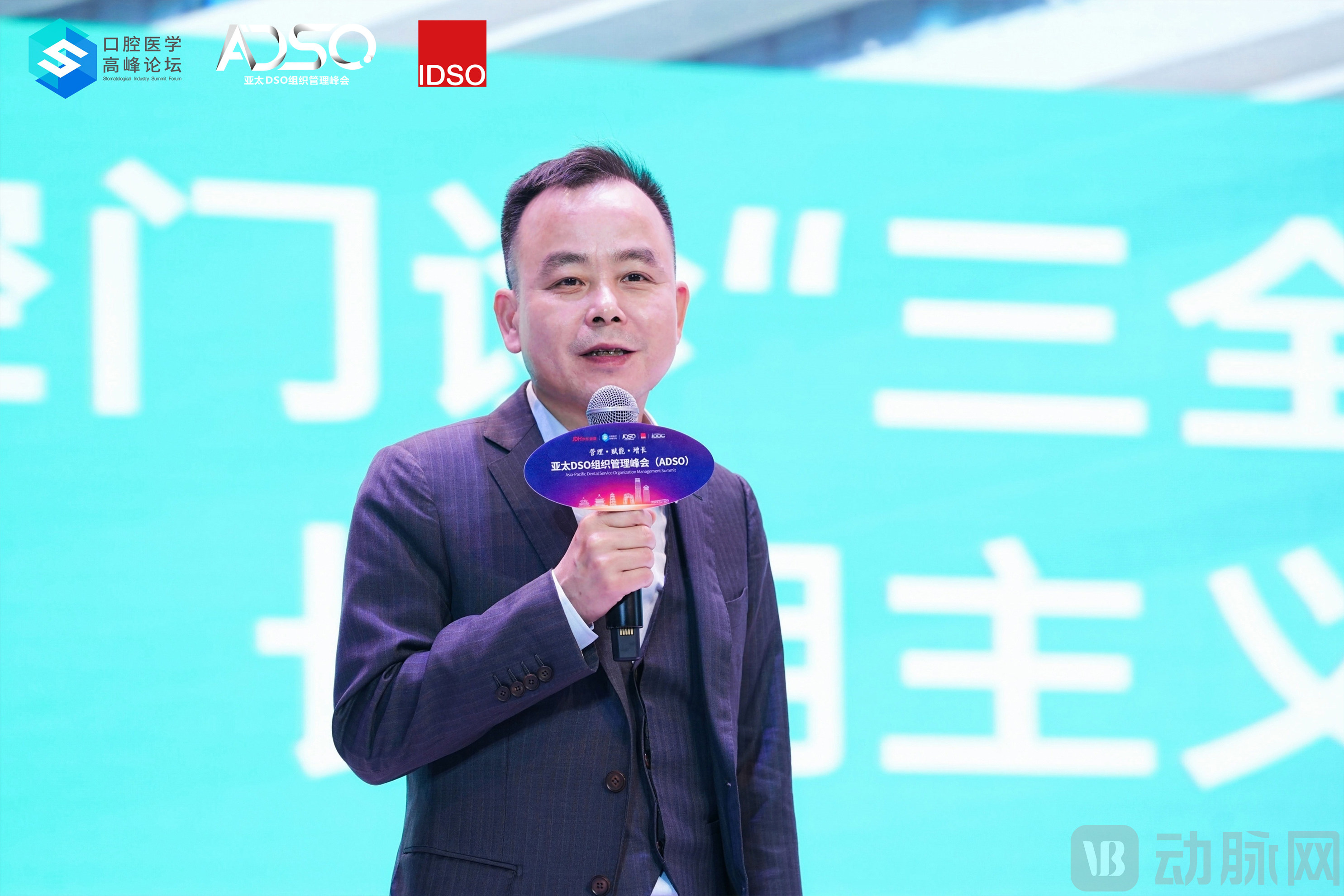 ▲ Chai Liguo, Dean of Cixi Stomatological Hospital Affiliated to Wenzhou Medical University and Founder of Cixi Huayang Stomatological Hospital Group
Liu Dong, Partner and Editor-in-Chief of VCBeat, stated in his presentation titled “2023 Annual Interpretation of Venture Capital Investment and Trends in the Dental Industry” that leading U.S. dental companies have achieved a second curve of growth through digitalization, while China’s DSO (Dental Support Organization) model is emerging by leveraging systematic operations and digital technology empowerment. Currently, China’s dental industry is also accelerating its adoption of the digital wave.
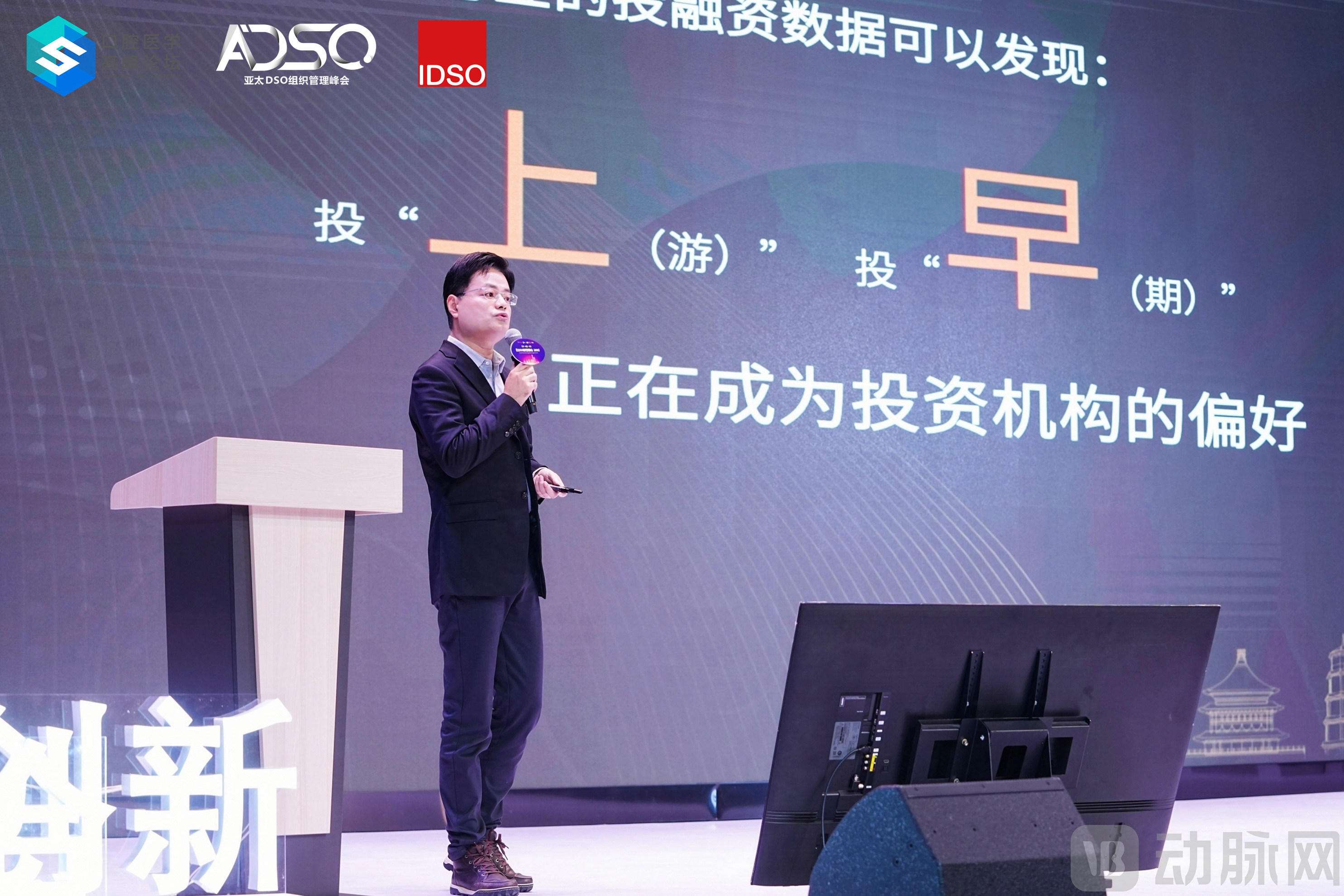 ▲ Liu Dong, Partner and Editor-in-Chief of VCBeat
At the roundtable forum, a lively discussion was held on the topic of “How to Build Deterministic Advantages for Outpatient Clinics in an Uncertain Environment.” The participants included Sun Yan, Founder of the IDSO Dental Alliance; He Chao, Vice President of the Guangxi Stomatological Association and Founder and Chairman of Guangxi Rongdai Dental; Jia Yuhong, Founder of Shandong Yuhong Chain Dental Medical Group; Song Mingwen, Dean of Shandong Shengderen Dental and Vice President of the Zibo Stomatological Association; Chen Hongyu, Chief Dean of Jilin Nuoya Chain Institutions; and Jin Li, Founder of Shijiazhuang Hady Meiya Chain Dental.
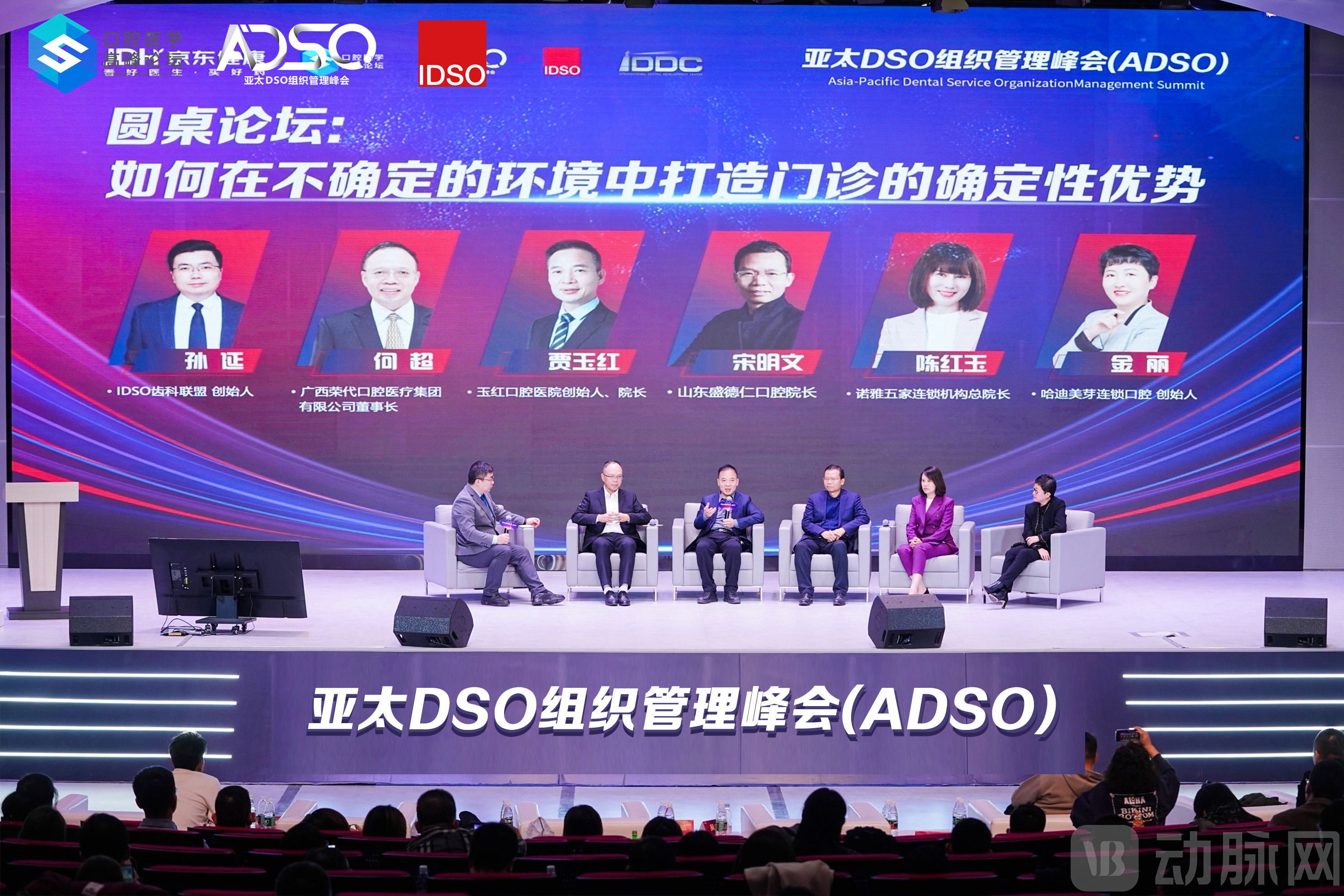 ▲Roundtable Discussion on “Building Deterministic Advantages for Outpatient Clinics in an Uncertain Environment”
As can be seen from the above, practitioners in the dental industry have never ceased their efforts and are actively exploring, thereby uncovering more possibilities for the future of the sector.
Small Mouth, Big Health. Currently, with rising public awareness, an increasing number of people in China are placing greater emphasis on oral health management, thereby driving the expansion of the consumer base for dental care.
This means that,The dental industry still offers vast opportunities.According to the “2023 Insights Report on Dental Medical Services” released by VCBeat, the market size of China’s dental medical services was RMB 145 billion in 2021, maintaining an average annual growth rate of 20%, and is expected to reach RMB 300 billion by 2025.
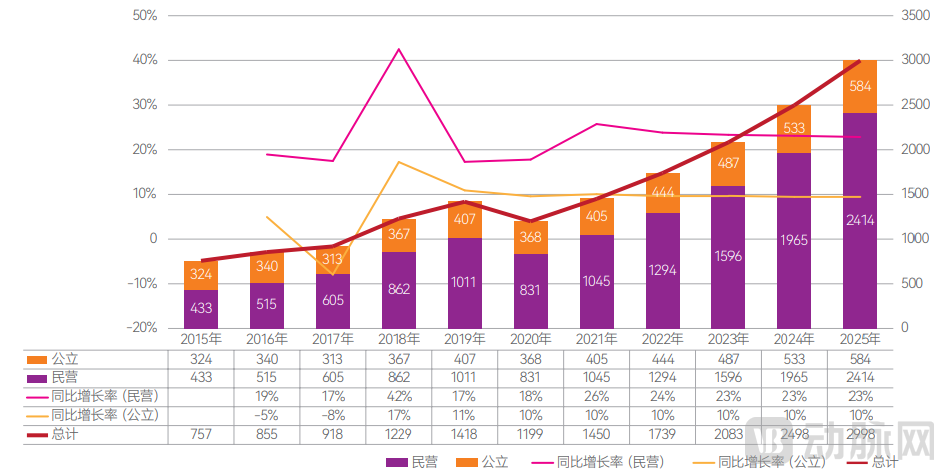 (Image source: "2023 Insights Report on Oral Healthcare Services")
In this process, how to anticipate trends and secure a strategic position in advance is a key concern for companies entering the market.VCBeat, based on multi-source observations and insights from guests at the Asia-Pacific DSO Organization Management Summit, identifies four key trends worth noting.
First, digital intelligence is becoming the foundational support for the upgrading and iteration of the dental industry.For instance, on the clinical front, digital intelligence enables dentists to serve more patients per unit of time, enhances their work efficiency, and reduces the complexity of certain dental procedures. This facilitates broader and more standardized oral healthcare services while accelerating the development of diagnostic and treatment capabilities among young dentists.
Furthermore, amid market saturation and intense competition, many dental service providers fail to maintain continuous, precise, and effective follow-up with a large volume of non-converting and non-recurring customers. Digital intelligence helps bridge the communication, consumption, and service gaps between these institutions and consumers by leveraging robust data accumulation and insights.
Second, oral healthcare services are transitioning from a model focused on addressing chief complaints to one centered on comprehensive oral health management throughout the patient's life cycle.In the past, many dentists were reluctant to provide basic dental services with low average transaction values. However, these services are actually the first step in building relationships with patients, helping them understand their oral health conditions and encouraging them to return for future dental care needs.
It is precisely based on this that full-lifecycle oral care has become an industry consensus, encompassing comprehensive examination and diagnosis, addressing chief complaints, developing integrated treatment plans, ongoing oral health management, and post-visit satisfaction, thereby forming a closed-loop service model. This approach holds significant value: for patients, it better safeguards their dental health; for institutions, it fosters longer-term patient relationships and facilitates conversions.
Third, a wave of entrepreneurship among second-generation dental professionals has emerged, bringing more new managers into the industry.Since the reform and opening-up, the first generation of entrepreneurial dentists has largely completed 20 to 30 years of business operations. How to sustain and pass on their dental practices, philosophies, and clinical skills across generations has become a focal point of attention and heated discussion within the industry.
Compared with the previous generation, second-generation dental professionals often have a broader perspective, and the vast majority have overseas study experience. However, they lack extensive practical experience in the oral healthcare industry. Therefore, over the coming years, empowering and assisting these successors to achieve better inheritance and innovation will become a new source of growth for the industry.
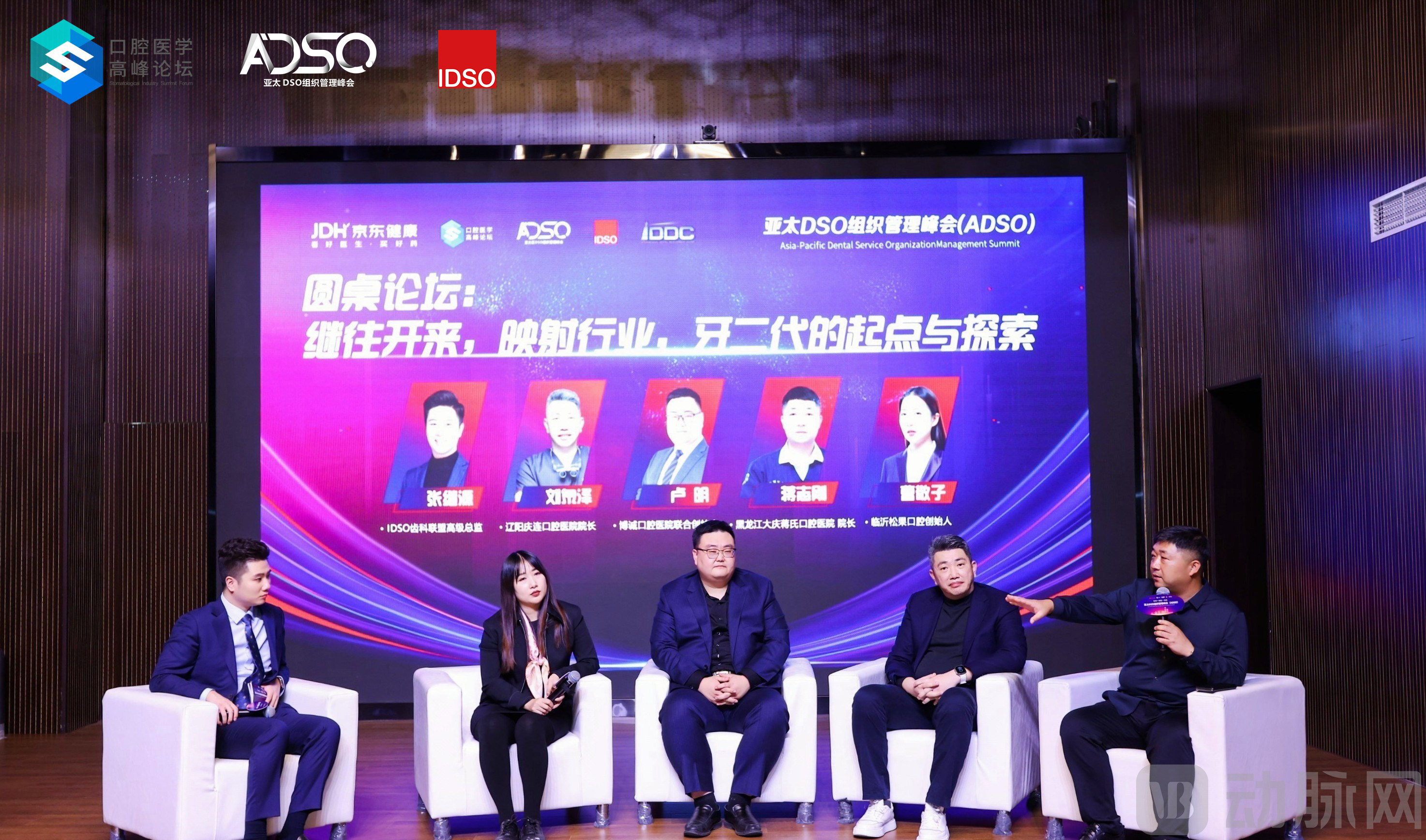 ▲“Building on the Past to Forge Ahead, Reflecting the Industry: The Starting Point and Exploration of the Second Generation in Dentistry” Themed Roundtable

▲ Second-generation dental entrepreneurs delivering speeches at the summit
Fourth, oral and facial management will remain a hot trend, expanding in both scope and potential.“Facial Management” encompasses a variety of maxillofacial interventions and has become one of the most prominent areas of focus in the dental industry. Previously, facial management primarily targeted children, leveraging their growth and developmental potential to correct detrimental habits and eliminate obstacles to dental development through prevention, treatment, and occlusal guidance. This approach aims to intercept the onset and progression of dentofacial deformities, thereby achieving aesthetic harmony and functional occlusion for children’s faces and teeth.
As the industry continues to advance, the concept of full-lifecycle oral and facial management has gained significant traction, focusing on the distinct oral and facial management needs of individuals across all age groups. This trend has directly driven the elevation of industry standards and facilitated multidisciplinary integration, becoming an emerging focal point and source of innovation for a growing number of outpatient clinics.
We believe that, as with every cyclical evolution, although the industry currently faces significant challenges, new opportunities are beginning to emerge, ushering in a new narrative for the dental sector.
Amid this overarching trend, enterprises that align with the momentum, seize opportunities, and continuously refine their capabilities in areas such as organizational management will ultimately navigate through economic cycles and usher in a new phase of higher-quality growth.