

Who Is Venturing into the 'Uncharted Territory' on the Eve of Medical Innovation and Transformation?
Aier Eye Hospital
Ophthalmology Medical Chain Institution

GRAPHENE TIMES
New Material Research and Development Manufacturer

Eyebright Medical
Ophthalmic Medical Product R&D Provider
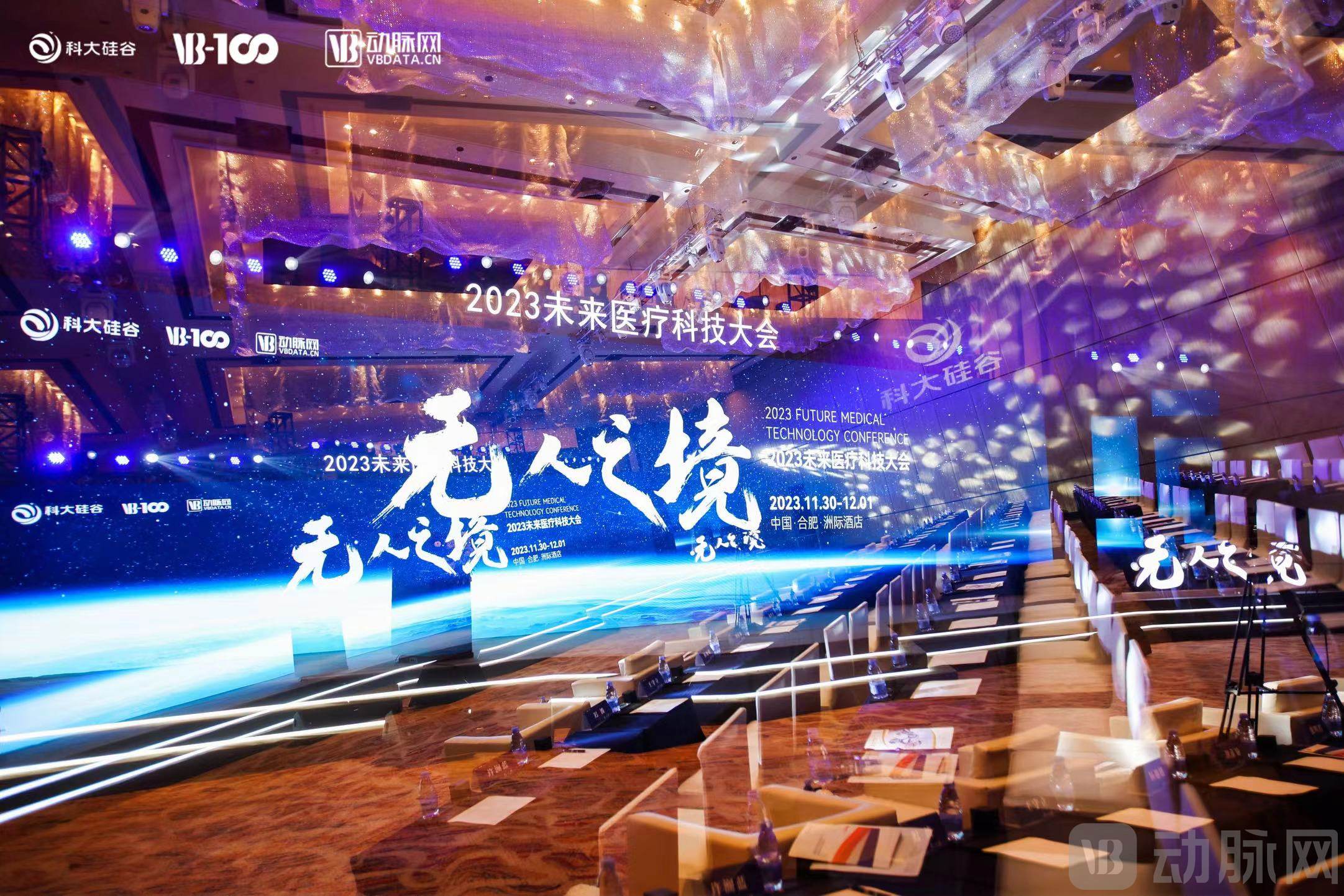
At a recent industry conference held in Hefei, certain details left a deep impression.
Academician of the International Academy of Medical and Biological Engineering, Founder of the Hong Kong Institute of Medical EngineeringZhang Yuanting, out of interest in a particular topic, I deliberately delayed my departure by half an hour and nearly missed my flight.
President of Aier Eye HospitalLi LiLed a delegation of senior group executives from the headquarters in Changsha to attend the event in Hefei, and reached preliminary cooperation intentions with the Hefei municipal government, several leading capital firms, and enterprises during the two-day conference.
Partner, Jinsha River United CapitalWang XiaoyanShe has a particular fondness for a cutting-edge project led by Professor Liu Yanju from the Department of Astronautical Science and Mechanics at Harbin Institute of Technology, which primarily focuses on translating smart materials used in aerospace applications into medical scenarios. Commenting on this, Wang Xiaoyan remarked, “This is a very interesting and eye-catching innovation!”
The last attendee was a professor from the University of Science and Technology of China (USTC). At the venue, he encountered an alumnus he had not seen for many years. This alumnus had just returned from a research institute abroad, specializing in materials science—a field that aligned perfectly with the professor’s current research project. As a result, the two quickly reached a consensus and began discussing future scientific collaboration right at the event.
In fact, there are many more such “interesting anecdotes,” all of which stem from a single conference—“2023 Future Healthcare Technology Conference”. It is reported that the conference, themed “Uncharted Territory,” focused on the innovative trends and applications of cutting-edge technologies in the medical field.Attracting nearly 800 industry participants, including 80+ influential tech figures, 70+ tech companies, 30+ leading capital firms, and 600 professional attendees。
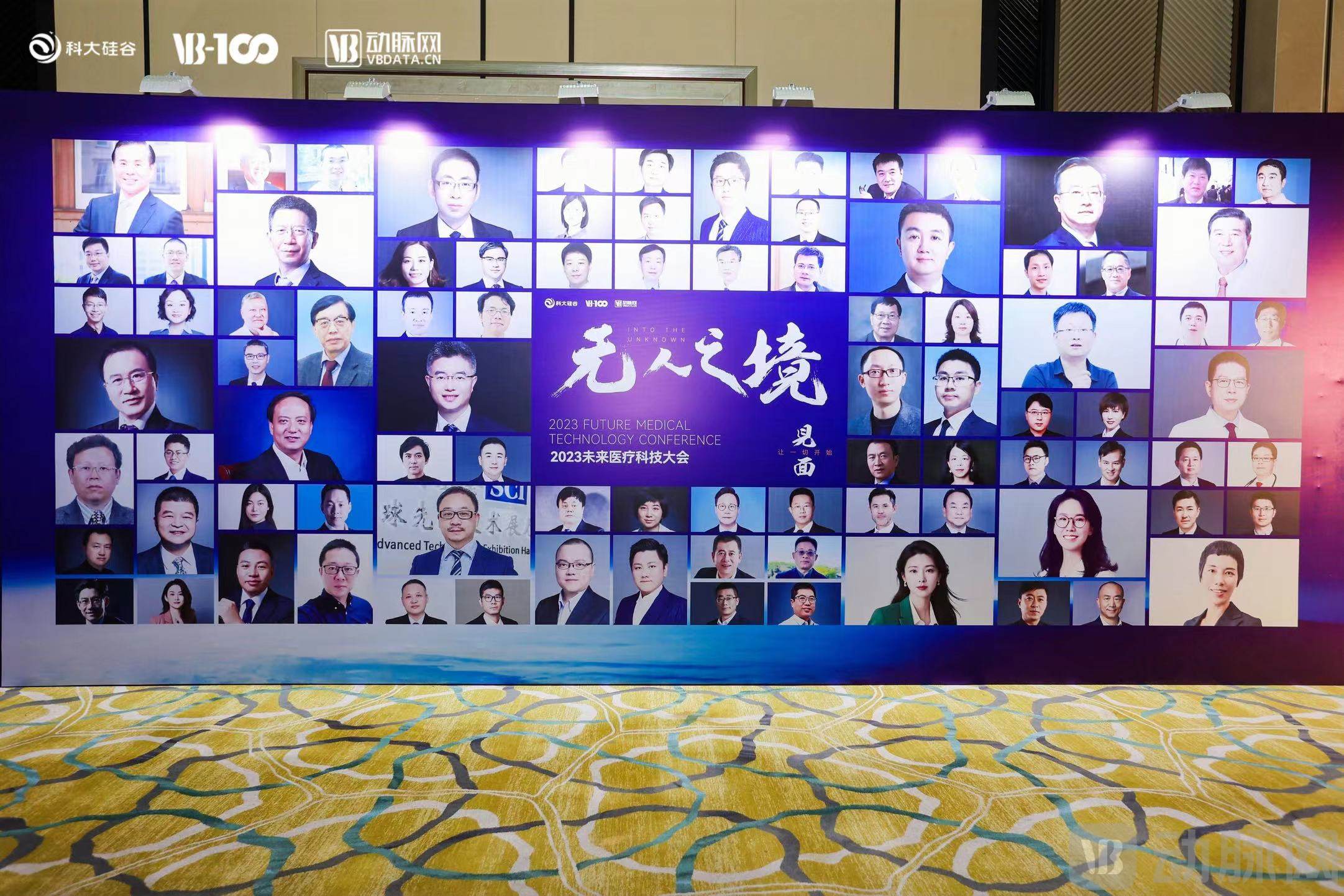
Judging by such an extensive lineup of guests, this is no ordinary industry conference. It represents the ultimate pursuit of original innovation, a comprehensive exploration of currently unresolved clinical scenarios, and deep reflection on the sustainable development of the healthcare industry. Moreover, it embodies a vision of the future, serving as a true bellwether for the development of the healthcare sector.
So, what exactly can we see when we take a closer look?
Medical Innovation Enters the Second Half: “Uncharted Territory” Becomes a Strategic Battleground
Attendees at the conference were deeply impressed by the theme “Uncharted Territory.” One entrepreneur stated outright, “I decided to attend this conference solely because of this topic., because I found it very interesting.” A frontline investor shared this sentiment, noting that the conference theme was refreshing and broke away from the current industry discourse of “involution,” instead focusing deeply on truly valuable innovations within the sector.
So, how should “No Man’s Land” be defined?
Literally, it refers to wilderness inaccessible to humans or places devoid of human presence; however, when viewed within the context of the entire healthcare industry,It signifies a deep exploration of frontier innovation and bold endeavors driven by unmet clinical needs.。
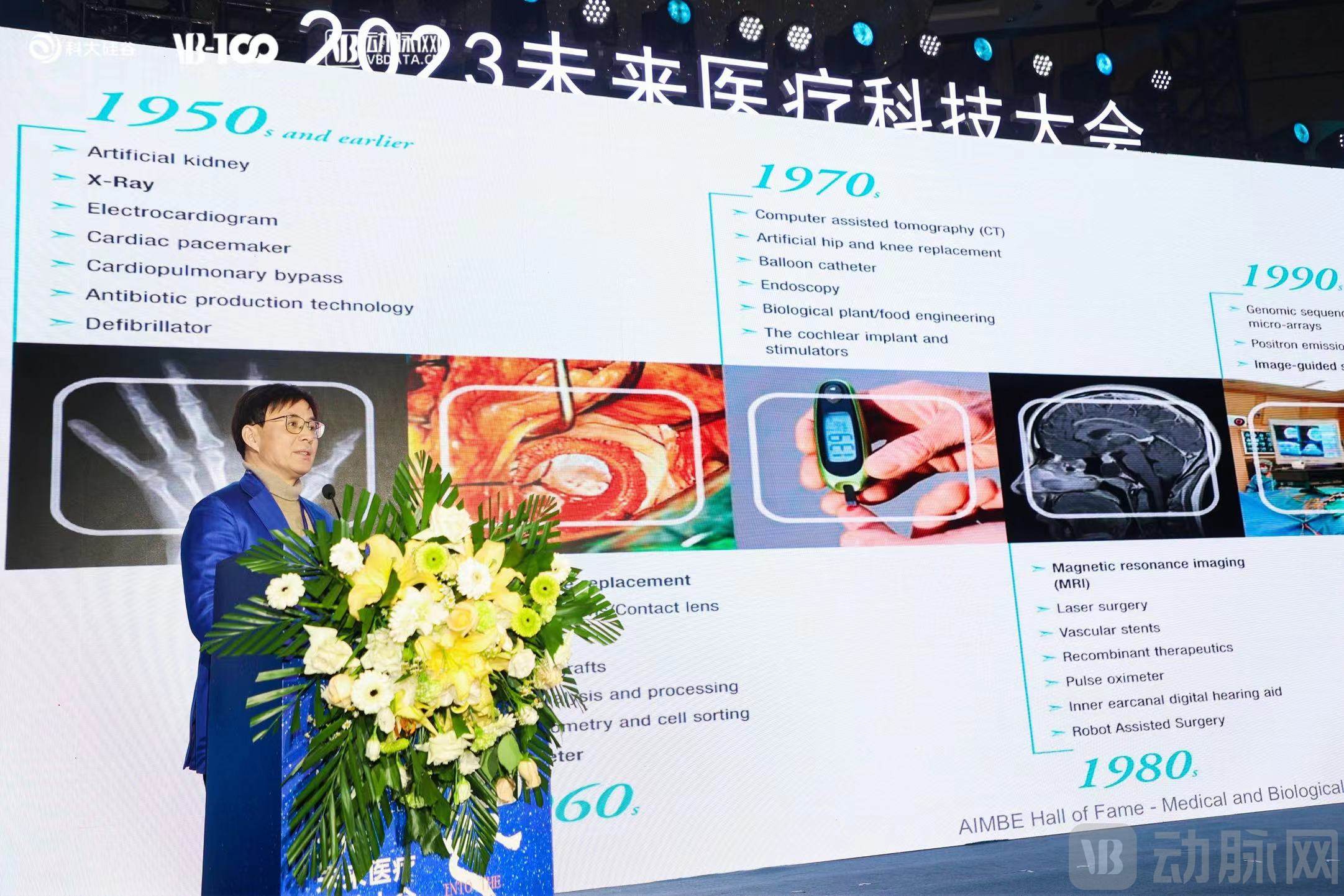
Specifically, at this technology conference, an academician of the Chinese Academy of SciencesZixin Dengand Fellow of the Royal Academy of Engineering, UKYang GuangzhongThematic presentations were delivered on two cutting-edge fields: synthetic biology and medical robotics. Academician Deng Zixin focused on the disruptive innovations in synthetic biology and its deep integration with medical scenarios, while Academician Yang Guangzhong discussed broader explorations of application scenarios for medical robots and offered bold conjectures on the innovative concept of “implantable robots.”
Focusing further on specific clinical scenarios, a Member of the U.S. National Academy of InventorsZhou ShaohuaThe application of generative AI in the field of medical imaging was mentioned. As a cutting-edge technology based on large-scale pre-trained models, generative AI can facilitate the generation and enhancement of medical images, thereby helping physicians improve diagnostic accuracy. Meanwhile, the President and CEO of Telefield Medical Imaging LimitedHan MingzhuIt has set its sights on the adolescent scoliosis scenario, with its globally pioneering ultrasound-based scoliosis assessment system, Scolioscan®, which can be widely applied to screening, diagnosis, disease monitoring, and prognosis.
Additionally, the conference has specially established a “New Product Launch for Future Medical Technology Pioneer Explorers” session, featuringLianke Biology, Ruisen Medical, GRAPHENE TIMES, Shudan Technology, Character ZhizaoRepresentatives from five companies showcased their pioneering and exploratory innovative products or technologies at the conference.
Therefore, applying the concept of “uncharted territory” to the healthcare sector essentially means undertaking endeavors that others have not pursued or that few are currently engaged in, as repeatedly emphasized by multiple investors during this roundtable discussion.““Pursue Truly Valuable Innovation”: Not to Follow, but to Disrupt。
In fact, this is also a shared challenge for all stakeholders in the healthcare industry chain—including scientists, enterprises, capital investors, and the government. This is because, after a long period of follow-on innovation, China’s healthcare sector has now reached a critical juncture that demands original innovation.
Specifically, the research and development capabilities of China’s medical industry have entered a phase of rapid advancement, gradually narrowing the gap with international leading standards. However, numerous critical “chokepoint” technologies still require breakthroughs. Focusing on the medical industry itself, on one hand, significant changes in China’s demographic structure are driving a new wave of clinical demand; on the other hand, many niche sectors are approaching saturation and are deeply mired in intense “involution,” urgently necessitating the identification of new industrial breakthrough points.
Therefore, the conference’s focus on future technology and original innovation aligns precisely with the current zeitgeist of the healthcare industry. To uncover the underlying logic and prominent trends within this landscape, the event was notably “rich in scientific and technological content.”
For instance, in terms of the guest lineup,The conference features the participation of nearly 50 academicians, research scientists, and clinical experts., and they all focus on the cutting-edge innovations in the current healthcare industry, including artificial intelligence, nucleic acid drugs, gene editing, cell therapy, and smart wearables. Hidden among these fields are many young scientists, such as researchers at Beijing University of Posts and Telecommunications and guest professors at the Party School of the National Health Commission.Wang Guangyu, he is the first recipient born in the 1990s of the “Science Exploration Award,” dedicated to research on intelligent information processing, multimodal intelligent biomedical computing, and their applications.
In addition, regarding the design and selection of specialized forums, the conference has established multiple thematic forums coveringIntelligent Medical Devices, Gene Sequencing, Biotechnology and Intelligent Manufacturing, Generative AI...and other cutting-edge fields. Meanwhile, the conference specially invited two major specialized societies—the Innovation and Translation Branch of Neurosurgery under the Chinese Association of Geriatric Health Care, and the Cardiac Surgery Technology and Engineering Committee under the Chinese Medicine Biotechnology Association—to focus on the two specialized sectors of neurosurgery and cardiac surgery, engaging in vigorous discussions on innovative research and the translation of scientific achievements.
The conference’s high “tech quotient” left a deep impression on many industry participants, with one investor remarking, “Although we are currently in a capital winter, it is precisely the season for sowing seeds. In an era where source innovation in the medical field is becoming increasingly important and urgent, entrepreneurship and investment essentially mean delving deeper and venturing into uncharted territories.”
Innovation Requires Fertile Ground: Hefei, the “Venture Capital City,” Strives to Be the Source of Living Water
Currently,A Historic Industrial Shift Is Unfolding in China’s Healthcare Sector。
On one hand, as the healthcare markets in Beijing, Shanghai, Guangzhou, Shenzhen, and Suzhou gradually approach saturation, these regions have been releasing substantial industrial opportunities to external markets over the past year or two. A typical phenomenon is that numerous listed healthcare companies and leading capital firms are establishing branches in inland cities or horizontally transferring their core businesses.
On the other hand, driven by the dual goals of industrial transformation and upgrading and identifying the next high-potential market, new first-tier cities represented by Hefei, Chengdu, Hangzhou, and Wuhan are currently prioritizing healthcare as a key industry for future development. These cities are making unprecedented investment efforts, with hundreds of billions or even trillions of yuan in fund-of-funds emerging one after another. Taking Hefei as an example, Wang Huayu, Deputy Secretary-General of the Hefei Municipal People’s Government, introduced at the conference that,In April this year, the Anhui Provincial Life and Health Industry Theme Fund of Funds was officially established, with a total scale of no less than RMB 13.5 billion. It will mainly focus on investments in innovative drugs, modern traditional Chinese medicine, medical devices, and health and elderly care.。
Nevertheless, this is destined to be a “protracted campaign,” as innovation itself is a relatively lengthy process. This is particularly true in the healthcare industry, which is known for being technology-intensive and often requires even longer development cycles, thus demanding greater patience. Wang Xiaoyan, Partner at GSR Ventures, strongly agrees with this view. She remarked, “After experiencing the bubble period of the previous few years, followed by the market winter of the past two years, the entire healthcare sector has remained relatively quiet at present,Therefore, both entrepreneurs and investors are currently seeking a stronghold willing to provide long-term support for the development of the healthcare industry.。”
Amidst this lies a tremendous opportunity for development. In recent years, as China’s scientific research and innovation capabilities have surged to the forefront globally,A New Medical Industry Cluster Is Poised to Emerge Rapidly in China. In this regard, Li Datao, founder of VCBeat, remarked, “Over the past few centuries, the global center of academia has been shifting—initially from France to Germany, and now to the United States. The underlying logic of this shift lies in the concentration of capabilities in basic research. Turning our focus to contemporary China, data show that in 2020, the country’s research output ranked second worldwide, representing a 63.5% increase over five years,”This means that next-generation innovative technologies will continue to emerge in the future, naturally giving rise to next-generation enterprises, and ultimately gradually forming next-generation industrial clusters.。”
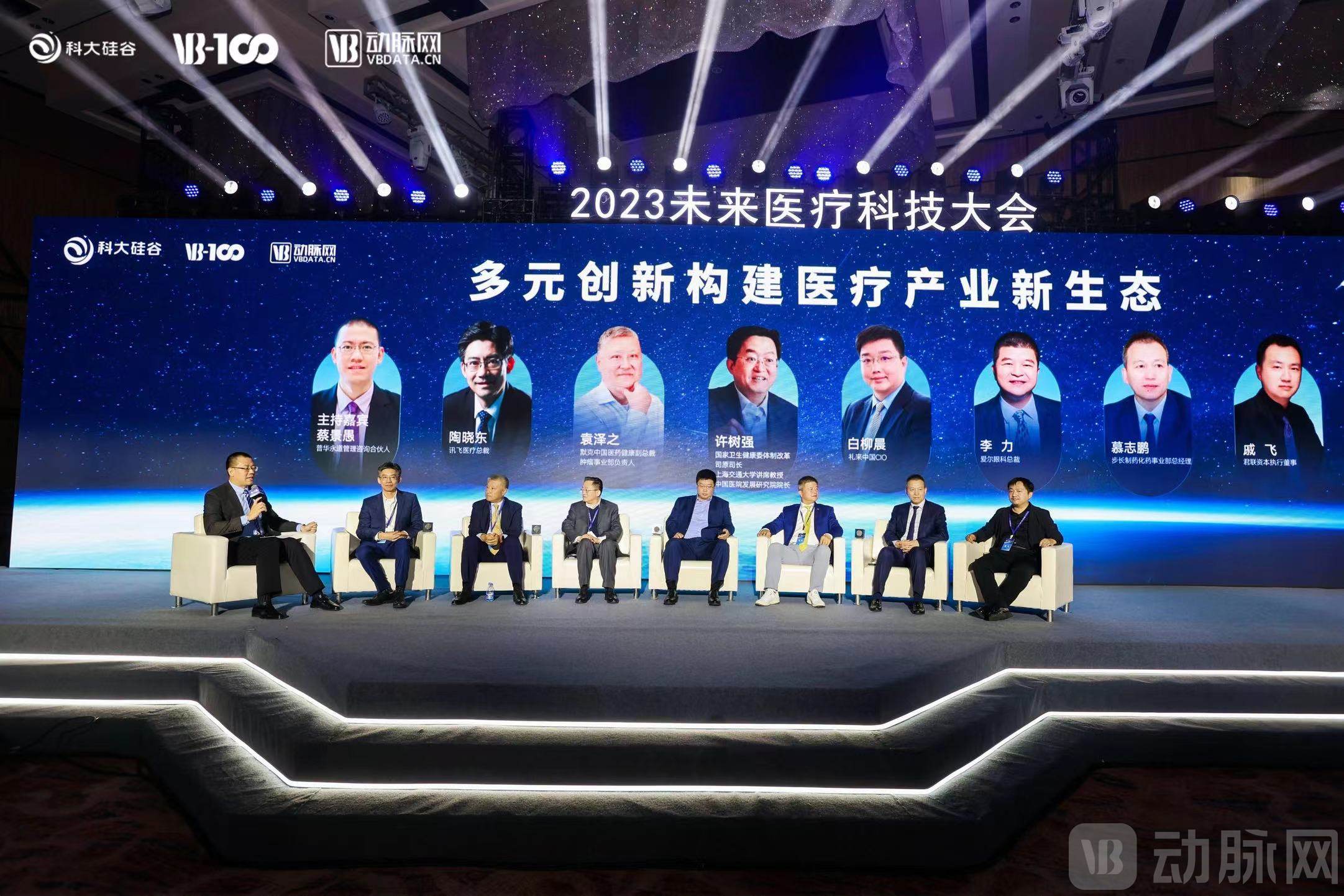
It is precisely for this reason that this group has come to Hefei. It is reported that nearly 100 entrepreneurs and investors participated in this technology conference, with the corporate side represented by founders of numerous multinational corporations, listed companies, and prominent startups, including the Vice President of Merck China Pharmaceuticals & Health.Yuan Zezhi, Vice President and CIO of Eli Lilly ChinaBai LiuchenPresident of iFlytek MedicalTao Xiaodongetc.; on the capital side,Legend Capital, Taisheng, Proxima, Yuanyi Capital, Haoyue Capital, China RenaissanceNearly 30 leading institutions have also participated.
Among this group of industry professionals, many are actually quite familiar with Hefei, such as the Executive Director of Legend CapitalQi Fei, as he introduced at the meeting, the first company invested in by Legend Capital wasiFLYTEK, and later successively invested in China's first enterprise dedicated to the commercialization of quantum information science and technology achievementsQuantumCTek& Full-Industry-Chain Stem Cell Product and Service ProviderZhongsheng Suyuan, and in April this year, it completed the acquisition of a dental medical equipment R&D developerDentifyinvestment. Therefore, Legend Capital’s ties with Hefei date back to the early days and have continued to the present.
So, what are the exact reasons why Hefei has been able to attract so many medical enterprises and capital to settle in?
First, Hefei focuses on original innovation and possesses a strong innovative DNA.. It is reported that, in developing its medical industry, Hefei has not simply replicated the introduction models used for BOE and NIO. Instead, it has focused on “investing early, investing in small enterprises, and investing in hard-core technologies,” namely by prioritizing the incubation of its own pharmaceutical industry ecosystem, nurturing promising startups within this ecosystem, and propelling them to become chain leaders, thereby integrating the upstream and downstream segments of the industry.
Throughout this process, Hefei’s innovation capacity has provided strong support for industrial development. According to the Deputy Director of the Anhui Provincial Health CommissionCui LijunIt was announced at the conference that “Anhui boasts strong innovation momentum, with its regional innovation capacity ranking 7th nationwide. It has remained in the country’s top tier for 11 consecutive years, while its innovation environment has surged significantly from 12th to 3rd place nationally.” As the epicenter of Anhui’s innovative prowess, Hefei has naturally benefited from this upward trend. Reportedly, in 2022, Hefei’s total R&D expenditure across all sectors reached RMB 46.95 billion, a year-on-year increase of 18.98%. The R&D intensity (R&D expenditure as a percentage of GDP) stood at 3.91%, exceeding the national average by 1.37 percentage points.
Secondly, Hefei boasts a well-developed industrial support ecosystem and is home to “USTC Silicon Valley,” a world-class innovation hub.. To support the development of the local medical industry, Hefei has undertaken significant initiatives in recent years, one of which was the official establishment in June 2022 of"USTC Silicon Valley", which is also the venue for this technology conference.
It is reported that “USTC Silicon Valley” primarily focuses on the commercialization of innovative achievements, the incubation of innovative enterprises, and the optimization of the innovation ecosystem, with the ambition to establish a demonstration project as a source of technological innovation and a hub for emerging industries. According to its plan, by 2025, “USTC Silicon Valley” aims to attract over 100,000 talented individuals across various levels, establish a multi-tiered fund system with a total scale exceeding RMB 200 billion, and gather more than 10,000 technology-based enterprises, new-type R&D institutions, and sci-tech service providers. Additionally, it plans to cultivate 1,000 high-tech enterprises and foster over 50 listed companies and unicorn enterprises. This indicates that the medical industry in Hefei, particularly within USTC Silicon Valley, holds significant potential for future development.
Finally, Hefei excels at adhering to market development trends and can flexibly empower the medical industry chain.. Taking the funding side as an example, according to data released by the Hefei Municipal Finance Bureau in March this year,As of February 2023, within less than a year since the establishment of the municipal government-guided fund-of-funds company,Hefei’s total fund scale has experienced explosive growth, reaching RMB 154.6 billion to date. A total of 47 participating funds have been approved for establishment, including 10 specialized biopharmaceutical funds. This has established a state-owned “fund jungle” structured as “government-guided fund of funds + angel/Sci-Tech innovation/seed funds + market-oriented funds.”。
It is precisely under this comprehensive fund system that Hefei has reaped substantial rewards in the medical field in recent years. According to incomplete statistics from the VCBeat Orange Database,Over the past two years, Hefei has completed 60 financing deals in the healthcare sector, covering more than 50 startups and yielding five IPOs.In this regard, a local enterprise in Hefei remarked, “Hefei’s local funds are highly professional. They not only have corresponding funds for projects at different stages, but also adhere entirely to market-oriented practices throughout the entire operational process—from pre-investment and during investment to post-investment. Furthermore, they demonstrate strong inclusiveness toward projects, particularly by sparing no effort to provide support when projects encounter difficulties.”
Building on this foundation, Hefei has also issued several key policies and guidelines in the past one to two years. In this regard, the Deputy Director of the Anhui Provincial Health CommissionCui LijunThe address highlighted that Anhui has introduced a series of practical, well-funded measures in areas such as R&D innovation, platform development, and major projects, establishing an industrial policy support system that covers various stages including start-up, growth, and expansion.
Specifically, according to Guo Mei, Chief Engineer of the Hefei Municipal Bureau of Economy and Information Technology, Hefei officially issued in June 2022“Several Policies of Hefei City on Accelerating the High-Quality Development of the Biopharmaceutical Industry”, this is Hefei’s first special policy dedicated to supporting the development of the biopharmaceutical industry. It introduces ten measures aimed at promoting high-quality growth of Hefei’s biopharmaceutical sector, primarily by supporting industrial R&D innovation and accelerating the translation of innovative achievements, with the goal of establishing Hefei as a core hub and R&D highland for the biopharmaceutical industry.
Of course, everything has two sides. On the path of development in the medical industry, Hefei currently faces many limitations, with typical examples beingHefei currently has a relatively small number of star and innovative enterprises in the medical industry, resulting in insufficient industrial visibility and a less prominent industrial brand.。
In this regard, an entrepreneur stated bluntly, “Hefei has a strong foundation in the medical industry, but its most prominent industrial brands are currently ‘China Speech Valley’ and the ‘Quantum Center,’ while its most successful investment attraction cases include BOE, ChangXin Memory Technologies, and NIO. These labels have, to some extent, ‘overshadowed’ Hefei’s strategic layout, efforts, and achievements in the healthcare sector. Furthermore, under Hefei’s emerging industry positioning of ‘Chips, Displays, Automobiles, Integration, Integrated Circuits, Terminals, Life Sciences, and Intelligence,’ life sciences rank seventh, rendering the medical industry relatively marginal.”
However, Hefei is already contemplating solutions, and hosting this technology conference is one of its typical initiatives. It is reported that to allow more industry professionals to gain a closer understanding of Hefei, the conference has specifically included in its itineraryClosed-Door Meeting for Government and Enterprisesand“USTC Silicon Valley” Visit Session, taking visits as an example,Nearly 50 entrepreneurs and investors from the healthcare sector visited “USTC Silicon Valley” to gain first-hand insights into its existing infrastructure, service support capabilities, and future development plans.。
How to Balance Innovation and Survival: Whole-Industry Chain Collaboration Becomes the Mainstream Trend
At this technology conference, whether scientists, entrepreneurs and investors, or even representatives of the Hefei government, almost all mentioned “looking forward to future collaboration” at the end of their speeches.
In fact, numerous industrial collaborations were also quietly underway during the conference. Taking the corporate sector as an example, the Mayor of Hefei CityLuo YunfengWith the President of Aier Eye HospitalLi LiThe executive team I led engaged in extensive discussions, with numerous collaborations to be launched in Hefei in the future;Eyebright Surgical RobotWe have communicated with the team responsible for USTC Silicon Valley and expressed our intention to establish a branch for vascular interventional surgical robots.Telefield MedicalPlans are underway to establish the headquarters of a spine health technology and medical group with a market valuation of RMB 10 billion in Hefei, while also considering relocating its Hong Kong headquarters to Hefei. In addition, at a closed-door meeting between government and enterprises,Four medical device companies have explicitly expressed their intention to establish headquarters or build factories in Hefei, while more than three other companies have scheduled post-conference visits with the Hefei municipal government.。
On the capital side,Proxima Ventures Brought Three Prospective Portfolio Companies to Hefei, and all visited the USTC Silicon Valley. Meanwhile, numerous investors have held discussions with the Hefei municipal government, with plans to establish local branches in Hefei in the future. Of course, on the research front, collaborations among scientists, as well as between scientists and entrepreneurs, are also being extensively pursued.
Therefore, while focusing on frontier innovations and discussing trend shifts, this technology conference is also vigorously promoting industrial cooperation across various dimensions. During the intervals of the conference, the Dean of the Institute of Gene and Cell Therapy at Xi’an Jiaotong UniversityFan Xiaohuwith the Vice Governor of Anhui ProvinceRen QinghuaHe engaged in discussions and was deeply impressed, stating, “On one hand, the conference fostered cross-disciplinary exchanges among scientists, helping to generate more opportunities for industrial breakthroughs; on the other hand, it established a communication platform for scientists, entrepreneurs, investors, and government agencies, which is conducive to advancing the layout and development of Hefei’s medical industry.”
An investor who participated in the entire conference elaborated on the meaning of “collaboration” from another perspective. He remarked, “Founding a healthcare company is inherently a lonely journey, especially when we are exploring and pioneering one ‘uncharted territory’ after another, facing even greater difficulties and challenges. Therefore, through this conference, we are not only fostering collaboration at the business level but also bringing people together to connect and converse. This, in itself, is an indirect form of collaboration and problem-solving. When we witness the emergence of more innovative technologies and products, or see everyone shining in their respective fields, we are, in effect, encouraging and supporting one another.”
Therefore, as we return to the fundamentals and continue to delve deeper into the healthcare industry, source innovation has become a shared imperative of our times. This process conceals abundant opportunities while also presenting numerous challenges. Yet, as Li Datao, founder of VCBeat, stated in his conference address,Continuous innovations and breakthroughs, along with repeated collaboration and synergy within the industry, will ultimately converge into a formidable force of innovation, empowering us to pioneer new frontiers in uncharted territories.。
This adventurous journey concerns scientists, entrepreneurs, investors, governments, and indeed everyone within the healthcare industry chain.