

Gene Sequencing Frontier Innovation Forum Concludes Successfully at the 2023 Future Healthcare Tech Conference

In recent years, driven by its cutting-edge nature and broad clinical application potential, gene sequencing technology has been rapidly adopted and iterated. Within a very short period, it has formed an extensive industrial chain comprising upstream segments (gene sequencers and consumables), midstream segments (sequencing and data services), and downstream segments (research and clinical applications). Meanwhile, the gene editing industry is also at a critical stage of rapid development, encompassing technological advancements, commercial applications, ethical and regulatory frameworks, and investment collaborations. Continuous breakthroughs in this field are attracting successive waves of innovators, gradually unveiling a new ecosystem for future healthcare.
Against this backdrop, the 2023 Future Medical Technology Conference specially hosted a themed forum titled [Frontier Innovation Forum on Gene Sequencing]. The forum invited research scholars, industry experts, and investors in the field of gene sequencing to share forward-looking technological trends, as well as insights and reflections on practical applications, guiding innovators in China’s healthcare sector to jointly explore the “uncharted territories” of medical technology.
Liu Longqi, Director of the Super Cell Institute at BGI Research, Chief Scientist of Single-Cell Omics, and Dean of Hangzhou BGI AcademyMr. [Name] Shares Insights with Us“Advances in Cutting-Edge Genomic Technologies Under the New Wave”。In his presentation, Mr. Liu Longqi discussed advances in genomic technologies, with a focus on single-cell omics and spatiotemporal omics. He shared innovations by the BGI Research Institute in spatial omics sequencing, including the T-sequencing system and DNA nanochips. He demonstrated in situ sequencing of cells and tissues and their 3D reconstruction achieved through these technologies, emphasizing the applications of spatiotemporal omics in research on development, organ structure, evolution, and disease. Finally, he introduced the STOC Alliance and collaborations among global scientists, as well as the Spatiotemporal Omics Laboratory established at the BGI Research Institute in Hangzhou, which provides new prospects and platforms for the advancement of spatiotemporal omics.
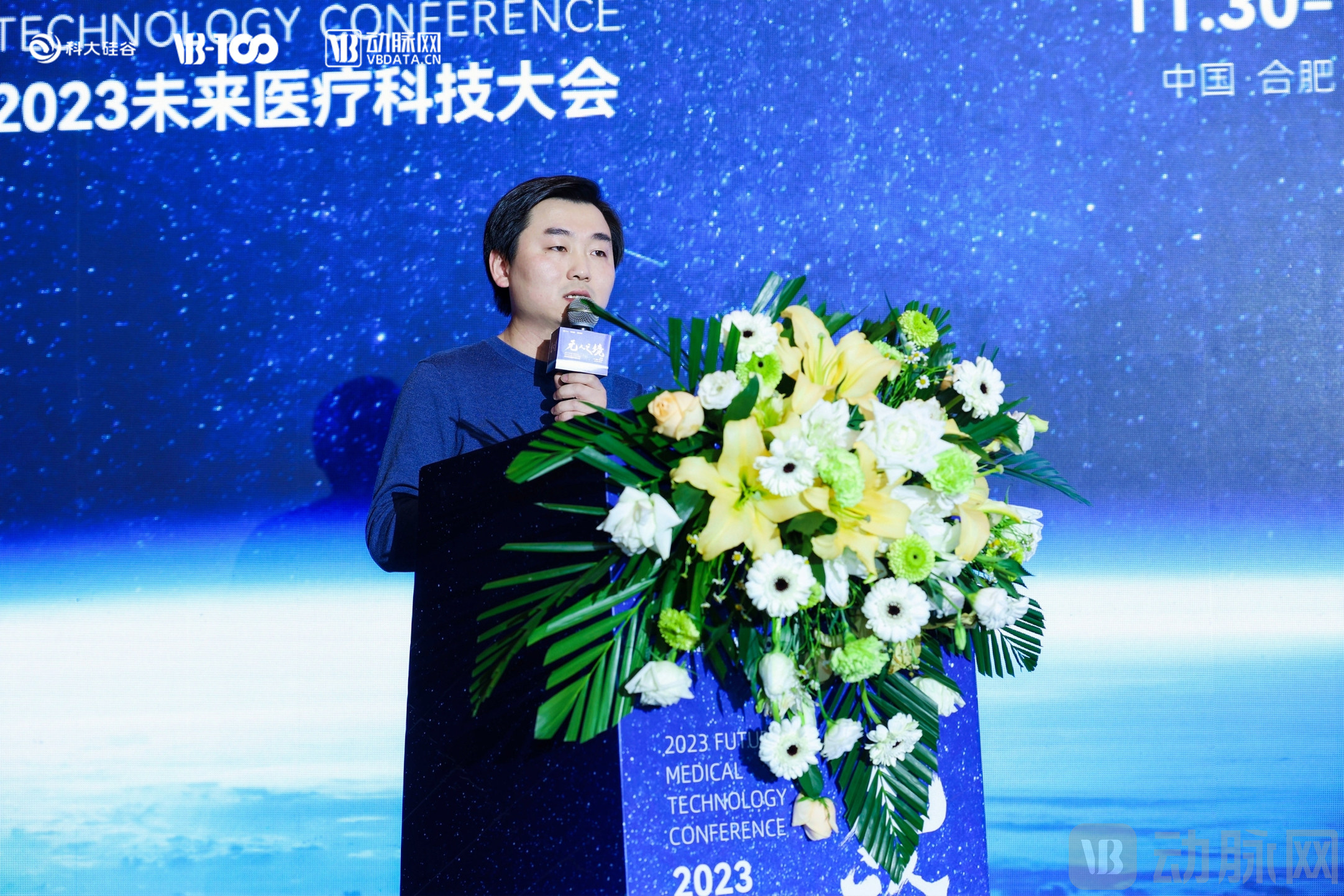
Speech by Liu Longqi, Director of the Super Cell Institute at BGI Research, Chief Scientist of Single-Cell Omics, and Dean of Hangzhou BGI Research
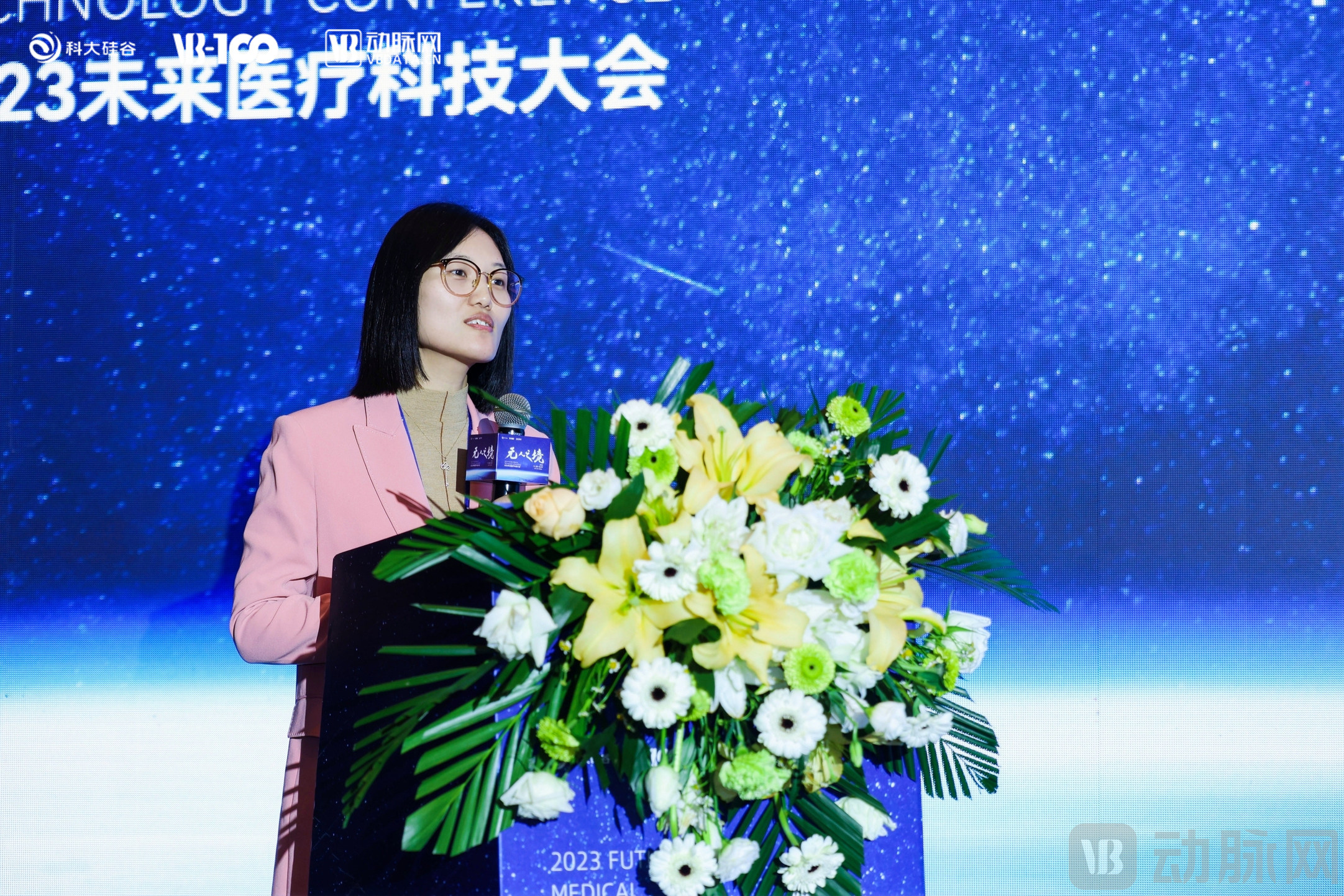
Speech by Peng Huanhuan, Vice President of MGI Tech and General Manager of the China Marketing Center
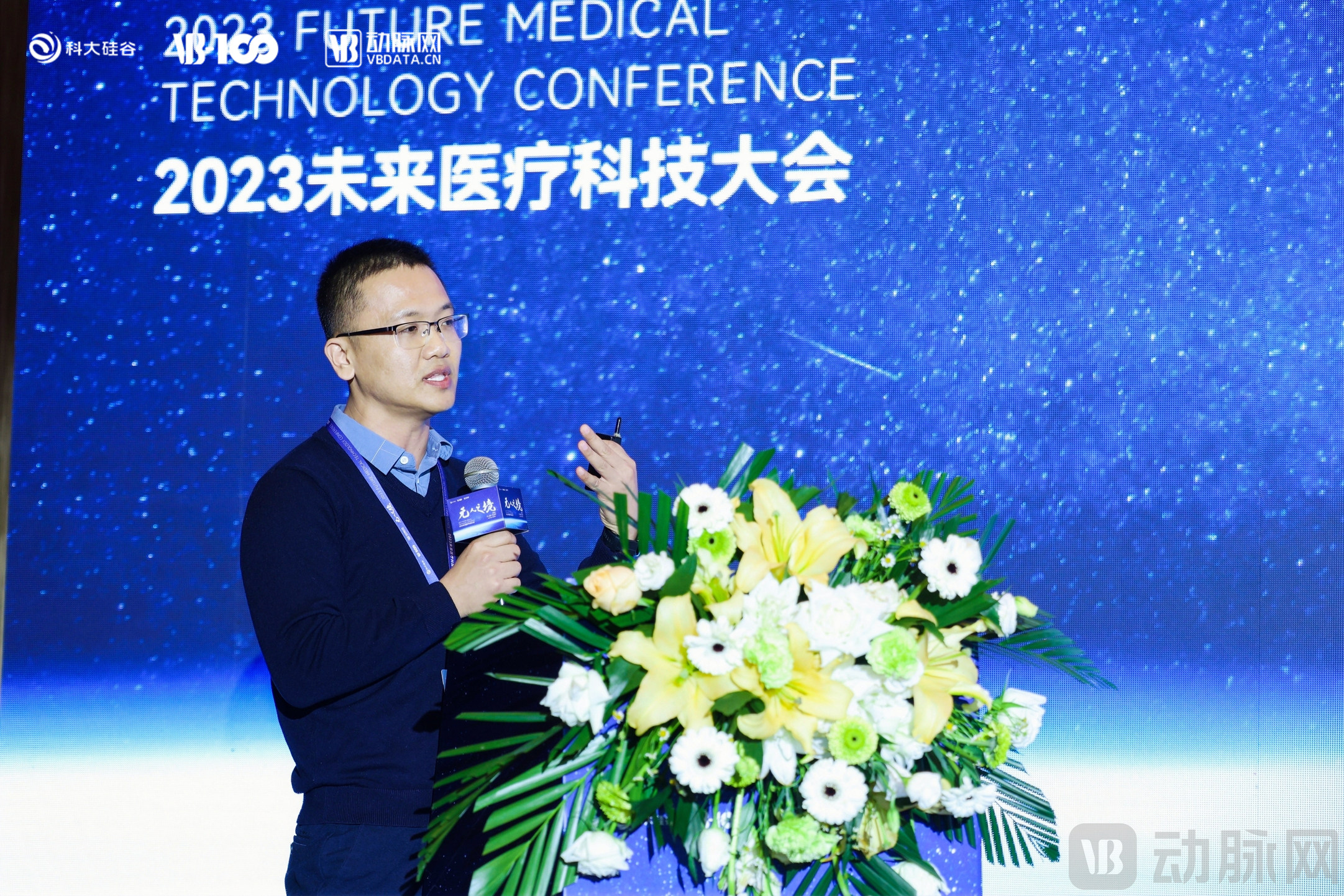
Speech by Liang Zhikun, Deputy Dean of Daan Gene Research Institute
Mr. Zhang Xian, Chief Medical Officer of GeneseeqShare with Us“Introduction to the Application Progress of Liquid Biopsy Technology in Early Cancer Screening”。Mr. Zhang Xian stated in his research that early detection and early treatment are key to improving survival rates for cancer patients. Compared with traditional screening methods, multi-cancer early detection (MCED) technologies based on liquid biopsy offer higher sensitivity and specificity, as well as accurate tissue-of-origin identification. Geneseeq’s independently developed MERCURY cfDNA fragment multi-omics technology for early cancer screening has demonstrated excellent predictive performance across various cancer types, including lung, colorectal, and liver cancers. The MCED product EagleEye™, developed based on the MERCURY technology, enables early screening for multiple cancer types and tissue-of-origin identification through a single blood draw. Currently, the EagleEye™ MCED kit has obtained EU CE certification, laying the foundation for serving patients worldwide and contributing further to the field of early cancer screening.
Presentation by Zhang Xian, Chief Medical Officer of Genetron Health
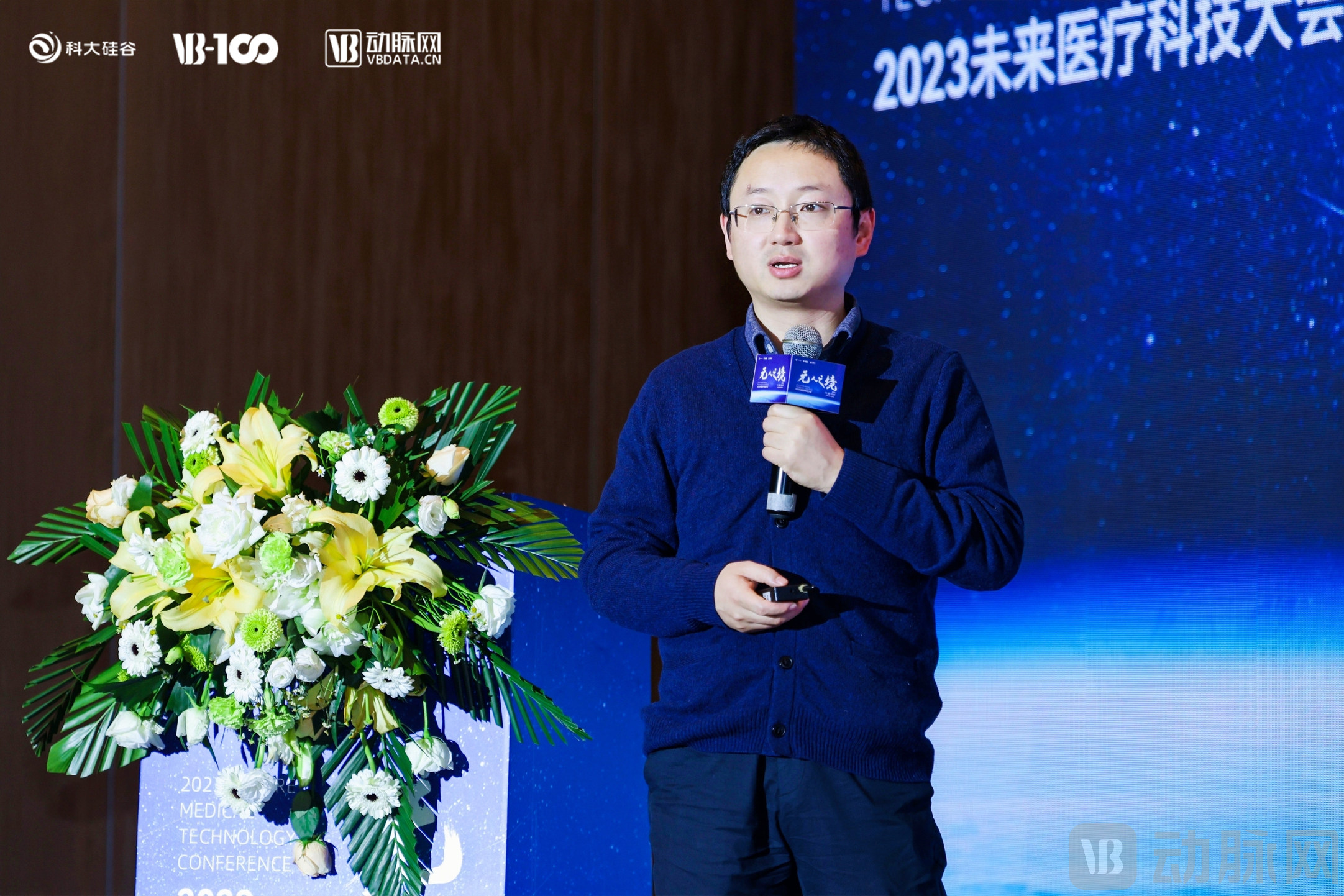
Speech by Jingwei Bai, Co-Founder and Chief Scientist of Qitan Technology
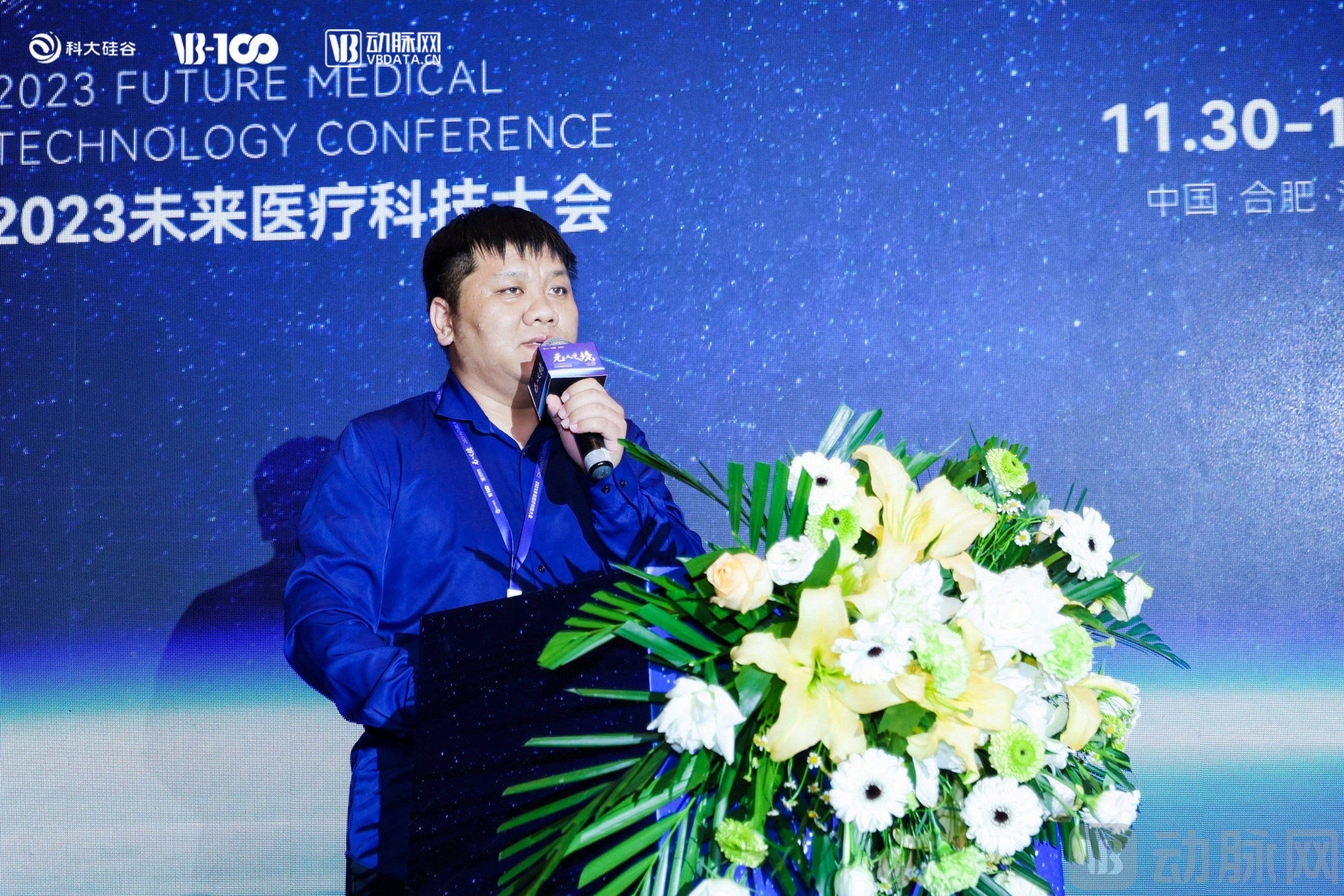
Mr. Zhang Yu, Chairman of Zhejiang Dipu DiagnosticsSharing Session“Applications and Challenges of tNGS Technology in Infectious Diseases”。Mr. Zhang Yu’s presentation focused on the applications and challenges of nanopore sequencing-based targeted next-generation sequencing (tNGS) in infectious diseases, emphasizing that nanopore sequencing complements traditional sequencing methods to form a comprehensive sequencing landscape. This integration is particularly crucial for deciphering genetic codes and modification information in life sciences. Mr. Zhang pointed out issues with metagenomic next-generation sequencing (mNGS), such as low detection rates, and introduced tNGS technology to enhance the diagnostic efficacy for infectious diseases. He detailed the advantages of tNGS, including read length, sensitivity, and the application of PCR, and shared Dipu’s products in this field. During his talk, Mr. Zhang discussed the application scenarios of tNGS in cases of infections of unknown origin, antimicrobial resistance, and source tracking, while also addressing future technical challenges, such as distinguishing between infection and contamination, microbial identification, and the respective merits and drawbacks of amplification-based versus capture-based methods.
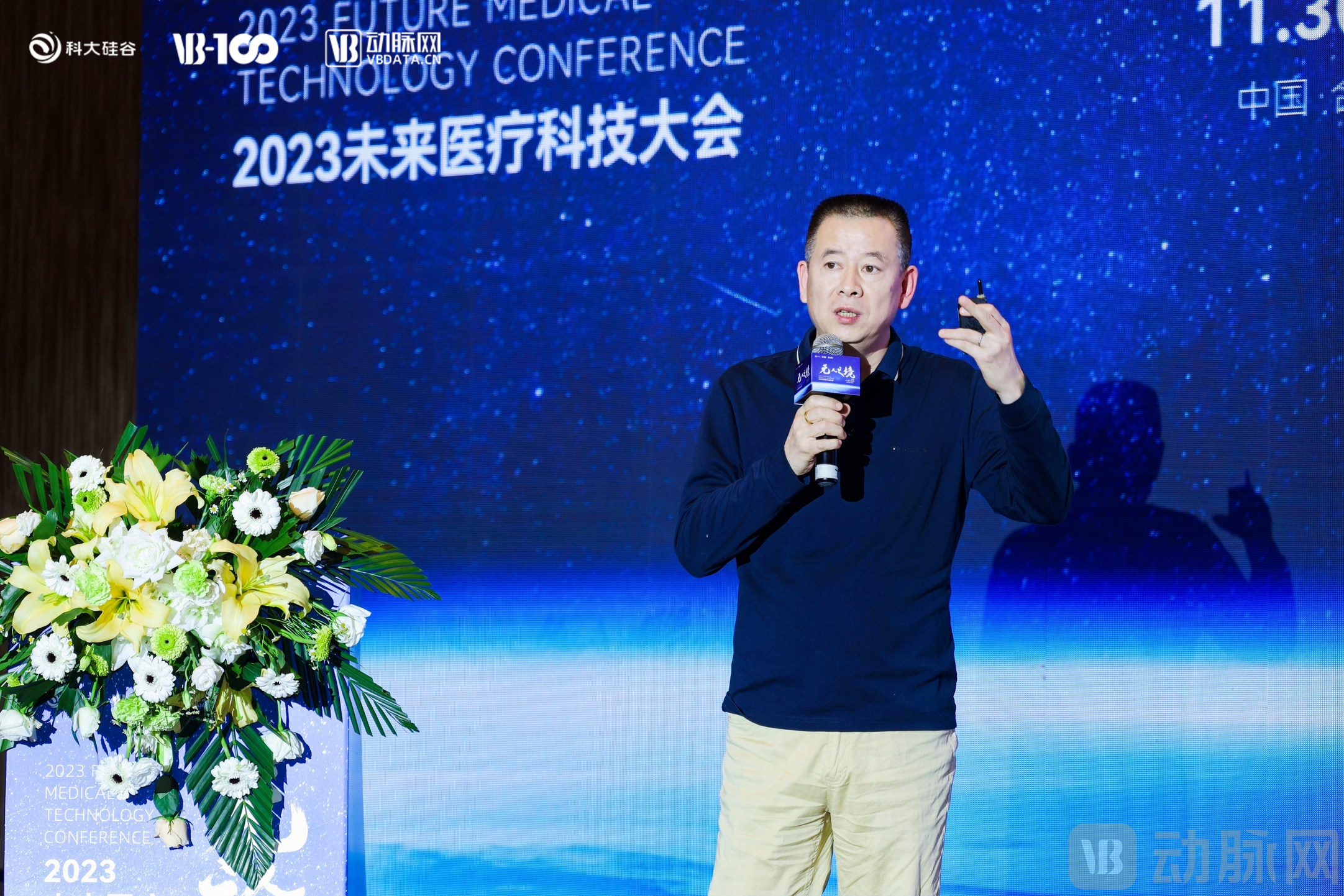
Speech by Zhang Yu, Chairman of Zhejiang Depu Diagnostics
Mr. Yan Linghua, Founder and CEO of TreeGenesSharing Insights"Future Perspectives on Microsatellite Instability Testing"。Mr. Yan Linghua emphasized the importance of microsatellite instability (MSI) in the field of oncology. He highlighted the critical role of MSI in early cancer diagnosis and personalized treatment, particularly in the context of immunotherapy. Mr. Yan provided a detailed explanation of MSI detection methods, advocating for combined testing using PCR and MMR-IHC while discouraging the use of next-generation sequencing (NGS). He also cited improvements in survival rates among patients with high microsatellite instability (MSI-H) across various cancer types, underscoring the significant impact of MSI testing on patient survival. On the commercial front, he shared the successful experience of TreeGene Genetics but noted that there is still room for improvement in the penetration rate of MSI testing in China. He further called on industry practitioners to promote the development of MSI testing in China step by step, highlighting its importance in tumor molecular diagnostics.
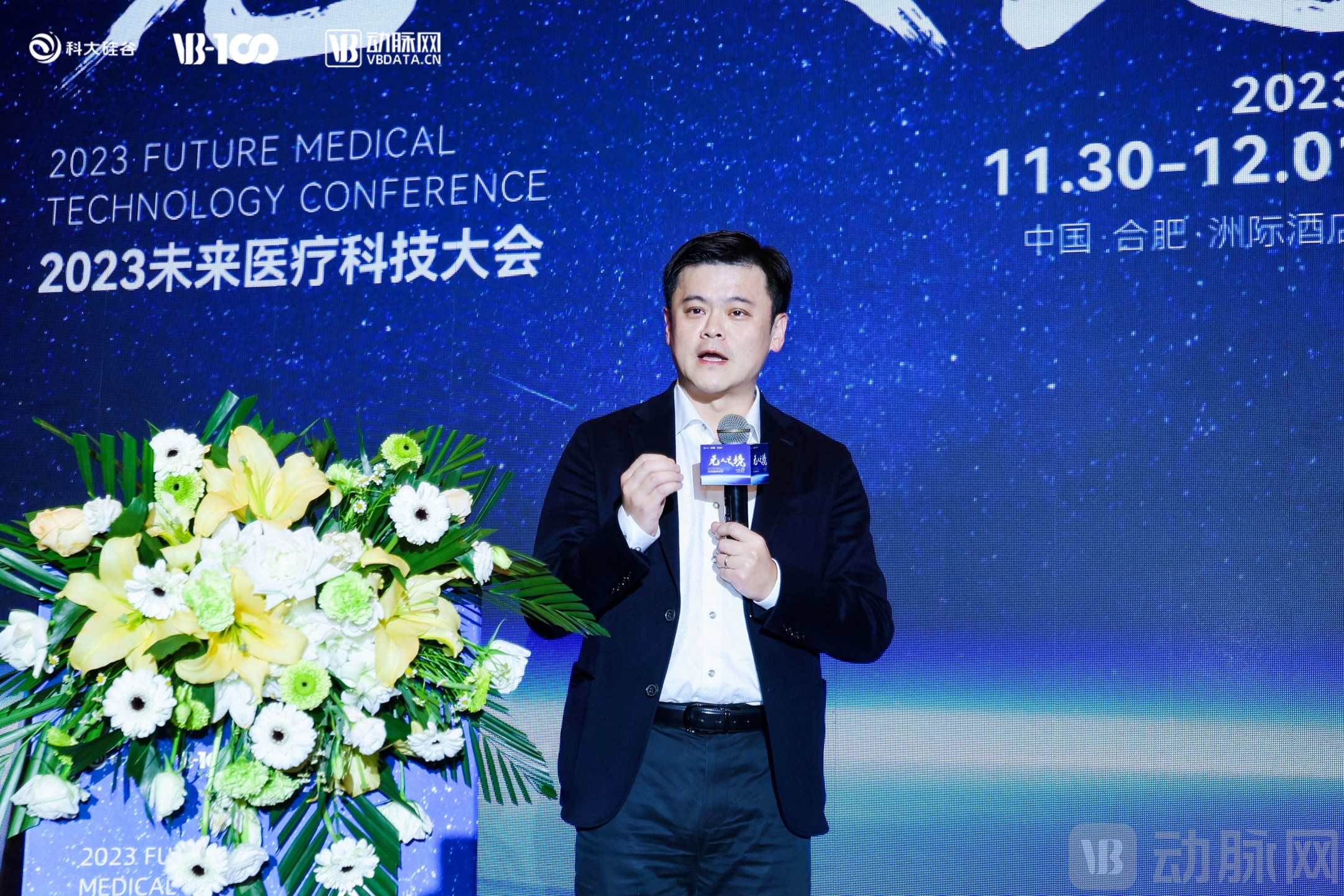
Mr. Yan Linghua, Founder and CEO of Tree Genetics
Topics for This Roundtable Discussion“How Will Gene Sequencing Reflect Chinese Innovation and Navigate Toward Blue Oceans in the Next Decade?”, delving deeply into innovations in the field of gene sequencing, cross-industry collaboration, and international market expansion.The roundtable was co-hosted by Li Yishi, Partner at Joy Capital. It featured a panel discussion with several distinguished guests, including Peng Huanhuan, Vice President of MGI Tech and General Manager of its China Marketing Center; Chen Chuguang, Chairman and Founder of Vazyme Biotech; Bai Jingwei, Co-founder and Chief Scientist of Qitan Technology; and Wen Shu, Chief Medical Officer of SafeGene.
The guest discussed how innovation and cross-industry collaboration will drive the development of the entire gene sequencing industry. For instance, integrating gene sequencing technology with 5G enables remote ultrasound robotics to address imbalances in medical resource distribution. In terms of technological innovation, companies are co-developing products with enterprises from other sectors to enhance the intelligence level of sample storage. Regarding international market expansion, sequencing companies must understand local cultures, regulations, and healthcare systems, and adapt to local market demands through localized teams. Going global presents challenges related to regulatory frameworks, partner coordination, and cultural differences, necessitating adjustments to products and services based on the actual conditions of target markets.
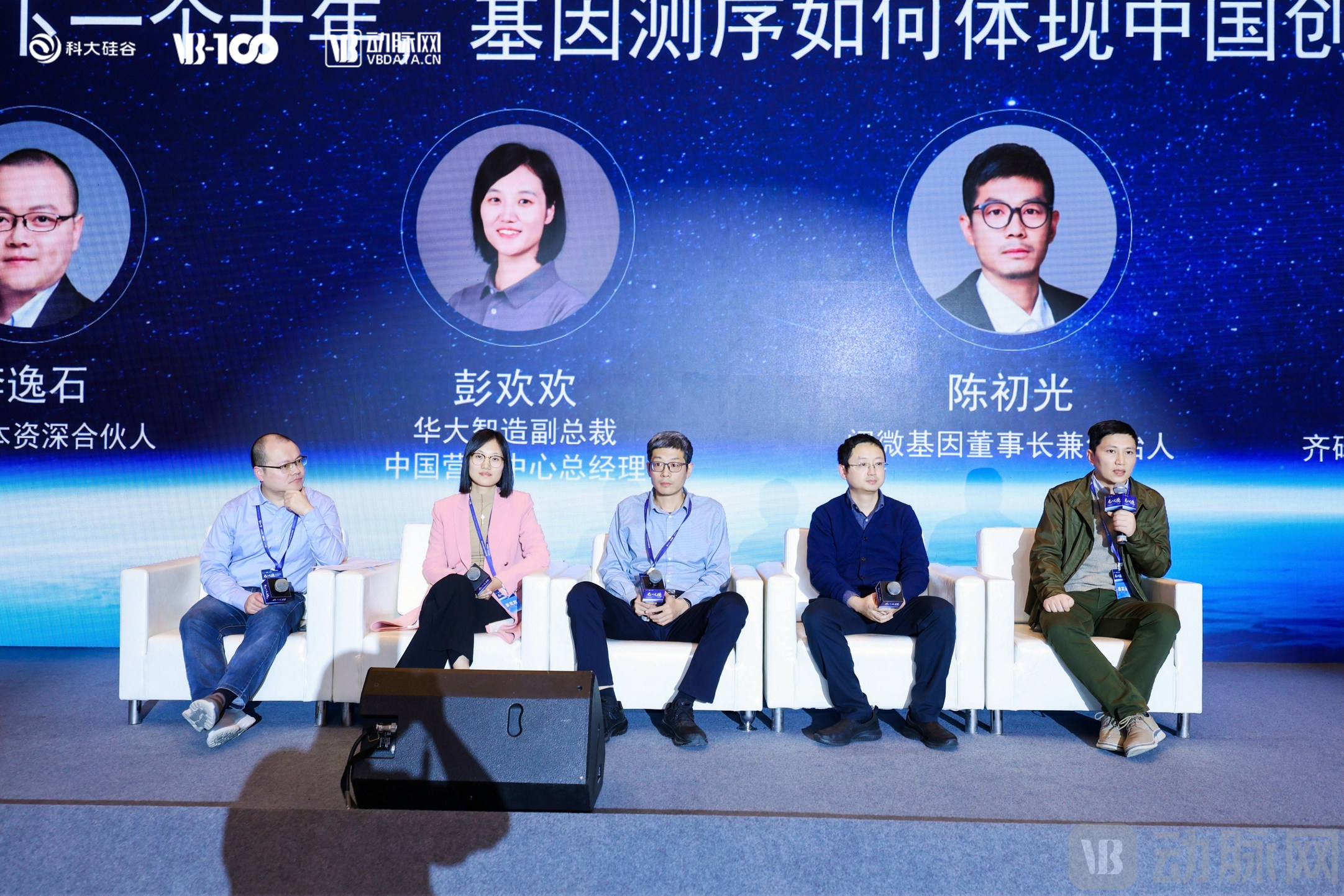
In the Next Decade, How Will Gene Sequencing Reflect Chinese Innovation and Navigate Toward Blue Ocean Markets?
The widespread application of gene sequencing is just beginning. In the future, gene sequencing will see expanded use not only in disease diagnosis and early screening but also in forward-looking industries such as plant and animal breeding and ecological conservation.The “Era of Universal Access” to Gene Sequencing Is Approaching.