

Innovative Healthcare, AI as a Companion: Generative AI Application Forum Successfully Concludes
MARATHON VENTURE PARTNERS
Early-stage venture capital institution
Yidu Cloud
Medical Big Data Platform

DeepWise
Developer of Artificial Intelligence Medical Imaging Diagnosis System

FUSIONTECH
Provider of Comprehensive Medical Information Solutions
Over the past few years, and particularly in the more than 12 months since the emergence of ChatGPT, generative AI has demonstrated significant application potential across numerous industries. It may even drive disruptive innovation in many sectors in the future. The value of its intelligent algorithms has already been validated in scenarios such as informatization, new drug development, clinical surgery, and medical imaging.
Against this backdrop, the 2023 Future Healthcare Technology Conference specially hosted a themed forum titled [Generative AI Scenario Innovation Application Forum]. The forum invited research scholars, industry experts, and investors in the field of artificial intelligence to share forward-looking technological trends, as well as their explorations and insights into practical applications, guiding innovators in China’s healthcare sector to jointly venture into the “uncharted territory” of medical technology.
Mr. Yang Ruirong, Partner at MARATHON VENTURE PARTNERSAt the Speech《Innovative Trends of Generative AI Technology in the Life and Health Sector》The discussion highlighted that generative AI will achieve breakthroughs in doctor-patient interactions and IT R&D, and introduced applications of generative AI in healthcare startups, including drug design and patient management. Furthermore, Mr. Yang Ruirong not only compared the proportions of generative AI healthcare startups globally and in China, emphasizing opportunities in China such as cost savings, digital therapeutics, and medical IT, but also pointed out deficiencies in medical applications, specifically the disconnect between technology and application scenarios, as well as issues of data silos and fragmentation. He stressed policy red lines, urging companies to carefully adhere to national policies. Listing Chinese generative AI healthcare companies, he emphasized the fields of drug design and patient management, expressed expectations for ChatGPT and generative AI in healthcare, and regarded them as epoch-making technologies.
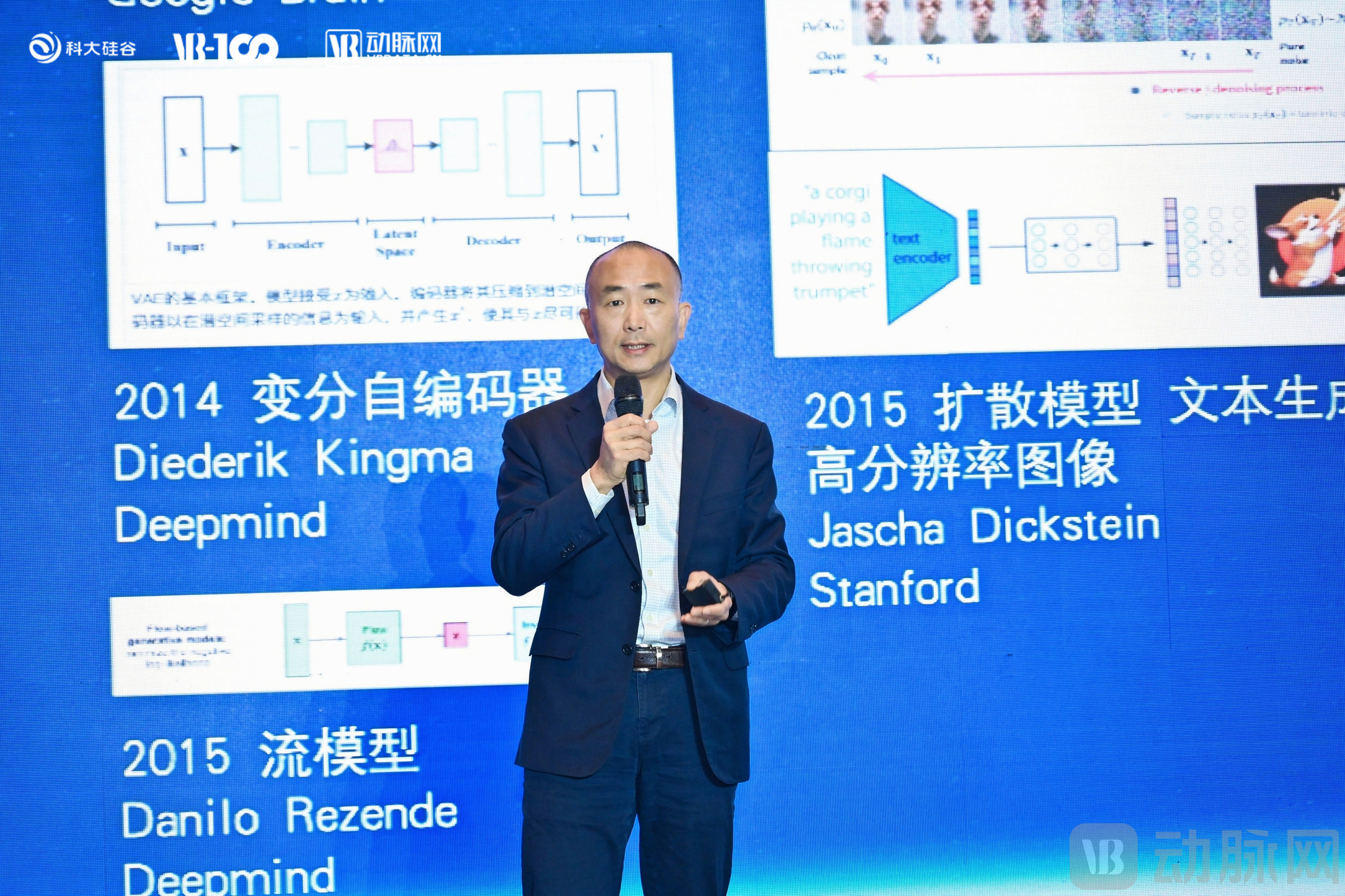
Speech by Yang Ruirong, Partner at MARATHON VENTURE PARTNERS
Yan Jun, CTO and Chief AI Scientist at Yidu CloudMr. [Name] Shares Insights“Generative AI Empowering Healthcare”。Mr. Yan Jun emphasized the development and application of large language models (LLMs) in the healthcare sector during his speech. He reviewed the evolution of GPT technology, highlighted the necessity of LLMs in medicine, and stressed the importance of technology selection, noting collaboration with Huawei for hardware adaptation. Mr. Yan shared Yidu Cloud’s solutions and specific case studies for applying LLMs in healthcare, including medical record search and the construction of specialized disease databases. He argued that the value of technology lies in serving end-users; therefore, the development of LLMs must be oriented toward real-world application scenarios to genuinely address customer needs and pain points.
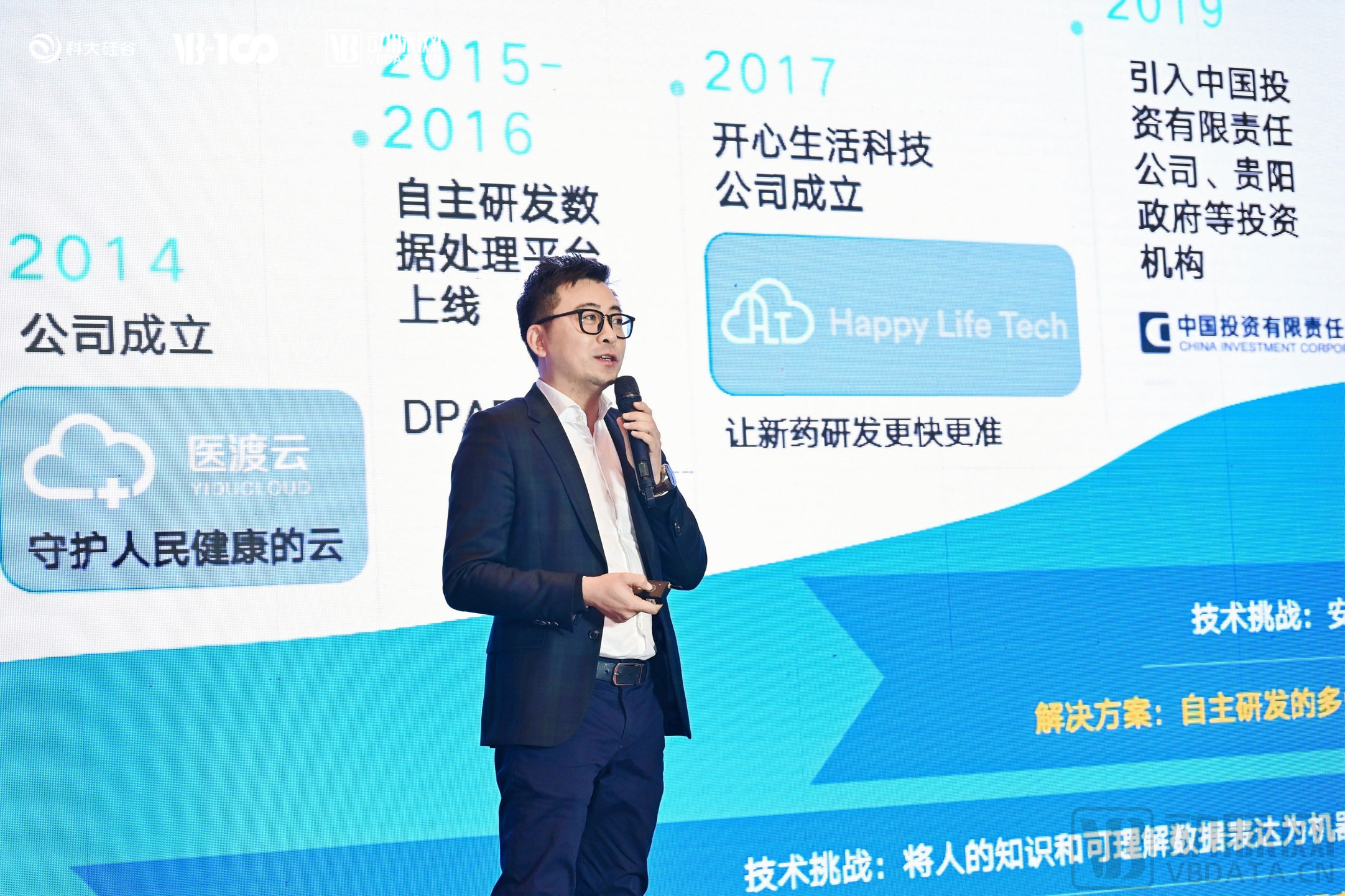
Speech by Yan Jun, CTO and Chief AI Scientist at Yidu Cloud
Li Yiming, Co-founder and CTO of DeepWiseMr. [Name] Shares Insights“Practice and Application of Large Medical Models”。Mr. Li Yiming Provides an In-Depth Discussion on the Practice and Application of Large Medical ModelsLarge model technology is rapidly developing in the healthcare sector, demonstrating broad application prospects. Multiple application scenarios, including medical consultation, electronic health record (EHR) prediction, and general-purpose large medical models, have garnered significant attention. Models such as MedPaLM 2 and GPT-4V have achieved remarkable results. DeepWise has implemented practices across text, imaging, and multimodal domains, conducting research in areas such as medical standardization, image analysis, and connotation-based quality control of medical records. Through these initiatives, DeepWise strives to promote the widespread adoption of large model technology in healthcare and enhance the quality of medical services.
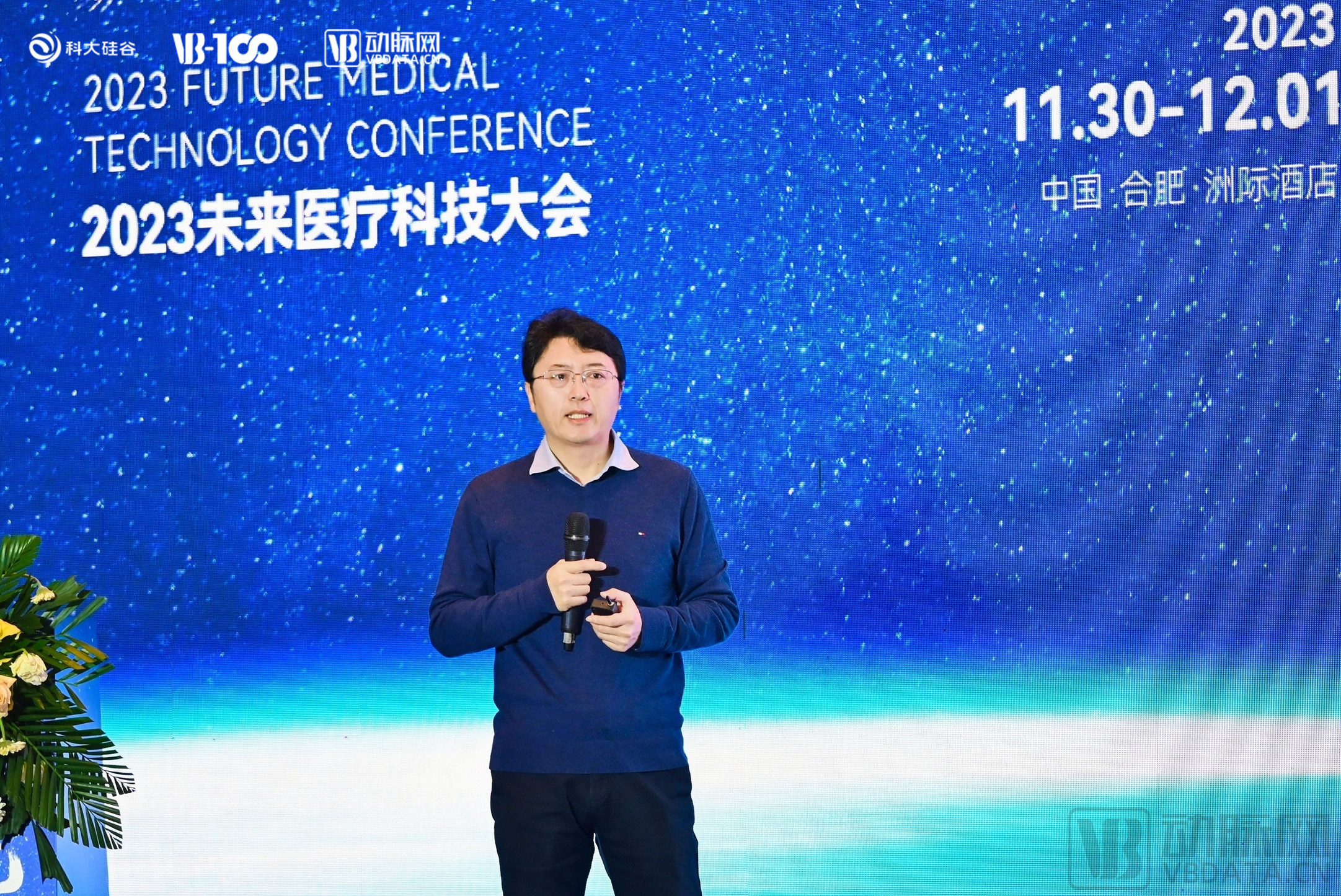
Speech by Li Yiming, Co-founder and CTO of DeepWise
Mr. Wei Yawei, General Manager of the Healthcare Industry at DingTalkDelivering a Speech"Practical Applications of New AI-Driven Office Solutions in the Healthcare and Pharmaceutical Industry"ChinaThis article introduces DingTalk’s AI-driven office practices in the healthcare and pharmaceutical sectors. As medical disciplines become more specialized and diagnostic and treatment processes grow increasingly complex, the healthcare industry faces higher demands for collaborative work. Digital tools are essential to enhance collaboration efficiency, improve the quality of diagnosis and treatment, and alleviate management pressures. With the widespread adoption of AIGC (Artificial Intelligence Generated Content), DingTalk’s new AI-driven office model has brought about a transformative change in collaborative work, particularly in interaction methods, shifting from traditional GUI (Graphical User Interface) to LUI (Language User Interface). In the future, every employee, department, and institution will have its own intelligent AI assistant. For instance, users can directly converse with their AI assistants to generate summaries of medical record discussions, query medication knowledge bases, and access intelligent customer service for patient care, thereby significantly improving work efficiency. Moving forward, DingTalk will focus on the application layer by providing model orchestration platforms, model training platforms, and plugin development platforms, enabling enterprises to internalize AI capabilities as their own skills and build proprietary AI applications. The overall goal is to make AI capabilities universally accessible and lower the threshold for enterprises to enter the era of intelligence.
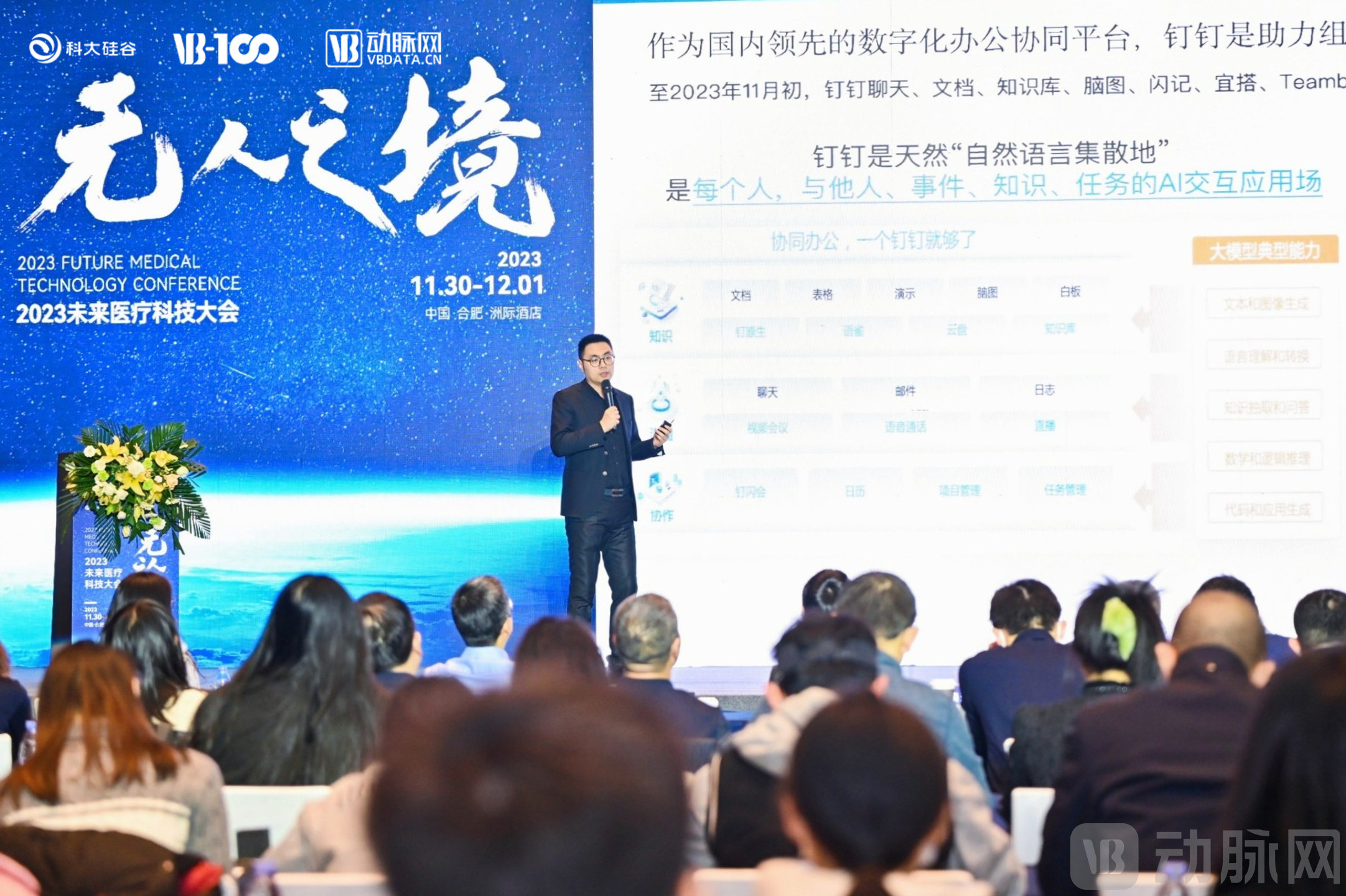
Speech by Wei Yawei, General Manager of DingTalk's Healthcare Industry Division
Xie Guanchao, President of the IoT Business Unit and Smart Healthcare Business Unit at UnisoundMr. [Name] Shares Insights《Application of Generative AI in Medical Record Generation Scenarios》。Mr. Xie Guanchao used the outpatient medical record generation system as an example to share in-depth insights into the application of Unisound’s Shanhai Large Model in healthcare scenarios, with a particular focus on analyzing the challenges encountered during its implementation. As one of the first domestic large models deployed in healthcare settings, Unisound’s outpatient medical record generation system is built upon the Shanhai Large Model. By integrating front-end audio signal processing and intelligent speech recognition technologies with an extensive medical knowledge graph, the system can generate standardized medical records compliant with documentation guidelines at the click of a button, significantly improving outpatient efficiency and the quality of medical records. Leveraging its profound understanding of healthcare scenarios and years of accumulated technological and data resources, Unisound has been able to precisely identify specific pain points in the implementation process and provide effective solutions—a key factor contributing to the rapid deployment of the outpatient medical record generation system. Looking ahead, Mr. Xie emphasized Unisound’s continued expansion in the healthcare sector. He stated that the Shanhai Large Model will cover more medical documentation entry scenarios, aiming to relieve physicians of burdensome paperwork so they can dedicate more time and energy to patient care, thereby comprehensively enhancing the patient experience.
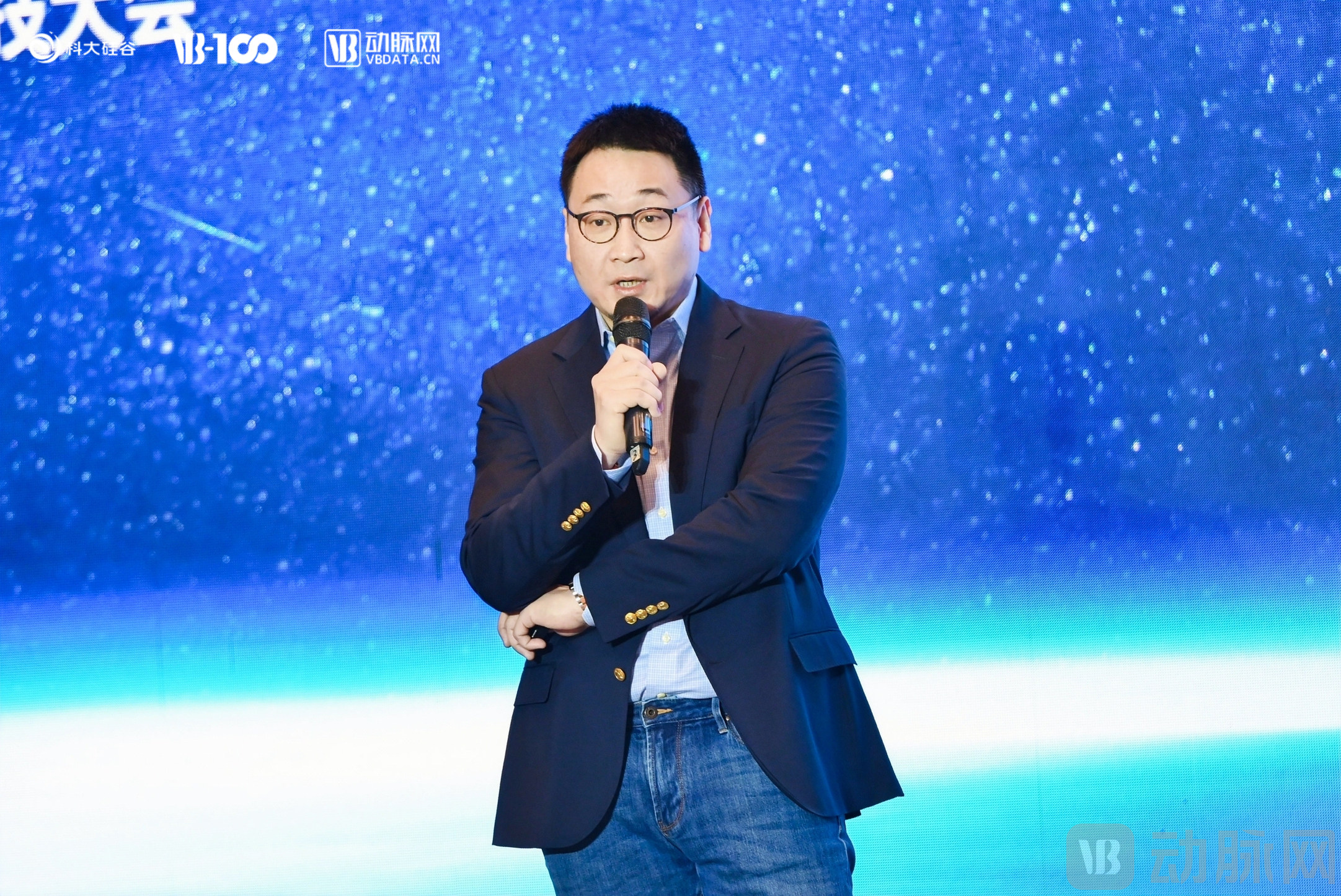
Speech by Xie Guanchao, President of the IoT Business Unit and Smart Healthcare Business Unit at Unisound
Ms. Su Li, Deputy General Manager of Yidu CloudDelivering a Speech“Smart Online Patient Services: Yidu Cloud’s Data-Driven Strategy”MiddleHighlighting China’s healthcare challenges, with a focus on population aging and imbalances in medical insurance coverage, Yidu Cloud leverages generative AI as its core technology to provide online patient services, addressing the inability of traditional healthcare models to meet out-of-hospital needs. By accumulating multimodal data through its full-industry-chain platform, Yidu Cloud utilizes generative AI to offer intelligent consultation and smart tagging services. Particular emphasis was placed on applications in doctor-patient consultations and facilitating changes in patients’ cognitive behaviors. Yidu Cloud has also independently developed digital products covering areas such as chronic diseases, psychiatry, and psychology. On the supply side, it trains large language models using scientific research platform tools to serve both patients and the pharmaceutical industry. Ms. Su Li emphasized that risk management is crucial to ensuring digital solutions comply with regulatory requirements and earn user trust. Looking ahead, Yidu Cloud will continue to embrace new technologies, including generative AI, to enhance the accessibility of its services, products, and payment solutions.

Speech by Su Li, Deputy General Manager of Yidu Cloud
Zhao Jing, Co-founder and Deputy General Manager of DAJING TCMMs., Bringing Insights to Share"ChinaIntegrating AI into Healthcare: From Data to Products and Services》。Ms. Zhao Jing shared insights on how AIGC drives large model technologies, emphasizing that digitalization is an inevitable path for the development of Traditional Chinese Medicine (TCM). She introduced the evolution of AIGC and presented case studies of its applications in the healthcare sector. Ms. Zhao discussed cognitive aspects of TCM-specific large language models (LLMs), highlighting that the transformation brought by LLMs has a profound impact on human-computer interaction. She elaborated on the unique advantages of DAJING TCM in the vertical domain of large language models, including outstanding performance in data resources, talent, and applications. Finally, she introduced the unique value of “Qihuang Wendao · Large Model,” covering three aspects: data, products, and services, as well as its expansion within the TCM ecosystem. Ms. Zhao emphasized the critical role of digitalization and artificial intelligence in the development of TCM and expressed her expectation to promote the advancement of TCM large language models through collaboration.
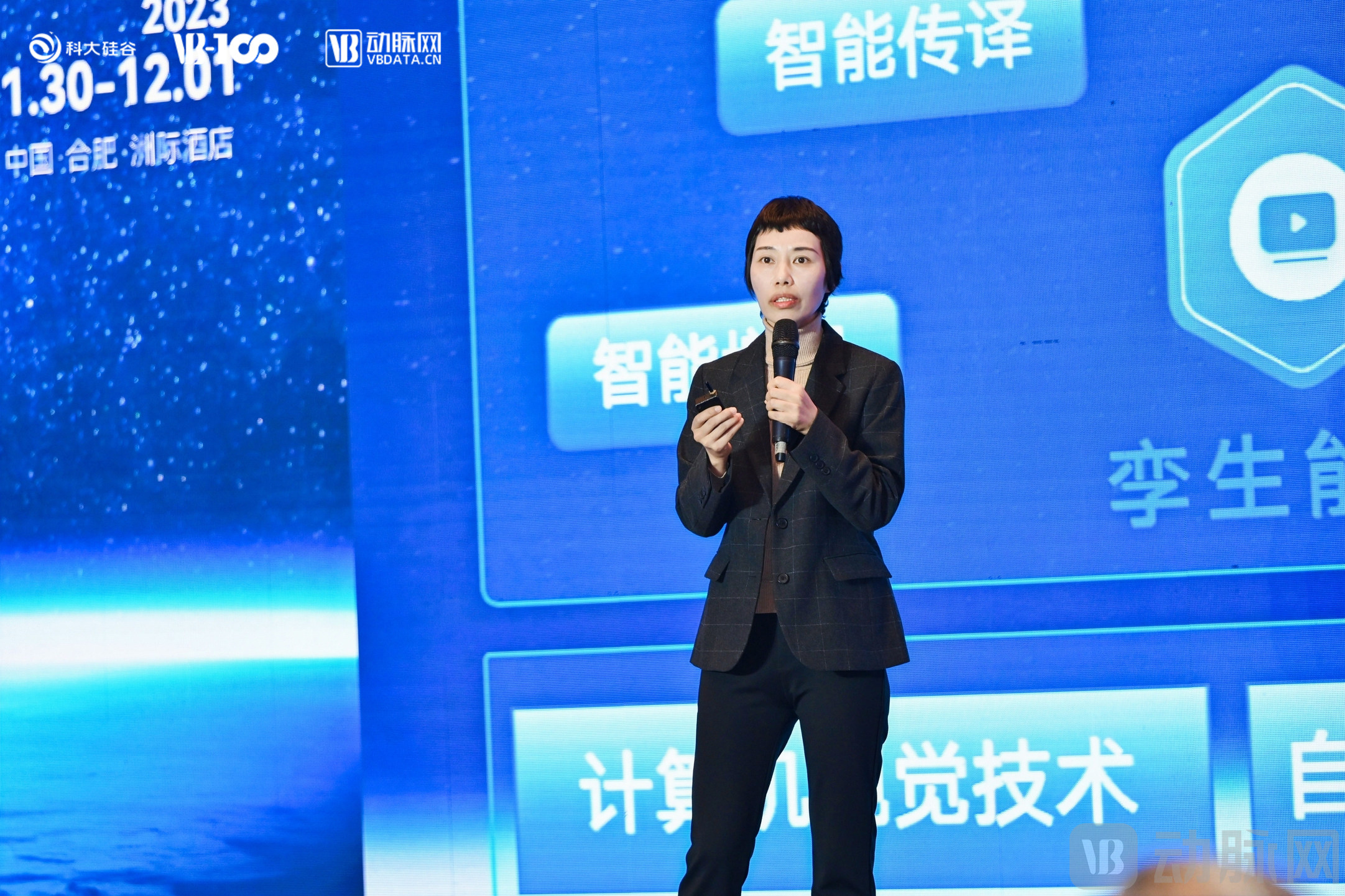
Speech by Zhao Jing, Co-founder and Deputy General Manager of DAJING TCM
Wu Di, CEO of Fuxin KechuangMr.Sharing Session"Healthcare Informatics Solutions Based on Generative Large Language Models"。Mr. Wu Di believes that generative artificial intelligence will be comprehensively applied in the future healthcare sector, transforming the traditional doctor-patient dialogue into a tripartite interaction among patients, doctors, and AI. He proposed three application scenarios: scenario customization, generative electronic medical records (EMRs), and healthcare data value discovery. Through generative AI, it is possible to achieve software customization and accelerate delivery speeds, improve the EMR documentation experience, and leverage large language models to process multi-source hospital data, thereby enhancing patient acquisition capabilities. Mr. Wu emphasized the challenges associated with EMRs while demonstrating the application of an EMR assistance system. Finally, he shared the outcomes of collaborations with hospitals, where the successful implementation of large models increased the proportion of high-value diagnostic and treatment services, leading to growth in both patient volume and revenue.
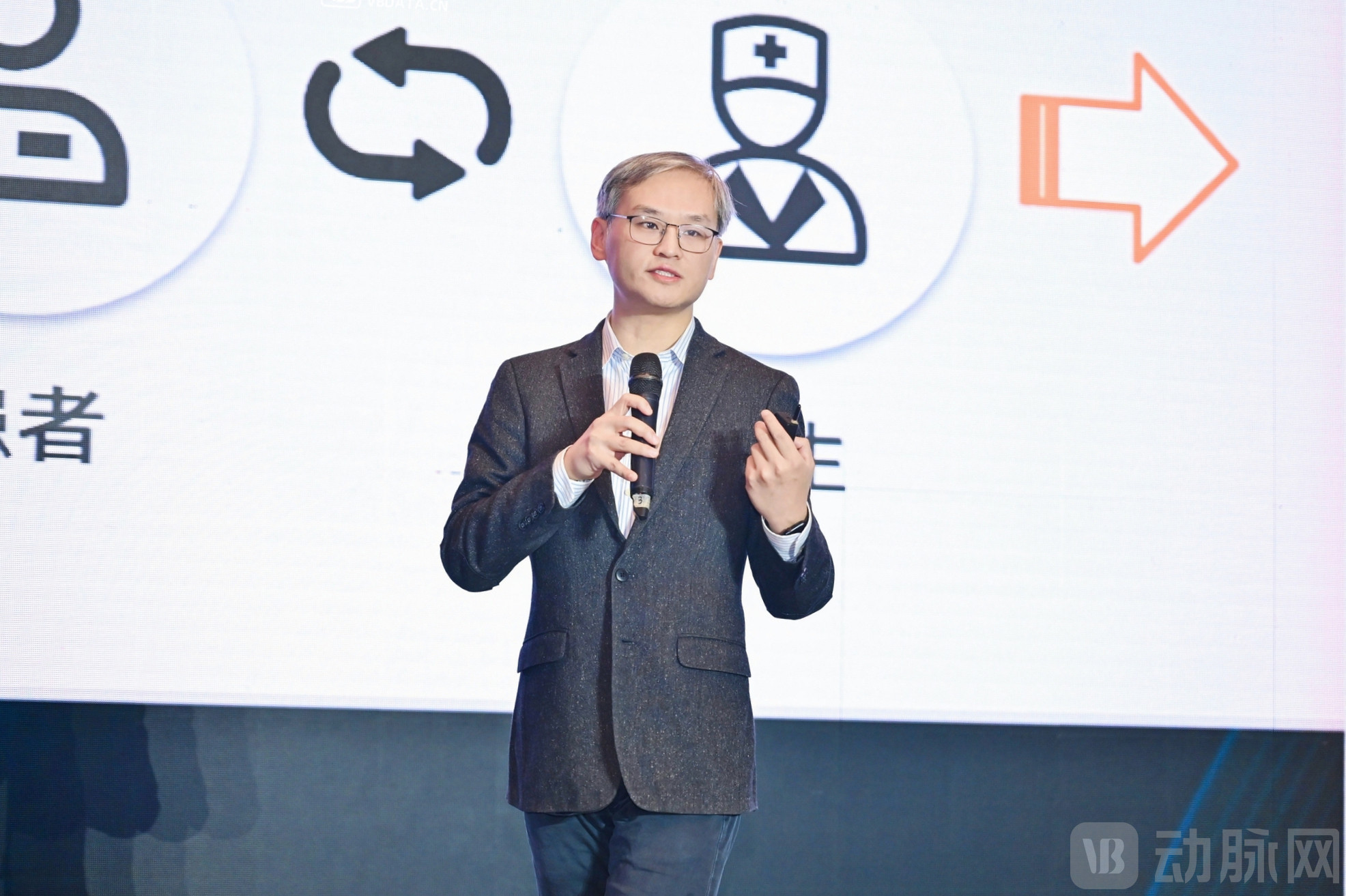
Speech by Wu Di, CEO of Fuxin Kechuang
Generative AI is like a high-power engine: it can be mounted on a tractor to maximize its pulling force, or installed in a race car to let it speed past.Generative AI...has only just begun to be widely applied.