

Biomarker Bio's 15-Year Journey: From Single-Cell to Spatial Omics, Building an Integrated 'Products + Services' Solution
After more than three decades of development, cell biology technologies have advanced from the tissue level to the single-cell level and are now entering the era of spatial omics.
Single-cell sequencing technology was proposed in 2009, providing a new understanding of life forms and biological behaviors. In 2018, single-cell technology topped the list of the top ten scientific breakthroughs announced by Science.
Subsequently emerging spatial multi-omics technologies represent another iteration following single-cell technologies. By providing precise spatial coordinates and quantitative information on cells and their biomarkers, these technologies enable researchers and clinicians to achieve a new dimension in understanding complex biological and disease physiological information.
As one of the earliest enterprises in China to enter the single-cell sector and deeply lay out spatial omics platforms, the growth history of Shanghai Biotechnology Corporation also reflects the turbulent thirty years of biotechnology.
Shanghai Biotechnology Corporation (hereinafter referred to as “Biotech Corp.”), established in December 2008, is an integral part of the National Engineering Research Center for Biochip. It is dedicated to providing innovative technologies, products, and high-quality services in the fields of biopharmaceuticals and disease diagnostics.
The first team to conduct biochip research, with over 30 years of technical accumulation
China’s biotechnology industry began to develop approximately 30 years ago. At that time, with the launch of the Human Genome Project, efforts were made to unravel the secrets of life at the molecular level. Dr. Xiao Huasheng also chose biology as his major, embarking on a research career in the field of life sciences.
From the Department of Biology at Southwest China Normal University to the microbiology program at the Wuhan Institute of Virology, Chinese Academy of Sciences, and later participating in the establishment of the Molecular Biology Laboratory at the Fourth Military Medical University, Dr. Xiao Huasheng has delved increasingly deeper into the field of molecular biology. In 1999, Dr. Xiao Huasheng joined the National Human Genome Center in Shanghai (South) to conduct postdoctoral research in genomics.
Around the year 2000, with substantial investment and support from the state, a batch of national-level life science R&D centers began to be established, aiming to meet the industry’s growing demand for new technologies and accelerate the research, development, and industrialization of related technologies.
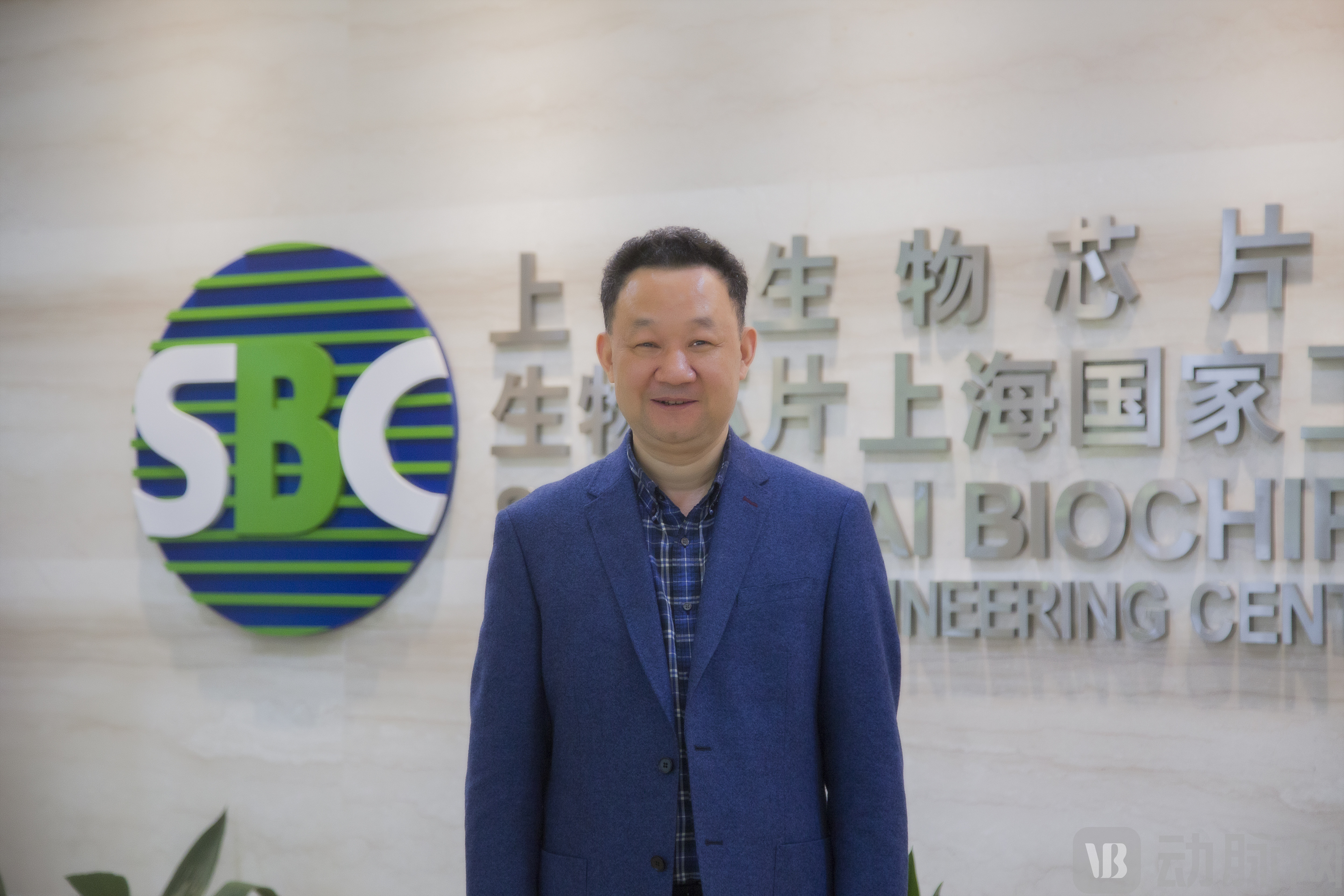
Dr. Xiao Huasheng, Founder of Shanghai Biotechnology Corporation
Driven by this favorable policy environment, the Shanghai National Engineering Research Center for Biochips, jointly funded by the National Development and Reform Commission (NDRC) and the Shanghai Municipal People’s Government, was officially established in 2003. In the same year, Dr. Xiao Huasheng, having just completed his postdoctoral research at the South China Center of the Chinese National Human Genome Center, joined the effort to build the Shanghai National Engineering Research Center for Biochips. He subsequently served as Head of the Gene Chip Department, Deputy Director of the Center, and Executive Director.
According to Dr. Xiao Huasheng, the center’s primary objective is to establish an integrated biochip technology platform that combines technological innovation, achievement commercialization, comprehensive services, and talent development, thereby supporting research and industrialization in life sciences and biomedicine in China and meeting the growing demand for new technologies in the life sciences sector.
In 2008, to better leverage its platform and technical resources and accelerate the achievement of its market-oriented, socialized, and international development goals, the Shanghai National Engineering Research Center for Biochip spun off its gene chip technology platform, personnel, management system, and marketing system in response to business development needs, establishing Shanghai Biotechnology Corporation.
Over the past fifteen years, Shanghai Biotechnology Corporation has kept pace with industry development by introducing cutting-edge technologies, achieving a comprehensive layout of precision medicine technology platforms ranging from biochips to next-generation sequencing, single-cell sequencing, and spatial transcriptomics. The company continues to advance technological iterations and develop supporting reagent products, providing technical services and support for conventional multi-omics and single-cell multi-omics applications across the industry.
Comprehensive solutions covering seven major technology platforms, serving over 3,000 institutions
According to Dr. Xiao Huasheng, Shanghai Biotechnology Corporation’s core business is divided into two segments: the technology segment, which encompasses R&D and sales of scientific services and reagents; and the medical segment, which covers the R&D, manufacturing, and sales of diagnostic reagents.
Currently, in terms of technological services, Shanghai Biotechnology Corporation has established seven technical service platforms, including single-cell sequencing, spatial transcriptomics sequencing, next-generation sequencing, microarray chips, molecular detection, biological sample processing, and bioinformatics analysis. The company provides services such as single-cell omics, spatial omics, gene expression profiling, genotyping, comparative genomics, and bioinformatics to numerous multinational pharmaceutical companies and over 3,000 domestic research institutions, hospitals, and enterprises. It has been repeatedly recognized as a preferred service provider by world-renowned pharmaceutical companies.
According to statistics, the products and services of Shanghai Biotechnology Corporation have been cited in over 2,500 academic publications, including top-tier international journals such as CNS, with an average impact factor exceeding 7.
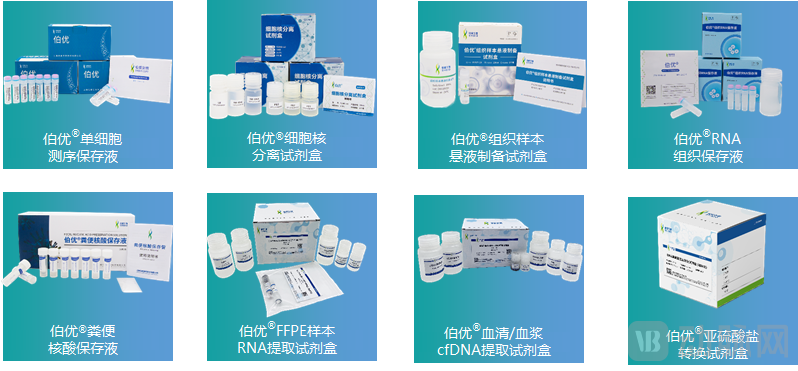
In addition to research services, Shanghai Biotechnology Corporation is also leveraging its R&D capabilities to develop scientific reagents. The company has successfully developed and brought to market more than 20 reagent products, including tissue preservation solutions for single-cell sequencing, cell nucleus isolation kits, and tissue sample suspension preparation kits.
Promote the transformation to a “product + service” model and develop more innovative products for market entry.
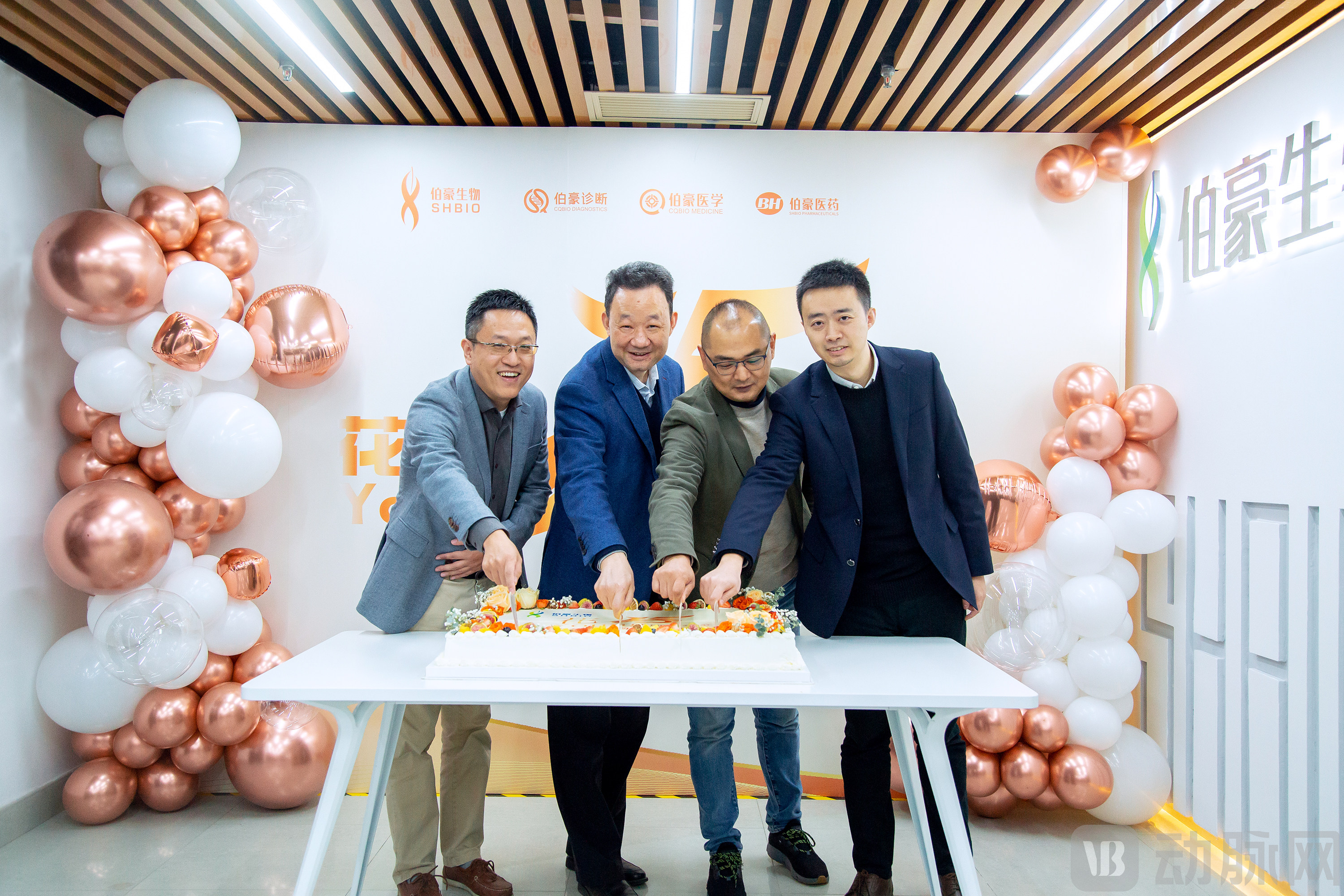
On December 16, 2023, Shanghai Biotechnology Corporation also celebrated its 15th anniversary. At this milestone, Dr. Xiao Huasheng stated that in the future, while maintaining its technological advantages, the company would increase investment in product research and development. By adopting a business model integrating products with services, it aims to continuously expand its presence in both the technology and healthcare markets. Meanwhile, the company will strengthen talent development to enhance its stability, sustainability, and overall competitiveness.
It is understood that, after three years of preparation, the company has completed the establishment of its R&D and production platform system for in vitro diagnostic (IVD) reagents. In the future, it will focus on genetic disease screening and early cancer screening, promoting the R&D and clinical trials of more diagnostic products. “Our first product will complete clinical trials this month and enter the registration application stage next year,” said Dr. Xiao Huasheng.
Looking to the future, in the technology business segment, the company will further expand the scale of its technology operations on the basis of consolidating its core business, extending from conventional omics services and single-cell omics services to spatial omics services and single-cell spatial omics services. In terms of products, in addition to sample storage and processing reagents, the company will launch more reagent products into its sales channels to meet customer demand for reagents, promote the substitution of imported reagents with domestically produced alternatives, and help enterprises reduce costs and improve efficiency.
In the long term, the company will also transform its previous business model, which was primarily service-oriented with products as a secondary focus, by increasing investment in product development. In the future, it will establish a new model centered on products with services as a supplement, continuously refining existing products and developing innovative ones to meet market demands.
Over the past 30-plus years of deep engagement in the life sciences field, Dr. Xiao Huasheng has witnessed and been deeply involved in the continuous advancement of China’s biotechnology industry. On the occasion of Shanghai Biotechnology Corporation’s 15th anniversary, he expressed his hope that the industry will continue to thrive, with all stakeholders developing ever-better technologies and products through healthy competition and collaboration, thereby promoting greater standardization and normative development across the sector.