

First Conference on Innovative Development of General Practice Medicine (Beijing) Successfully Held: Gathering Cross-Sector Innovation Elements to Advance High-Quality Development
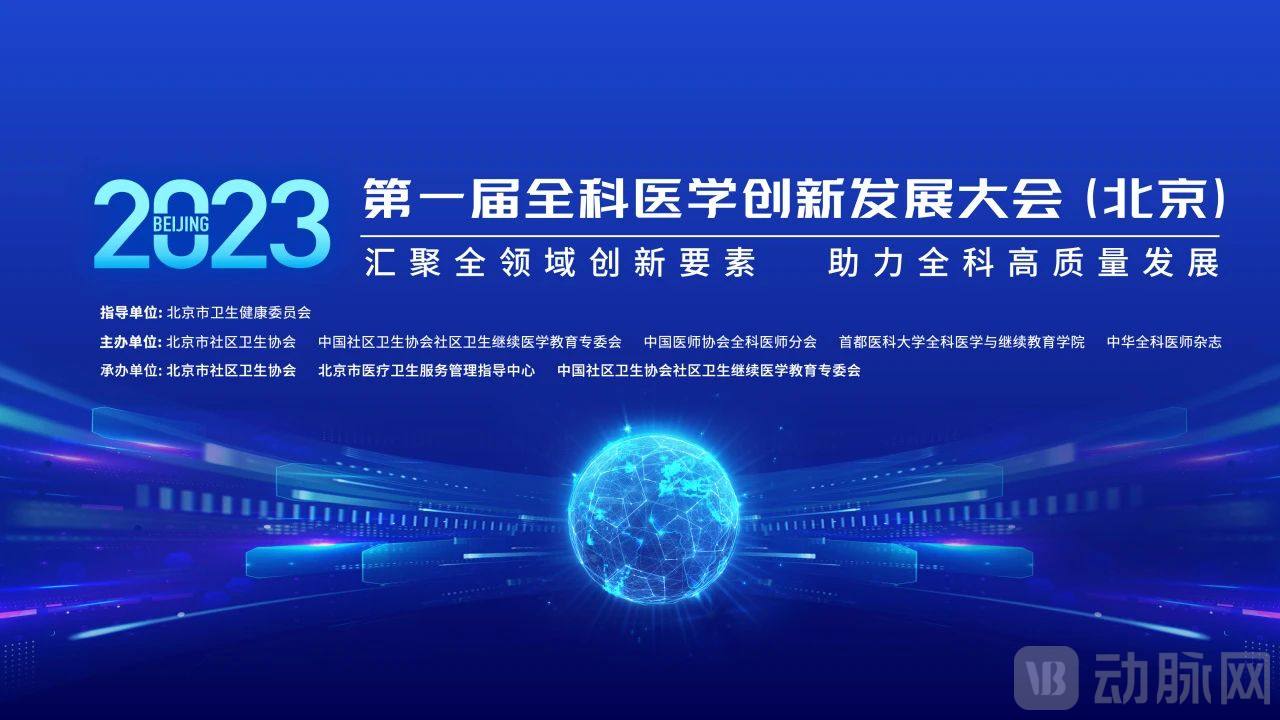
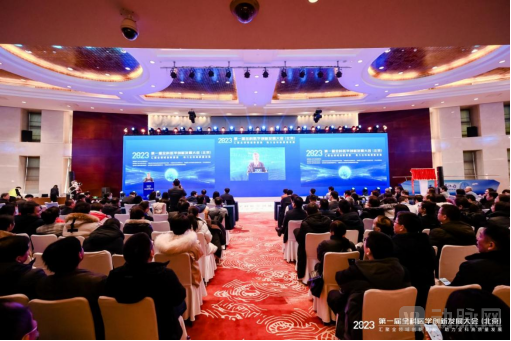
On December 16, 2023, the “1st General Practice Innovation and Development Conference (Beijing)” (hereinafter referred to as the “Conference”) was grandly held at the Pullman Beijing West. The Conference was guided by the Beijing Municipal Health Commission and jointly organized by the Beijing Community Health Association, the Special Committee on Continuing Medical Education in Community Health of the Chinese Community Health Association, the General Practitioners Branch of the Chinese Medical Doctor Association, the School of General Practice and Continuing Education of Capital Medical University, and the Chinese Journal of General Practitioners.
Themed “Integrating Cross-Disciplinary Innovation Elements to Advance the High-Quality Development of General Practice,” the conference aims to introduce innovative solutions, foster industry engagement in the field of general practice, strengthen collaboration between healthcare providers and enterprises, and jointly explore pathways to promote innovative practices in general practice in China, thereby injecting new momentum into the development of general practice and community health services in the country. This is achieved through keynote reports, academic discussions, experience sharing, and interactive exchanges.
To gain multi-dimensional industry insights, four parallel sessions were held outside the main venue of the conference, covering topics such as "Smart Healthcare Empowering Community Health Services," "Information Systems Building Community Health Applications," "Focusing on Screening, Diagnosis, Treatment, and Management of Chronic Respiratory Diseases," and "Chronic Disease Management from an International Perspective." These sessions comprehensively explored experts' experiences and insights into primary healthcare management models and the development of the general practice industry.
Against the backdrop of the booming development of information technology both domestically and internationally, and the increasingly in-depth application of artificial intelligence in the healthcare sector, the conference has welcomed professionals from various fields. More than 300 participants attended the event, including representatives from primary healthcare institutions across China, professional physicians, research institutes, medical technology enterprises, government departments, as well as international experts, scholars, and practitioners. The attendees represented 20 provinces, municipalities, and autonomous regions (including Beijing, Shanghai, Tianjin, Chongqing, Fujian, Guangdong, Zhejiang, Jiangsu, Jiangxi, Henan, Hebei, Hunan, Hubei, Sichuan, Jilin, Liaoning, Shandong, Shanxi, Hainan, and Inner Mongolia) and the Hong Kong Special Administrative Region. Through multi-perspective participation, the conference facilitated interdisciplinary exchange and cross-sectoral collaboration, demonstrating broad attention to the field of general practice.
Gathering at the Main Venue
Exploring Primary Healthcare Innovation and the Development of Digital Technologies
On the morning of December 16, the main venue was filled with distinguished attendees. Wang Chen, President of the Beijing Community Health Association, and Sun Liguang, Chair of the Continuing Medical Education Committee in Community Health under the Chinese Community Health Association, delivered opening remarks on behalf of the organizers, welcoming all distinguished guests. Leaders including Huang Lei, Director of the Public Health Division at the Department of Primary Healthcare of the National Health Commission; Chen Bowen, President of the Chinese Community Health Association; Wang Jianhui, Deputy Director of the Beijing Municipal Health Commission; and Liu Li, Deputy Director of the Administrative Committee of the Beijing Economic-Technological Development Area, gave enthusiastic speeches, extending their warm congratulations and high expectations for the conference. Meanwhile, experts and scholars from Tsinghua University and renowned international institutions shared the latest research findings and cutting-edge technologies in the field, greatly enriching the conference.
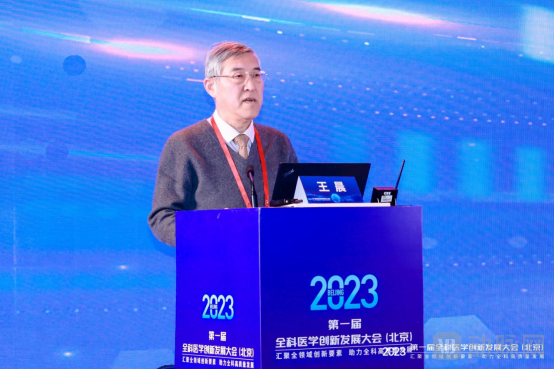
Wang Chen, President of the Beijing Community Health Association
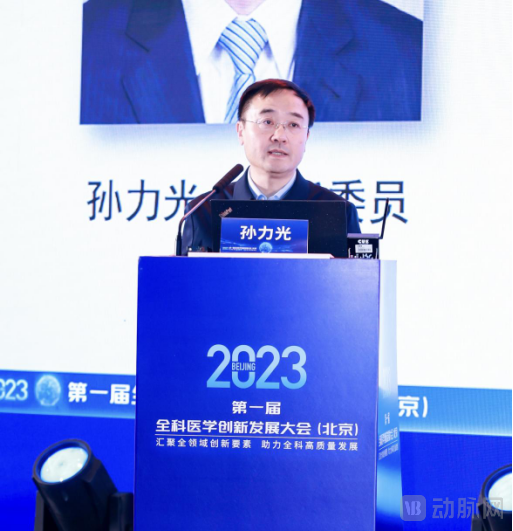
Sun Liguang, Chairman of the Special Committee on Continuing Medical Education in Community Health, China Association of Community Health Services

First, Liu Li, Deputy Director of the Administrative Committee of Beijing Economic-Technological Development Area (BDA), delivered opening remarks for the conference. She introduced that, under the guidance of the "Healthy China" strategy, Yizhuang, as the main hub for Beijing’s high-end and cutting-edge industries, is striving to formulate the "Healthy Yizhuang" plan. By fully leveraging information technology, it aims to promote data interoperability between the pharmaceutical and health industries and medical institutions, with a commitment to creating more application scenarios for pharmaceutical products and diagnostic and treatment protocols. The first community health service center has begun trial operations, becoming a key venue for standardized disease management. In this process, general practitioners, as the core force of primary healthcare, play a vital role.

Subsequently, Mr. Chen Bowen, President of the Chinese Community Health Association, took the stage to deliver a speech. As a senior expert who has been engaged in community health work since 1997, Mr. Chen shared his insights on the application prospects of informatization and digitalization in community health services. He emphasized the role of information technology in shaping the relationship between healthcare professionals and residents, noting that future health outcomes will depend more heavily on healthy lifestyles and disease prevention. He further discussed how information technology can better drive innovation in community health services and advance the development of general practice. Finally, he offered several innovative experiences, stating that innovation requires reviewing the past to understand the new and weeding out the old to bring forth the new. He urged adherence to the developmental path of general practice, with a focus on humanism, perseverance in solitude, personal commitment, and collaborative effort.
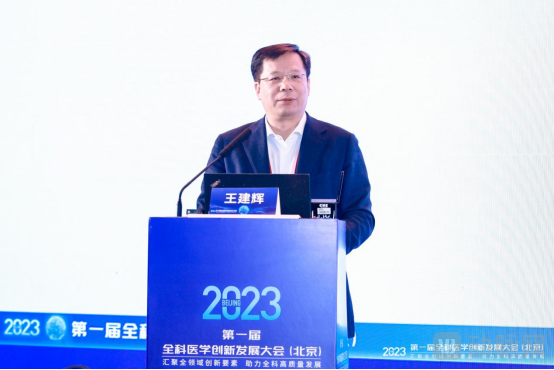
In his address, Wang Jianhui, Deputy Director of the Beijing Municipal Health Commission, elaborated on the core position of medical services, the importance of family doctor contract services, the consolidation of the disciplinary foundation of general practice, and the necessity of policy support, proposing specific directions and measures to promote the development of primary healthcare across China. Regarding future work, he highlighted three key points: First, he emphasized the importance of enhancing primary healthcare services, particularly underscoring the core position of medical services. Second, he called for deepening the substance of family doctor contract services by establishing stable health service relationships through contracts and implementing full-lifecycle health management. Third, he stressed the need to solidify the disciplinary foundation of general practice, closely integrating general practice with primary healthcare work.
In the subsequent keynote speeches, Huang Lei, Director of the Public Health Division at the Primary Healthcare Department of the National Health Commission, and Zhu Wenwei, Deputy Director of the Primary Healthcare Division at the Beijing Municipal Health Commission, introduced innovations in primary healthcare from national and Beijing municipal perspectives, respectively.
In his keynote address, he emphasized the importance of prioritizing primary care and leveraging reform and innovation as drivers under the health sector’s policy framework for the new era. He pointed out that advancing informatization is key to achieving this goal, particularly by capitalizing on the rapid development of internet-based information technologies to foster collaboration between general practice and the digital innovation industry through innovative solutions.
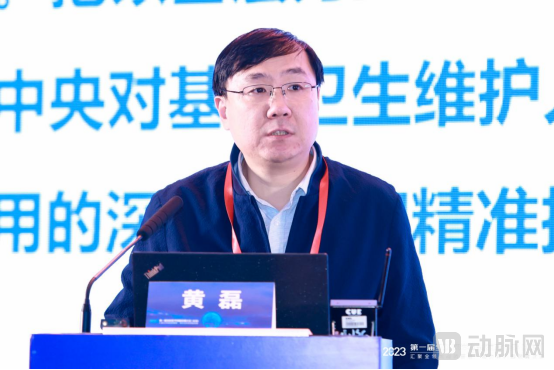
Huang Lei also highlighted national policies and requirements for advancing “Internet+ Healthcare,” emphasizing three key areas: the development of a national information platform, the establishment of a telemedicine service system, and the innovative application of artificial intelligence technologies in primary care. He further discussed promoting the high-quality development of family doctor services by leveraging “Internet+ Family Doctor” models to build well-functioning service networks, optimize service delivery, and expand service coverage.
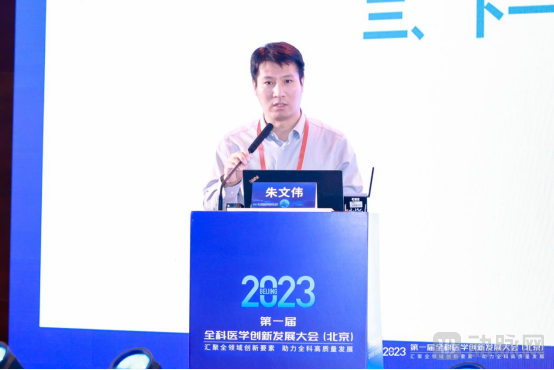
In his keynote address titled “Innovation and High-Quality Development of Primary Healthcare in the Capital,” Zhu Wenwei underscored the importance of advancing high-quality development of primary healthcare in Beijing. He provided a detailed overview of innovative policies and their implementation in areas such as the primary medical service network, rural health service system, workforce development for primary care, family doctor contract services, and the establishment of specialized clinics for specific diseases. He called for enhancing convenient and affordable services and stimulating vitality, emphasizing multi-stakeholder collaboration to further elevate primary healthcare services.
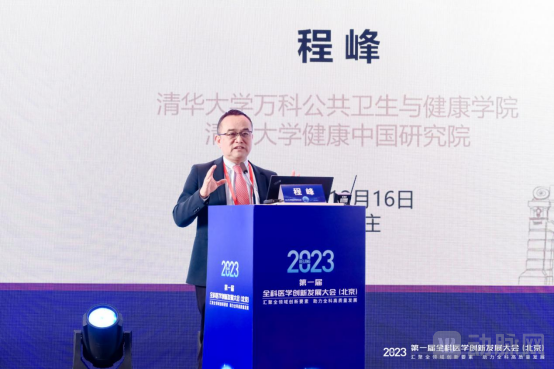
Subsequently, Cheng Feng, Deputy Dean of the Vanke School of Public Health and Global Health at Tsinghua University, delivered a presentation titled “Prospects for the Application of Digital Technology Products in Primary Healthcare” from the perspective of an expert scholar, sharing insights on the future application of cutting-edge digital technology products in primary medical and health services. He provided a detailed introduction to the potential benefits of wearable devices, medical information platforms, and blockchain technology in areas such as patient health management, drug traceability, medical education, and rehabilitation. He particularly emphasized the role of information security and blockchain technology in addressing the issue of counterfeit drugs. Regarding the application of virtual reality (VR) and augmented reality (AR) technologies in medical education and rehabilitation, Professor Cheng cited examples to illustrate their potential advantages in enhancing the training effectiveness for medical professionals and improving the rehabilitation experience for patients.
Regarding specific cases, Cheng Feng cited the pilot program for an integrated healthcare service system in Yinzhou District, Ningbo, China. This system leverages an information technology platform to deliver continuous services across various types of medical data, including tiered diagnosis and treatment, electronic health records, and pharmaceutical procurement, thereby enhancing the efficiency and quality of primary healthcare services.
In the second session of the main venue, multiple grassroots innovation incubation systems and collaborative projects were officially launched. In his address, Huang Bin, Vice President of AstraZeneca China, introduced the company’s deep engagement at the grassroots level as a global biopharmaceutical enterprise and the promotion of whole-disease-course management solutions. He placed particular emphasis on the Smart Community Chronic Disease Management Center initiative, which encompasses screening, artificial intelligence, and home-based nursing, among other areas, with the aim of enhancing healthcare experiences for community patients and improving the quality of public health services.
Amidst warm applause and cheerful music, and with the grand inauguration by leaders and distinguished guests, the “Innovation Incubation Platform,” the Township Medical Collaboration Network Project, and the Primary Care Cough and Asthma Prevention and Control Project were officially launched.
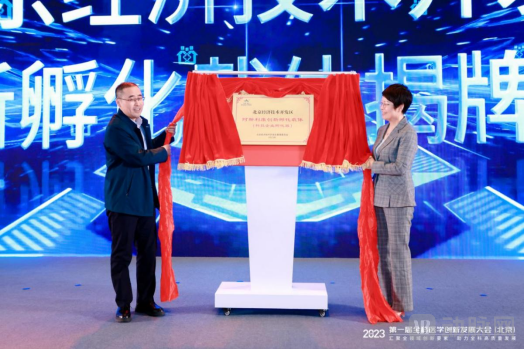
“Innovation Incubation Platform” Launch Ceremony
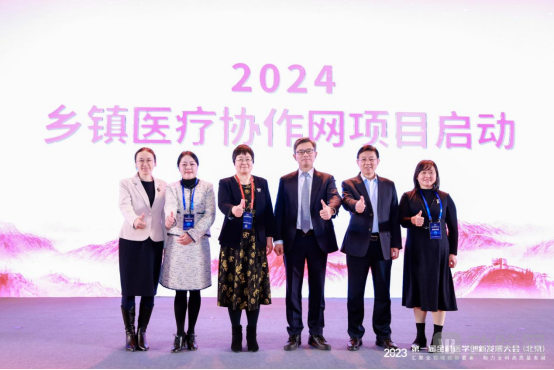
Launch Ceremony of the Township Medical Collaboration Network Project
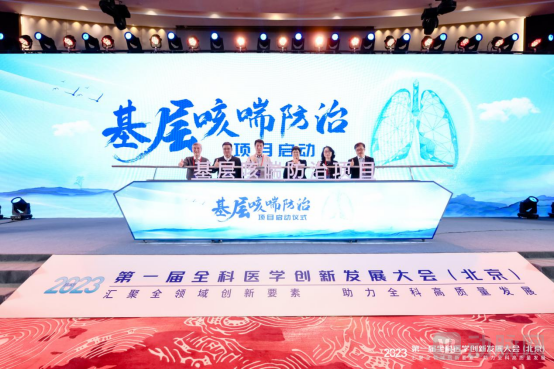
BaseLaunch Ceremony of the Grassroots Cough and Asthma Prevention and Control Program
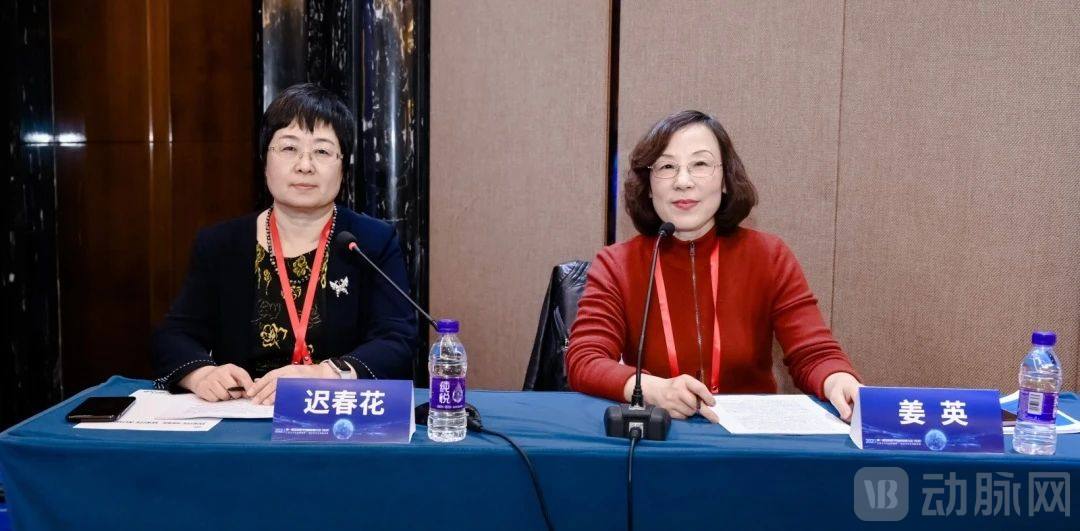
Professor Chi Chunhua, Chair of the General Practice Branch of the Chinese Medical Association, delivered a special report titled “Empowering Precision Chronic Disease Management through Technological Informatization.” She began by highlighting that chronic disease management has entered the era of informatization, with particular attention to the surge in patients with chronic diseases driven by population aging.
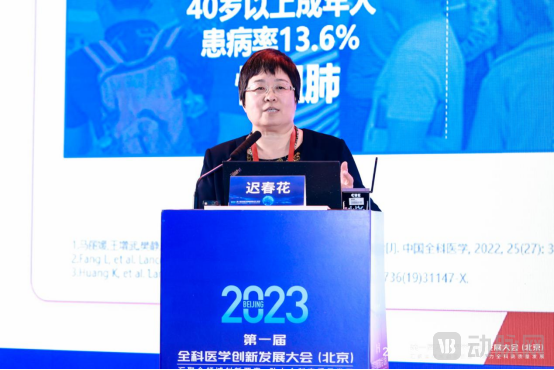
Chi Chunhua emphasized the urgency of chronic disease management, particularly among patients with chronic obstructive pulmonary disease (COPD), and called for strengthened application of information technology in chronic disease management. Furthermore, she highlighted the facilitative role of digital health in chronic disease management, pointing out that digital health can improve patient adherence, reduce the rate of acute exacerbations of chronic diseases, and enable remote monitoring and rehabilitation for patients with COPD, diabetes, and other conditions.
Challenges in Primary Chronic Disease Management: Out-of-Hospital Patient Management
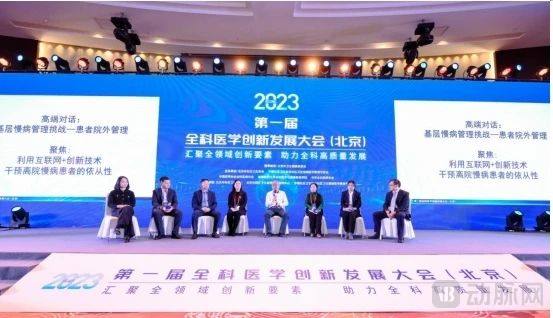
Liu Qian, Vice President of AstraZeneca China, joined forces with seven industry experts to engage in an insightful dialogue on the challenges of managing chronic diseases at the primary care level and overseeing patient care outside hospital settings. Together, they explored how the information age is fostering more innovative and efficient healthcare services. The panelists shared practical experiences in digital applications from their respective fields, delved into the challenges facing primary care-based chronic disease management, and highlighted the efforts made by various stakeholders in driving innovation. They also outlined future development trends, offering valuable references and insights for promoting the synergistic development of general practice and the digital innovation industry.
A Surge of Innovation in General Practice
In-Depth Discussions at Sub-Sessions Resonate Across the Industry
Following the grand opening ceremony at the main venue in the morning, the four parallel sessions held in the afternoon were marked by a vibrant atmosphere, with participants engaging in active, pragmatic thematic discussions. Each session attracted general practice experts from both China and abroad, industry partners, and representatives from primary healthcare institutions. The high-level dialogue segments provided a platform for in-depth exchange among attendees. Together, they witnessed a comprehensive conference dedicated to an in-depth exploration of innovative developments in general practice, contributing unique insights to the advancement of primary healthcare services.

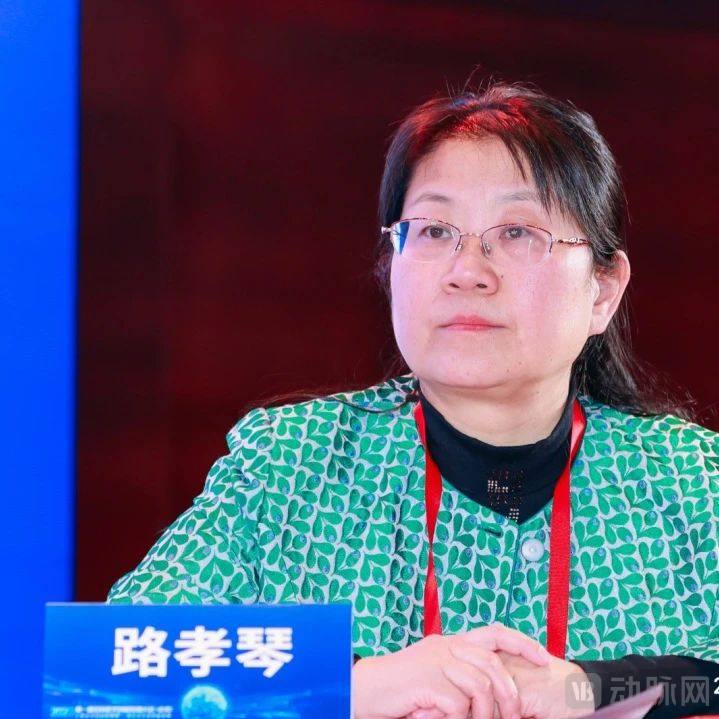


At the sub-forum on “Smart Healthcare Empowering Community Health Services,” participating experts conducted in-depth discussions on the application of digital technologies in community health services and jointly explored pathways to enhance the intelligence and convenience of medical services.
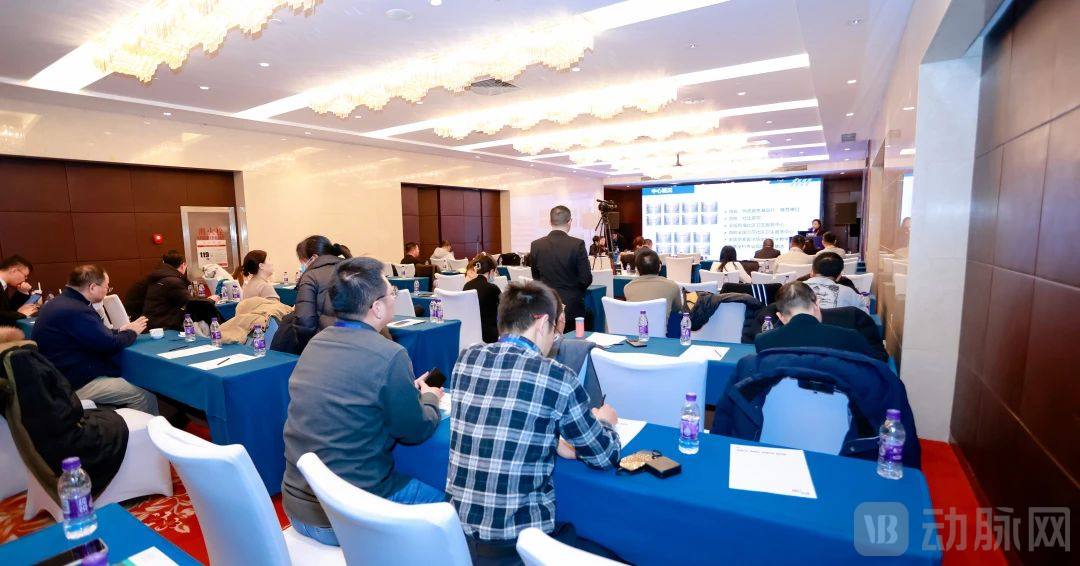
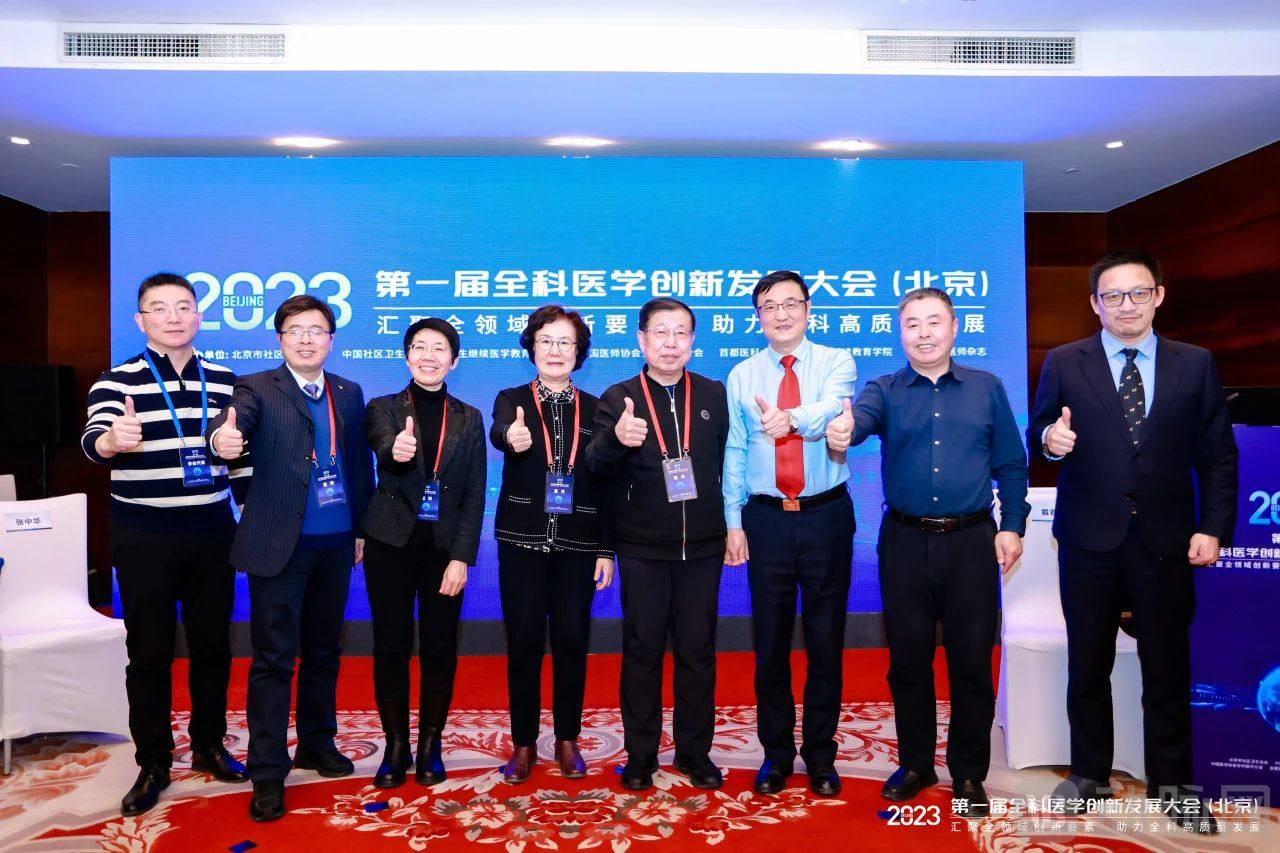
"Sub-forum on the Development and Application of Information Systems in Community Health" focused on the construction and application of information systems in the field of community health. Attendees shared practical experiences and achievements in informatization development.
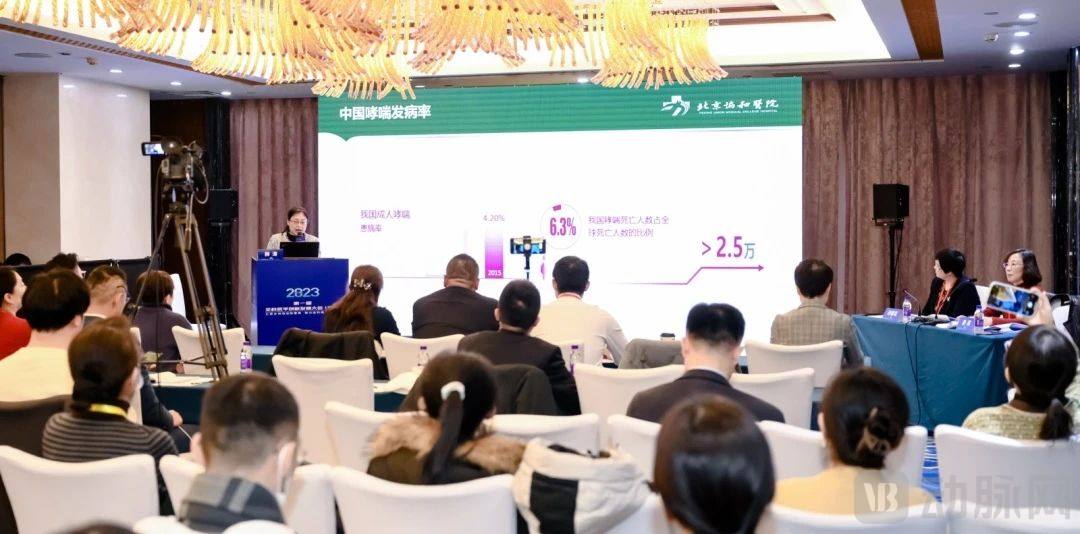

The breakout session, “Focus on Screening, Diagnosis, Treatment, and Management of Chronic Respiratory Diseases,” featured in-depth discussions on the management of chronic respiratory conditions. Experts shared the latest theoretical advances and practical insights, providing valuable guidance for primary healthcare institutions.
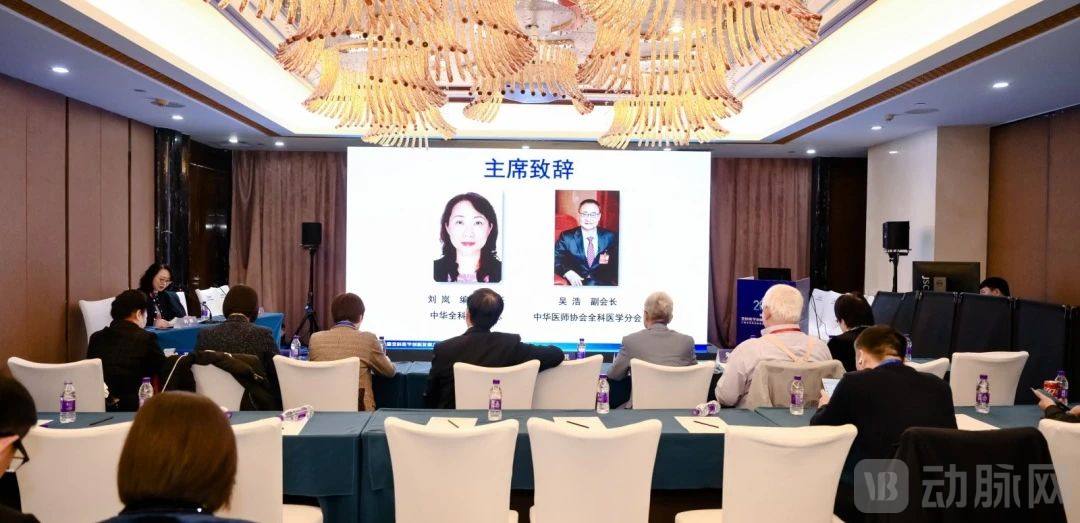
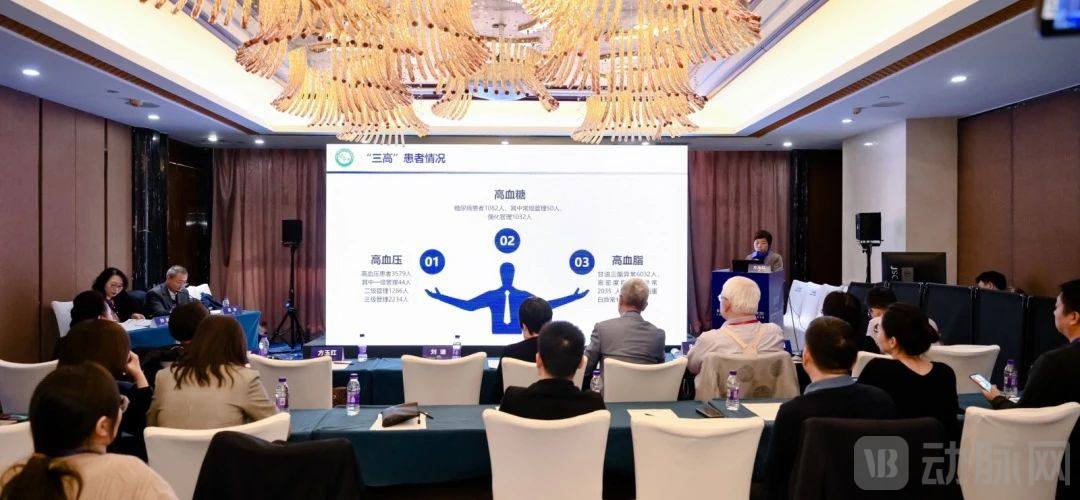
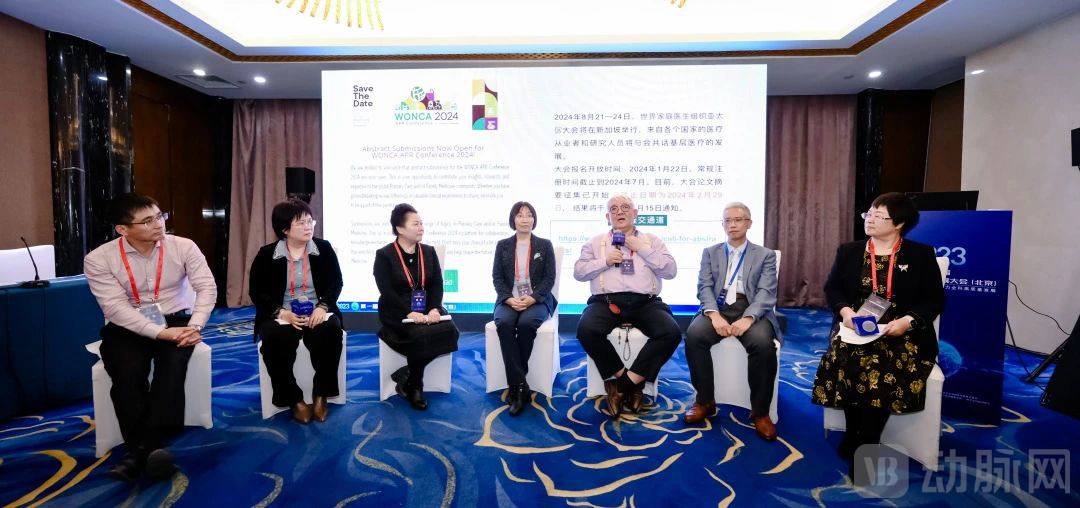
"Chronic Disease Management from a Global Perspective" Sub-forum: Through in-depth dialogue, domestic and international scholars and experts jointly explored best practices in chronic disease management worldwide, offering valuable insights for China’s chronic disease management.
The successful convening of the “1st General Practice Innovation and Development Conference (Beijing)” has injected new momentum into the development of primary healthcare in China. At the conference, representatives from various sectors conducted an in-depth analysis of the field of general practice, offering experienced and forward-looking insights for innovative practices in primary healthcare. This comprehensive, multi-faceted platform for cooperation and exchange will further facilitate the precise alignment of supply and demand in the domestic and international primary healthcare sectors, thereby supporting the orderly development of the entire industry chain.
This conference not only actively promotes management innovation and intelligent development in China’s primary healthcare institutions, but also serves as a significant driver for the high-quality development of primary medical and health services. In the new era of medical digitalization, the success of this event will contribute to the sustainable development of China’s primary healthcare sector.
Pre-Conference Industry Roadshow: Closed-Door Industry Session
It is worth noting that on November 14, the conference held pre-event industry roadshows, where selected companies and certain ecosystem partners participated in the main conference, various sub-forums, and industry-specific sessions.
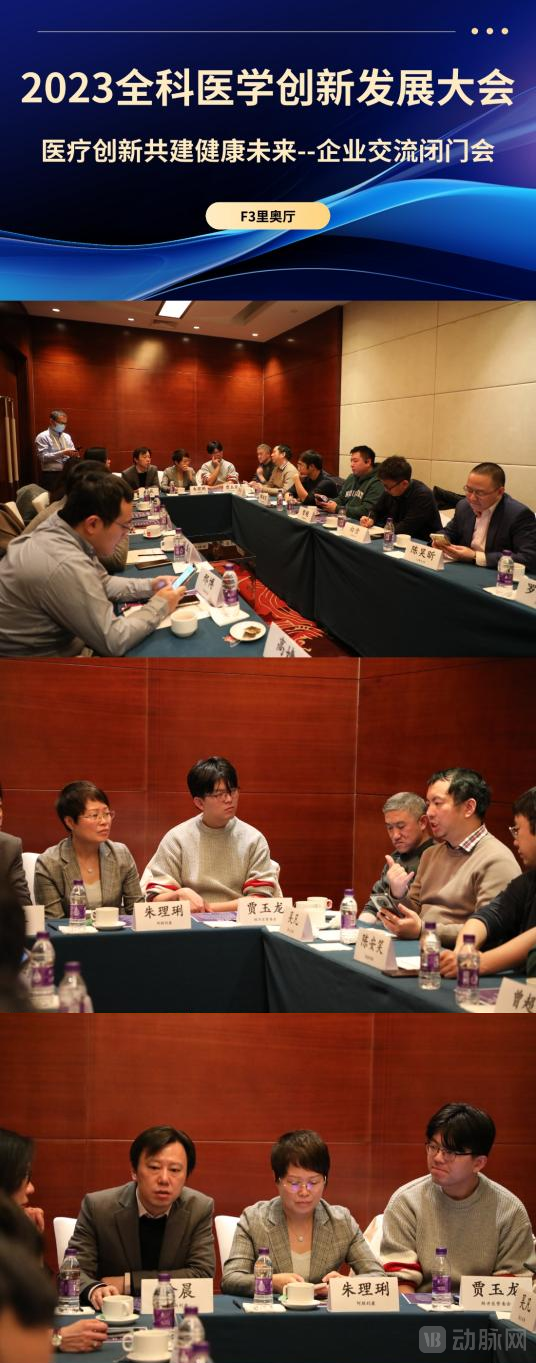
The 1st “General Practice Innovation and Development Conference” — “Boda Cup” Industry Closed-Door Meeting: Selected enterprises from the preliminary roadshows, park-based companies, and AstraZeneca convened to engage in in-depth discussions on opportunities and collaboration in model innovation and technological innovation.
Jia Yulong, a cadre from the Biopharmaceutical and Big Health Special Task Force of the Administrative Committee of Beijing Economic-Technological Development Area; Zhu Lipi, Vice President of AstraZeneca China and Head of the Digital & Commercial Innovation Department as well as the Commercial Strategy & Excellence Operations Department; along with several other colleagues from AstraZeneca, engaged in exchanges and discussions with the corporate representatives present.
Corporate representatives introduced their respective products and services, engaged in friendly exchanges with the special task force guests and AstraZeneca on digital innovation in primary healthcare and innovative diagnostic applications, explored potential future collaboration opportunities, and expressed their interest in further cooperation.
Leveraging the favorable momentum of the inaugural “General Practice Innovation and Development Conference,” this exchange meeting aims to foster ecosystem collaboration between general practice and the digital innovation industry, facilitate experience sharing and mutual learning between AstraZeneca and other enterprises, and thereby further promote high-quality development in the general practice sector.