

Oncopeptides Withdraws Core PDC Drug Pepaxto from U.S. Market: What Happened to Its $240M in Funding?

Oncopeptides
Developer of Targeted Drugs for Refractory Hematological Diseases
Marty J. Duvall, CEO of Oncopeptides, stated, “Withdrawing Pepaxto (melphalan flufenamide, also known as melflufen) from the market was a difficult yet carefully considered decision, and it is the best choice for both patients and shareholders.” Dr. Huang Baohua, Founder, Chairman, and General Manager of Simcere Pharmaceutical Group, pointed out that Pepaxto is not essentially a peptide-drug conjugate (PDC); rather, it is more akin to a prodrug-drug conjugate (Pro-DC). Therefore, the withdrawal of Pepaxto should be viewed objectively.
According to Crunchbase data, Oncopeptides has completed six rounds of financing, totaling $240.5 million, with participation from five investors. Vinnova and the European Investment Bank are the most recent investors; Vinnova led a debt financing round on November 25, 2022, and the European Investment Bank led a grant financing round on March 28, 2023.
Oncopeptides is a Sweden-headquartered biotechnology company founded in 2000. It was listed on NASDAQ Stockholm in 2017 under the stock ticker ONCO.
Oncopeptides stated in a press release that Pepaxto is the first anticancer peptide-drug conjugate (PDC) approved by the FDA, and also the first PDC drug for the treatment of patients with relapsed or refractory multiple myeloma (MM).
The founders of Oncopeptides include researchers from the fields of analytical chemistry, clinical pharmacology, and oncology in Sweden, who have collectively published more than 770 scientific papers. The development of its core product, Pepaxto, originated from initial research on a molecule named “J1” conducted by Dr. Joachim Gullbo at Uppsala University in Sweden.
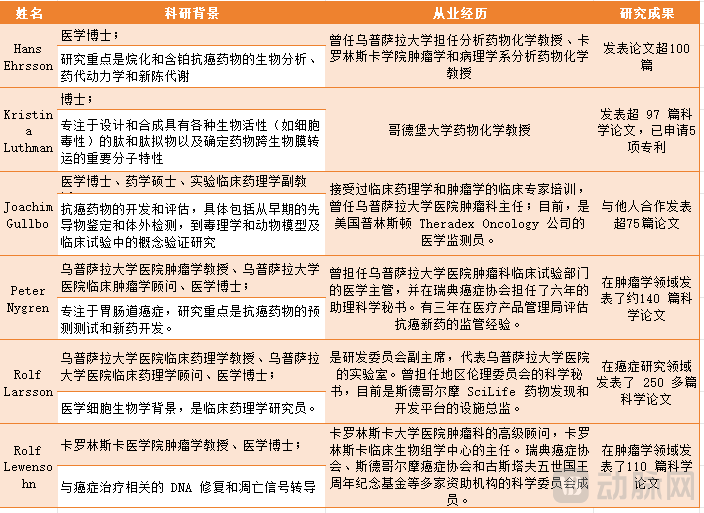
Founder Information Table (Data Source: Oncopeptides Official Website)
Multiple myeloma (MM) is a malignant plasma cell disorder and an incurable cancer. A growing number of patients with multiple myeloma, particularly elderly patients, have developed resistance to the three major classes of therapeutic agents. Consequently, the need for developing innovative drugs has become increasingly prominent. Oncopeptides is developing innovative drug candidates for the treatment of hematologic malignancies based on its Peptide Drug Conjugate (PDC) and Small Peptide Killer Inducer (SPiKE) platforms.
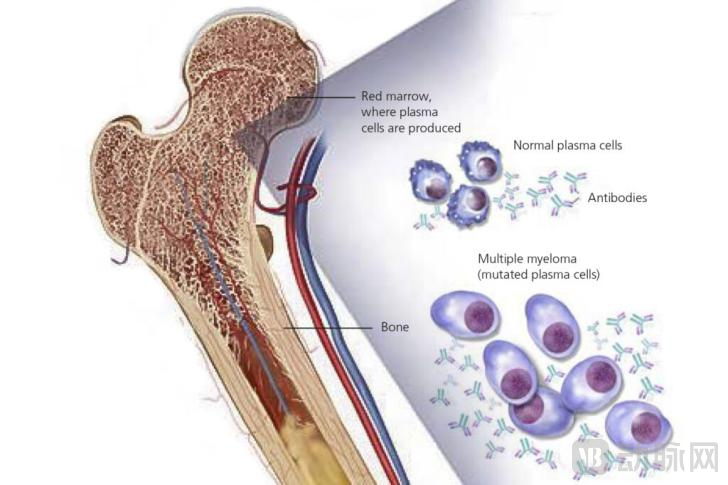
Schematic Diagram of Multiple Myeloma (Image Source: Oncopeptides Official Website)
·Peptide-Drug Conjugate (PDC) Platform
PDCs primarily consist of three components: a peptide, a linker, and a cytotoxic payload. Lipophilic PDCs rapidly diffuse into cells, where the linker covalently connects the targeting peptide to the cytotoxin, thereby delivering the cytotoxin by targeting specific receptors on tumor cells.
Compared with non-targeted anticancer drugs, PDCs can prolong circulation time, increase the maximum tolerated dose, enhance tumor accumulation, and improve anticancer biological activity. Furthermore, leveraging the properties of peptides can also enhance drug solubility and selectivity.
Compared with antibody-drug conjugates (ADCs), which are also targeted therapies, peptide-drug conjugates (PDCs) have a lower molecular weight and stronger tumor penetration. Their simple structure and composition result in lower immunogenicity, meaning they are less likely to trigger an immune stress response in the body. Peptides are easier to synthesize and purify, thereby reducing the costs of production, transportation, and storage. Meanwhile, due to their strong penetration into tumor tissues, there is a broader selection of cytotoxic drugs available for use.
Pepaxto is the first peptide-drug conjugate (PDC) with an alkylating payload. It undergoes hydrolysis by peptidases and esterases, releasing a hydrophilic cytotoxic payload that becomes intracellularly trapped. The toxic payload is released within myeloma cells, causing DNA damage.
In vitro, Pepaxto is 50 times more potent against myeloma cells than the toxic payload due to increased intracellular concentration. It exhibits cytotoxic activity against myeloma cell lines resistant to other therapies, including alkylating agents; inhibits angiogenesis and metastasis in preclinical studies; and overcomes resistance mediated by p53 deletion (a common resistance mechanism in anti-myeloma therapy). Pepaxto rapidly induces irreversible DNA damage, leading to apoptosis of myeloma cells.

Melflufen molecule (image source: Oncopeptides official website)
OPDC3, an iterative product of PDCs, is currently undergoing toxicological studies. It exhibits enhanced selectivity, potentially enabling rapid enrichment of cytotoxic payloads in cancer cell lines while reducing toxicity to healthy cells. This characteristic may lead to an effective and well-tolerated therapeutic approach.
· Small Peptide-Based Killer Inducer (SPiKE) Platform
In September 2022, the company received a research grant from Vinnova (the Swedish Innovation Agency) to support preclinical proof-of-concept studies for OP-X, a novel synthetic small peptide. This compound facilitates natural killer (NK) cell-mediated immunotherapy, demonstrating superior tissue penetration and immune cell activation capabilities, with the potential to enhance NK cell engagement across multiple tumor targets.
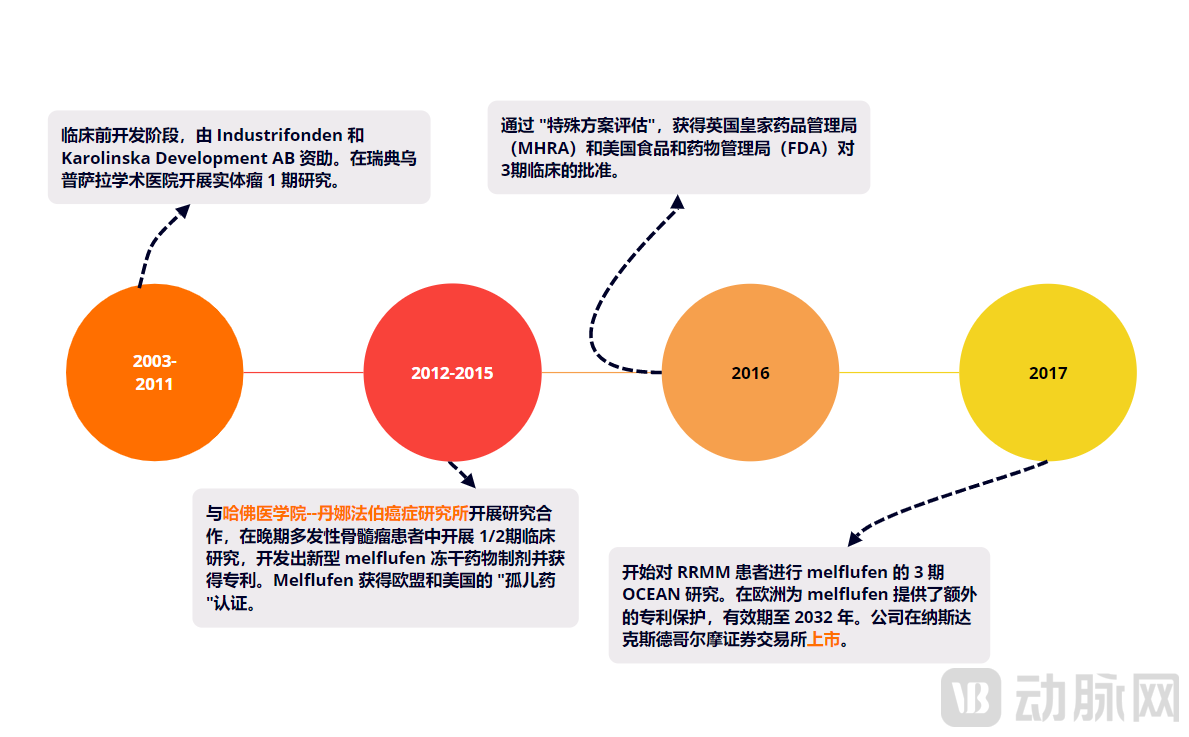
In 2018, Oncopeptides completed a private placement of shares raising SEK 314 million. In 2019, it completed a private placement raising approximately SEK 727 million. In the same year, it completed another private share issuance raising approximately SEK 546 million. In 2020, the company completed a private share issuance, raising a total of approximately SEK 1.414 billion.
On February 26, 2021, the FDA granted accelerated approval to Pepaxto in combination with dexamethasone for the treatment of adult patients with relapsed or refractory multiple myeloma (MM). Meanwhile, Oncopeptides also applied to the European Medicines Agency (EMA) for conditional marketing authorization in the European Union.
Following accelerated approval, Oncopeptides continued to conduct a confirmatory Phase III clinical trial at the request of the U.S. Food and Drug Administration (FDA). Preliminary results from the Phase III OCEAN trial, announced in May of the same year, which compared Pepaxto plus dexamethasone versus pomalidomide plus dexamethasone in patients with relapsed or refractory multiple myeloma (MM), demonstrated that Pepaxto in combination with dexamethasone improved progression-free survival (PFS, defined as the time from treatment initiation until disease progression or death from any cause) and objective response rate (ORR, defined as the proportion of patients whose tumor volume shrinks to a prespecified extent and is maintained for a minimum required duration).
However, when the results were updated on July 8, the pomalidomide plus dexamethasone control group showed superior OS (overall survival, defined as the time from randomization to death from any cause) data. Consequently, the FDA issued a “partial clinical hold” decision for this study.
In the same year, based on poor overall survival (OS) data, the FDA required a partial clinical hold on all clinical studies, which meant suspending the enrollment of new patients. The FDA also issued a safety alert for Pepaxto and announced that it would convene a meeting of the Oncologic Drugs Advisory Committee (ODAC).
On October 22, 2021, Oncopeptides announced the withdrawal of its first-in-class PDC drug, Pepaxto, for the treatment of relapsed or refractory multiple myeloma from the U.S. market, causing its stock price to plummet by nearly 77% on the same day.
As a result, the majority of melflufen’s clinical development programs were terminated, commercial operations in the United States and Europe were shut down, and the organizational structure in Stockholm was significantly downsized. In November 2021, Oncopeptides decided to refocus its clinical development efforts on melflufen by reducing the number of studies, strengthening its cash position, and continuing to pursue marketing authorization for melflufen in the European Union from the European Medicines Agency (EMA).
In 2022, The Lancet Haematology published the results of the Phase 3 OCEAN study. Based on a supplemental analysis of survival data from the OCEAN trial and other relevant studies, Oncopeptides reversed its decision to voluntarily withdraw Pepaxto in the United States. In the same year, the company conducted a private placement of shares totaling approximately SEK 435.6 million.
The CHMP issued a positive opinion, recommending full European approval of Pepaxto in combination with dexamethasone for the treatment of triple-class refractory multiple myeloma. The Phase 3 LIGHTHOUSE study further confirmed its clinical value. Meanwhile, Pepaxto received approval from the European Commission for the treatment of patients with relapsed and refractory multiple myeloma and also obtained marketing authorization from the UK MHRA. However, the U.S. FDA requested the withdrawal of Pepaxto’s marketing authorization in the United States.
According to Oncopeptides’ official website, the company maintains a strong cash position of SEK 345 million, including conditional credit facilities from the European Investment Bank, and considers its liquidity in 2023 to be secure.
According to data from PharmCube, the majority of peptide-drug conjugate (PDC) candidates currently in development are from foreign companies. Notable companies with rapid and active R&D progress include Oncopeptides, Bicycle Therapeutics, and Cybrexa Therapeutics. Chinese companies actively involved in this field include Shengnuoji Pharmaceutical, Targmed, Tailikang Biopharma, Handing Medicine, Borui Biology, ZhiTai Bio, and Zhuliyuan Biotechnology.
SNG1005 (paclitaxel trevatide), co-developed by Shengnuoji Medicine and the Canadian company Angiochem, is currently undergoing Phase III clinical trials in China, making it the most advanced peptide-drug conjugate (PDC) project in the country.
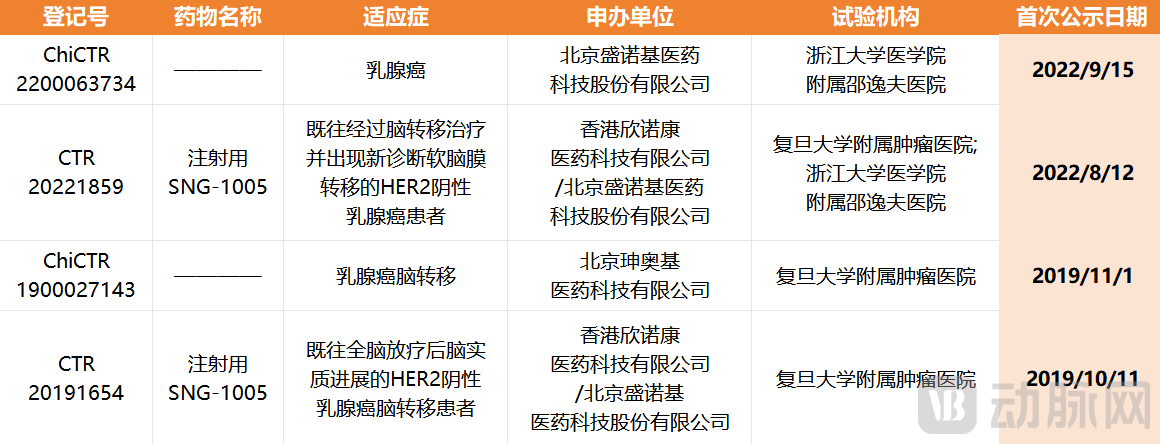
SNG1005 Clinical Trial R&D Progress (Data Source: PharmCube Database)