

HanZanDi Launches CANTUS PRIME Independent 4-Channel Liquid Handling System to Elevate Laboratory Automation Capabilities
With the continuous advancement of life sciences technology, the laboratory automation industry has entered a period of rapid development. By leveraging various intelligent automated equipment, it is possible to automate sample preparation, testing, and data processing, thereby reducing the workload of laboratory personnel, enhancing research efficiency, and improving the level of intelligent laboratory management.
Hanzandi’s newly launched CANTUS PRIME is a professional-grade laboratory automated liquid handling workstation. Equipped with four independent, non-equidistant pipetting channels, it allows for independent control of pipetting spacing, volume, and height, flexibly meeting diverse pipetting requirements. The system is compatible with various samples, reagents, consumables, and functional modules, enabling free configuration and on-demand integration based on different application scenarios. Additionally, its robust robotic arm expansion capabilities ensure it can meet the demands of complex laboratory automation workflows.
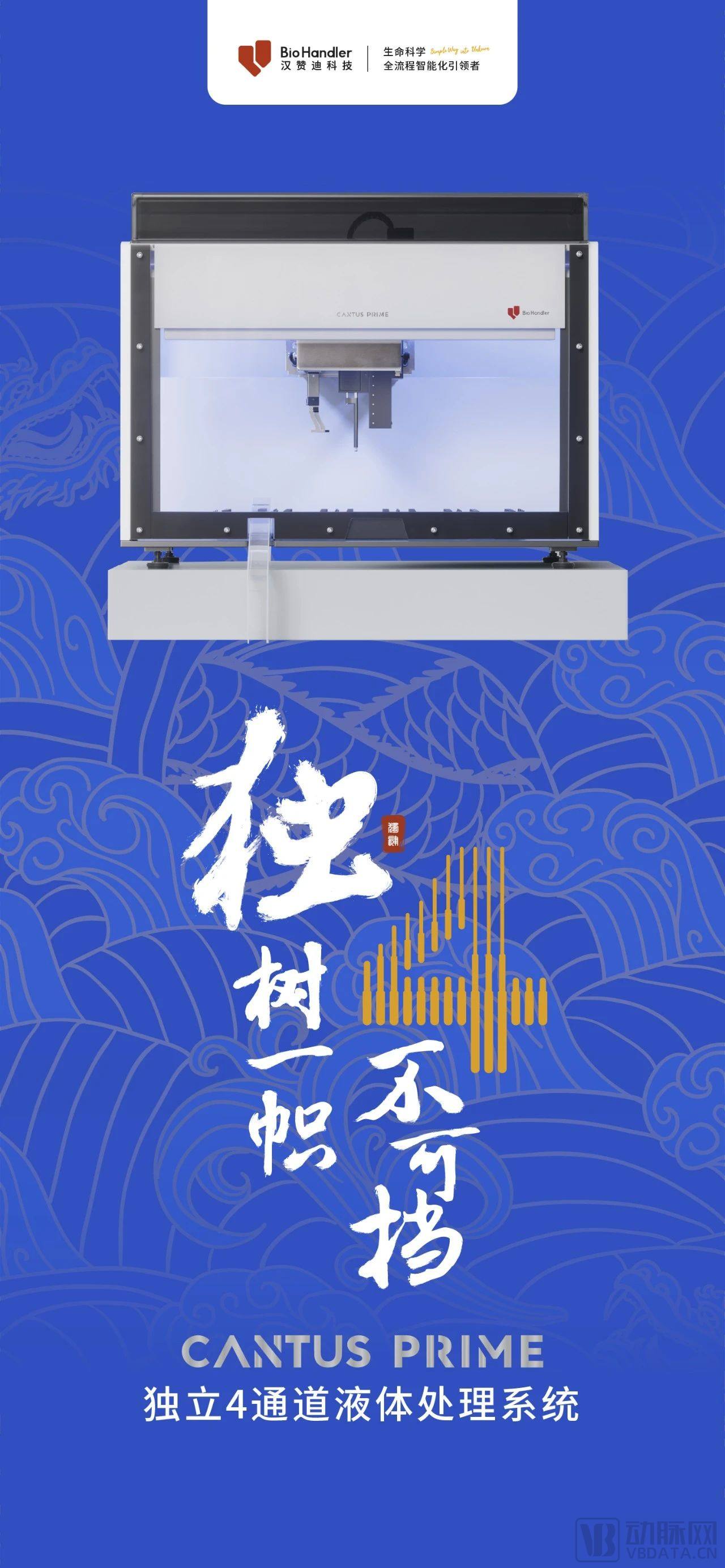
CANTUS PRIME is available in the following two models:
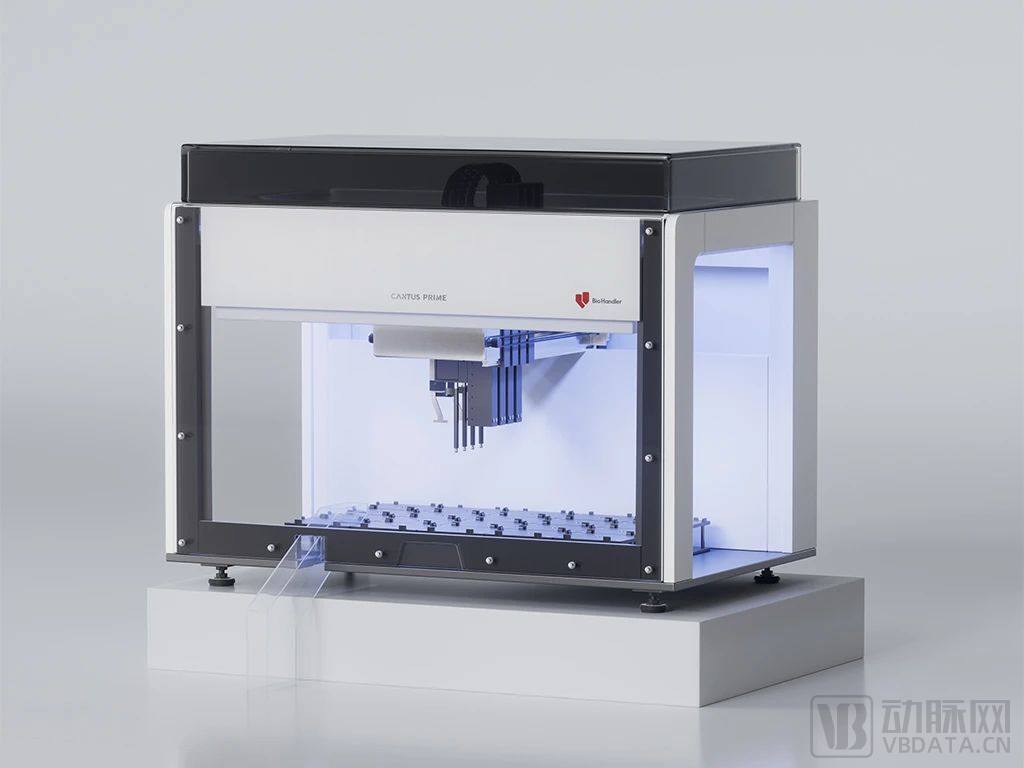
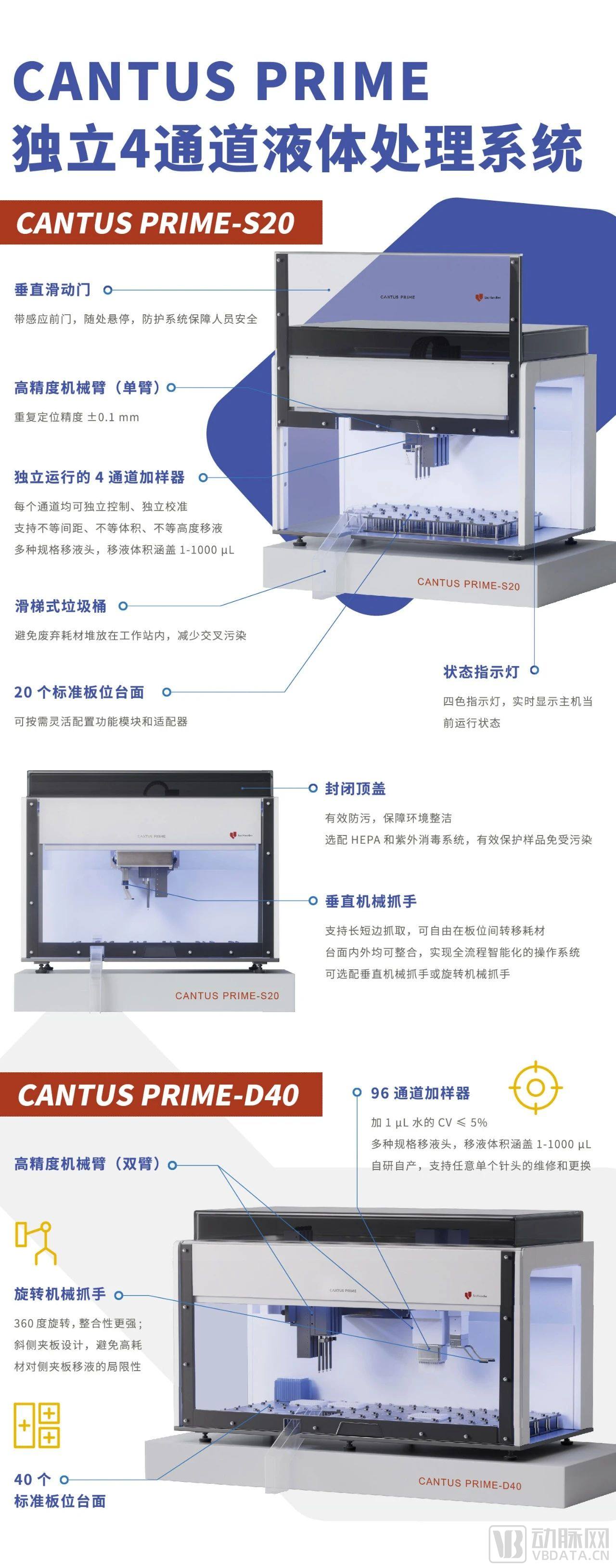
CANTUS PRIME-S20:Equipped with 4 independent pipetting channels and a deck with 20 standard plate positions
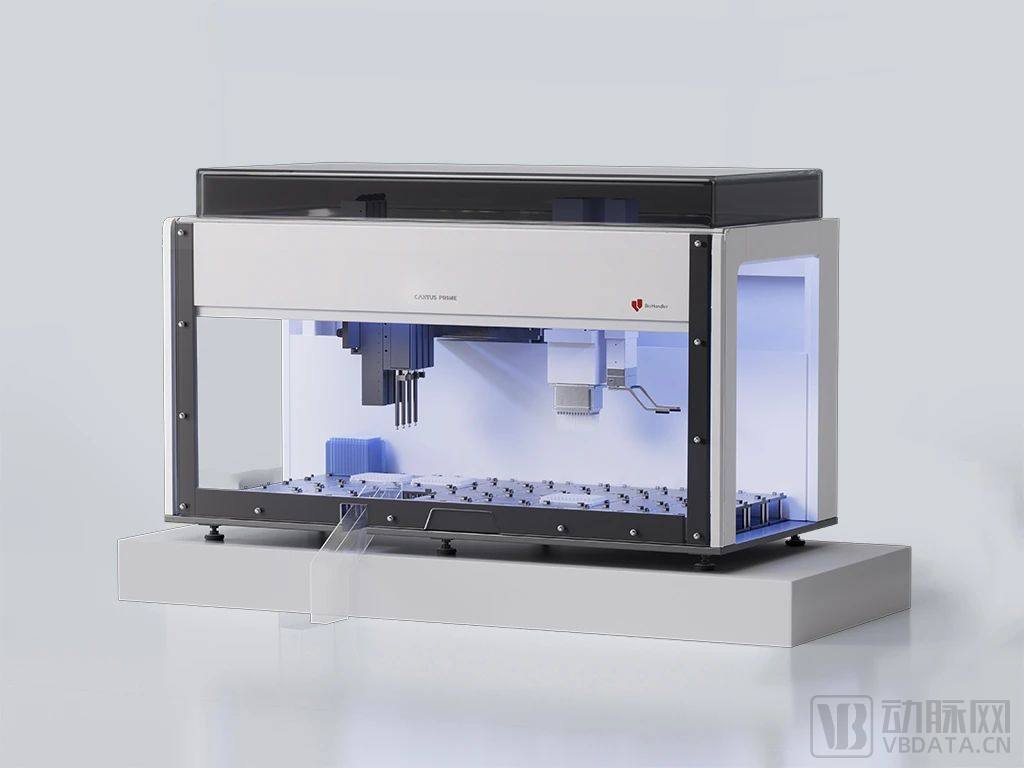
CANTUS PRIME-D40:Equipped with 4 independent pipetting channels and a 96-channel pipetting head, featuring a deck with 40 standard plate positions.

Product Features
Flexible Pipetting
CANTUS PRIME is equipped with pipette tips in various specifications, covering a pipetting range of 1–1000 μL. It operates on the air displacement principle, eliminating the need for system fluid as a medium, and supports triple flexible pipetting modes. Integrated with dual liquid-level sensing technology, it enables intelligent dynamic liquid-level tracking, while single-tip recognition ensures reliable execution of fully automated workflows. Each pipetting channel features independent calibration capabilities, achieving high-precision and high-accuracy flexible pipetting.
● Triple Flexible Pipetting
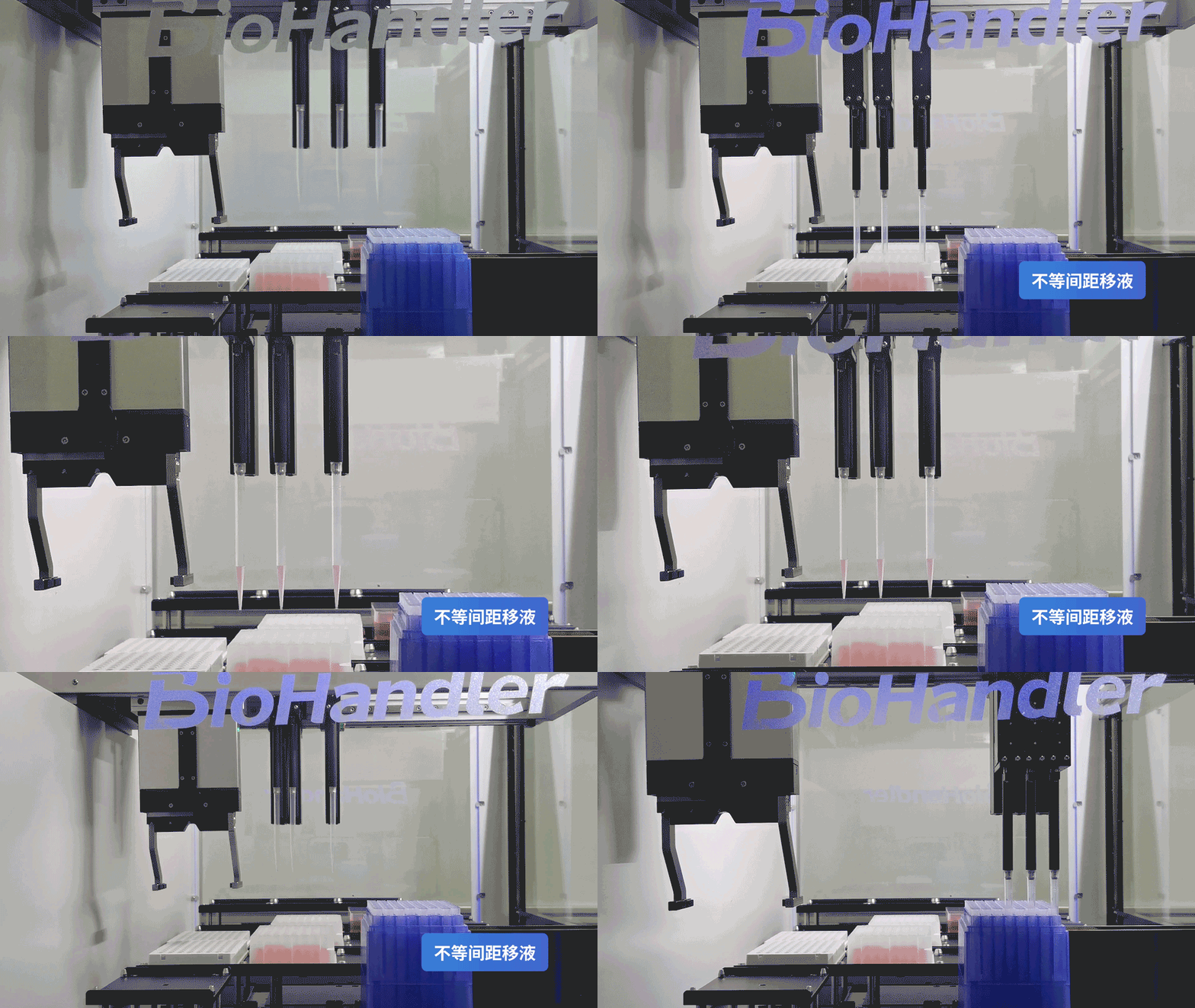
Variable Spacing Pipetting:1 X-axis and 4 Y-axis linear motor design, enabling high-speed, high-precision positional control for unequal-spacing liquid transfer on the Y-axis.
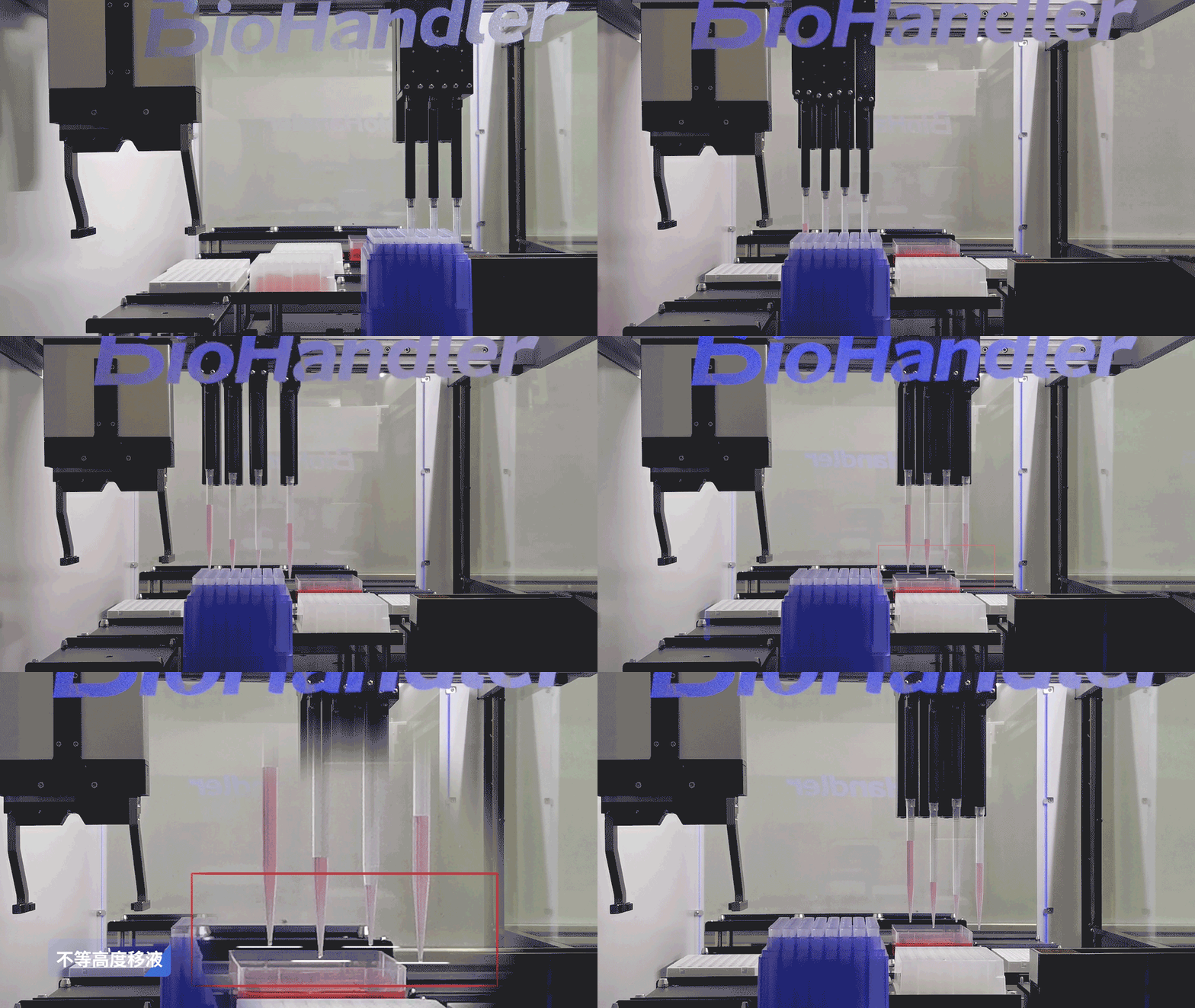
Variable Height Pipetting:Four Z-axis servo motors are designed to achieve high-precision motion control of the pump head, enabling the aspiration of liquids at varying heights.
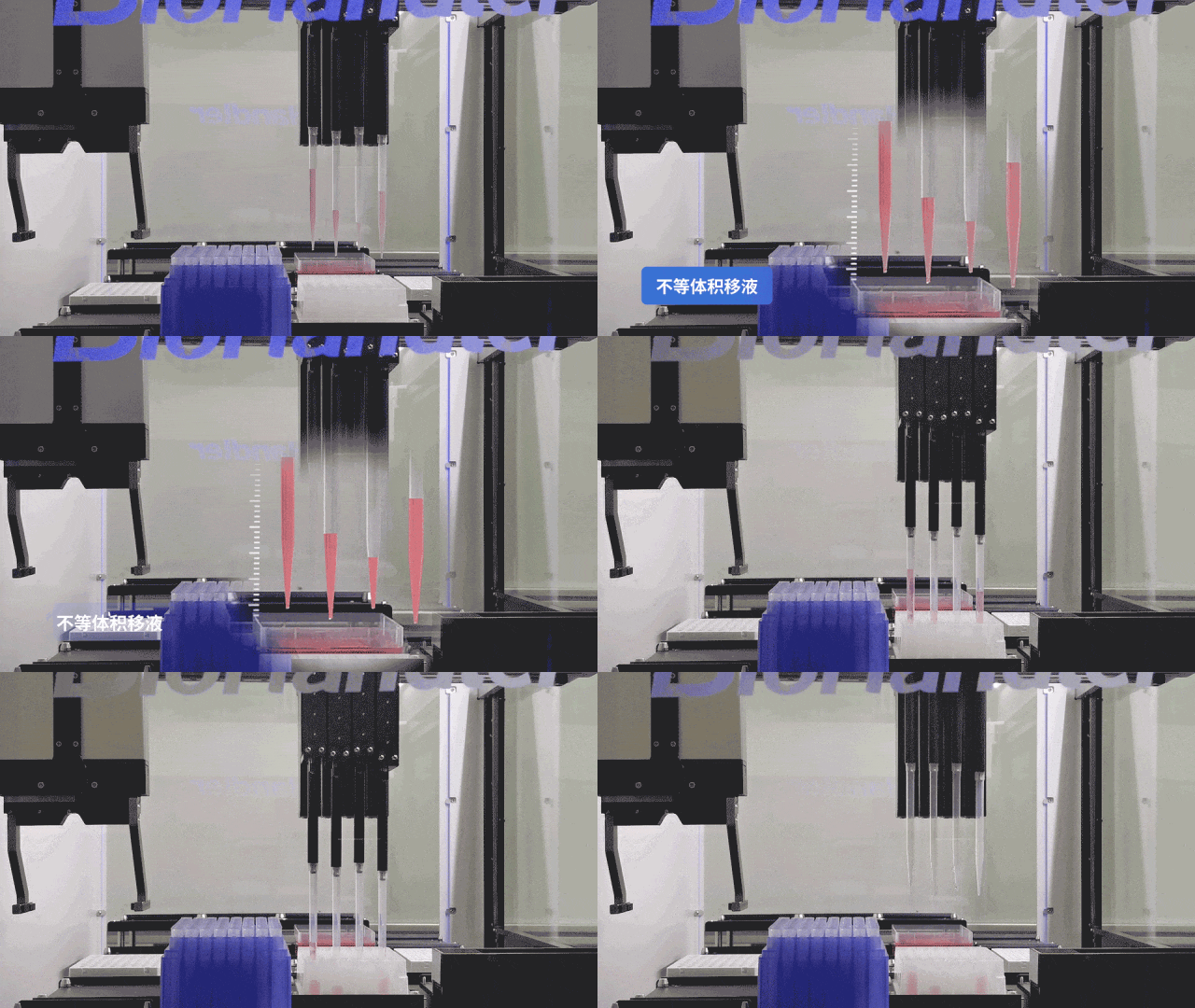
Unequal Volume Pipetting:Design with four F-axis servo motors enables precise liquid aspiration and dispensing, accommodating various liquid volumes.
● Dual Liquid Level Sensing
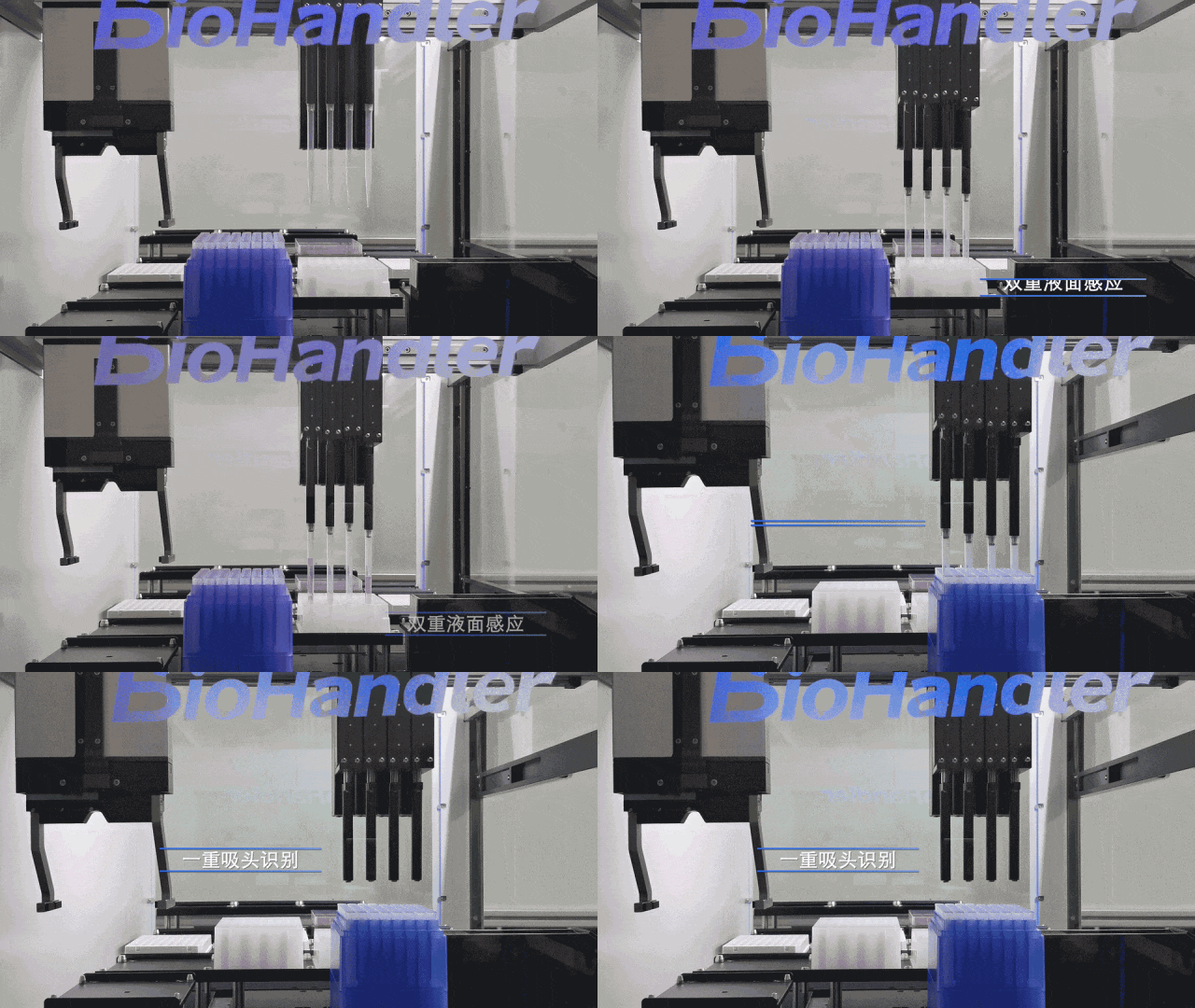
Based onCapacitive DetectionPrinciple: Detects conductive liquids, enabling rapid and sensitive measurement of liquid levels.
Based onPressure DetectionPrinciple: Intelligently identifies liquid level, clots, and blockages, while providing alerts for abnormalities.
● Single-tip recognition
Based onPipette Tip Status MonitoringFunction: Intelligently detects whether the pipette tip has been properly attached to the pipetting head and provides alerts for anomalies.
Efficient and Reliable
● Ensuring high-quality experimental results while maintaining flexibility
OptionalVertical Mechanical GripperorRotating Mechanical Gripper,Supports gripping from both the long and short sides, enabling transfer of consumables from any position on a high-density work surface while achieving seamless integration with various experimental equipment inside and outside the bench.
High-Precision Robotic Arm, with a repeat positioning accuracy of ±0.1 mm, ensuring precise pipetting position.
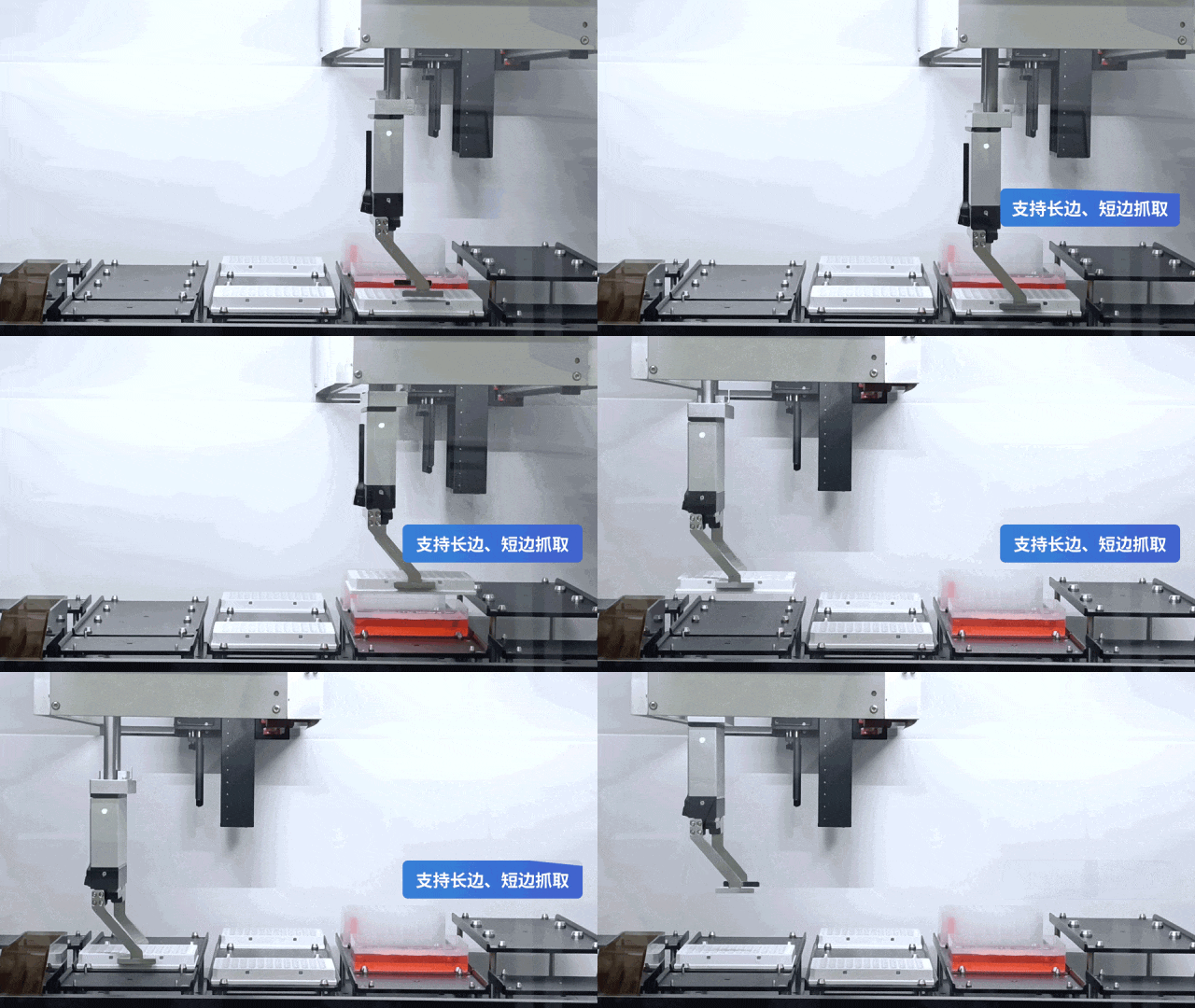
High Scalability
● Scalable to meet application needs, with on-demand upgrades
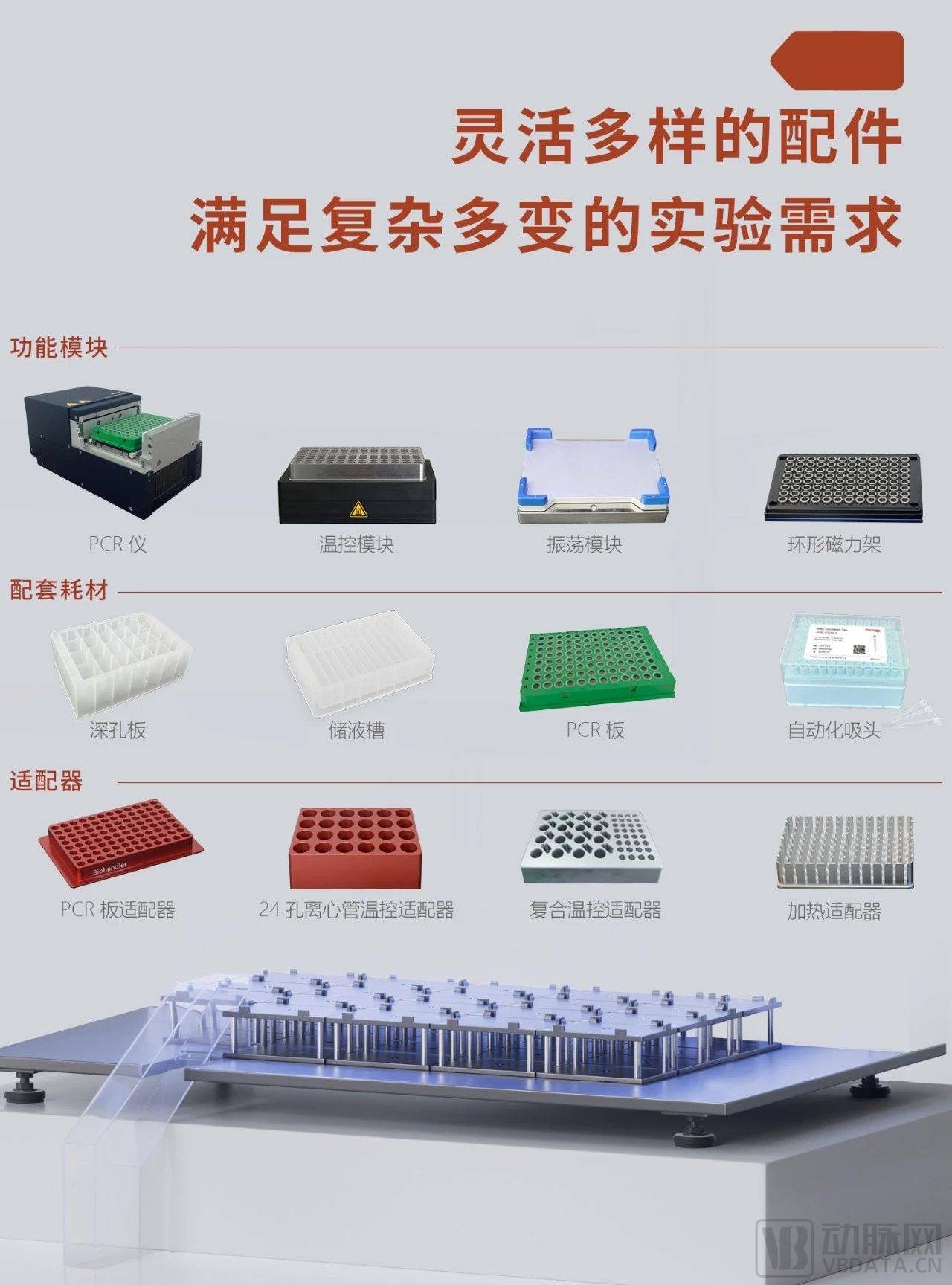
The grid-patterned work surface facilitates the easy installation of various functional modules, allowing for upgrades at any time to meet diverse application requirements.
The instrument’s open design facilitates seamless integration of equipment from all orientations (such as analytical, storage, and transport devices), enabling greater flexibility in system integration and more convenient customization for personalized applications.
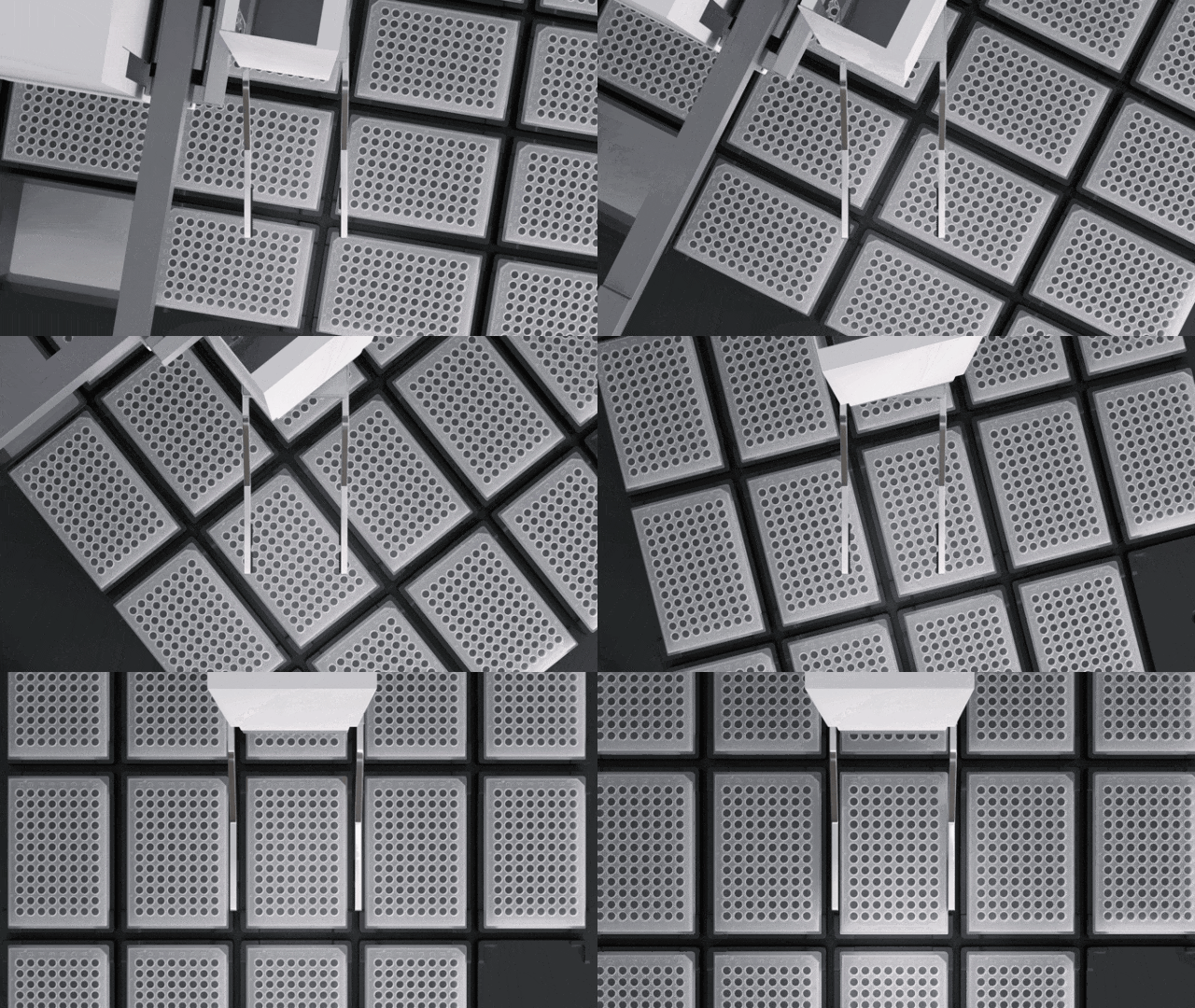
Simple and Easy to Use
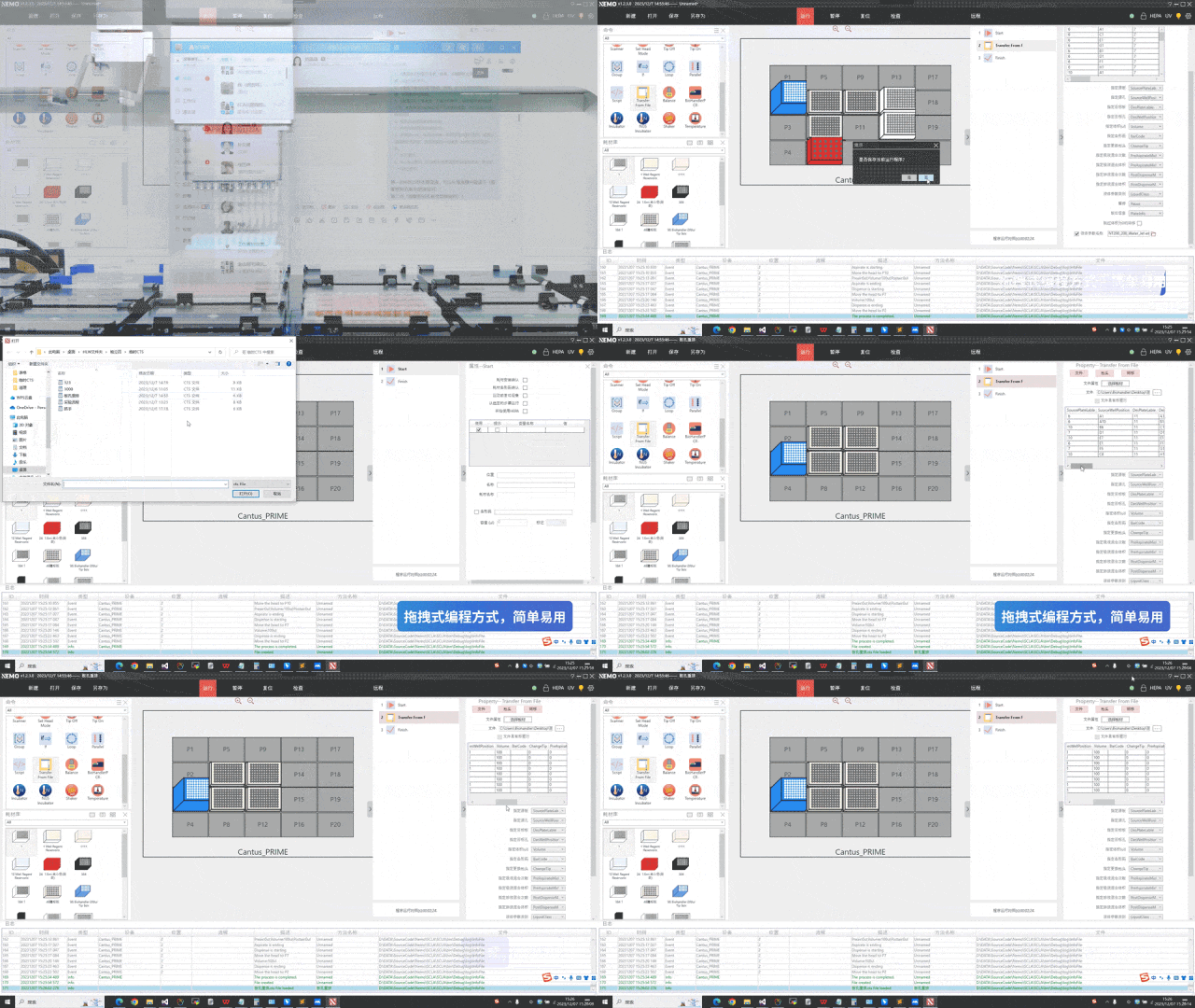
Menu-driven control tool, supporting drag-and-drop programming
Equipped with standard application templates, method editing can be completed with simple clicks.
Real-time Monitoring Window: Stay Updated on Experiment Progress at All Times
Features electronic signature system (21 CFR Part 11) functionality
Typical Application Scenarios
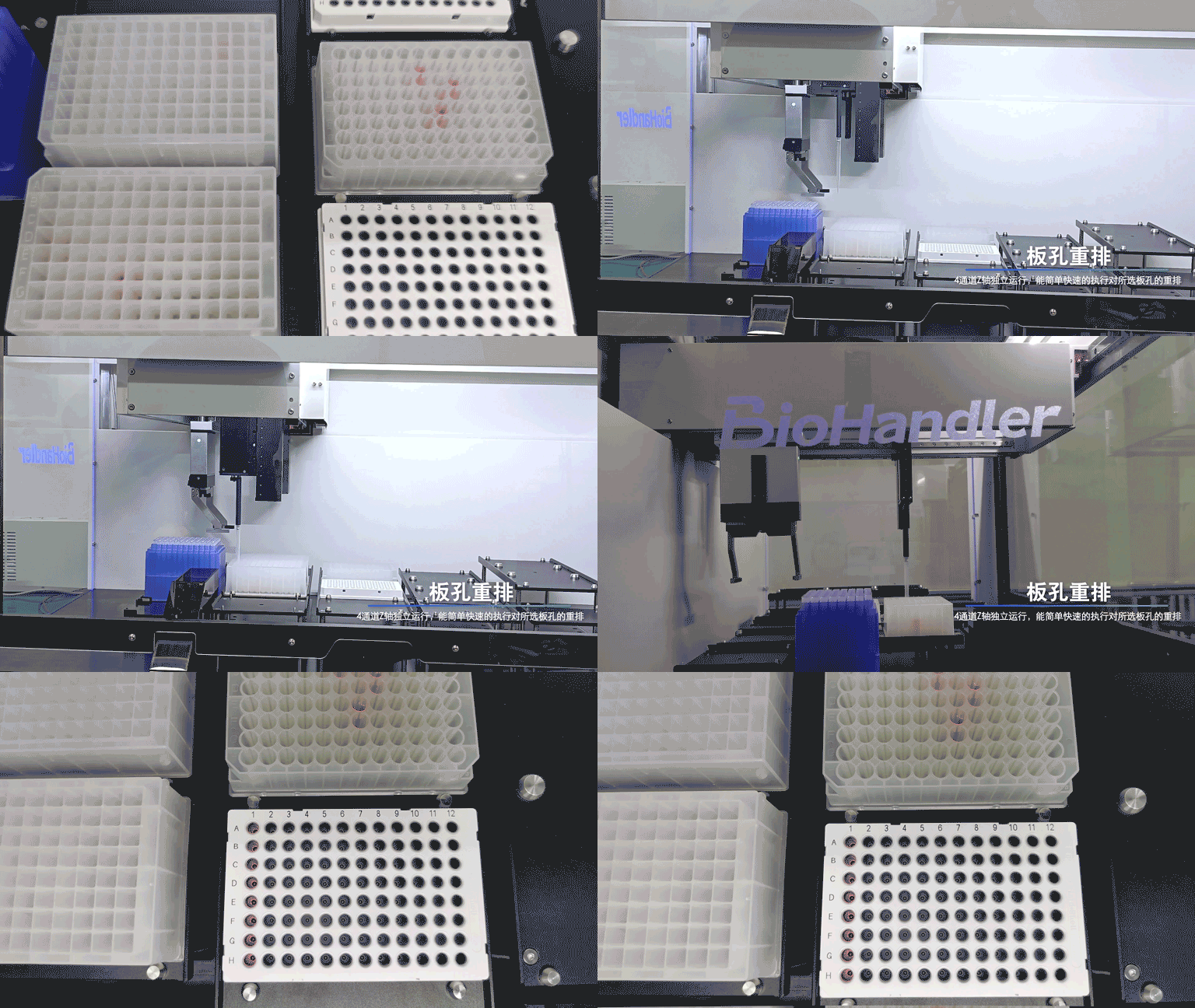
Plate Hole Rearrangement
4-channel Z-axis operates independently, enabling simple and rapid reordering of selected plate wells.
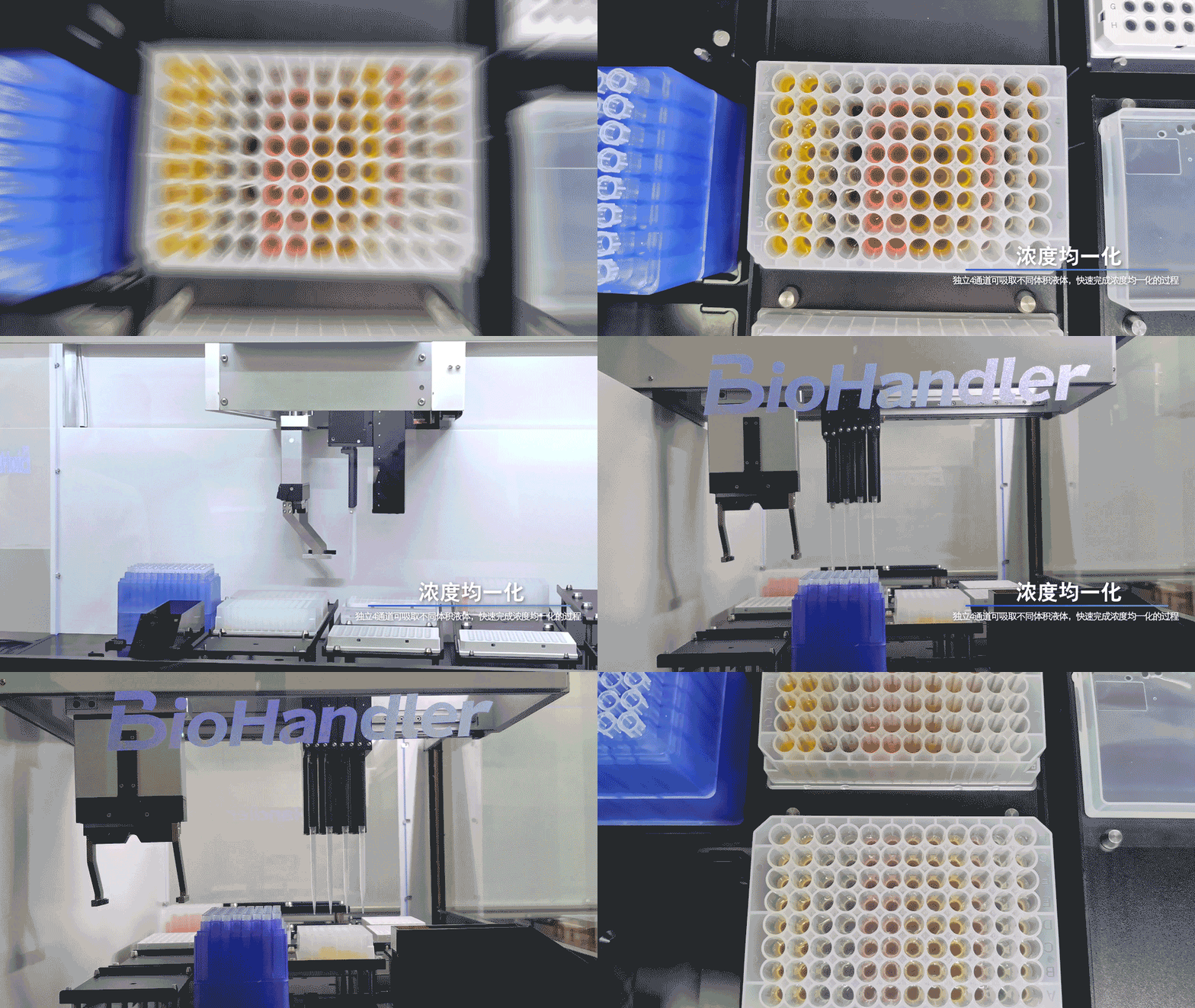
Concentration Normalization
Four independent channels for aspirating different liquid volumes to rapidly achieve concentration homogenization.
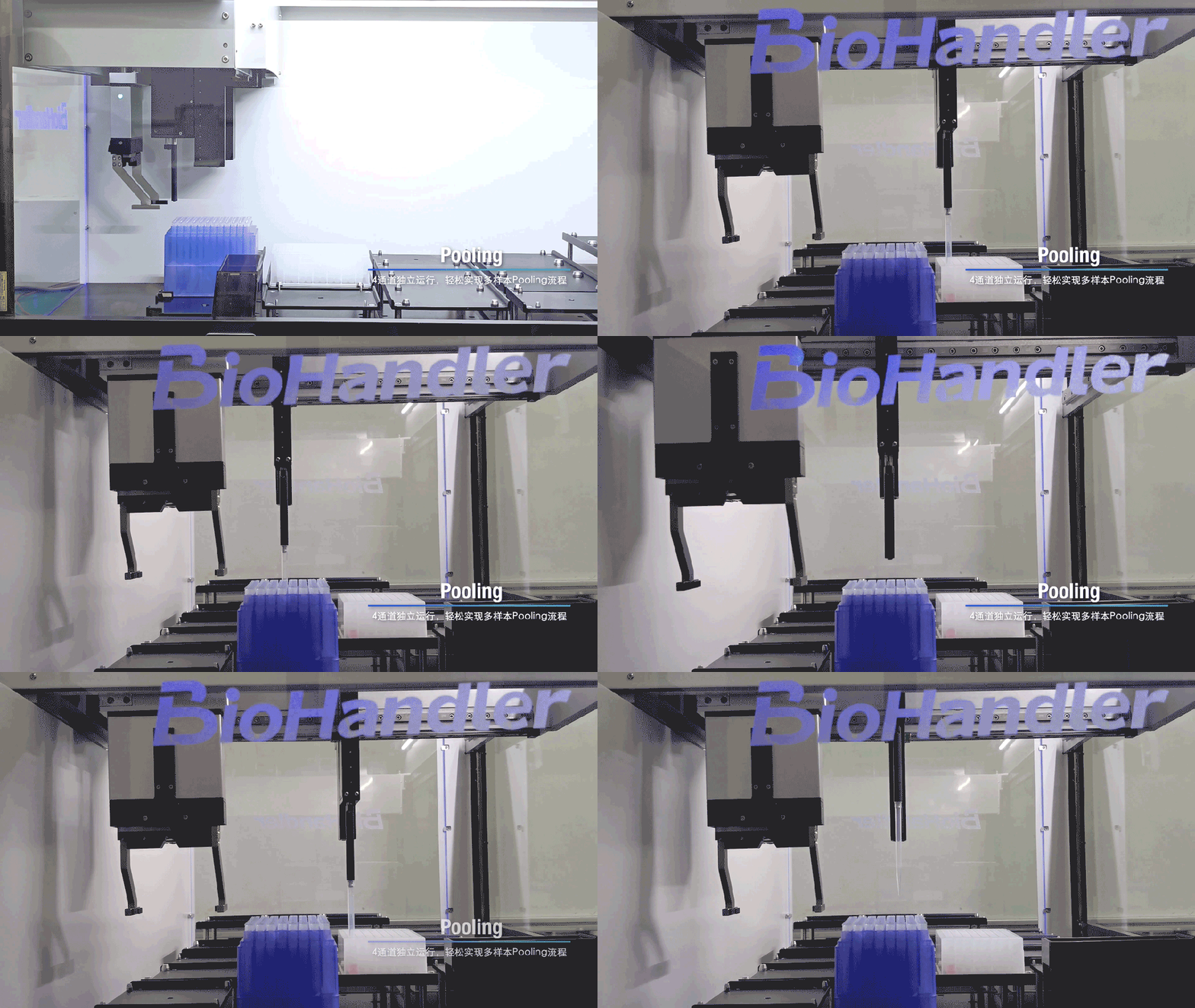
Pooling
4 independent channels for easy implementation of multi-sample pooling workflows
Application Areas
Genomics
Nucleic Acid Extraction
qPCR/PCR System Setup
Concentration Normalization
NGS Library Preparation
Pooling
Drug Development
Monoclonal Cell Rearrangement
Cell Passaging
Cell Culture
Cell Transfection
Protein Purification
Basic Research
Biological Analysis
Proteomics
Metabolomics
Synthetic Biology
Compound Analysis
Clinical Research
Plate Replication
Component Blood Separation
Flow Cytometry Pre-processing
Immunology Experiments
Compound Screening