

Bicycle Therapeutics, Co-Founded by Nobel Laureate and Backed by Over $500M in Funding, Expands into Multiple Therapeutic Areas with Innovative Bicycles Platform

Bicycle Therapeutics
Cancer Treatment Drug Developer
Bicycle Therapeutics (hereinafter referred to as “BCYC”) was founded in 2009 and listed on the Nasdaq in 2019. The company is dedicated to developing novel therapeutic modalities based on bicyclic peptides (“Bicycles”). Its flagship Bicycles technology originates from Sir Greg Winter, a Nobel Laureate in Chemistry, and Professor Christian Heinis.
BCYC is headquartered in the life sciences cluster of Cambridge, UK, and the biotechnology hub of Boston, Massachusetts, USA. According to Crunchbase data, BCYC has completed 13 rounds of financing since its inception, totaling $542.9 million. The most recent was a $200 million post-IPO equity financing completed in June this year.
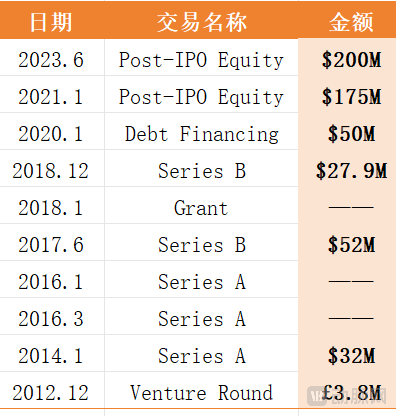
BCYC Financing History (Data Source: Crunchbase)
Greg Winter, a co-founder of Bicycle Therapeutics (BCYC), was awarded the 2018 Nobel Prize in Chemistry for his achievements in the directed evolution of enzymes and phage display technology for peptides and antibodies.
In addition, Greg Winter has received numerous international scientific awards, including the 1989 Louis-Jeantet Prize for Medicine from Switzerland, the 1995 King Faisal International Prize in Medicine (Molecular Immunology) from Saudi Arabia, the 1995 Biochemical Analysis Award from the German Society for Clinical Chemistry, the 2011 Royal Medal from the Royal Society of the United Kingdom, and the 2013 Gairdner Award. In terms of corporate collaboration, he was awarded the U.S. National Biotechnology Risk Award in 2004 and the Association of the British Pharmaceutical Industry Award in 2008.
Greg Winter is a Fellow of Trinity College, Cambridge, and was appointed Master of Trinity College on October 2, 2012. He also serves as Deputy Director and Acting Director of the MRC Laboratory of Molecular Biology (MRC-LMB) in Cambridge, UK. Furthermore, Greg has promoted the commercial translation of scientific achievements; he was a founder of Cambridge Antibody Technology and Domantis, two companies that pioneered the use of antibody libraries to develop fully human antibody therapies, including adalimumab and belimumab.

Sir Greg Winter (Image source: BCYC official website)
Christian Heinis is another co-founder of BCYC and serves as Co-Director of the NCCR Chemical Biology. After earning his Ph.D. from ETH Zurich, he completed two postdoctoral fellowships: the first under Professor Kai Johnsson at the École Polytechnique Fédérale de Lausanne (EPFL), and the second under Professor Gregory Winter at the MRC Laboratory of Molecular Biology (MRC-LMB) in Cambridge, UK, who is also a co-founder of BCYC.
During his postdoctoral fellowship in Greg Winter’s laboratory, Heinis played a key role in developing the core technology platform of Bicycle Therapeutics (BCYC), namely the discovery of bicyclic peptide molecules based on phage display technology. After establishing his own laboratory at EPFL, he continued to advance the bicyclic peptide display and screening platform.
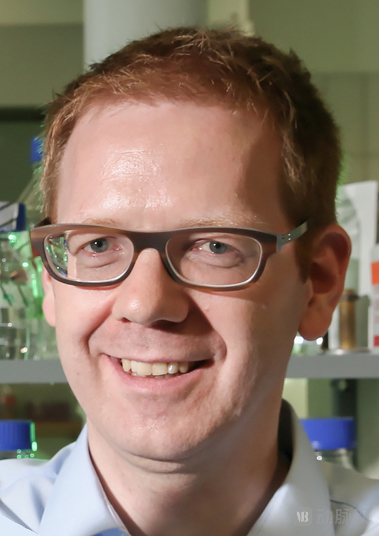
Prof. Christian Heinis (Image source: EPFL official website)
To achieve therapeutic efficacy while minimizing side effects in patients, drugs must bind to target proteins with high affinity and high selectivity. Traditional small-molecule compounds have blind spots where certain targets are difficult to engage, whereas antibodies, due to their larger molecular weight, struggle to rapidly accumulate in cancer cells. By linking chemical linker compounds (also known as scaffolds) to specific amino acids within peptide chains, BCYC designs highly constrained molecules known as Bicycles (bicyclic peptides).
Bicyclic compounds are formed by constraining short linear peptides into stable bicyclic structures using a central chemical scaffold. This constraint allows the peptides within the two loops to adopt biologically relevant secondary and tertiary structures, such as α-helices and loops—features frequently observed in proteins and protein ligands—thereby enabling effective mimicry of protein–protein interactions.
Compared with traditional small-molecule compounds, bicyclic compounds can be readily conjugated to other chemical payloads or additional bicyclic moieties without compromising the desired pharmacological activity. Their structure enables highly precise engagement of selected targets, and their large molecular surface area holds promise for targeting sites that have historically been inaccessible to small molecules. Their pharmacokinetic properties facilitate rapid extravasation, swift distribution to target tissues and tumors, and direct delivery to the intended site of action. In contrast to full-length antibody molecules, their lower molecular weight allows for rapid accumulation and subsequent killing of cancer cells.
That is to say,Bicycles combine the properties of antibodies, small-molecule drugs, and peptides, integrating the targeting specificity typically associated with biologics with the manufacturing and pharmacokinetic advantages of small-molecule drugs.
·Key Features
1. It is a short peptide composed of 9–20 amino acids.
2. Chemically synthesized compounds are entirely synthetic new chemical entities (NCEs)
3. Possesses a low molecular weight (1.5–2.5 kDa), enabling rapid tissue penetration and tunable pharmacokinetics (PK)
4. Capable of polymerization or conjugation with various therapeutic payloads
5. Excreted via the kidneys, thereby reducing the toxic burden on the liver and intestines
6. Production is controllable and scalable
· Due to the structural versatility of the bicyclic peptide scaffold, various novel drugs based on bicyclic peptide molecules have also been developed.
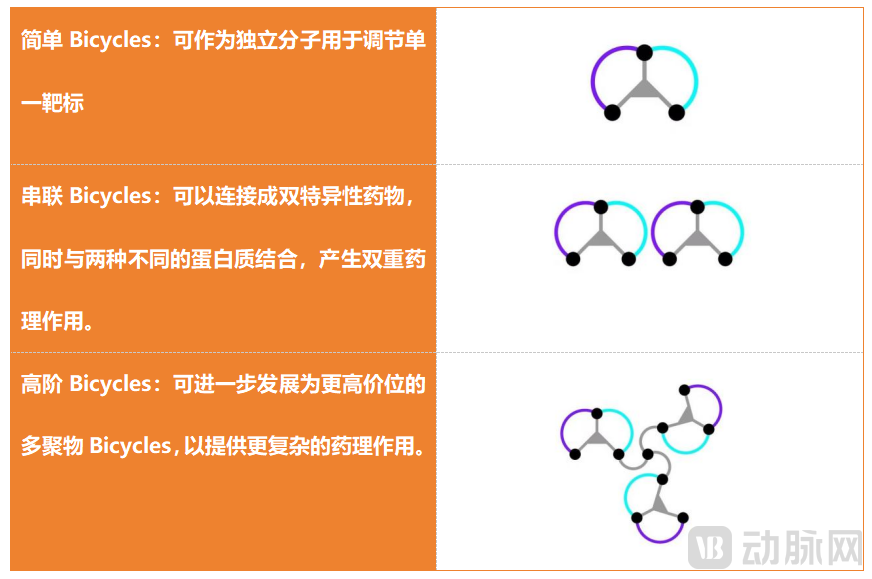
Molecular Structure Diagram (Source: BCYC Official Website)
· Leveraging their ability to be multimerized or conjugated with various therapeutic payloads, Bicycles can be readily linked to other chemical payloads or other Bicycles.
Bicycle Toxin Conjugates (hereinafter referred to as “BTCs”) comprise Bicycles targeting specific tumor antigens, selective cleavable linkers, and small-molecule toxin payloads.
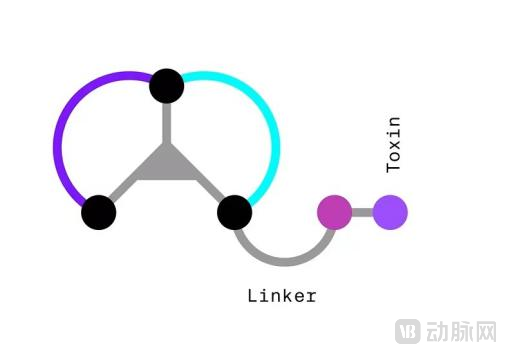
Molecular Structure of BTCs (Image source: BCYC official website)
BTCs are designed to deliver cytotoxic payloads to cancer cells. The toxic payload remains inert until the Bicycle-guided conjugate enters the tumor. Thus, the Bicycle technology destroys tumor cells while sparing healthy cells and tissues.
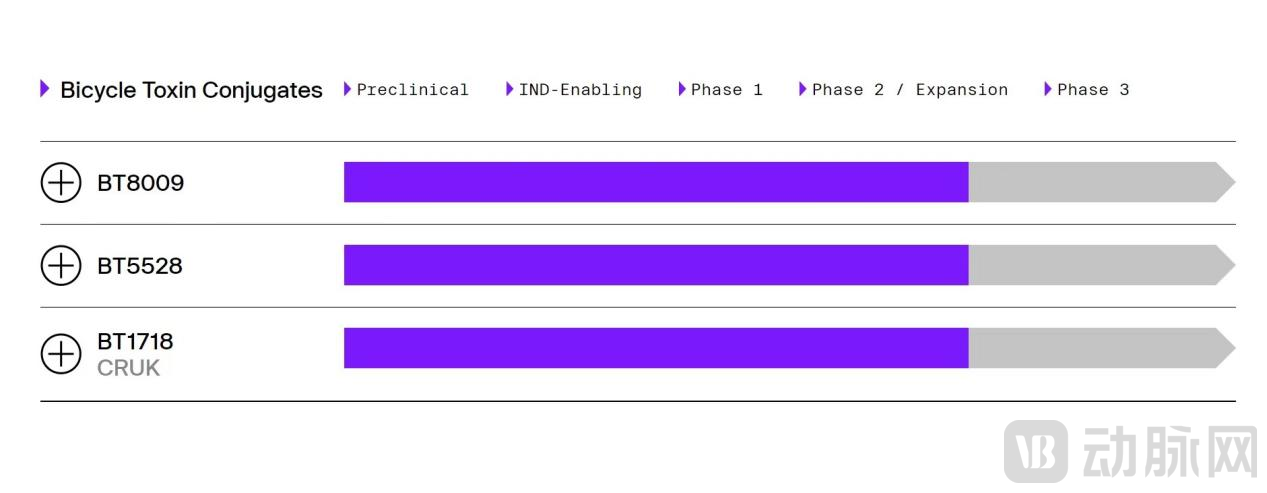
BTCs R&D Progress (Image source: BCYC official website)
Bicycle Radio Conjugates (hereinafter referred to as “BRCs”) comprise Bicycle peptides targeting specific tumor antigens, selectively cleavable linkers, and high-intensity radioactive isotopes. Their mechanism of action is fundamentally similar to that of BTCs. The key difference lies in the fact that, in BRCs, the Bicycle peptides serve to concentrate radiation—rather than toxins—as the cytotoxic payload on tumors while sparing healthy tissues.
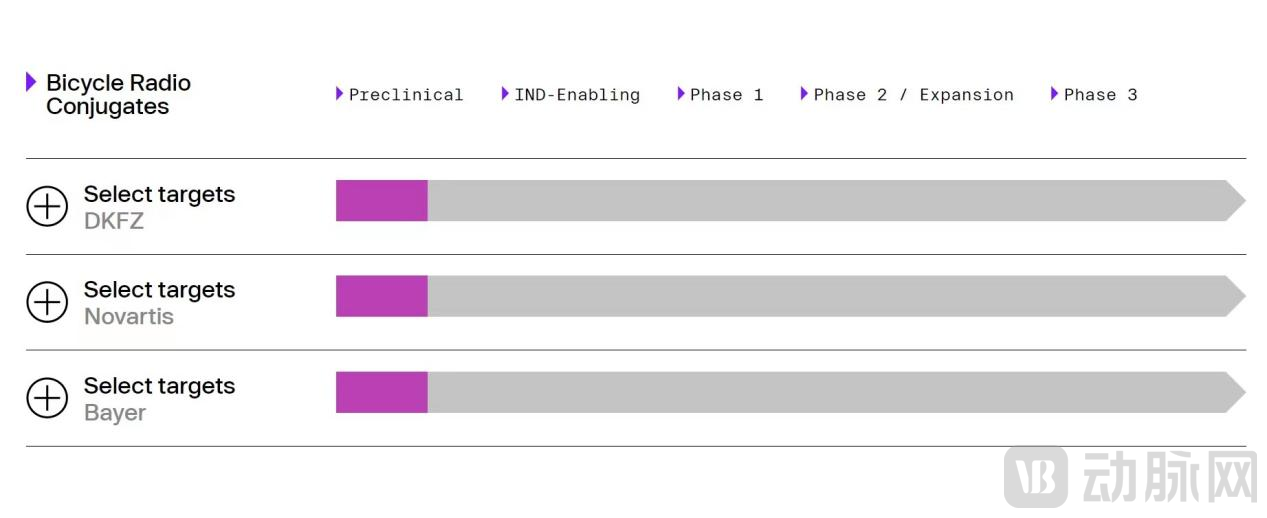
BRCs R&D Progress (Image source: BCYC official website)
Bicycles can also be engineered as immune cell stimulators, guiding them into tumors under the direction of tumor antigen-targeting “Bicycles.”
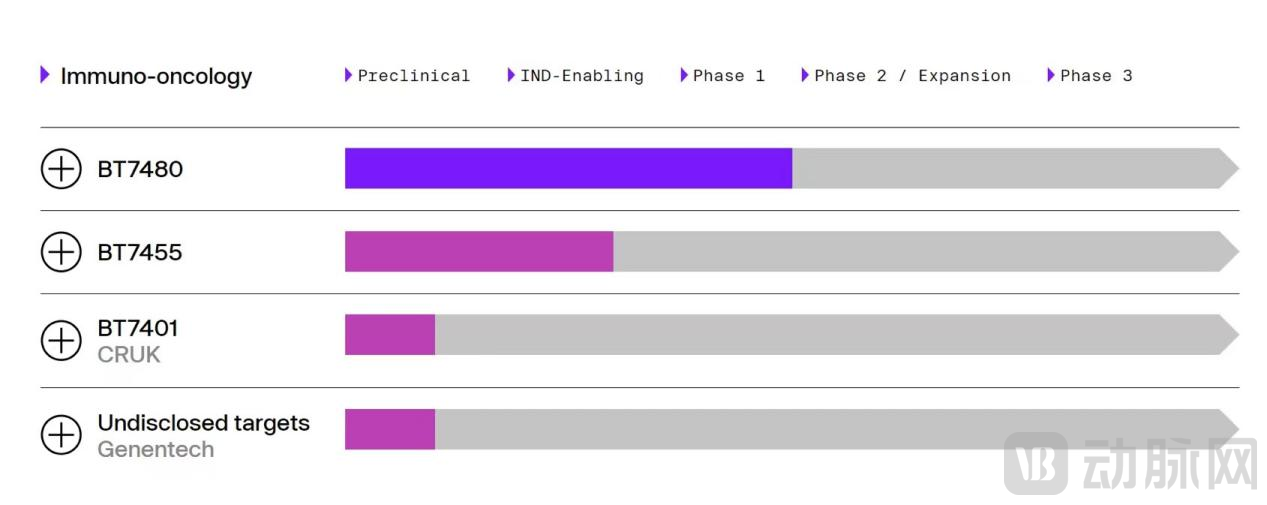
Development Progress of Immuno-Oncology Drugs (Image Source: BCYC Official Website)
BCYC’s phage display screening platform can rapidly identify specific Bicycles targeting potential high-value therapeutic targets. Meanwhile, it enables efficient optimization of Bicycle development, precisely directing them toward specific therapeutic areas.
The platform leverages synthetic biology technologies to display a vast library (>10²⁰) of initial linear peptides on the surface of engineered bacteriophages (phages). These linear peptides then undergo covalent conjugation with one of the scaffolds via thioether bonds, thereby forming Bicycle structures on the surface of the phage particles at the cysteine residues within the peptides.
The design of Bicycles across four key areas contributes to their diversity. First, the position of each amino acid between the cysteines within the ring can be varied. Second, the number of amino acids in each ring can be altered. Third, the symmetry of the rings can be modified. Finally, the choice of scaffold changes the presentation of appended amino acids. This enables selection from over 300 different library configurations, increasing the probability of successfully identifying target binders from screening campaigns.
The platform enables efficient and high-throughput screening of soluble protein or cellular targets, while employing whole-phage binding assays to inform structure-activity relationship (SAR) studies. After identifying initial Bicycles that bind to the target, multiple rounds of affinity maturation iterations are conducted to generate chemical diversity around a common pharmacophore. To enhance target affinity and achieve the desired specific function, non-natural amino acids are used to replace natural amino acids during synthesis on a peptide synthesizer.
The final stage involves combining candidate Bicycles therapies for subsequent development. Since the screening process automatically selects Bicycles that carry payloads and are suitable for conjugation, it is often necessary to attach additional payloads, such as cytotoxins, immune activators, nucleic acids, or other Bicycles.In summary, the flexible Bicycles and powerful screening platforms enable the rapid development of potential therapeutic candidates for application across diverse therapeutic areas.
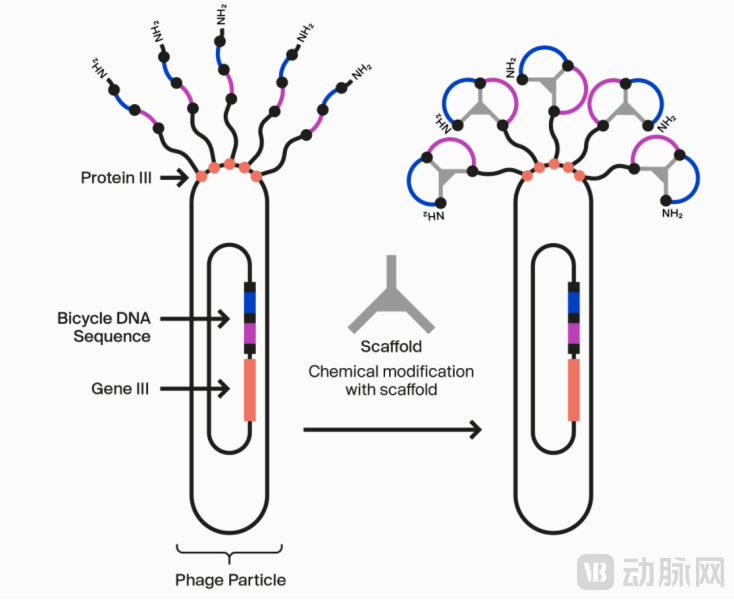
Schematic Diagram of the Platform’s Mechanism of Action (Image source: BCYC official website)
Currently, BCYC is also expanding into other therapeutic areas with significant unmet medical needs, collaborating with multiple enterprises and academic institutions to explore pathways for developing innovative drugs in fields such as ophthalmology, anti-infectives, dementia, central nervous system disorders, and neuromuscular diseases, beyond oncology.
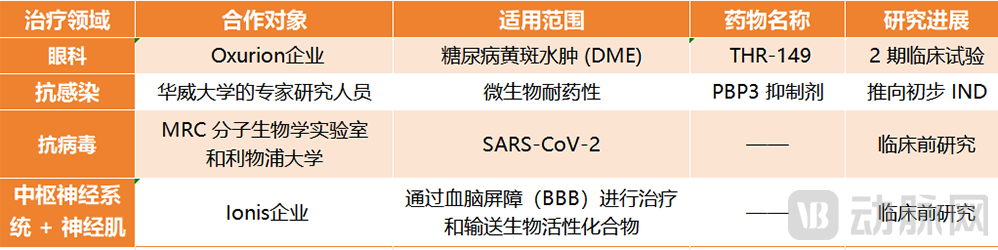
(Data source: BCYC official website)
BCYC collaborates with academia, jointly hosting a graduate training program with the University of Bath, and inviting PhD students from the Biotechnology and Biological Sciences Research Council (BBSRC) and the Medical Research Council (MRC), as well as fellows from Innovate UK, to visit. It funds postdoctoral scientists to use Bicycles as tools in academic laboratories to investigate innovative tool compounds and their mechanisms of action, thereby exploring new target spaces and application areas.
Although bicyclic peptides offer numerous advantages, they suffer from limitations such as poor oral bioavailability and an inability to target intracellular sites. Currently, the laboratory of Christian Heinis is focusing on developing screening strategies for macrocyclic compounds. Novel macrocyclic compounds, which combine the potential for cell membrane permeability and oral administration with the target specificity and high affinity characteristic of large molecules and cyclic peptides, may emerge as an important class of therapeutic agents in the future.