

Oncolytic Virus Therapy: Breaking Through a Decade-Long FDA Approval Drought

CG Oncology
Oncolytic Immunotherapy Developer

Oncorus
Developer of Tumor Immunotherapy Platform

BINHUI BIOPHARM
Oncolytic Virus Drug Developer
Oncolytic virus therapy can specifically replicate within tumor cells and cause their lysis without affecting normal cells. It is characterized by high replication efficiency, potent oncolytic activity, and minimal toxic side effects. Once regarded as a “milestone” in cancer treatment, its clinical trials over the years have faced considerable challenges.
Recently, positive clinical results from a small Phase 3 trial have rekindled hope in the field of oncolytic viruses. In early December, CG Oncology announced that the U.S. Food and Drug Administration (FDA) had granted Fast Track designation and Breakthrough Therapy designation to its oncolytic virus therapy, CG0070, an intravesically administered oncolytic viral treatment. Interim analysis of the Phase 3 clinical trial showed that 75.5% of efficacy-evaluable patients achieved complete response at any time point.
Industry commentators have described it as “potentially shaking up the oncolytic virus landscape,” with some even suggesting it “could become the second oncolytic virus therapy approved in the United States.”
In addition to achievements in the mid-to-late stages, the oncolytic virus field has seen numerous early-stage studies advance into clinical trials this year. For instance, the U.S. FDA has granted Investigational New Drug (IND) approval for two more innovative oncolytic virus therapies based on novel chimeric viruses, which can autonomously optimize the combination and expression of cytokines or signaling molecules that play key roles in anti-tumor immunity. In China, multiple companies have also obtained regulatory approvals, leading to a substantial increase in the number of oncolytic virus studies entering clinical development, including many dual-filed projects in both China and the United States.
At several domestic conferences on oncolytic viruses held in China this year, the heightened enthusiasm of attendees was palpable amidst the crowded venues. One industry practitioner remarked, “Over the past few years, there has been a deeper understanding of oncolytic virus therapy, with significant improvements in safety profiles and acceptance compared to the past. Principal investigators (PIs) have also adopted a more positive attitude. With the continuous emergence of novel mechanisms and new targets, ample source innovation within China, and strong national policy support, the field is indeed full of promise.”
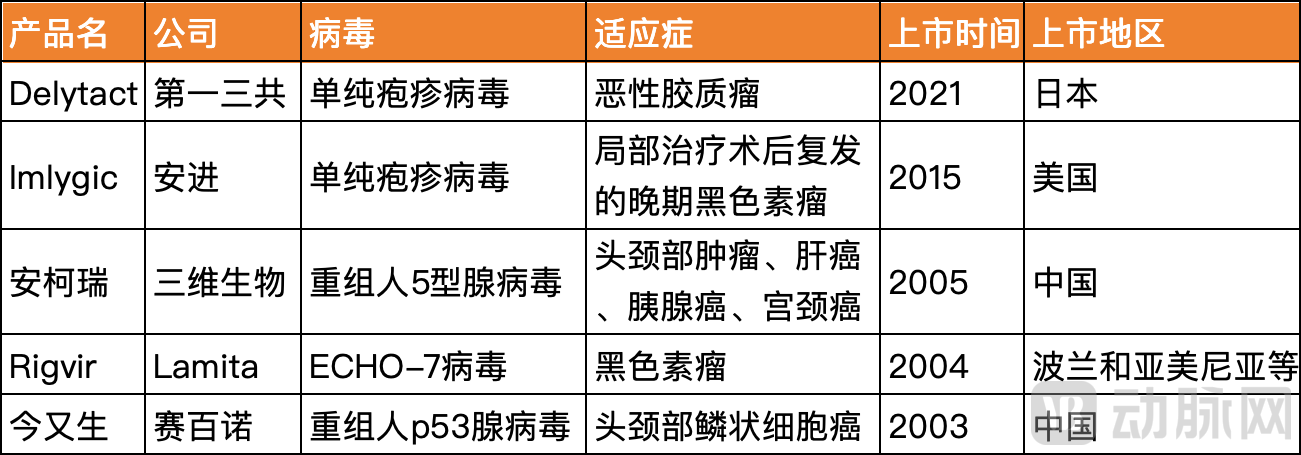
Oncolytic viruses have a century-long history, yet the only one widely recognized globally and approved by the FDA is Amgen’s Imlygic. Since approving Imlygic in 2015, the FDA has not approved any other oncolytic virus products. The other four agents marketed in various countries and regions are Sibiono’s Gendicine, Latima’s Rigvir, Sunway Biotech’s Ankerui, and Daiichi Sankyo’s Delytact.
According to Frost & Sullivan data, the global oncolytic virus market is projected to reach $6.79 billion in 2025, with a compound annual growth rate (CAGR) of 171.2% from 2020 to 2025; China’s oncolytic virus market is expected to reach $1.04 billion in 2025, with a CAGR of 213.4% from 2020 to 2025.
2023: The Dawn for Oncolytic Viruses?
U.S. Star Companies Fall, While China’s Industry Blooms
For the oncolytic virus field, a major setback this year was the collapse of Oncorus, a star company in the U.S. oncolytic virus sector. Founded in 2015, the same year the FDA approved its first oncolytic virus therapy, Oncorus once saw its stock price exceed $35 per share, with a market capitalization approaching $1 billion. The company also partnered with Merck & Co. to evaluate the efficacy of combining its core pipeline candidate, ONCR-177, with Keytruda in patients with advanced and/or recurrent cutaneous, subcutaneous, or metastatic lymph node solid tumors.
However, Oncorus’s R&D progress was slow. The Phase 1 clinical results for the combination of ONCR-177 and Keytruda were unsatisfactory, leading to the termination of this pipeline. The remaining three pipelines had not yet entered Phase 1 clinical trials by the time the company announced its dissolution in June this year.
Oncorus employs a relatively complex technological approach, aiming to utilize lipid nanoparticles (LNPs) to deliver viral RNA (vRNA) encoding oncolytic viruses into tumor cells, where it undergoes replication and amplification, thereby killing the tumor cells. Functioning as both an oncolytic virus and an RNA therapeutic, it is referred to as an intravenously administered self-amplifying RNA drug.
In 2023, amid a challenging macroeconomic environment, the collapse of such a company with an uncertain future and unconvincing product portfolio was inevitable.
Meanwhile, China across the ocean is witnessing a blossoming landscape in the field of oncolytic viruses, with nearly 50 domestic companies having established their presence and reaping substantial rewards this year.
The pipeline models of domestic oncolytic virus companies are categorized into License-in and independent R&D. For instance, the oncolytic virus candidate products developed by Lepu Biopharma, Hengyi Biotech, and AnorMed in collaboration with foreign partners have all entered Phase III clinical trials. Among them, Lepu Biopharma has licensed CG0070 from CG Oncology, as mentioned earlier.
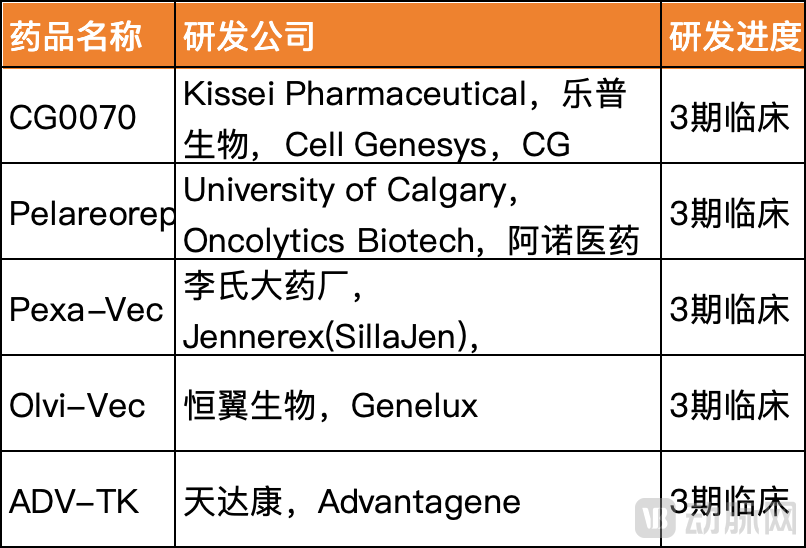
Self-developed oncolytic virus products are also advancing rapidly, with companies such as BINHUI BIOPHARM, Funuo Jian, ImmuneOnco, and Kangwanda serving as prominent examples. A common characteristic of these companies is that their founders have conducted many years of scientific research on herpesviruses and adenoviruses. Among them, BINHUI BIOPHARM’s BS001 has entered Phase III clinical trials in China for the treatment of melanoma.
This year, nearly 15 domestically developed oncolytic virus products have received new clinical trial approvals. These products feature a diverse range of viral vectors and include potential “first-in-class” innovative drugs with novel targets aimed at overcoming existing bottlenecks.
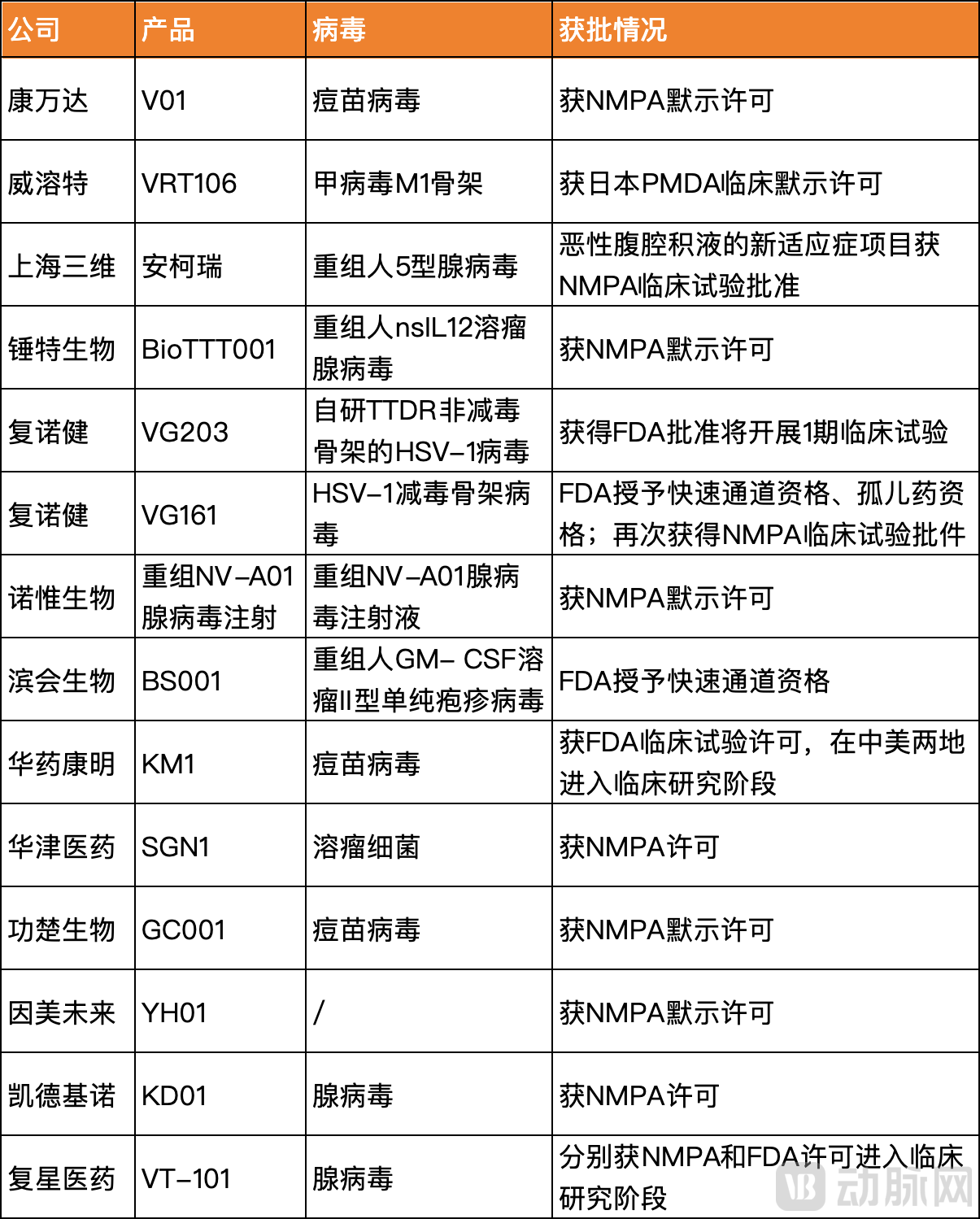
Notably, in June this year, VG161, an oncolytic virus product developed by Virogin Biotech for the treatment of advanced hepatocellular carcinoma, and BS001, developed by BINHUI BIOPHARM for the treatment of unresectable Stage III or IV melanoma that is resistant to or has progressed after anti-PD-1 monoclonal antibody therapy, were consecutively granted Fast Track designation by the FDA. This means that both companies will have more opportunities to communicate with the FDA during the subsequent development and review processes of their oncolytic virus drugs; they may also submit new drug research data to the FDA on a rolling basis when filing their New Drug Application (NDA) or Biologics License Application (BLA).
Subsequently, BINHUI BIOPHARM officially commenced A-share listing counseling in early August. A series of R&D or commercial advancements by oncolytic virus companies heralds that China’s oncolytic virus sector may be entering a new wave of heightened activity.
Combination Therapy “Undergoing Upgrade”
Oncolytic viruses are off-the-shelf therapeutic agents; the treatment formulations for specific cancer types do not exhibit personalized variations. Their safety profiles and mechanisms of action do not overlap with those of other therapies, so they are frequently considered for inclusion in combination regimens.
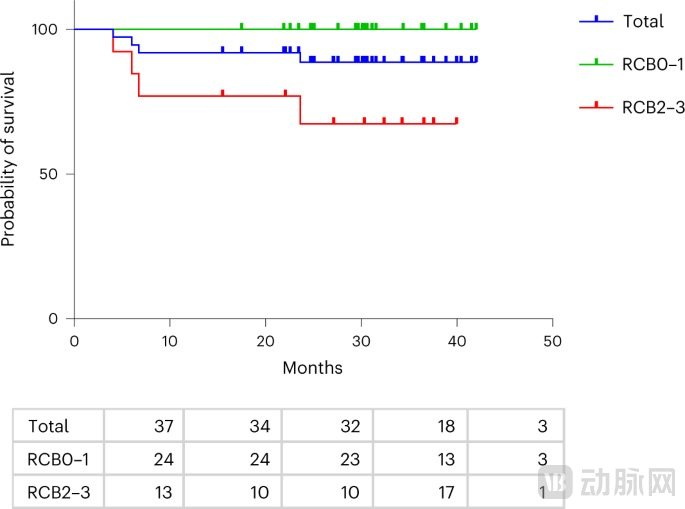
This year, the oncolytic virus T-VEC (Imlygic) in combination with the chemotherapy agents anthracyclines and paclitaxel demonstrated positive Phase 2 clinical results for its indicated indication, renewing market expectations for T-VEC: among 37 patients with triple-negative breast cancer who received preoperative T-VEC combined with standard chemotherapy, 89% remained recurrence-free within two years—a striking outcome—while safety profiles showed no significant difference compared to standard chemotherapy alone. This further underscores the robust immune activation within tumors and highlights the necessity of combining T-VEC with current chemo-immunotherapy regimens for the treatment of triple-negative breast cancer.
In addition to combination chemotherapy,In clinical studies of oncolytic viruses, more than half of the global research designs involve oncolytic viruses combined with immunosuppressants,However, achieving the ideal therapeutic efficacy of combination therapy is not easy. For instance, Oncorus, which filed for bankruptcy this year, went into decline after its core pipeline failed in combination trials with Keytruda.
T-VEC also initiated clinical trials in combination with Keytruda and achieved promising preliminary efficacy data; however, reports from the expanded sample study presented at the 2021 ESMO Congress indicated that the Phase III trial failed to meet its primary endpoint.
In 2019, the South Korean biotech company SillaJen also announced that its Phase 3 clinical trial of the oncolytic virus drug JX-594 in combination with the small-molecule drug sorafenib for the treatment of hepatocellular carcinoma was terminated early because an independent data review committee determined that the trial would not meet its clinical endpoints.
These combination therapies are theoretically very promising, but they lack a “systemic” concept. When PD-1 antibodies are used in combination with Imlygic, simultaneous administration may fail to achieve the “triple peak overlap” due to poor coordination among a series of anti-tumor immune mechanisms, including antigen-presenting cells and tumor-killing cells, thereby diminishing the combined therapeutic effect. When sorafenib is combined with oncolytic vaccinia virus therapy, it may, to some extent, disrupt the replication basis of the oncolytic vaccinia virus within tumor cells, preventing substantial viral proliferation and the release of holistic antigens, thus failing to ensure the “unobstructed triple pathways.”
Dr. Cai Jinlu, General Manager of Kangwanda, stated that the clinical trial designs of large pharmaceutical companies are meticulously considered, and their setbacks can provide valuable insights for future research to improve the likelihood of success.For example, TT3, the most representative core product of Kangwanda, is a guided oncolytic vaccinia virus that leverages bioinformatics big data to identify non-human-derived targets. It effectively labels tumor cells and, when combined with precision drugs or therapies (such as CAR-T and ADCs), achieves targeted killing of these labeled cells, thereby delivering a synergistic “inside-out” anti-tumor therapeutic effect.
Regarding the exploration of combination therapy design, Dr. Cai Jinlu summarized several key points:
1.) Select appropriate combination partners.For example, vaccinia virus demonstrates strong efficacy when combined with antibody-based or cell therapies, and adenovirus shows favorable outcomes when used in conjunction with radiotherapy.
2.) Optimize the administration sequence and dosing intervals.Oncolytic viruses should be administered first, with timing ensured to achieve synergistic effects.
3.) Match the dosage.Fully explore the optimal dosages for monotherapy and combination therapy, which cannot be simply additive.
4) Dynamic Adjustment Plan.Track data and evaluate efficacy during the trial, and optimize the dosing regimen design as needed.
Some companies are also exploring novel combination therapies. For instance, Funuo Jian proposes combining oncolytic viruses with mRNA vaccines, leveraging the mRNA vaccines to establish systemic peripheral anti-tumor immunity while using oncolytic viruses to break down intratumoral immunosuppression and improve the tumor microenvironment. This approach not only enhances the efficacy of mRNA vaccine-induced anti-tumor immune activity within the tumor but also exposes more tumor antigens through tumor cell lysis, thereby strengthening the overall anti-tumor immune response. Currently, Funuo Jian has developed multiple mRNA cancer vaccines.
Awaiting the DS-8201 of the oncolytic virus field?
Combination therapies hold immense research and application potential, but the field still awaits a “blockbuster” breakthrough. Industry experts have stated, “Exploring multi-channel combinations of oncolytic viruses with immunotherapy is a critical area of focus. Factors such as the sequence of administration and dosage regimens significantly impact the efficacy of oncolytic viruses, necessitating extensive preclinical and clinical studies for validation.”Certainly, the first step is for oncolytic viruses to demonstrate efficacy as monotherapy.”
The trajectory of oncolytic viruses may bear similarities to that of earlier antibody-drug conjugates (ADCs). Mylotarg, the first ADC approved globally, was indicated for the treatment of acute myeloid leukemia but was withdrawn from the market in 2010 due to severe hepatotoxicity and a lack of significant survival benefit. Subsequently, many other ADC candidates also failed, plunging the field into a prolonged period of stagnation.
Daiichi Sankyo’s DS-8201 emerged as a game-changer, completely revolutionizing the antibody-drug conjugate (ADC) field. However, prior to its debut with striking results, the drug underwent extensive refinement. Substantial research and experimentation were conducted on its toxin, conjugation method, linker, drug-to-antibody ratio (DAR), and bystander effect modules, thereby challenging many established paradigms in the ADC domain.
For instance, Daiichi Sankyo posits that toxin molecules do not necessarily require picomolar (pM) levels of potency; instead, efficacy can be compensated for by conjugating multiple toxin molecules to a single monoclonal antibody and leveraging the bystander effect. This approach allows for the selection of small-molecule toxins with nanomolar (nM) potency, thereby eliminating the arduous search for highly potent small-molecule toxins. This innovation has paved the way for subsequent advancements in the antibody-drug conjugate (ADC) field.
The field of oncolytic viruses once experienced a period of prominence. Following the FDA’s approval of the first oncolytic virus therapy in 2015, major multinational corporations (MNCs) began to compete for strategic positioning in this sector: in 2016, Bristol Myers Squibb (BMS) acquired global commercial rights to NG-348, developed by Psioxus Therapeutics, for $936 million; in February 2018, Merck & Co. acquired Viralytics for $394 million; and in May 2018, Johnson & Johnson acquired BeneVir Biopharm for $1.04 billion.
As several years have passed without any groundbreaking new research findings, and with the lackluster sales performance of the marketed product Imlygic, multinational corporations (MNCs) have gradually shifted their focus away from the oncolytic virus field.
Compared with ADCs, oncolytic viruses are obviously more complex, but the lack of outstanding monotherapies is not an insurmountable challenge in the field of oncolytic viruses.
“Approval of a monotherapy does not necessarily require groundbreaking results; it can also address the clinical needs of a subset of patients. The initially approved indications for a monotherapy can serve as the foundation for subsequent exploration of innovative combination regimens. Even PD-1 antibodies started with narrow indications when they first received approval,” stated Dr. Cai Jinlu. “One emerging trend is the use of digital tools, such as immunogenomics and genomics, to design personalized treatment plans. By selecting patient populations with high sensitivity to specific oncolytic viruses, the precision and efficacy of oncolytic virus therapy can be significantly enhanced.”
Given the intense R&D activity in oncolytic viruses within China, Chinese companies are well-positioned to gain a first-mover advantage in this field. Furthermore, China’s regulatory framework is globally leading: while the U.S. FDA has yet to issue specific guidelines for oncolytic viruses, the Center for Drug Evaluation (CDE) has taken the initiative. In February 2021, to guide and standardize the design of clinical trials for oncolytic virus therapeutics, the CDE promulgated the Guiding Principles for the Design of Clinical Trials of Oncolytic Virus Therapeutics (Trial). This February, to regulate and guide the pharmaceutical development, manufacturing, and registration of oncolytic virus products, the CDE issued the Technical Guiding Principles for Pharmaceutical Research and Evaluation of Oncolytic Virus Products (Trial).
Furthermore, domestic gene engineering technology serves as a crucial foundation for the development of the oncolytic virus field. For instance, Obio Technology, the first CGT CDMO listed on the STAR Market, specializes in oncolytic viruses and gene therapy vectors. Its large-scale oncolytic virus production technology is industry-leading, and it employs novel assay technologies to monitor and control risks that were previously undetectable.
“The development of oncolytic viruses indeed experienced a prolonged period of silence, but in recent years, G47Δ was approved for marketing in Japan, the company’s stock surged upon the release of Phase I clinical results for RP1, and CG0070 also reported robust interim data from its Phase III trial. Growing evidence is demonstrating the superiority of oncolytic viruses,” stated Dr. Liu Binlei, founder of BINHUI BIOPHARM, in a previous interview.
Industry observers believe that, with continuous innovations and breakthroughs by companies in the field—particularly in oncolytic virus combination therapies and intravenous administration—it is not entirely unlikely that the next “blockbuster” oncolytic virus therapy will emerge. However, in this frontier area, exploration and failure are inherently intertwined. Novel drug research that holds scientific value and offers inspirational insights deserves respect, rather than being “kept at a distance” due to its innovativeness in the current environment.