

XinHong Electronics: Overcoming 'Bottleneck' Technologies with Multi-Focus X-ray Sources for High-End Medical Devices
This November, U.S. astronomers observed the most distant black hole discovered to date via X-ray observations. The veil surrounding the universe’s most mysterious celestial objects is being steadily lifted. X-rays have not only propelled human exploration into the unknown but also continue to drive societal progress through advances in imaging technology.
X-rays have the earliest and most extensive applications in the healthcare industry. Prior to 1895, physicians relied on anatomical dissection to understand internal pathological changes in patients. The discovery of X-rays provided doctors with a disruptive new diagnostic and therapeutic “tool”—the ability to visualize bones through imaging. With an X-ray source as the core of its imaging system, this tool not only determines the performance quality of the equipment but also plays a crucial role in advancing the level of medical diagnosis.
Over the past two decades, X-ray source technology has continuously revitalized, driven by advances in new materials, technologies, and processes. As a pioneer in carbon nanotube “cold cathode” technology, China’s NuRay Technology Co., Ltd. has achieved innovation from core components to imaging systems, taken the lead in industrialization, and possesses all core technologies and complete intellectual property rights.
What is “cold cathode” X-ray source technology? Compared with traditional X-ray sources, what are its advantages? And why has NuRay Technology Co., Ltd. successfully achieved technological translation and industrialization, taking a leading position?
Tang Huaping, Chief Engineer of NuRay Technology Co., Ltd., stated, “Cathode materials and operating modes play a pivotal role in the performance of X-ray sources. The ‘cold cathode’ technology, based on the principle of field-emission free electrons from carbon nanotubes, replaces the ‘hot cathode’ and represents a major innovation in the century-long development of X-ray source technology. It endows X-ray sources with advantages such as no preheating requirement, instantaneous emission, high efficiency, low power consumption, miniaturization, and ease of integration.”
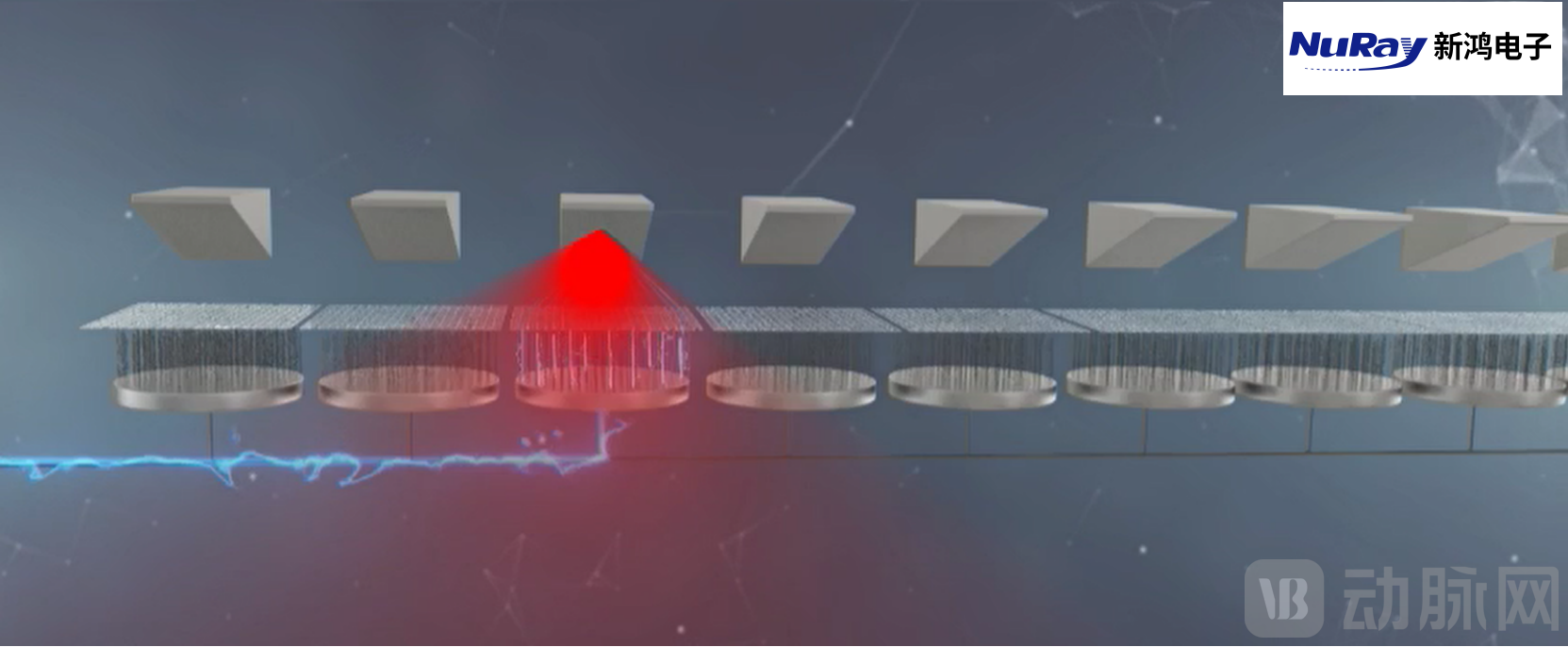
Figure 1. Schematic illustration of the working principle of a carbon nanotube cold-cathode distributed X-ray source
Founded in 2015, NuRay Technology Co., Ltd. leveraged the then-leading theoretical framework of carbon nanotube “cold cathode” technology. Through nearly a decade of sustained research, development, and refinement, the company has established three core technologies centered on innovative X-ray sources: “High-Emissivity Carbon Nanotubes,” “High-Current Cold Cathodes,” and “Distributed Multi-Focal Points.”
Currently, NuRay Technology Co., Ltd. has developed X-ray sources in various specifications based on the aforementioned core technologies. The cathode can be miniaturized to the micron scale, facilitating easy integration and meeting the requirements of diverse application scenarios. Additionally, customized design and development services are available to cater to specific customer needs.
In terms of product advantages, NuRay Technology’s high-emissivity carbon nanotubes exhibit an extremely fast electron emission response speed, achieving microsecond-level precision in pulse control to meet the requirements for rapid switching of X-ray beams. Meanwhile, the company has overcome structural design and process challenges associated with cathode assemblies and has achieved stable mass production.
“We typically refer to the point where electrons emitted from the cathode are focused on the target as the focal spot; the greater the number of focal spots distributed within the X-ray source, the richer the information obtained regarding the object’s orientation and structural details.”Jin Xin, General Manager of NuRay Technology Co., Ltd., vividly compared the company’s “distributed multi-focus” technology with traditional hot-cathode X-ray tube technology to “LED light strips versus incandescent lamps.” He noted, “LED light strips are not only more energy-efficient, but also offer a wider range of application scenarios due to the large number of distributed LED beads.”
It is reported that NuRay Technology Co., Ltd. is the only company globally capable of stable mass production of “cold cathode” distributed X-ray sources. Its product portfolio, designed for medical imaging, security screening, and industrial non-destructive testing, can achieve high-density arrangement of hundreds of focal spots within a single vacuum chamber. Each focal spot can operate independently and switch rapidly under software control. This innovative imaging paradigm transforms the generation and utilization of X-rays, enabling rapid multi-angle imaging of target objects and overcoming the speed bottleneck associated with mechanical movement of traditional X-ray sources in 3D imaging.
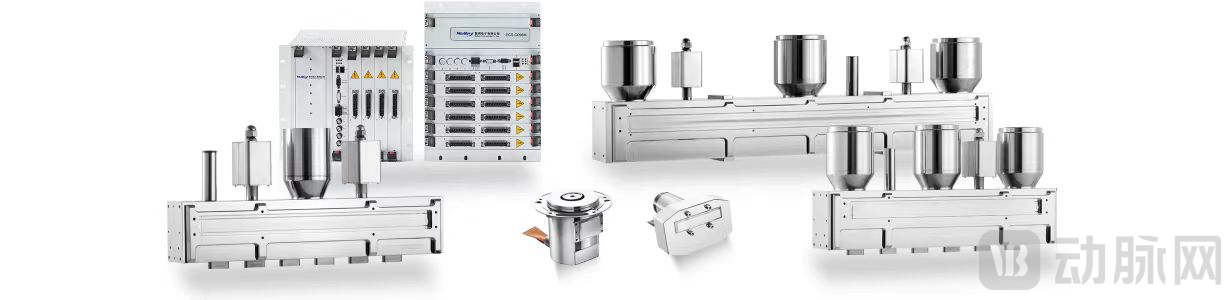
Figure 2. NuRay Technology’s X-ray Source Products for Security Screening, Medical, and Industrial Applications
Leveraging a series of proprietary core technologies, NuRay Technology’s X-ray source products offer advantages such as low energy consumption, transient response, dense array configuration, and long service life. These innovations directly address the theoretical limitations of thermionic cathode imaging technology at its source, fundamentally enhancing the 3D imaging performance of X-ray imaging systems.
Leveraging the technological advantages of its “cold cathode” distributed X-ray source, NuRay Technology Co., Ltd. has provided more advanced rapid imaging solutions for multiple fields.In the medical sector, the company’s innovative low-dose intraoral 3D imaging technology, developed in collaboration with a North American partner, facilitated FDA approval and market launch of the related system in the United States in 2021. Reports indicate that the product has achieved large-scale sales across the U.S. within just over a year.
When asked why the company chose to enter the high-barrier U.S. market first, Jin Xin mentioned,"The United States is currently the world's largest dental imaging market, where consumers have a more mature awareness of oral health and exhibit a more urgent demand for high-performance new equipment."
Intraoral X-ray Imaging (Commonly Known as Dental Radiography) is currently one of the most widely used examination methods in clinical dentistry. However, existing dental radiography units employ fluoroscopic imaging technology, which presents issues such as structural superimposition, a high risk of misdiagnosis and missed diagnosis, frequent imaging failures, and the need for repeated exposures.
NuRay Technology’s low-dose intraoral 3D imaging system is designed to address the aforementioned pain points. It enables ultra-fast scanning of dental tissues from multiple angles while maintaining equivalent image resolution and comparable radiation dose levels, thereby achieving static 3D imaging without any mechanical movement. Compared with existing dental X-ray units, this new “3D” dental imaging system delivers richer three-dimensional detail, providing a clearer and more comprehensive visualization of patients’ oral conditions. It facilitates better identification of subtle dental pathologies, such as occlusal and proximal caries, root fractures, surface injuries and cracks, and anomalous small root canals. This empowers clinicians to make more precise, efficient, and safe diagnoses, significantly improving the accuracy of disease diagnosis and treatment.
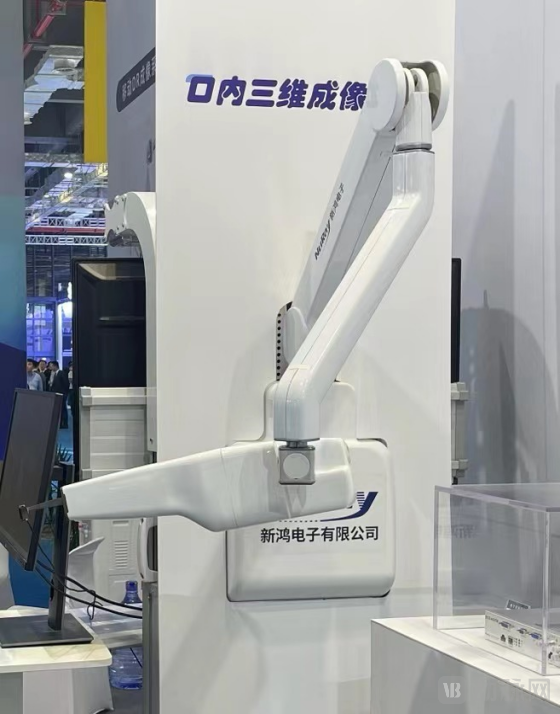
Figure 3 NuRay Technology’s “Low-Dose 3D Oral Imaging System”
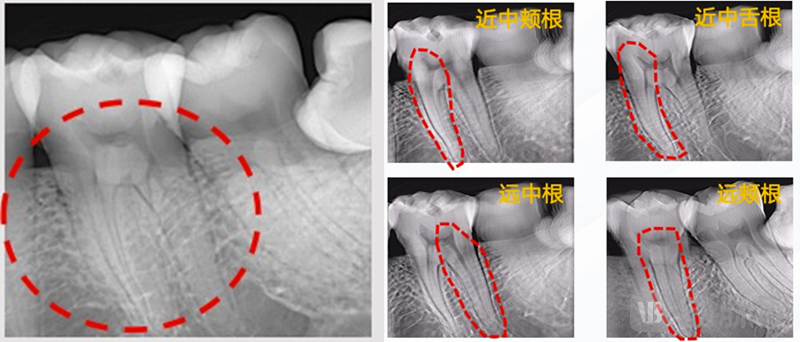
Figure 4. Comparison between traditional dental X-ray 2D imaging (left) and NuRay Technology’s low-dose intraoral 3D imaging system (right)
In August 2023, NuRay Technology’s low-dose intraoral 3D imaging system stood out among 1,188 entries at the 2nd CNNC Science and Technology Innovation Competition, winning the First Prize.
As living standards rise among Chinese residents, awareness of oral health continues to grow. Jin Xin also stated that the company is simultaneously advancing the promotion and implementation of its intraoral 3D imaging system in China, enabling patients with oral diseases to benefit sooner from the conveniences offered by this new technology in diagnosis and treatment.
In addition, NuRay Technology Co., Ltd. has also centered its efforts on carbon nanotube “cold cathode” distributed X-ray source technology,Simultaneous development of multiple products, with independent intellectual property rights for all core technologies, such as mobile 3D imaging systems, breast imaging systems, DR imaging systems, and head 3D imaging systems.Empowering the rapid development of the global healthcare industry with next-generation, high-performance, and cost-effective imaging technologies and products.
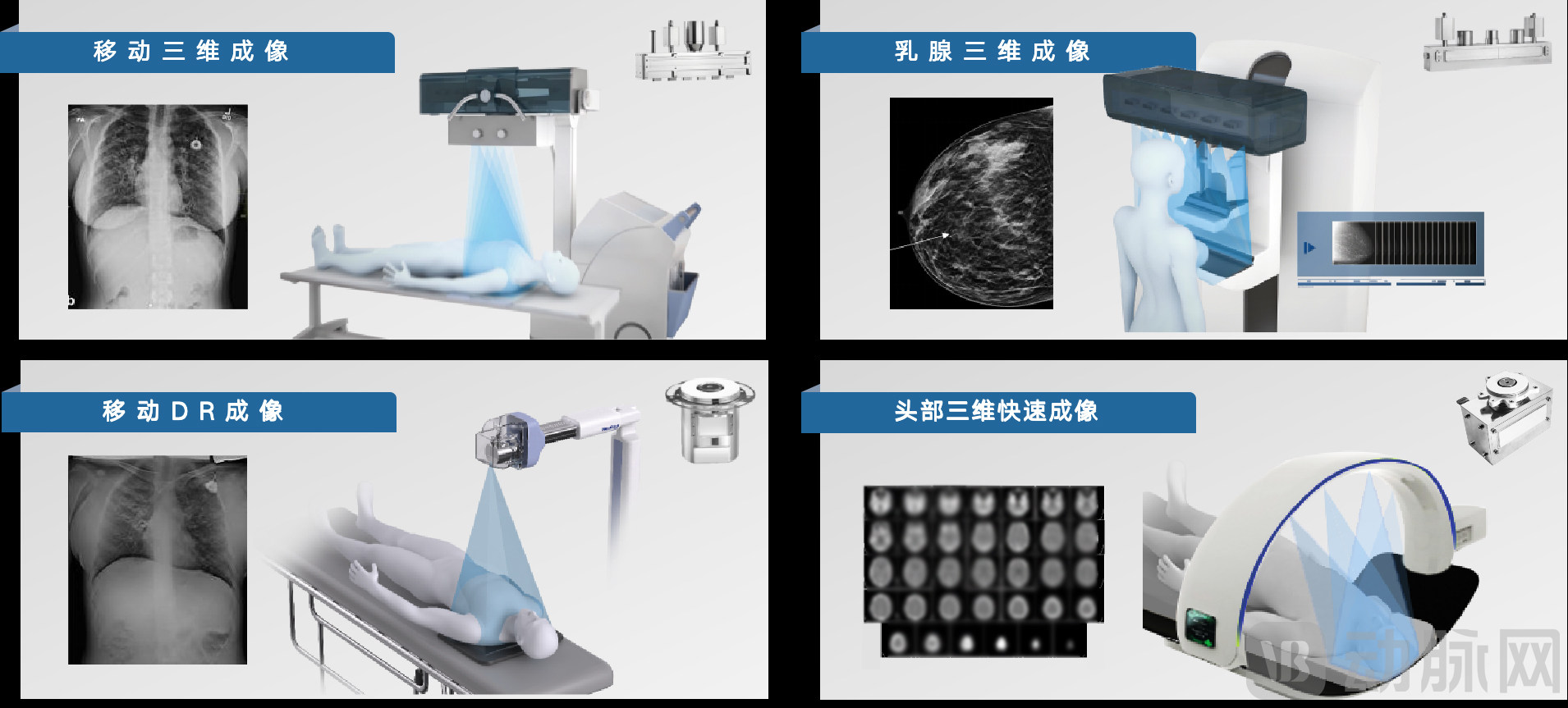
Figure5 Static 3D Fast Imaging Series Products
Looking back on the eight years of continuous dedication to the field of next-generation X-ray source technology, NuRay Technology has progressed from “0” to “1,” forging an innovative path from laboratory achievements to industrialization. The medical X-ray radiation imaging sector in China faces numerous intellectual property barriers, with core patents for key components—such as X-ray sources, detectors, and slip rings—long monopolized by European and American companies.In terms of intellectual property advantages, NuRay Technology Co., Ltd. holds a complete portfolio of core patents in the field of carbon nanotube “cold cathode” distributed X-ray source technology, has established a comprehensive intellectual property protection system, and has achieved a series of original results. In 2021, an evaluation panel composed of multiple academicians and experts conducted a scientific and technological achievement evaluation of NuRay Technology’s project titled “Research on Key Technologies and Commercialization of Carbon Nanotube Cold Cathode Multi-Focus X-Ray Sources.” The expert panel unanimously concluded that the overall technology of the project had reached an “internationally leading” level.

Figure 6. NuRay Technology Changzhou Headquarters
Currently, in addition to its corporate headquarters in Changzhou, Jiangsu, NuRay Technology Co., Ltd. operates dual R&D centers in Beijing and Changzhou, working in concert to advance the research, development, and commercialization of innovative technologies. Furthermore, NuRay Technology is continuously refining and improving its manufacturing processes, while managing and controlling every link in the supply chain in accordance with quality management system requirements across various industries, thereby ensuring the stability and reliability of its next-generation X-ray sources during mass production.
Recently, the National Natural Science Foundation of China’s “Major Research Instrument Development Project” jointly applied for by NuRay Technology Co., Ltd. and leading domestic universities, hospitals, and other industry-academia-research institutions was approved for establishment.NuRay Technology’s independently developed “cold” cathode distributed X-ray source technology provides core component support for the R&D of ultra-fast, high-definition medical X-ray imaging equipment. This equipment is expected to fill the gap in China and even globally in the field of novel ultra-fast 3D medical X-ray imaging instruments.
Jin Xin stated at the end of the interview, “Currently, China’s high-end medical device industry is in a critical phase of ramping up.”“As a technology-driven company, NuRay Technology Co., Ltd. will leverage its ‘cold cathode’ X-ray source as the core engine to continuously innovate, providing patients with more precise and higher-quality diagnostic and therapeutic instruments, injecting new momentum into industry development, and striving to contribute to the global expansion of China’s high-end medical device sector.”