

2023 Clinical Biobank Innovation and Development Forum Successfully Concludes in Beijing
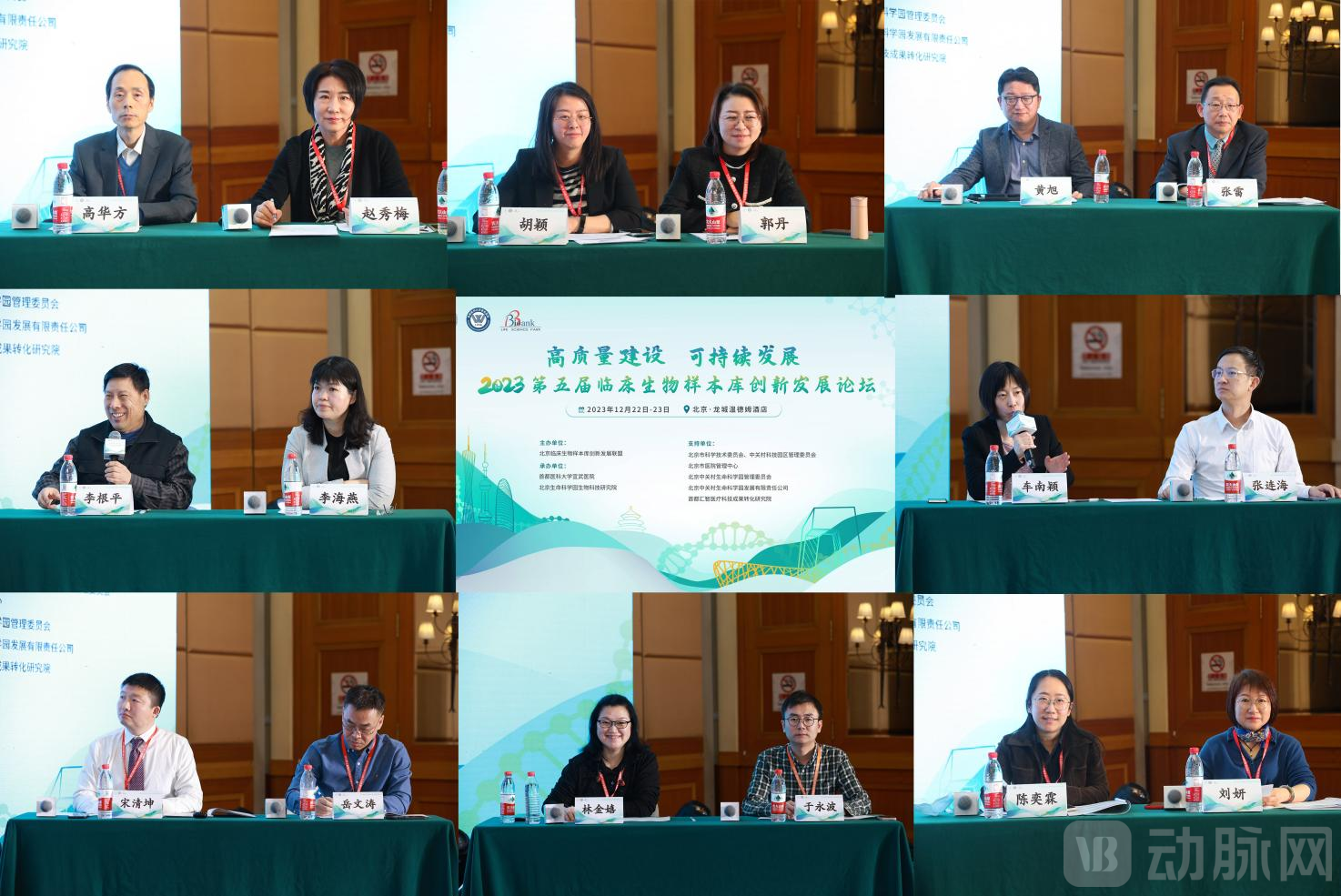
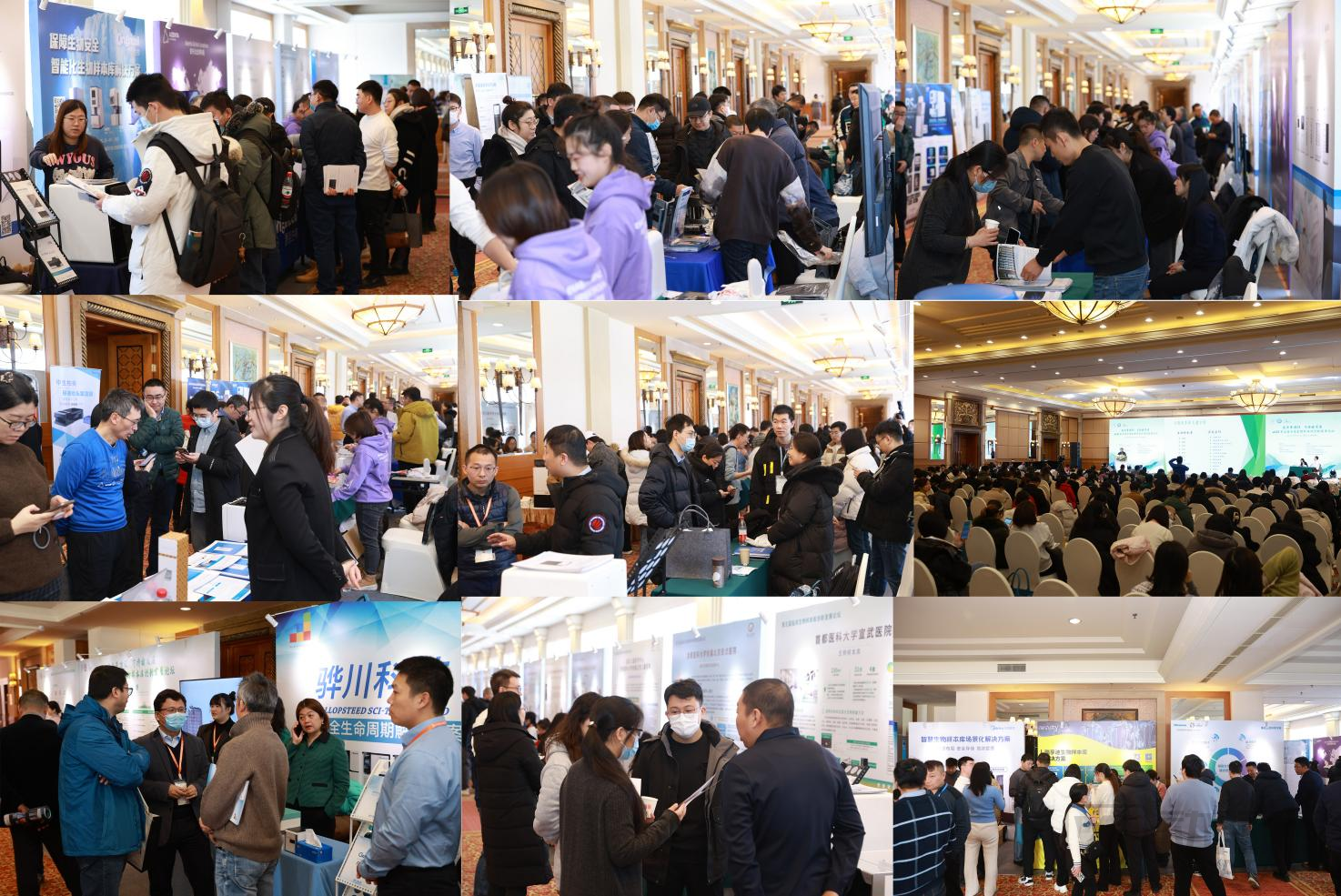
From December 22 to 23, the 2023 Forum on Innovative Development of Clinical Biobanks, hosted by the Beijing Alliance for Innovative Development of Clinical Biobanks and co-organized by Xuanwu Hospital of Capital Medical University and the Beijing Life Science Park Institute of Biotechnology (hereinafter referred to as the Beijing Biological Sample Resource Bank), was successfully held in Beijing.Themed “High-Quality Development and Sustainable Growth,” the conference brought together more than 500 biobanking experts and professionals from 155 medical institutions, research institutes, and biopharmaceutical R&D enterprises across China. The event covered multiple hot topics in the field, including regulations, policies, standards and accreditation, key technologies for specimen preservation, and emerging models of biobanking. Over 40 experts and scholars delivered specialized presentations.

The conference invited eleven hospitals and institutions, including Peking University People’s Hospital, Peking University Cancer Hospital, Xuanwu Hospital of Capital Medical University, Beijing Tiantan Hospital Affiliated to Capital Medical University, Beijing Anzhen Hospital Affiliated to Capital Medical University, Beijing Anding Hospital Affiliated to Capital Medical University, Beijing Children’s Hospital Affiliated to Capital Medical University, Beijing Chest Hospital Affiliated to Capital Medical University, Beijing Jishuitan Hospital Affiliated to Capital Medical University, Beijing Stomatological Hospital Affiliated to Capital Medical University, and Plastic Surgery Hospital of Chinese Academy of Medical Sciences, to showcase their biobank resources. The event also received strong support from more than ten industry-related enterprises.
Pan Suyan, Party Secretary and Director of the Beijing Hospitals Management Center; Liu Hui, Member of the Party Leadership Group and Deputy Director of the Beijing Municipal Science & Technology Commission and the Zhongguancun Administrative Committee; Cao Wei, Deputy District Mayor of Changping District, Beijing; Gao Jianfeng, Deputy District Mayor of Changping District, Beijing; Zhang Hongjia, President of Beijing Anzhen Hospital, Capital Medical University; Hao Junwei, Vice President of Xuanwu Hospital, Capital Medical University; and other relevant leaders attended the opening ceremony.
The forum was moderated by Cai Yanning, Director of the Biobank at Xuanwu Hospital, Capital Medical University. Addresses were delivered by Pan Suyan, Party Secretary and Director of the Beijing Hospitals Management Center; Liu Hui, Party Group Member and Deputy Director of the Beijing Municipal Science & Technology Commission and Zhongguancun Administrative Committee; Gao Jianfeng, Deputy District Mayor of Changping District, Beijing; and Hao Junwei, Vice President of Xuanwu Hospital, Capital Medical University.
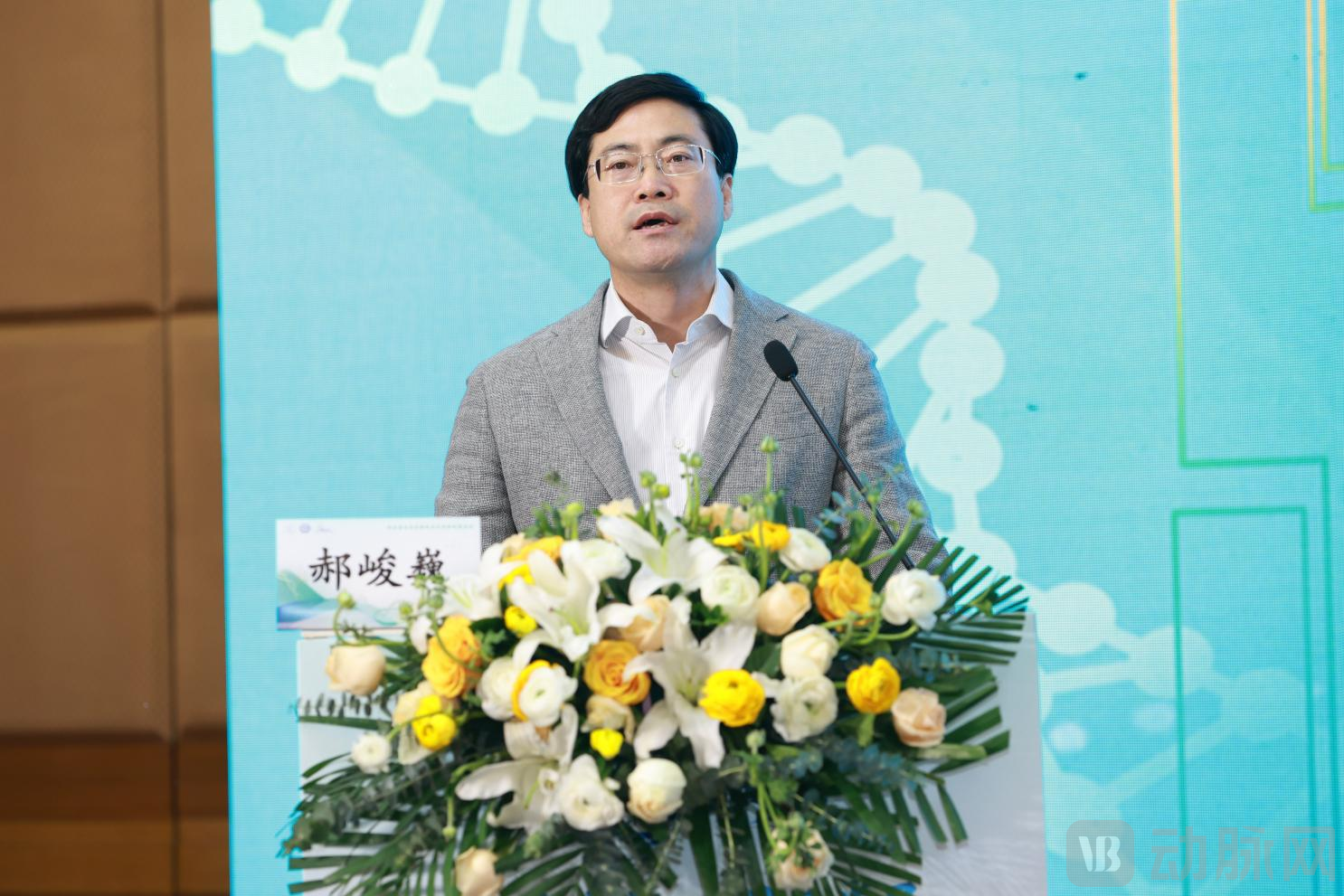
Vice President Hao Junwei pointed out that clinical biobanks play a pivotal role in the development of biomedicine, supporting early warning and diagnosis of diseases, mechanistic research, new drug development, and personalized medicine. After 15 years of development, biobank construction has become increasingly sophisticated, accumulating abundant sample resources and extensive experience in management and infrastructure development. These efforts have supported the implementation of major national projects and yielded results with international impact. Over the next five years, digitalization, informatization, and intelligent technologies will be key to the innovative development of biobanks, promoting open access and resource sharing, and fostering collaborative networks across multiple disciplines, centers, and industry-academia-research partnerships. Xuanwu Hospital of Capital Medical University is committed to advancing biobank construction and enhancement, having established several large-scale, multi-center longitudinal study cohorts and their associated biobanks. The hospital aims to share these research achievements with colleagues across various sectors to jointly promote medical progress and social development. He stated that this forum serves as a platform for academic exchange and industry-academia-research collaboration, expressing anticipation for increased future cooperation.
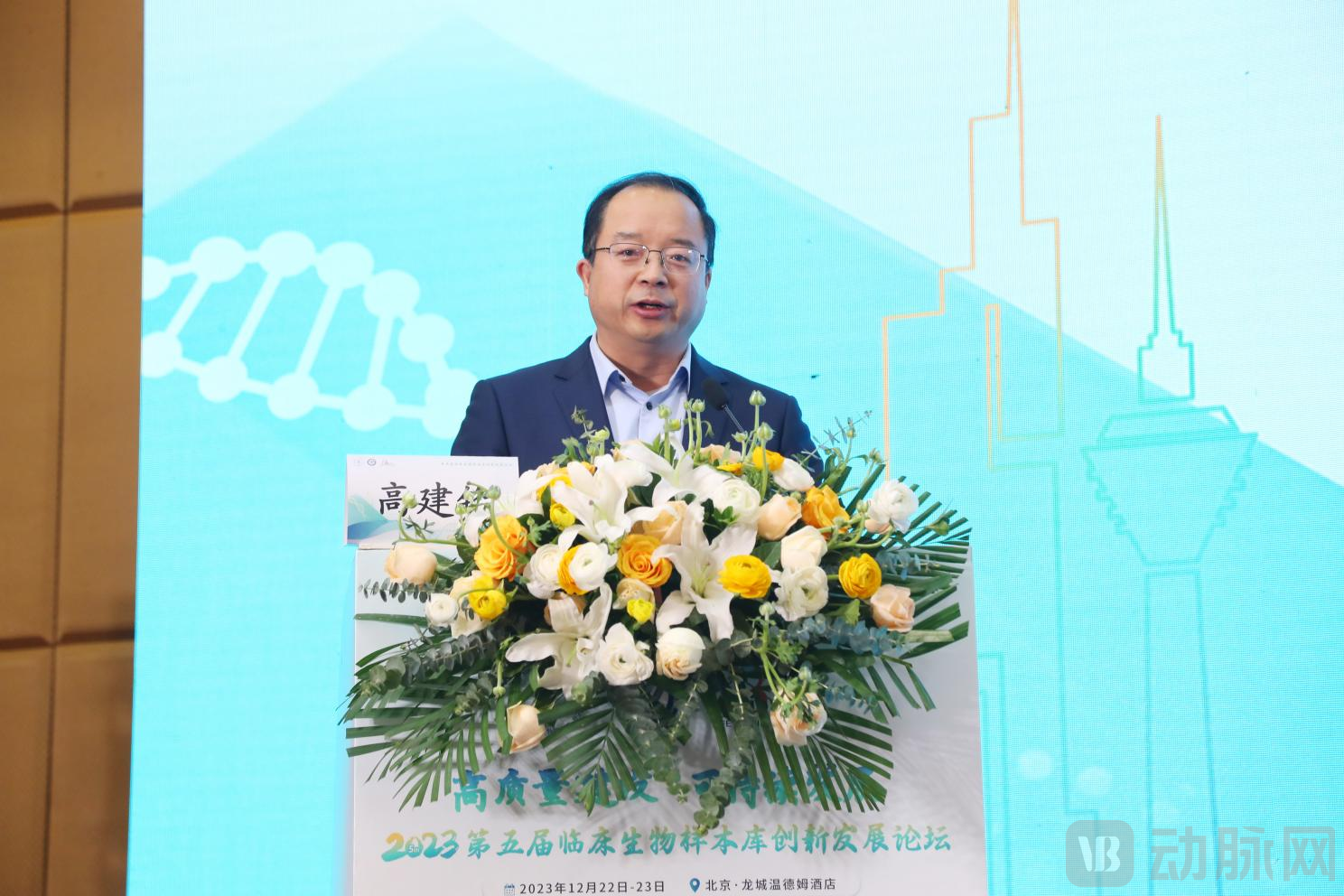
Deputy District Mayor Gao Jianfeng stated that this forum has brought together experts and scholars from hospitals, research institutions, and the industry to jointly discuss developments in key areas such as new drug R&D, translational medicine, and biobank construction. The Changping District Government extended a warm welcome to the attendees and emphasized Changping’s pivotal role in the innovative development of the pharmaceutical and health industries. Boasting top-tier research institutions and a large pool of high-caliber talent, Changping has produced a number of original achievements with global influence. In recent years, Changping has seized opportunities by implementing an action plan to double the scale of its pharmaceutical and health industries, aiming to build a hub for pharmaceutical and health enterprises with global competitiveness. Furthermore, Changping has made significant progress in the management of human genetic resources, taking a national lead in personnel management and institutional innovation. This forum will further promote the safe, compliant, and trustworthy sharing of human genetic resources, fostering collaborative innovation among medical institutions, research entities, and enterprises. It is hoped that this event will attract more researchers, clinical experts, and entrepreneurs to Changping, becoming partners in the development of a supercharged pharmaceutical and health industry ecosystem. The Changping District Government will continue to strive to create an optimal ecological environment and provide robust support for industrial development.
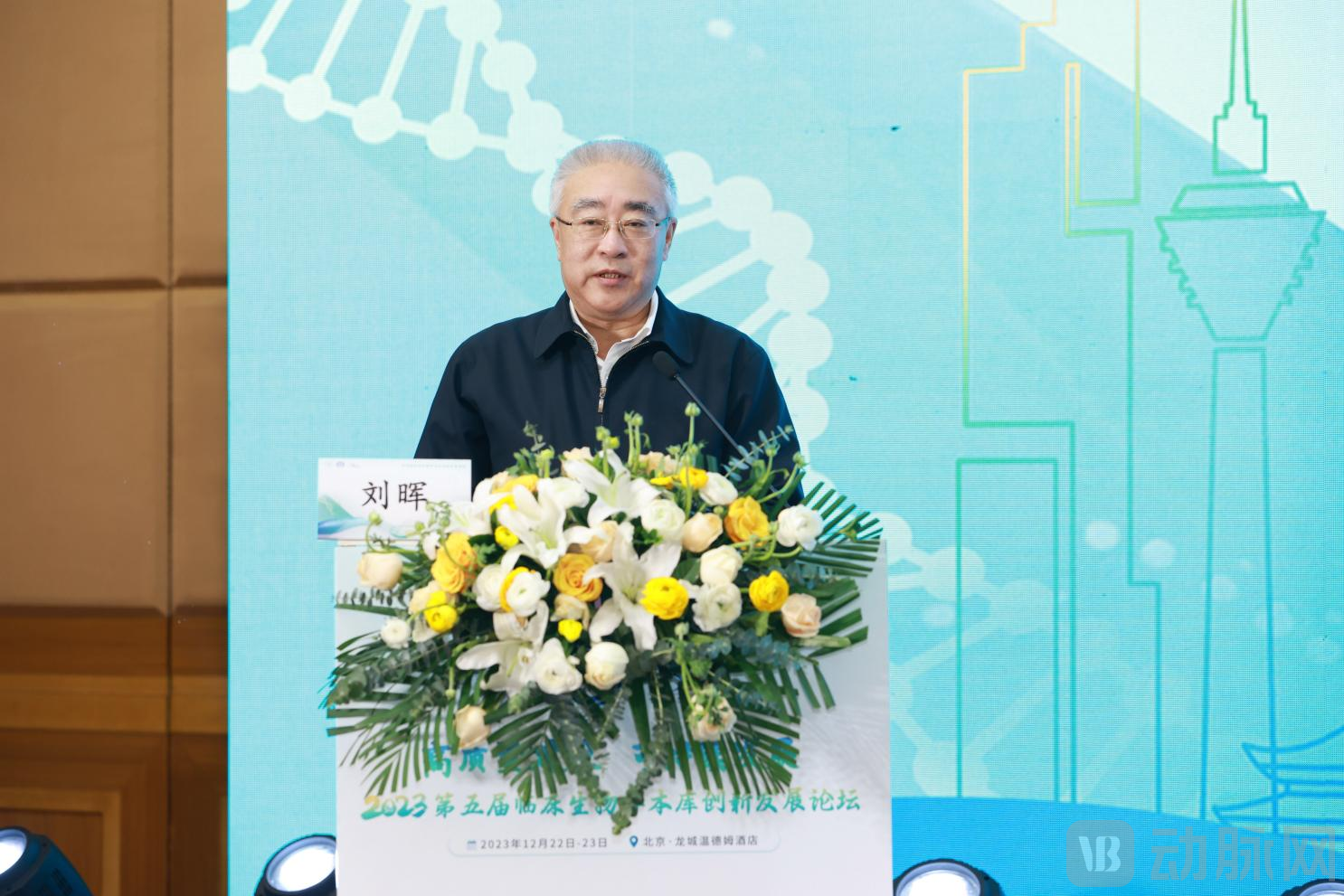
Deputy Director Liu Hui stated that biotechnology-driven growth in the pharmaceutical and health industries is currently experiencing explosive expansion. Leveraging its strengths in original innovation, Beijing has propelled the pharmaceutical and health sector to become one of the twin engines of innovative development. Clinical biological data and samples constitute vital strategic resources for industrial innovation. Beijing took the lead in establishing a resource bank for clinical data and samples related to major diseases, emerging as a large-scale, regional, multi-disease clinical sample resource platform led by local government. This platform has supported participating research institutions in securing approvals for multiple national centers and projects, as well as in formulating industry standards and guidelines. After more than a decade of development, the biobank has entered a new phase. Its sample service platform has obtained national licensing and CNAS accreditation. This forum will conduct in-depth discussions on the development of biobanks and resource sharing in the new era. Finally, Deputy Director Liu Hui put forward two hopes: first, that more outstanding hospitals will fully share their biobank resources and information on this platform to promote better resource utilization and the development of the bioindustry; second, that third-party platforms will explore new mechanisms for sustainable development in China, mobilizing various stakeholders to play a greater role.
Secretary Pan Suyan first extended congratulations from the Beijing Hospitals Authority on the holding of the forum, emphasizing the importance of life sciences and biotechnology in the scientific field, and particularly highlighting Beijing’s pivotal role as an international center for scientific and technological innovation. Furthermore, she mentioned Beijing’s pioneering efforts and development in biobanking, as well as its endeavors in medical technological innovation and translation, including biobank construction, collaboration with big data centers, and strategies for better utilization of sample resources in the future. Finally, she pointed out that the forum aims to explore the effective utilization and translation of clinical sample resources, thereby supporting the development of the healthcare industry and contributing to the establishment of Beijing as an international center for scientific and technological innovation.
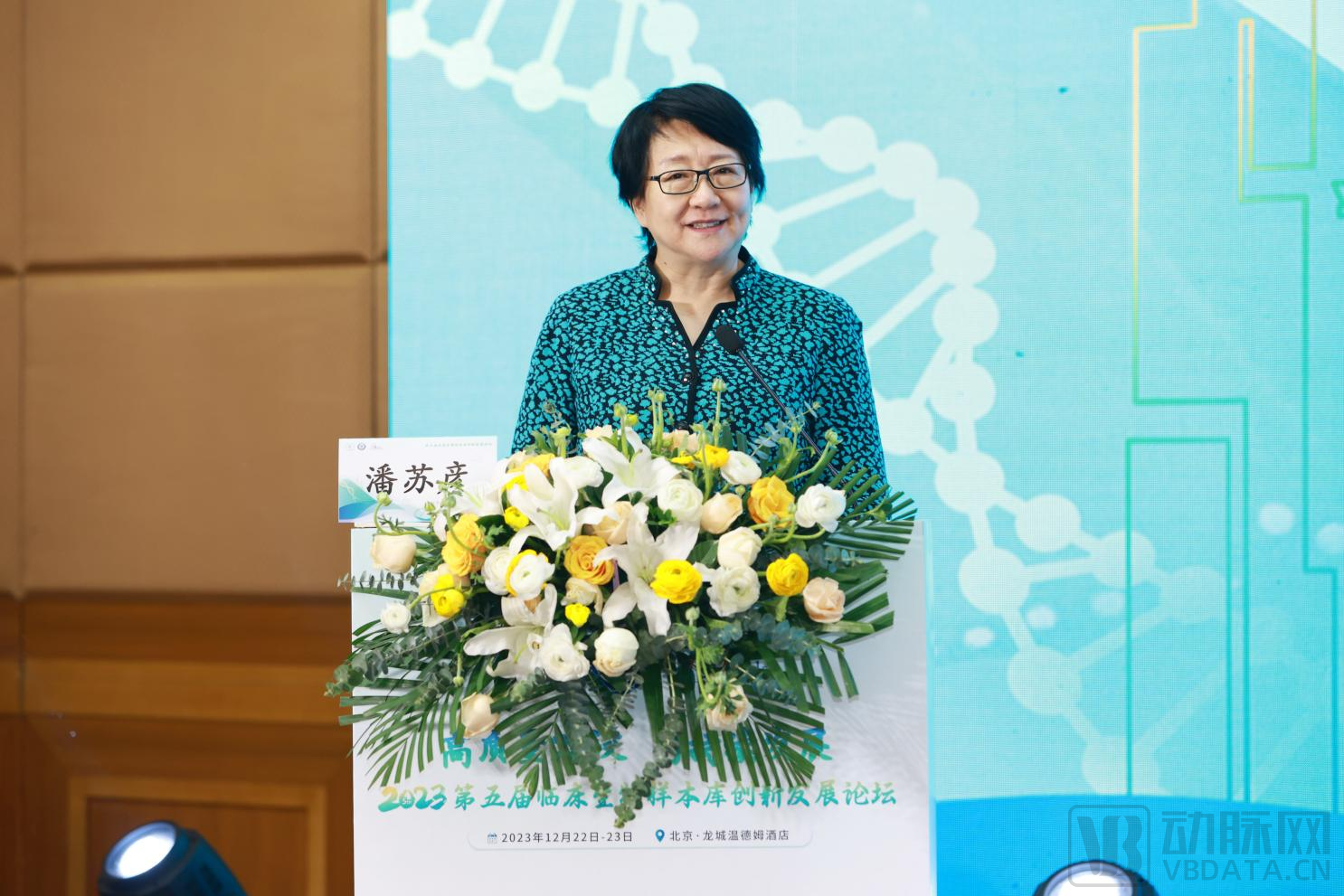
During the opening ceremony, the Beijing Institute of Biotechnology at the Beijing Life Science Park and China Telecom Beijing Branch jointly launched the Clinical Biological Sample Big Data Center. In the future, both parties will collaboratively advance the development and translational utilization of biobanks, facilitating their evolution from physical repositories (“wet banks”) to digital databases (“dry banks”). This initiative aims to enhance the integration, storage, utilization, and sharing of biological sample data, thereby fostering innovative development in the biomedical and health sectors.Zhang Lei, General Manager of the Beijing Institute of Biotechnology at the Beijing Life Science Park, stated during the launch that the Clinical Biological Sample Big Data Center is not merely a data storage and processing hub, but also a vital component of the healthcare data ecosystem. This initiative will promote the integration of technologies such as computing power, artificial intelligence, and privacy-preserving computation, driving the construction of high-quality biological sample resources and their digital sharing. It will provide a solid foundational support for the translational research in clinical medicine and the technological innovation and development of the biomedical industry.
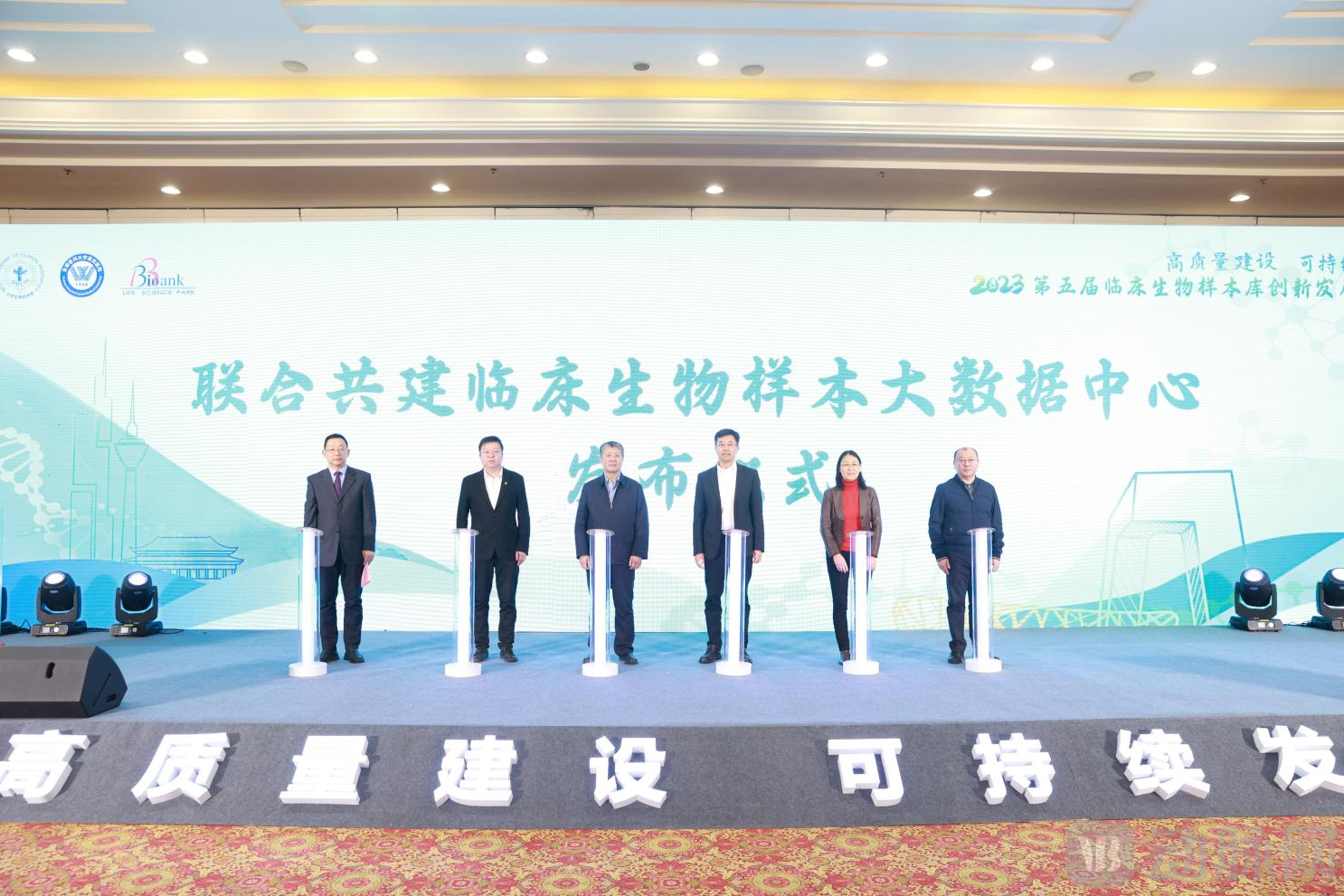
During the conference report session, Director Wang Xi of the Beijing Municipal Human Genetic Resources Management Office delivered a presentation titled “Practice of Human Genetic Resources Management in Beijing.” Director Wang primarily introduced the progress and achievements made by Beijing in the management and supervision of human genetic resources. Through routine supervisory inspections and assistance in investigating projects suspected of non-compliance, certain issues were identified. Accordingly, recommendations were proposed, including strengthening training for researchers, enhancing management of project implementation processes, improving oversight of investigator-initiated studies, and reinforcing continuing ethical review. Furthermore, the presentation outlined changes following the implementation of the Regulations on the Management of Human Genetic Resources, such as further clarifying the responsibilities of central and local authorities in human genetic resources management, promoting an integrated supervision and management mechanism, and deepening reforms to streamline administration, delegate power, and improve services. Finally, Director Wang called for continued guidance and valuable feedback from all stakeholders to jointly promote compliant and orderly conduct of human genetic resource activities in the Beijing region.
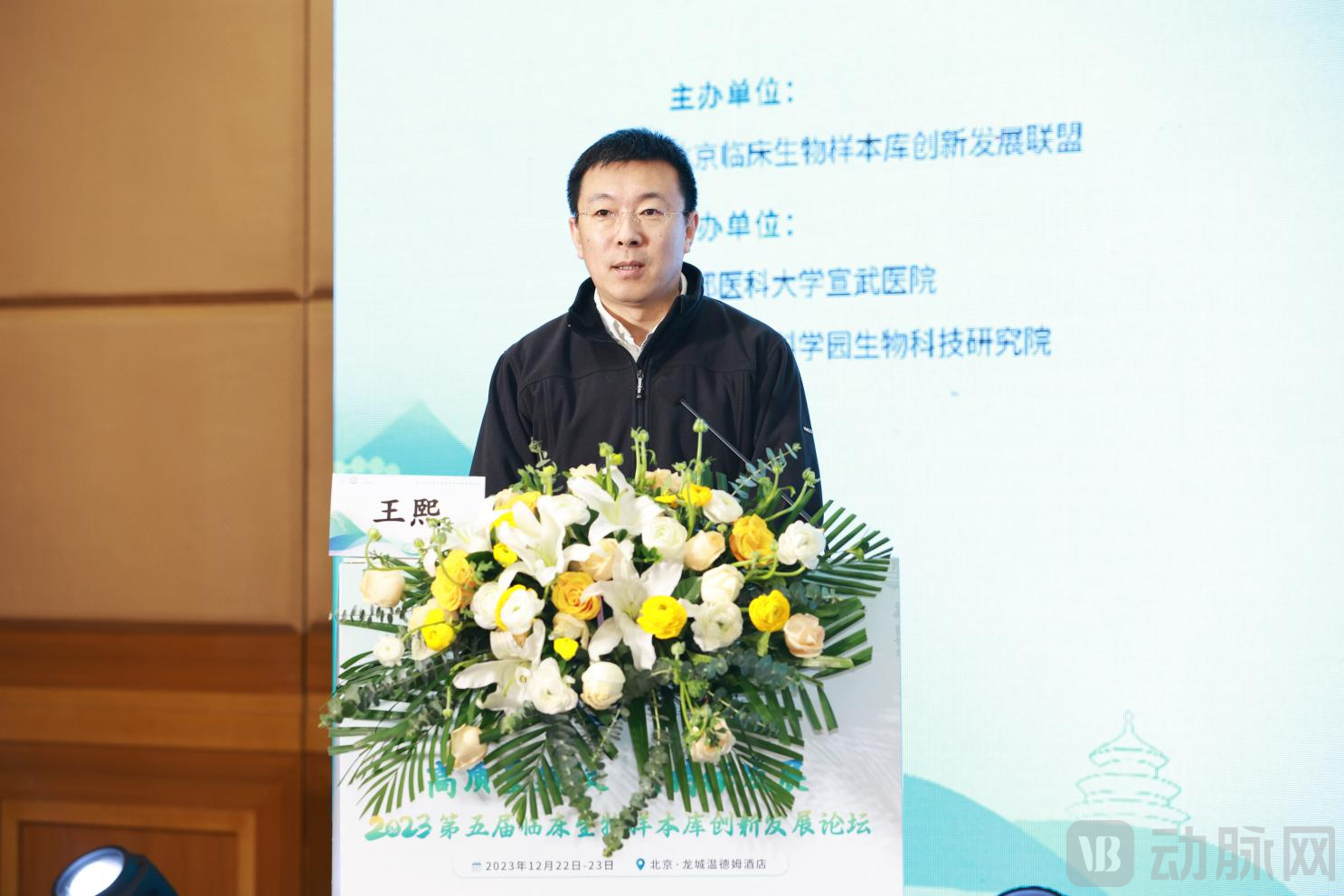
Mr. Li Xiaofeng, Director of the Beijing Hospital Administration Center, delivered a report titled “Status of Biobanking and Utilization of Sample Resources in Beijing Municipal Medical Institutions.” He presented the progress and achievements made by Beijing municipal hospitals in the construction and management of biobanks. Surveys were conducted on hospitals that already have operational biobanks or are planning to establish them, aiming to assess the inventory and availability of biological resources. The surveys revealed that the primary issues lie in unbalanced and inadequate development, necessitating strengthened quality management. Although approval processes have been established across institutions, there is insufficient data feedback, and the role of database construction remains limited. Furthermore, inconsistencies exist in sample processing methods, highlighting the need for further research into standardized experimental conditions. Mr. Li stated that multiple measures will be implemented in the future to enhance the governance of historical samples, establish high-quality cohorts, improve sample management, and explore the sharing of biological sample resources through information technology. These efforts will contribute to the future development of the pharmaceutical and health industries and support the establishment of Beijing as an international center for scientific and technological innovation.
Guo Jiayi, Deputy Head of the Major Projects Group under the Digital Economy Task Force of the Beijing Municipal Bureau of Economy and Information Technology, delivered a report titled “Launching Pilot Programs for Medical and Health Data Circulation to Foster the Development of the Data Factor Market.” He began by outlining Beijing’s strategic considerations and efforts regarding the data factor market, including the establishment of management systems and regulatory frameworks, as well as the introduction of the “20 Data Measures.” The report then highlighted progress in pilot programs for medical and health data circulation, noting that six hospitals have completed data asset registration and are exploring various data trading models. Emphasis was placed on standards and security in data transactions, alongside advancements in application areas such as the development of vertical large language models and digital products. However, challenges remain, including the need to refine institutional frameworks for data asset circulation and address issues related to data discharge from hospitals. Finally, he presented the 2024 work plan for medical and health data circulation and called for greater participation from hospitals and enterprises in the process of capitalizing data factors as assets.
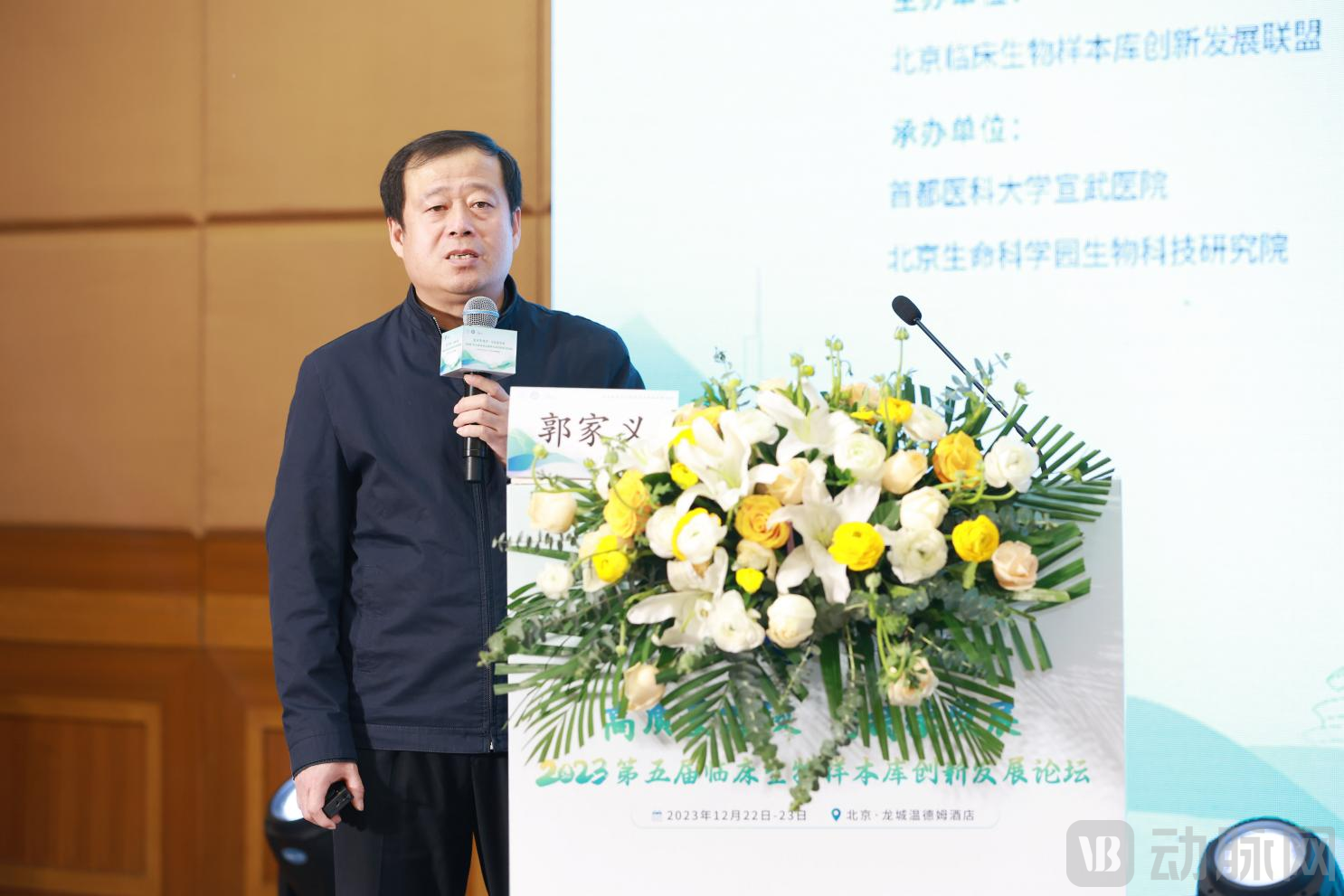
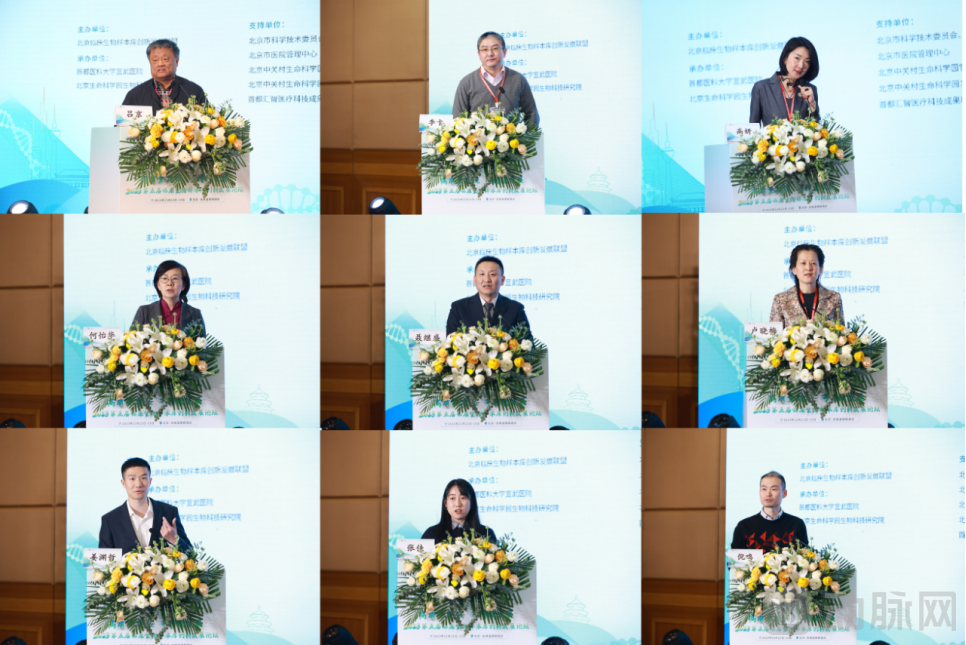
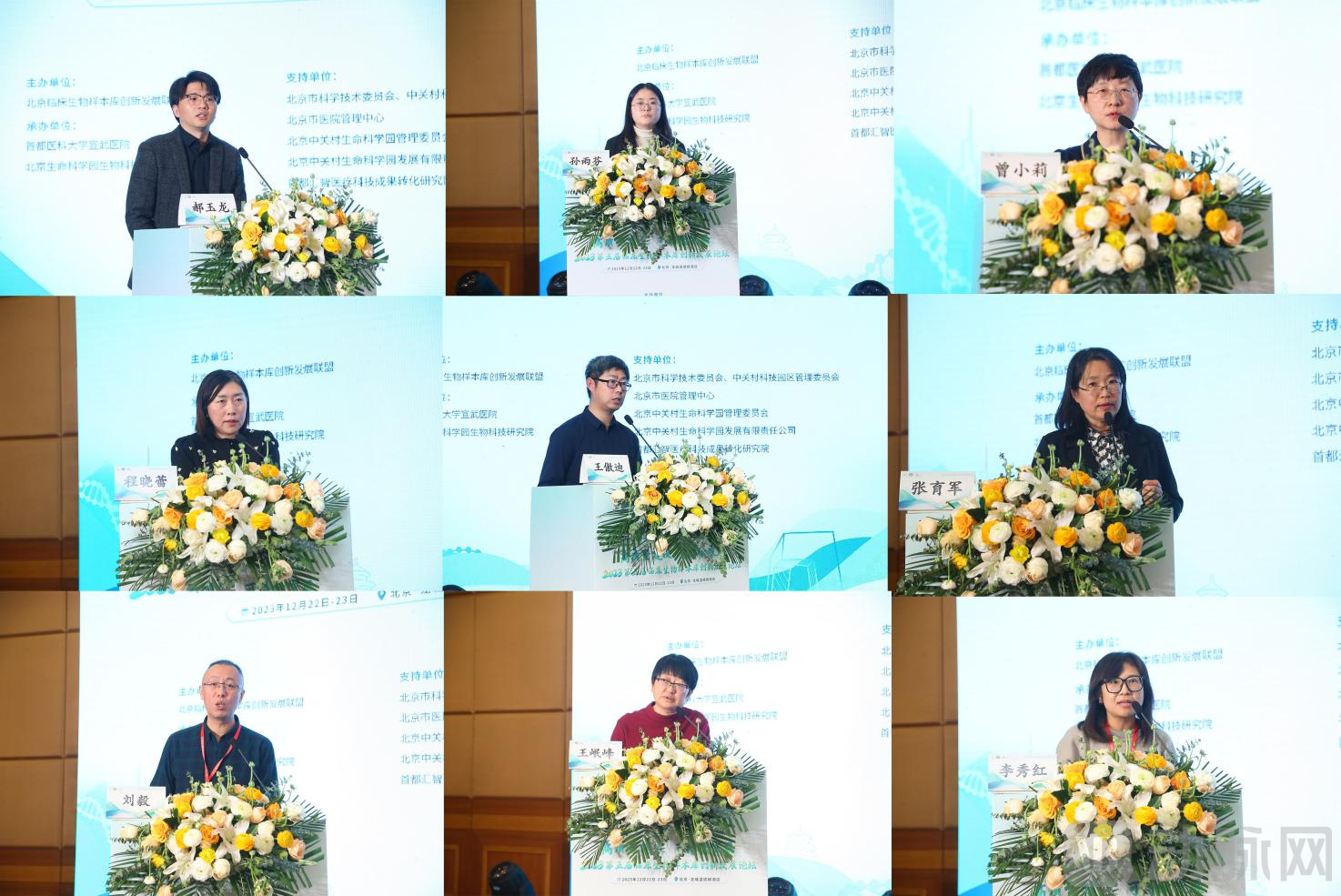
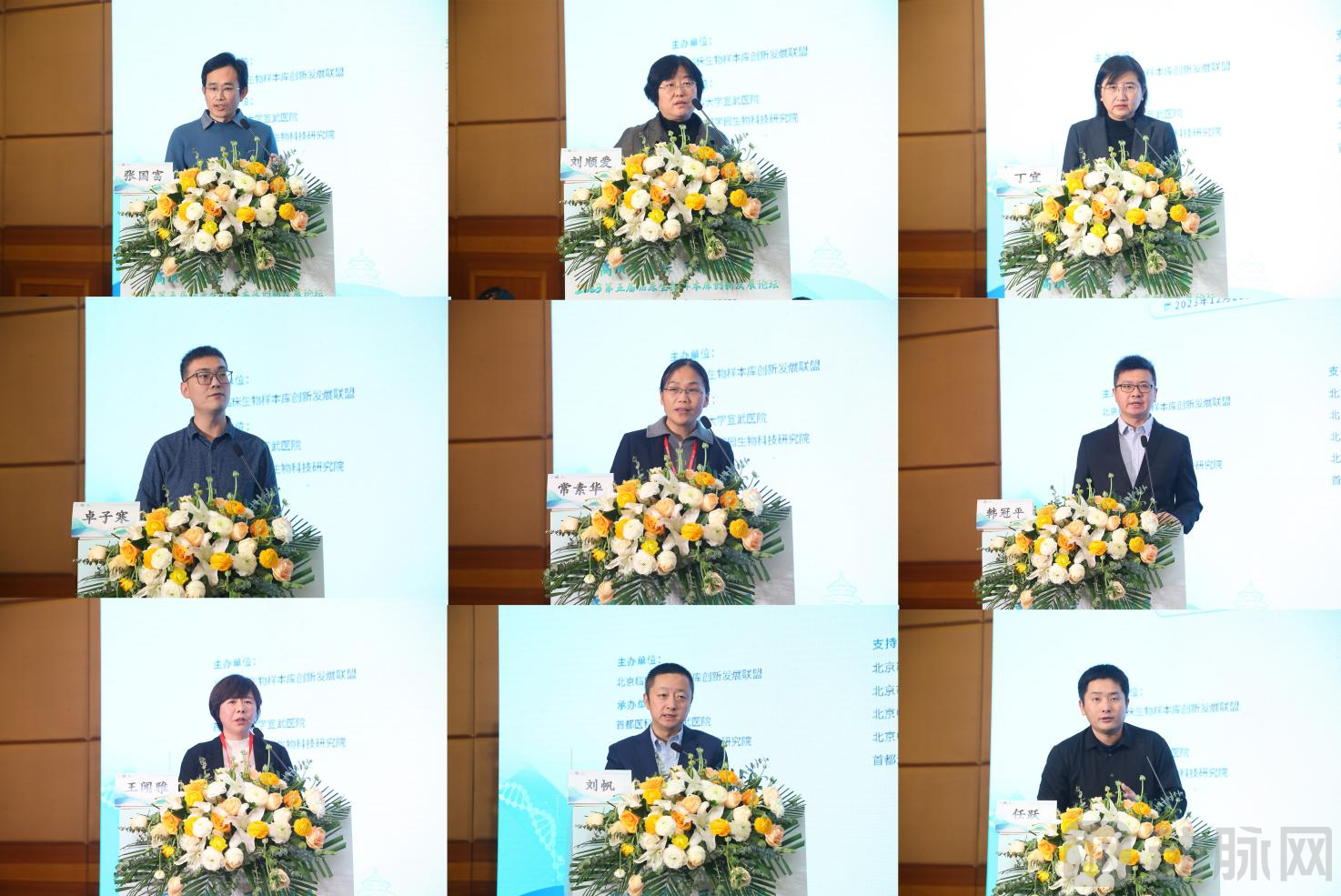
Furthermore, the conference featured a vibrant array of hot-topic discussions. Thematic sessions on “Regulations, Policies, Standards, and Accreditation,” “Promotion of Major Projects,” “Key Technologies and Products for Biobanking,” “Novel Models of Biobanking,” “Technologies and Methods for Sample Development,” and “Sample Sharing and Translation” were held sequentially throughout the event. More than 40 experts and scholars shared the latest academic advances in the field and discussed the new future of the industry.
The closing ceremony was moderated by General Manager Zhang Lei of the Beijing Life Science Park Biotechnology Research Institute. He began by expressing gratitude to the relevant municipal government departments of Beijing, the Changping District Government, and the Future Science City Life Science Management Committee for their strong support of the forum. He also thanked the forum’s planning team for their dedication and hard work, as well as the experts who delivered insightful presentations and commentaries. Finally, he expressed anticipation for the 6th Clinical Biobank Innovation Development Forum next year and conveyed earnest expectations for the sustainable development of biobanks in the future.
See you next year!