

Proteomics Technology Landscape Analysis and Application Outlook

Quanterix
Provider of Digital Biomarker Analysis Solutions

SHC
Innovative Investment Institutions in the Biomedical Field

Luminex
Biological Testing Equipment Developer

SomaLogic
Proteomics Data Developer
Editor's Note: This article is fromSHC, AuthorChen Yucheng, Liu Ya’an. Reprinted with permission from VCBeat.
Proteomics, as an integration of proteomic experimentation and data analysis, provides a holistic overview of protein composition, structure, expression, post-translational modifications, as well as protein-protein interactions and networks, thereby offering critical complementary information to genomics and transcriptomics. This article briefly examines the applications of various schools of protein detection technologies (not limited to high-throughput approaches) in protein research, discusses them by category according to different application scenarios such as scientific research and clinical diagnostics, and outlines future development trends.
Table of Contents
I. The “Two Legs” of Proteomics Analysis Technology Development
II. “Having It Both Ways”: Ultra-Sensitive Multiplex Detection
III. Mass spectrometry remains the mainstream method for detecting protein post-translational modifications (PTMs), while nanopore sequencing has the potential to emerge as a dark horse
IV. Downstream Applications of Proteomics Are in the Early Development Stage, with Huge Market Potential
V. Comparative Analysis of the Development of Proteomics Testing Companies in China and Abroad
6. Proteomics holds immense potential for growth, with platforms capable of developing novel biomarkers being viewed more favorably
Proteomics is a research field that involves the analysis of proteins from either a basic science or clinical perspective. Among its various aspects, the exploration of protein abundance, the diversity of protein forms arising from post-translational modifications (PTMs), and stable or transient protein–protein interactions is particularly crucial for disease research and related clinical translation.Proteomic information is also crucial for elucidating the complex, interconnected molecular signaling networks within the organism., these molecular signaling networks directly regulate major cellular processes such as proliferation, differentiation, senescence, and apoptosis.
Although sequencing technology is highly mature, mRNA transcript abundance provides only an indirect measure of cellular state and cannot reliably predict differences in protein abundance. These data fail to reveal changes in post-translational modifications (PTMs), including phosphorylation and protein degradation, thereby precluding a comprehensive understanding of disease mechanisms.[1]. Therefore,The development of proteomics detection technologies is crucial for elucidating the molecular mechanisms underlying diseases to identify new therapeutic targets, as well as for discovering novel biomarkers for diagnosis and disease prognosis.。
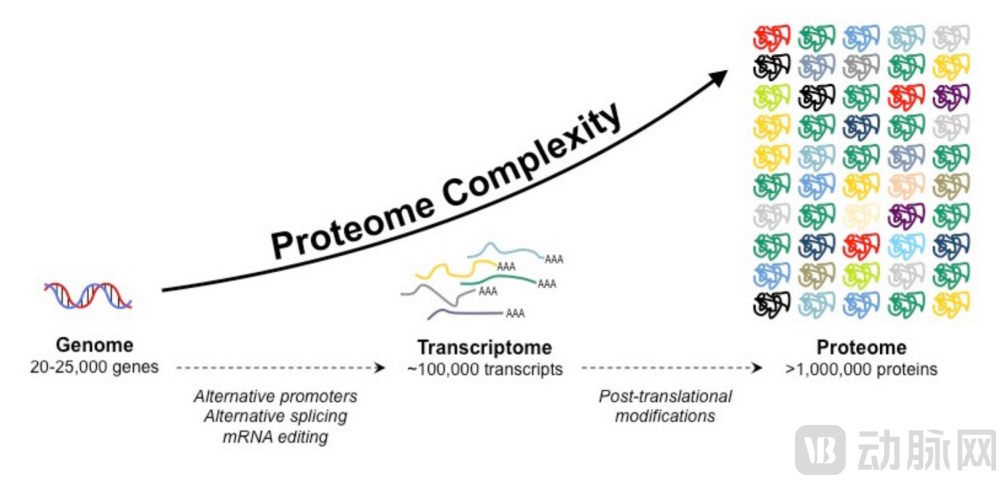
▲ Informational Diversity of Proteomics[3]
I. The “Two Legs” of Advances in Proteomics Analysis Technologies
Traditional proteomic detection methods include immunohistochemistry (IHC), Western blotting (WB), and enzyme-linked immunosorbent assay (ELISA).However, the performance of ELISA and similar technologies can no longer meet the increasingly sophisticated demands of scientific research and clinical practice.. Subsequently, various emerging technologies have emerged.
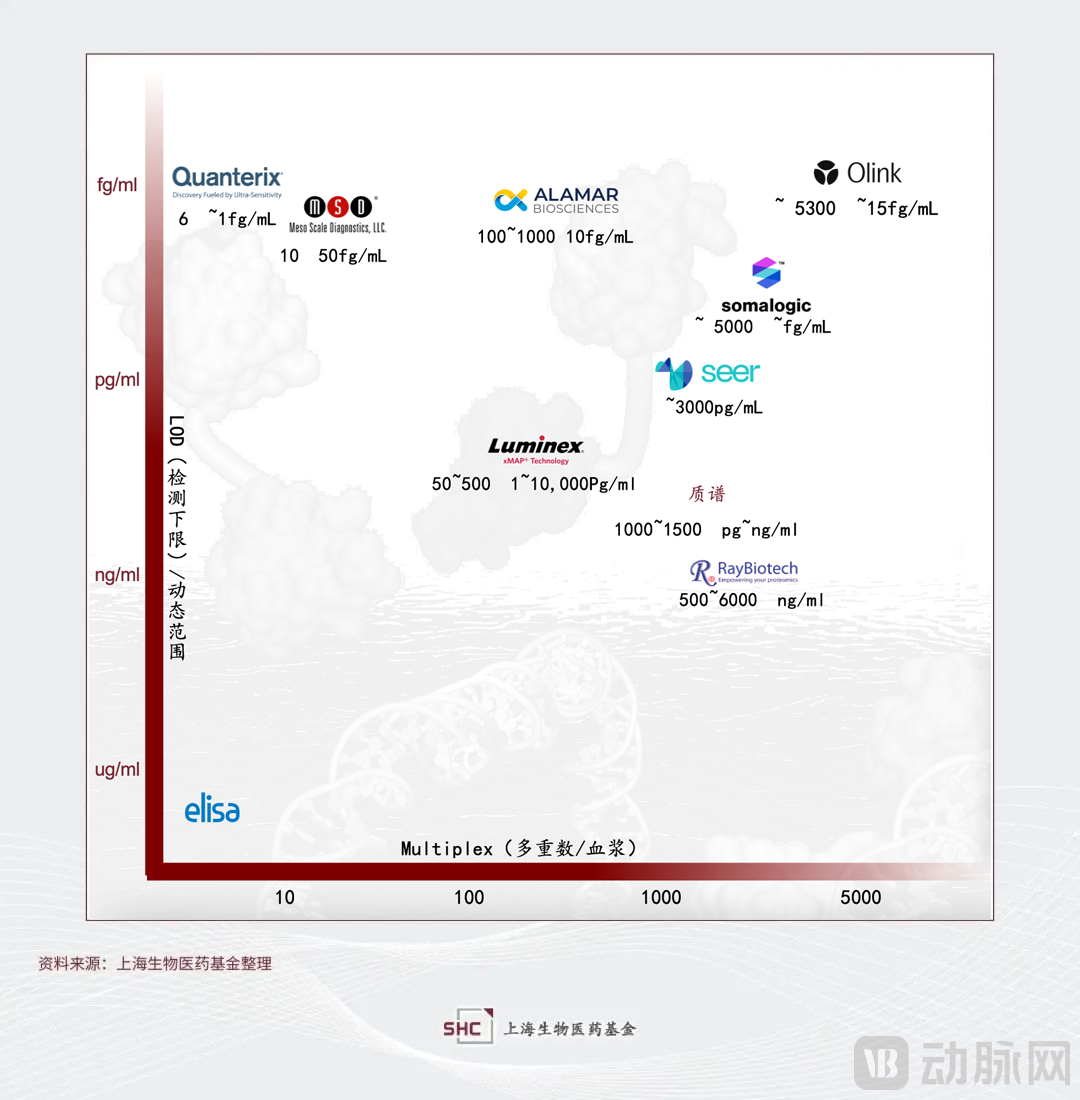
▲Advances in Proteomics Technologies
1、Lower Limit of Detection
The emergence of Quanterix’s “single-molecule” technology and Meso Scale Discovery (MSD) electrochemiluminescence technology has significantly lowered the limit of detection and enhanced sensitivity in proteomics research. Among these, Quanterix’s Simoa platform improves upon traditional sandwich ELISA by enabling enzymatic reactions on individual molecules within microwells that are 2.5 billion times smaller than those used in conventional ELISA, thereby greatly increasing detection sensitivity. MSD also represents an advancement based on the fundamental principles of ELISA. Upon electrical stimulation of the electrode surfaces in MULTI-ARRAY and MULTI-SPOT microplates, SULFO-TAG™ labels on the surface are excited via electrochemiluminescence and emit intense light. Using array technology, this system allows for the simultaneous detection of up to 10 analytes per well in a 96-well graphite electrode plate.
2、Increase the multiplicity of detection
With the emergence of detection technologies such as solid-phase protein microarray technology and liquid-phase array technology (also known as flow cytometry-based fluorescence), the multiplexing capacity of proteomics research has been significantly enhanced. It is worth highlighting liquid-phase arrays, particularly the xMAP system from Luminex.®Technical platform: Polystyrene microspheres with a diameter of 5.6 micrometers are stained with two or three red-classified fluorescent dyes in varying ratios to produce distinct fluorescent colors, thereby generating up to 100–500 types of fluorescence-encoded microspheres.The technical barriers to microsphere encoding are exceptionally high, requiring the simultaneous achievement of multiplexed encoding while ensuring the stability and uniformity of fluorescent codes.. Luminex was acquired by the Italian diagnostics group DiaSorin for $1.8 billion in 2021, with financial reports indicating revenue of €386 million in 2022. In its early years, Tellgen Corporation licensed Luminex’s technology and developed downstream applications such as multiplex assays for tumor markers. In recent years, the market in China for multiplex cytokine assays has also experienced growth.
II. “Having It Both Ways”: Ultra-Sensitive Multiplex Detection
The primary analytical methods for ultra-high-throughput white matter proteomics include unbiased liquid chromatography-tandem mass spectrometry (LC-MS/MS), the highly sensitive targeted immunoassay technology known as Proximity Extension Assay (PEA, Olink), and the aptamer-based SOMAscan (SomaLogic).[2]。
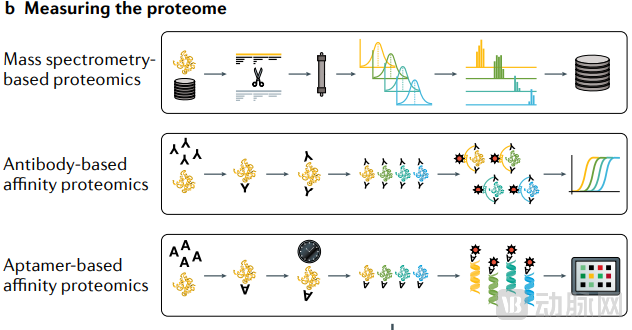
▲ Ultra-high-throughput Proteomic Detection Methods[2]
1、MS-Based Methods:Mass spectrometry has already garnered a large user base and offers advantages such as reliable protein identification and characterization of post-translational modifications. However, its drawbacks include limited sample throughput and insufficient sensitivity, making it unsuitable for large-scale omics analyses and the analysis of low-abundance proteins.
2、Antibody Affinity-Based Methods:Sample throughput and protein throughput have increased significantly, but challenges remain, including potential off-target effects (insufficient specificity), poor reproducibility, and difficulties in detecting post-translational modifications. Olink represents a typical example.[9], with rapid development, generating $140 million in revenue in 2022, a year-on-year increase of 47%. In October 2023, Thermo FishAcquire Olink for $26 in cash per common share, representing a premium of approximately 74% over the closing price on the last trading day, with a total transaction value of up to $3.1 billion.
3、Aptamer Affinity-Based Methods:Sample throughput and protein throughput are significantly improved. Compared with antibody affinity, aptamers offer the advantages of higher affinity and easier achievement of high reproducibility. Moreover, the development and screening of aptamers are faster and less challenging than those of antibodies. The drawback is that the specificity of aptamers, which is based on structural adaptation, is only 73%.[7]. This technology is represented by SomaLogic, which generated only $81.6 million in revenue in 2021. In addition to scientific researchIn this field, SomaLogic is also developing more than 100 laboratory-developed tests (LDTs), primarily for clinical trial applications, with the aim of leveraging downstream applications to expand its market presence.
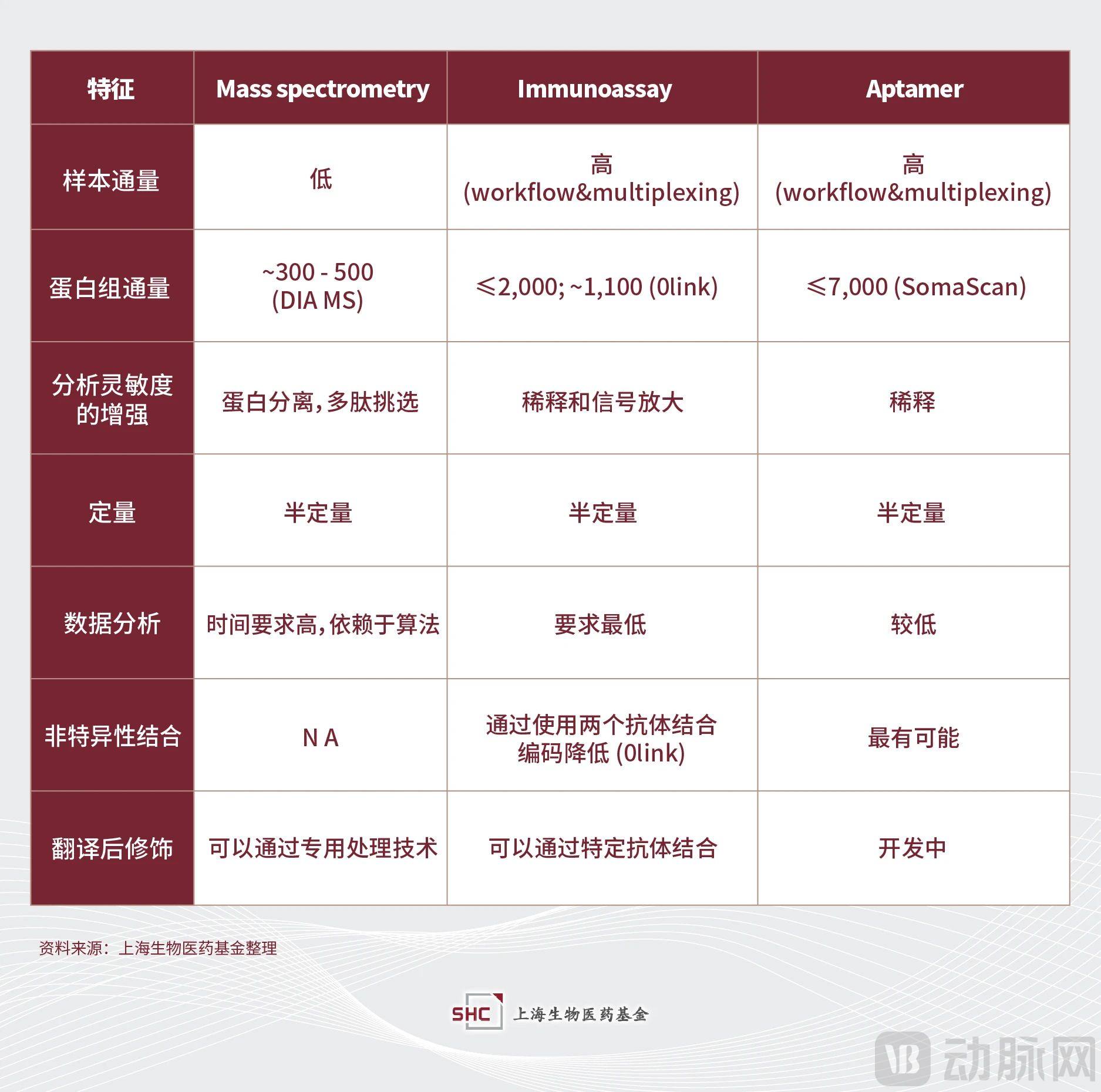
▲Comparison of Different High-Throughput Proteomics Analysis Technologies
In 2020, Stefanie M. Hauck’s team evaluated the performance of LC-MS/MS in data-dependent acquisition (DDA) and data-independent acquisition (DIA) modes, as well as its comparison with the Olink PEA platform, using circulating plasma protein samples from 173 individuals in southern Germany.[8]In summary, when focusing on a small subset of proteins in plasma (often low-abundance proteins), it is necessary to employ highly sensitive PEA technology or conduct panel matching. However, if the focus is solely on higher-abundance proteins (µg/mL to mg/mL), mass spectrometry-based techniques such as DIA and DDA can also be applied for plasma protein detection.
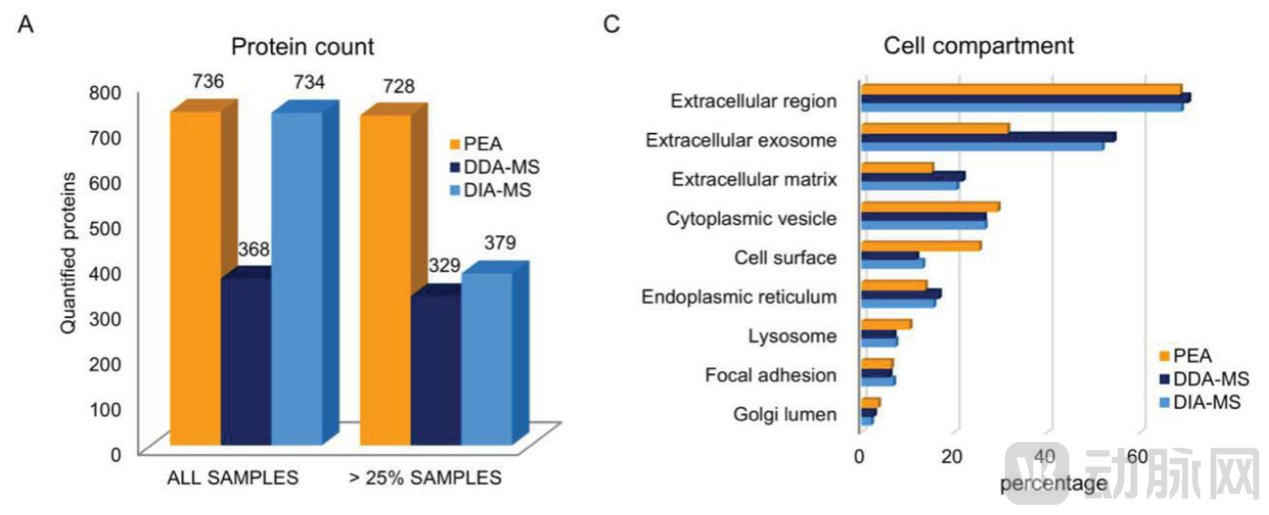
▲ Overlap Analysis of Proteins Identified by PEA, DDA-, and DIA-MS[8]
3. Proteomic PTM detection is a key direction, with nanopore sequencing poised to emerge as a dark horse
Post-translational modifications (PTMs) covalently attach chemical groups to the side chains of modifiable amino acid residues in proteins, acting as molecular switches and altering the chemical properties of the modification sites. PTMs typically occur in proteins with critical structural or functional roles and extensively influence protein behavior and characteristics, including enzymatic activity and assembly, protein lifespan, protein–protein interactions, cell–cell and cell–matrix interactions, molecular transport, receptor activation, protein solubility, protein folding, and protein localization.[14]. Therefore,These modifications involve various biological processes, such as signal transduction, regulation of gene expression, gene activation, DNA repair, and cellularCycle control plays a key role in numerous biological processes.
To date, the UniProt database has documented more than 400 distinct types of post-translational modifications (PTMs), among which phosphorylation is regarded as the most significant PTM and has been extensively studied.[13], including oncology, mitochondrial energy metabolism, hormonal signaling responses, and enzymatic function assays.
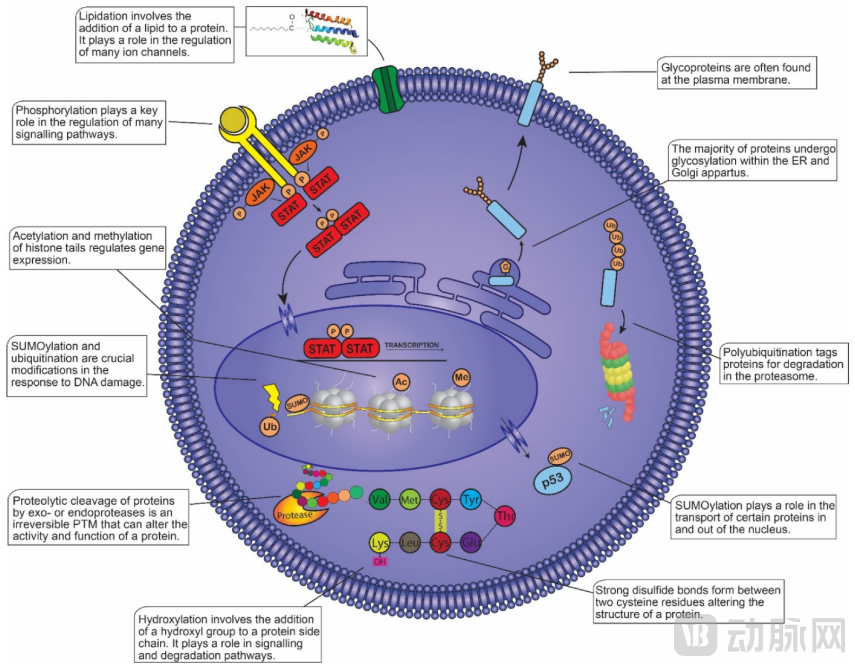
▲ Post-translational Modifications in Mammalian Cells and Their Functions[4]
Large-scale, highly specific quantitative analysis of protein post-translational modifications,Mass spectrometry remains the most powerful analytical technique currently available.. However, due to the low abundance, modification-specific enrichment of the PTMs of interest, such as ion-exchange chromatography, immobilized metal affinity chromatography, and immunoaffinity chromatography, is often required prior to mass spectrometry analysis to improve analytical efficiency and reliability.[4]. However, mass spectrometry-based PTM analysis also faces challenges; besides the need for enrichment, modification loss and fragmentation during sample preparation can compromise result accuracy.
Due to minor differences in post-translational modifications (PTMs), high structural similarity, and low antigenicity, the affinity of specific antibodies used for detecting protein-specific PTMs is often low. Currently, pan-PTM-specific antibodies are commonly employed for immunoaffinity enrichment in LC-MS/MS and pre-analytical processes such as Western blotting, protein microarrays, immunohistochemistry, and flow cytometry.
Nanopore-based protein sequencing is a highly promising approach., however, nanopore protein sequencing faces challenges related to protein complexity, including protein heterogeneity, amino acid side-chain residues, and limitations in the translocation of unfolded proteins through nanopores.Compared to nucleic acid sequencing, proteins are not only more tightly folded, but deciphering the 20 amino acids is also more challenging than reading the four nucleotide bases.Nanopore protein sensor technology is still in its infancy; achieving accurate detection requires either endowing amino acids with more distinct characteristics or enhancing the spatial resolution of biological nanopores.
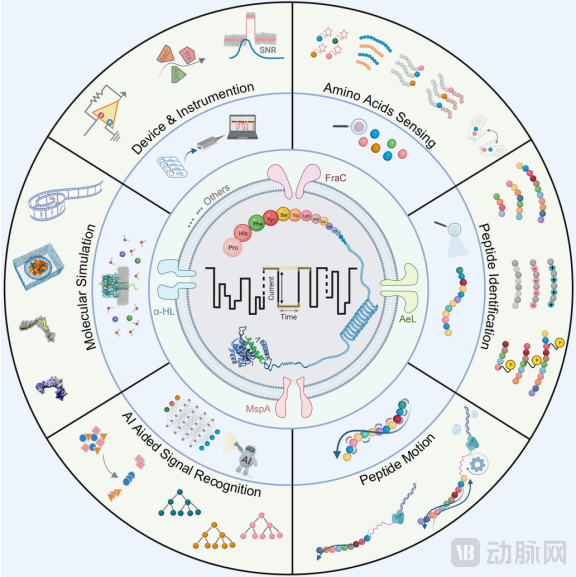
▲ Engineering Approaches Required for Protein Sequencing Using Biological Nanopore Technology[6]
Although recent research advances suggest that PTM identification can be achieved through nanopore sensing, either directly or in combination with PTM-specific labeling, successful applications remain currently limited to the detection of phosphorylation and glycosylation.[6]First, the signal overlap generated by hundreds of PTMs within nanopores inevitably reduces identification accuracy. Second, the molecular mass of some PTMs significantly exceeds that of amino acids, making their translocation through nanopores difficult. Furthermore, certain enzymes required for protein sequencing may also affect or alter PTMs, thereby interfering with detection results.[5]。However, if these challenges can be overcome through engineering solutions to enable rapid acquisition of protein sequences and post-translational modification (PTM) information via direct reading, it will usher in a new era for proteomics research.
IV. Downstream Applications of Proteomics Are in the Early Stages of Development, with Significant Market Potential
Currently, downstream development in proteomics is being explored from a clinical perspective, with simultaneous strategic deployment across the entire drug R&D value chain and the development of diagnostic biomarkers.
1、New Target Discovery
Circulating proteins in the blood originate from various organs and cell types, comprising both actively secreted and passively released proteins.Circulating proteins are highly valuable potential drug targets that can be directly modulated by traditional small molecules or large molecules such as monoclonal antibodies.。
In 2020, Pfizer led a genome-wide meta-analysis of 90 cardiovascular-related proteins, many of which are established prognostic biomarkers or drug targets. Using the Olink Cardiovascular (CVD) panel, measurements were performed on 30,931 individuals across 15 studies, identifying 315 primary and 136 secondary pQTLs for 85 circulating proteins.[10]。
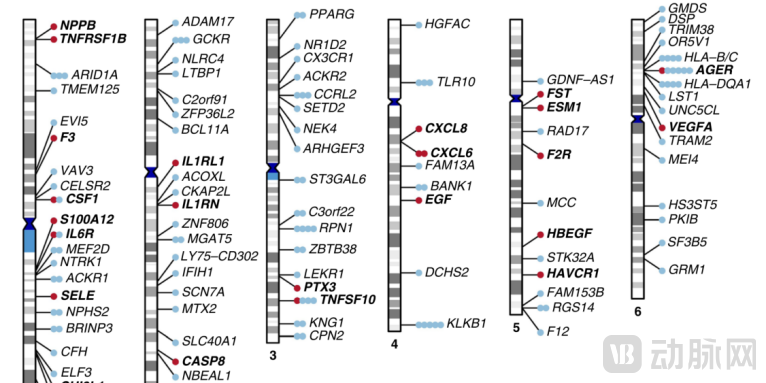
▲ Mining of cis- and trans-pQTLs and Associated Chromosomal Localization[10]
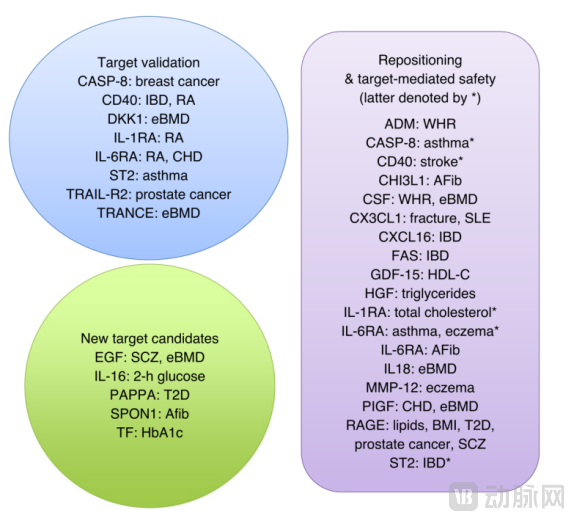
▲ Protein–Trait Relationships and New Candidate Targets for Drug Development[10]
Mendelian randomization was performed on identified protein quantitative trait loci (pQTLs), and causal relationships were assessed using biobank genetic data for 38 common diseases. This analysis revealed causal links between 25 proteins and diseases, including 11 novel associations involving indications such as rheumatoid arthritis, osteoporosis, and diabetes.
The proteomics- and pQTL-based framework addresses several key challenges associated with drug development:
a) Mapping of protein-regulated signaling pathways;
b) Identification of new candidate targets;
c) Drug repurposing;
d) Target-related safety;
Matching Target Mechanisms to Patients via Protein Biomarkers.
2、Development of Companion Diagnostic Biomarkers to Facilitate Clinical Enrollment and Patient Management
According to QLS statistics from the Informa and Trialtrove databases, the success rate of Phase II clinical trials using biomarkers for patient selection can be significantly improved.[11]。
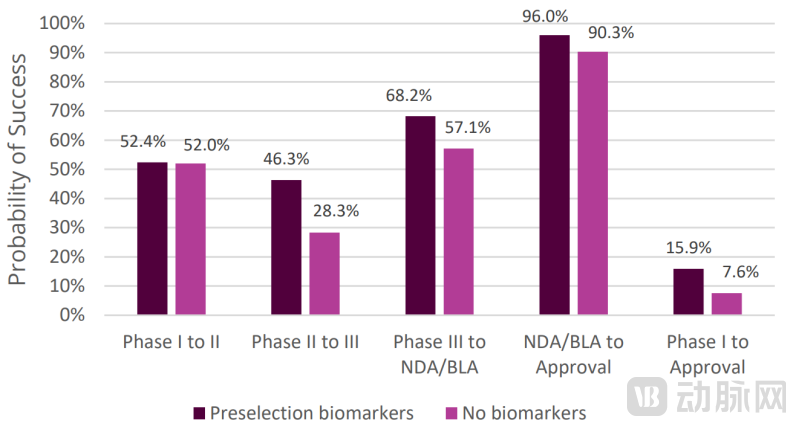
▲ Impact of Biomarker-Guided Patient Enrollment on Clinical Success Rates Across Different Clinical Phases[11]
In 2021, Rucevic et al. utilized proteomics technology[12], patients diagnosed with stage I or III NSCLC who were scheduled to receive curative radiotherapy were prospectively enrolled, and those exhibiting higher release of immune-related proteins were identified as the potential beneficiary population for PD-1 combination therapy. In patients with stage I NSCLC, CD244 (a signaling lymphocytic activation molecule [SLAM] belonging to the immunoregulatory transmembrane receptor family) was identified as a negative prognostic biomarker. In patients with stage III NSCLC, CR2 (the receptor for complement component C3) and IFNGR2 (one of the subunits of the IFN-γ receptor) were identified as positive prognostic biomarkers.
Physicians face challenges in calculating and applying patient management risk scores using traditional risk factor assessment methods. In 2022, SomaLogic conducted a randomized controlled trial enrolling 248 physicians to evaluate whether the SomaSignal™ test could assist in cardiovascular disease risk stratification. The study aimed to determine whether personalized proteomic cardiovascular risk assessment could play a positive role by enabling more effective allocation of medications and improving patient outcomes. For instance, based on the test results, physicians could prescribe glucose-lowering agents such as SGLT2 inhibitors or GLP-1 receptor agonists to high-risk patients.
3、Development of Novel Clinical Diagnostic Biomarkers
Clinical diagnostics has always been a market more conducive to rapid scaling, prompting proteomics companies to compete for positioning in this sector. Among them, SomaLogic has developed 19 SomaSignal™ tests for the laboratory-developed test (LDT) setting, requiring only 55 μl of blood sample. These tests cover areas such as body fat content, glucose tolerance, cardiovascular disease risk, NASH-related inflammation, and heart failure. The tests were developed by analyzing thousands of proteins in thousands of patients using the SomaScan Assay, comparing protein signatures revealed by the SomaScan test with standard clinical measurements to identify patterns of protein changes associated with current health status and future prognosis through machine learning.
Quanterix’s Simoa diagnostic reagent development is more focused on neurological disorders, with projects including pTau217 (in collaboration with Lilly and Janssen), pTau181, GFAP, NfL (in collaboration with Biogen), and VEGF (in collaboration with Novartis) already engaged in collaborations with various pharmaceutical companies during the clinical stages of drug development.
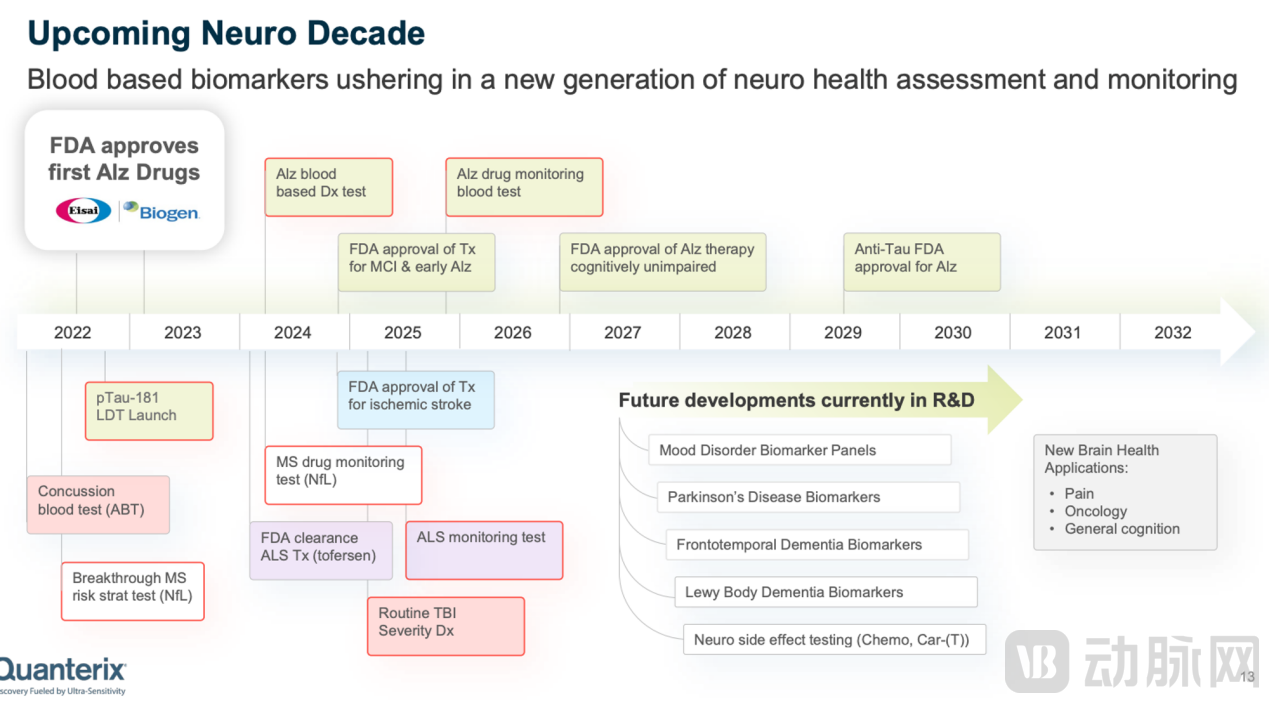
Data Source: Quanterix Official Website
▲Quanterix's Diagnostic Biomarker Development Roadmap
Serum neurofilament light chain (sNfL) is a biomarker of neuronal injury. Elevated concentrations of neurofilament light chain (NfL) in cerebrospinal fluid (CSF) and blood have been observed in central and peripheral nervous system disorders associated with axonal injury or degeneration. Quantitative assessment of axonal damage, such as measuring NfL levels, holds significant value for prognosticating various neurological diseases. In 2022, the team led by Jens Kuhle[12]Plasma NfL was measured using the NF-light assay (Quanterix) in healthy control cohorts enrolled in Europe and the United States to establish a reference database for sNfL Z-scores (adjusted deviation of sNfL from control population values). A total of 10,133 blood samples were obtained from 5,390 individuals. Additionally, 7,769 samples were collected from 1,313 patients with multiple sclerosis.
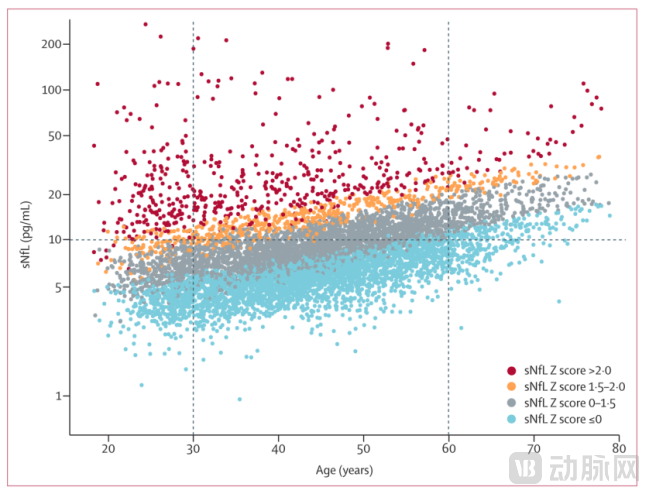
▲ sNfL Z-scores in patients with multiple sclerosis across different age groups[12]
The revised sNfL cutoff is 10 pg/mL (mean CV=5.2%). sNfL concentrations increase exponentially with age, accelerating after approximately 50 years of age, which corresponds to a gradually increasing risk of future acute (e.g., relapses and lesion formation) and chronic (disability worsening) disease activity. Across all patients with multiple sclerosis, an sNfL Z-score greater than 1.5 was associated with an increased risk of future clinical disease activity (P<0.0001) and was considered indicative of stability in the population without evidence of disease progression (p=0.034). Analysis of influencing factors further revealed thatCompared with untreated patients, monoclonal antibody therapy is more effective than oral therapy, while oral therapy (fingolimod, siponimod) is more effective than interferons and other agents.。
Luminex’s diagnostic product portfolio is relatively limited, focusing primarily on nucleic acid testing for respiratory and gastrointestinal applications. The Licensed Technology Group (LTG) model constitutes a significant revenue stream for Luminex; as of December 2020, the company had 82 strategic partners, 54 of which had launched commercial products based on the xMAP system. Due to its unique licensing and partner-driven business model, and given that domestic companies such as PerkingMed entered the downstream application development sector as early as 2003, multiplex protein assays in China have developed vigorously, with a notable trend toward concentrated panels for cytokine detection.
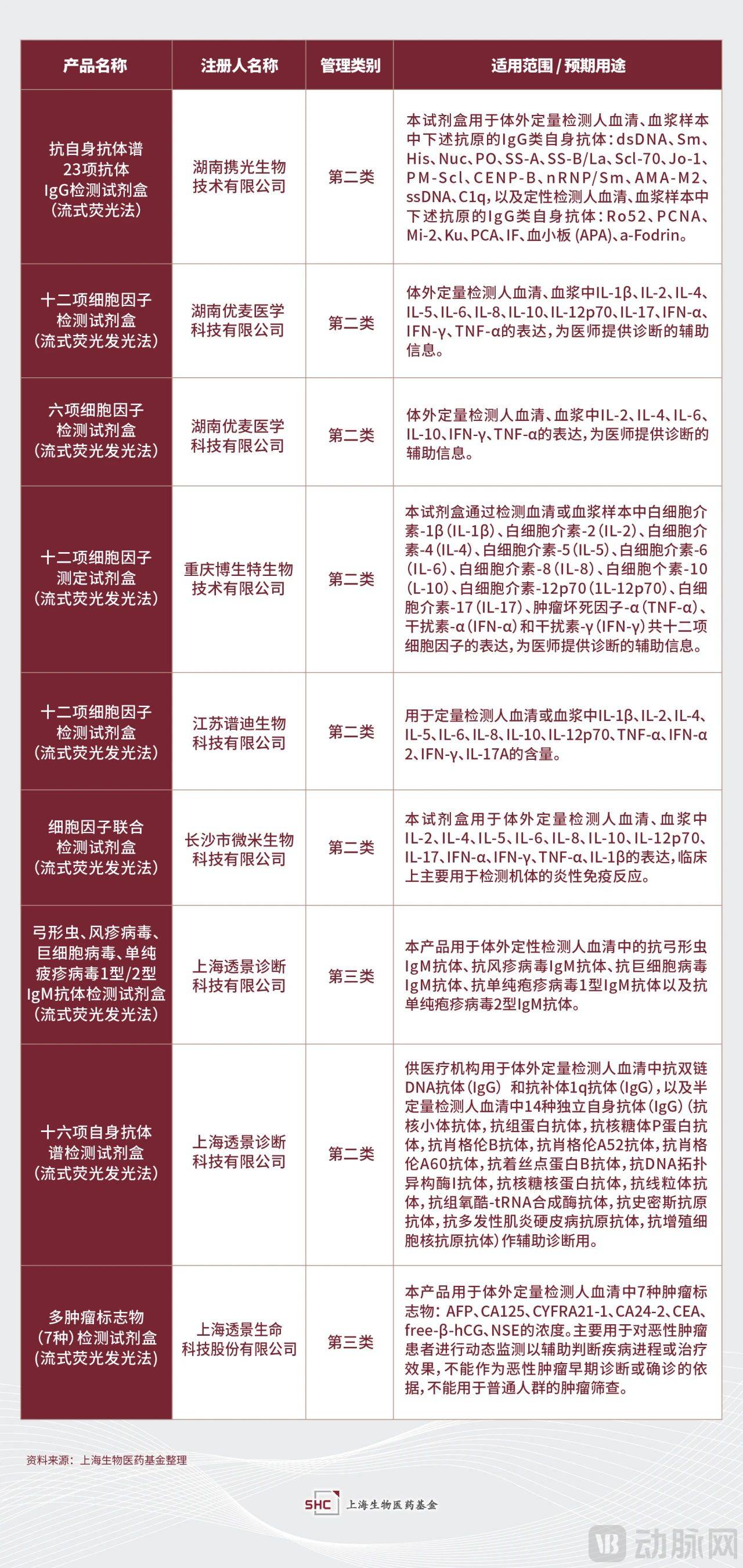
▲ Selected Clinical Testing Items Based on Flow Cytometry Fluorescence
V. Comparison of the Development of Proteomics Testing Companies in China and Abroad
From a developmental perspective, overseas proteomics companies started earlier, and those that have developed well have gone public one after another. In the field of ultra-sensitivity, there are Quanterix and Meso Scale Discovery; in multiplexing, there is Luminex; and companies offering both ultra-multiplexing and ultra-sensitivity include Olink, SomaLogic, and Alamar. Based on current development outcomes and revenue, Luminex and Olink are relatively successful. Clearly, the research market favors assays with ultra-high multiplexing capabilities without compromising sensitivity.
Most proteomics companies in China primarily rely on imported mass spectrometry platforms to provide testing services, offering reliable and cost-effective reporting capabilities. A few companies with proprietary technologies focus on addressing key limitations in mass spectrometry-based proteomics—such as poor reproducibility, low detection rates of low-abundance proteins, and inadequate identification of post-translational modifications—through optimized sample pre-treatment, thereby meeting varying user requirements for data quality. Other companies are developing single-molecule immunoassay technologies, with a greater emphasis on the clinical translation of low-abundance, low-plex protein biomarker detection, such as identifying low-abundance biomarkers associated with degenerative diseases in plasma. At least three overseas companies have already adopted ultra-sensitive, ultra-multiplexed detection technologies based on nucleic acid amplification of affinity signals, similar to Olink’s approach.In China, foundational technological innovations that break through patent barriers remain scarce. The overall technical approach largely follows overseas trends, with a greater emphasis on expanding into downstream applications to capture larger market opportunities. Most domestic companies secured financing around 2020, and it is believed that proteomics will experience more rapid development in China in the coming years.
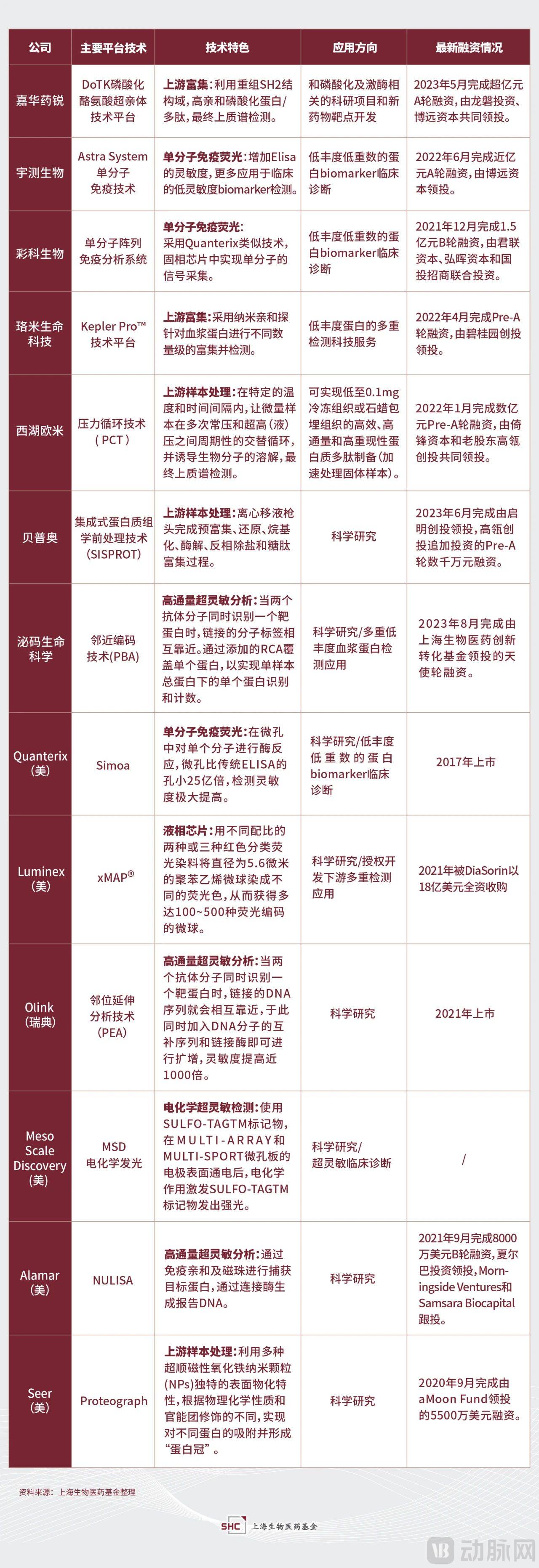
▲ Selected Domestic and International Proteomics Companies (Incomplete List)
6. Proteomics has immense room for growth, with greater optimism for platforms capable of developing novel biomarkers
Tissue proteomics technologies are relatively mature. The primary challenge in plasma proteomics lies in the abundance of high-concentration proteins in plasma, where the wide dynamic range imposes stringent requirements on sample pretreatment. Given the high biological value of low-abundance plasma proteins and their role as the main source for developing clinically relevant biomarkers, plasma proteomics holds significant potential. The field demands high-throughput, reproducible, multiplexed, highly sensitive, and cost-effective solutions. Currently, Olink is far ahead in this direction, but its high cost limits downstream applications. There is an urgent need to further enhance the detection capability for post-translational modifications of proteins, making advancements in nanopore sequencing technology, antibody/other affinity-based techniques, and emerging labeling technologies crucial.
From a downstream perspective, clinical diagnostics represents the largest market segment. Different technologies are suited to different platforms, and due to the segmentation and complexity of the diagnostic field, it is highly unlikely for any single platform or company to achieve a monopoly or dominant position. Looking ahead, several development trends are expected to emerge simultaneously:
a) Traditional protein detection methods, such as immunoassay-based chemiluminescent immunoassays;
b) Fewer markers, ultra-high sensitivity: single-molecule immunoassay technology;
c) Multi-parametric and sensitive: Technologies such as liquid chip/flow cytometry fluorescence;
d) Multiplex, ultra-sensitive: technologies such as PEA (Olink);
e) Multi-analyte, high-sensitivity, novel protein detection: mass spectrometry and nanopore technologies.
Despite the booming development of detection technologies, the ceiling for clinical diagnosis still lies in advances in medical understanding and the development of new biomarkers. Therefore, platforms capable of developing disease-related novel biomarkers hold greater potential to enter blue-ocean markets. The next market explosion is likely to concentrate on companies that possess such platforms and can strategically position themselves in downstream applications ahead of time.
Shanghai Healthcare Capital (SHC) is a municipal-level industrial fund approved by the Shanghai Municipal People’s Government, with a total target assets under management of RMB 50 billion. Initiated and established by Shanghai Industrial Holdings (SIH), the fund leverages Shanghai’s comprehensive advantages in biopharmaceutical development and its robust industrial resources to build an innovative investment platform for the biopharmaceutical sector that is “based in Shanghai and Hong Kong, integrated with the Yangtze River Delta, and oriented toward the global market.” By combining financial capital with industrial resources and integrating domestic and overseas operations, the fund focuses on key areas aligned with Shanghai’s biopharmaceutical industry development strategy, including high-end biological products, innovative chemical drugs and formulations, high-end medical devices and diagnostics, and innovative business models in the healthcare sector.
Swipe up or down to view