

China Releases Parkinson’s Disease Treatment Guidelines (5th Edition), with NeuroDome’s TI Device Paving the Way for Non-Invasive Therapies

Neurodome
Neurodome, Inc.
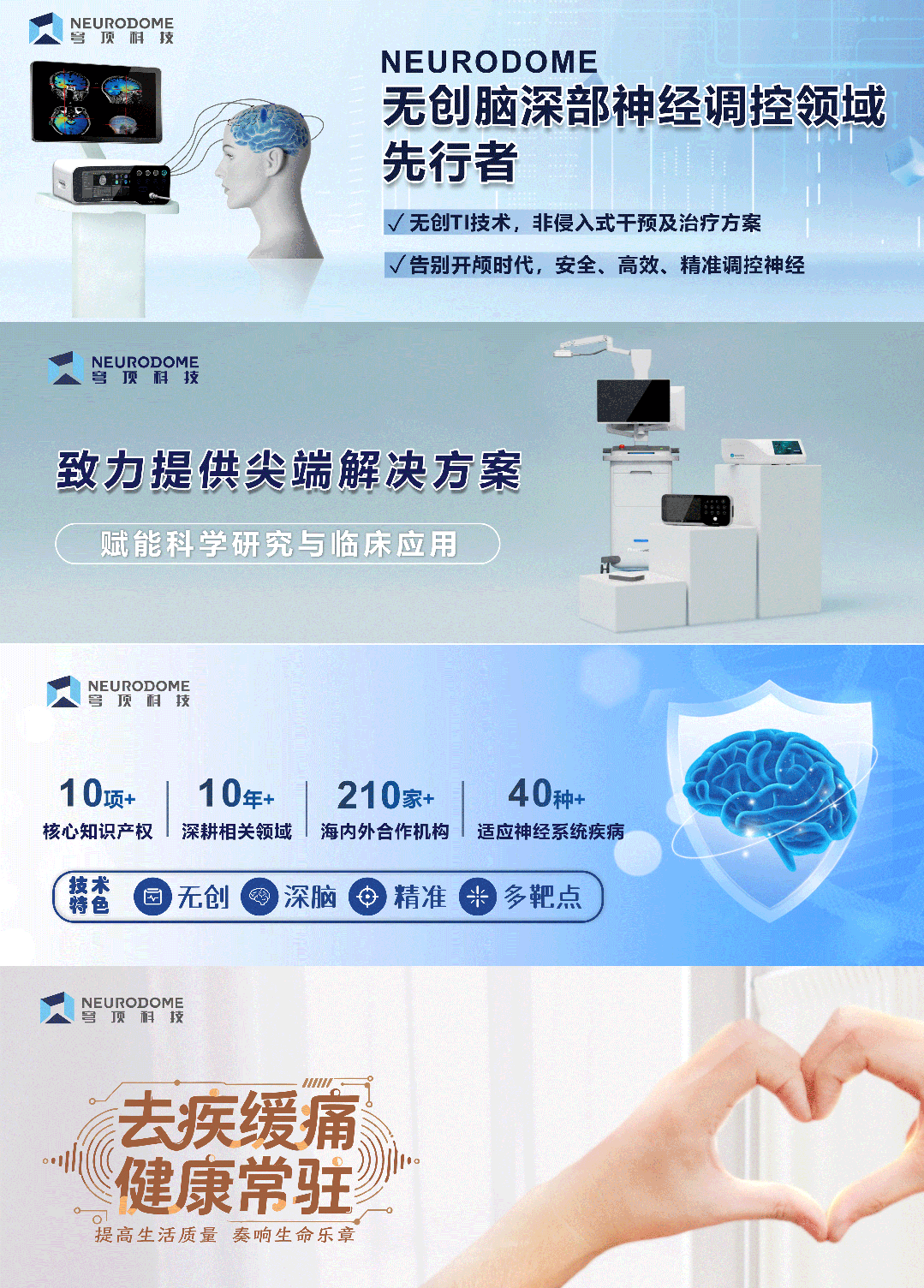

Recently, the “Chinese Guidelines for the Treatment of Parkinson’s Disease (Fifth Edition)” was prominently released, bringing milestone updates to the clinical diagnosis and treatment of Parkinson’s disease in China. The new edition not only systematically revises aspects such as pharmacological and surgical treatments, but also innovatively incorporates non-invasive neuromodulation techniques into its core recommendations. This addition addresses the limitations of traditional diagnostic and therapeutic approaches, offering patients with Parkinson’s disease safer and more precise novel treatment options, and paving a new path for non-invasive neuromodulation in diagnosis and treatment.
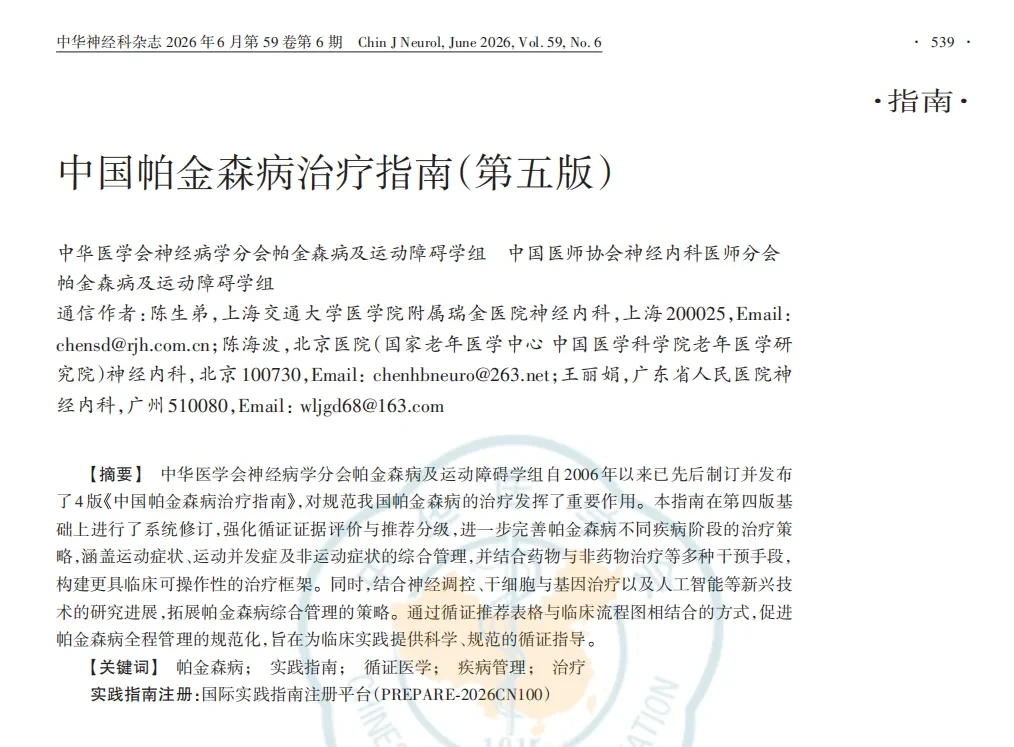
Figure 1: Release of the "Guidelines for the Treatment of Parkinson's Disease in China (Fifth Edition)"
Notably, the compilation of this guideline brings together the expertise of leading clinical experts in China and cutting-edge medical technology companies. Among these contributions, the achievements in non-invasive neuromodulation diagnosis and treatment were provided by one of the core compilers,Neurodome’s Key Collaborative Experts—The Team of Professor Chen Shengdi, Department of Neurology, Ruijin Hospital Affiliated to Shanghai Jiao Tong University School of Medicine, derived from extensive clinical practice and research on the application of cutting-edge technologies. Professor Chen Shengdi’s team has achieved in-depth implementationNeurodome's Self-Developed NervioX Series of Time Interference (TI) Non-Invasive Deep Brain Stimulation DevicesLeveraging the core technical advantages of precision, non-invasiveness, and deep-targeting capabilities, multiple clinical efficacy validation trials for Parkinson’s disease have been completed, accumulating extensive real-world clinical data. This provides key clinical evidence and authoritative support for the inclusion of temporal interference stimulation (tTIS) technology in the non-invasive diagnosis and treatment framework for Parkinson’s disease in the new guidelines.
Major Updates in the New Edition of the Guidelines"
Non-invasive Neuromodulation Ushers in a New Era for Parkinson’s Disease Diagnosis and Treatment >>>
Since its initial release in 2006, the “Guidelines for the Treatment of Parkinson’s Disease in China” have undergone four revisions, consistently striving to standardize clinical diagnosis and treatment of Parkinson’s disease in China and align with international forefront standards. The newly released fifth edition comprehensively summarizes decades of accumulated clinical experience, deeply integrates the latest global advances in basic research and clinical management of Parkinson’s disease, and features a major breakthrough in non-pharmacological, non-surgical, non-invasive therapeutic approaches as its most prominent highlight.
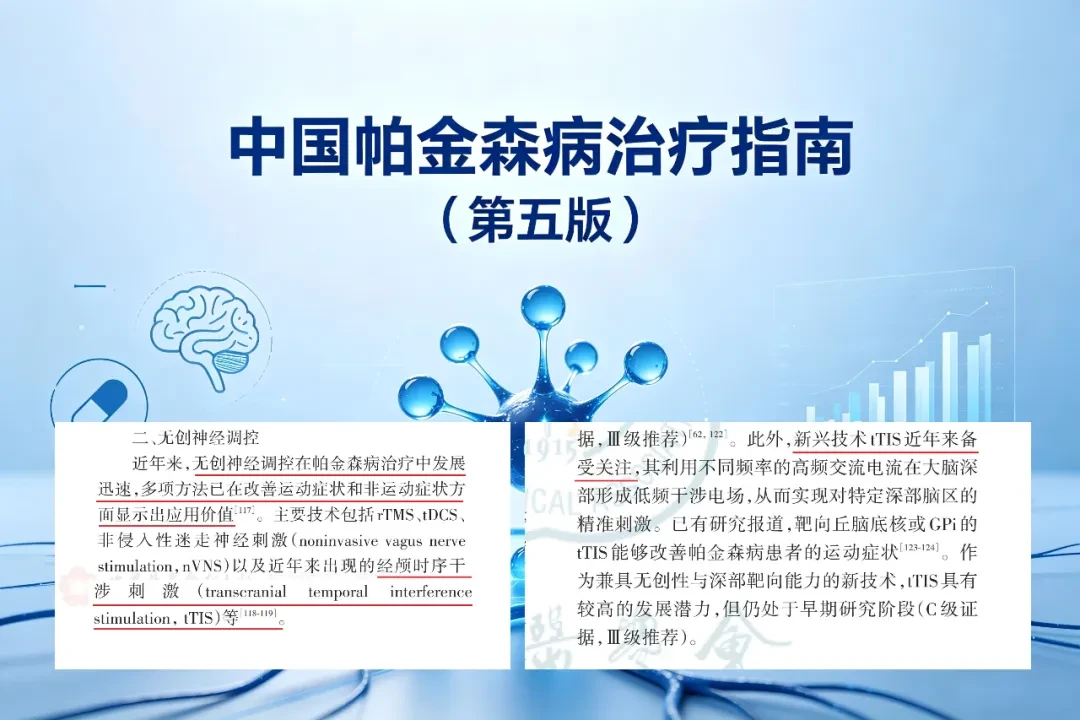
Figure 2: Excerpt from the Original Text
The guidelines explicitly state that neuromodulation therapy has become an indispensable and integral component of the comprehensive management of Parkinson’s disease. For the first time, they systematically incorporate three core non-invasive neuromodulation technologies: repetitive Transcranial Magnetic Stimulation (rTMS), transcranial Direct Current Stimulation (tDCS), and the cutting-edge Temporal Interference Stimulation (tTIS), while clearly defining the clinical indications and recommendation levels for each technology.
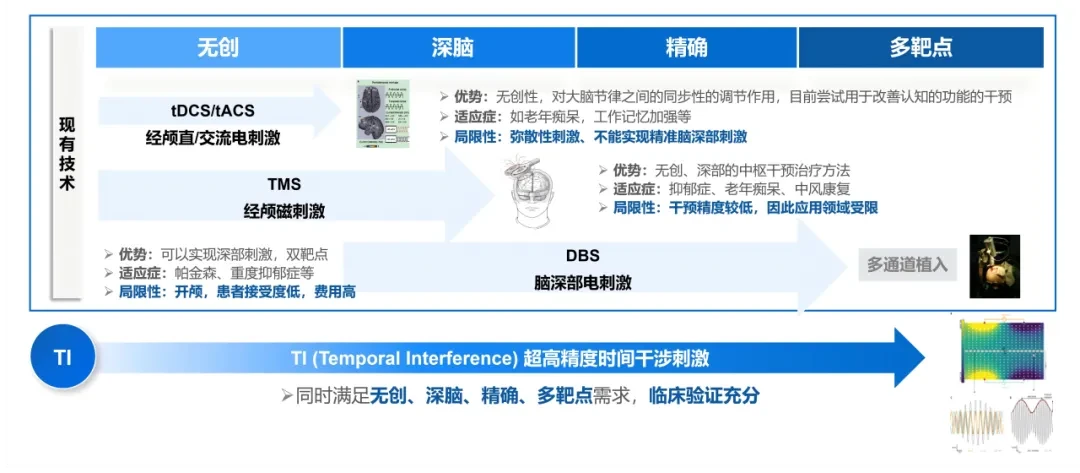
Figure 3: Comparison of Non-Invasive Neuromodulation Technologies
This groundbreaking update completely breaks the traditional diagnostic and treatment limitations of Parkinson's disease, which relied solely on medication and surgery. It marks the official entry of Parkinson’s disease diagnosis and treatment in China into a new development stage characterized by precision targeting, non-invasive safety, and personalized intervention, providing a new path to recovery for more patients who are intolerant to medication side effects or unsuitable for surgery.
Temporal Interference Stimulation (tTIS)
Pioneering New Pathways in Non-Invasive Neuromodulation >>>
Non-invasive neuromodulation technology, leveraging advanced physical intervention principles, requires no craniotomy and causes no traumatic injury. By precisely regulating neural activity in the cerebral cortex and deep brain regions, it effectively alleviates both motor and non-motor symptoms of Parkinson’s disease. Its superior safety and compatibility compared to traditional treatments underscore its significant clinical value.
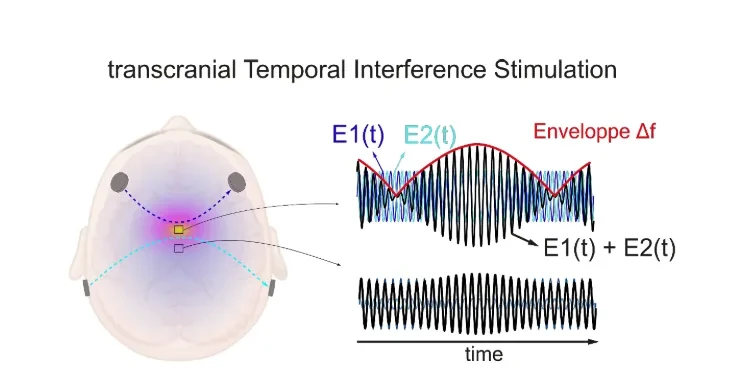
Figure 4. Principle and Schematic Diagram of Temporal Interference Stimulation (tTIS)
Temporal Interference Stimulation (tTIS)As a next-generation revolutionary non-invasive neuromodulation technology and the core cutting-edge technology in this guideline update, it has garnered significant industry attention in recent years due to its unique advantage in targeting deep brain regions. This technology utilizes high-frequency alternating currents of different frequencies to generate a low-frequency interferential electric field in the deep brain, thereby achieving precise stimulation of specific deep brain structures. Existing studies have reported that tTIS targeting the subthalamic nucleus or the globus pallidus internus (GPi) can improve motor symptoms in patients with Parkinson’s disease.[123⁃124]。
Supported by Professor Chen Shengdi’s teamNeurodome NervioX Series Temporal Interference (TI) Non-Invasive Deep Brain Stimulation DeviceExtensive clinical validation has confirmed that this technology combines non-invasiveness with deep-targeting capabilities, effectively improving core symptoms such as tremor, rigidity, and bradykinesia in patients with moderate to advanced Parkinson’s disease. It features a high safety profile and broad applicability. tTIS holds significant development potential; it is supported by Level C evidence and carries a Class III recommendation, indicating substantial potential for future clinical adoption.
Deepening Expertise in Non-Invasive Neuromodulation "
Neurodome Empowers New Clinical Standards >>>
As a specialized medical technology enterprise that pioneered the clinical implementation of non-invasive deep brain modulation via temporal interference (TI) stimulation in China and is deeply committed to precision diagnosis and treatment of neurological disorders,NeurodomeFocusing on the core sectors of therapeutic brain-computer interfaces (BCI) and non-invasive neuromodulation, with over a decade of deep expertise in the field, we have fully mastered proprietary and controllable core technologies for temporal interference stimulation (tTIS), filling the domestic technological gap in deep non-invasive neuromodulation devices. In recent years, leveraging continuous innovation and breakthroughs, the company has consistently facilitated the practical application of cutting-edge BCI technologies, empowering the standardized, high-quality advancement of China’s neurological diagnosis and treatment industry.
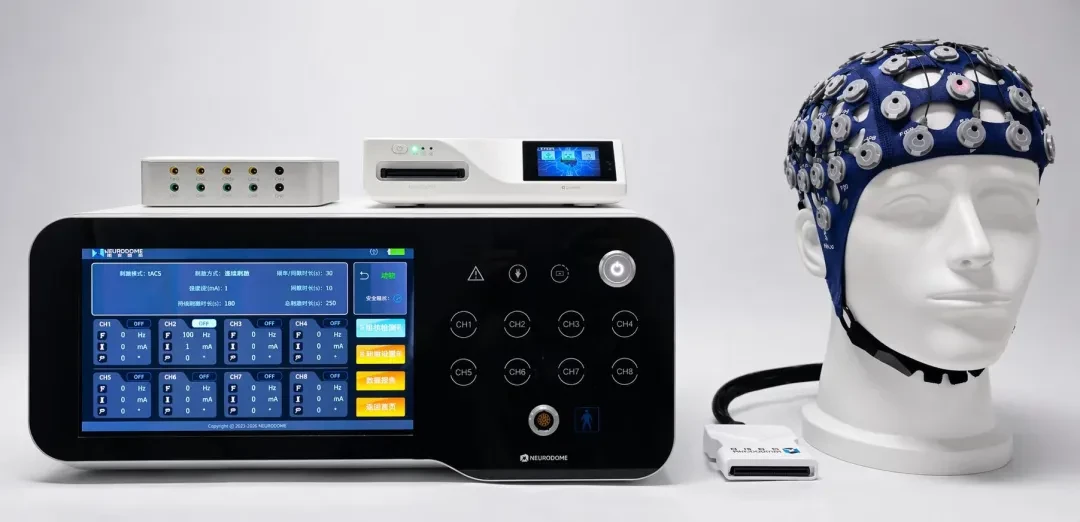
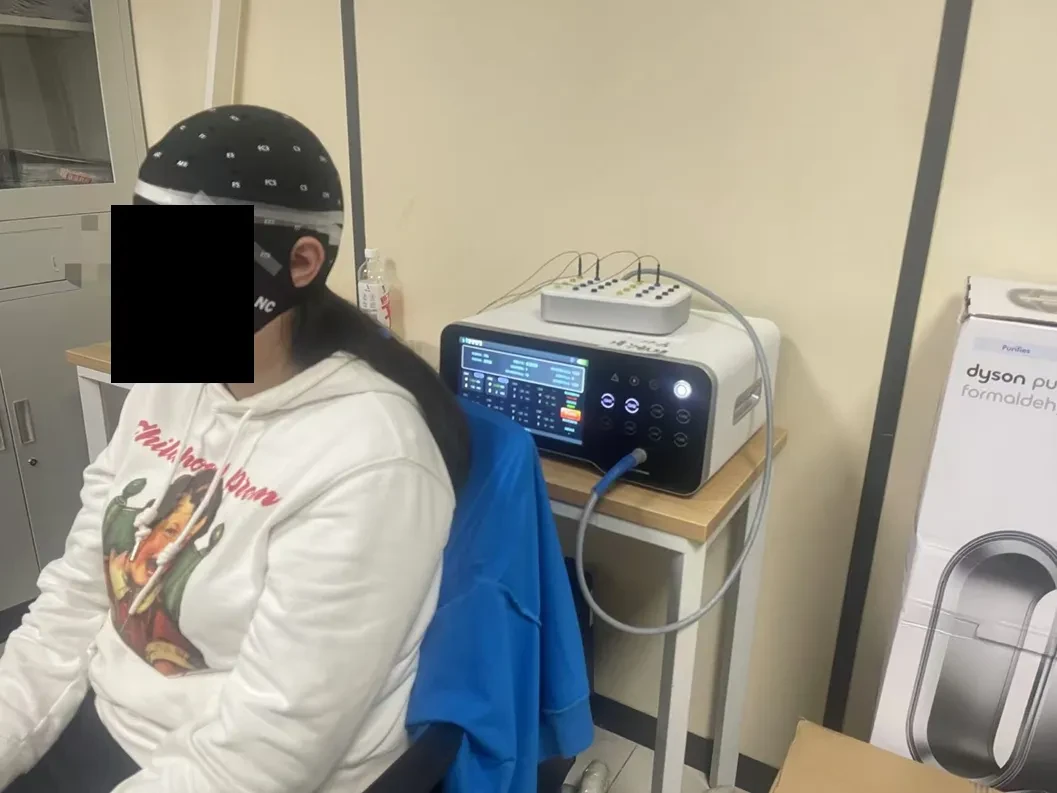
The company’s core self-developed product, the NervioX series of non-invasive deep brain stimulation systems using temporal interference, is a benchmark device aligned with the latest guidelines for the diagnosis and treatment of Parkinson’s disease. Equipped with a high-precision multi-channel stimulation module and an intelligent navigation system for individualized targeting, the system supports MRI-compatible simultaneous stimulation and synchronized EEG acquisition. It enables precise customization of stimulation parameters based on each patient’s condition, truly achieving a closed-loop clinical workflow that is “non-invasive, deep-brain, precise, multi-target, and safe and controllable.”
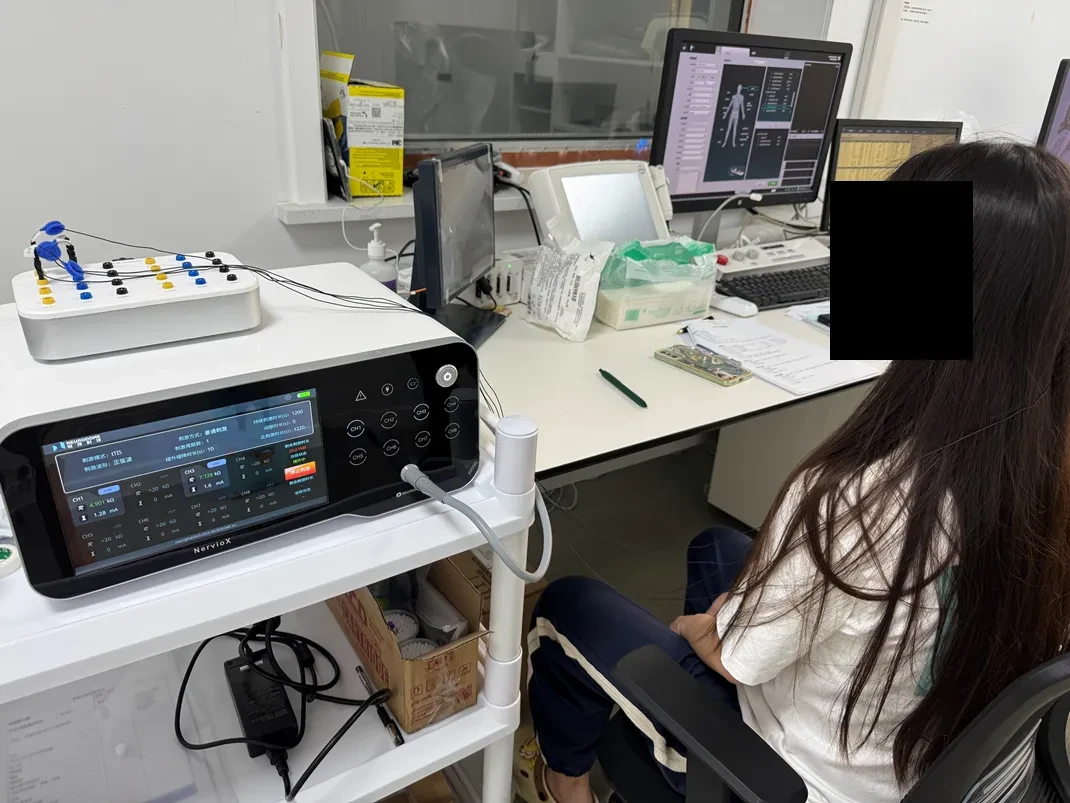
Leveraging its cutting-edge technological capabilities, Neurodome is deeply committed to the integration of clinical practice, academia, and research in neurology. The company collaborates extensively with top-tier tertiary hospitals across China, such as Ruijin Hospital, and leading experts in neurology, to continuously conduct clinical research and refine treatment protocols for various neurological disorders, including Parkinson’s disease, epilepsy, and cognitive impairments. Currently, Neurodome’s non-invasive deep brain modulation technology and devices have been deployed in over 200 premier clinical and research centers worldwide. With more than 5,000 patients enrolled in clinical trials and clinical exploration underway for over 40 indications, the technology demonstrates broad application prospects.
NeuroDome
"Closely Follow the New Edition of the Guidelines"
Neurodome Empowers a New Blueprint for Parkinson’s Disease Diagnosis and Treatment >>>
The release of the "Chinese Guidelines for the Treatment of Parkinson's Disease (Fifth Edition)" outlines a new roadmap for the diagnosis and treatment of Parkinson's disease, marking a transition from "medication + surgery" to "non-invasive precise neuromodulation." In the future, Neurodome will dedicate itself to advancing its core Temporal Interference (TI) stimulation technology, deeply cultivating the fields of non-invasive brain-computer interfaces and precise neuromodulation. By continuously strengthening industry-academia-research collaborations with leading clinical experts and medical institutions in China, refining product technologies, and optimizing clinical diagnostic and therapeutic protocols, Neurodome aims to leverage robust technological innovations to drive the upgrade of precision diagnosis and treatment for neurological disorders, thereby safeguarding the rehabilitation and quality of life for patients with Parkinson's disease and various other brain disorders worldwide.
"Chinese Guidelines for the Treatment of Parkinson's Disease (Fifth Edition)" Original Text
Download Link:https://www.yiigle.com/index




Contact & Consultation

WeChat Official Account
Neurodome
Pioneer in Non-Invasive Deep Brain Neuromodulation
Phone: 400-629-2019
Email: info@neurodomers.com