

Cybrexa Therapeutics Files IPO Prospectus to Advance Its Antigen-Independent Peptide-Drug Conjugate Platform Targeting Solid Tumors

Cybrexa Therapeutics
Tumor-targeted Technology R&D Provider
Cancer is a major public health issue.
In recent years, the research and development of antibody-drug conjugates (ADCs) has gained significant momentum, attracting pharmaceutical companies both in China and abroad to enter the ADC field. Currently, ADCs have become a highly regarded class of anticancer agents in the realm of targeted cancer therapy.
The success of ADCs has fueled enthusiasm for the development of conjugated drugs. Novel types of conjugated therapeutics continue to emerge, such as PDCs (peptide-drug conjugates), RDCs (radionuclide-drug conjugates), SMDCs (small-molecule drug conjugates), AOCs (antibody-oligonucleotide conjugates), and ADeCs (antibody-degrader conjugates).
PDC is a novel class of conjugate drugs, composed of three components: a targeting peptide, a linker, and a cytotoxic drug.
Peptide–Drug Conjugates (PDCs) share a similar design principle with Antibody–Drug Conjugates (ADCs), aiming to leverage drug delivery and tumor-targeting capabilities. The key difference lies in the targeting moiety: ADCs employ antibodies, whereas PDCs utilize peptides. The mechanism of action of PDCs is also analogous to that of ADCs. Through cleavable linkers, the targeting peptide is covalently conjugated to a cytotoxic payload, enabling precise targeting of specific receptors on tumor cells, controlled release of the cytotoxin, and subsequent killing of tumor cells.
Compared with antibody-drug conjugates (ADCs), peptide-drug conjugates (PDCs) offer advantages such as lower molecular weight, enhanced tumor penetration, reduced immunogenicity, and lower production costs. Thus, it is evident thatPDC drugs are poised to become the next generation of targeted anticancer therapeutics, following small-molecule drugs, monoclonal antibodies, and ADCs.To date, two PDC drugs have been approved for marketing worldwide: Lutathera, approved for Novartis in 2018, and Pepaxto, approved for Oncopeptides AB in 2021.
Cybrexa Therapeutics (hereinafter referred to as “Cybrexa”) is a clinical-stage oncology biotechnology company focused on developing a novel class of tumor-targeted peptide-drug conjugate (PDC) therapies. The company’sAlphalex Technology PlatformComposed of pHLIP peptides, linkers, and small-molecule anticancer agents (effector molecules), it is designed to achieve antigen-independent tumor targeting and efficient intracellular delivery of potent anticancer therapeutics, thereby creating therapies that can revolutionize the standard of care.
among which pHLIP®Peptides are a series of low-pH-inserting peptides that target acidic cell surfaces. pHLIP®Developed by Yale University and the University of Rhode Island, exclusively licensed to pHLIP Inc., with Cybrexa Therapeutics holding pHLIP®License.
The alphalex technology platform utilizes pHLIP conjugated to a linker to deliver anticancer compounds directly to tumor cells. Since pHLIP does not fold in the physiological pH surrounding normal cells, drug delivery to these cells is prevented, thereby reducing toxicity. In the acidic (low-pH) tumor microenvironment, pHLIP forms an α-helical structure, inserts itself into the tumor cell membrane, and traverses it. The linker is cleaved intracellularly, releasing the anticancer agent into the cytoplasm where it exerts its antitumor activity.
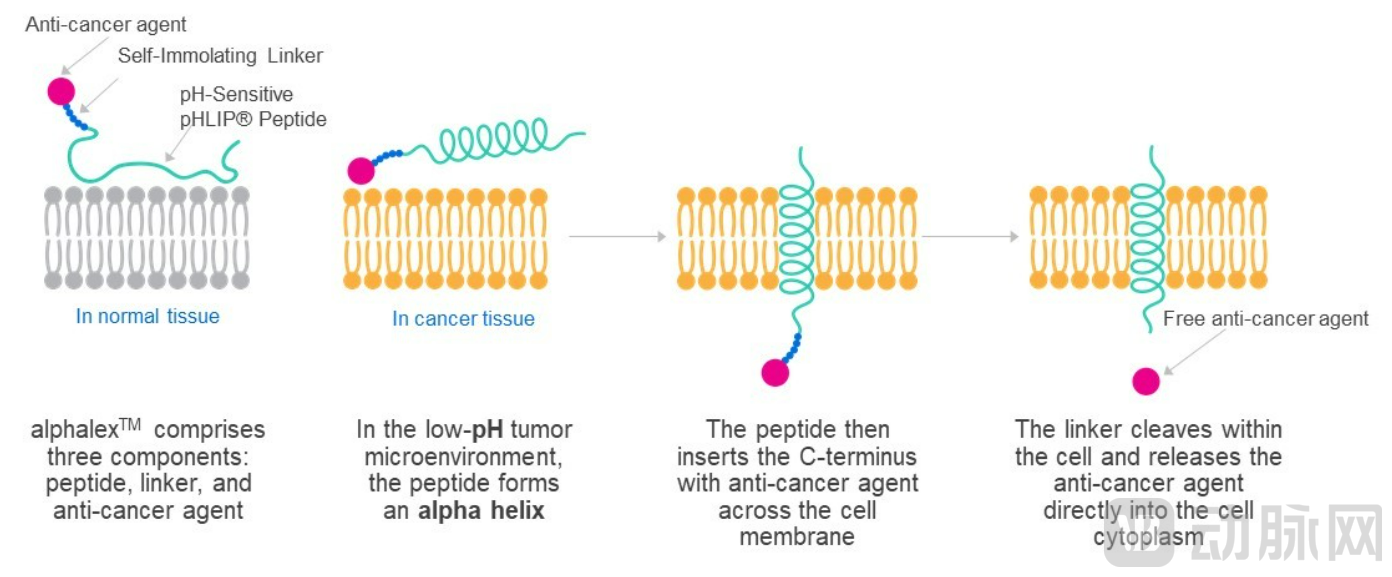
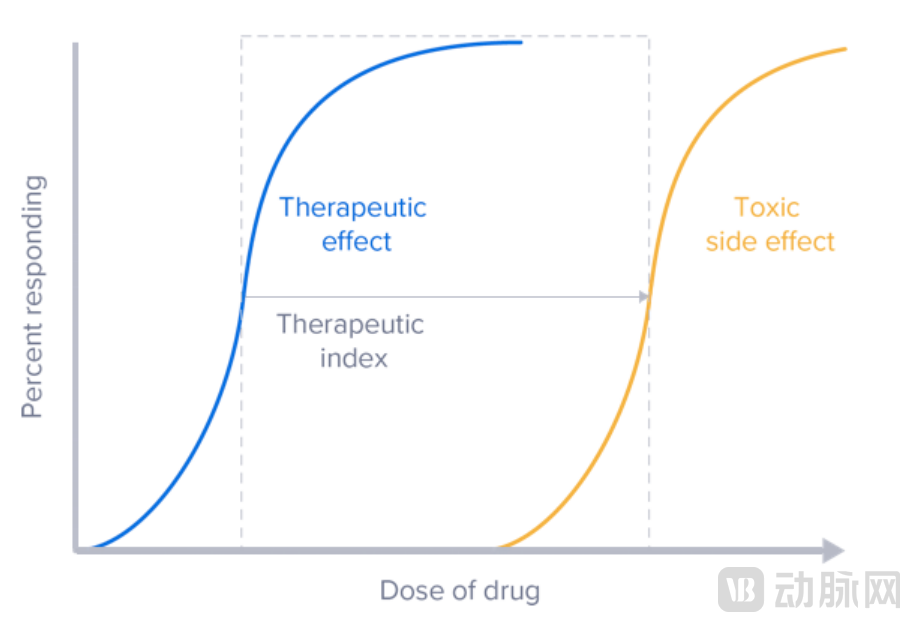
Schematic Diagram of the AlphaLex Technology Platform Operation (Image Source: Cybrexa Official Website)
The uniqueness of this platform lies in:
1. Selectively differentiate between tumor and healthy tissues;
2. It can function in any solid tumor without relying on any cytokines (including antigens);
3. Enables intracellular drug release;
4. Possesses deep tissue penetration capability;
5. Compatible with most small-molecule anticancer drugs;
6. Capable of simple and scalable manufacturing.
Currently, based onAlphaLex technology platform,Cybrexa has four drug candidates in its pipeline, with the most advanced one having entered clinical trials.
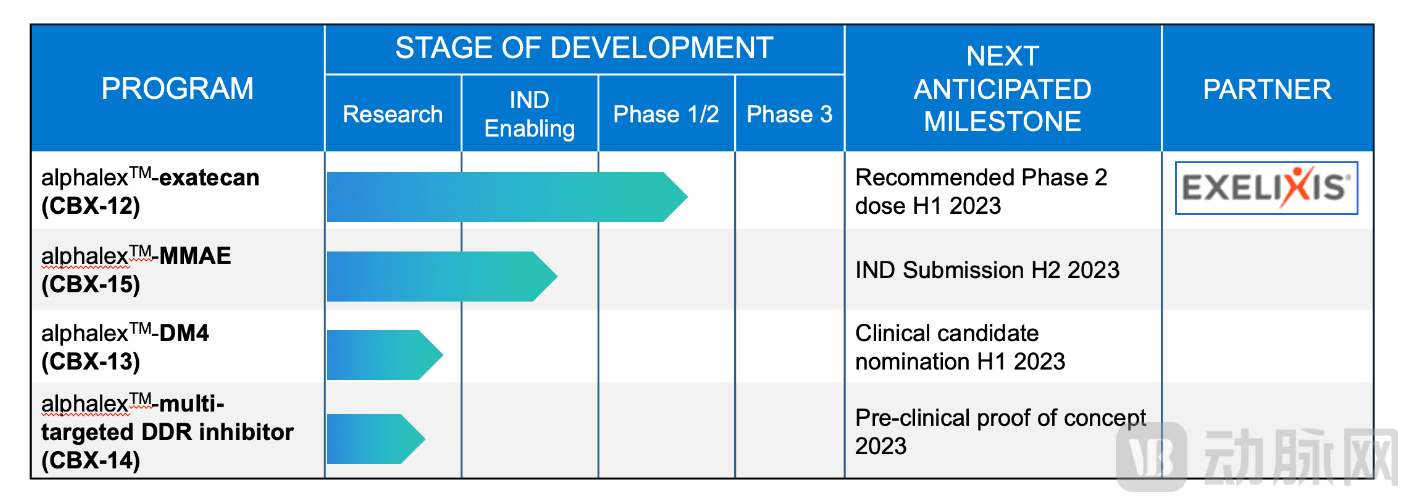
(Image source: Cybrexa official website)
CBX-12is a PDC drug developed based on the AlphaLex platform technology, belonging to a new class of drugs for the treatment of solid tumors. Compared with the antibody-drug conjugate ENHERTU®Similar to the payload used in TRODELVY™, CBX-12 contains exatecan, a potent topoisomerase I inhibitor, which enables antigen-independent expression in targeted tumor cells, thereby further expanding the population benefiting from targeted therapy.
In 2021, Cybrexa announced early Phase 1 data for its lead therapeutic candidate, CBX-12. Preliminary results demonstrated significant efficacy and tolerability in patients with metastatic cancer. Among the three patients enrolled in the study, one achieved a partial response at the first treatment assessment, which progressed to a complete response at the second assessment. Another patient, who had undergone multiple prior therapies including topoisomerase I inhibitors, maintained stable disease. These responses were evaluated according to the Response Evaluation Criteria in Solid Tumors (RECIST) v1.1. All patients were over 60 years of age and had advanced-stage cancer. Furthermore, tumor biopsies performed during treatment detected both the fully conjugated compound and free ethacridine in the tumors of all patients who underwent biopsy.
At the annual J.P. Morgan Healthcare Conference held recently, Per Hellsund, CEO of Cybrexa Therapeutics, showcased the potential of novel tumor-targeting peptide-drug conjugate (PDC) therapies. Hellsund stated that PDC therapies could challenge the existing antibody-drug conjugate (ADC) market by expanding the range of targetable molecules, thereby creating therapeutic opportunities for a broader variety of targeted treatments.
In 2022, Cybrexa Therapeutics delivered a plenary oral presentation on the results of the first-in-human study of CBX-12 at the 34th EORTC-NCI-AACR Symposium on Molecular Targets and Cancer Therapeutics.
This clinical study employed a “3+3” design with three stepwise escalating dose regimens. Patients received CBX-12 administered either for 5 consecutive days every 3 weeks (Regimen A), for 3 consecutive days every 3 weeks (Regimen B), or once weekly (Regimen C). The primary objectives were to assess safety, tolerability, and to determine the maximum tolerated dose (MTD) and the recommended phase 2 dose (RP2D). Secondary objectives included evaluating the plasma pharmacokinetics and intratumoral levels of CBX-12 and its metabolite exatecan, assessing antitumor activity per RECIST v1.1 criteria, and measuring anti-drug antibodies.
The report indicated that, as of June 28, 2022, a total of 24 patients in the study had received varying treatment schedules and dosing regimens to evaluate the safety and efficacy of CBX-12 at doses of 0.25, 0.5, 20, 30, 45, and 60 mg/kg. The results showed that the most common treatment-related adverse events (TRAEs) included nausea (n=11), diarrhea (n=8), vomiting (n=8), anemia (n=8), decreased white blood cell count/absolute neutrophil count (WBC/ANC) and fatigue (each n=7), dehydration (n=4), increased aspartate aminotransferase (AST) (n=3), and alopecia (n=3). The most severe TRAEs were decreased ANC, anemia, decreased platelet count, and decreased WBC. In terms of efficacy, among 18 patients evaluable for response, two demonstrated objective responses: one achieved complete response (CR; ovarian cancer) and the other partial response (PR; breast cancer).
Although clinical signs varied across different tumor types, plasma concentrations of CBX-12 and free exatecan were observed to increase proportionally with dose, and the adverse event (AE) profile was consistent with that of the topoisomerase I payload exatecan, indicating preliminary antitumor activity of CBX-12.
In addition to its flagship pipeline candidate CBX-12, another investigational pipeline of CybrexaCBX-15There have also been significant advances.
CBX-15 is a peptide-drug conjugate composed of alphalex™-monomethyl auristatin E (MMAE). The peptide component of CBX-15 forms an α-helix only under low-pH conditions, facilitating unidirectional insertion of the peptide and delivery of MMAE across cancer cell membranes, thereby avoiding exposure to healthy tissues (including immune cells).
On October 10, 2023, Cybrexa announced that it would present data findings on its preclinical candidate drug CBX-15 for the treatment of triple-negative breast cancer at the 35th AACR-NCI-EORTC (ANE) International Conference on Molecular Targets and Cancer Therapeutics.
This study aimed to evaluate the efficacy of CBX-15 and its induction of anti-tumor immune memory by assessing 13,762 cases of syngeneic breast adenocarcinoma in animal models (N=344). In vivo and in vitro re-challenge with live tumor cells was performed to assess tumor rejection, T cell-derived cytokine release, tumor-infiltrating immune cells, and the composition of bone marrow memory T cells, thereby examining the development of anti-tumor immune memory in CBX-15-cured subjects.
Data show that CBX-15 demonstrated rapid tumor regression in animal models, achieving complete therapeutic efficacy without causing damage to healthy tissues (such as bone marrow). Furthermore, 50 days after administration, CBX-15 enhanced resistance to rechallenge with live tumor cells and doubled the number of resident CD4+ T cells in the bone marrow.
Dr. Vishwas Pallkar, Chief Scientific Officer of Cybrexa Therapeutics, stated, “In this preclinical study, CBX-15 demonstrated antitumor activity and a favorable safety profile. The company plans to advance CBX-15 into Phase 1 clinical trials in the first quarter of 2024.”
On November 1, 2022, Cybrexa and Exelixis announced an exclusive collaboration agreement. Under the agreement, Exelixis has the right to acquire CBX-12 and leverage Cybrexa’s proprietary alphalex technology to enhance the delivery of exatecan to tumor cells. According to the terms, Exelixis will pay Cybrexa a $60 million upfront payment in exchange for the option to acquire CBX-12 following the release of Phase I clinical results, and to fund Cybrexa’s development and manufacturing costs associated with advancing the agreed-upon development plan. Cybrexa is eligible to receive up to $642.5 million in additional payments, including development, regulatory, and commercial milestone payments, as well as the fee for the purchase of CBX-12 upon evaluation of pre-specified clinical data.
On June 2, 2023, the latest data presented by Cybrexa at the American Society of Clinical Oncology (ASCO) Annual Meeting showed that CBX-12 enables intracellular drug delivery via its proprietary alphalex™ technology, thereby reducing the toxicity associated with topoisomerase I inhibition. Furthermore, the study identified the maximum tolerated dose of CBX-12 as 45 mg/m² administered daily for three consecutive days within a 21-day cycle.2or 60 mg/m² weekly2。
Exelixis, founded in 1994, is a commercial-stage oncology biotechnology company dedicated to accelerating the discovery, development, and commercialization of novel therapies for hard-to-treat cancers. Exelixis has established a comprehensive drug discovery and development platform and has launched four marketed products: CABOMETYX (cabozantinib), COMETRIQ (cabozantinib), COTELLIC (cobimetinib), and MINNEBRO (esaxerenone). The company has also forged partnerships with leading global pharmaceutical companies. Through targeted external business development and internal drug discovery efforts, Exelixis continues to enrich its product pipeline with next-generation therapeutics to benefit a broad patient population.
Mike Needle, Chief Medical Officer at Cybrexa, believes that the use of Cybrexa’s proprietary alphalex™ technology enables higher dosing compared to non-conjugated exatecan. In light of this, the company is preparing to initiate Phase 2 trials in breast cancer, ovarian cancer, colorectal cancer, and gastric cancer.