

Codexis Files Prospectus Amid Strategic Pivot to ECO Synthesis Platform Following Sharp Earnings Decline

Codexis
Protein Engineering Technology Developer
In recent years, ribonucleic acid (RNA) as a therapeutic modality has garnered significant attention, driven by the clinical progress of an increasing number of messenger RNA (mRNA) vaccines and oligonucleotide (small nucleic acid) drug candidates, including antisense oligonucleotides (ASOs), small interfering RNAs (siRNAs), microRNAs (miRNAs), and aptamers. However,Large-scale production still faces multiple challenges, including RNA quality and cost.
At this year’s TIDES US conference, Codexis presented the role of engineered enzymatic methods in supporting the production of RNA-based therapeutics. Spun off from the established genetics company Maxygen in 2002, Codexis is headquartered in Redwood City, California, USA. The company went public on the NASDAQ in 2010 (ticker symbol: CDXS) and is a synthetic biology firm focused primarily on life science tools, sustainable manufacturing, and biotherapeutics.
The company’s revenue is primarily derived from two sources: products and R&D. The year 2021 can be regarded as the company’s “inaugural year of development.” According to data from Codexis’s official website, total revenue increased by 52% in 2021 to $104.8 million (with the majority of this growth driven by $34.5 million in sales to Pfizer of patented enzymes used in the production of the COVID-19 drug PAXLOVID™). Product revenue more than doubled in fiscal year 2021, reaching $70.7 million, while the gross profit margin for products rose to 68.6%, significantly higher than the 54.5% recorded in fiscal year 2020.
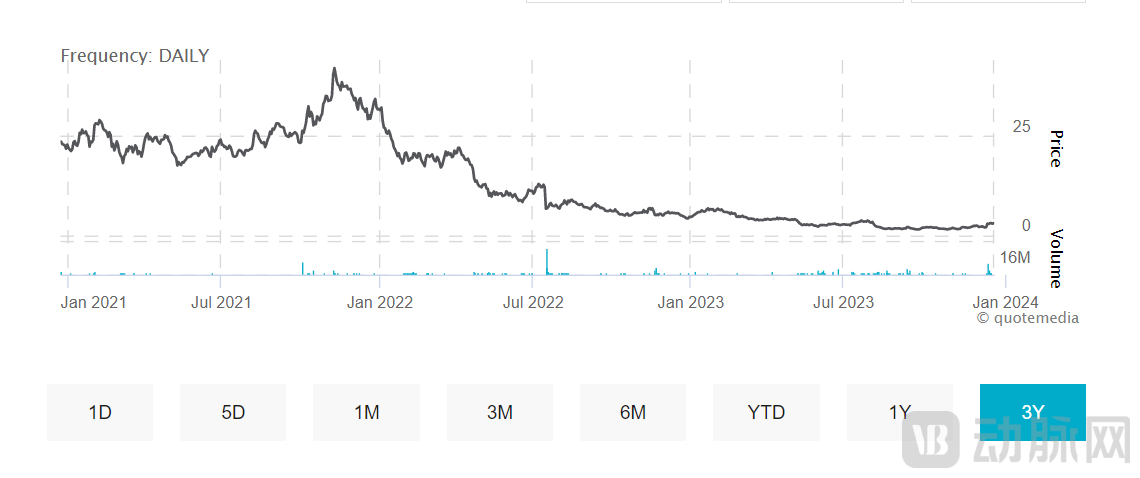
Stock Price Trend Chart (2021–2023) (Source: Codexis Official Website)
However, with the advent of the post-pandemic era, the number of companies developing COVID-19 drugs has increased while patient demand has decreased. The “hot” momentum failed to sustain, and Codexis’s stock has been “sliding all the way.” In response, Codexis has made strategic adjustments, gradually reducing investment in platform technology development and shifting its focus to commercialization. The company plans to concentrate resources on prioritizing the advancement and commercialization of its Enzymatic Catalytic Oligonucleotide (ECO) synthesis platform and its pharmaceutical manufacturing business.
Taking the third quarter of 2023 as an example, R&D revenue was $3.9 million, compared with $6.4 million in the third quarter of 2022. The primary reason for the decline was that R&D expenses recognized under existing collaboration agreements in 2023 were lower than those in the same period of the prior year, decreasing from $21.8 million to $13.7 million. This aligns with the company’s strategic transformation. The decrease was mainly attributable to a reduction in headcount, lower laboratory supply costs, reduced stock-based compensation expenses, and decreased production and regulatory costs.
The net loss for the third quarter of 2023 was $34.9 million, or $0.50 per share, compared with a net loss of $10.0 million, or $0.15 per share, in the third quarter of 2022. Excluding enzyme sales related to PAXLOVID™, the net loss for the third quarter of 2022 would have been $20.0 million, or $0.31 per share.
Excluding enzyme sales related to PAXLOVID™, the product gross margin was 58% in the third quarter of 2023, compared to 55% in the third quarter of 2022; including enzyme sales related to PAXLOVID™, the product gross margin was 58% in the third quarter of 2023, compared to 65% in the third quarter of 2022. The primary reason for the decline was a change in product mix, partially offset by revenue recognized in the third quarter of 2023 with no associated costs.
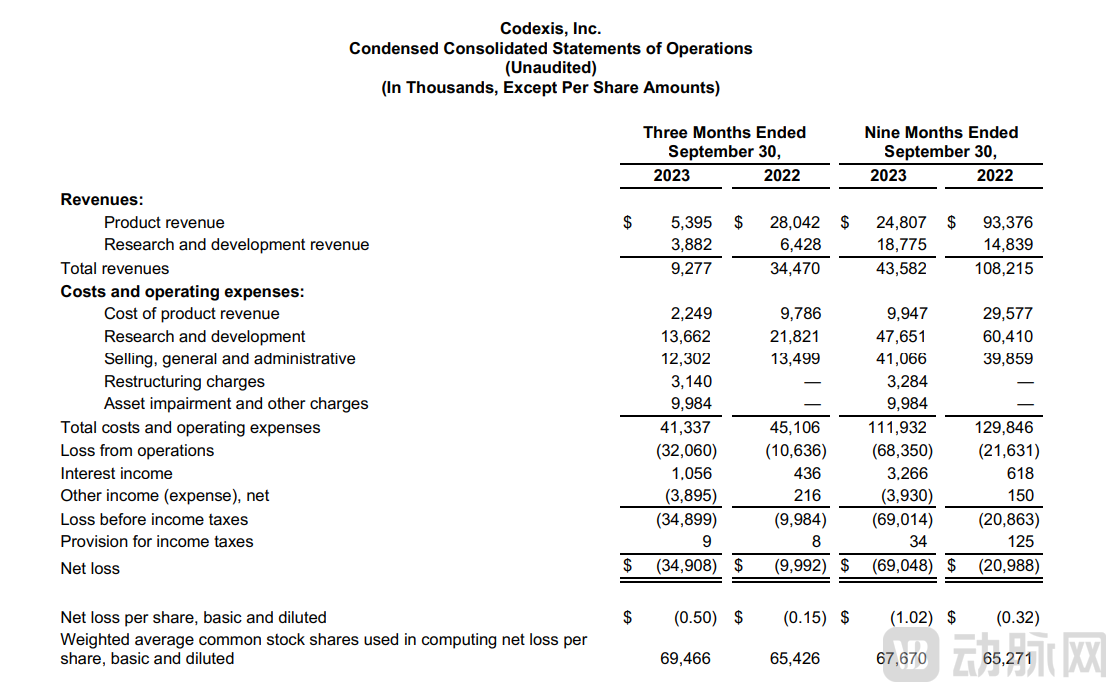
Consolidated Financial Statements Chart (Source: Codexis Official Website)
As of September 2023, total product revenue amounted to $43.582 million, lower than the over $100 million recorded in the first nine months of 2022. According to estimates on the Codexis website, excluding enzyme sales related to PAXLOVID™, product revenue for 2023 is projected to range between $30 million and $35 million, R&D revenue is expected to be between $21 million and $24 million, and the gross margin for product revenue is anticipated to fall within the range of 55% to 65%.
Following a 18% workforce reduction in late 2022, Codexis has announced another 25% layoff, stating that it will adjust its strategic focus to concentrate resources on projects most likely to create significant value in the short term and beyond. The company will prioritize advancing and commercializing its Enzymatic Catalytic Oligonucleotide (ECO) synthesis platform and its pharmaceutical manufacturing business.
Codexis’s predecessor, Maxygen, was founded in 1997 and leveraged the “DNA shuffling” technology developed by Dr. Willem Pim Stemmer for its internal protein product development programs. “DNA shuffling” is akin to “shuffling” genes, transferring the natural breeding process into test tubes to recombine existing natural DNA diversity, thereby endowing proteins and cells with superior functions.
Most previous methods struggled to efficiently improve protein performance, whereas “gene shuffling” is more convenient and cost-effective, outperforming other technologies. For this contribution, Stemmer was awarded the 2011 Charles Stark Draper Prize, conferred by the National Academy of Engineering and regarded as the “Nobel Prize of engineering.”
Throughout their development, startups across various sectors—including agriculture, industrial enzymes, pharmaceuticals, and vaccines—have either spun off or secured proprietary rights to molecular breeding technologies within their respective specialties, and Codexis is no exception. Synthetically engineered high-performance enzymes can meet the pharmaceutical industry’s needs for cost-effectiveness and sustainability; enhance production efficiency, improve sensitivity in genomic and diagnostic applications, and boost potential therapeutic efficacy; while simultaneously reducing waste, pollution, and resource consumption. According to CB Insights, the global synthetic biology market is projected to reach $18.9 billion by 2024, with a compound annual growth rate (CAGR) of 28.8%.
Codexis’s core pipeline of engineered enzymes includes the CodeEvolver® platform and ECO Synthesis™ technology, with the former serving as the foundation for the latter’s development and being applicable in the pharmaceutical and life sciences sectors.
·CodeEvolver®
The CodeEvolver® platform can modify enzyme performance, customizing enzymes for specific applications. It enables high-throughput design, screening, and analysis of large libraries of enzyme variants, sequencing each variant and correlating its sequence with performance. On one hand, it facilitates efficient large-scale screening, achieving significant performance optimization in a short cycle, with an improvement rate surpassing that of other technologies after several rounds of iteration within the same timeframe.
On the other hand, it employs a parallel screening approach to evaluate enzyme characteristics, including enzymatic activity, thermal stability, pH stability, organic solvent tolerance, serum stability, and cellular uptake across different cell types. This ensures that the final evolved enzymes achieve optimal application performance, rather than merely optimizing detection performance.
The CodeEvolver® technology platform enables the development of biocatalysts for manufacturing small-molecule drugs, enhancing their activity, selectivity, and stability. When employed in sequential enzymatic conversion processes, these biocatalysts can lower the conditions required for chemical reactions, generate less experimental waste, and deliver greater economic benefits. According to data from Codexis’s official website, the company currently has 18 commercial active pharmaceutical ingredient (API) projects and three platform licenses. Additionally, there are 18 projects in Phase II and Phase III clinical trials, as well as more than 50 projects in research and early-stage clinical development.
·ECO Synthesis™
The CodeEvolver® technology platform and extensive experience in enzyme production jointly led to the development of ECO Synthesis™, Codexis’s proprietary next-generation synthesis platform. This technology is dedicated to overcoming manufacturing barriers for therapeutic oligonucleotides, such as small interfering RNA (siRNA) and antisense oligonucleotides (ASOs). Driven by a suite of novel enzymes, it constitutes an efficient system for synthesizing modified nucleic acids.
The system leverages a proprietary terminal deoxynucleotidyl transferase (TdT), an enzyme specifically engineered for the synthesis of common 2'-modified nucleotides, including 2'-F, 2'-OMe, and backbone-modified α-thiophosphate nucleotides. As the cornerstone of ECO Synthesis™ technology, this highly specialized enzyme has been fine-tuned to optimize hybridization compatibility and catalytic activity. It enables the high-efficiency, low-bias incorporation of desired modified nucleotides, which is critical for therapeutic RNA applications.
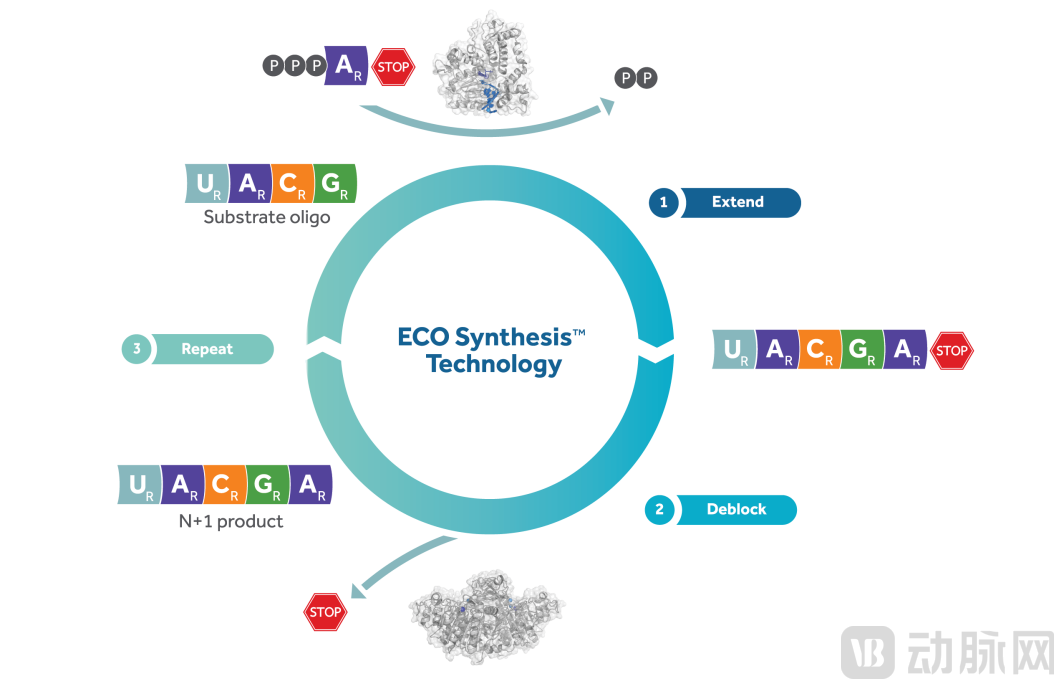
ECO Synthesis™ Workflow Diagram (Image source: Codexis official website)
Currently, Codexis is leveraging ECO Synthesis™ to develop therapies for the large-scale production of RNA oligonucleotides, thereby expanding pathways that transform siRNA synthesis paradigms. By replacing key chemical processes with the aforementioned enzymatic methods, this approach achieves catalytic oligonucleotide synthesis. It holds promise for disrupting existing phosphoramidite-based processes and addressing the sustainability and scalability challenges of oligonucleotide synthesis, offering a transformative alternative to phosphoramidite chemistry and its substantial chemical waste—including environmentally harmful solvents (e.g., acetonitrile and pyridine) and chemical reagents (such as iodine, dimethylpyridine, and dichloroacetic acid).
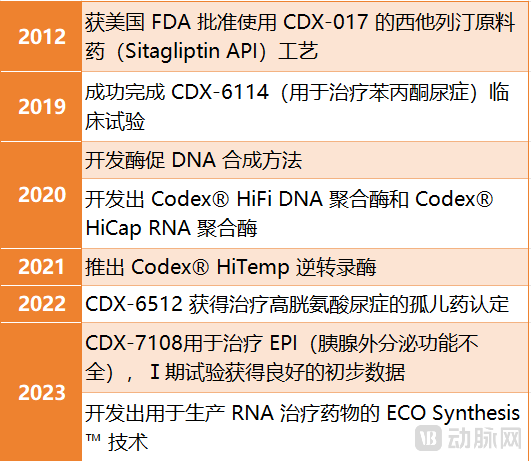
Codexis Product Development Timeline (Source: Codexis Official Website)
Engineered enzymes are developed based on the CodeEvolver® platform and ECO Synthesis™, and can be applied toSmall-Molecule Drug Manufacturing, Nucleic Acid Synthesis, and Genome Sequencingand other therapeutic areas.
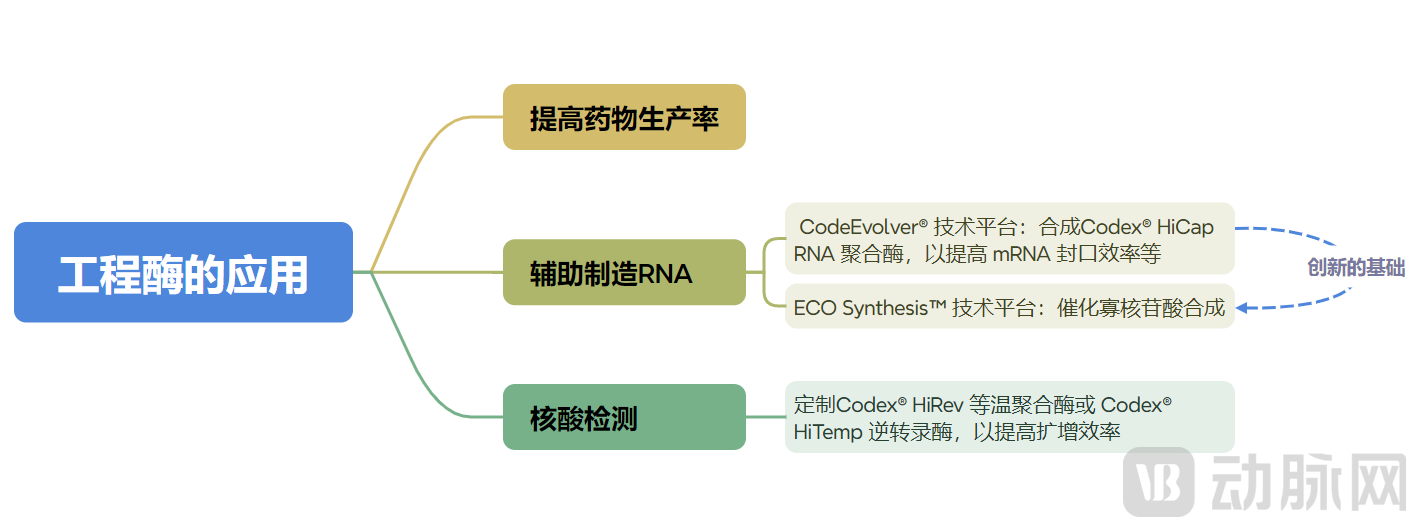
Application Map of Engineered Enzymes (Data Source: Codexis Official Website)
In terms of improving drug production efficiencyHighly customized biocatalysts can transform the manufacturing process of active pharmaceutical ingredients (APIs) by eliminating steps, increasing yields, and reducing solvent consumption and waste, thereby enabling sustainable API production that benefits society, the environment, and the economy.
Januvia® is a best-selling drug for the treatment of type 2 diabetes, manufactured by Merck & Co. As commercial penetration of the drug continues to rise, Merck has faced supply shortages. Codexis partnered with Merck to develop a new high-performance enzymatic catalyst that streamlines production steps, nearly doubling productivity while reducing costs.
In RNA Production, Codexis’s engineered enzymes can overcome the unique challenges associated with commercial-scale production of high-quality mRNA, improving mRNA capping efficiency and generating fewer double-stranded RNA byproducts.
In the traditional co-transcriptional capping process, optimizing wild-type T7 (WT T7) RNA polymerase with trinucleotide cap analogs can achieve a capping efficiency of approximately 95%, whereas using dinucleotide cap analogs (such as ARCA) results in a capping efficiency of less than 80%.
Considering the loss in capping efficiency, manufacturers prefer using Vaccinia Capping Enzyme (VCE) for post-transcriptional capping when employing dinucleotide caps, as it can achieve a capping rate of >95%, although this introduces additional processing and purification steps. In vitro transcription (IVT) using wild-type T7 RNA polymerase generates undesirable double-stranded RNA (dsRNA) byproducts, which can trigger adverse host immune responses and are difficult to remove at scale.
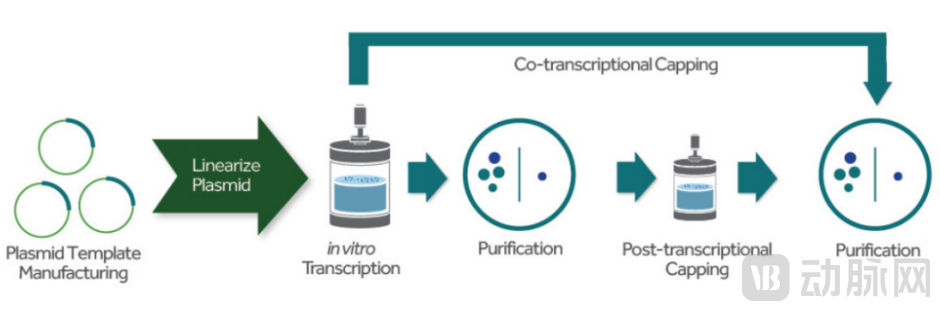
IVT Partial Workflow Diagram (Image Source: Codexis Official Website)
Using Codex® HiCap RNA polymerase for capping enables the synthesis of mRNA with high yield and low immunogenicity. Engineered T7 RNA polymerase offers the advantages of achieving efficient co-transcriptional capping and reducing dsRNA byproducts during mRNA synthesis.
In nucleic acid testingrelying on enzymes to amplify a series of starting samples. Engineered enzymes tailored to practical laboratory and physiological conditions can enhance the performance of these workflows and handle degraded or low-input starting samples. For instance, Codex® HiRev Isothermal DNA Polymerase enables faster and more sensitive RT-LAMP reactions, effectively addressing challenging conditions such as low copy numbers and the presence of various common inhibitors. Codex® HiTemp Reverse Transcriptase is a high-sensitivity enzyme with thermal stability up to 70°C. Furthermore, its stability at ambient temperature and suitability for automation make it an ideal choice for customized one-step RT-qPCR assays.
Given its broad range of applications, Codexis has been favorably regarded by numerous multinational pharmaceutical companies, leading to collaborative partnerships.
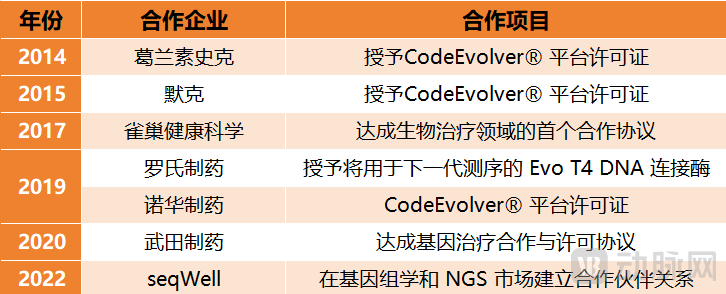
Table of Partner Companies (Source: Codexis Official Website)
In addition, Codexis has launched a comprehensive portfolio of biocatalysts, screening kits, and enzyme recovery products, which reduce the time and barriers associated with using engineered enzyme preparations. These kits contain enzymes with high activity, selectivity, broad substrate scope, solvent tolerance, and stability. For example, the KRED screening kit includes 24 ketoreductases selected from over 70 screening projects. Furthermore, all enzymes in the kits are available in follow-up quantities ranging from 50 grams to 100 grams, ready for immediate use in development work, with larger custom quantities available according to subsequent plans.
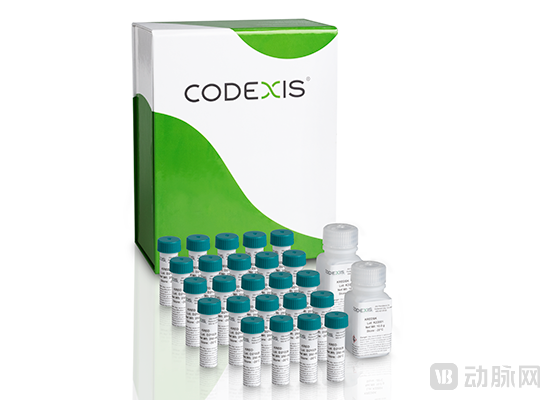
Screening Kit (Image source: Codexis official website)
Engineered enzymes have extensive applications in the pharmaceutical sector, with oligonucleotide therapeutics representing one of the most significant downstream application areas and a key target of Codexis’s strategic realignment. In December 2017, the China Food and Drug Administration (CFDA) issued the “Opinions on Encouraging Drug Innovation through Priority Review and Approval,” aiming to accelerate"Clinical Value"of new drugs and the research, development, and market launch of generic drugs urgently needed for clinical use.
Oligonucleotide drugs offer advantages such as short development cycles, durable efficacy, low propensity for drug resistance, and a broad therapeutic scope. Capable of targeting sites that are difficult for small molecules and antibodies to address, they are regarded as the third major class of therapeutics beyond these two categories and constitute a key area of policy support. The core technical challenges in their production include sequence design optimization for target genes, chemical modifications, synthesis of oligonucleotide drugs (raw materials and equipment), and delivery vectors.
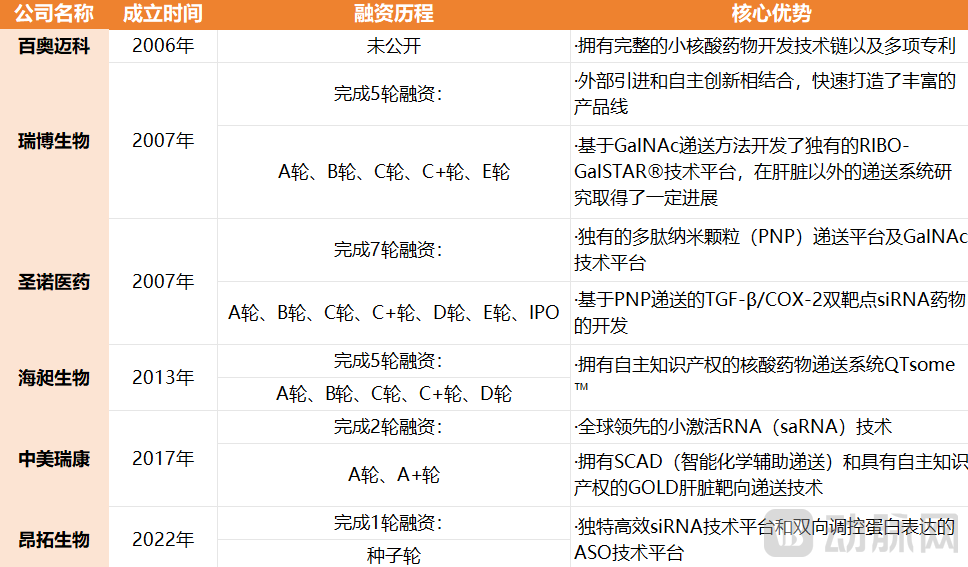
According to Frost & Sullivan statistics, the global market size of oligonucleotide drugs has grown from USD 10 million in 2016 to USD 3.25 billion in 2021, with a compound annual growth rate (CAGR) as high as 217.8%. Currently, most marketed oligonucleotide drugs are produced by three companies: Ionis, Alnylam, and Sarepta. However, China has also seen the emergence of rapidly developing innovative technology companies in the oligonucleotide industry, such as Ribo Life Science, Starnova Therapeutics, and United RNA Therapeutics.
As of September 2023, a total of 15 oligonucleotide drugs have been approved for marketing worldwide (with 3 drugs withdrawn from the market), including 9 antisense oligonucleotide (ASO) drugs, 5 small interfering RNA (siRNA) drugs, and 1 aptamer. Genetic rare diseases represent the most frequently approved indication category, with 11 drugs targeting genetic rare diseases, 2 for ophthalmic diseases, 1 for cardiovascular diseases, and 1 for metabolic disorders. Given the “high” demand and “large” market for oligonucleotide drugs, the future of engineered enzymes appears “promising.”