

Interview with Bio-safety Founder: Over 30 Years in Pathology, Empowering China's Voice in Medical Device Evaluation

io-SF
Medical Laboratory Service Provider
With the advancing aging of society, the variety, volume, and quality demands for medical devices are rapidly increasing. The continuous emergence of new materials, new products, and new technologies poses growing challenges to government departments and regulatory agencies. How to scientifically and effectively evaluate the safety and efficacy of medical devices, further improve the medical device evaluation system, enable safe and effective medical devices to serve patients better and faster, meet market demands while reducing the incidence of post-market adverse events has become an urgent issue to be addressed.
In recent years, with the introduction of supportive national policies and sustained capital interest, China’s medical device CRO industry has entered a fast track of development. However, it should also be noted that the industry started relatively late in China, is dominated by small and medium-sized enterprises, and exhibits low market concentration. Current challenges include fragmented CRO services, non-systematic management practices, and insufficient professional expertise.
As a rising star in the medical device CRO sector, Jiangsu Bio-safety Medical Technology Co., Ltd. (hereinafter referred to as “Bio-safety”) is committed to addressing the aforementioned industry pain points.
Leveraging the team’s international experience and technical expertise, and focusing on its five core business segments, io-SF has, over the past two years, made significant progress in infrastructure development, talent cultivation, expansion of operational capabilities, and laboratory comparative studies. The company has obtained CNAS accreditation for biological evaluation of medical devices and implemented a Good Laboratory Practice (GLP) management system for large-animal efficacy studies of implantable and interventional medical devices.
Leveraging its long-standing expertise in the international systems of toxicological testing and pathological diagnosis for medical devices, the team has gradually developed io-SF into an integrated preclinical service provider for medical devices. Meanwhile, in response to the continuous emergence of new materials and the rising technical requirements for evaluating degradable materials, io-SF is progressively expanding its portfolio of biocompatibility testing services for medical devices.
Professor Wang Shouli, Founder and Chief Scientist of io-SF, has been deeply engaged in the field of pathology for over 30 years.He previously studied under Professor Yang Guanghua, a renowned pathologist and former President of West China University of Medical Sciences, engaging in clinical pathological diagnosis. Subsequently, he worked at Soochow University, the Shanghai Institutes for Biological Sciences of the Chinese Academy of Sciences, and the School of Medicine at the University of Washington in the United States, where he was involved in pathological diagnosis, teaching, and scientific research. He has presided over four General Program projects funded by the National Natural Science Foundation of China and participated in three major research and development projects supported by the Ministry of Science and Technology. He has published more than 100 SCI-indexed papers, including articles in Biomaterials and Oncogene. His work is dedicated to key technologies for the preclinical evaluation of implantable and interventional medical devices and biomaterials, investigation and analysis of adverse events related to medical devices, and the development of international standards for preclinical evaluation systems of medical devices.
In 2014, Wang Shouli founded Suzhou Kansai'er (Cancer-cell) Medical Laboratory Co., Ltd. (hereinafter referred to as “Kansai'er”), which specializes in preclinical safety evaluation of pharmaceuticals and medical devices. In 2015, he established the Pathology Center of Soochow University (affiliated with the Institute of Health and Environmental Technology of Soochow University), focusing on biological evaluation of medical devices, making it one of the few universities in China providing testing services for medical devices.
In 2018, Professor Wang Shouli served as Chief Pathologist and Toxicologist at Namsa’s China laboratory, where he was responsible for signing off on preclinical evaluation reports for medical devices submitted to the U.S. FDA.In the same year, Kansail obtained FDA-recognized GLP management system certification and became the exclusive provider of pathology technical services for Namsa’s China laboratory. The company is now a wholly-owned subsidiary of io-SF Medical.During his tenure at Namsa, Professor Wang Shouli issued over forty preclinical study reports covering cardiovascular, orthopedic, and medical aesthetic products for submission to the U.S. FDA and China’s CFDA. The safety and efficacy evaluation standards for all these products were recognized, with no requests for additional information or objections raised to date.
Furthermore, Professor Wang Shouli serves as a member of the Expert Committee for Medical Device Review under the National Medical Products Administration (NMPA), Vice Chairman of the Medical Animal Experiment Professional Committee of the Chinese Research Hospital Association, Standing Committee Member of the Toxicologic Pathology Committee of the Chinese Society of Toxicology, and Member of the Veterinary Pathologist Branch of the Chinese Veterinary Medical Association. He is also a clinical pathologist, certified toxicologist, and veterinary pathologist, possessing professional and authoritative expertise in the preclinical safety and efficacy evaluation of medical devices.
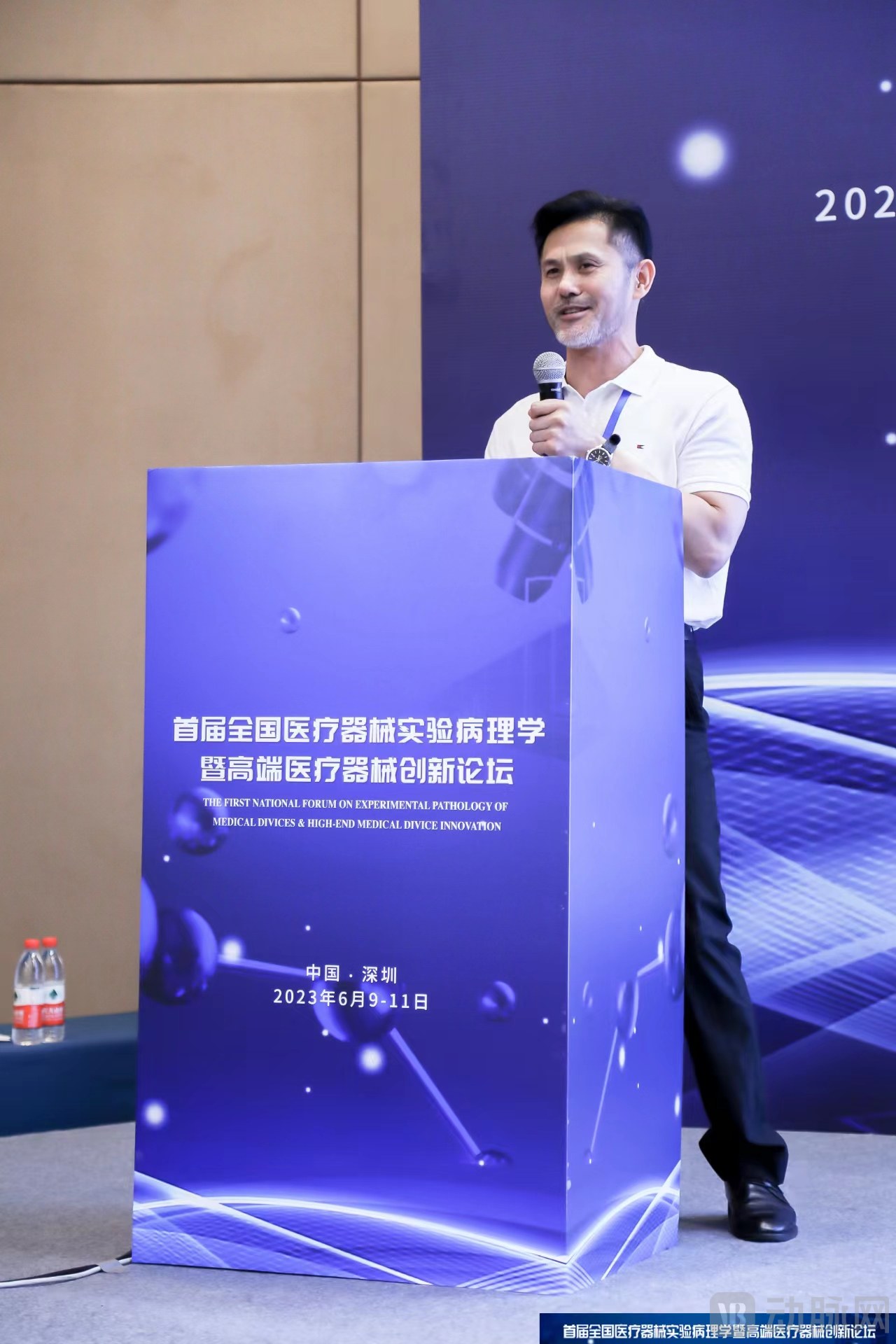
At the 1st National Forum on Experimental Pathology for Medical Devices in 2023, Professor Wang Shouli was invited to deliver a report on “Challenges and Discussions on Capacity Building of GLP Institutions for Medical Devices in China.” Image source: interviewee
In 2020, the U.S.-based Namsa closed its China laboratory. Nevertheless, a substantial unmet demand for CRO services persisted among Chinese medical device enterprises and certain international medical device companies. Given the scarcity of domestic testing institutions with relevant international accreditations, coupled with the inevitable surge in CRO service demand driven by the rapid development of China’s medical device industry in recent years, Wang Shouli conceived the idea of establishing a company to further advance the domestic medical device CRO sector.
In 2020, Jiangsu io-SF Medical Technology Co., Ltd. was established. The core team’s strengths stem from the profound expertise accumulated since the founding of Kansai in 2014. Kansai entered the CRO service sector by leveraging its capabilities in pathology technology and diagnostics.After nine years of intensive development, the core team has accumulated extensive experience in testing and inspection, data management, statistical analysis, and regulatory systems, laying a solid foundation of talent and technology for the establishment of io-SF.。
Currently, the team not only includes core members such as an EMBA graduate from Fudan University and a Ph.D. in Pathology from Heidelberg University in Germany, but io-SF’s positioning as a “medical device testing platform that adheres to international standard systems” has also attracted more like-minded partners to join. In particular, the addition of outstanding key personnel specializing in large animal studies from leading medical device CRO peers has infused the io-SF team with greater vitality and creativity. Together, the team is committed to establishing io-SF as a leading comprehensive service platform in China for preclinical safety and efficacy evaluation of medical devices.
To facilitate the globalization of China’s medical device industry and remove barriers for Chinese medical devices entering overseas markets, the company prioritizes the establishment and operation of systems compliant with the U.S. FDA’s Good Laboratory Practice (GLP) standards and the European CE certification framework. According to Wang Shouli, founder of io-SF, io-SF is one of the earliest medical device CRO companies in China to strictly adhere to GLP requirements from the outset of large-animal housing infrastructure development. The company has established a comprehensive system of Standard Operating Procedures (SOPs) for animal experiments, clinical pathology, and histopathology. Every step—including animal necropsy, organ weighing, specimen retention, tissue fixation, dehydration, embedding, sectioning, staining and mounting, microscopic examination, peer review, and report writing—is rigorously managed in accordance with GLP principles, covering operational methods, details, and key points. As a result, io-SF is among the few preclinical evaluation companies for medical devices in China currently recognized by the U.S. FDA.
Built upon Namsa’s years of practical experience in the United States, the io-SF platform has expanded its Good Laboratory Practice (GLP) system for large animal studies on the foundation of its existing GLP framework for pathology and diagnostics, and operates under the regulatory oversight of the U.S. FDA.It has already achieved dual regulatory submissions in China and the United States for preclinical evaluation of medical devices. It is one of the few domestic CRO platforms for medical devices that boasts an internationally recognized toxicology and pathology diagnostics team, along with mature evaluation protocols and standards.。
io-SF’s business scope covers five major segments: efficacy evaluation of implantable and interventional medical devices, biocompatibility testing of medical devices, outsourced animal pathology techniques and diagnostics, customized testing services tailored to client needs, and the R&D and sales of histopathology reagents and consumables.
Among these, the evaluation of medical device efficacy and biocompatibility are the main business segments of io-SF. The common technology involved in both areas is histopathology. "Animal histopathology techniques and diagnostics represent the core technical platform for CRO companies, determining their service efficiency and quality," Professor Wang Shouli told VCBeat. In this technical field, starting from Kansai Medical Laboratory Co., Ltd., the core team has accumulated nearly nine years of technical expertise and undergone rigorous testing against international standards.
"As a comprehensive service platform for the preclinical evaluation of medical devices, io-SF aims to address the issues of fragmentation, modularization, and non-systematic management currently prevalent in preclinical testing of medical devices in China. 'Some domestic biological evaluation testing companies often fail to consider the clinical usage scenarios of products. Instead, they mechanically refer to common biocompatibility indicators and make blind selections, leading to a disconnect between biological evaluation and safety concerns in clinical applications. Furthermore, due to the modular segmentation of testing items, each testing institution only provides its own modular data. No single institution is willing to issue subjective opinions or conclusions for all test results. Consequently, during the final review, the pressure falls on the review experts. Faced with a massive amount of data, it is indeed challenging for experts to draw scientific conclusions within the limited time of review meetings,' explained Professor Wang Shouli."
The io-SF platform consistently focuses on the ultimate clinical application objectives and optimal clinical indications of the products under evaluation. It assesses product safety and efficacy across different research levels, including biological evaluation and large animal studies. Particularly for innovative medical devices, the platform strives to identify the unique innovations of the study product through comparative analysis with benchmark products. All experimental protocols are conducted within a standardized system, ensuring that every generated data point is fully traceable.Based on the comprehensive analysis of all data from integrated biological evaluations and large-animal efficacy studies, conclusions or expert opinions shall be signed by qualified experts with credentials in toxicology and pathology. The platform institution and the experts shall jointly bear legal liability for the conclusions presented in the final report.
Due to the wide variety of medical devices, a diverse range of experimental animal species is required. Husbandry practices, quarantine and inspection indicators, and other parameters vary significantly across different animal species. To ensure effective project progress tracking and data traceability, io-SF has developed the “Bio-SF” management system for preclinical evaluation of medical devices. This system was designed in accordance with relevant laws and regulations from CNAS, FDA, OECD, and other bodies, while integrating GLP laboratory regulatory requirements and specific business characteristics. Currently, management standards for large animals—covering microbial and parasitic testing, housing environments, genetic analysis, and pathological examination—have been validated through consultations with multiple enterprises and experts. These standards were publicly announced in December 2022 and are poised to become enterprise-level standards for the regulation of large-scale research animals.
Notably, io-SF’s histopathology technology reagents and consumables are independently developed and supplied in-house. This not only ensures a stable supply of histopathology testing consumables for the company but also lays a critical foundation for quality control of its products and services.
During its early stages, the subsidiary Kansail focused primarily on the development of pathological technology products and has successfully developed more than thirty products related to pathological staining techniques. Among these, the universal tissue fixative, brain tissue fixative, and bone tissue decalcifying solution are all covered by authorized invention patents. In addition to eliminating the irritancy and toxicity associated with traditional formalin, these products streamline subsequent processing steps for tissue samples in further testing (such as immunohistochemistry) while ensuring the authenticity of tissue test results.
“Using reagents and consumables from different external batches often leads to instability in test results. In contrast, our proprietary products not only ensure the stability and accuracy of test results but also provide technical support for the company’s entire evaluation system. This is particularly critical for product testing involved in U.S. FDA registration applications, where the sourcing and quality control of all consumables are of utmost importance,” Professor Wang Shouli introduced to VCBeat.
>>>>
Addressing the Bottleneck in Hard Tissue Sectioning Technology for Medical Device CROs
io-SF’s in situ hard-cutting technology platform for implantable and interventional medical devices leverages hard tissue sectioning technology imported from Germany, integrates multiple invention patents held by the company in the development of special staining solutions and tissue fixatives, and is further strengthened by the team’s extensive experience accumulated over many years in sectioning, staining, and slide interpretation. This has established a core competitive advantage in the biological evaluation of medical devices.This technology has addressed the technical bottleneck in the in situ objective evaluation of tissues for domestically produced implantable and interventional medical devices, and has become the recommended technique by the Center for Medical Device Evaluation of the National Medical Products Administration for the biological evaluation of such devices., establishing a strong brand presence within the industry and attracting clients from across China.
“Hard tissue sectioning technical services involve a wide variety of material types, each requiring distinct protocols for dehydration, sectioning, grinding, and staining. Therefore, a highly specialized pathology technical team is essential for these procedures. In some cases, the optimal sectioning angle must be selected based on the clinical indications of the specific product,” explained Professor Wang Shouli. Through continuous exploration and experimentation, the io-SF team has resolved the prevalent issue among many manufacturers of having equipment but lacking the expertise to utilize it effectively, thereby expanding their capacity to provide outsourcing services to other medical device CRO companies.
Professor Wang Shouli stated that CROs are collaborative research and development organizations, not merely testing companies, and should consistently maintain technological innovation. Currently, Kansai Medical Laboratory has been recognized as a National High-Tech Enterprise. io-SF currently holds three granted invention patents, with five additional invention patents having passed examination.
Empowering Universities: Providing Talent and Technical Support
Currently, the rapid pace of technological innovation and iteration in the medical device sector has led to increasingly stringent requirements for the systems of preclinical evaluation institutions and the competencies of their personnel. To ensure timely responsiveness to enterprises’ innovative research efforts, io-SF places greater emphasis on strengthening its scientific research capabilities.
In 2018, Kansel and Soochow University jointly established the “Key Laboratory of Toxicologic Pathology” to cultivate talent for the pathology technology team. In 2023, io-SF and Dushu Lake Hospital Affiliated to Soochow University jointly established the “Collaborative Innovation Center for Implantable and Interventional Medical Devices,” providing a platform for the translation of medical device achievements and physician training.
Meanwhile, Professor Wang Shouli, the founder, serves as a doctoral supervisor at Soochow University (research focus: toxicologic pathology) and at the Ningbo Institute of Materials Technology and Engineering, University of Chinese Academy of Sciences (research focus: biomedical engineering).The laboratory platform co-established by io-SF and universities, along with the founder’s qualification as a doctoral supervisor at a university, provides a guarantee for resolving bottleneck technical issues in the industry and addressing the severe shortage of talent.
Customized Testing Solutions for Client Needs: Focusing on Innovative Medical Devices and Original Medical Devices Without Benchmarks
Following adjustments to certain sections of the “Medical Device Classification Catalog” by national authorities, the classification of some medical devices has changed. For instance, among the newly designated Class III medical devices are not only implantable aesthetic medicine products such as hyaluronic acid, but also devices that apply physical principles—including radiofrequency, infrared, laser, and ultrasound—in clinical settings. After the introduction of the new regulations, many CRO platforms were uncertain about how to advance their services in the absence of comparable or reference products available in China. “Providing CRO services for this type of product is precisely our strength,” Wang Shouli told VCBeat. “Prior to this, we had already conducted testing and validation for similar products, and our reports have been submitted to and approved by the U.S. FDA.”
Leveraging its team’s global perspective and the platform’s alignment with international standards, io-SF is able to provide professional and forward-looking services for the preclinical evaluation of innovative medical devices by drawing on its existing experience.. The company has always built its CRO platform in accordance with international standard systems, endowing it with an inherent capability to serve the global market. This enables the company to facilitate both the international expansion of Chinese medical devices and the entry of overseas medical devices into the domestic market.
Reference International Standard Systems to Improve Infrastructure Development
From the initial infrastructure development phase, the io-SF platform has adhered to international AAALAC animal welfare standards and U.S. GLP management system standards. The construction of its animal facility infrastructure—including electrical, HVAC, purified water, sterilization, wastewater and exhaust gas treatment, and ventilation systems—strictly complies with the international AAALAC standard framework, U.S. GLP standards, Chinese CNAS standards, and European OECD standards.
To date, the company has operated approximately 2,100 square meters of laboratory space, including a 500-square-meter testing center, a 384-square-meter SPF small animal experimental area, and a 909-square-meter large animal experimental area. The license for the use of SPF-grade mice and rats was approved in March 2022. The license for the use of conventional-grade large animals, including guinea pigs, rabbits, dogs, minipigs, and pigs, was approved in October 2022.
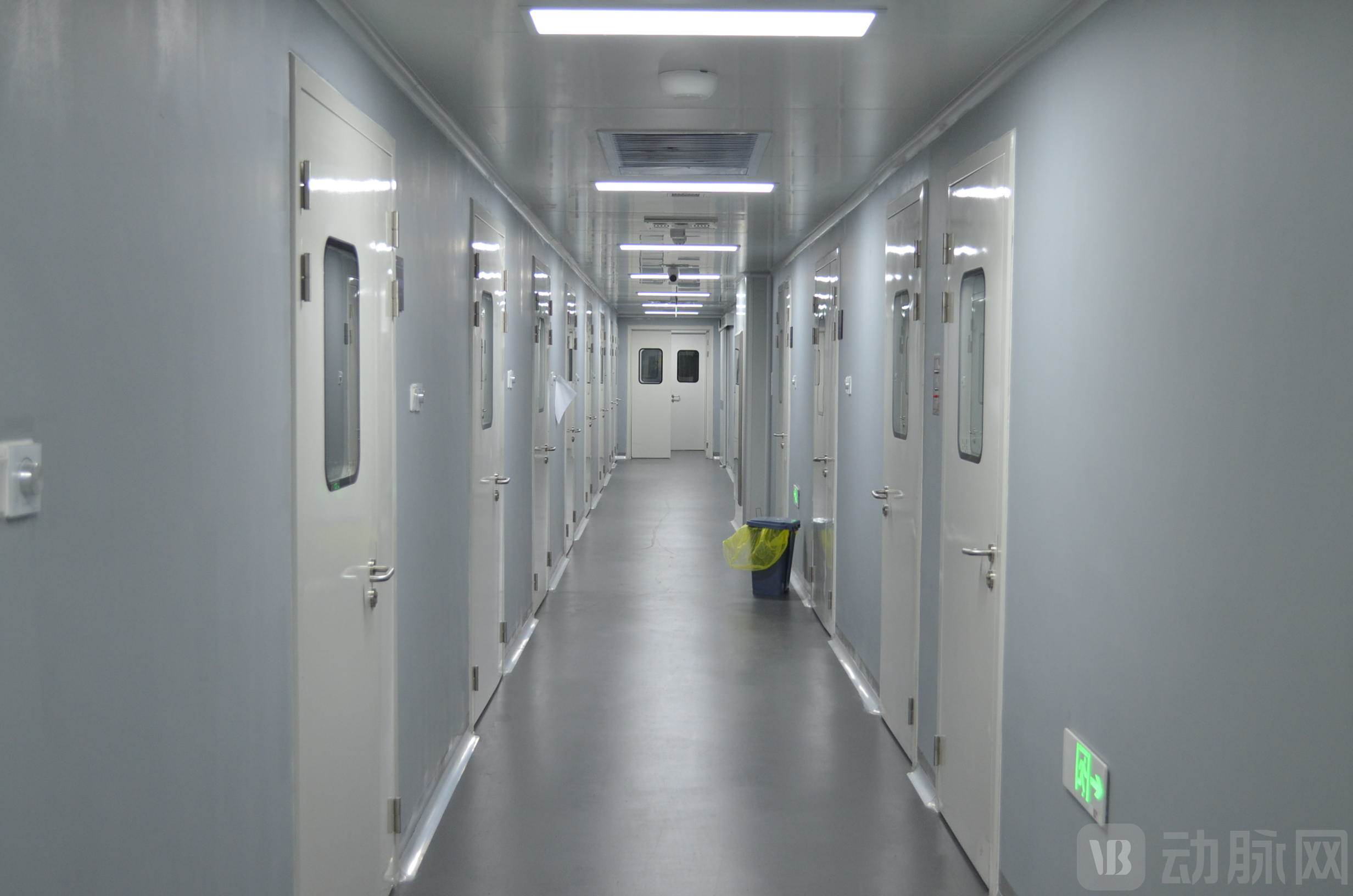
Clean Corridor of the Large Animal Breeding Room (Image courtesy of the interviewee)
io-SF’s Implant and Interventional Surgery Center comprises three operating rooms: an Orthopedic Implant/Peripheral Vascular Intervention Operating Room, a Cardio-Cerebrovascular Intervention Operating Room (DSA Operating Room), and an Otolaryngology and Aesthetic Medicine Implant Laboratory. The services offered cover the majority of currently available implantable and interventional medical device products.
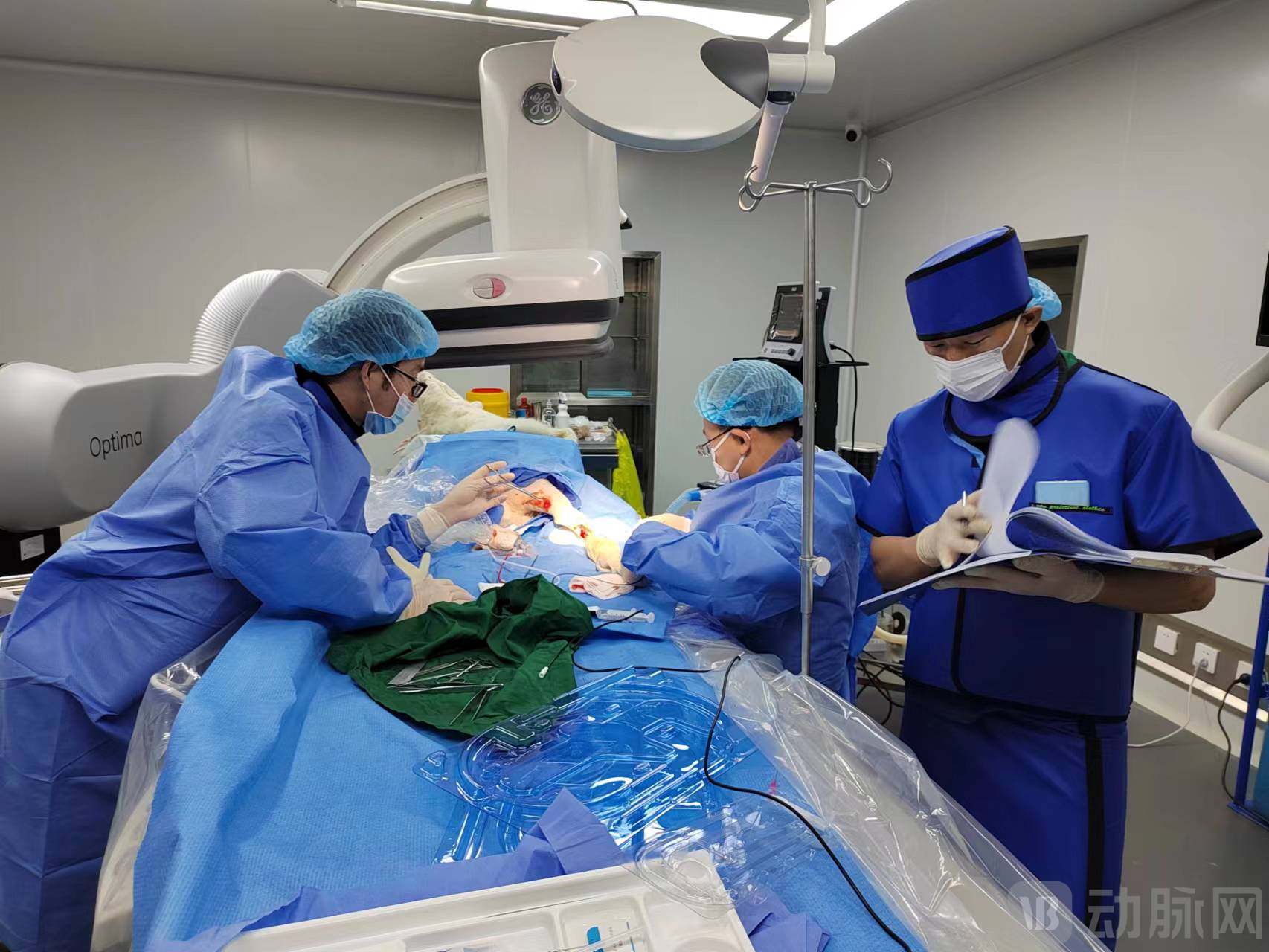
Peripheral Vascular Radiofrequency Ablation Surgery. Image courtesy of the interviewee.
Currently, the company has completed its angel round of financing and is preparing for Series A financing. The funds raised will be primarily used for settling in the industrial park, platform development, and strategic layout.
Looking ahead, io-SF will focus on expanding its CRO platform across China in the short term and recommending domestic products ready for global expansion for submission to the U.S. FDA. In the long run, as brand recognition grows, io-SF aims to expand into overseas markets, with international clients accounting for more than 80% of its total client base, thereby enhancing China’s influence in medical device evaluation and international trade regulations for medical devices. We look forward to seeing what new achievements io-SF will accomplish next.