

Taiguyu Biotech Files IPO Prospectus Highlighting Low-Throughput NGS Solutions for Decentralized Markets
With significant advantages such as high throughput, large-scale capacity, parallel sequencing, and rapid speed, next-generation sequencing (NGS) has become the mainstream gene sequencing technology worldwide.
However, NGS still faces significant challenges, including high startup costs, complex data processing, and a steep operational learning curve, which have severely hindered the broader adoption and application of gene sequencing. “Currently, the primary application scenarios for genetic testing are confined to the research sector. To explore additional application areas beyond research and provide targeted technical service products, it is essential toBalance performance, requirements, and cost effectively.“said Sun Yupeng, Founder & CEO of Taiguyu Technology.”
The costs associated with NGS include instruments, consumables, and startup expenses. With continuous innovations in NGS, the cost of whole-genome sequencing has rapidly dropped from hundreds of millions of dollars to under $1,000. Nevertheless, this is still insufficient. At the 2023 JPM Healthcare Conference, Illumina, a leading company in gene sequencing, projected that the NGS market for oncology applications would reach $78 billion by 2027, while the overall penetration rate remained below 2% in 2022. By specific application segments, the penetration rates for early cancer screening and continuous monitoring are currently less than 1%.
“On the other hand, a greater number and wider range of application scenarios can enhance the data richness captured by genetic testing, thereby feeding back into scientific research and further benefiting clinical practice, thus forming a closed loop. Therefore,”The application scenarios of genetic testing must not only expand from research to clinical practice, but also continuously transition from a centralized medical center promotion model to a more pervasive and broader decentralized model. Low-throughput gene sequencing can reach a wider range of scenarios more quickly and extensively."Sun Yupeng added.
In recent years, multiple sequencing companies, including Illumina, MGI Tech, and Element Biosciences, have begun to target the low-to-mid throughput market for sequencing technologies. Driven by multiple factors with cost at the core, the low-to-mid throughput market has the potential to become the next major battleground for next-generation sequencing (NGS).
Breaking the “Impossible Trinity” to Tap into Decentralized Incremental Markets
The cost of gene sequencing continues to decline at a rate that surpasses Moore’s Law. According to data from the National Human Genome Research Institute, the cost of sequencing the human genome was as high as $95.263 million in 2001. In recent years, the cost of gene sequencing has been reduced to below $1,000. However, it has remained stagnant in the $1,000 range for many years, failing to achieve a breakthrough.
How Important Is Low-Cost Gene Sequencing? Depth, quality, and cost are the three core elements in gene sequencing, forming its “impossible triangle.” Greater depth and higher quality inevitably entail significantly higher costs, forcing researchers and clinicians to make trade-offs due to budget constraints. This has substantially hindered the market penetration of gene sequencing in both scientific research and clinical diagnostics.
Especially in the clinical sector, the decline in sequencing costs holds significant importance for areas such as early cancer screening and diagnosis, precision diagnostics, new drug development, and personalized medicine. For instance, in the early cancer screening market, many industry insiders already regard “prices dropping to the hundred-yuan level” as a critical condition for the large-scale adoption of early screening products.
“Increasing throughput, reducing startup costs, and enhancing automation are currently common cost-reduction strategies in the industry, but these approaches inevitably lead to greater market concentration. Behind this rising concentration lies intense competition and rivalry driven by operational costs, efficiency, and the battle for share in existing markets.”Sun Yupeng stated. Currently, most gene sequencing companies are focusing on the medium-to-high throughput sector, aiming to reduce per-run costs by increasing single-run throughput, thereby lowering the overall cost of genetic testing. However, this approach faces two major challenges: first, it is technically demanding and operationally complex, requiring specialized laboratory personnel and bioinformatics analysts; second, it imposes stringent standards and requirements on instruments, consumables, and facilities, resulting in high costs. Consequently, application models tend to become increasingly centralized as throughput increases, making it difficult to penetrate healthcare institutions at the district and county levels.
Why Is Decentralization Important? From a clinical perspective, high-throughput sequencing also has limitations; it cannot cover all unknown mutations, and the detection of such variants may pose challenges for primary-care genetic counseling. Overinterpretation may cause unnecessary anxiety among those tested. From a research standpoint, the deeper the penetration, the richer the data samples collected, making it easier to extract insights such as disease associations. “Therefore, by lowering the barriers to genetic testing and promoting its widespread clinical adoption and application—making it affordable, effective, and rapid—we can accumulate more data to feed back into scientific research, ultimately forming a closed loop that drives the industry’s healthy development,” said Sun Yupeng.
Only through systematic innovation can the “impossible triangle” be broken, thereby tapping into the decentralized existing market with low-volume throughput.“With cost reduction as the core strategy, we innovate technical solutions across instruments, consumables, and chips to lower the barriers to genetic testing, including costs, technical personnel requirements, sample volume, and facility needs,” said Dr. Sui Xiangkun, CTO of Taiguyu Technology.
Based on this approach,Taiguyu Launches the Trilobite Series Solutions for Low-Throughput Customers, Resolving the “Impossible Trinity” Conflict Between Market Demand and Product Design. Through the Trilobite series of solutions, compared to the more common costs of genetic testing, when achieving complete domestic substitution, the mass production instrument cost is reduced by 1/2, and the cost per gigabase of data and chip usage cost under SE100 are reduced by at least half.
Technology + Core Industry Team Support: Cost Reduction Through Foundational Design Innovation
“Reducing Startup Costs andOperational Thresholdis penetrating the decentralizedIncrease"a critical component of the mass market."Sun Yupeng stated. In decentralized markets represented by county-level medical institutions, the sample volume is insufficient to cover startup costs. These high startup costs have led to a significant decline in utilization rates, thereby hindering improvements in market penetration. To address this challenge, Shenzhen Taiguyu Technology Co., Ltd. has proposed the following solution:By reducing throughput, leveraging technological innovation, and redefining products to lower the cost per startup, we enable point-of-care operation with small sample volumes, thereby increasing penetration rates and driving growth in installations within decentralized, small-sample markets.
Furthermore, the sequencer market features a wide range of application scenarios. Judging by the current installed base and growth rate, the high-throughput segment in central laboratories is beginning to show signs of intense competition (a “red ocean”), whereas lower- and micro-throughput platforms are predominantly used in research settings. There is demand in lower-tier markets characterized by decentralization, but no suitable products or business models have yet effectively reached this segment.
Currently, Taiguyu has established five independently developed platforms essential for sequencing, encompassing chips, molecular enzymes, synthetic biochemistry, optics, and hardware engineering. By leveraging underlying designs that reduce reagent consumption to lower chip manufacturing costs and enhancing reagent compatibility of its equipment, the company has effectively penetrated the grassroots market.
How to Balance Accuracy and Speed While Reducing Costs? In second-generation sequencing, the amplification stage primarily relies on bridge PCR amplification and DNB rolling circle amplification. However, from a technical perspective, the former suffers from high duplicate errors due to circularization issues, while the latter is limited by difficulties in achieving automation in loading capacity, with automation being key to addressing operational challenges. According to Dr. Sui Xiangkun, Taiguyu has developed the “Geneknot Amplification Solution” to balance cost and efficiency. By combining the dual advantages of “on-carrier” and “circularization,” this solution gradually achieves low error rates in adapter template amplification, rapid amplification, and streamlined sample-to-result processing.
“We spent two years developing a brand-new, comprehensive solution tailored to market demands, which involved redesigning hardware components such as compatible table-top chemical technologies, system fluids, and instrument structures. Currently, our instruments are compatible with both bridge amplification and rolling circle amplification library preparation techniques, allowing users to choose according to their needs,” said Dr. Sui Xiangkun.
Meanwhile, Taiguyu Technology has also performed targeted optimization of sequencing enzymes and developed a new scarless sequencing solution, striving to improve base accuracy while achieving longer read lengths.
Behind the innovation of these solutions is a core team assembled by Shenzhen Taiguyu Technology Co., Ltd. across eight key segments of the gene sequencing industry chain. This includes a Master of Pathology graduate from Mie University in Japan, who possesses extensive experience in domestic and international market collaborations within the medical device and IVD industries.CEO Sun Yupeng; Ph.D. from the Chinese Academy of Sciences, with over 10 years of experience in R&D and project management in the field of high-throughput sequencing, and involved in the development of multiple sequencers including BGISeq-500, BGISeq-50, and DNBSEQ-T7CTO Sui Xiangkun; and an associate professor at China University of Geosciences, serving as the head of opticsTu Xinetc. In addition, Shenzhen Taiguyu Technology Co., Ltd. has recruited numerous outstanding talents from renowned universities both in China and abroad, building a mature, systematic team with substantial technical and industrial expertise.Currently, 75% of the R&D team at Taiguyu Technology holds master’s or doctoral degrees, with an average of over eight years of R&D experience in the molecular and sequencing industries.
Multi-Module Patent Portfolio Enables Plug-and-Play Functionality for the New Trilobite-100
Currently, adhering to the philosophy of “refining small-scale equipment and optimizing large-scale systems,” Taiguyu Technology has developed tailored solutions to address the differentiated needs of various scenarios. These include the Trilobite series of low-to-medium throughput sequencers and the Nautilus series of medium-to-high throughput platforms suitable for CDMOs. According to Dr. Sui Xiangkun, Taiguyu is currently making every effort to advance the commercialization of the Trilobite series.
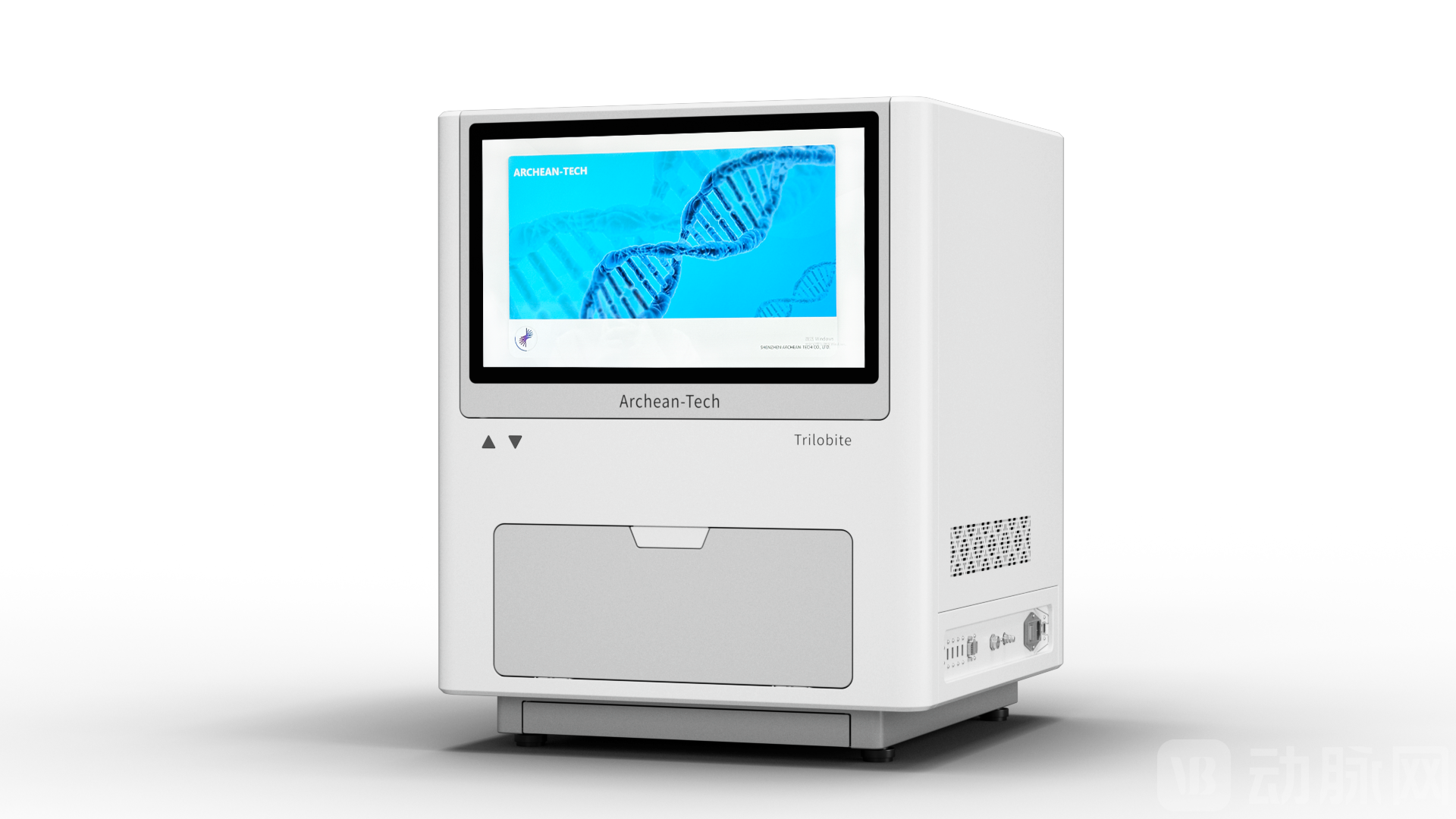
Recently, targeting the county-level healthcare sector characterized by geographic dispersion, small sample sizes, and limited operator proficiency, Shenzhen Taiguyu Technology Co., Ltd. has launched its first independently developed product, the low-throughput Trilobite-100. The Trilobite-100 offers a sequencing throughput of 1–4 Gb, supports both circular and linear library types, achieves a Q30 score of 90% (SE50), maintains an error rate below 0.15%, and completes the entire gene sequencing workflow in just 24 hours.
Meanwhile, Trilobite-100 enables on-site sequencing at the cost level, offering a plug-and-play experience. Its costs are significantly lower than those of conventional next-generation sequencing (NGS) workflows.
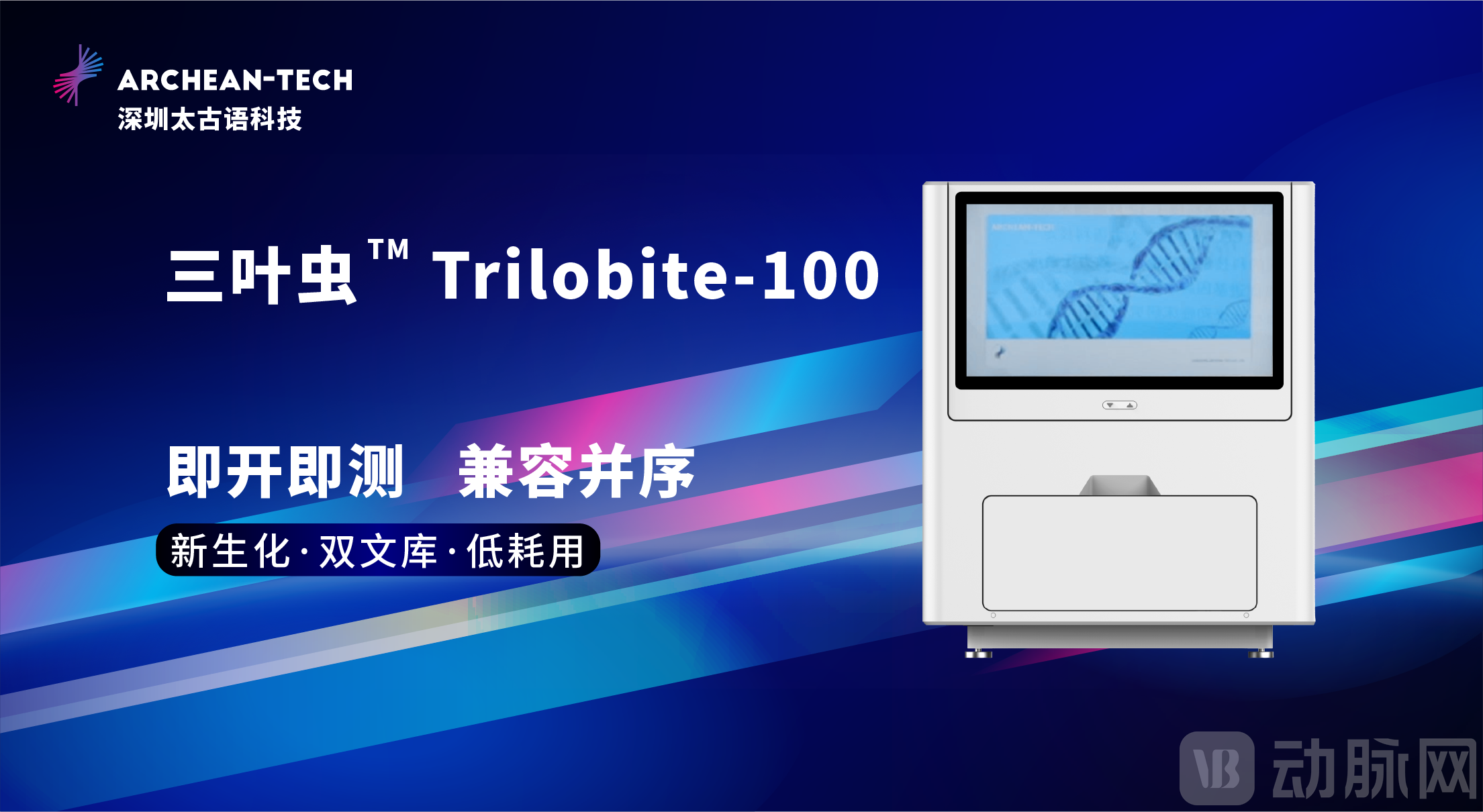
“Starting with Trilobite-100, we will continue to develop and upgrade the technology on this platform, moving towards fully enclosed integration and full automation,” said Dr. Sui Xiangkun. It is understood that under the Trilobite series, Shenzhen Taiguyu Technology Co., Ltd. also plans to develop multiple sequencing instruments, including all-in-one automated machines and rapid sequencers.
Meanwhile, Shenzhen Taiguyu Technology Co., Ltd. is continuously accelerating the domestic substitution of key technologies in gene sequencing. Currently, centered on its core technologies, the company has comprehensively deployed a portfolio of intellectual property rights across eight major categories—including invention patents, utility model patents, software copyrights, and design patents—both domestically and internationally, thereby establishing a global patent moat.
As the cost of gene sequencing drops to a certain level, it will gradually become a key technology driving the transition from traditional medicine to precision medicine. The reduction in gene sequencing costs not only helps increase its penetration rate but also contributes to achieving the grand vision of making genetic technology accessible to all.
“Driven by decentralized market demands, we will continuously optimize our technology and performance, while actively recruiting and cultivating more high-caliber scientific research talent. Together, we strive to achieve domestic substitution of imported products and ultimately expand into the global market,” said Dr. Sui Xiangkun.