XTAL Tech Hosts AI-Driven Drug Discovery Innovation Summit, Focusing on Technological Infrastructure and Clinical Value Realization
XtalPi
Computation-Driven Innovative Drug R&D Provider
June 12, 2026, hosted by XtalPiAI-Driven Innovation Summit for New Drug R&Dconcluded successfully in Zhangjiang, Shanghai. As AI drug discovery technology continues to iterate, industry consensus is rapidly shifting towardClinical Value Realization. Using this as an anchor point,The conference with“Ecological Resonance · Shared Value Win-Win”as the title , bringing together experts from the Chinese Academy of Sciences, R&D heads from multinational pharmaceutical companies such as Novartis and Merck & Co., as well as founders and technical experts from global pioneer biotechnology companies including Zhiqing Biotech, United Biologics, XtalPi, XiGe Life Sciences, Yaosu Technology, Xili Technology, Moda Bio, and Xinyue Bio.,From multiple dimensions, including AI-driven autonomous experimentation, innovative drug pipelines, and business development (BD) for global expansion, it provides a panoramic view of the industry's technological iteration andClinical Implementation Outcomes.The venue features a technical poster area and exclusive 1-on-1 negotiation zones, with simultaneous global live streaming in both Chinese and English, reaching thousands of domestic and international professionals.

AI Technology Has Leaped to Become the New Infrastructure of the Pharmaceutical Industry
Dr. Ma Jian, Co-founder and CEO of XtalPi, delivered the opening address. Drawing on XtalPi’s twelve-year development journey, he reviewed the path of integration between AI and the biopharmaceutical industry, and proposed that the industrial era of AI-driven drug discovery has arrived.AI is transitioning from an R&D tool to new foundational infrastructure for R&D, advancing from “point breakthroughs” to “full-chain innovation.”。
China’s biopharmaceutical industry has firmly entered the first tier of global innovation, yet the long-term direction of industrial innovation remains unchanged. China’s biotechnology sector is poised to reach new highs in global pipeline transactions. RegardingDevelopment Trends in the Integration of AI and Drug Discovery: An Analysis from Three Perspectives—Vertical Model Development, R&D Data Generation, and Foundation Model Penetrationfor assessment。From a technical perspective, vertical AI models for drug discovery are evolving from foundational physics-based models combined with machine learning algorithms toward all-atom models and cross-modal approaches, leading to convergence among algorithmic models for different types of molecules. Regarding data, he pointed out that data across various stages of AI-driven drug development remains incomplete. Consequently, greater attention will be directed toward data generation methods in the R&D sector, particularly through the integration of automation, robotics, and agents.Build a data flywheel to establish more intelligent closed-loop R&D capabilities integrating dry and wet labs. In terms of foundational model penetration, with the rapid advancement of AI technology, foundational models will become deeply involved in more stages of drug discovery and development. For process-oriented organizations, decision-making automation can be achieved by leveraging AI Agents; for innovation-driven R&D organizations, how to empower teams with large language models to foster collaborative innovation remains an unresolved challenge in the industry.
The future leaders in this arena will no longer be those with the strongest single capability, but rather platform-driven forces capable of better orchestrating an ecosystem that integrates technology, science, clinical practice, and industry. Future new drug development will undoubtedly be a systematic engineering endeavor, transforming greater scientific uncertainty into engineering certainty, thereby achieving large-scale industrial implementation and real-world validation.
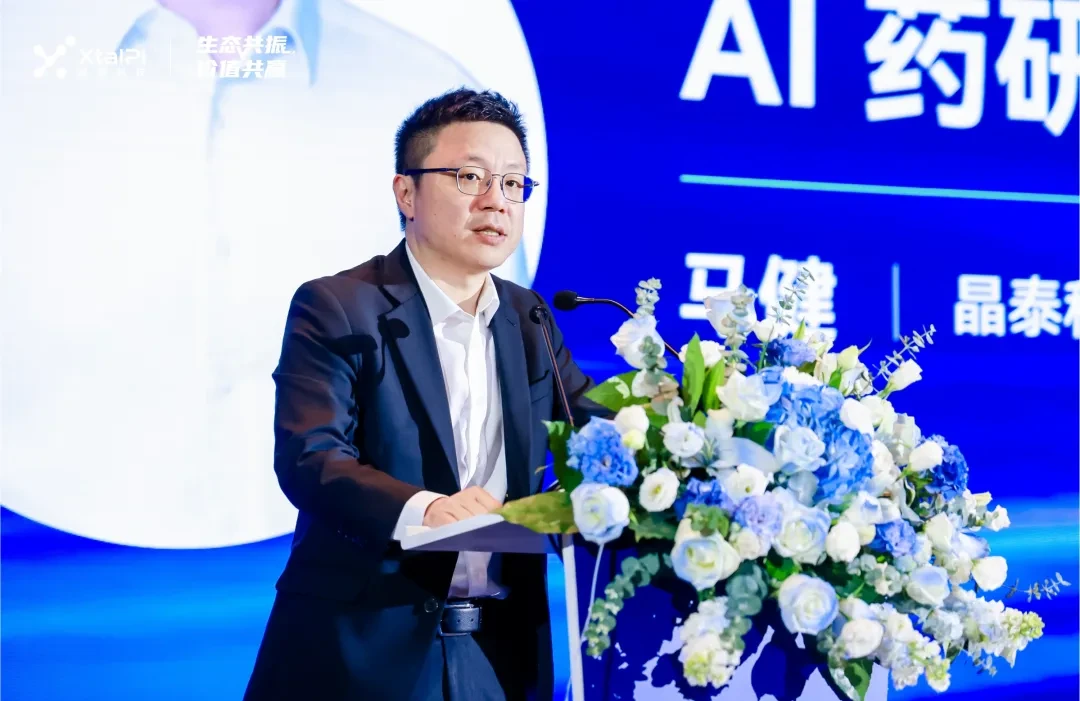
Dr. Ma Jian, Co-founder and Chief Executive Officer of XtalPi

Drug R&D Enters the Era of Autonomous Discovery
At the summit, Dr. Zhang Peiyu, Chief Scientific Officer of XtalPi, delivered a keynote address, providing insights into the transformation of R&D paradigms and AI-driven autonomous discovery systems. He stated,The paradigm of drug discovery is bidding farewell to empirical and theoretical science, ushering in an era of data-driven autonomous discovery.Autonomous discovery involves AI independently generating novel ideas, such as targets, mechanisms, and compounds, and identifying viable candidates through evaluation to enable an autonomous experimental closed loop.
XtalPi has built“AI for Science, AI for Physics,Agent System”Closed-Loop Autonomous Discovery System。Scientific intelligence is responsible for generating and evaluating molecules and analyzing results, while physical intelligence conducts experimental operations. The agent system deeply integrates scientific and physical intelligence, connecting the entire workflow from hypothesis formulation and experimental validation to data feedback, thereby truly achieving “autonomous scientific discovery” across the full process. Using chemistry as an example, he introduced the workflow of the autonomous discovery system: natural language descriptions are used to instruct agents to generate R&D processes; physical intelligence then performs the experiments, with agents invoking tools to advance the experiments and analyze the results. This system has been implemented and validated within XtalPi, significantly improving both the efficiency and success rate of molecular synthesis.
Dr. Zhang pointed out that the laboratory is an ideal training ground for physical intelligence. Compared to industrial and household robot scenarios, laboratories offer controllable layouts, limited operational objects with high value (creating new substances, drugs, and materials), non-fixed processes, and high scheduling complexity, which can support physical intelligence in completing multi-stage technological iterations. XtalPi completed the construction of its AI robotic laboratory capabilities in 2020 and officially launched general-purpose physical intelligence R&D in 2025. Leveraging its self-built integrated scientific research data infrastructure, XtalPi has achieved a closed-loop system for data generation, annotation, and modeling, continuously improving the overall success rate of new drug development.
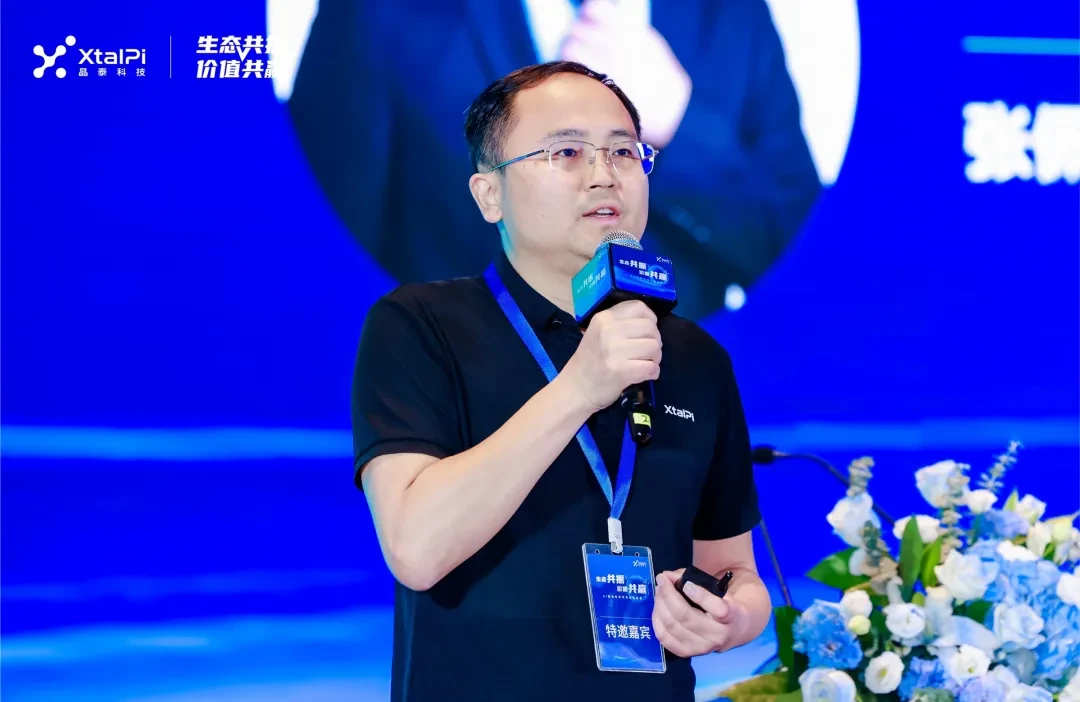
Dr. Peiyu Zhang, Chief Scientific Officer of XtalPi

Multidimensional Frontier Insights:
AI-Driven Breakthroughs in New Drug Development
Unlike the construction of engineering platforms, Professor Xu Jun, Director of the Biomedical Big Data Research Center at the Institute of Medical Technology, Chinese Academy of Sciences, delivered a special presentation on ontology-enabled AI drug discovery. In his report, he proposed thatThe pharmaceutical industry faces significant challenges with fragmented and non-reusable R&D data. These issues can be addressed by manually standardizing and verifying data, as well as iteratively optimizing raw R&D data using knowledge graphs. By unifying the semantic logic of drug development through ontology, scattered experimental data can be transformed into structured, reusable scientific knowledge assets. Furthermore, deep integration with AI algorithms can shorten the development cycles for targets and molecules, establishing a complete intelligent R&D pipeline that spans from data to knowledge and ultimately to new drug output.
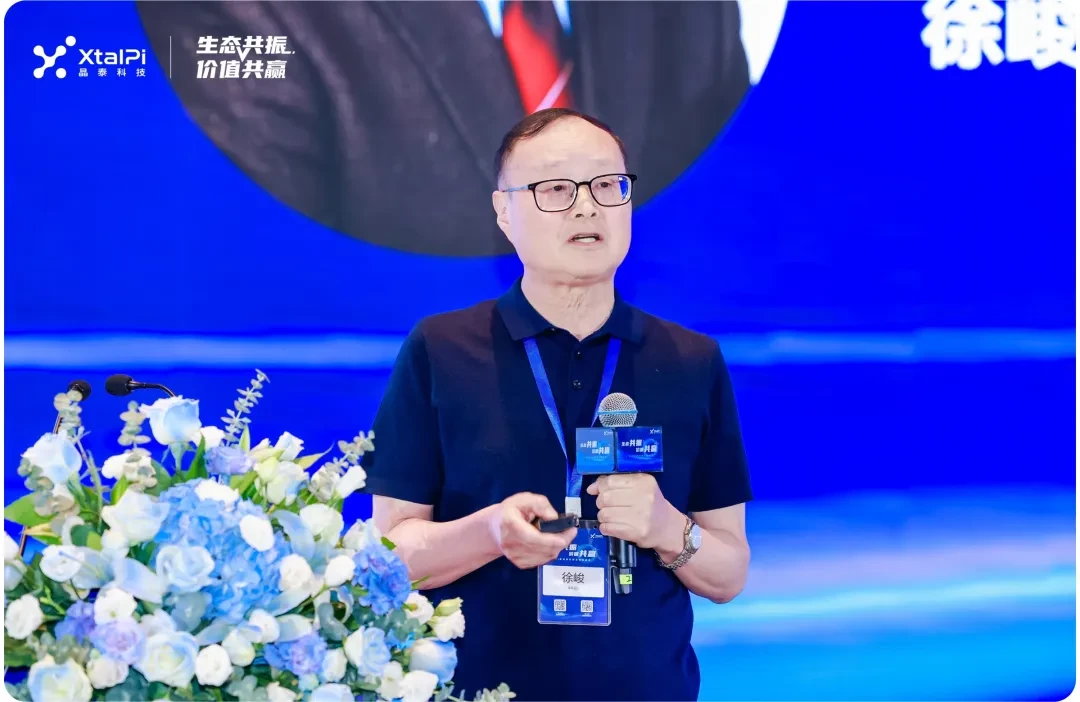
Institute of Medical Technology, Chinese Academy of Sciences
Professor Xu Jun, Director of the Biomedical Big Data Research Center
● New Pathways for the Global Development of China’s Innovative Drugs
Building on the discussion of foundational technologies, the summit will now shift its focus to clinical translation and global strategic layout.Zhou Feiran, Chief Financial Officer of XtalPiInterpreting the Transformation of China’s Innovative Drugs from the Perspectives of Business Development and Globalization: Going global has become an inevitable trend for the industry, with the global competitiveness of domestic innovative pipelines continuously strengthening, and the directions and models of overseas cooperation constantly evolving. XtalPi has been deeply engaged in AI-driven drug discovery for many years, establishing a comprehensive R&D system and accumulating extensive cross-border collaboration experience. Leveraging its technological advantages, XtalPi helps Chinese pharmaceutical companies successfully connect with overseas markets.
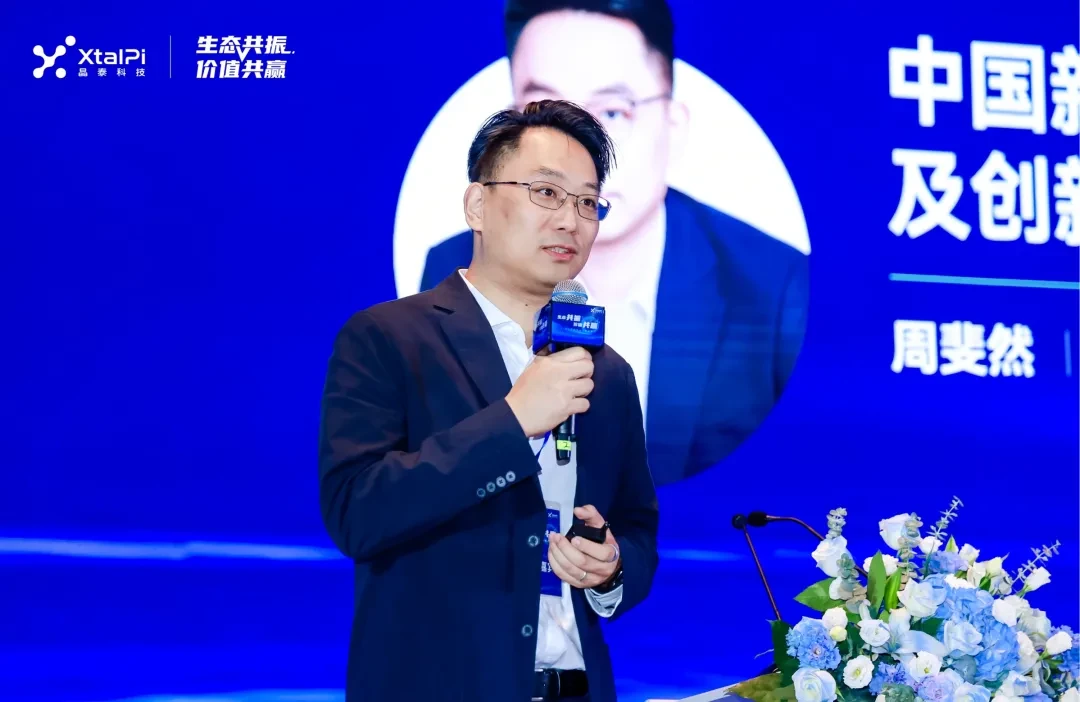
XtalPi Chief Financial Officer Zhou Feiran
● Global InnovationBiotech Showcases AI Clinical Translation Achievements
Subsequently, guests from innovative biotech companies worldwide presented clinical translation achievements of AI in different disease areas, combining real pipeline cases.
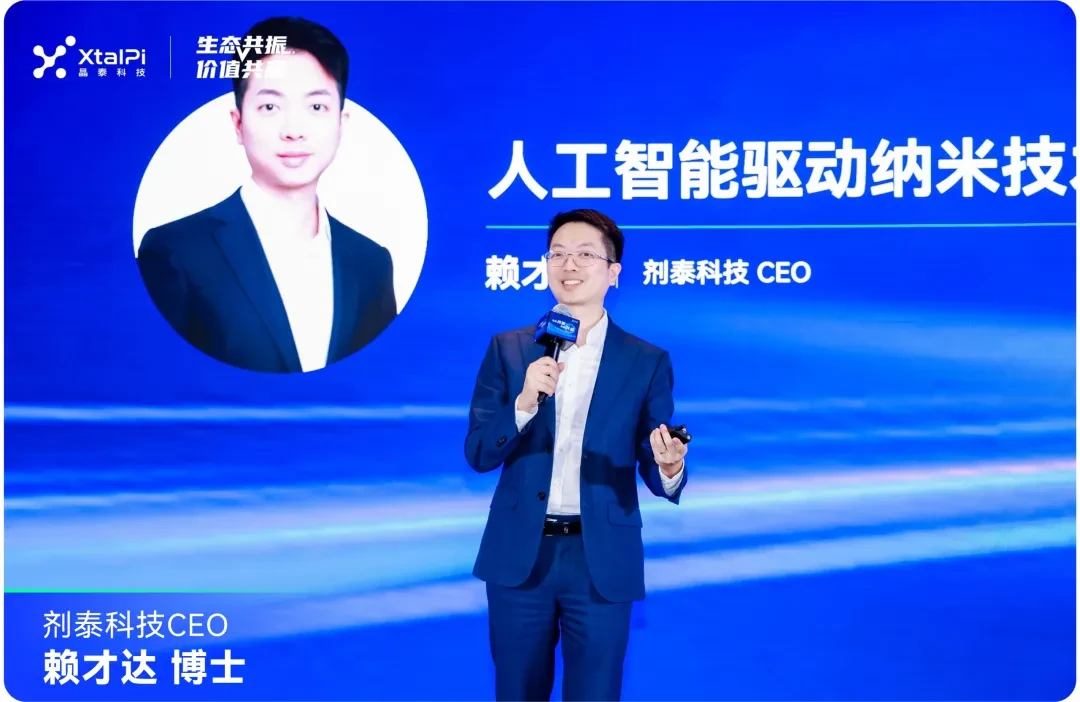
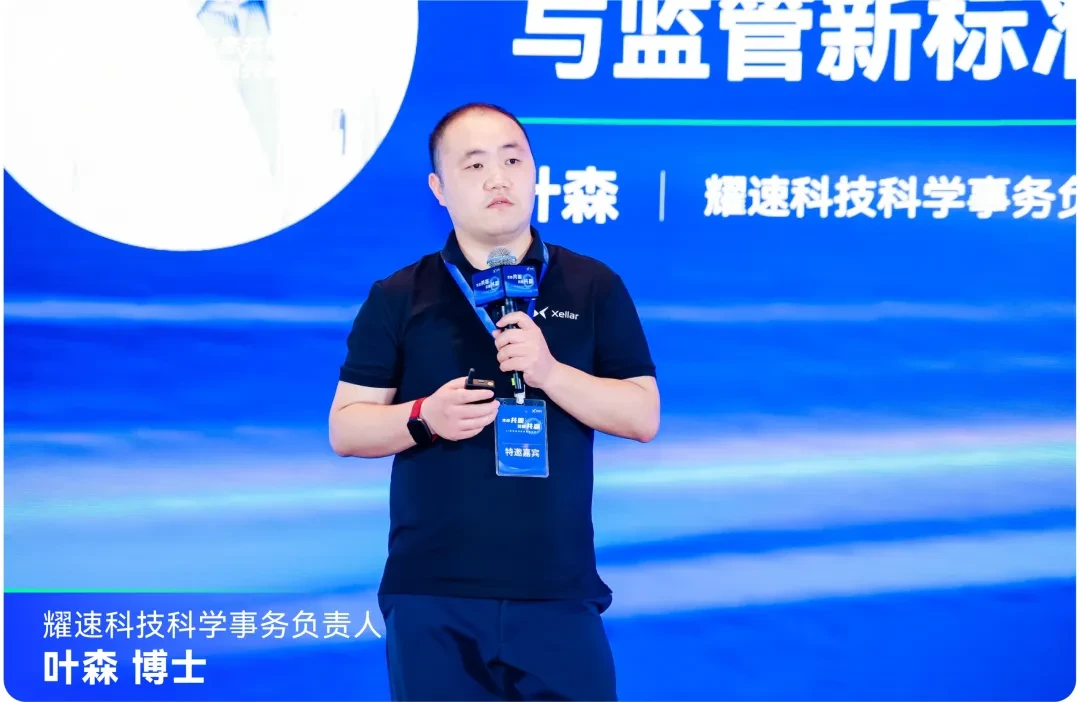
Co-founder of XtalPi,Dr. Lai Caida, CEO of XtalPi Holdings Limited, shared insights centered aroundAI-Driven Intelligent Innovation in Pharmaceutical Formulation Development. Leveraging AI-driven molecular simulation and predictive models for nanodelivery systems, XtalPi has translated the concept of multi-organ targeted delivery into clinical practice. Dr. Ye Sen, Head of Scientific Affairs at Yaosu Technology, focused his presentation onSynergy between Organ-on-a-Chip and Regulatory Science. Organ-on-a-chip technology combined with AI not only recapitulates the authentic human pharmacological environment but also aligns with new regulatory evaluation standards, thereby establishing a compliant pathway for intelligent drug development.
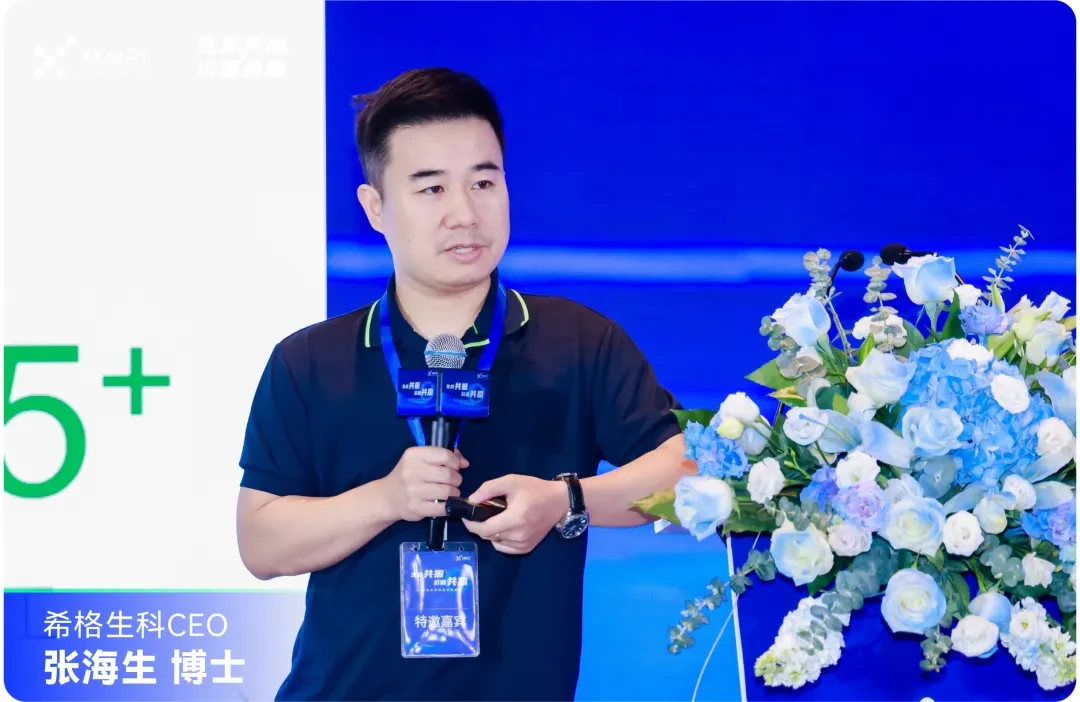
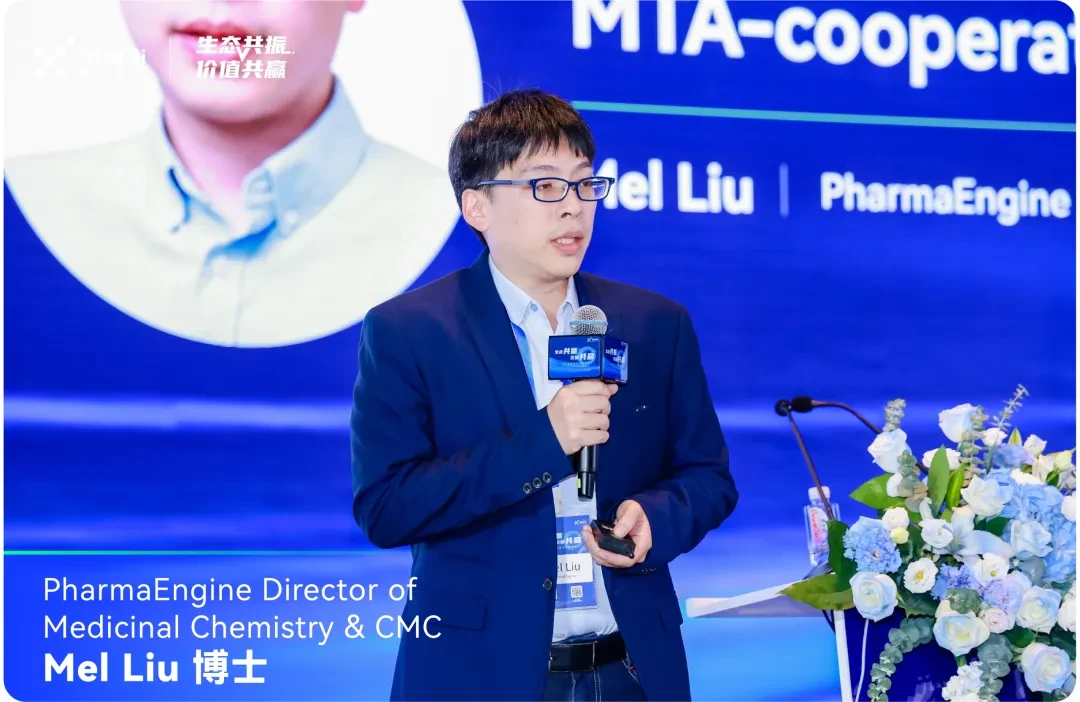
Dr. Zhang Haisheng, CEO of Xige Life Sciences, introduced the AI-organoid collaborative target validation system. Leveraging gastric cancer organoid models that closely match Asian tumor subtypes and integrating the XtalPi AI computing platform, Xige Life Sciences enables rapid validation of targets for refractory solid tumors and precise molecular optimization.Its core pipeline, SIGX1094It is the world’s first targeted therapy for diffuse gastric cancer to enter clinical trials, earning a Galien Prize nomination.Furthermore, the discoveries made through the collaboration between both parties this yearPan-TEAD inhibitor SIGX2649Obtained the Investigational New Drug (IND) approval from the U.S. Food and Drug Administration (FDA) in advance.Dr. Mel Liu, Director of Medicinal Chemistry & CMC at PharmaEngine, shared insights on the rapid development of small molecules leveraging XtalPi’s AI-driven R&D technologyThe Complete Journey of Advancing the PRMT5 Inhibitor PEP08, currently the pipelinePatient recruitment for solid tumor trials has been successfully launched.。
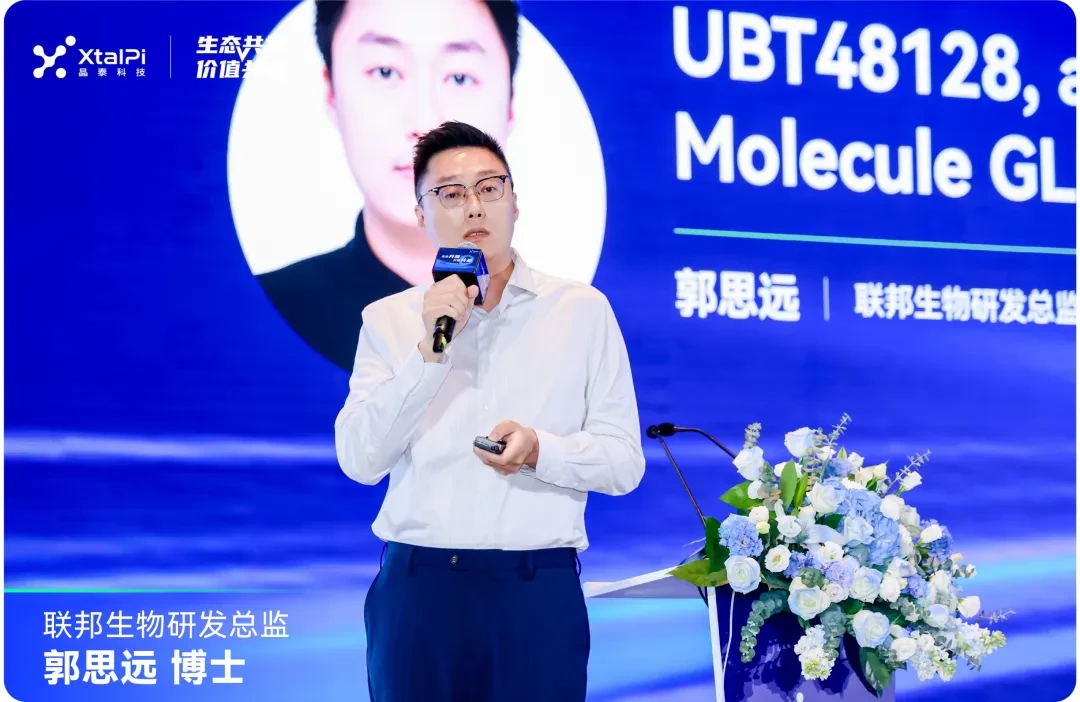
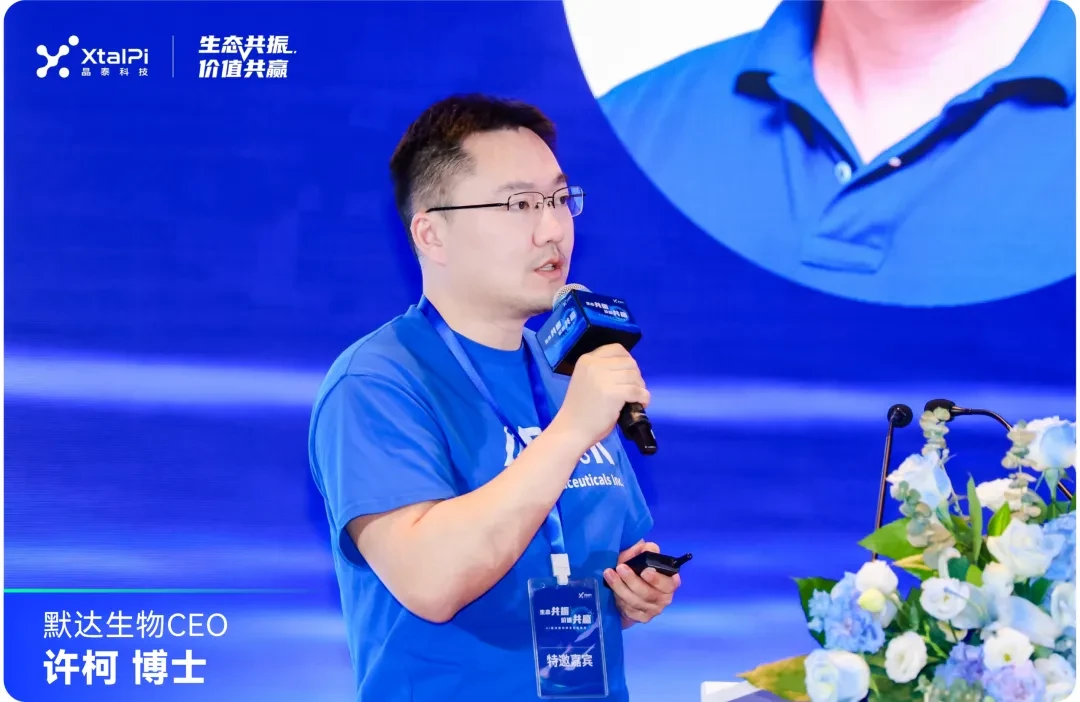
Dr. Guo Siyuan, R&D Director at Federal Biopharma, interpreted the differentiated positioning of the oral small-molecule GLP-1 receptor agonist UBT48128, visually demonstrating the clinical potential of AI in the field of metabolic diseases. Dr. Xu Ke, CEO of Meda Biotech, presentedIts for inflammatory bowel disease (IBD)TargetedSmall-Molecule Lactate Dehydrogenase (LDH) InhibitorsR&D Progress: Leveraging XtalPi’s AI computing platform, molecular screening and optimization were efficiently completed during the R&D process.
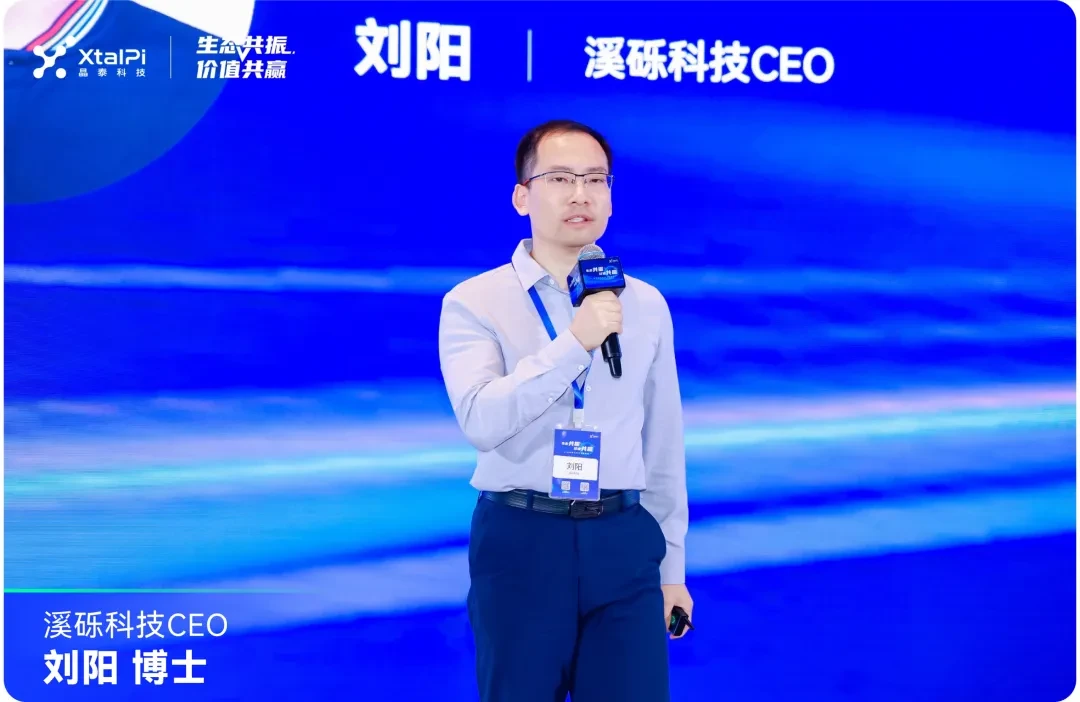
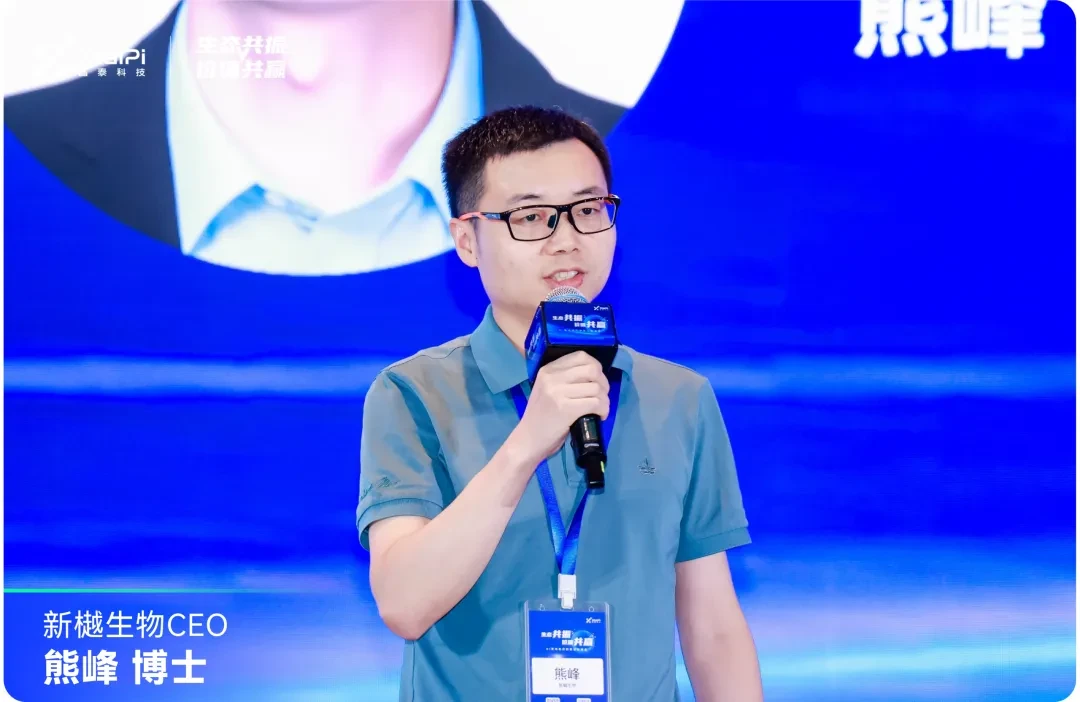
Dr. Liu Yang, CEO of Xili TechnologyFocusing on Small Molecule-Regulated RNA TherapiesShare,Its in-depth collaboration with XtalPiNew Drug Pipeline RTX-117 ObtainedNational Medical Products Administration (NMPA)Another Clinical Approval for a Rare Disease Indication.Dr. Xiong Feng, CEO of Xinyue Biologics, leverages the IPF (Idiopathic Pulmonary Fibrosis) pipeline portfolio and differentiated development strategy to provide reference for the R&D and commercialization of similar drugs.

Co-discussing Technical Infrastructure and Clinical Value
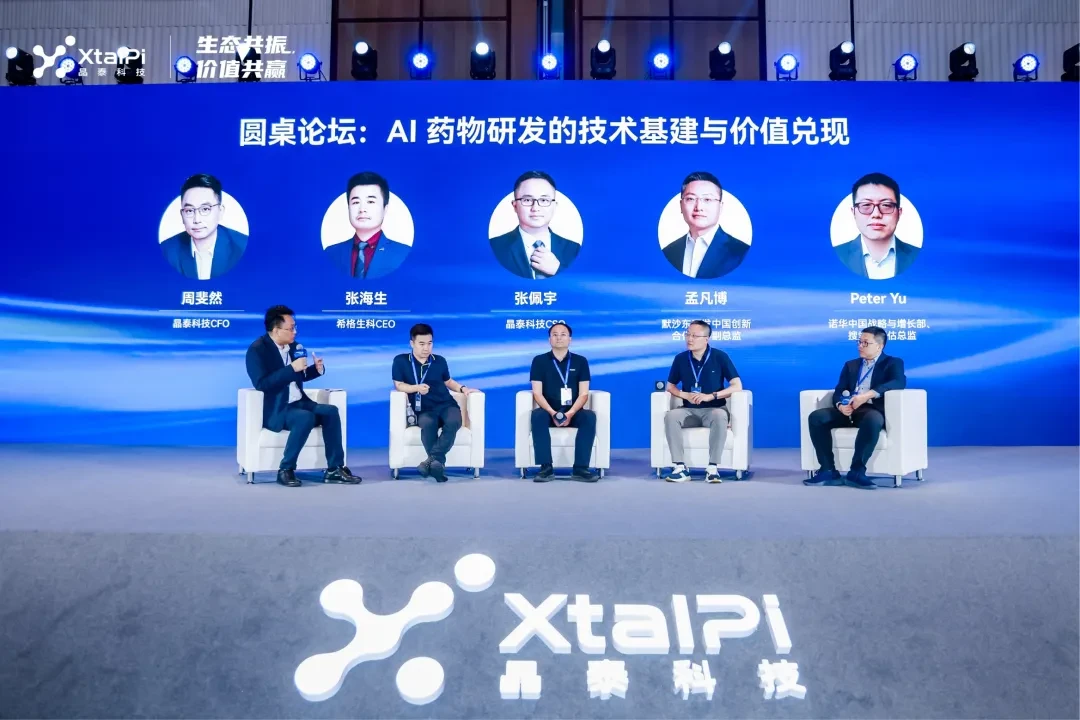
During the roundtable forum session, Zhou Feiran, Chief Financial Officer of XtalPi, served as the moderator. The panelists discussedTechnical Infrastructure and Clinical Value Realization in AI-Driven Drug DiscoveryDeliberating on this core issue, the panelists reached a consensus that the focus of AI-driven drug development has shifted from technological R&D to clinical implementation and value realization. High-quality, valid data and automated laboratories serve as the core pillars for building the technical infrastructure of AI drug discovery and addressing critical pain points in industry R&D.
At the conclusion of the summit, Dr. Ma Jian emphasized the “Three Hearts” in his closing remarks,Confidence, Determination, and PatienceHe pointed out that China’s biotechnology sector is transitioning from a follower to a leader, while the application of AI in drug discovery and development continues to evolve. In the future, AI will become a collaborative partner in research, bringing about new transformations in drug R&D. XtalPi will continue to connect various industry stakeholders through an open ecosystem, leveraging new digital and intelligent R&D infrastructure to address persistent challenges in novel drug development, thereby advancing China’s AI-driven drug innovation from technological breakthroughs to tangible clinical value.