

Scientists Behind MIT's Breakthrough Technologies Power a New Wave of Health-Tech IPOs
At the beginning of 2024,"MIT Technology Review"As scheduled, shared the annual “Top 10 Breakthrough Technologies” with the industry.
This includes consumer VR devices launched by leading consumer electronics manufacturers, as well as exascale computers developed by national-level laboratories. Some technologies are embedded in our daily lives, such as imperceptible chips, while others are large enough to fundamentally transform power generation, such as enhanced geothermal systems.
So, what new technologies are emerging in the healthcare sector, which is closely intertwined with our daily lives? Which scientists are steadfastly driving these innovations, and which companies are they helping to commercialize these technologies?
Looking back at 2023, if one were to ask which drug name was most familiar to the general public, semaglutide would undoubtedly top the list.
With its near-miraculous weight-loss effects, semaglutide has become a phenomenal “crossover” product in the healthcare industry. Behind it stands the Danish pharmaceutical company Novo Nordisk, which has leveraged this blockbuster drug—generating tens of billions of dollars in revenue—to propel its market capitalization to heights surpassing Denmark’s entire GDP, making it the second-largest pharmaceutical company globally, right after Eli Lilly.
As aGLP-1As a receptor agonist, semaglutide induces satiety by mimicking hormones secreted by the intestine after meals, thereby facilitating weight control. Behind this mechanistic pathway, several scientists have made outstanding contributions to the discovery and development of GLP-1.
Svetlana Mojsov, a Serbian chemist and Associate Professor of Research at Rockefeller University. Leveraging her expertise in the chemical synthesis of peptides and small proteins, she conducted extensive research and played a pivotal role in identifying and characterizing the biological activity of GLP-1.
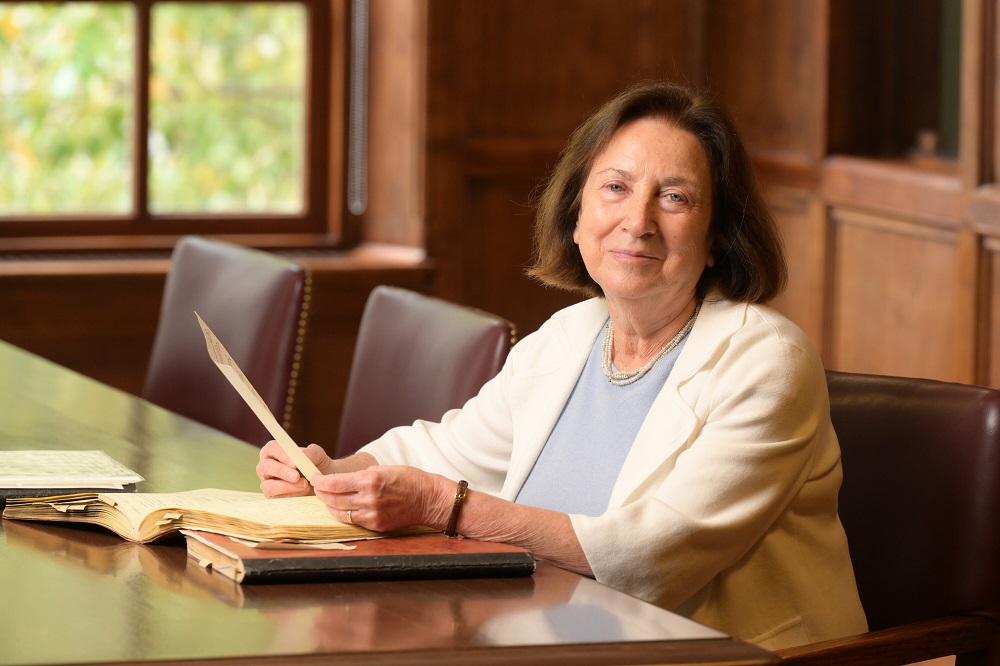
Image source: Rockefeller University
Joel Habener, a Professor of Medicine at Harvard Medical School, worked alongside Mojsov to elucidate the roles of gut hormones such as GLP-1 and GLP-2. He was elected to the U.S. National Academy of Sciences in 2020 and received the following yearGairdner International Award. Like the Lasker Award, the Gairdner Award is also regarded asThe Barometer of the Nobel Prize in Physiology or Medicine。

Image source: Harvard University
Novo NordiskIn an early series of patents on GLP-1 for the treatment of diabetes,Mojsov and Habener are both listed as co-inventors.Among them, US Patent No. 5,545,618 A, “GLP-1 Analogs Useful for Diabetes Treatment,” licensed by Johnson & Johnson’s subsidiary SCIOS to Novo Nordisk, isNovo Nordisk's Core Patent for Its First GLP-1 Drug, Liraglutide。
Liraglutide was launched in 2010 under the brand name Victoza.
Jens Juul Holst, a scientist in the fields of endocrinology and metabolism. Holst’s team at the University of Copenhagen, together with the Habener team at Harvard Medical School, discovered the structure and role of GLP-1 in regulating gastrointestinal motility and insulin levels.

Image source: University of Copenhagen
Holst also played a pivotal role, alongside Habener’s postdoctoral fellow Drucker, in the discovery of dipeptidyl peptidase-4 (DPP-4), an enzyme that efficiently catalyzes the degradation of GLP-1. This discovery led to the development of a new class of drugs based on DPP-4 inhibition, which significantly enhances the efficacy of GLP-1 therapy by prolonging the drug’s half-life in vivo and improving its stability and bioactivity.
Company: Antag Therapeutics
Established in: 2017
Funding Stage: Seed Round
Features: Focus on novel therapeutic approaches for diet-related metabolic diseases.
Progress: The company received seed funding from Novo Nordisk in 2020.Novo SeedLead Investor$3.6 Million Seed Roundsecured funding and planned to complete its Series A financing round by the end of 2023, with the aim of entering Phase I clinical trials. The lead compound in its pipeline is currently undergoing toxicology testing.
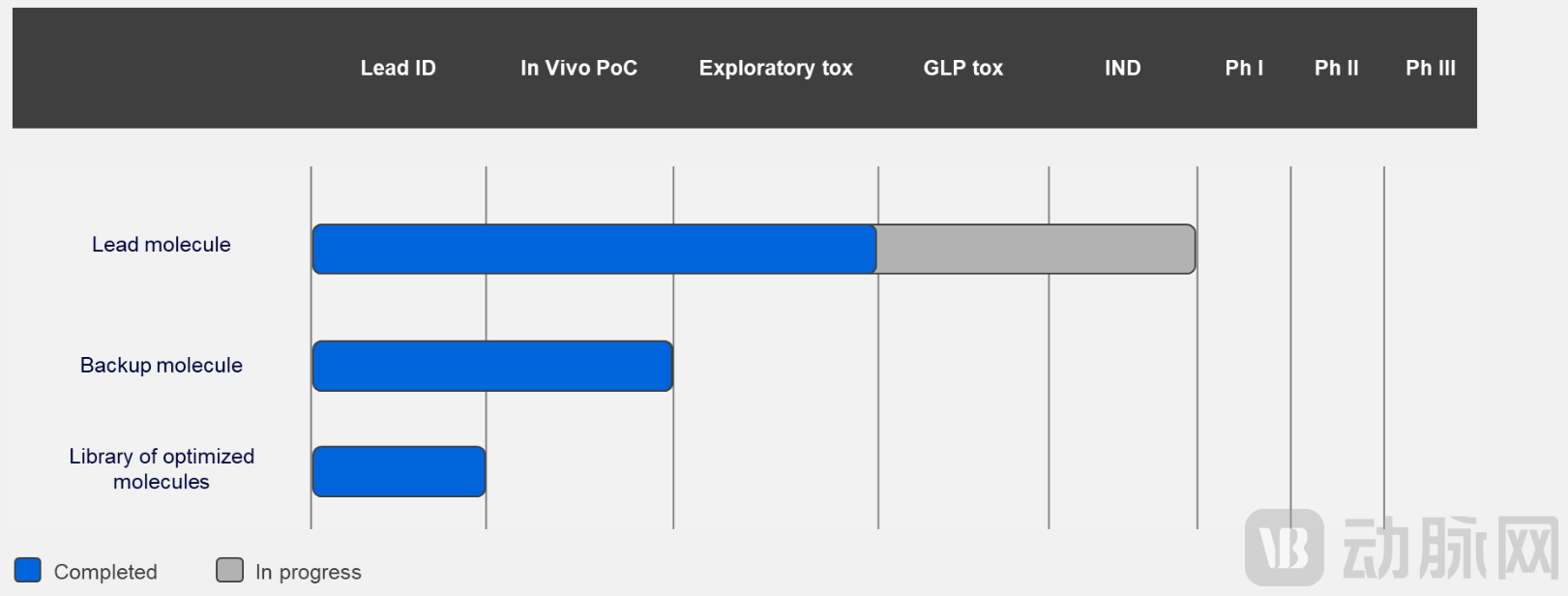
Image source: Antag Therapeutics official website
If we were to plot the overall efficiency of human societal activities over the past several millennia on a two-dimensional line graph, 2023 would undoubtedly show a significant peak amidst the steady upward trend.
The Strong Debut of Artificial Intelligence, turning a significant portion of past imaginings into today’s everyday reality.
As the foundational technology of AI, deep learning’s basic research is credited to pioneering scientists whose contributions have spanned decades.
In the 1960s, Frank Rosenblatt developed the perceptron as an early form of neural network, laying the foundation for the subsequent development of deep learning. In the following decade, Geoffrey Hinton played a pivotal role in popularizing deep learning through his work on deep belief networks and backpropagation algorithms. Yann LeCun is renowned for his contributions to convolutional neural networks (CNNs), while Yoshua Bengio has advanced the theoretical understanding of deep learning.
Following these pioneers, a subsequent generation of leaders—including Ian Goodfellow, Andrew Ng, Fei-Fei Li, Juergen Schmidhuber, and Ilya Sutskever—has made outstanding contributions to the education, popularization, and application of deep learning.
In the field of medical artificial intelligence, innovation is largely driven by applications built upon underlying algorithms. In this article, we will primarily highlight the leading scientists in the field of medical AI.
1Medical Imaging
German medical imaging scientist. Published the landmark AI imaging paper “A New 2.5D Representation for Lymph Node Detection using Random Sets of Deep Convolutional Neural Network Observations” at MICCAI in 2014.

Image source: NVIDIA
Roth ingeniously addressed the challenge of using deep learning for cancer detection and diagnosis of enlarged lymph nodes in 3D imaging, leveraging deep learning analysis to raise Siemens’ industry-leading accuracy rate from over 50% to over 70%, achieving an absolute improvement of 25%.
Nvidia Chief Applied Research Scientist,Primarily responsible for deep learning and medical imaging. Prior to joining NVIDIA, Roth served as an Assistant Professor at Nagoya University and as a Research Fellow at the NIH. His postdoctoral mentor was the currentAlibaba DAMO Academy HealthcareAIPerson in Charge -- Lv Le。
Professor Lü Le is a renowned scientist in the fields of computer vision and statistics, and since 2006 has been atSiemensVCBeat Research Institute is engaged in the technological and product development of medical imaging. Its R&D-led products are used in over 20,000 hospitals worldwide, with 15 papers published in top-tier journals and 12 U.S. patents held.
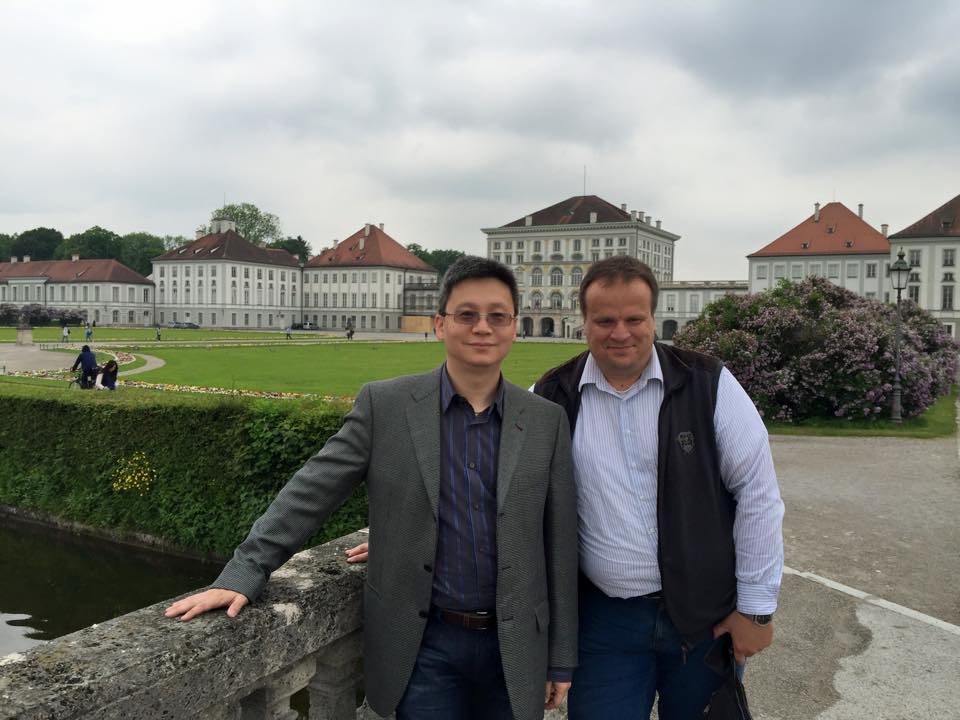
Lü Le (left) Image source: Johns Hopkins University
Prof. Lü’s Primary Collaborator at the NIHRonald SummersHe is a renowned radiologist in the United States. In 2017 and 2018, he successively released hundreds of thousands of X-ray and CT scan images from tens of thousands of patients, providing high-quality data for model training by countless researchers thereafter. Professor Lv’s collaborative work with Summers, “Deep Convolutional Neural Networks for Computer-Aided Detection: CNN Architectures, Dataset Characteristics and Transfer Learning,” is a seminal contribution in the field of AI-based medical imaging.Foundational Articleone of which has been cited more than 5,500 times.
Currently at Alibaba DAMO Academy HealthcareAITeam Leader.Since 2013, Professor Lu has been working at the NIH Clinical Center in the United States, making pioneering contributions to the application of deep learning in medical imaging. In 2017, at the invitation of Jensen Huang, he founded NVIDIA’s Medical Imaging AI Research Group. From 2018 to 2021, he served as Executive Director of Ping An Group’s Washington Research Institute in the United States.
Professor Dinggang Shen is a professor at ShanghaiTech University and serves as the Founding Dean of the School of Biomedical Engineering. He previously held tenured professorships in the Department of Radiology, the Center for Medical Image Computing, the Department of Computer Science, and the Department of Biomedical Engineering at the University of North Carolina at Chapel Hill, where he also served as the Director of Faculty Development in the Department of Radiology. He has also held faculty positions at Johns Hopkins University and the University of Pennsylvania. To date, Professor Shen has published more than 1,100 papers, with an H-index of 107 and over 45,000 citations, and is the author of《Deep Learning for Medical Image Analysis》。
Image from ShanghaiTech University
Professor Shen has long been engaged in research on the application of AI and machine learning in healthcare, including early diagnosis and prediction of Alzheimer’s disease, diagnosis of early brain development and autism, as well as diagnosis, prognosis, and radiotherapy of brain tumors, breast cancer, and prostate cancer. Professor Shen is one of the earliest scientists in the world to conduct research on imaging AI and its applications in the medical field.
In addition to his research and academic duties at the university, Professor Shen also serves asUnited Imaging Intelligence Co-ChairCEO, playing a highly instrumental role in spearheading initiatives such as AI-enabled neuropathological diagnosis of neuro-oncological diseases, enhancement of imaging algorithms, and reduction of medical imaging radiation doses.
2Drug Discovery
Hopkins serves as an Emeritus Professor at the University of Dundee, where he previously held the Chair in Medical Informatics and Translational Biology. Prior to his academic tenure at Dundee, he led various informatics teams at Pfizer for ten years. Hopkins earned a DPhil in Biophysics from the University of Oxford and later obtained a PhD from the University of Dundee. He is a leading scientist in the field of AI-driven drug discovery.

Image source: University of Dundee
Company: Exscientia
Established in: 2012
Financing Stage: Publicly Listed
Features: Exscientia isThe world's earliestAIPharmaceutical Company, also isThe first company to bring an AI-designed drug into clinical trials.
Progress: In February 2023, ESX4318, co-developed by Exscientia and BMS, entered Phase I clinical trials. In May 2023, Exscientia’s sixth drug candidate, DSP-2342, entered Phase I clinical trials. In September 2023, Exscientia announced a drug discovery collaboration with Merck & Co., valued at up to $674 million. In October 2023, Exscientia updated its pipeline, discontinuing the Phase I/II study of its oncology candidate EXS-21546. Exscientia’s current market capitalization stands at $765 million.
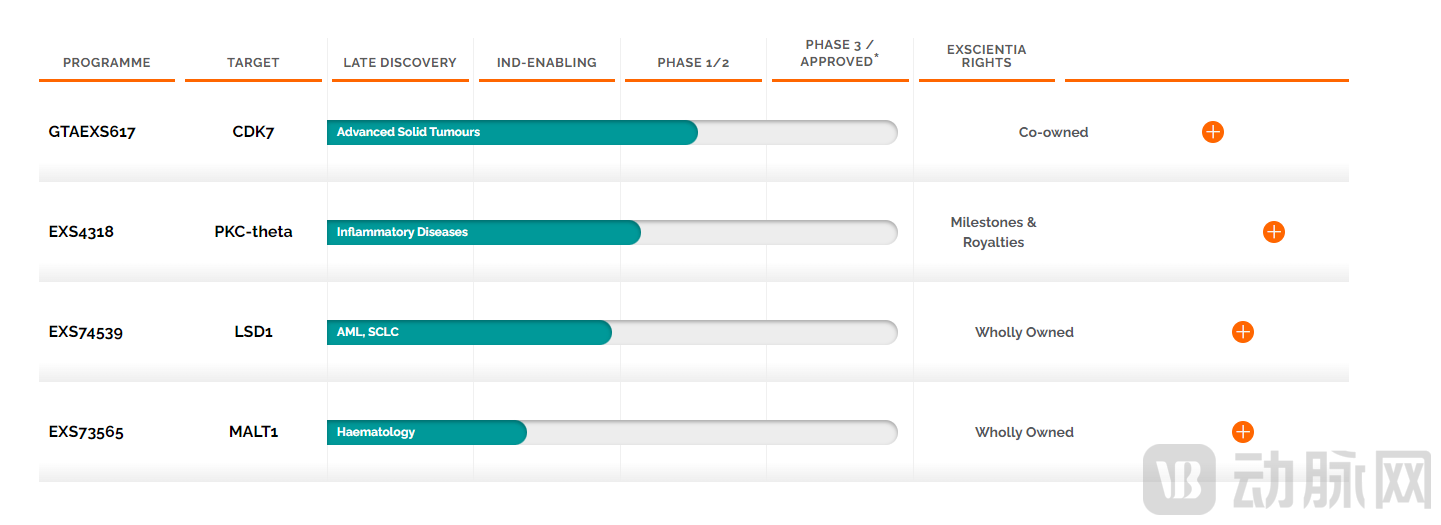
Image source: Exscientia official website
Abraham Heifets graduated from Cornell University and earned his Ph.D. from the University of Toronto. An expert in big data and high-performance computing, Heifets co-authored a highly cited paper in the field of AI-driven drug discovery in 2015 with his co-founder Dr. Izhar Wallach, whose primary research focus is computational chemistry. The paper, titled “AtomNet: A Deep Convolutional Neural Network for Bioactivity Prediction in Structure-Based Drug Discovery,” has become a seminal work in the area.
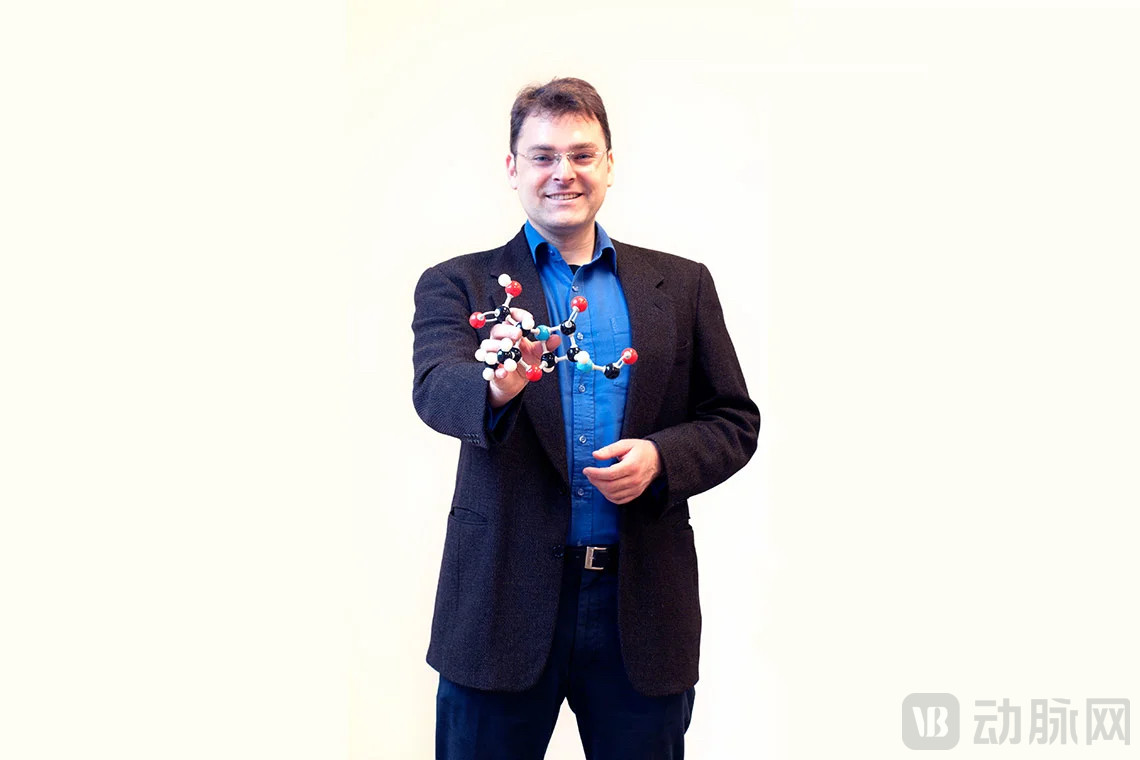
Image source: University of Toronto
Company: Atomewise
Established in: 2012
Financing Stage: Series B
Features: The Atomwise team is dedicated to transforming the drug discovery paradigm, shifting from serendipitous discovery to structure-based search, thereby making the discovery process more rational and efficient.
Progress: The official website currently shows that the potential total value of external collaborations reaches up to$7 billion. The company's most significant pipeline asset is TYK2, with an Investigational New Drug (IND) application expected in the second half of 2024. The company secured funding in its Series B financing round in August 2020.$123 million. Notably, among Atomwise’s Series A and B investors, there areBaidu BV Venture CapitalandTencentThe presence of two Chinese internet companies.
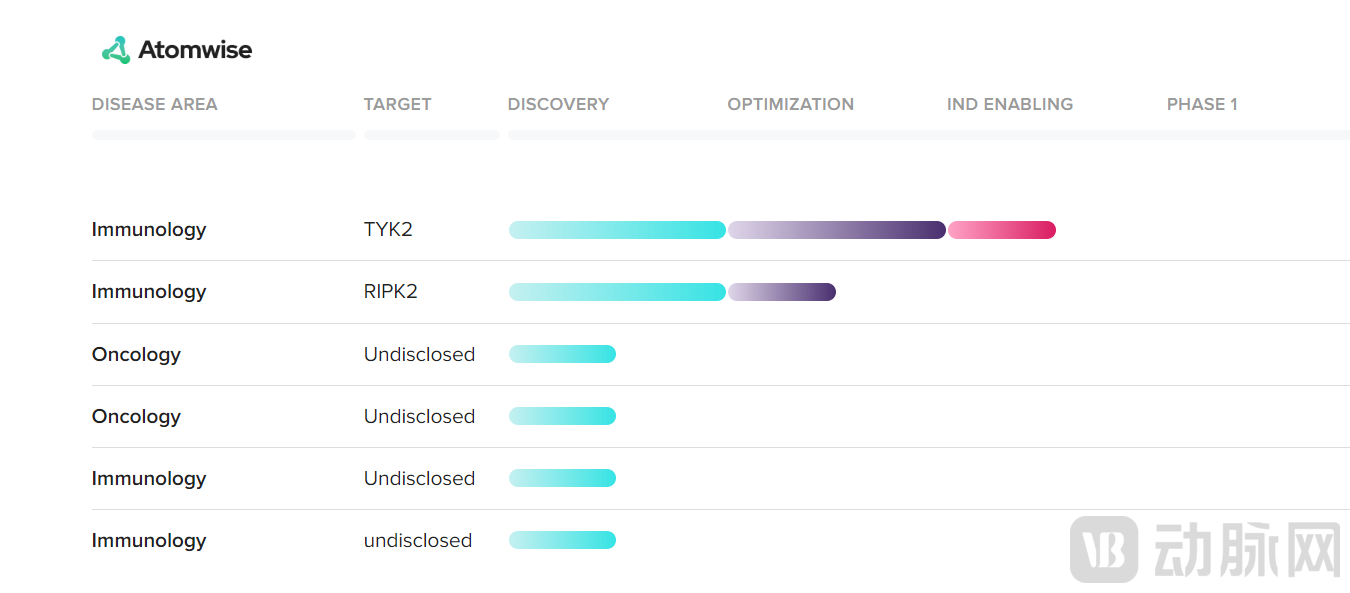
Image source: Atomwise official website
In 2022, while researchers and industry practitioners were still reeling from the whirlwind of gene-editing technology, Vertex Pharmaceuticals—the protagonist of billion-dollar molecules—had already submitted its first CRISPR therapy for regulatory approval. On December 8, 2023, Casgevy became the first gene therapy based on CRISPR/Cas9 gene-editing technology to receive FDA approval.
Whether it is the technological advancement, the high pricing of the products themselves, or even the patent disputes known only to industry insiders, gene editing technology has garnered attention far beyond that of mere scientific experimentation. So, as the three giants of CRISPR at the eye of the storm—Charpenier,Doudna,Zhang, how is the commercialization of their scientific research progressing?
French scientist Emmanuelle Charpentier is renowned for her Nobel Prize-winning work that deciphered the molecular mechanisms of the CRISPR/Cas9 bacterial immune system. In her collaborative research with Jennifer Doudna, Charpentier primarily elucidated a novel maturation mechanism for non-coding RNA, which is essential for CRISPR/Cas9 function. Charpentier demonstrated that a small RNA called tracrRNA is crucial for the maturation of crRNA.
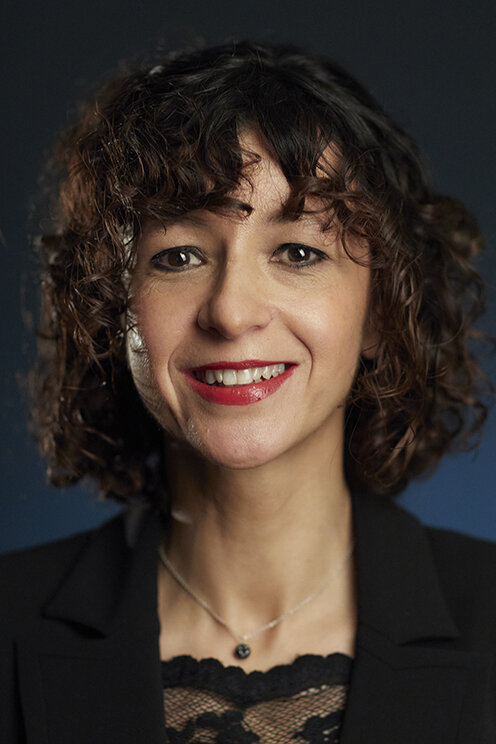
Image source: Nobel Prize official website
Company: CRISPR Therapeutics
Established: 2013
Funding Stage: Publicly Listed
Features: One of the first gene-editing companies to leverage CRISPR technology for R&D, dedicated to developing revolutionary gene therapies for a wide range of diseases using its proprietary CRISPR/Cas9 platform.
Progress: The company has completed its initial public offering, with a current market capitalization of approximately $4.9 billion. Its flagship product, CTX001 (Casgevy), was approved in late 2023. According to the latest announcements, the development of two CAR-T candidates, CTX110 and CTX130, is being scaled back, with primary focus shifting to CTX112, which targets CD19, and CTX131, which targets CD70.
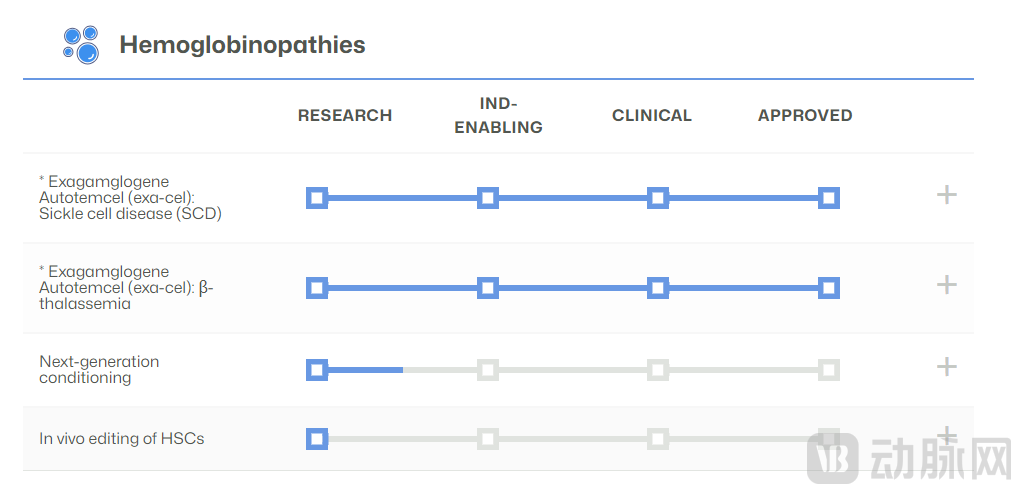
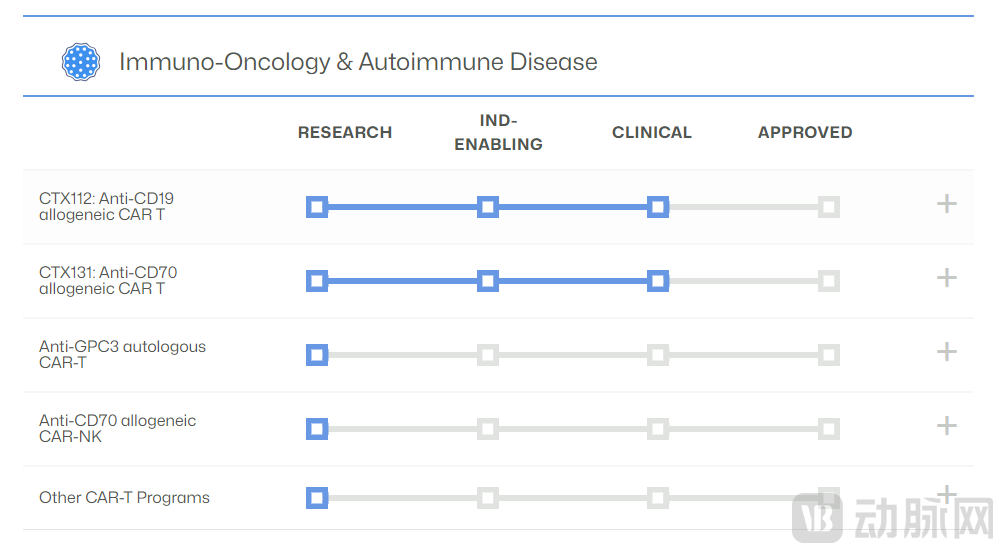
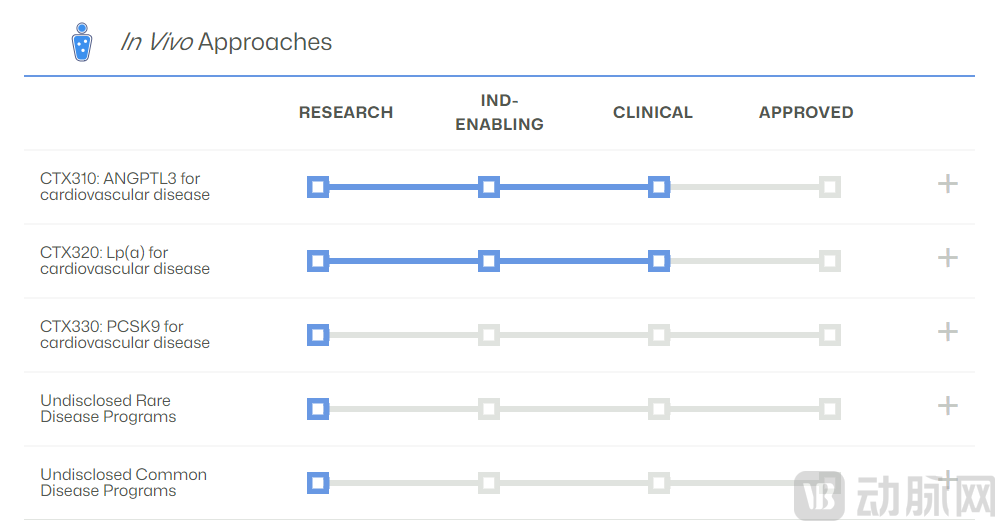
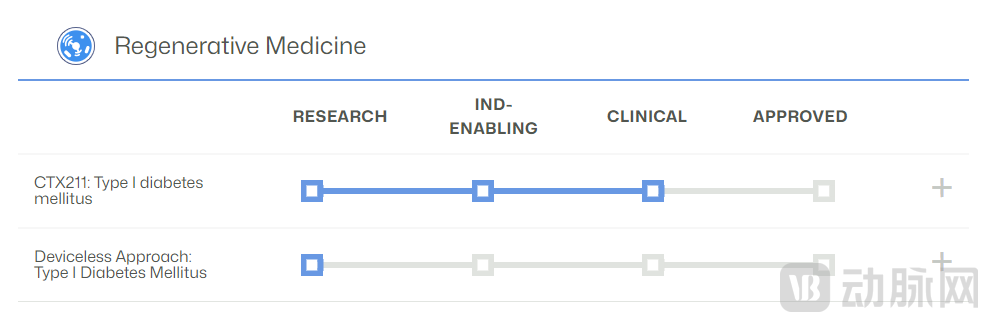
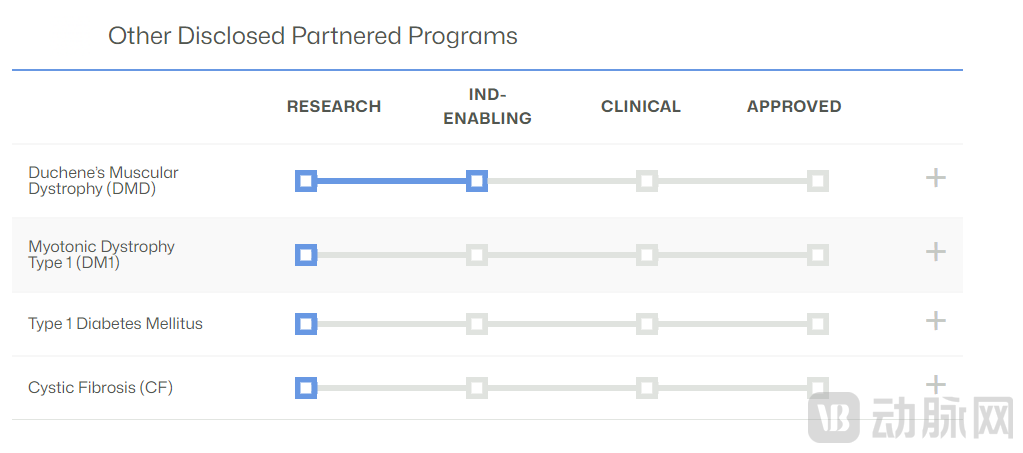
Image source: CRISPR Therapeutics official website
Doudna, an American biochemist, is renowned for her development of CRISPR gene-editing technology and for jointly receiving the 2020 Nobel Prize with Charpentier. In 2012, Doudna and her colleagues made a groundbreaking discovery while attempting to reduce the time and effort required for editing genomic DNA. They found that a protein called Cas9, within the “CRISPR” immune system of Streptococcus bacteria, works in conjunction with guide RNA to act as molecular scissors. This protein attacks viral DNA, cleaving it to prevent infection of the bacteria.
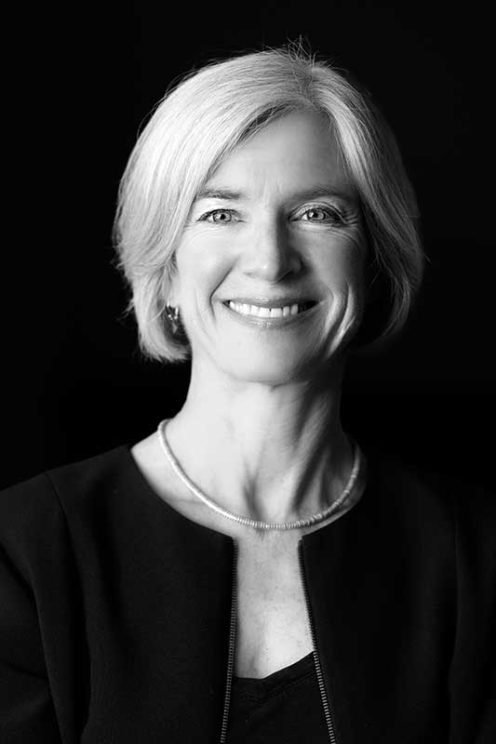
Image source: Nobel Prize official website
This achievement has been hailed by multiple media outlets as one of the most astonishing discoveries in biology.
Company: Caribou Biosciences
Established: 2011
Financing Stage: Publicly Listed
Features: Co-founded by Doudna and her student Rachel Haurwitz, the company is dedicated to developing next-generation “off-the-shelf” CAR-T and CAR-NK cell therapies using CRISPR technology, aiming to address immune rejection of allogeneic cell therapies.
Progress: Caribou currently has four self-developed pipelines and two collaborative pipelines with AbbVie, and announced in July 2023 that it had received a $25 million equity investment from Pfizer. The company went public in 2021 and currently has a market capitalization of approximately$500 million。
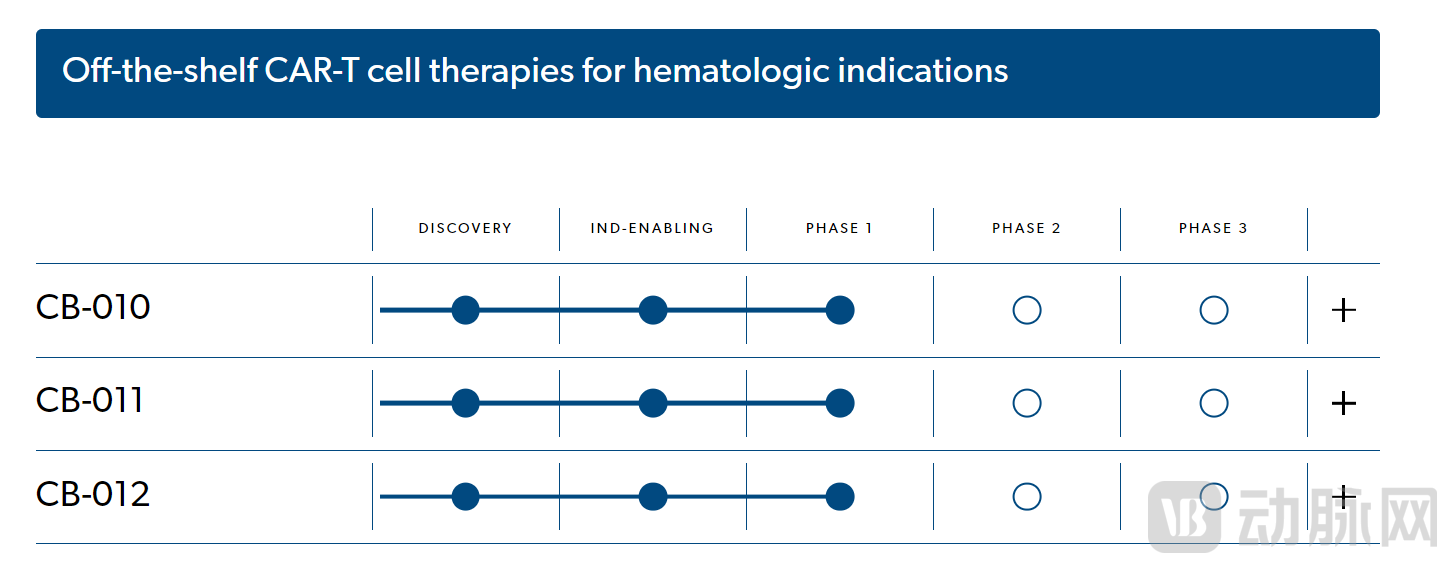
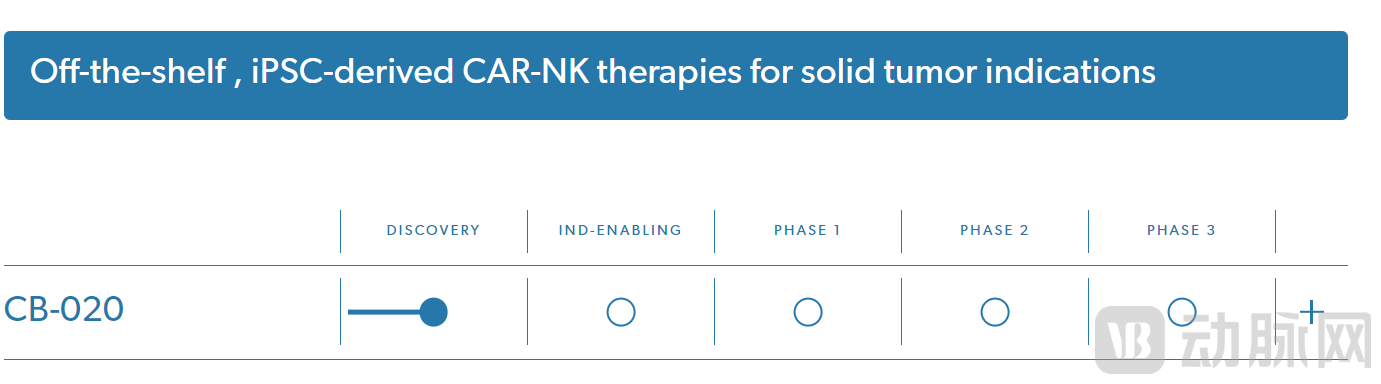
Image source: Caribou Biosciences official website
Company: Mammoth Biosciences
Year Founded: 2017
Funding Stage: Total of $195 million in Series C+ and Series D
Features: Focused on developing diagnostic tests using CRISPR-Cas12a and leveraging its proprietary ultra-compact CRISPR system for CRISPR gene-editing therapies.
Progress: In 2020, the Company collaborated with Sherlock Biosciences, founded by Feng Zhang, to jointly develop CRISPR-based COVID-19 diagnostic services and licensed them to Merck for production. Over the following two years, it separatelyCollaborating with Fortis and Bayer to Develop Ultra-Compact CRISPR In Vitro Editing Technology。
Company: Intellia Therapeutics
Year Founded: 2014
Funding Stage: Publicly Listed
Features: Formed by renowned venture capital firm Atlas Venture and Doudna’s Caribou Biosciences, the company successfully went public in just two years. It is dedicated to developing innovative therapies by leveraging CRISPR gene-editing technology for both in vivo and ex vivo gene editing.
Progress: Intellia currently has two primary assetsNTLA-2001(for transthyretin amyloidosis) andNTLA-2002(for the treatment of hereditary angioedema),The former is currently in a pivotal Phase III trial, while the latter has completed partial enrollment and dosing in its Phase II trial.。
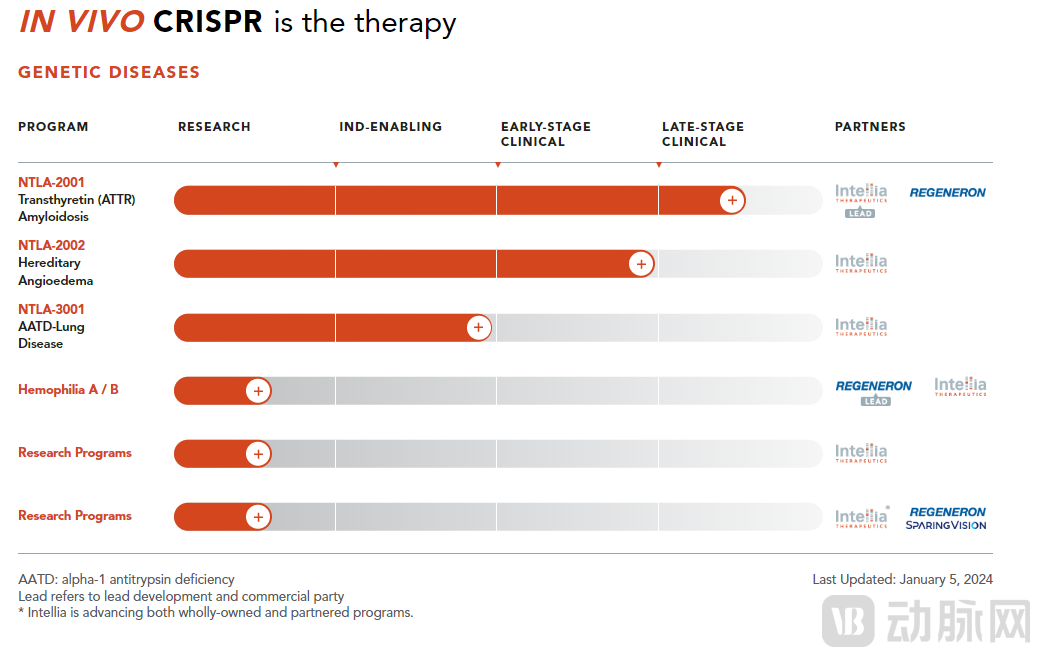
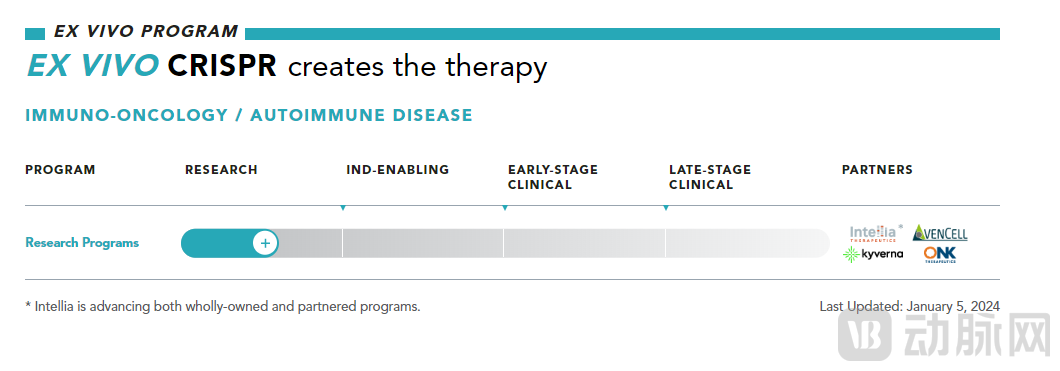
Image source: Intellia Therapeutics official website
As the last of the three pioneers of CRISPR technology, Feng Zhang played a pivotal role in adapting the CRISPR-Cas9 system for use in eukaryotic cells. This major breakthrough made it possible to perform precise and efficient gene editing in mammalian cells, including human cells.
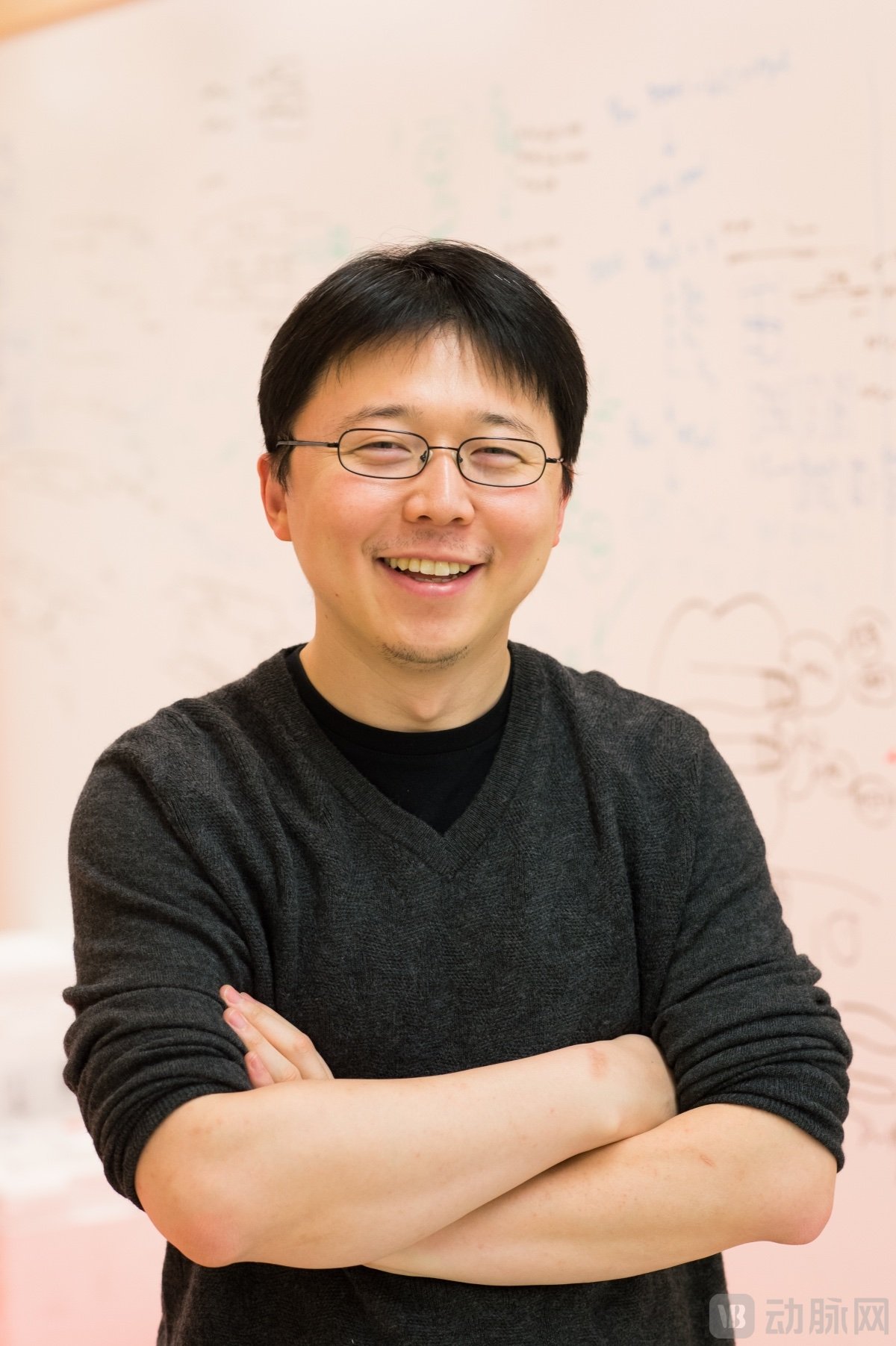
Image source: Broad Institute
Leveraging his expertise in the mature application of CRISPR technology and the Broad Institute’s patent advantages, Feng Zhang has pursued commercial expansion across multiple directions through several companies.
Company: Editas Medicine
Establishment Year: 2013
Funding Stage: Publicly Listed
Features: Editas Medicine was the first company founded by Feng Zhang. It was co-established by a team of scientists including Feng Zhang, Jennifer A. Doudna (who left in 2014), George Church, J. Keith Joung, and David Liu. Leveraging CRISPR/Cas9 patent technology, Editas develops gene-editing therapies for cancer and genetic diseases, becoming the first publicly traded CRISPR gene-editing company.
Progress: Because Vertex Pharmaceuticals holds key patents for CRISPR technology, it needs toPayment of $100 million in non-exclusive licensing fees to Editas, with an initial upfront payment of $50 million. In early 2023, Editas underwent significant strategic and organizational restructuring, making EDIT-301 its lead pipeline asset while discontinuing the development of multiple other programs, including EDIT-101, EDIT-103, and EDIT-202, and reducing its workforce by 20%.In December 2023, Phase I/II clinical trial data for EDIT-301 showed that all patients achieved remission.。
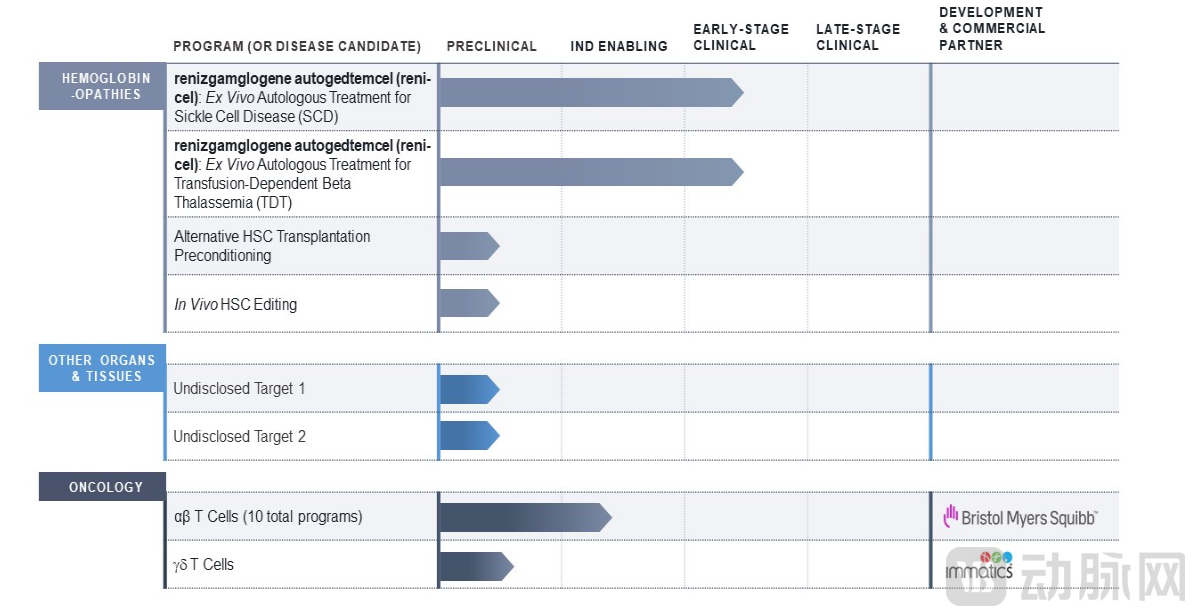
Image source: Editas Medicine official website
Company: Moonwalk Biosciences
Established in: 2022
Funding Stage: Series A
Features: An epigenetic editing company co-founded by Feng Zhang, Alex Aravanis, Arash Jamshidi, and Justin Valley, with Feng Zhang serving as Co-Founder and Chief Scientific Officer. The company is dedicated to developing epigenetic therapies using epigenetic engineering tools. Epigenetic editing technology precisely and effectively activates or suppresses the expression of specific genes by leveraging the cell’s innate mechanisms, without cutting intracellular DNA.
Progress:Moonwalk has completed $57 million in seed and Series A financing.. Pipeline not disclosed.
Company: Arbor Biotechnologies
Established: 2016
Financing Stage: Series B
Features: As a gene-editing enzyme development company, Arbor leverages machine learning and AI technologies to develop novel gene editors. To date, it has developed seven editors that cover more than 90% of the genome.
Progress: The company’s lead pipeline candidate is ABO-101, an in vivo gene-editing therapy targeting primary hyperoxaluria (PH), currently in the IND-enabling stage. Leveraging its proprietary technology,Arbor entered into licensing collaborations with Vertex and Boya Edigene in 2021 and 2022, respectively.
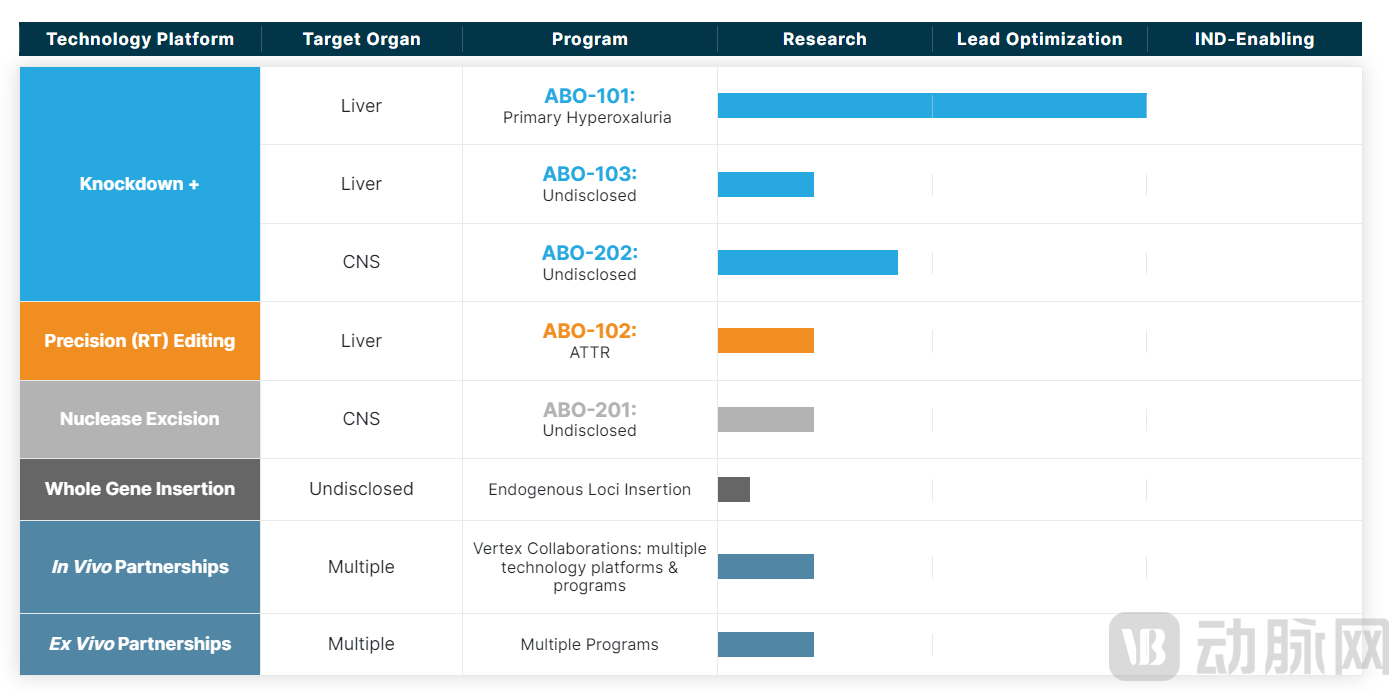
Image source: Arbor Biotechnologies official website
Company: Pairwise Plants
Established in: 2017
Funding Stage: Series B
Features: An agricultural technology service provider, Pairwise is the third company co-founded by Zhang Feng and David Liu. Pairwise leverages plant genetic diversity to develop novel gene-editing tools aimed at addressing the various challenges currently facing crops.
Progress:The company began selling its first gene-edited berry product in the United States in 2022.。
Company: Beam Therapeutics
Establishment Date: 2018
Funding Stage: Publicly Listed
Features: The first biotech company to develop base editing therapies, with a core founding team that significantly overlaps with Editas, including Feng Zhang, David Liu, and J. Keith Joung.
Progress:BEAM-101 is the company’s fastest-moving project, currently in Phase I/II clinical trials.. Furthermore, allogeneic CD7-CAR-T therapyBEAM-201 Has Also Completed Dosing of the First Patient in Its Phase I/II Clinical Trial。
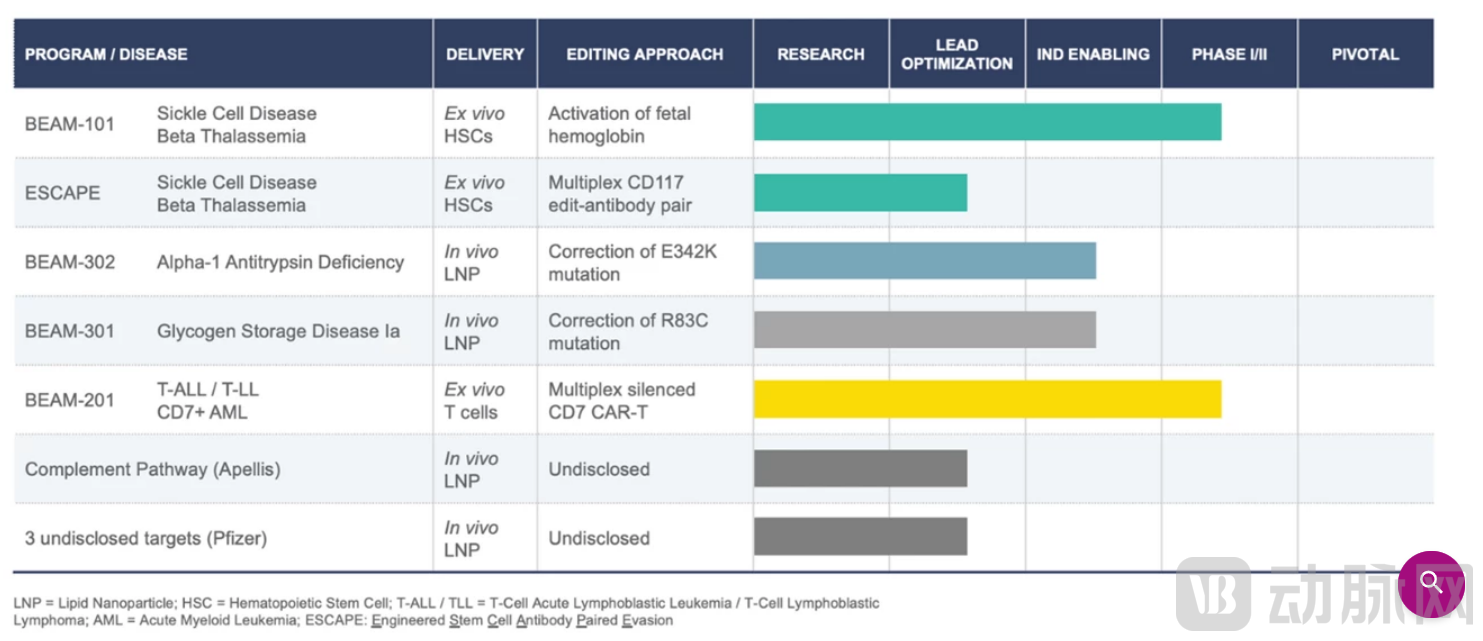
Image source: Beam Therapeutics official website
Company: Sherlock Biosciences
Established in: 2019
Funding Stage: Series B
Features: Sherlock is a molecular diagnostics company co-founded by Feng Zhang and eight other scientists in 2019. The company’s core diagnostic technology platform, SHERLOCK™, originates from the research findings published by Feng Zhang’s team in Science in 2017 under the title “Nucleic acid detection with CRISPR-Cas13a/C2c2.”
Progress: May 2020,Sherlock’s COVID-19 Diagnostic Kit Received FDA Emergency Use Authorization, and two years later, secured funding led by Novalis LifeSciences, with participation from Illumina and others.$80 million Series B financing.
Company: Proof Diagnostics
Established in: 2020
Funding Stage: Early
Features: A molecular diagnostics company founded by Feng Zhang and the founding team of Sherlock. The company’s technology and products gainedStrong Support from the NIH, DARPA, and the Gates Foundation。
Progress: Prior to submitting its application for FDA Emergency Use Authorization (EUA) in 2022, the company secured a total investment from Madrona Venture Group, F-Prime Capital, and ARCH Venture Partners.$45 Million in Financing。
Company: Aera Therapeutics
Established in: 2021
Funding Stage: Series B
Key Features: The founders include Feng Zhang, John Maraganore, and Akin Akinc. Aera’s core technology platform is built upon the study titled “Mammalian retrovirus-like protein PEG10 packages its own mRNA and can be pseudotyped for mRNA delivery,” published by Feng Zhang’s team in Science in 2021. Its protein nanoparticle delivery platform, SEND, is dedicated to addressing current challenges in gene delivery through PNP technology.
Progress: The company has long remained in stealth mode, completing a funding round in 2023 from ARCH Venture Partners, GV, and Lux Capital.$193 million in Series A and B financingwas officially released to the public.
A review of past “Top 10 Breakthrough Technologies” reveals countless researchers striving to push the boundaries of knowledge. The successful commercialization of these technologies across multiple sectors in various forms represents the optimal approach to fostering an organic dialogue between scientific research and industry, thereby mobilizing the initiative of all stakeholders.