

Med-Fine Health Fund CEO Forum 2023: Driving Pharmaceutical Innovation and Global Expansion
Looking back at 2023, the innovative drug sector witnessed a surge of activity, with out-licensing deals reaching record highs and multiple new drugs successfully gaining approval in Europe and the United States, marking it as the most significant year for Chinese innovative drugs going global. However, the other side of the coin is that the investment and financing market remained sluggish, innovative companies continued to scale back their operations, and the “winter” in the pharmaceutical industry has yet to pass.
So, against the backdrop of an accelerating aging population, has the medium-to-long-term investment logic for biopharmaceuticals changed? When will the capital “winter” thaw? How should we view the cyclical nature of the innovative drug industry? These questions have become focal points of market attention.
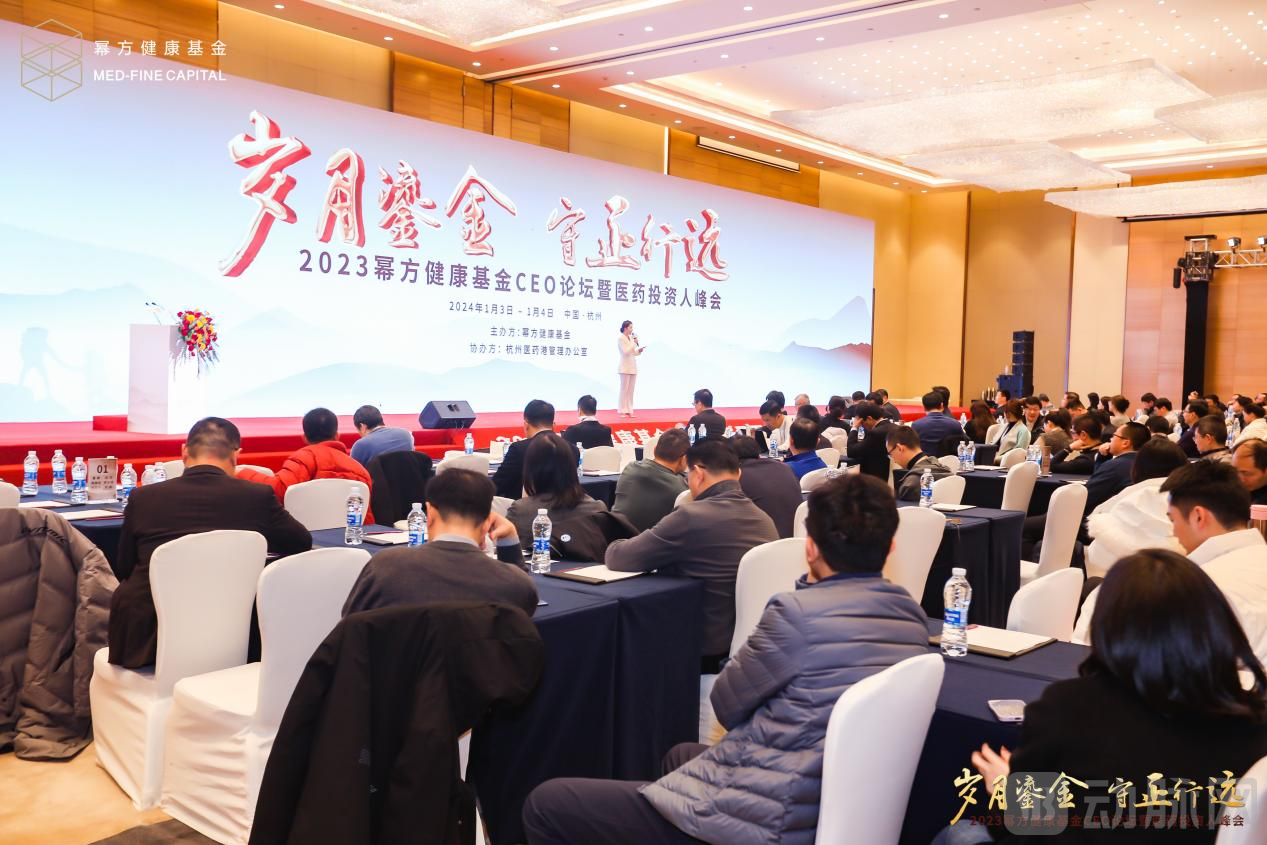
Recently, the “2026 Mifang Health Fund CEO Forum and Pharmaceutical Investors Summit,” hosted by Mifang Health Fund and co-organized by the Hangzhou Qiantang District Government and Medicine Port, was successfully held. The forum invited distinguished industry experts, including Academician Tan Weihong and Academician Yu Biao from the Chinese Academy of Sciences, along with representatives from numerous well-known fund-of-funds, the pharmaceutical industry, and founders of healthcare companies. Attendees gathered to deeply discuss topics such as innovation and global expansion, as well as how capital can provide support during economic downturns.
Innovation and Global Expansion Bring New Opportunities
On January 4, the conference was grandly opened. Zhou Yujian, Managing Partner of Mifang Health Fund, extended his welcome and gratitude to investors and partners.
In his welcome address, Zhou Yujian pointed out that while 2023 saw a capital winter on one hand, it was also a harvest season for innovation and global expansion on the other. Even with a sluggish short-term IPO market, license-out deals and whole-company M&A activities can still deliver tangible cash returns to investors. Observations show that in 2023, there were over 50 license-out transactions for domestically developed innovative drugs, with the total disclosed transaction value exceeding $40 billion. Moreover, the value of business development (BD) deals has been doubling year by year in recent years. In addition to license-out transactions, Gracell Biotechnologies was recently acquired by AstraZeneca in a deal valued at approximately $1.2 billion. This marks the first case of a Chinese biotech company being fully acquired by a multinational corporation (MNC). This is certainly not an isolated incident; whole-company M&A of biotech firms will become the norm in the future. Over the past decade, Mifang Health Fund has deeply cultivated the healthcare sector. Looking ahead, the fund remains firmly optimistic about the long-term innovative development of China’s healthcare industry and will continue to increase its investments in innovative enterprises.
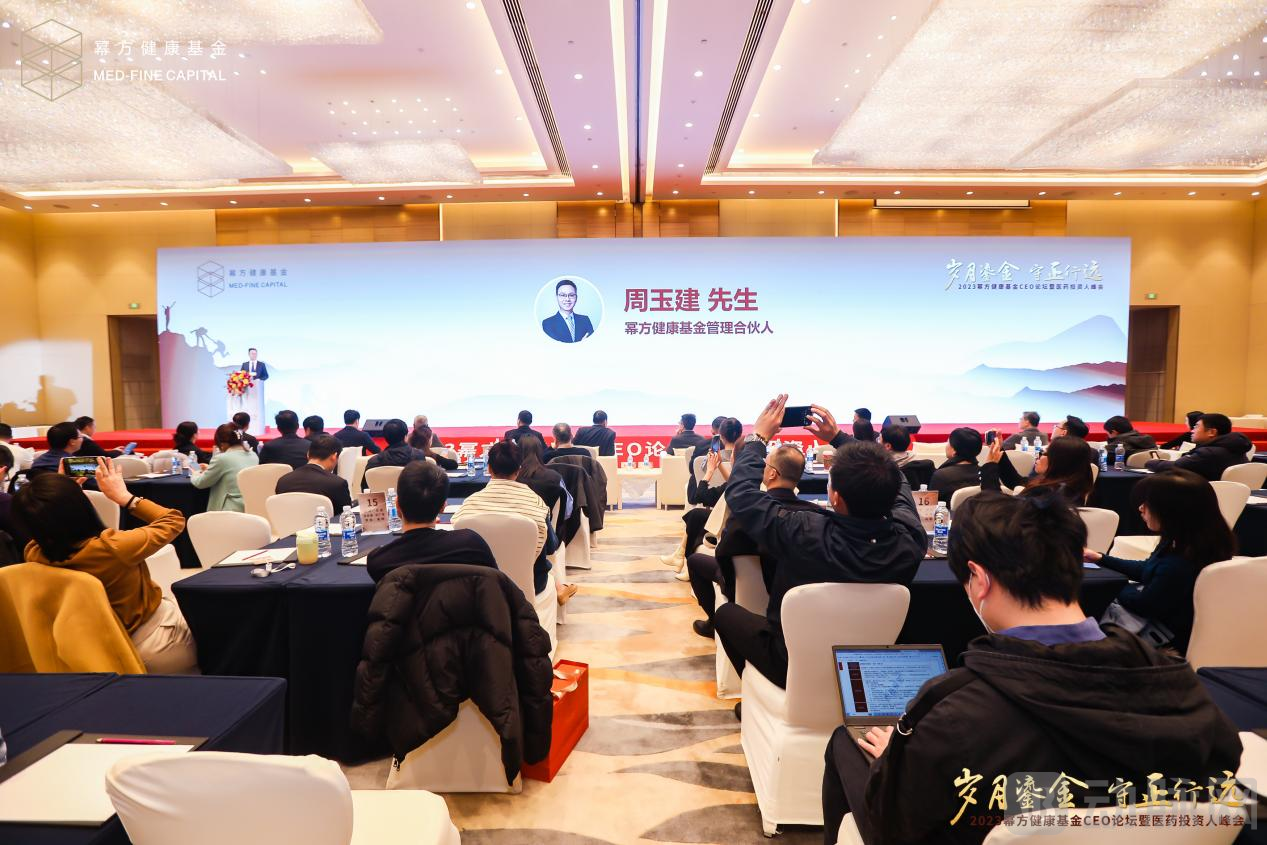
Subsequently, two distinguished guests, Academician Tan Weihong and Academician Yu Biao of the Chinese Academy of Sciences, delivered keynote addresses on cutting-edge industry topics. Academician Yu Biao discussed the challenges and progress in the exploration of glyco-drugs, focusing on carbohydrate chemistry and particularly glycosynthesis, thereby highlighting the significance of glycoscience research in drug development and application. In his speech titled “Opportunities and Challenges of Nucleic Acid Drugs,” Academician Tan Weihong introduced the current state of development of aptamer-drug conjugates. His team achieved the world’s first aptamer-based PET imaging strategy, offering new possibilities for “illuminating cancer” as well as for cancer diagnosis and treatment. Academician Tan stated that “nucleic acid aptamers are becoming ‘scientists’ antibodies,’ providing revolutionary new tools for disease diagnosis and precision medicine.”
The highlight of the conference was a roundtable discussion themed “Innovation and Global Expansion.” Representatives from the pharmaceutical industry, including Chen Chunlin, CEO of Medicilon; Wu Hao, Co-President of Tigermed; Cheng Ziqiang, Chairman of Zenrong Pharma; Ding Qiang, CEO of Anray Biopharma; and Xu Yanan, Head of Business Development for Takeda Pharmaceutical in China, joined host Bai Yang, Partner at Mifang Health Fund, to share their insights and observations on innovation and global expansion from various perspectives.
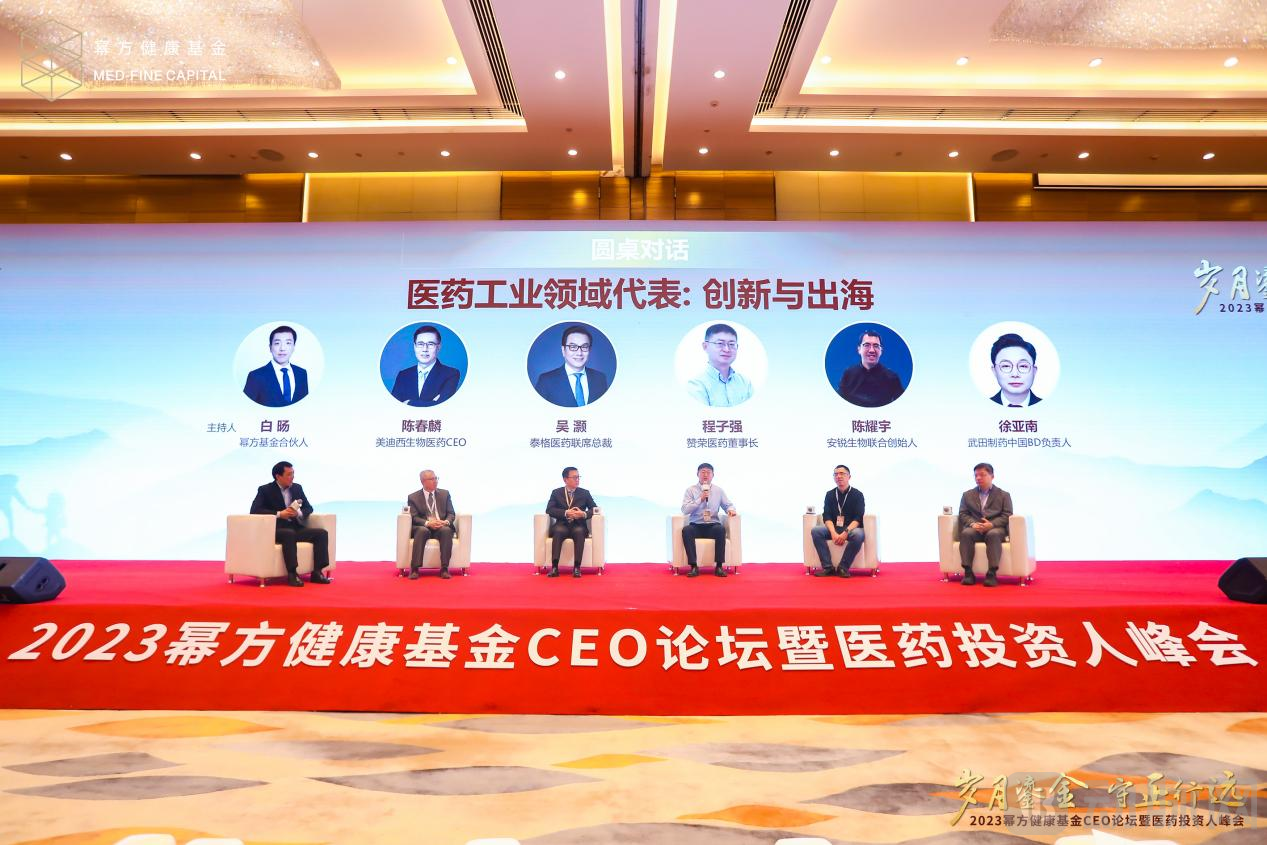
The roundtable panelists unanimously agreed that 2023 marked a harvest season for innovation in China. While the Chinese pharmaceutical industry lacks an ecosystem conducive to groundbreaking “zero-to-one” original innovation, its “one-to-99” technological improvements are already on par with international standards. In fields such as antibody-drug conjugates (ADCs), cell therapy, gene therapy, and nucleic acid drug development, China is keeping pace with global leaders, and in certain areas of small-molecule and antibody drugs, it is even taking the lead. During this capital winter, the overseas licensing-out model offers a viable solution to financing challenges. By leveraging internally generated milestone achievements to mitigate R&D risks and maximize the opportunity cost of products, this approach has become the optimal choice for small and micro enterprises that lack global development capabilities.
Furthermore, a consensus reached by the panelists during the roundtable discussion was that innovation and global expansion are the central themes driving industry development, bringing new opportunities to the pharmaceutical sector. Looking ahead, for enterprises, innovation is not an optional choice but the only viable path, and going global is no longer an option but a necessity. As innovative technologies with significant clinical and commercial value continue to be validated, they will create substantial incremental growth for the industry.
Additionally, during the CEO sharing session for portfolio companies at this forum, founders of these companies delivered keynote speeches on innovation-led growth and internationalization strategies.
Among them, Feng Hui, founder of Anlingke Biopharma, delivered a keynote speech titled “Sharing Insights on the Successful Global Launch of the First Domestically Developed Innovative Biologic.” Dr. Feng is a co-founder of Junshi Biosciences. In October 2023, toripalimab was approved for marketing in the United States, becoming the first innovative biologic independently researched and developed in China to receive approval from the U.S. Food and Drug Administration (FDA). Subsequently, Dr. Feng embarked on a new entrepreneurial venture by establishing Anlingke Biopharma. Focusing on the oncology field, the company has built a distinctive and leading R&D pipeline featuring bispecific antibodies and antibody-drug conjugates (ADCs), including both monoclonal and bispecific antibody-based ADCs.
Dr. Yan Ming from Zhuanma Bio shared cutting-edge insights in the field of gene-editing drug development. Dr. Yan pointed out, “Gene editing represents a revolutionary new therapeutic paradigm. 2023 marked the inaugural year for gene-editing drugs, with the world’s first such therapy approved by the FDA in December.” Zhuanma Bio is a leading gene-editing company, boasting globally advanced ultra-compact and highly efficient gene editors, a metagenomics-based platform for discovering novel gene editors, engineering capabilities for ultra-compact gene editors, as well as rapid target screening and pipeline development capacities.
Hua Ye, Chairman of Yehui Pharmaceuticals, delivered a keynote speech titled “Trends in China’s Drug Innovation and Global Expansion,” sharing the company’s innovative cases of “in-licensing First-in-Class (FIC) assets” and “optimizing FIC candidates to develop Best-in-Class (BIC) drugs.” Yehui Pharmaceuticals is a rapidly growing startup whose product pipeline is built upon internal R&D, collaborations with cutting-edge biotechnology companies, and the in-licensing of high-quality overseas projects.
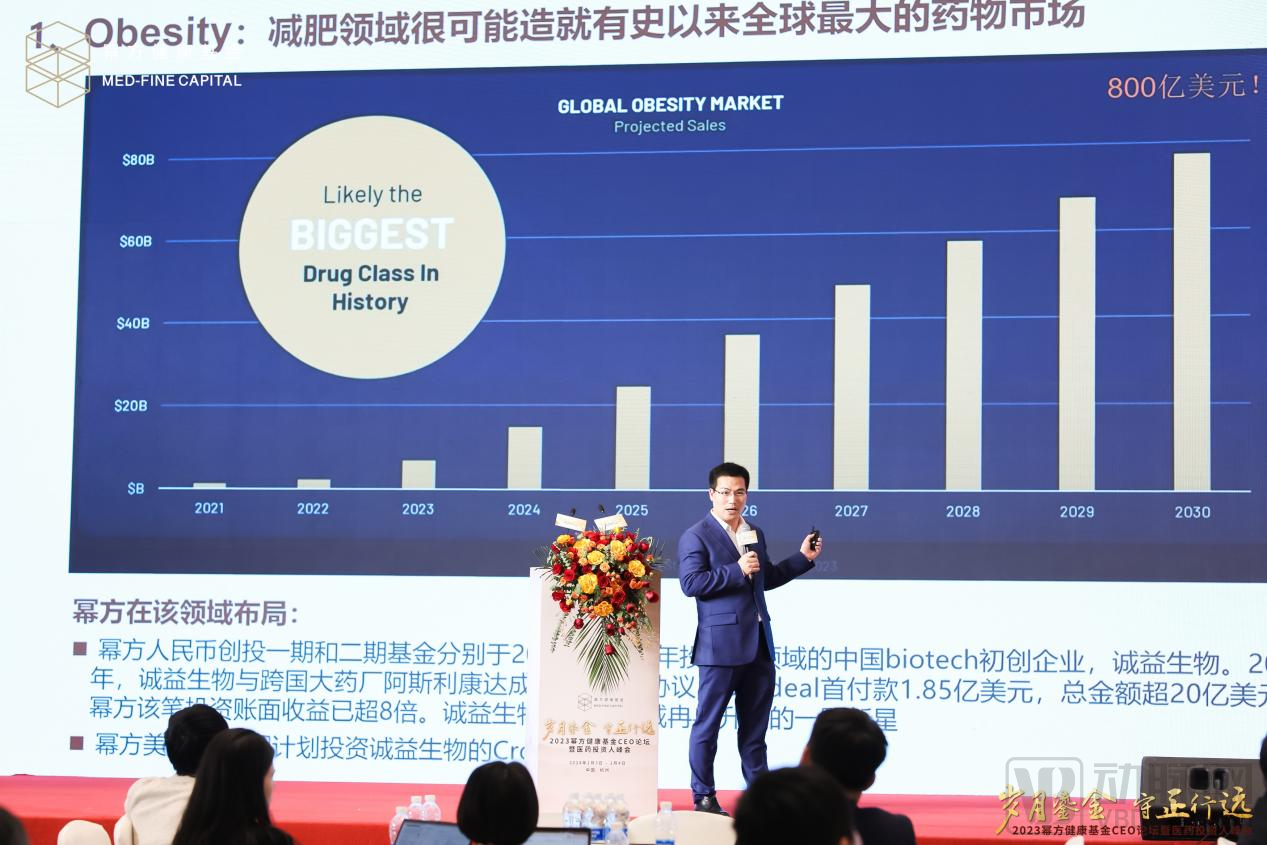
Dr. Xu Jianfeng, Chief Scientist of Chengyi Biopharma, delivered an on-site presentation titled “Deepening Expertise in Metabolism and Accelerating Development through Collaboration.” As a clinical-stage biopharmaceutical company focused on developing novel therapeutics for metabolic and immune diseases, Chengyi Biopharma entered into an exclusive license agreement with AstraZeneca in November 2023 for ECC5004, a GLP-1 receptor agonist. Under the agreement, Chengyi Biopharma received an upfront payment of $185 million and is eligible to receive up to $1.825 billion in future milestone payments related to clinical development, regulatory approval, and commercialization, as well as royalty payments. Dr. Xu stated, “GLP-1 has gradually become a cornerstone in the treatment of cardiometabolic diseases,” and engaged the audience in an in-depth discussion on Chengyi Biopharma’s strategic layout and development approach in the field of metabolism.
Investment Returns to Rationality and Long-Term Value
Amid the confluence of a global economic downturn, geopolitical tensions, the COVID-19 pandemic, U.S. Federal Reserve interest rate hikes, and domestic healthcare insurance policy changes, the biopharmaceutical industry has exhibited a volatile downward trend since 2021, entering a period of more rational adjustment. In this challenging environment, capital markets have adopted a more cautious approach to investment and financing in the biopharmaceutical sector, leading to a significant tightening of corporate funding.
It is an indisputable fact that the industry is in a winter, but crisis and opportunity always coexist, which is also true for investors.
At the roundtable discussion of the “2026 Mifang Health Fund CEO Forum and Pharmaceutical Investors Summit,” moderator Liu Chunguang, Managing Partner of Tailong Investment Management, engaged in a sharing and exchange session with roundtable guests including Fang Yuyou, CEO of Proya; Jin Yufeng, Chairman of Heda Financial Services; Wan Shun, General Manager of Nanjing Innovation Investment Group; Lu Rong, President of Yuexiu Industrial Fund; and Wang Jinghua, Managing Partner of Medtronic China Fund, along with other limited partners (LPs) and investor representatives. They shared their insights on “how capital can provide support during the winter.”
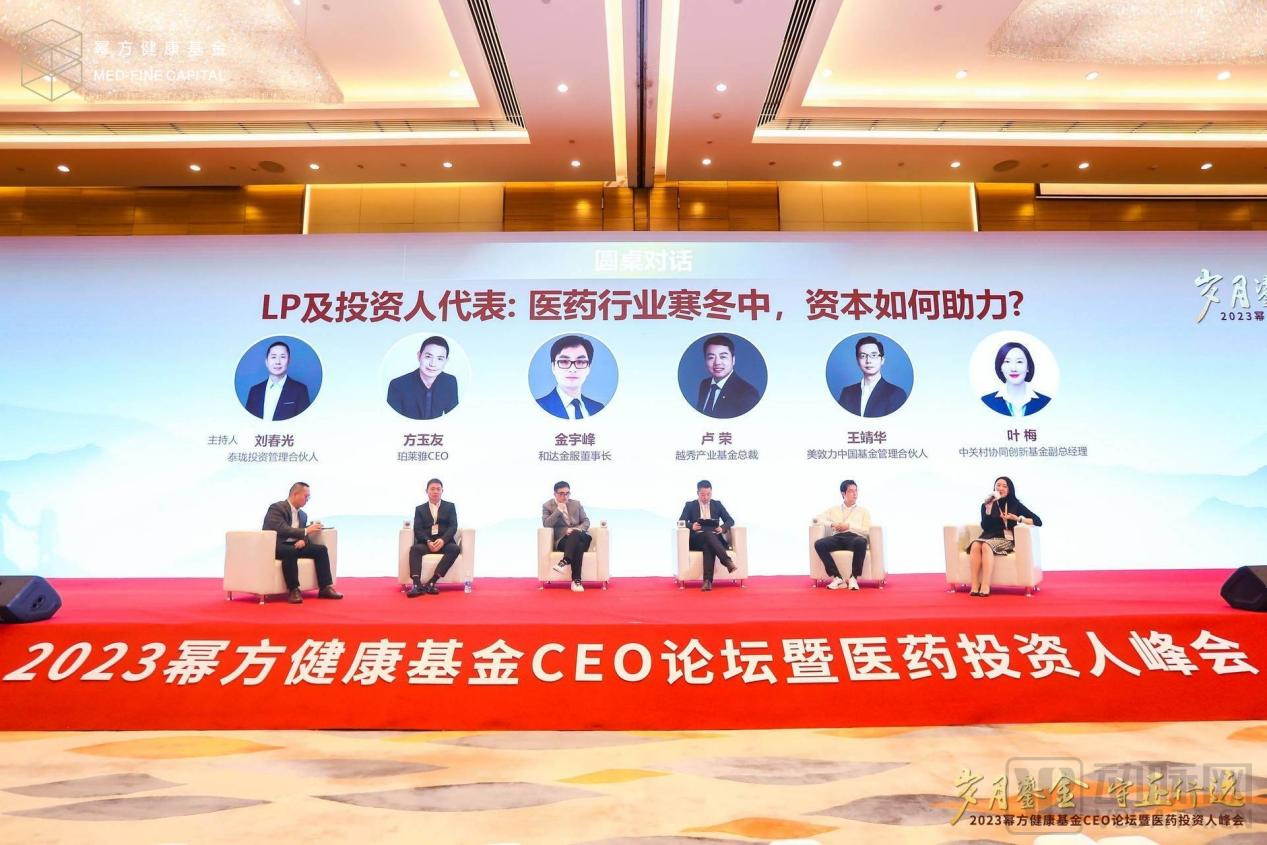
In the view of attending guests, the overall pace of investment in pharmaceuticals and healthcare has slowed down, with many investment institutions adopting a wait-and-see approach by holding cash, and investment decisions have become more cautious. What the market currently lacks is not judgment, but confidence. In this environment, what the market needs is not hesitation, but long-termism; only institutions that continue to cultivate and invest in early-stage investments over the long term will stand out.
So, how should the industry respond to its cyclical downturn? In Zhou Yujian’s view, “We have every reason to be optimistic about the long-term development of China’s pharmaceutical industry.” He pointed out that China’s population aging is accelerating rapidly; it is projected that by around 2035, the number of people aged 60 and above will exceed 400 million, accounting for over 30% of the national population. Per capita healthcare spending among the elderly will be more than three times that of younger individuals, indicating a vast market for pharmaceuticals and health services in China. Furthermore, China boasts significant clinical advantages and a complete pharmaceutical industry chain. The country also has a large pool of smart and diligent engineers and scientists, many courageous elite entrepreneurs, and active healthcare venture capitalists. Therefore, the medical industry is undoubtedly on a sustained upward trajectory.
Therefore, over the past year, amid a capital winter in the market, Mifang Health Fund has continued to support outstanding enterprises through concrete actions. Zhou Yujian introduced, “In addition to making follow-on investments in certain portfolio companies, we have made new investments in nearly ten companies, including Anlingke Bio, founded by Dr. Feng Hui, co-founder of Junshi Biosciences; Zhuanma Bio, established by Professor Ji Quanjiang from ShanghaiTech University in collaboration with an industry team; Shu Zhi Dao, a surgical robotics company; Yinglv Medical, specializing in heart rate monitoring and treatment; Ruibijia, a radiofrequency therapy platform company; and AME, which publishes more than ten SCI-indexed clinical journals. Although the number of investments is not large, Mifang served as the lead investor or sole investor in all of these projects.”
The New Starting Point for Confidence Reconstruction
So, when will the two-year capital “winter” thaw? Is the industry poised to bottom out and rebound?
“The biopharmaceutical industry is nurturing opportunities for a rebound. History has witnessed multiple instances of pain from Biotech bubble bursts, but the sector has always returned to its proper trajectory after digesting these shocks. The current macro environment is becoming increasingly favorable for Biotech investment and development, marking a new starting point for valuation restructuring and confidence rebuilding in the biopharmaceutical industry,” stated Dr. Deng Lingquan, Partner at Mifang Health Fund and Head of its USD Fund, during the conference.
Dr. Deng Lingquan pointed out that biomedical R&D is characterized by long cycles, substantial capital requirements, and high costs, making it heavily reliant on external funding in the early stages. When U.S. Treasury yields are high, indicating attractive returns from low-risk investments, capital becomes reluctant to take on greater risks by investing in equity assets with heavy R&D exposure, such as innovative drugs. Over the nearly 30 years from 1993 to 2021, the Federal Reserve implemented four significant rate-cutting cycles, three of which coincided with substantial rallies in U.S. biopharmaceutical stocks. Starting in 2024, the Fed is entering a new rate-cutting cycle, suggesting that U.S. biopharmaceutical stocks are poised for stronger performance. Additionally, healthcare represents an enduring fundamental human need. After two to three years of adjustment, current biotech valuations have become increasingly attractive, standing at less than 30% of their peak levels.
According to Dr. Deng Lingquan, China’s biopharmaceutical industry has progressed from the initial stages of R&D, production, and sales of active pharmaceutical ingredients (APIs) and generic drugs, through a phase focused on meeting domestic demand with innovative medicines, and has now entered its third stage of development: competing internationally and addressing global market needs.
“Compared to a decade ago, China’s biopharmaceutical industry has advanced across all fronts. We have established a relatively comprehensive ecosystem and accumulated a large pool of top-tier talent. China’s cost and efficiency advantages are also highly pronounced. The national government attaches great importance to the innovative drug sector, providing robust support through industrial policies and capital injection. Currently, pathways for domestic new-drug companies and products to enter overseas markets are smooth, and recognition of Chinese innovative drugs by global pharmaceutical giants is on the rise. The Chinese biopharmaceutical industry is now nurturing new hope,” said Dr. Deng Lingquan.