

BaseCamp Vascular Submits Prospectus for GECKO: An Electronically Navigated, Electromechanical Guidewire Enabling Rapid Thrombolysis in Neurointervention
BaseCamp Vascular
Developer of Intra-Vascular Navigation Solutions

Forepont Capital Partners
A Venture Capital Firm

Neurotechnology Investors
Investment Institutions

MEDCO
Wholesale and Retail of Various Products
Stroke has become the leading cause of death and disability worldwide.
According to data released by the World Stroke Organization (WSO) in 2022, there are over 12.2 million new stroke cases globally each year, and the global cost of treating stroke is estimated to exceed $721 billion. More critically, every minute after a stroke occurs, nearly 2 million neurons in the human body are damaged. This damage is often irreversible; if treatment is not administered promptly, brain injury will continue to worsen, potentially leading to severe consequences such as lifelong disability or death for the patient.
The “Golden Three Hours” Concept in Stroke: Following the proposal of this concept, emphasis has been placed on initiating aggressive treatment for stroke patients within three hours of symptom onset to reduce brain injury. However, in clinical practice, patients often miss the optimal therapeutic window due to factors such as delays in diagnosis.
Hundreds of companies worldwide are dedicated to addressing and improving stroke care. Among them, BaseCamp Vascular (hereinafter referred to as “BCV”), a medical device company based in France, stands out as a notably innovative representative. The company has launched GECKO, a novel mechatronic guidewire featuring an integrated navigation system that enables physicians to accurately reach the lesion site for stroke treatment and assessment. According to disclosed product information, GECKO not only simplifies surgical procedures and reduces operation time, but also lowers the risks associated with intraoperative device exchanges. In the realm of stroke treatment and assessment, the GECKO guidewire has already demonstrated robust clinical validation, effectively ensuring patient safety during surgery and optimizing therapeutic outcomes.
On December 13, 2023, BCV further gained recognition from the capital market, raising €6 million in Series A financing. The round was led by Forepont Capital Partners, with participation from MEDCO and Neurotechnology Investors. The proceeds will be used to further develop BCV’s series of electromechanical guidewires and to prepare for product commercialization.
Stroke is classified into ischemic stroke and hemorrhagic stroke. Among these, ischemic stroke is the most common type, accounting for more than 80% of clinical cases. This condition is caused by the occlusion of arteries that transport blood to the brain. When cerebral blood vessels are blocked by a thrombus, preventing blood flow, acute ischemic stroke occurs. If ischemic stroke persists for more than a few minutes or hours, it can lead to neurological damage, resulting in severe disability or death.
Following an ischemic stroke, prompt recanalization of the occluded vessel is critical. Typically, immediate thrombolytic therapy or surgical intervention constitutes the preferred clinical treatment strategy. Currently, the most effective treatments for ischemic stroke are intravenous thrombolysis and endovascular thrombectomy.
Intravenous thrombolysis must be administered within 4–5 hours of symptom onset. This treatment involves the intravenous infusion of thrombolytic agents to dissolve blood clots, commonly referred to as an IV drip to break down the clot. However, intravenous thrombolysis is contraindicated in patients with signs of bleeding tendencies (such as gastrointestinal hemorrhage) or thrombocytopenia; in such cases, direct arterial thrombectomy is required.
Arterial ThrombectomyArterial thrombectomy is an interventional surgical procedure, also known as endovascular therapy. It involves precisely "locking onto" the location of the thrombus via cerebral angiography and then removing it using specialized devices. Although some patients may be eligible for treatment up to 24 hours after onset based on imaging assessment, the golden window for thrombectomy is within 0 to 6 hours, with earlier intervention yielding better outcomes.
Notably, thrombolysis and thrombectomy are complementary treatments that cannot be entirely separated; some patients undergo thrombectomy concurrently with thrombolysis, a approach known as "bridging" therapy.
Arterial thrombectomy requires the use of devices to remove blood clots. The key challenge during the procedure is how to rapidly navigate the device to the site of cerebral vascular embolism. Existing surgical equipment takes a considerable amount of time to locate the embolic site, creating an urgent need for devices that are better adapted to the physiological anatomy of cerebral vessels.
More specifically, the device’s speed is determined by the “guidewire” on the instrument. This is precisely the primary research focus of BCV in stroke treatment, from which GECKO was born.
GECKO is a system designed for facile intravascular navigation, featuring a disposable, sterile, Class III adjustable guidewire that incorporates a shape-memory alloy actuator design. The guidewire positions the distal access catheter via vascular access (femoral or radial artery), facilitating catheter insertion and positioning to rapidly reach the site of intravascular occlusive clots.
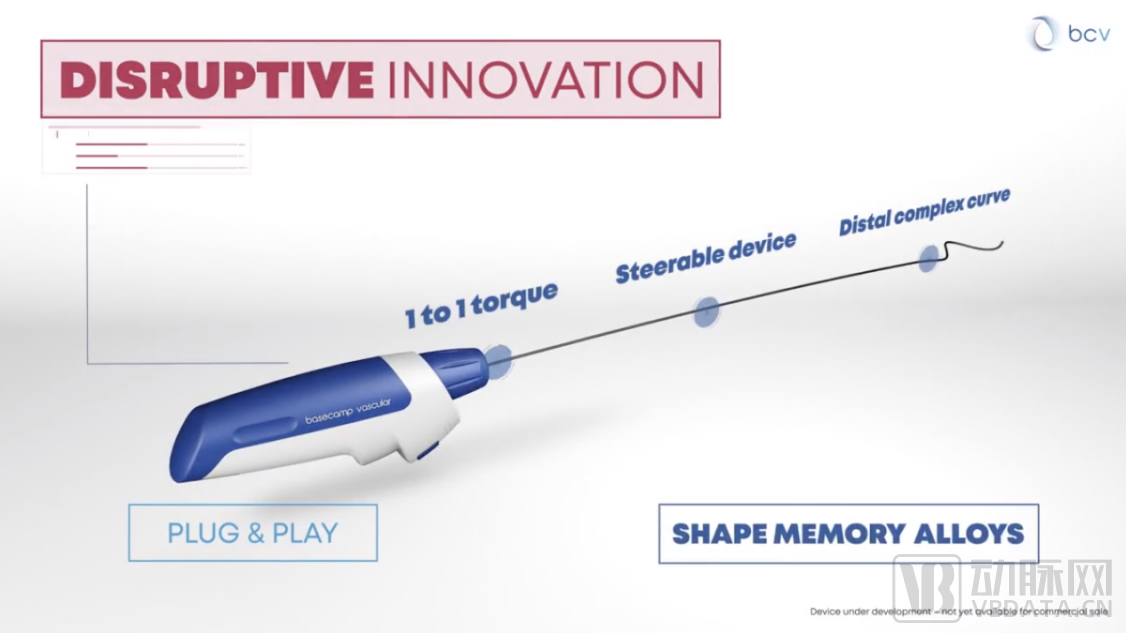
GECKO Image Source: BaseCamp Vascular
GECKO consists of a steerable catheter and a handle, with the handle housing the battery and integrated electronics. Upon pressing the button, the device is activated, delivering an electric current along the guidewire to its distal tip. This causes the guidewire to bend, allowing the distal end to assume an “S” shape as shown in the figure above, thereby facilitating thrombectomy.
Before rapidly and safely reaching the thrombus, numerous challenges posed by neurovascular lesions must be addressed. GECKO enhances navigation speed within tortuous vessels through its versatile design and electronic navigation system, thereby reducing the difficulty of complex arterial maneuvers. This not only saves time but also minimizes the number of device insertions and withdrawals during the procedure, as well as the risk of subsequent complications.
Furthermore, GECKO can be widely applied in procedures requiring guidewire access, including interventional surgeries in cardiology, urology, gynecology, and oncology.
Based on existing data, GECKO has four major characteristics:
1. Intelligent Handle: The electrically operated handle controls a shape-memory alloy-driven guidewire, enabling it to navigate various tortuous blood vessels;
2. Tip-driven actuation: Localized tip actuation using shape memory alloy design with a specific curvature enables faster, safer surgeries and allows for automated control;
3. Excellent Compatibility: Compatible with all catheter-based solutions for stroke treatment in neurointerventional procedures;
4. Specific Design: Compatible with existing therapeutic catheters and image-guided platforms; in patient-specific designs, also compatible with robotics, artificial intelligence, and data systems.
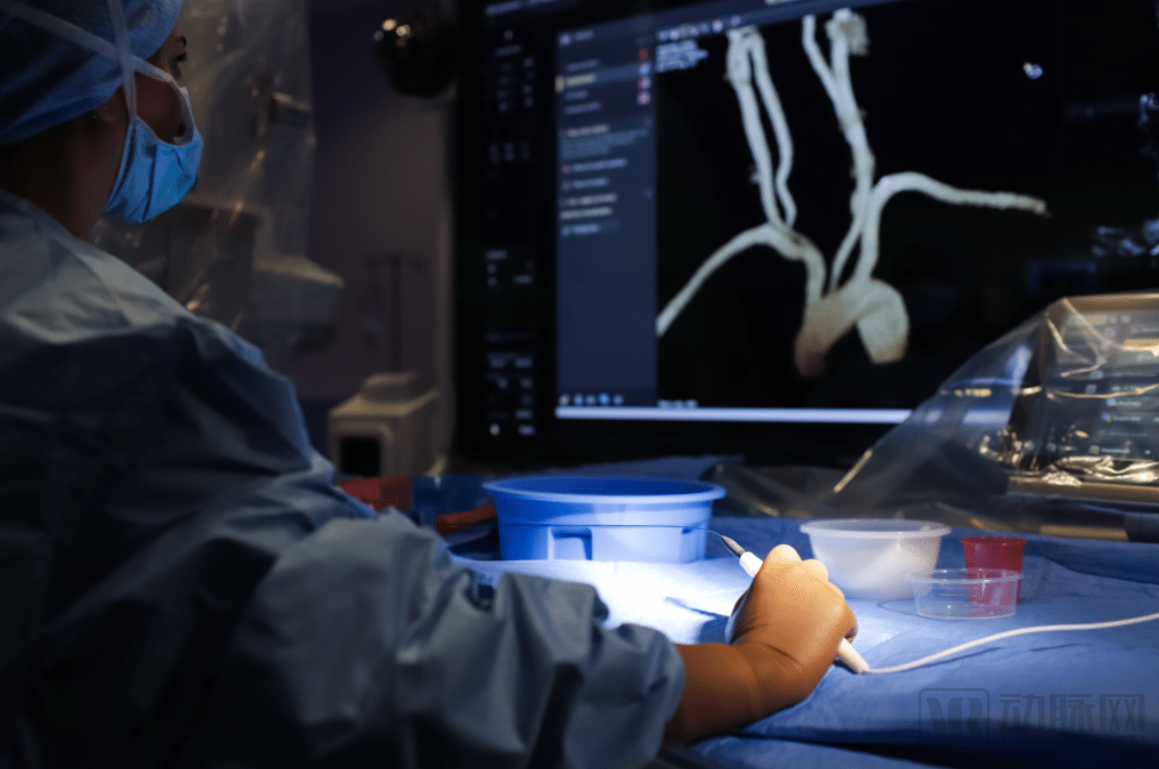
GECKO Surgical Procedure. Image source: BaseCamp Vascular
The emergence of GECKO would not have been possible without the meticulous research and technical preparations undertaken by the founders of BCV.
In 2016, Raphaël Blanc co-founded the company with three other founders: Jean-Baptiste Cazeneuve, Michel Boulaire, and Jérôme Szewczyk.
Raphaël Blanc, who holds a Ph.D. in Medicine from the University of Paris, possesses profound academic expertise. His primary research areas include endovascular treatment of cerebrovascular malformations, ischemic brain injury (mechanical thrombectomy), intra-arterial chemotherapy for pediatric ocular tumors, and diagnostic neuroradiology. He has published more than 160 related medical articles.
Raphaël Blanc also possesses extensive expertise in interventional radiology research. Since 2010, he has served as Assistant Director of Interventional Neuroradiology at the Fondation Adolphe de Rothschild Hospital. Additionally, as an interventional radiologist, he is proficient in managing peripheral perfusion and dialysis access treatments.
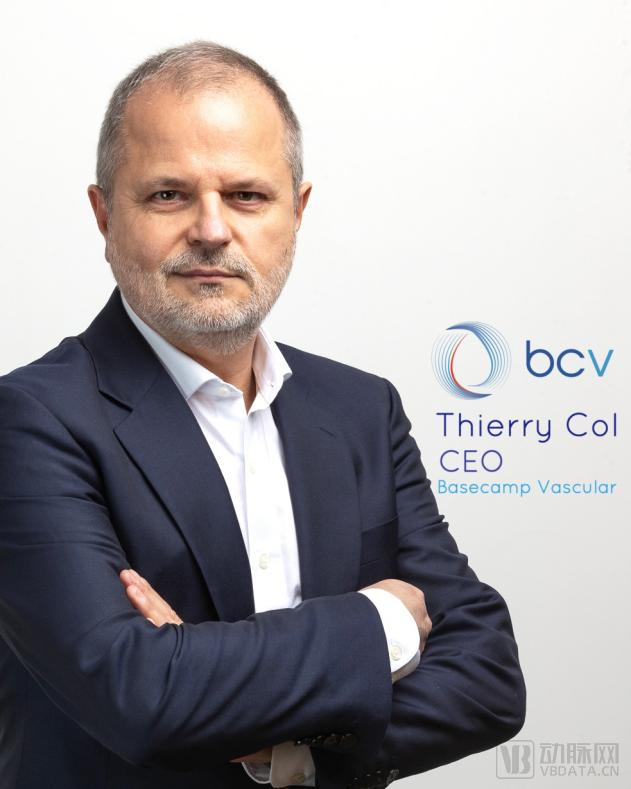
Current CEO Thierry Col. Image source: BaseCamp Vascular
On February 1, 2023, Thierry Col assumed the role of new Chief Executive Officer at BCV, overseeing corporate fundraising, CE marking and U.S. FDA approval for the first-generation GECKO device, and research and development of the Gecko+ project.
Thierry Col’s career has spanned Europe, the Middle East, Africa, Asia, and the United States, covering diverse sectors from high-tech to healthcare, with over 20 years of experience in the international medical technology market. As both a strategist and an expert with deep knowledge of the global medtech landscape, Thierry Col describes his new appointment as an adventure. He is eager to leverage the achievements of his career to advance services in stroke treatment.
China is one of the countries with the highest burden of cerebrovascular disease in the world. Stroke has become the leading cause of death among the Chinese population, resulting in a high level of domestic emphasis on stroke treatment. The government has successively introduced policies such as the Comprehensive Plan for Strengthening Stroke Prevention and Control to Reduce One Million New Cases of Disability, which aims to further enhance the effectiveness of stroke prevention and control, effectively reduce incidence and disability rates, and promote the widespread adoption of appropriate stroke treatment technologies, including thrombolysis and mechanical thrombectomy.
VCBeat Production
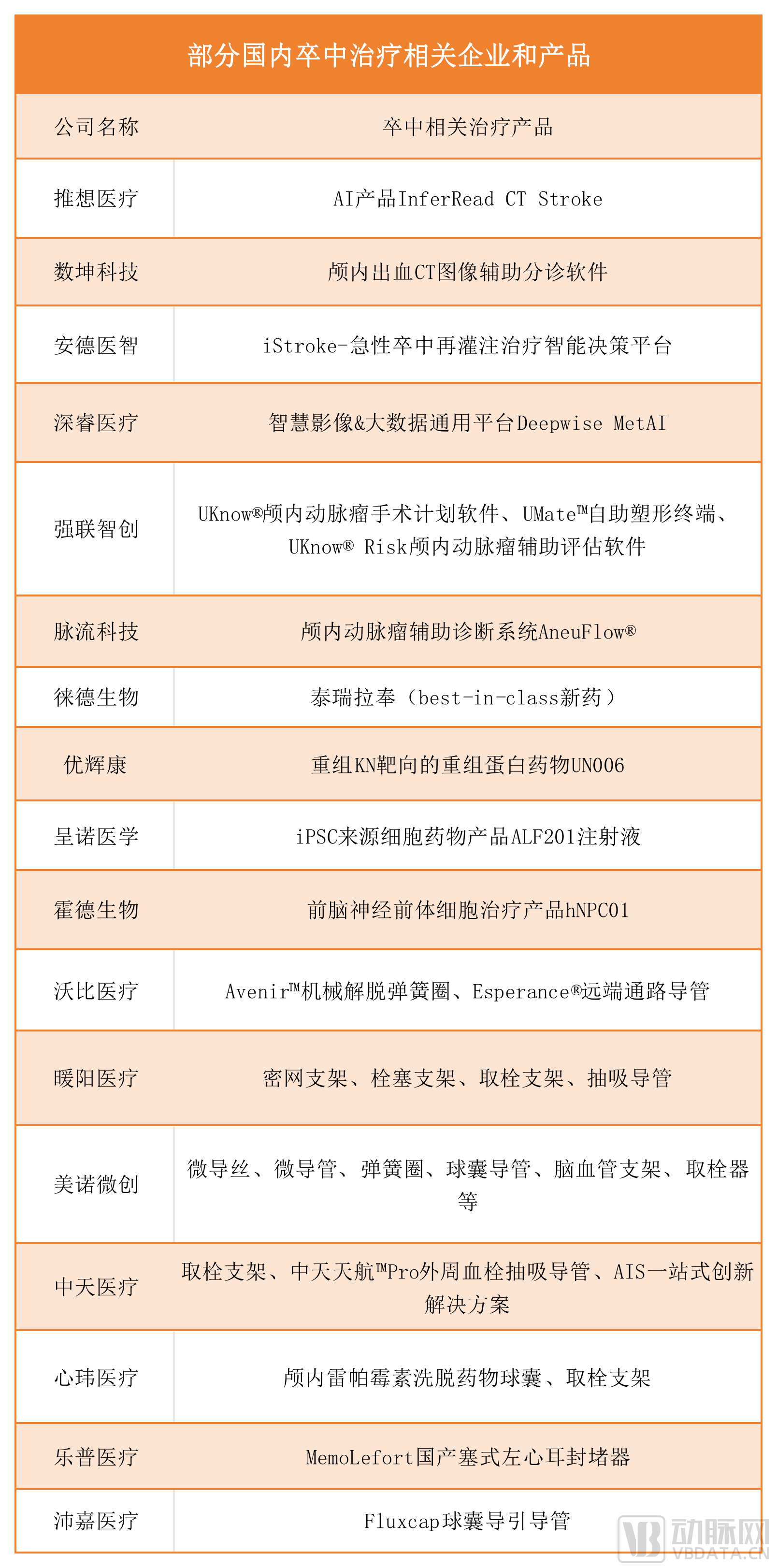
Domestic innovative enterprises are also actively responding to policies, developing a wide range of related products for stroke treatment.
Devices such as guidewires, catheters, and thrombectomy stents; addressing the low penetration rate of peripheral thrombus aspiration, Zhongtian Medical pioneered an innovative “aspiration + fragmentation” solution. The company’s developed Zhongtian Tianhang™ Pro Peripheral Thrombus Aspiration Catheter and Zhongtian Tianji™ Peripheral Embolus Removal Device are suitable for all peripheral vascular thrombi. In addition to technological breakthroughs and performance enhancements in the aspiration catheter itself, these devices improve the efficacy of thrombus aspiration and patient prognosis.
Diagnostic applications integrate AI technologies across imaging examinations, intelligent decision-making, and post-care management. For instance, Deepwise Medical has leveraged cutting-edge artificial intelligence technologies—including computer vision, natural language processing (NLP), and deep learning—to launch the Deepwise MetAI Intelligent Imaging & Big Data General Platform. This platform structures data generated from daily radiology department operations, thereby creating high-quality data assets.
Pharmaceutical innovations are primarily driven by targeted therapies and cell-based drugs, supplemented by advancements in adjunctive medications and drug delivery systems. Taking Laide Biotech as an example, the company developed its core product, Tirilazad, based on edaravone (a stroke medication), achieving innovation in both molecular structure and administration route. Its rigid structure and resistance to dissociation address the limitations of existing stroke treatments, such as weak oxygen free radical scavenging capacity, molecular instability, and the need for high dosages.
Through corporate exploration, it is evident that products developed by domestic manufacturers not only meet clinical needs but also inject new vitality into the field of stroke care. It is precisely through the concerted efforts of domestic manufacturers and stakeholders across academia, research, and clinical practice that China achieved reductions in four key stroke metrics—incidence, prevalence, mortality, and disability rates—from 2005 to 2019.
Despite the many challenges that remain in the prevention, control, and treatment of stroke, it is believed that with continuous innovation, China is still poised to achieve greater breakthroughs and progress in the field of stroke care.