

Apple Watch Drops Health Monitoring Module Ahead of Launch, Files Revised Prospectus
According to The Wall Street Journal, the Apple Watch is scheduled for official shipment in April 2015, but adjustments will be made to its originally planned feature modules, with health monitoring capabilities removed.
As another category of mobile smart terminal soon to be launched by Apple, the Apple Watch has garnered widespread attention and anticipation. Originally, this smartwatch was planned to be equipped with multiple sensors to monitor and capture the wearer’s physiological data and record health status—for example, by measuring blood pressure, electrocardiogram (ECG), heart rate, and other metrics. Many developers and investors focusing on the internet healthcare sector once viewed the Apple Watch as a highly competitive player in the future landscape of mobile health smart hardware. However, this expectation was unexpectedly dampened just two months before its official release.
The figure below shows the main features Apple announced for the Apple Watch in the second half of last year. Clearly, “Sensors for health/fitness apps” was still on the feature list at that time. However, Apple stated that although the Apple Watch no longer directly measures health data, it can still serve as an information-receiving terminal via HealthKit, allowing users to view and manage their health data.
Apple recruited numerous experts from the healthcare and medical sectors to develop its health data monitoring module. In early 2014, foreign media reported on Apple’s formidable digital health team, which included Michael O’Reilly, formerly of Masimo; Nancy Dougherty, previously with Proteus; and Ravi Narasimhan, from Vital Connect.
Why Did Apple Watch Remove Its Health Monitoring Module? It is reported that although significant resources were invested in developing this module, several challenging issues remain unresolved. The first concern is measurement accuracy: the Apple Watch cannot ensure precise measurements under all conditions. User-specific variables—such as the tightness of the band, hair density on the skin surface, and surface moisture—can affect the accuracy of certain health data readings. Additionally, a second major factor is regulatory restrictions; certain health-related functional modules must undergo FDA review and approval before they can be released to the market.
In the future, Apple Watch may rapidly integrate health monitoring features into its second-generation or subsequent models, or introduce new models specifically dedicated to such capabilities. After all, the field of health monitoring appears to offer greater potential for innovation than simple activity tracking.
It is reported that Apple will launch three different Apple Watch models: entry-level, mid-range, and high-end. The Wall Street Journal predicts that Apple Watch sales will reach 5 to 6 million units in the first quarter, with the Sport edition as the flagship model, accounting for 50% of orders. The entry-level model will start at $349. The mid-range model accounts for one-third of orders.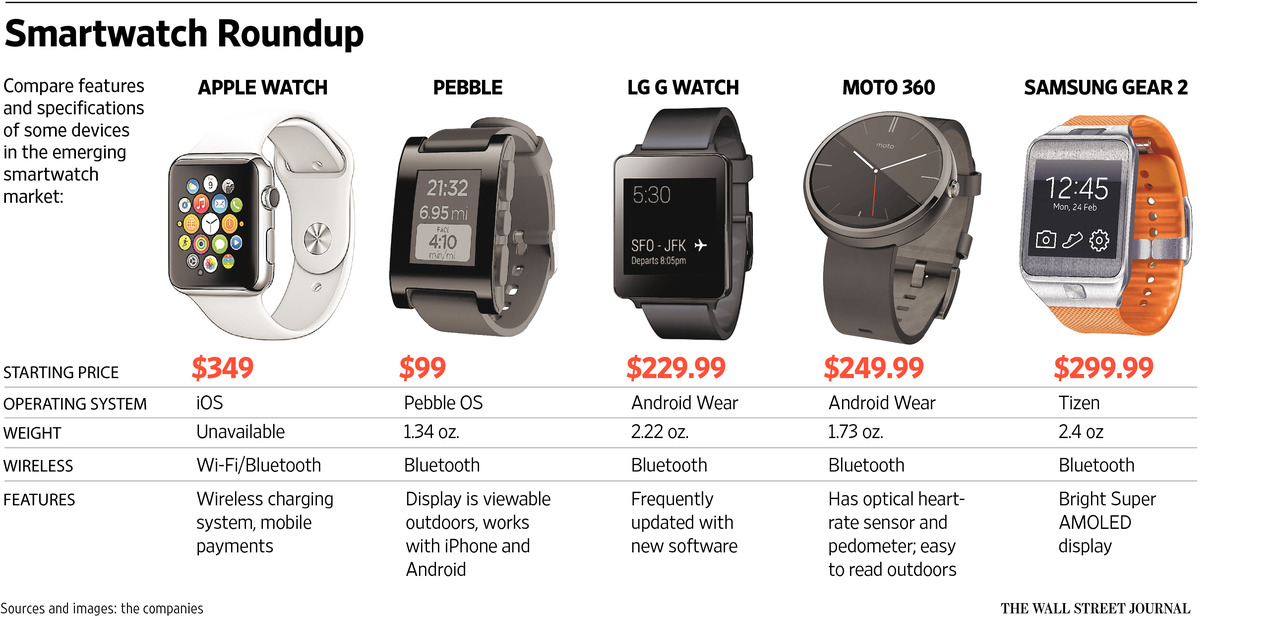
Apple has not yet announced the prices of other models, but the Apple Watch Edition is speculated to be the most expensive product in Apple’s history, likely surpassing the Mac Pro, which is priced at $4,000.(To stay updated on the latest news about internet healthcare startups, please follow VCBeat’s WeChat official account: vcbeat. We also welcome you to engage with us on topics of interest, contact us via WeChat, and share your startup projects or related research insights.)