

Four Health Tech Startups from WIRED Health 2015 File for IPO
WIRED Health 2015 was held in London at the end of April. It served as a platform to explore and showcase the future of healthcare, attracting numerous innovative startups to present their chosen areas of development and explain how technology is integrated into their solutions. VCBeat has selected four participating startups for this feature, aiming to provide brief introductions that help you quickly understand how these leading companies have positioned themselves and are delivering solutions for today’s digital health landscape.
1. Cyprus
Otolaryngology (ENT) constitutes a significant portion of the UK’s National Health Service (NHS). Due to its broad scope, it has become the largest surgical specialty within the UK healthcare system. According to data from the Royal College of Surgeons, there are approximately 1,476 ENT specialists in the NHS, handling 45 million outpatient consultations annually and managing 3 million cases outside hospital settings, at an annual cost of £250 million to the NHS. Mike Pallett, CEO of Cyprus, stated that the company was founded with the initial aim of helping the NHS save money, and he believes it can save the NHS £70 million per year.
2. Neuroelectrics
Neuroelectrics is headquartered in the United States and Barcelona, Spain, with the goal of exploring new methods to observe and treat the human brain. The company has developed a wireless telemedicine platform for diagnosing and treating brain conditions, integrating electroencephalography (EEG) with multi-channel transcranial direct current stimulation (tDCS). Use cases for the company’s solutions include helping patients restore brain health in conditions such as chronic pain and stroke rehabilitation.
3. BRUISE
Bruise is designed to detect accidental sports injuries in athletes with disabilities, specifically targeting paraplegic patients who have lost sensation in certain parts of their bodies. Many injuries do not necessarily manifest through changes in skin color; however, Bruise’s pressure-sensitive patches change color upon reaching a physiological threshold, thereby signaling potential injury.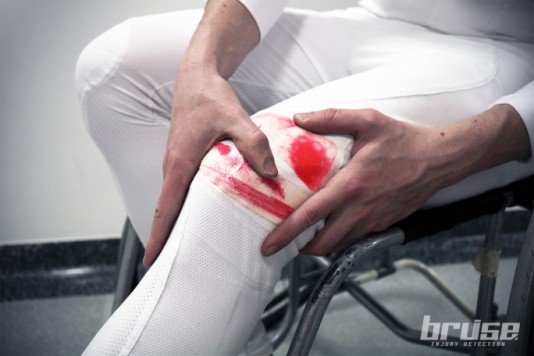
4. Medopad
Medopad is a chemotherapy app that has been widely adopted at King’s College Hospital in London, UK. Medopad provides clinicians, hospitals, and other stakeholders with real-time information that was previously inaccessible. It has now launched an Apple Watch version; by connecting to the iPhone, the Apple Watch delivers useful and user-friendly information to end users.
Furthermore, a beneficiary of advanced medical technology also attended WIRED Health 2015: Nigel Ackland, the owner of the world’s most powerful bionic arm. Ackland lost an arm in a workplace accident. A UK-based prosthetics company provided him with a high-tech carbon-fiber bionic arm that features a lifelike appearance and grip. It can be wirelessly programmed and customized to meet individual needs, enabling him to perform delicate tasks such as tying shoelaces. Thanks to a YouTube video that garnered over 4.5 million views, Ackland and his robotic arm have achieved global fame, and his story has become a beacon of hope for countless amputees. As a fortunate recipient of this innovation, Ackland shared his personal experience at the event, demonstrating the profound impact of this technology on life and allowing attendees to tangibly appreciate the significance and importance of advancing medical technology.