

CareHealth: Making Medication Safer and More Rational
For common minor ailments in daily life, people often choose to self-medicate by purchasing over-the-counter drugs from pharmacies. However, important precautions regarding medication use are frequently overlooked. These include dietary restrictions after taking medication, potential drug-drug interactions, and safety considerations for pregnant women, among others. Irrational drug use is widespread, yet factors such as timing, dosage, and method of administration significantly influence therapeutic efficacy.
Taking the common cold as an example, in their quest for rapid symptom relief, people often take multiple cold medications simultaneously. The combination of Western medicines and Chinese patent medicines is particularly common; for instance, some individuals may take Vitamin C Yinqiao Tablets while also taking Baijiahei (a common cold medication). However, since both drugs contain acetaminophen, concurrent use results in duplicate therapy, posing a risk of liver damage. For a minor ailment like the common cold, such risks far outweigh the benefits.
For another example, within seven days of taking cephalosporin antibiotics, consuming alcohol or alcoholic beverages, or even using alcohol for skin disinfection, may trigger a disulfiram-like reaction. Mild symptoms include facial flushing, conjunctival hemorrhage, blurred vision, headache, dizziness, nausea, and vomiting, while severe cases may lead to acute liver injury or even death. This demonstrates that irrational drug use not only fails to achieve the desired therapeutic effect but also causes serious health harm, warranting significant attention.
However, it is not easy for either patients with chronic diseases who take medications long-term or ordinary individuals who occasionally use drugs to develop the habit of rational and safe medication use. When we return home with prescriptions from doctors or medications purchased from pharmacies, it is inevitable that we may forget the precautions advised by physicians or fail to understand the package inserts. Even those who have a good habit of reading drug labels may sometimes become confused or overlook certain critical details, such as “do not drive while taking this medication.” If such warnings are not noticed in time before ingestion, they could lead to serious consequences.
With a prominent label that reminds you not to drive while on medication before you take your dose, the information becomes more intuitive and easier to understand, encouraging more careful review of drug precautions and adverse reactions. It also helps remind you to take your medication on time and at the correct dosage, providing professional yet clear guidance on precautions before, during, and after medication, dietary considerations, daily lifestyle adjustments, and proper use of the dosage form. This is akin to having a professional pharmacist by your side, making medication use safer and more rational.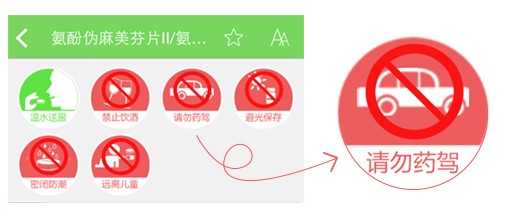
The Zaihu Health App covers all medications included in the National Reimbursement Drug List (including chemical drugs, biologics, and proprietary Chinese medicines). It organizes drug package inserts into clear, easy-to-read sections and features professional yet concise and easy-to-understand icons for precautions.
In addition, "Care About Health" also takes into account the confusion we may encounter when using medications, such as whether it is okay to drink tea while taking this medication? Can it be used by children and pregnant women? How should eye ointment be applied? All these questions can be well answered in the application.
Users can also set medication reminders for their parents through the “Close Family and Friends” feature in the “Care About Health” app, transforming the casual reminder to “take your medicine on time” into a practical action. This is especially heartwarming for those living away from home, as setting up such reminders helps maintain closer connections. Additionally, the unique missed-dose alert feature in “Care About Health” connects users who have installed the app. With simple settings, they can monitor each other’s medication adherence, ensuring safer and more rational drug use.
Certainly, the feature that allows users to review medication data after administration is also highly valuable. This is particularly beneficial for patients requiring follow-up visits, as presenting this data to their physicians provides objective evidence of their adherence to the prescribed regimen. Furthermore, it helps cultivate healthy habits of rational medication use among both patients and their families.
In addition, “Care for Health” offers several practical features, such as a medication encyclopedia and pharmaceutical news updates. For instance, it provides clear and accessible explanations of terms that are often difficult to understand in drug package inserts, including medications that should be avoided or used with caution when driving, pregnancy risk categories for medications, and drugs requiring skin tests. Through these useful functionalities, “Care for Health” aims to make tangible contributions toward promoting rational and safe medication use among the general public.
According to the Zaihu Health team, “Zaihu Health” adheres to the principles of safe medication use and draws on practices from advanced regulatory jurisdictions such as the U.S. Food and Drug Administration (FDA) and the European Union. Positioning itself as an accessible “E-Pharmacist” for the general public, the platform is dedicated to advancing the mobile internet integration of pharmaceuticals and pharmacy services. In the near future, it will introduce licensed pharmacists to provide one-on-one online consultation services, followed by the rollout of more robust features and enhanced data support.
