

BergHealth Files IPO Prospectus, Leveraging AI to Accelerate Drug Discovery to Just 9–12 Months

BergHealth, named after its co-founder Carl Berg, is a data-driven biotechnology research company that leverages big data in the frontier of drug development to create new healthcare models for addressing healthcare challenges. The efficacy of this approach in drug discovery and development remains uncertain.It primarily relies on biological data rather than biological hypotheses to provide actionable solutions.Berg comprises four subsidiaries: Berg Pharma, Berg Biosystems, Berg Diagnostics, and Berg Analytics. The company primarily investigates the mechanisms underlying metabolic alterations during disease pathogenesis and has accumulated substantial expertise in the study of neurological and metabolic disorders.
Its R&D platform can rapidly translate biological research into viable solutions and build a robust biomarker repository.
Berg Corporation primarily comprises three divisions: an in-house diagnostics department with approximately 200 employees, a drug discovery platform, and a project division focused on manufacturing therapeutics for diabetes, cancer, and Parkinson’s disease.
Entrepreneurship
Even in the biotech pharmaceutical industry, Berg is eager to make its mark.
Co-founder Carl Berg, a Silicon Valley real estate billionaire and the company’s primary investor, stated that the startup could “revolutionize” healthcare. President and CEO Narain joked that Berg’s use of artificial intelligence technology could cut drug development time and costs by half. However, to outside observers, the company still resembles a newly established biotech firm, brimming with innovative energy, even though it has already been in operation for six years.
Berg was founded by Narain, Carl Berg (who also operates Mission West Properties, a company based in Cupertino and Canada), and Mitch Gray (a senior executive at a private equity firm). Approximately ten years ago, Carl Berg and Gray were exploring the possibility of establishing a new research center and met with Narain, who was then the Director of the Skin Cancer Research and Treatment Center at the University of Miami Miller School of Medicine. After in-depth discussions, the investors ultimately agreed to conduct anticancer drug trials at Narain’s institution, and subsequently established a Cytotech laboratory near his workplace in 2006.
Initially, Narain agreed to work part-time during a two-year trial period. After two years, Carl Berg decided to restructure and upgrade the company. Dr. Narain then joined the founding team full-time. The Miami-based scientist subsequently relocated with the company to Boston, as the newly named Berg Corporation began to scale up its drug research and development operations.
Since relocating to Boston, the company has experienced significant growth. Boasting a star-studded founding team, its workforce has grown to nearly 200 employees. Additionally, a new advisory board has been established, featuring distinguished experts such as Dr. Eric Nestler Schadt, Chair of the Department of Neuroscience at Mount Sinai.
Berg has successfully transformed into a drug discovery and biomarker production platform equipped with various big data tools. According to Berg, the company aims to “flip” the traditional drug development model by leveraging detailed biological information to understand biological pathways and diseases. The company then employs advanced computational tools to identify how these pathways are altered and determine which types of drugs can provide effective treatment. This approach stands in stark contrast to conventional research methods, which typically involve forming a hypothesis, screening for therapeutic compounds, and then proceeding to treatment. Instead, it reverse-engineers appropriate therapeutic regimens by elucidating changes in cellular activity pathways during disease onset. This is analogous to solving a math problem by deducing the process from the conclusion, rather than deriving the conclusion from a hypothesis.
Take Berg’s cancer drug research as an example. The company collects numerous biological samples, such as blood, tumor tissues, or urine from diverse patient populations with cancer, while also obtaining healthy tissue samples from donors. Berg establishes cell lines and then observes them under various conditions that simulate the actual physiological states of patients during disease progression, including hypoxic environments and high-glucose settings characteristic of the microenvironment preferred by cancer cells in hyperglycemic patients.
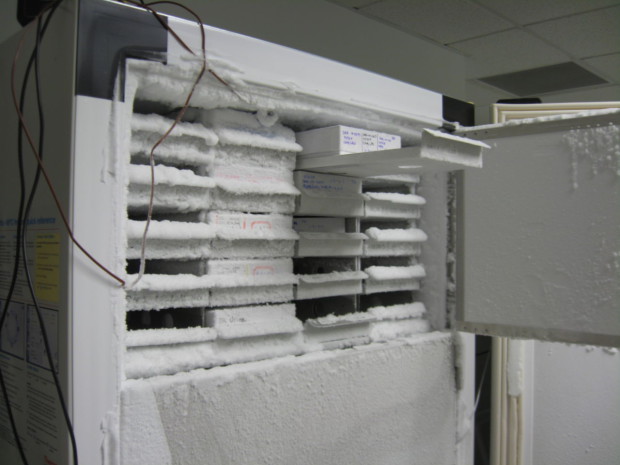 (Specimen Storage Area)
After the cell lines are established, Berg will label the genes, proteins, metabolites, and lipids within them, and then generate trillions of data nodes from these healthy and diseased cells.
Berg then fed all this data into a computer system, which automatically generated a map resembling an “airline route” network, composed of hubs of varying sizes and interconnected routes. The major hubs on the map, such as New York or Atlanta, represent key proteins that underlie critical differences between health and disease—either because they are in short supply or because they need to be silenced. Once these proteins are identified, Berg can artificially manufacture replacement proteins to compensate for those that are deficient, or employ RNA interference technology to target those causing disease. Meanwhile, the various routes entering and exiting each hub, much like flights to and from airports, can serve as potential biomarkers.
(Biological Cellular Channels and Hubs)
Berg stated that, unlike traditional approaches that require screening hundreds of thousands of chemicals to identify potential drug candidates—a time-consuming and costly process that can take years and cost millions of dollars—this new method enables companies to develop a drug within just 9 to 12 months.
However, Berg has faced considerable skepticism. Many biotechnology venture capitalists and leaders in the field of genomics have publicly expressed their doubts. After an in-depth examination of Berg’s research methodology, they acknowledged that while the approach is “entirely plausible” in theory, any wholly novel, revolutionary discovery is ultimately prone to failure. Berg is not the first company to employ computational models for drug development. For instance, Merrimack Pharmaceuticals (NASDAQ: MACK) uses computational models combined with high-density protein arrays to elucidate how proteins interact. This enables researchers to identify therapeutic targets or determine which drugs should be incorporated, serving as a component of drug development under constrained funding. Although none of its drugs have yet received FDA approval, the company does have several candidates in mid-to-late stages of development.
We have all heard the claim that, over the past few decades, many companies have begun adopting cutting-edge technologies—from genomics to systems biology—for drug research and development, yet many have found this endeavor far more challenging than anticipated.
Berg believes this is because few people attempt to combine these approaches for drug development. There are companies specializing in biogenomics, others in systems biology, some focused on computational modeling, and others on AI (artificial intelligence), but none have integrated these elements into a comprehensive platform; they are all operating in silos.
Its drug R&D platform integrates biological model elements, big data analytics, artificial intelligence, genomics, proteomics, and metabolomics. Our approach involves creating patient “profiles” from large-scale sample data and then extracting actionable insights, thereby making drug development more cost-effective and faster.
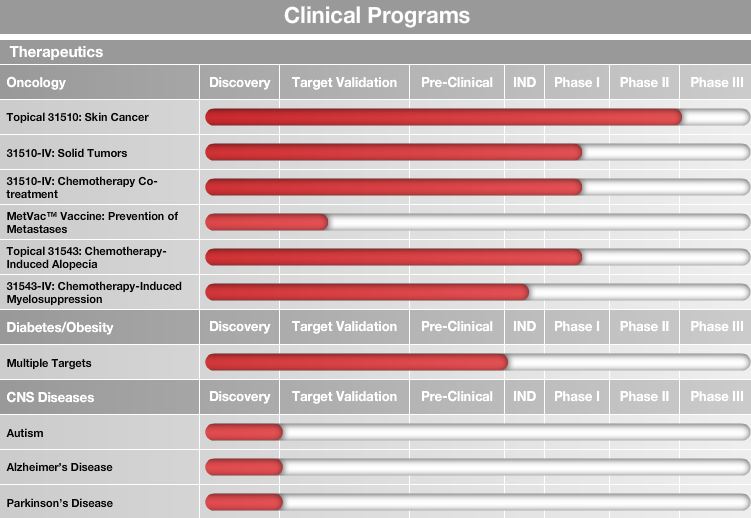
However, it remains unproven whether Berg’s approach can yield effective drugs. Its most advanced product, an anti-cancer drug known as BP31510, is currently in the final phase of clinical trials. Recently, Berg has also terminated research collaborations with the Icahn School of Medicine at Mount Sinai, the U.S. Department of Defense, and the Clinical Center of the Parkinson’s Institute. Although these organizations could have helped the company better identify biomarkers, diagnostic tools, and therapeutics for relevant diseases, Berg has maintained a composed demeanor, unlike startup biotech firms that are eager to achieve rapid success.
Product
Treatment Research:
Berg’s therapeutic research primarily focuses on metabolic changes during disease onset, and the company currently has a robust talent pool.
Diagnosis and Treatment:
Berg Diagnostics, a subsidiary of Berg, is at the forefront of fulfilling the company’s commitment to personalized medicine. The emergence of high-throughput molecular technologies—such as metabolomics and proteomics—that go beyond genomics enables physicians to better understand and manage certain complex diseases. Berg’s multi-model molecular biomarkers have demonstrated unprecedented accuracy in clinical trials for central nervous system disorders, diabetes, cardiovascular diseases, and other conditions.
Healthcare Analysis:
Berg’s AI applications in biology and medicine integrate systems biology with systems engineering to deliver more precise answers for healthcare. “The Berg Biological Question” directly combines molecular biology with patients’ clinical data to build predictive models, thereby providing physicians with constructive reference recommendations that help them recommend more effective and safer treatment pathways.
Drug Development Status:
Currently, no drugs have been launched into production, with most remaining in the research and development phase. However, with the aid of artificial intelligence, Berg Health and its team have successfully revitalized mitochondria in dead cells, thereby reducing the likelihood of carcinogenesis. Drugs such as BPM 31510, which accelerate glucose metabolism to help the body harmlessly combat harmful cells, are nearing completion. New progress in the development of such drugs is only possible with the assistance of artificial intelligence and data analytics. This field is evolving rapidly; Narian believes that within a few years, physicians will be able to prescribe similar medications using such systems.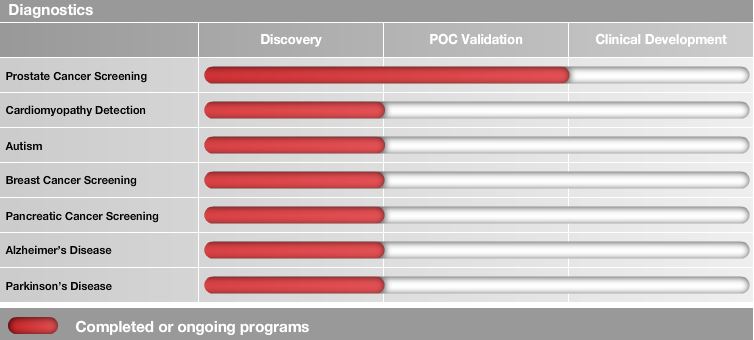
Disease Treatment Area:
Mainly focused on drug research for cancer, diabetes, and Parkinson's disease.
Research Platform:
BergHealth’s research platform primarily consists of two categories: the Berg Diagnostic and Therapeutic Research Platform and the Berg Biological Systems Platform. As a major highlight and a key area of significant investment for the company, BergHealth’s research platform warrants a detailed introduction.
In terms of diagnostic research platforms, there is a comparative proteomics platform for proteomic analysis; a functional proteomics platform for protein mass spectrometry monitoring; an epimetabolomics platform that provides therapeutic strategies through the analysis of protein metabolic information; and a functional lipidomics platform, primarily used to analyze pathological changes in diseases under the influence of enzymes and environmental factors.
Berg’s Clinical Research Division provides high-throughput omics-based molecular analysis, as well as biomarker validation and optimization, with the entire platform primarily designed to catalyze project development.
Berg’s Biological Systems Division employs a novel systems biology approach, utilizing cross-validation of biological output modules through systems engineering and bioinformatics.
The entire system comprises the Berg Biology Question Platform, which primarily aims to understand disease pathology and the microenvironment influencing its progression; the Berg M3 Platform, designed to establish a framework for investigating mitochondrial dysfunction and disease etiology, which, when integrated with the Berg Biology Question Platform, enables the deciphering of novel drug targets and biomarkers and facilitates the development of a drug pipeline within the Berg biological system; and the Berg Functional Toxicomics Platform. Given that adverse drug reactions are the sixth leading cause of death in the United States and litigation costs arising from drug safety issues have reached an insurmountable level—driving drug R&D costs to unprecedented heights—this platform is primarily utilized for preclinical toxicity and safety analysis of compounds.
Partners:
Thanks to its founder, Narain, BergHealth’s partners are primarily prestigious medical schools and renowned healthcare institutions in the United States, including Northwestern University, Harvard Medical School, and MIT, among others.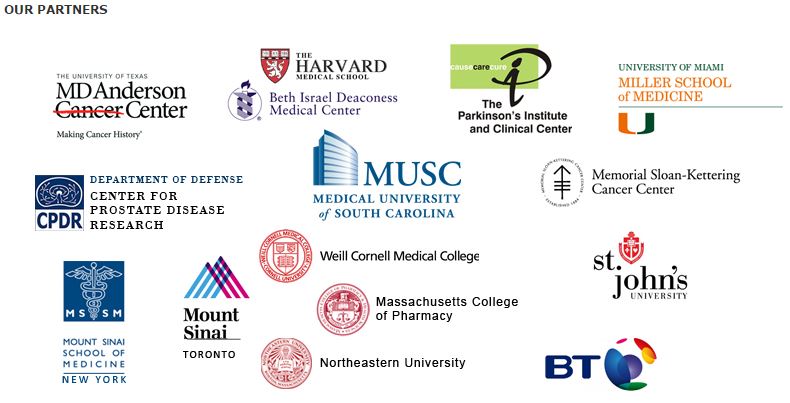
Company's Core Technology:Niven R. Narain

Niven R. Narain is the Co-founder, President, and Chief Technology Officer of Berg, a Boston-based biopharmaceutical company specializing in drug discovery, clinical therapeutics, healthcare analytics, and diagnostics.
Narain has remained focused on leveraging a biological Q&A platform he developed, which aggregates patient biological and clinical data, to help the healthcare industry operate more efficiently. Integrating biology with technologies representative of precision medicine, the platform employs artificial intelligence to analyze patient data, thereby assisting companies in deriving viable pharmaceutical strategies, identifying biomarkers, and generating healthcare analytics insights. Narain led the development of BPM31510, an anticancer therapy targeting solid tumors and skin cancer. In addition to his numerous achievements in diabetes and central nervous system disorders, Narain has collaborated with the U.S. Department of Defense to develop specialized biomarkers for diagnosing and predicting prostate cancer. The project is currently in the pre-commercialization phase, undergoing CLIA-certified clinical testing.
He is the inventor of the “BioQuery” platform, which has demonstrated significant efficacy in facilitating clinical development targeting molecular therapies for diabetes and cancer. In addition to his professional experience at leading medical academic centers such as Harvard Medical School, MD Anderson Cancer Center, and Weill Cornell Medicine, he has engaged in numerous technical collaborations with the U.S. Department of Defense, NASA, Walter Reed National Military Medical Center, and the National Institutes of Health/National Cancer Institute.
Narain holds over 400 issued and pending U.S. and international patents, covering novel biological platform technologies and the diagnosis of various diseases. He has served as Director of Skin Tumor and Therapeutics Research at Miller School of Medicine, Senior Biopharmaceutical Consultant at Ocean Toma in Chicago, and headed a genetics laboratory for the NASA Mars Program Steering Committee. His articles on cancer treatment have been featured in Forbes, Fortune, Harvard Business Review, CNBC, Bloomberg, and other prominent media outlets.
In addition to major medical conferences such as those covered by Bloomberg, The Economist, and the Financial Times, as well as events at the World Intellectual Property Organization in Geneva, he has been a featured speaker at the Aspen Ideas Festival. He serves as a medical mentor at numerous universities, with many of his mentees completing internships at Intel, Upward Bound, and the Howard Hughes Medical Institute of the National Institutes of Health. A graduate of the Department of Biology at St. John’s University in New York, Narain currently serves as an advisor to the Boston alumni chapter of St. John’s University. He later earned his Ph.D. in Cancer Biology and Clinical Dermatology from Miller School of Medicine. His accolades include being named one of the “40 Under 40” leaders by the Boston Business Journal in 2014 and receiving the Award for Excellence from the American Academy of Health and Medicine.
He has long been passionate about leveraging innovative technologies to improve patient health and enhance the healthcare system.