

Philips Launches Mobile Ultrasound Scanner Lumify; Top 10 MedTech Giants Expand Smart Health Portfolios
Smart blood pressure monitors, smart glucose meters, smart bands/watches, sweat analysis patches, smart scalpels, migraine treatment devices, and more. It is evident that smart medical devices are not only involved in the disease diagnosis process but have also penetrated deeper into the entire diagnosis and treatment workflow. We have always believed that it is extremely challenging for traditional equipment companies with large systems and long histories to truly maintain their innovative vitality. In the booming field of mobile health smart hardware, have these giants made no achievements? In fact, news regarding mobile smart devices from major medical equipment manufacturers has become increasingly frequent. For example, just last week, Philips launched a mobile ultrasound scanner.LumifyHaving successfully obtained FDA clearance, with a starting price of $199. What other relevant actions have been taken by the top 10 publicly listed global medical device companies from Forbes’ 2015 ranking? Let’s take a closer look with VCBeat.

GE Healthcare
General Electric (GE) is one of the leading technology, manufacturing, and service companies operating across multiple industries, with a presence in more than 100 countries worldwide and a workforce exceeding 300,000 employees. Its operations span six business segments: GE Capital Business Finance, Consumer Finance, Industrial, Infrastructure, Healthcare, and NBCUniversal. GE Healthcare Technologies, a subsidiary of General Electric, provides extensive services in medical imaging, health information technologies, patient monitoring systems, and healthcare solutions. GE Healthcare China’s portfolio of smart medical products covers numerous fields, including anesthesia machines, bone health, electrophysiology recording, hemodynamic monitoring, magnetic resonance imaging (MRI), mammography, and metabolic health. Examples include diagnostic devices for assessing bone density and the CARESCAPE series of patient monitors.
GE's smart wearable device is an ultrasound diagnostic instrument:Vscan with Dual Probe。
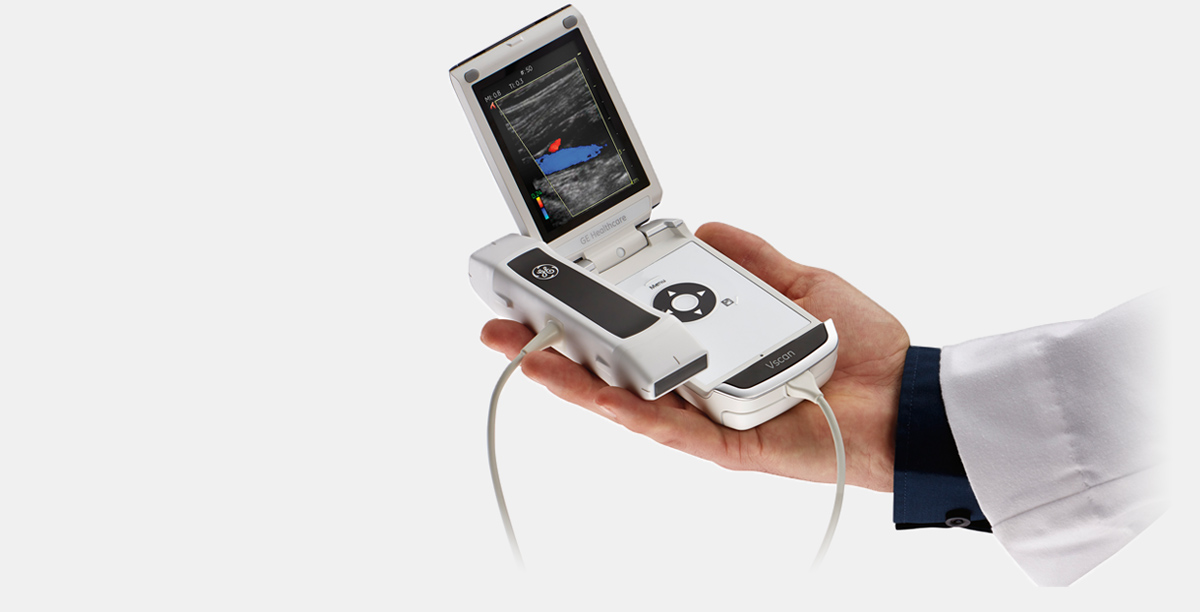
Vscan is a pocket-sized, compactHandheld Visualization Tool, its intelligent ultrasound technology, leveraging GE’s high-quality grayscale imaging and color-coded flow imaging technologies, helps physicians overcome the limitations of traditional clinical examinations by enabling rapid access to visual information within the patient’s body anytime and anywhere. The equipped ultrasound technology allows for visual observation of the patient’s internal anatomy during physical examinations. With just a touch of a button, Vscan provides real-time grayscale anatomical images and color flow images, helping patients:
Redefining the Physical Examination Process to Enhance Body Checks—Observing Patients’ Internal Conditions in a Rapid, Intuitive, and Non-Invasive Manner. Enable Quick and Confident Organ Examinations and Diagnoses.
It assists clinicians in making diagnoses, serving as a critical tool for disease diagnosis and even the early detection of symptoms.
Assist physicians in effortlessly mastering clinical information to enable early disease management. Foster deeper patient engagement to deliver high-quality care.
The current price of this product is approximately RMB 98,000.

Johnson & Johnson Medical
Johnson & Johnson Medical is the world’s largest and most diversified manufacturer of healthcare products and provider of health services. Its MedTech segment focuses primarily on diabetes care, minimally invasive surgery, cardiovascular health, orthopedics, and women’s health. Its medical and diagnostic product portfolio includes the ONE TOUCH® blood glucose monitoring systems, ETHICON surgical products, and orthopedic and neurosurgical devices, among others.
As early as August this year, Johnson & Johnson announced that it would collaborate with hardware manufacturing company PCH to establish an accelerator.Hardware For Health, primarily helping consumer health-oriented hardware companies to more rapidly develop commercially viable prototypes.
If one were to characterize the transformations occurring in the hardware manufacturing sector, it would be akin to a new Renaissance. With emerging devices, novel software algorithms, advanced sensor technologies, and cutting-edge imaging techniques, Johnson & Johnson believes it has a responsibility to help more medical hardware startups succeed.
The program will perform some of the functions of a typical accelerator, but Johnson & Johnson has stated that it will not adopt a “one-size-fits-all” approach to screening and support. Instead, it will provide customized services tailored to the unique characteristics of each company, ranging from product prototyping to corporate business strategy. The company also indicated that it will not restrict applicants to any specific sector; as long as they fall within the realm of medical wearables—from medical devices to consumer-oriented activity trackers—they will be considered.
Johnson & Johnson also stated, “In the long term, this initiative aligns closely with our overall strategy, particularly in providing innovative incubation services for hardware-focused startups. We are interested in the entire hardware ecosystem.”

Siemens Healthineers
Siemens AG, founded in Germany in 1847, is a leading enterprise in the global electronics and electrical engineering sector. The company’s operations are primarily focused on six key areas: Information and Communications, Automation and Control, Power, Transportation, Medical Systems, and Lighting. Siemens’ global business operations are managed by 13 business groups, including Siemens Financial Services GmbH and Siemens Real Estate. In addition, Siemens holds stakes in two joint ventures: BSH Bosch und Siemens Hausgeräte GmbH (BSH Home Appliances Group) and Fujitsu Siemens Computers (Holdings).Siemens Healthineers is one of the world’s largest suppliers of medical equipment and solutions. Its portfolio encompasses imaging systems for diagnosis and treatment, as well as laboratory diagnostics and hearing aids. Among its most renowned products are CT scanners, magnetic resonance imaging (MRI) systems, and ultrasound systems.
Additionally,Siemens Hearing AidsWith a history spanning over 130 years, it has accumulated substantial expertise in the field of hearing assistance.
Baina • Linglong Xiaoxing
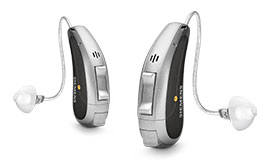
This is Siemens’ smallest RIC (Receiver-in-Canal) hearing aid, offering exceptional discretion and outstanding listening performance. Worn behind the ear, it is highly inconspicuous and helps users achieve superior sound quality and remarkably natural audibility, often making them forget they are wearing a hearing aid.

Baina • Linglong XiaoxingIts discretion has improved compared to before. By installing audio-control apps on Android and iOS smartphones, users can perform simple and discreet operations: what appears to be sending or receiving text messages is actually adjusting the hearing aid settings.
A prominent feature of this device is:
Ultra-compact form factor design;
Install voice control on smartphones for use as a remote control.
Tinnitus Masking Function Helps Manage Tinnitus
Advanced BNBsonic Technology
Directional Microphone Systems Help Focus on Conversation
Manually Adjust the Program via Buttons
This product line also includes an accessory that can be worn around the neck like a pendant. Functioning similarly to an audio equalizer in electronic devices, it allows users to control volume, adjust bass or treble, and even set presets for different scenarios.
It is the smart hardware that Siemens exhibited at CES 2015--easyTek, this is a smart accessory that enables remote control and data transmission for hearing aids.
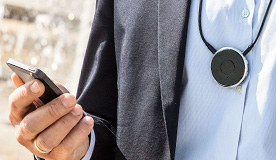
Additionally, it can eliminate noise generated in hearing aids, while users can adjust the directionality of the microphones through its integration with software, thereby obtaining clearer sound in noisy environments.
easyTekIt can be connected to smartphones, computers, tablets, or TVs via Bluetooth, wireless, or FM signals.

Roche Pharmaceuticals
Roche is a research-driven healthcare company founded in 1896 and headquartered in Basel, Switzerland. Roche’s two core divisions are Pharmaceuticals and Diagnostics, which provide innovative products and services spanning early discovery, prevention, diagnosis, and treatment, thereby improving human health and quality of life.
Roche Pharmaceuticals, a multinational pharmaceutical company under the Roche Holding Group, primarily operates in four sectors: pharmaceuticals, medical diagnostics, vitamins and fine chemicals, and fragrances and flavors. It holds a global leading position in in vitro diagnostics, oncology drugs, and transplantation medications. Roche’s smart healthcare product portfolio is extensive, encompassing the Roche blood glucose meter, Roche insulin pump infusion system, Accu-Chek blood glucose analyzer, Casy rapid cell analyzer, CoaguChek XS coagulation monitor, Reflotron Plus dry chemistry analyzer, and more. Below is a brief overview of several key products.
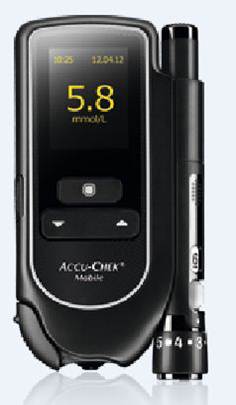
Accu-Chek Mobile Blood Glucose Meter
Ross Blood Glucose MeterEnables review of overall glycemic control, including fasting, preprandial, and postprandial glucose levels, to provide a comprehensive understanding of blood glucose status and thereby deliver more effective and personalized consulting services.
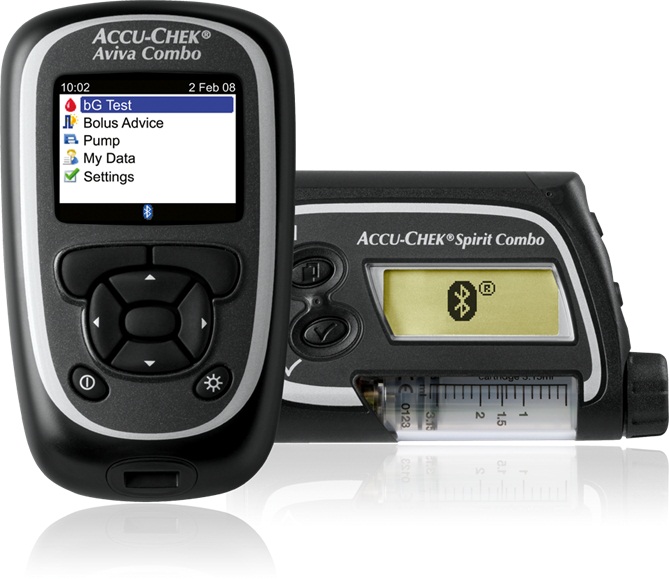
Roche Accu-Chek Insight Insulin PumpIt is a novel subcutaneous insulin delivery system that connects an insulin pump with a multifunctional blood glucose meter via bidirectional Bluetooth. The blood glucose meter offers multiple functions, including blood glucose monitoring, configuration and remote control of the insulin pump, provision of bolus recommendations, and analysis of blood glucose profiles, thereby enabling real-time blood glucose monitoring. Meanwhile, the system incorporates Roche’s proprietary data management platform, facilitating the recording and review of relevant information by physicians and patients with diabetes.
In addition, Roche also has a conjugation platform for breast cancer therapy.Accu-Chek Aviva, this application is a medical software jointly developed by Roche Pharmaceuticals and the French medical software company Voluntis.
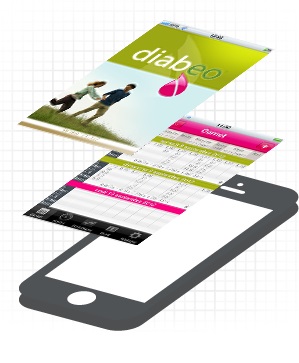
Currently, this software is primarily applied in the fields of diabetes, breast cancer, and hypertension. The software is still undergoing re-testing at clinical trial centers in France; however, it is encouraging to note that the diabetes management companyGlookoThe platform has been integrated into our system, enabling Glooko to seamlessly provide real-time, actionable, and analyzable blood glucose data for the company’s diabetes wearable devices.

Bayer Healthcare
Bayer is one of the world’s most renowned Fortune Global 500 companies, with its four core pillars being polymers, pharmaceuticals and consumer health, chemicals, and agriculture. Bayer HealthCare, a subsidiary of the Bayer Group, is headquartered in Leverkusen, Germany, and focuses on the research, development, production, and sales of innovative original products for the prevention, diagnosis, and treatment of diseases.
Globally, it comprises five divisions: Animal Health, Consumer Health, Diabetes Care, Professional Diagnostics Systems, and Prescription Pharmaceuticals. The Medical Diagnostics Division began its operations in China in 1989, and its current product portfolio in the Chinese market includes the ADVIA Centaur, ADVIA 2120, Clinitek Status, and Rapidlab systems.
The ADVIA product series provides innovative and effective diagnostic systems for hospitals and laboratories, covering hematology, immunodiagnostics, clinical chemistry, and laboratory automation. Hospitals can use the ADVIA Centaur immunoassay system to monitor conditions including breast cancer, prostate cancer, cardiovascular disorders, as well as allergic and infectious diseases. In the area of molecular testing, the Medical Diagnostics division manufactures and sells quantitative and qualitative testing systems for infectious diseases, with products such as VERSANT® and TRUGENE®, used for testing HIV and hepatitis viruses. This is also a key business focus of Bayer.
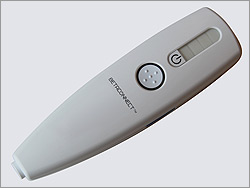
On September 25 of this year, the FDA approved a Bayer productElectronic Syringe,The drug delivered is betamethasone,This new auto-injector is currently on the market in Europe. The device operates silently, reminds patients to administer medication every other day, and allows for customization of certain parameters, including adjustment of injection speed and depth. It also features an automatic needle retraction function.
As early asIn 2013, Bayer HealthCare selected five startups in Berlin as innovation pioneers and launched the crowdsourcing initiative Grants4Apps. In 2014, the program was expanded into an accelerator, receiving applications from 70 companies and selecting five. The selected companies received a 3.5-month support period, initial funding of $65,000, and in exchange, surrendered 10% equity. The first cohort’s products primarily focused on sensors, mobile tracking devices, and healthcare applications.
In August 2015, the world’s headquartered in Berlin, GermanyPharmaceutical CompaniesGiantsBayerHealthcare, released its “2015 Grants4AppsAcceleratorPlan. The program selected five digital health startups worldwide to advance their business models and technologies. The subfields of these five companies include hormone testing, patient adherence, breathing patterns, clinical trials, and vitamin deficiencies.
Today, these five digital health startups have officially joined the “Grants4Apps Accelerator.”BayerBayer’s pharmaceutical division headquarters in Berlin. Each company will receive funding support of up to €50,000 (more than RMB 300,000), as well as mentorship from Bayer executives and other experts.
Among them, one company focuses on the manufacturing and R&D of medical wearable devices:Sendinaden

Sendinaden LimitedFocusing on 3D-printed smart wearable devices, the company helps urban residents establish healthy habits by facilitating flow-state learning and wellness. Aligning with diverse trends, its business scope encompasses wearable devices that leverage 3D printing to create customized, complex geometric structures, as well as solutions for flow-state learning and health. In Asia, urban residents are confronting challenging environments marked by pollution and stress.
Sendinaden’s inaugural product is the “Patterned Breathing Mask,” which improves user health by modifying breathing patterns. Custom-made for each individual, the mask is up to 95% locally 3D-printed. It filters air while simultaneously measuring the user’s respiration and providing real-time feedback. Breathing serves as a remote control for physical well-being; better breathing translates to a higher quality of life. Sendinaden is also exploring other customer needs, including the diagnosis and treatment of sleep apnea, as well as applications in drug delivery and pulmonary disease rehabilitation. The “Patterned Breathing Mask” will be available globally starting January 2016.

Teva Pharmaceuticals
Teva Pharmaceutical Industries Ltd. of Israel is a globally renowned multinational pharmaceutical company dedicated to the research and development, manufacturing, and promotion of generic drugs, patented brand-name drugs, and active pharmaceutical ingredients (APIs).
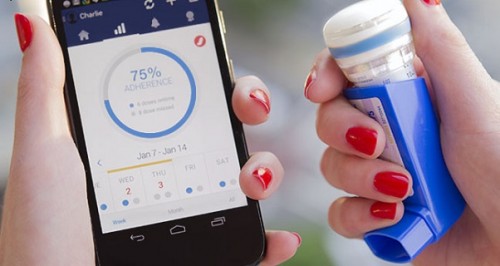
under its umbrellaGeckoThe company specializes in the development of smart asthma inhalers. Its flagship product, Care TRx, is a platform for managing COPD (chronic obstructive pulmonary disease) that comprises connected inhalation sensing devices, a data analytics platform, a user operating system, and electronic behavioral triggers.

Mark Maalouf, founder of Gecko Health, and Dr. Yechiel Engelhard stated that they would collaborate with Teva to integrate CareTRx into Teva’s product portfolio and jointly strive to enhance the clinical efficacy of their offerings. Gecko entered the smart inhaler market early and rapidly commercialized its products, thereby establishing a solid foothold in the industry. As early as 2012, Gecko won the MIT Media Lab Health Innovation Award for its early-stage product, Gecko Cap, which primarily used gamified rewards to help children with respiratory disorders adhere to inhaler therapy. In 2015, responding to feedback from physicians and parents, the company decided to expand its business scope by providing smart solutions for adult patients with COPD and asthma, with its subsequently launched CareTRx focusing on this new area.

Abbott Laboratories
Abbott Laboratories, founded in 1888 in the United States, is a leading global healthcare company with a broad product portfolio spanning nutritionals, pharmaceuticals, medical devices, and diagnostic instruments and reagents. Its flagship smart products primarily include Abbott blood glucose meters, hematology analyzers, and point-of-care blood monitoring systems.
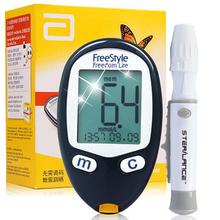
Abbott’s blood glucose monitoring systems include the FreeStyle Optium Neo blood glucose meter, the FreeStyle Optium Neo blood glucose and blood ketone meter, and the FreeStyle Optium Neo hospital-grade blood glucose and blood ketone meter. These devices are easy to use, requiring only a small blood sample for a more comfortable testing experience. The FreeStyle Optium Neo system features a large digital display, making test results easy to read. Additionally, its ergonomic design ensures a comfortable grip.
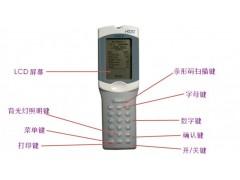
Abbott i-STAT SystemIt is a patient-centric blood status monitoring system that brings testing to the bedside. It is also a diagnostic device currently leading in the POCT field by enabling rapid and comprehensive monitoring of patients’ blood status at the point of care. The Abbott Point-of-Care Rapid Blood Monitoring System allows patients to undergo diagnostic tests at the bedside, facilitating patient-centered care and accelerating clinical decision-making at the point of care.
In addition, Abbott also has a R&D company focused on diabetes wearables -Abbott Diabetes Care
Abbott Diabetes Care is a smart wearable device manufacturer and R&D company actively entering the healthcare industry. The company has recently developed a blood glucose monitoring system for diabetes patients, “FreeStyle Libre System”, it is a sensor that can be continuously worn on the arm for 14 days to monitor patients’ glucose levels, and has currently obtained CE certification.
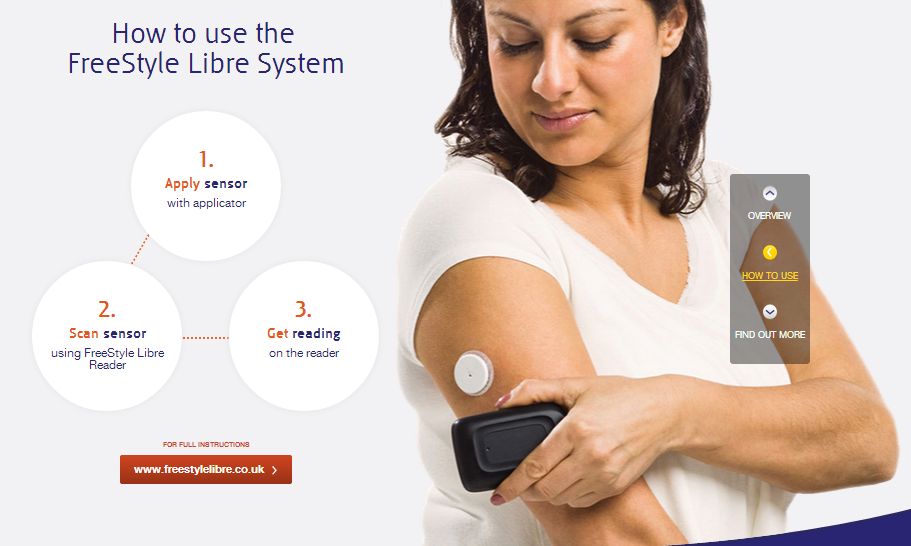
Accompanying the sensor is a smart app that allows physicians to access patients’ relevant information during clinical visits. The app also provides dietary guidance, primarily aiming to help patients with diabetes establish healthy eating habits.
Currently, customers in Europe and the United States can already purchase the entireFreeStyle Libre System .

Medtronic
Medtronic, a U.S.-based company, is a global leader in medical technology, dedicated to providing lifelong therapeutic solutions for patients with chronic diseases. Medtronic’s main products span a wide range of areas, including cardiac arrhythmias, heart failure, vascular diseases, heart valve replacement, extracorporeal cardiac support, minimally invasive cardiac surgery, malignant and non-malignant pain, movement disorders, diabetes, gastrointestinal diseases, urological conditions, spinal disorders, neurological diseases, and surgical treatments for ear, nose, and throat conditions. Medtronic’s smart healthcare product portfolio is highly diverse, includingSEEQ Mobile Cardiac Remote Monitoring System(MCT), various blood glucose meters and blood glucose monitoring systems for diabetes detection, as well as a range of diagnostic and therapeutic products for surgery and spine care. Below, we will highlight one key device.
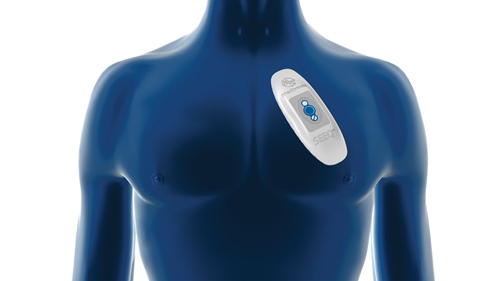
SEEQ Mobile Cardiac Telemetry (MCT) System
This is a wearable device that fits snugly against the heart on the chest.Wireless Extracorporeal Cardiac Monitoring DeviceOnce the SEEQ MCT system comes into contact with the skin, it automatically initiates monitoring. The system includes a wearable sensor capable of continuous monitoring for up to 30 days. It remotely monitors every heartbeat and automatically transmits critical arrhythmia data to the Medtronic Monitoring Center (operated by Medtronic Monitoring). The center’s staff are certified electrocardiogram technicians who provide continuous, around-the-clock arrhythmia monitoring. On one hand, the SEEQ MCT system can automatically capture and transmit arrhythmia data; on the other hand, if patients experience symptoms, they can press the trigger button to notify the monitoring center. Regardless of the triggering method, data are transmitted to the monitoring center via Bluetooth and cellular connections, where reports are generated for the prescribing physician to review and analyze.
The SEEQ MCT system is primarily indicated for patients whose symptoms may be associated with irregular heartbeats, such as syncope, dizziness, vertigo, palpitations, or shortness of breath, as well as for those in whom symptoms are not captured by 24-hour ambulatory electrocardiographic monitoring.

Eli Lilly and Company
Eli Lilly and Company is a global, research-driven pharmaceutical company dedicated to providing innovative, medicine-based healthcare solutions for people worldwide, enabling them to live longer, healthier, and more active lives. In the area of smart medical products, Eli Lilly has primarily invested inCompanion Medical, a company dedicated to the research and development of Bluetooth-controlled insulin injection pens.
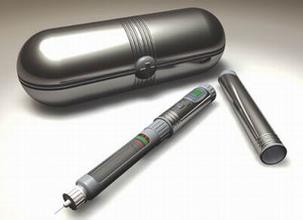
(Insulin Injection Pen)
In May 2014,Companion MedicalThe company has completed its Series B financing, securing $3 million led by Eli Lilly.
Sean Saint, Chairman and CEO of Companion, stated in the announcement, “We are thrilled to have a major company like Eli Lilly lead our Series B financing round. It is worth noting that Eli Lilly is a pioneer in the insulin industry, with its diabetes medications and devices enjoying worldwide renown. Therefore, we greatly anticipate their involvement, which will help bring our developed devices to market in the future.”
Saint, a seasoned engineer, has previously worked at Dexcom and Tandem Care. Although his company maintains strict confidentiality regarding the specifics of its product development, insights can still be gleaned from articles on its official website. These articles note that patients with type 1 diabetes currently rely primarily on insulin infusion pumps for administration, and that this particular product is designed to improve upon such devices.

Philips
Royal Philips, founded in the Netherlands in 1891, is one of Europe’s largest electronics companies. Its products span three major sectors: Healthcare, Lifestyle, and Core Technologies. Philips entered the Chinese market as early as 1920. Philips Healthcare offerings include product solutions, essential healthcare, and disease-specific solutions. Product solutions encompass computed tomography (CT) systems, magnetic resonance imaging (MRI) systems, oncology radiation therapy systems, X-ray and angiography systems, patient monitoring systems, ultrasound imaging systems, nuclear medicine and PET systems, clinical information systems, as well as repair services and technical support. Notable smart products within the product solutions portfolio include electrocardiogram (ECG) monitors, patient monitors, and advanced molecular imaging systems.
In the realm of smart wearables, Philips has a product namedAlice_PDxofSleep Diagnostic System.
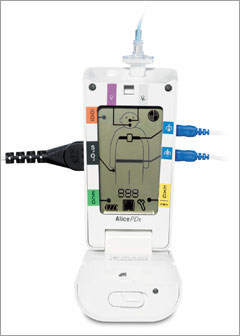
Alice PDXThis is a high-performance, convenient, and flexible portable sleep monitoring device under the Philips Respironics brand. It serves as an effective diagnostic tool for sleep-disordered breathing and can be flexibly deployed in sleep laboratories, clinics, and home settings. The device complies with the American Academy of Sleep Medicine (AASM) standards for Type III diagnostic equipment for modified portable sleep apnea testing, and it can be flexibly expanded into a Type II full-parameter portable polysomnography (PSG) system in accordance with AASM regulations.It is very convenient to use, and the current price is around 5,000 yuan.
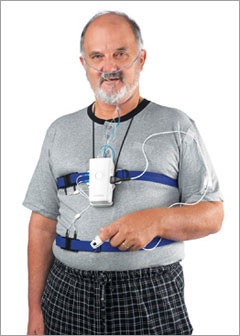
Another one is:Philips Efficia ECG100 Electrocardiograph
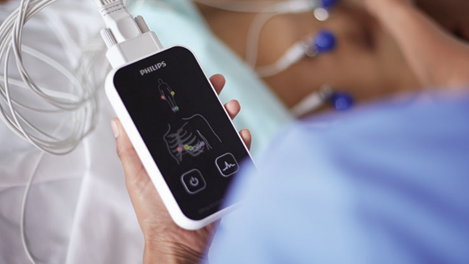
Efficia ECG100is a new model from PhilipsECG Viewing Device, weighing less than 300 grams and comparable in size to a standard smartphone, the device offers up to 4 hours of continuous operation.
ECG100 users can view 12-lead electrocardiograms (ECGs) directly on their devices. The app, specifically designed for mobile devices, features a clean user interface that allows users to display, store, share, and print ECGs.
The workflow of the entire system is as follows:
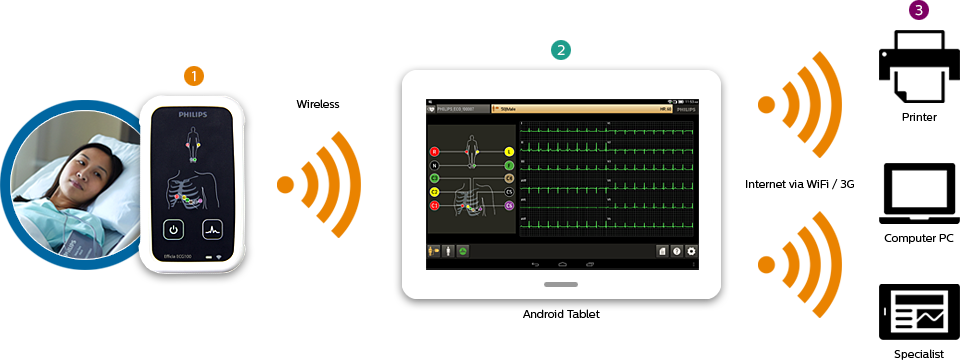
FirstInformation Collection BoxHigh-quality electrocardiogram (ECG) data will be captured from patients, and these ECGs will then be transmitted viaWireless TransceiverTransmit the data to an Android-based mobile device, enabling end users to print or share ECG reports directly through the application. The Efficia ECG100’s greatest advantages are its low cost and portability—features not offered by other products currently on the market.
In addition to the two models mentioned above, the final recommendation isPhilips Mobile Ultrasound Scanner.
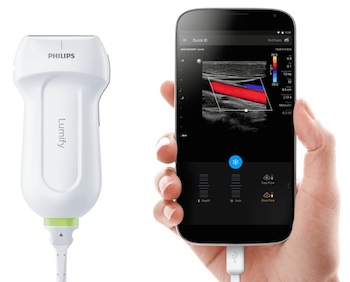
Not long ago, Philips launched a new mobile ultrasound scannerLumifyHaving successfully obtained FDA clearance, it is currently available for purchase online with a starting price of $199.
The entire system includes alumifyA sensor that can be connected to the application via USB; a companion app available for Android; and a customer management tool supporting online access.
This device enables physicians to perform acute care, emergency musculoskeletal care, and clinical procedures. The Lumify application also allows users to assess the actual condition of the gallbladder, abdomen, and lungs. Furthermore, the device assists in evaluating the function of superficial blood vessels and soft tissues in patients.