

Yimai: A Professional Medical App by Xunyiwenyao Files IPO Prospectus
XYWY.com has recently developed and launched a utility app for healthcare professionals, “YiMai,” designed to provide an integrated service platform offering online consultation, patient management, professional interaction, job recruitment, and the latest cutting-edge information.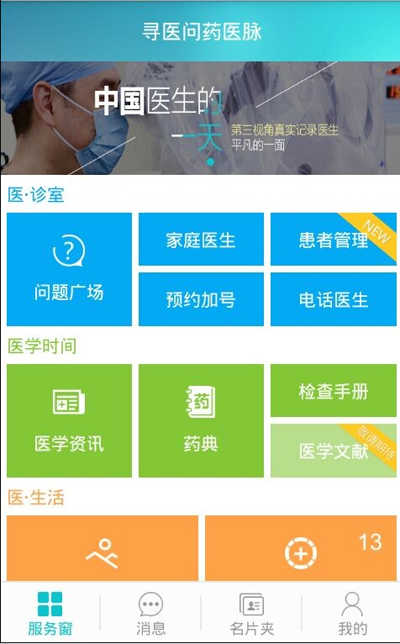
Mobile healthcare apps adopt a B2C model, targeting either end-users or physicians directly. According to previous series of reports by AskCI Consulting, the vast majority of mobile healthcare apps available in China are patient-oriented, with very few designed for healthcare professionals such as doctors. Although leveraging the general population as an entry point to develop smart healthcare remains dominant, the gradual expansion toward covering medical professionals represents the true developmental trend. In response to this trend, “Yimai,” a newly launched tool-type app for healthcare workers, has emerged. As medical connectivity continues to expand and strengthen, PC-based appointment scheduling and add-on registration, along with online consultations, have become popular. However, the transition to mobile client apps offers greater convenience for healthcare providers. Yimai’s capability to provide synchronized online and offline management of patient health may well become a new industry standard.
Rapidly Evolving Mobile Health Apps: A Balancing Act Between User Demand and Quality of Resource SupplyAs rapidly evolving mobile health apps function like a scale, balancing user demands on one side with the quality of resource supply on the other. With heightened health awareness among users, expectations for healthcare professionals continue to rise, thereby reshaping the structure of requirements that medical practitioners place on medical applications.
Data indicates that medical professionals have significant needs for inter-physician communication, access to case records, and real-time doctor-patient interaction. Simple WeChat exchanges are no longer sufficient for the discussion and accumulation of medical knowledge; only through real-time online seminars among physicians can valuable medical insights be effectively consolidated. Even leading platforms such as Haodf.com have established exclusive professional communities within Yimai (Medlive) in recognition of this trend. In response to growing healthcare demands, physicians must continuously enhance their professional capabilities. Mobile health applications, with their real-time news updates and readily accessible clinical pharmacopoeias, serve as constant resources for professional development. Most mobile health apps, including Yimai (Medlive), are striving to achieve seamless integration of informational content and pharmacopoeia data from web front-ends to mobile client applications.

In summary, as the mobile health industry continues to flourish, competition in the mobile health app market is set to intensify. It is foreseeable that increasingly medical-grade smartphone apps will transform various sectors of the healthcare industry, and the internet will undoubtedly become a powerful tool for reallocating healthcare resources.
(Article materials provided by)