

Can Wearable Devices Truly Rescue COPD Patients? Breathe Technologies Submits IPO Prospectus Highlighting Breakthrough NIOV System

New research data indicate that the use of wearable respiratory systems can effectively improveCOPD(Chronic Obstructive Pulmonary Disease) patients' respiratory status, improving their overall respiratory health.
At the 2015 American Thoracic Society International Conference held in Montreal, a proposal was made to reduce waste in healthcare equipment and focus on improving respiratory outcomes for patients with chronic obstructive pulmonary disease (COPD). The solution identified was the “portable ventilator.”
The research team was led by Neil MacIntyre, MD, of Duke University, and included economic analyst Kevin Farberow, social health analysts, and Richard J. Morishige, a clinical counselor from California. “Patients with chronic respiratory diseases often experience sudden exacerbations, characterized by an abrupt onset of dyspnea, which leads to frequent physician visits, emergency department admissions, and unplanned hospitalizations,” said Dr. MacIntyre, a distinguished pulmonologist at the Duke University Medical Center. “Our analysis of the study data revealed that patients using wearable respiratory devices demonstrated improved quality of life, consistent with our current clinical observations. Substantial evidence indicates that this technology may help manage the health status of patients with chronic respiratory diseases while effectively reducing unnecessary healthcare costs.”
This study primarily evaluated 16 stable patients with moderate-to-severe oxygen dependence using NIOV (Non-Invasive Open Ventilation) respiratory status following the use of a non-invasive open ventilation system, serving as an adjunct to standard medical care. Over the course of one year of clinical intervention, researchers collected data on duration of mechanical ventilation, respiratory status, clinical characteristics, length of hospital stay, and number of emergency department visits, as shown in Table 1.
: 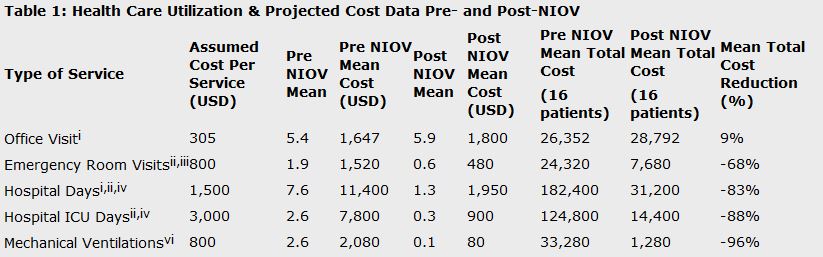
The study found that the slight 9% increase in outpatient visit costs may be associated with the use and maintenance of non-invasive open ventilation systems. In contrast, all other metrics showed significant declines: emergency department visit costs decreased by 68%, hospital length of stay decreased by 83%, intensive care unit (ICU) days decreased by 88%, and mechanical ventilation costs became negligible due to a remarkable 96% reduction compared to previous levels.
From the respiratory status of two patients before and after wearing NIOV,COPDScores on the COPD Assessment Test (CAT) and the Medical Research Council (MRC) dyspnea scale showed more significant improvements in the post-NIV phase. Identifying this trend is straightforward: as overall costs decline, so too should the costs generated by the system. “This is truly good news. During the period of implementation, patients were able to manage more aspects of their own care, reducing their reliance on the broader healthcare system and thereby saving on out-of-pocket expenses. Moreover, the system as a whole could operate at a lower cost and with reduced burden,” said Dr. MacIntyre. “Clearly, the use of this open-ventilation device, whether for home care or exercise monitoring, reduces the utilization of medical resources, representing a more cost-effective and efficient approach to treating chronic respiratory diseases.”
” 
Non-Invasive Open Ventilation System (NIOV)
COPD patients have a greater need for respiratory support than for other health needs. With the development of wearable ventilation technology, patients with chronic respiratory diseases now have better opportunities for sustained breathing assistance. Remember the feeling of climbing nine flights of stairs in one breath without resting? Many achieve this vitality by using NIOV.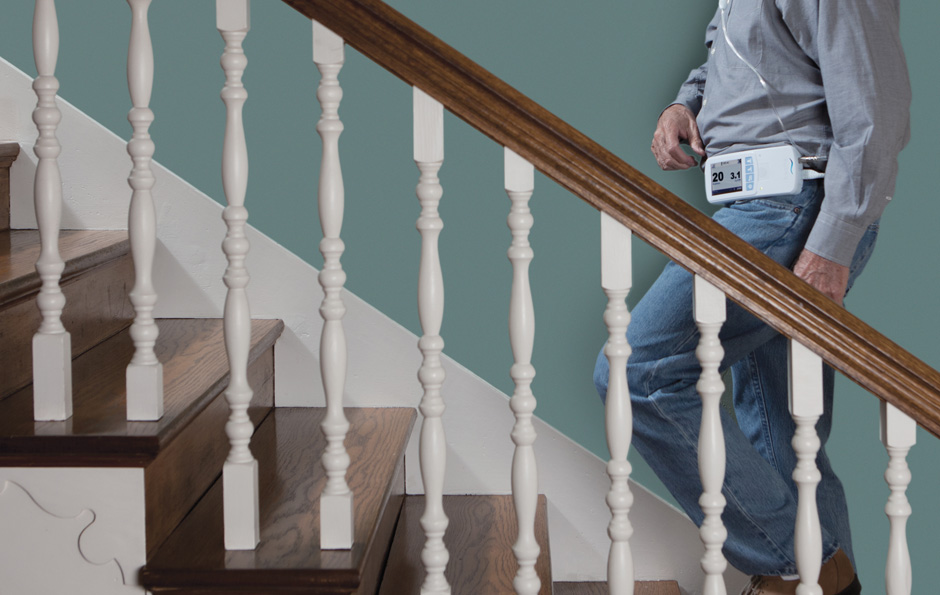
The entire NIOV system was developed by Breathe Technologies, a company dedicated to improving human respiratory health. Its founder has over 20 years of executive management experience at Apria, the largest home healthcare company in the United States. Investors include prominent firms such as Kleiner Perkins and Johnson & Johnson. The company’s current product portfolio is primarily focused on the NIOV system.
So, what exactly is NIOV?
In April 2014, the FDA approvedBreathe Technologies has developed a portable respiratory device called Breathe NIOV, which is the first such device approved by the FDA.NIOV is a lightweight, palm-sized smart device designed to enhance your respiratory volume, with a built-in filtration system that improves the quality of inhaled oxygen. Many users report that NIOV makes breathing significantly less laborious. NIOV offers three activity modes: Rest (Low), Moderate Activity (Medium), and Exercise (High). As NIOV requires a pressure source to operate, it must be used in conjunction with an oxygen cylinder or other oxygen supply. The device is also portable for on-the-go use, with a rechargeable battery providing approximately four hours of continuous operation.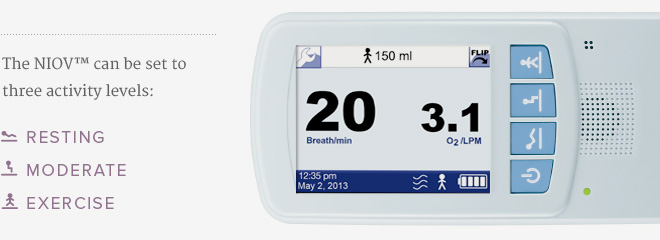
The NIV device is connected to a pillow-style nasal interface that covers only the nostrils, leaving the mouth uncovered, allowing you to converse freely even while the device is in operation. Your respiratory therapist will assist you with setting up the NIV device, selecting the most comfortable nasal interface, and optimizing your lifestyle adjustments.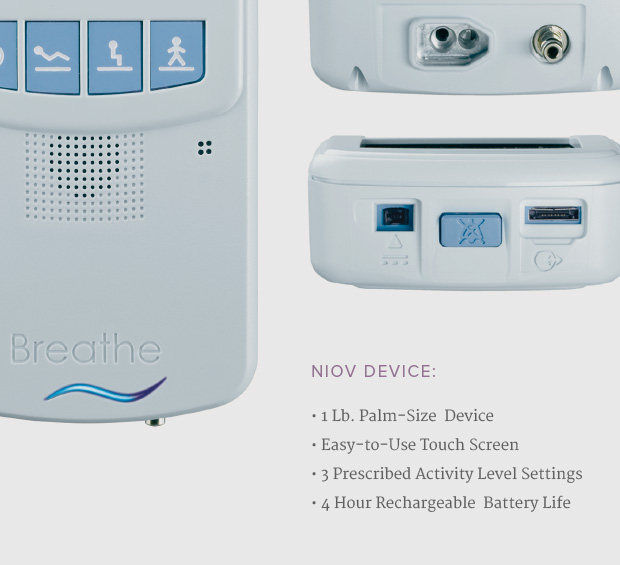
Clinical studies have shown that NIOV technology, which delivers large volumes of mixed air and oxygen to the lungs, helps reduce shortness of breath and improves the exchange of carbon dioxide and oxygen in the lungs, thereby reducing the work of breathing and providing a sense of relief.
But,Beyond effective treatment of COPD, accurate monitoring is also essential. Below, we introduce several wearable devices capable of monitoring chronic obstructive pulmonary disease. Let’s get straight to the key details.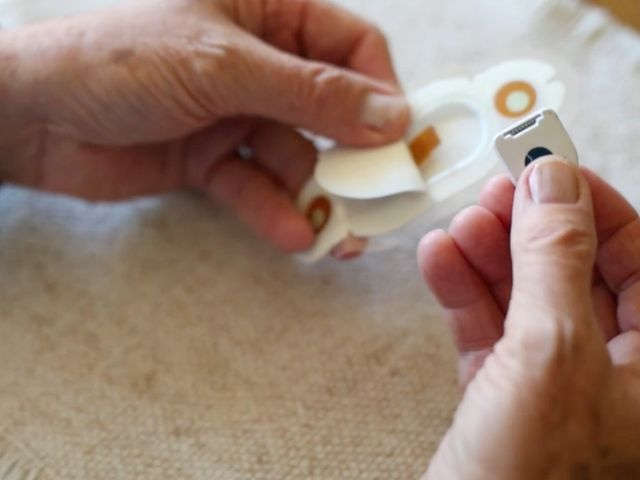
Philips earlier announced a new device capable of monitoring chronic respiratory diseasesWearable Diagnostic DevicesThis device is quite compact and primarily operates using built-in digital sensors. It records biometric data from patients with chronic obstructive pulmonary disease (COPD) and then transmits the data to the patients’ mobile devices via the cloud-based Healthsuite platform. The sensor itself is not particularly unique; what sets it apart is the use of the cloud-enabled HealthPatch sensor, which allows both patients and physicians to access relevant health data in real time, around the clock.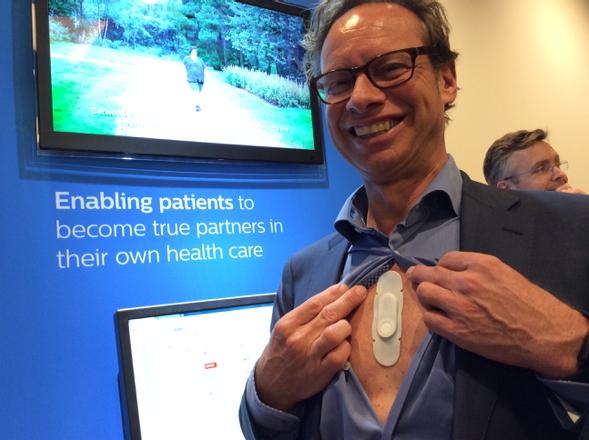
According to Philips, this patch can monitor a person’s respiratory status, cardiac rhythm, and heart rate variability during both activity and rest. The data are then transmitted to physicians via two Philips software platforms: eCareCompanion and eCareCoordinator, enabling remote monitoring of patients’ conditions without requiring them to remain hospitalized.
Another is Wing, a wearable hardware device that has garnered widespread attention on Indiegogo.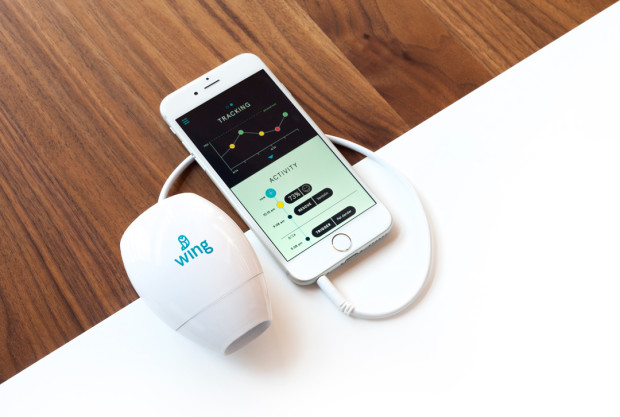
WingIt is the flagship product of Squro Laboratory, which is affiliated with St. Louis Digital Health, a biotechnology company dedicated to improving human respiratory health. The company’s founding story is quite interesting.
When the company was founded in 2012, Abigail Cohen and Andrew Brimer were merely senior students in the Department of Engineering at the University of Washington. Upon entering the university in 2011, they recognized that chronic respiratory diseases constituted a severe global health challenge. Consequently, they embarked on an intensive search for disruptive and innovative solutions, consulting extensively with both physicians and patients. They subsequently collaborated with an innovation team named “Wing” to research solutions for chronic respiratory diseases. To sustain their early-stage research, they participated in numerous competitions and secured significant prize money. By the time they graduated in 2013, they had established Sqaro Labs to devote themselves full-time to the development of the Wing product series. Sqaro later raised $1.3 million in angel investment and was selected as one of the 32 teams featured at the White House Demo Day. A five-member team worked tirelessly around the clock to bring the product to fruition.
(Double-tap to see the handsome guy)
Alright, back to the product~
This is a wearable device for treating asthma and COPD. The complete system includes a pocket-sized sensor and a companion app. The device is primarily used to monitor lung function status, whether you are engaging in leisure activities, diving, or mountain climbing—anytime you wish to monitor your lung function, you can use it. It also allows patients to manually input factors affecting lung function, such as medications and physical conditions, for analysis by the app. Regarding the price, we’ll just say it’s not $99, nor $9.9, but only $89! Take home your Respiratory Care Manager~ However, the device is currently under review and has not yet been approved by the FDA, but the product isIndiegogoThe crowdfunding campaign is progressing well, with more than half of the goal already met and a large following secured. Mass production is expected to begin in the summer of 2016.
BuddyWOTCH: A Smartwatch Developed for COPD Patients
Activ8rlivers has developed BuddyWOTCH, a smartwatch project designed for continuous monitoring of oxygenation. BuddyWOTCH has been certified as a Class II CE-marked home-use medical device. It integrates multiple sensors to measure patients' key vital signs and automatically transmits the data to the cloud via cellular or wireless networks.
The entire BuddyWOTCH solution features a wrist-worn device designed for 24/7 use, providing continuous monitoring and alert capabilities. The integrated sensors primarily monitor parameters such as ambulation, respiration, temperature, and heart rate, all without requiring any patient operation as the system is pre-configured. According to company executives, the entire suite, including the cloud platform, meets professional medical-grade standards, enabling patients to receive high-quality, sustainable care while at home alone.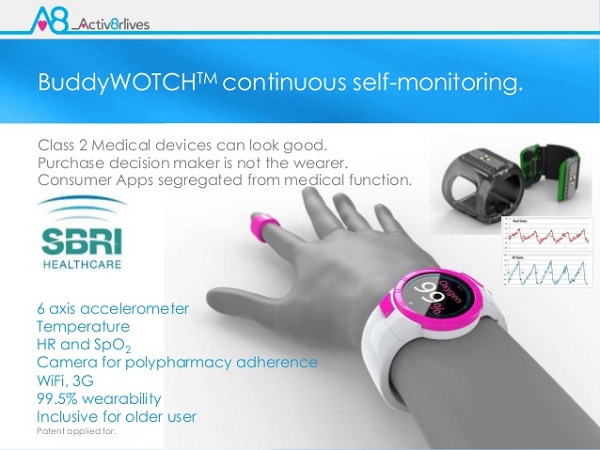
This wristwatch-style device is essentially a simple electronic unit designed to monitor lung function by measuring peak expiratory flow rate (PEFR) and transmitting the data to a mobile app. This allows users to track weekly changes in lung function, particularly during periods of physical activity or weight fluctuation. All generated data are uploaded via an Activ8rlivls account, ensuring full compliance with EU privacy regulations.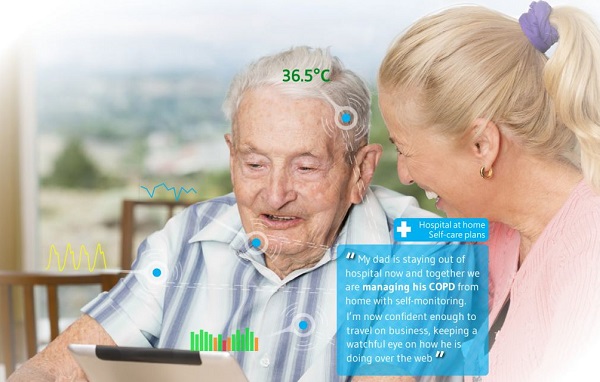
With these data, patients with asthma or COPD can engage in remote medical consultations and then proceed with self-management. Isn’t that extremely convenient?
Aseptika is a UK-based company specializing in the development and sale of wearable healthcare devices, established in 2007. The company aims to help patients maintain their health and improve self-management through these solutions. Its current product line primarily includes pulse monitors, blood glucose and blood pressure monitors, wearable pedometers, body composition analyzers, and COPD monitors.